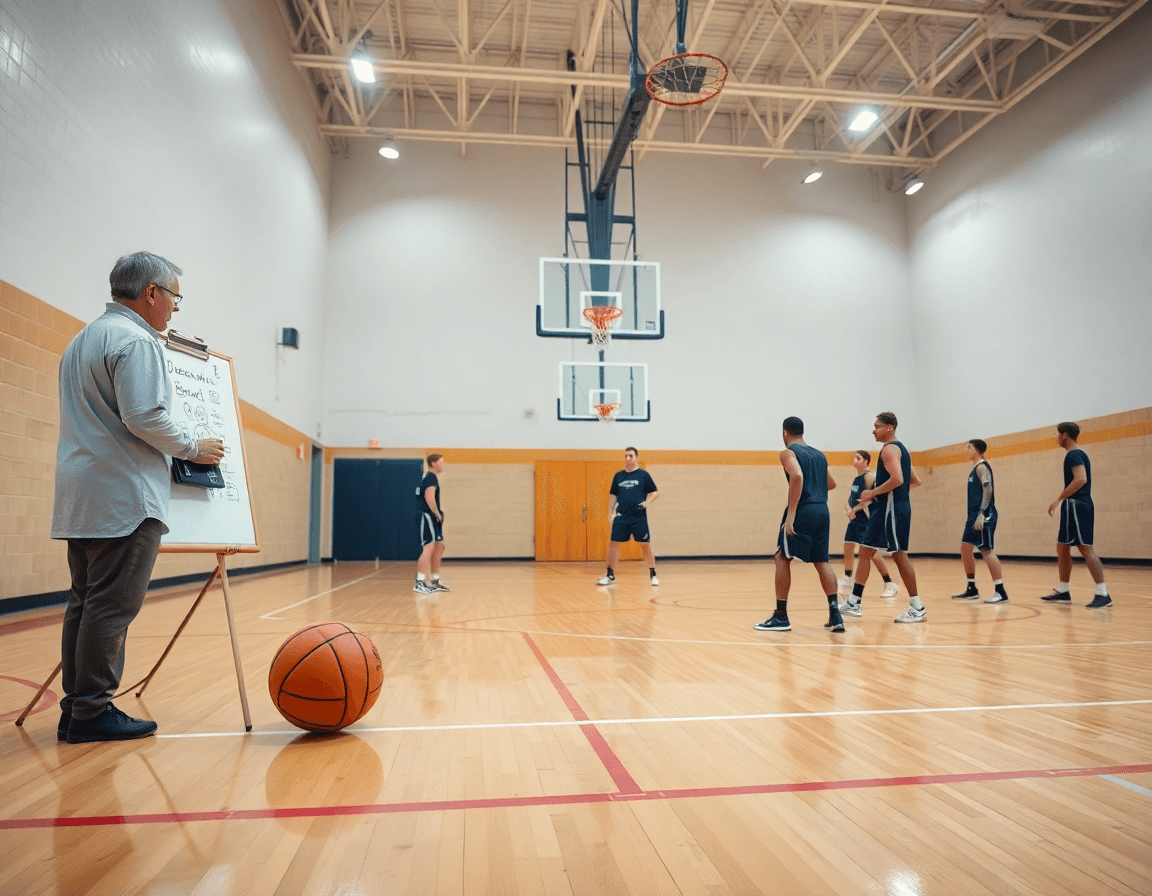
Best Defense in NCAA Basketball: Weekly Coach Playbook
Discover what defines the best defense in NCAA basketball this season and how coaches turn defensive metrics into a practical weekly workflow using planning, film, scouting, and whiteboard tools.

Key takeaways
- Anchor your week with defensive efficiency and an elite emphasis on limiting opponent field goals.
- Track DRtg and three-point defense, then translate insights into practice rotations and cues.
- Map opponent tendencies from scouting notes, label BLOB/SLOB/ATO/PnR, and script focused drills.
- Create a weekly defense plan with a clean whiteboard map and defensive workflow that bridges film to practice.
- End-week reviews connect data to drills; adjust opponent FG% targets and tempo.
What defines the best defense in NCAA basketball this season
The best defense in ncaa basketball this season isn’t a single stat. It’s a mosaic built from multiple pieces that hold up under pressure. The best defense in ncaa basketball this season is multi-faceted: it hinges on defensive efficiency, the ability to keep the opponent’s field goal percentage low, and a solid three-point defense that curtails space beyond the arc. Rebounding and turnovers matter, too—second-chance points and live-ball pressure swing outcomes. Top programs defend with a coherent approach across every phase, not just one metric.
Beyond the basics, advanced metrics provide the lens coaches rely on. DRtg and KenPom defensive rating help you compare setups across opponents and seasons. A truly elite defense keeps DRtg low while maintaining a stingy opponent field goal percentage and restraining three-point attempts. The numbers translate to on-court success via defensive rebounds and forced turnovers. Culture, communication, and timely rotations drive those numbers from practice into game days.
Translate that into a weekly workflow: in the training plan, you review scouting notes to identify opponent tendencies, map their go-to actions on the whiteboard (BLOB/SLOB/ATO/PnR), and select clip groups for a focused defensive emphasis. A short video clip showing a successful contest or breakdown of a miscue goes into a quick team discussion. Use a concise checklist on defensive rebounds, closeouts, and help rotations to keep the defense aligned all week.
Practical workflow step
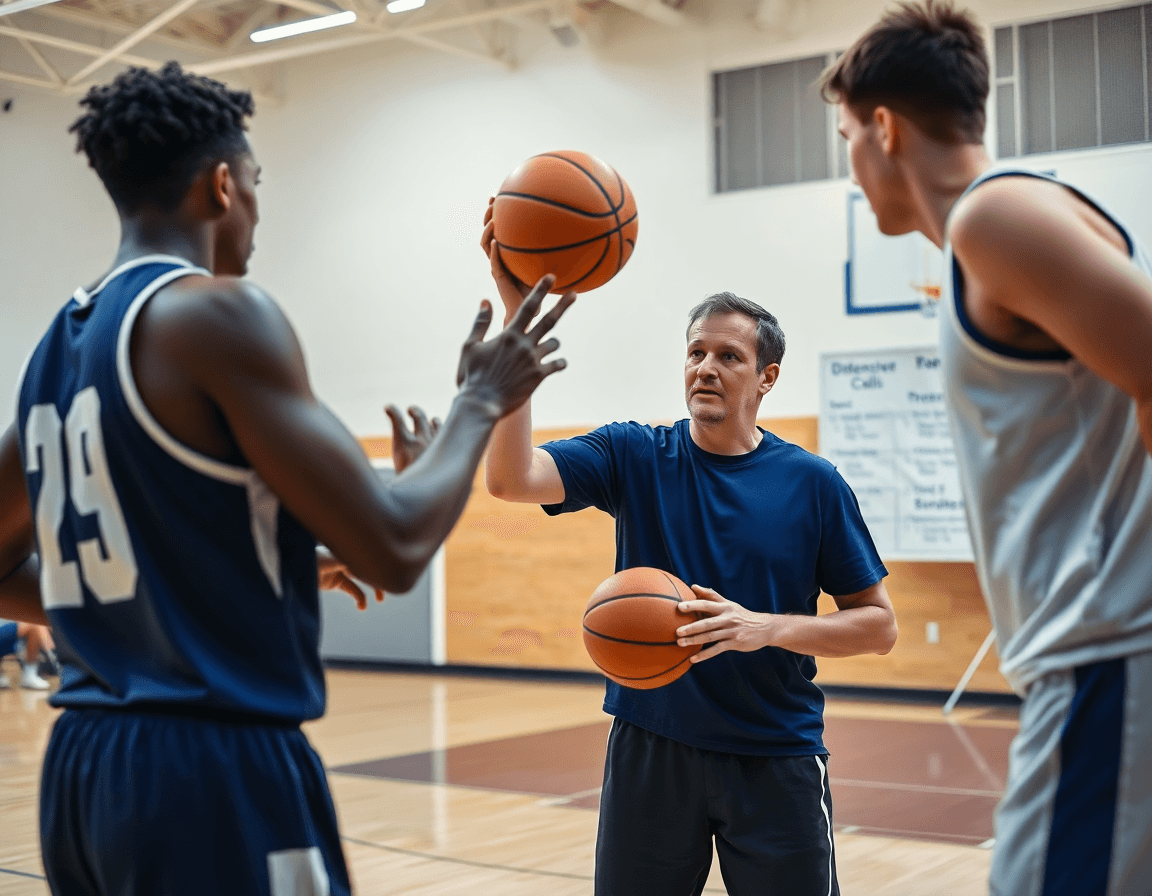
Allocate 60–90 minutes for weekly defense prep: review the opponent, map key actions, and plan rotations. This is where the defensive workflow comes together—a clean bridge from scouting to practice. I start with the scouting report and the KenPom defensive rating trends, zeroing in on opponent field goal percentage and three-point defense, plus how they attack gaps and space the floor. With those inputs, I sketch the core plan: where we must switch, trap, or recover, and which players anchor the middle and protect the rim. The aim is to hold them below their typical defensive rating while we safeguard our pace and rebound emphasis.
Next, tag sequences (BLOB/SLOB/ATO/PnR) from opponent film and translate into a practice plan. Each action becomes a drill label and a defensive call during warmups, so the transition from film study to on-court reps is seamless. For example, if they run a lot of PnR with early ball reversals, we script two to three drills in our plan: hedge/ice and a recovery drill for backside help. This keeps the emphasis on warding off clean looks and controlling the pace—a cornerstone of our overall defensive efficiency.
Export the plan as a PDF and share with assistants; update boards and film reels accordingly. The PDF anchors pregame talks, while the whiteboard diagrams reflect the rotation map and the BLOB/SLOB/ATO/PnR scripts. In practice, we link planning to player prep with labeled drills and defensive calls, and we drop a short video clip into a shareable playlist for quick player review. The result is a smoother defense planning cycle, clearer communication, and a tangible uptick in limiting opponent field goals and three-point attempts.
Metrics to track for planning and improvement
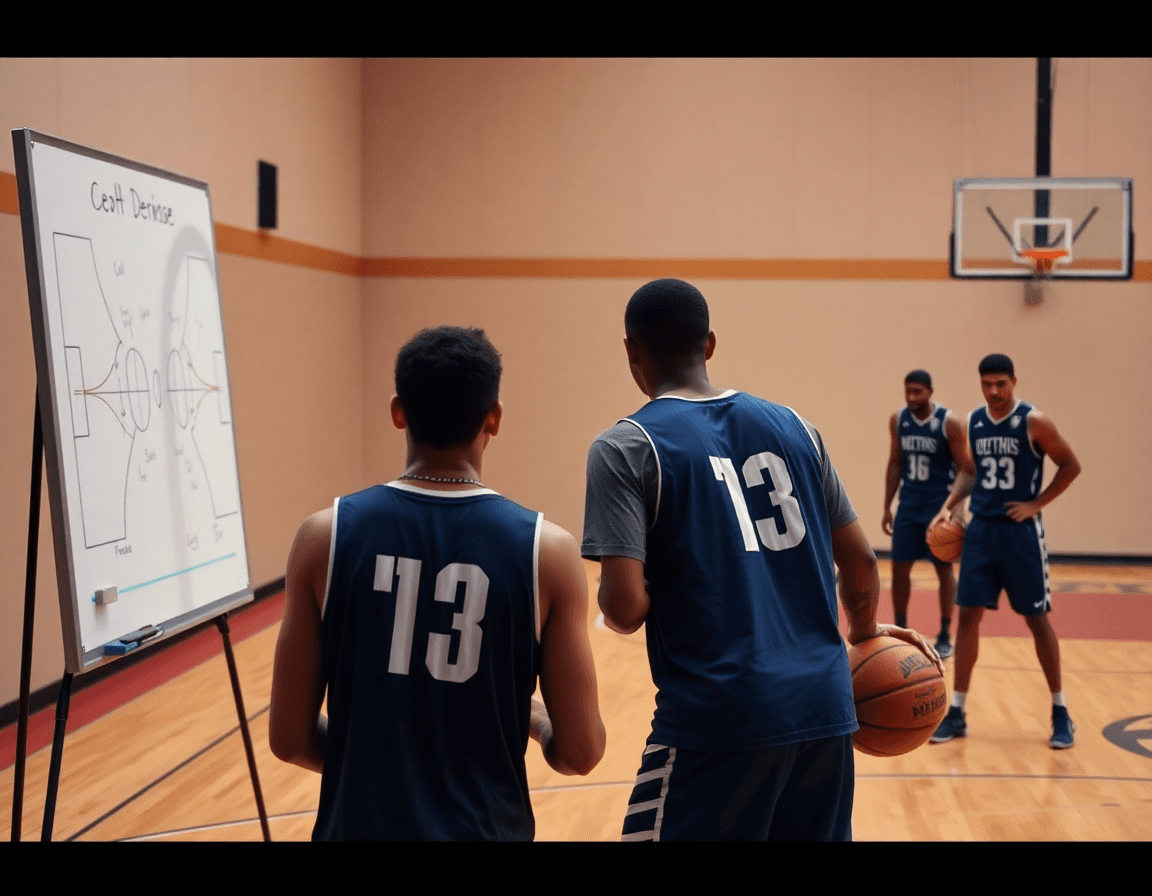
Metrics set the compass for our weekly defensive prep. Defensive efficiency and DRtg gauge overall effectiveness across possessions, turning game data into actionable patterns. If DRtg spikes after a few miscommunications, I note it in the plan and shape drills around containment, rotations, and timing. On the whiteboard, I map a simple sequence—hedge, recover, contest, box out—each tied to a DRtg target for the week. A quick video clip gives the team a reference point to study in the locker room.
Next I zero in on the opponent. Opponent field goal percentage and three-point defense reveal where rotations break down and where we need tougher closeouts. Our scouting notes flag shooters who heat up in transition or catch-and-shoot windows. In the plan, I slot blocks for footwork, contest timing, and help rotations, then share clips of possessions we want to imitate. The weekly playlist lets players study the pattern when they’re off the floor.
Defensive rebounds, forced turnovers, and steals guide drill emphasis. If we’re letting teams crash the glass, I insert rebounding and box-out sequences into practice blocks. If our defensive turnover rate is down, we add ball-pressure and live-ball drills to spark steals. We turn results into clear practice priorities and annotate the whiteboard with the schemes we’ll ride next week.
At week’s end, we feed the data back into the workflow: plan, whiteboard, video, scouting notes, and playlists. The numbers point to what to defend harder and where to tighten. We test adjustments in the first session and measure again.
Scouting and game planning against elite defenses
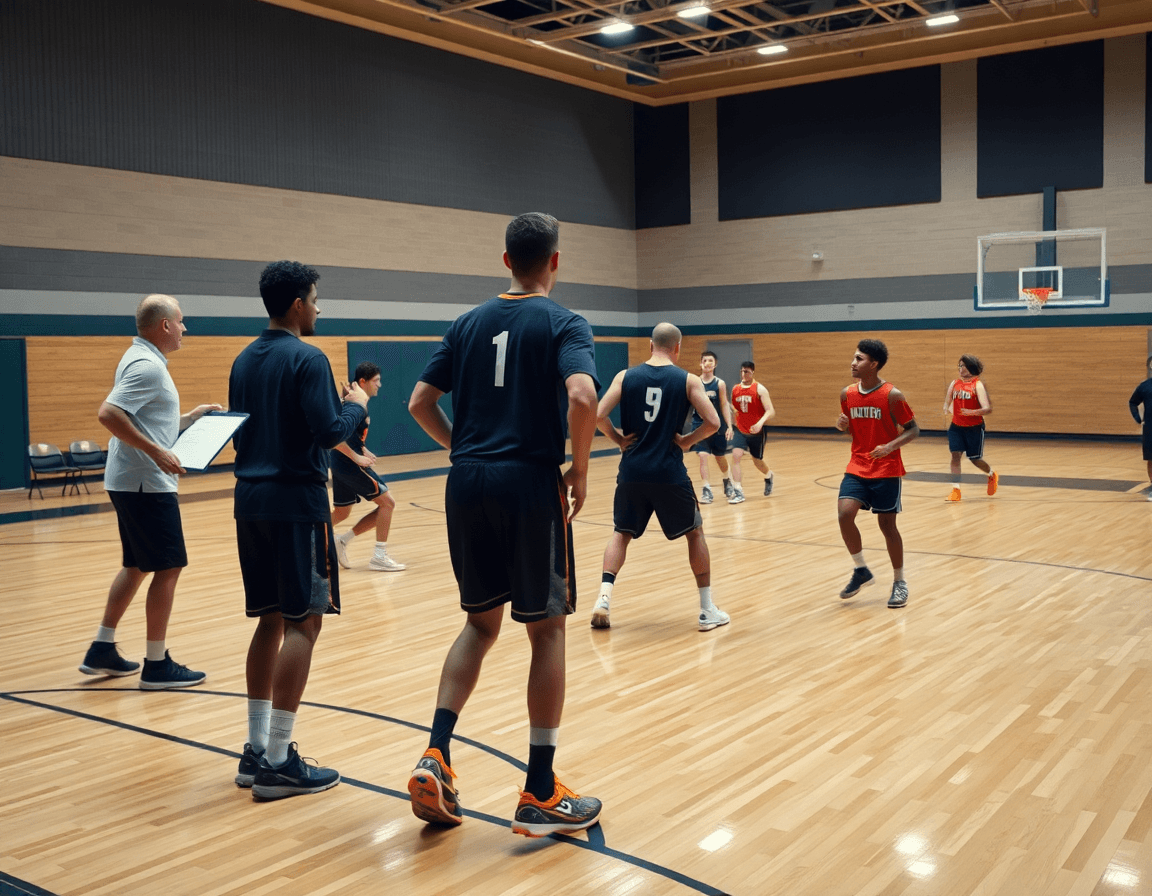
Facing elite NCAA defenses requires a clear map of where their pressure lives. I start with a thorough review of scouting reports, then break down defensive schemes, trap triggers, and switch patterns. Pulls from KenPom defensive rating, opponent field goal percentage, three-point defense, and points allowed per game tell you where to attack and where to stay patient. This becomes the cornerstone of the weekly defensive prep, and it lives in the plan and scouting notes.
From the scouting notes, we craft counter-plays and attack windows against their strengths. Scout plays diagram two primary responses to their pressure and where we expect to gain a high-quality look. If they run a two-high trap on the wing, we execute a quick ball reversal into a back-cut option; if they switch on ball screens, we pair a handoff sequence to exploit the mismatch. We keep these diagrams on the whiteboard and reference a short video clip that shows the exact movement. This is where the workflow—plan, whiteboard diagrams, short video—really comes to life for the staff and players.
We develop scout plays and sequences to neutralize pressure and create easier looks. The goal is to build reliable sequences that beat traps and force open shots. We script 4-pass sequences that start with a fast reversal and end with a high-percentage attempt, then rehearse them in the practice plan as drill reps. After practice, we bundle the key clips into a straightforward video playlist for quick player review.
Playlists and shareable video clips are updated weekly, so players can study the opponents’ defensive schemes even on off days. The scouting reports feed right into the plan, the whiteboard, and the clip library, keeping every member of the staff aligned on the best counter against elite defenses.
From whiteboard to game day: implementing the plan
In a weekly defensive prep, the whiteboard defense diagrams become your on-court map. I start by translating the opponent’s tendencies into clear rotations, help angles, and communication cues. Our aim isn’t flashy click drills; it’s a precise flow that keeps the opponent from getting clean looks. We watch for rotation speed and proactive denial—we want the defensive efficiency to rise without chasing fouls. The board shows the blueprint for a plan that fits our personnel and the opponent’s rhythm, edging toward a stronger defensive rating.
We lock in a concept and run it through practice reps: BLOB/SLOB/ATO/PnR are not catchphrases; they’re the citations we teach our players to read. We take a specific look, diagram it, then drill it in live-fire drills until the reads and coverages feel automatic. Transitions between switches, hedges, and drops get rep after rep, with emphasis on angles and air time. The goal is faster rotations, tighter help, and, ultimately, better rotation speed as we shrink gaps and contest shots—without letting them slip into open three-point opportunities.
The whiteboard is also our assignment board. We assign roles, track progress, and adjust as needed. After practice, I export the diagrams and notes into PDFs for the staff session, so assistants, video scouts, and managers stay aligned. It’s about accountability and visibility—everyone sees who’s responsible for the next rotation or a late closeout.
We pair the plan with video and scouting notes. A quick clip shows the scout’s key actions, then we mirror those actions in the drills. We measure impact with the numbers that matter: opponent field goal percentage, three-point defense, and points allowed per game, all tied to our defensive efficiency and DRtg. A few clips later, the plan feels clear enough for the rotation to be muscle memory on game night. And when the action shifts to the floor, our defense remains as cohesive as the diagrams that started the week—a true whiteboard-to-game-day evolution.
Video workflow for defense: clipping, tagging, and sharing
Video workflow for defense starts the moment film lands. I clip opponent possessions by defensive action: stops, breakdowns, and successful rotations. I tag each clip by the defensive trigger—ball-screen defense, on-ball pressure, help-and-recover—and drop it into our defense film library to reuse in drills. This isn’t highlight reels; it’s a focused library that guides our weekly defensive prep and helps us chase the best defense in NCAA basketball.
Next, I tag for assignments: rotate, tag, contest, rebound. Those tags become the language we use in practice plans and drills. I also build player-specific playlists so each defender can study his roles—one for weak-side help, one for containment on kick-outs, one for closing out on shooters. When the plan calls for a particular shell or rotation, the clips are right there, waiting to be scanned and drilled.
Distribute shareable video links so players can study on their own time. We send a single link to the team, and every defender gets access on phone, tablet, or laptop. The idea is simple: defense film that travels with the squad. A quick glance before film study or a pump-clip between classes keeps our rotations clean and repeatable, even when workload is heavy.
All of this ties back to the numbers we chase: defensive efficiency, DRtg, KenPom defensive rating, and opponent field goal percentage. The clips spotlight where we’re sharp and where we’re off, from three-point defense to points allowed per game. This is how we translate raw video into real-week performance—planning, whiteboard diagrams, and scouting notes all connected through a tight video workflow.
If you build plans like this every week, CourtSensei keeps your drill library, whiteboard, and video clips in one place — try it free.
FAQ
What defines the best defense in NCAA basketball this season?
This season’s best NCAA defense isn’t built on a single stat. It’s a mosaic that holds up under pressure. It centers on defensive efficiency and a tight three-point defense, plus solid rebounding and disciplined turnovers. Elite programs defend in concert, with sharp communication and quick rotations on every possession.
Which stats define a top NCAA defense (defensive efficiency, DRtg, FG% allowed, 3PT% allowed)?
Core stats define a top NCAA defense: defensive efficiency and DRtg for overall stinginess, plus opponent FG% allowed and 3PT% allowed. The best defenses keep those numbers low while denying clean looks and big gaps from three. Pace-adjusted metrics help you compare teams across schedules without bias.
How is defensive efficiency calculated in college basketball (KenPom/DRtg)?
Defensive efficiency is points allowed per 100 possessions. DRtg is KenPom’s defensive rating, which normalizes for tempo, so you compare teams fairly. In practice, a lower DRtg and a lower opponent FG% and 3PT% signal a tougher defense. Use these metrics alongside scouting notes to plan weekly practice focus.
Which teams are known for elite defense in the NCAA Tournament?
Elite defense in the Tournament often travels with you. Look for teams with top tier KenPom defensive ranks, rim protection, and positional versatility. Historically strong examples include Houston, UConn, and Alabama, plus programs that guard the arc and force turnover pressure. In a bracket, those defenses survive grind games by contesting each shot and limiting second chances.
How does Houston's defense compare to Duke's this season?
Houston tends to lean on elite switches, rim protection, and aggressive ball pressure. Duke brings length and active help, but can give up more in transition if pressure breaks down. Compare with defensive efficiency and opponent FG% to quantify the gap. The edge usually shows in discipline, rotations, and second-chance control.
Does defense win championships in NCAA basketball?
Defense often fuels championships, but offense and rebounding matter too. A lockdown unit sets the pace, forces turnovers, and shortens games in March. The best champions blend perimeter pressure, interior protection, and efficient scoring. In short: defense is foundational, but it does not guarantee a championship.