College basketball playbook pdf: weekly coaching workflow
Discover a practical weekly workflow for coaches: use a college basketball playbook pdf with practice plans, diagrams, video clips, and scouting to prep.

Key takeaways
- Use a PDF with 600+ diagrams as a revision-friendly reference across the weekly coaching cycle.
- Import plays into practice plans and assign them to teams, sharpening repetition and install efficiency.
- Organize plays by offensive sets and tempo to build cohesive weekly progressions.
- Link diagrams to video clips and game film to turn diagrams into live practice.
- Create shareable playlists and timestamps to accelerate feedback and align players with the plan.
Why a PDF playbook fits the weekly coaching cycle
A college basketball playbook pdf fits the weekly coaching cycle because it provides a single, revision-friendly reference for offensive plays. The PDF with diagrams consolidates sets, actions, and diagrams coaches reference during planning, walkthroughs, and drills. If you’re using a PDF with 600+ diagrams, you can layer in different looks for each opponent and keep your play names consistent across the week.
During planning, you pull the PDF into your practice plans: you install two or three key offensive plays for the week, annotate the diagrams for the drills, and attach them to the workouts you’re shaping. This keeps the install tight and repeatable, so assistants know exactly what to run and when to press play on a new concept. A well-organized PDF with diagrams makes it easier to translate theory into on-court action without reinventing the wheel each day.
On the tactical whiteboard, you redraw the diagrams from the PDF and map out motions, reads, and spacing for each scenario—BLOB, SLOB, or PnR—so the team sees a live flow next to the static diagram. You can export those boards back to PDF for quick handouts, or reference them during walkthroughs in the same week.
Video clips become the bridge between diagram and execution. For a given play, you pull game film, slice three relevant moments, and assemble a short, shareable playlist for the squad. When players see the exact sequences tied to a diagram, the concepts stick—not just the letters on a page.
Scouting reports align with the PDF plays, noting opponent tendencies and mapping the corresponding offensive sets so prep and in-game strategy stay connected. This is how a simple PDF becomes actionable training and game prep, not just a static reference.
Integrating a college playbook PDF with weekly practice plans
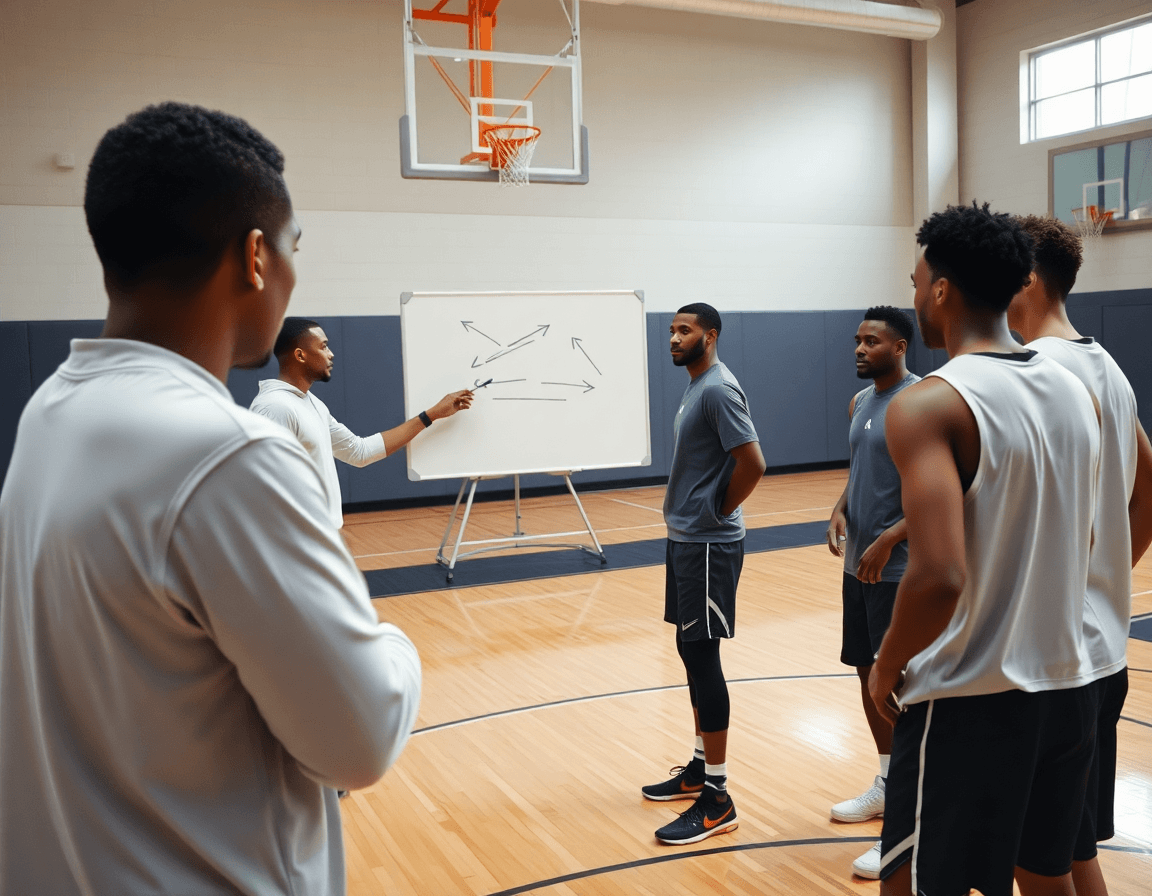
Starting with a college basketball playbook pdf, the real work is turning those static diagrams into a plan for the week. Import plays from the PDF into your practice plans and assign them to teams or sets for installation. If you’ve downloaded the PDF with 600+ diagrams, you can tag each play by tempo and offensive set and translate it into on-floor reps that fit your schedule. The goal is a smooth path from diagram to drill to live action.
Create staff-accessible outlines and printable PDFs from the playbook. With CourtSensei, a simple export yields a one-page guide for assistants and a ready-to-distribute sheet for the bench. The staff can review the PDF with 600+ diagrams and mark tweaks, then share updated outlines before practice. This keeps everyone on the same page and gives you a quick reference during warm-ups or film sessions.
Organize plays by tempo and offensive sets (DDM, Horns, BLOB, SLOB, dribble drive motion) for efficient planning. In your weekly workflow, you group plays by offensive sets and pace, then place each diagram on the whiteboard or in a short video clip linked to the play. This grouping makes it easier to pull a quick sequence during a check-in and build a cohesive progression for both primary and scout teams. As you advance, you can generate shareable playlists that pair the diagrams with game film for review.
Diagramming plays on the whiteboard: from PDF to on-court action
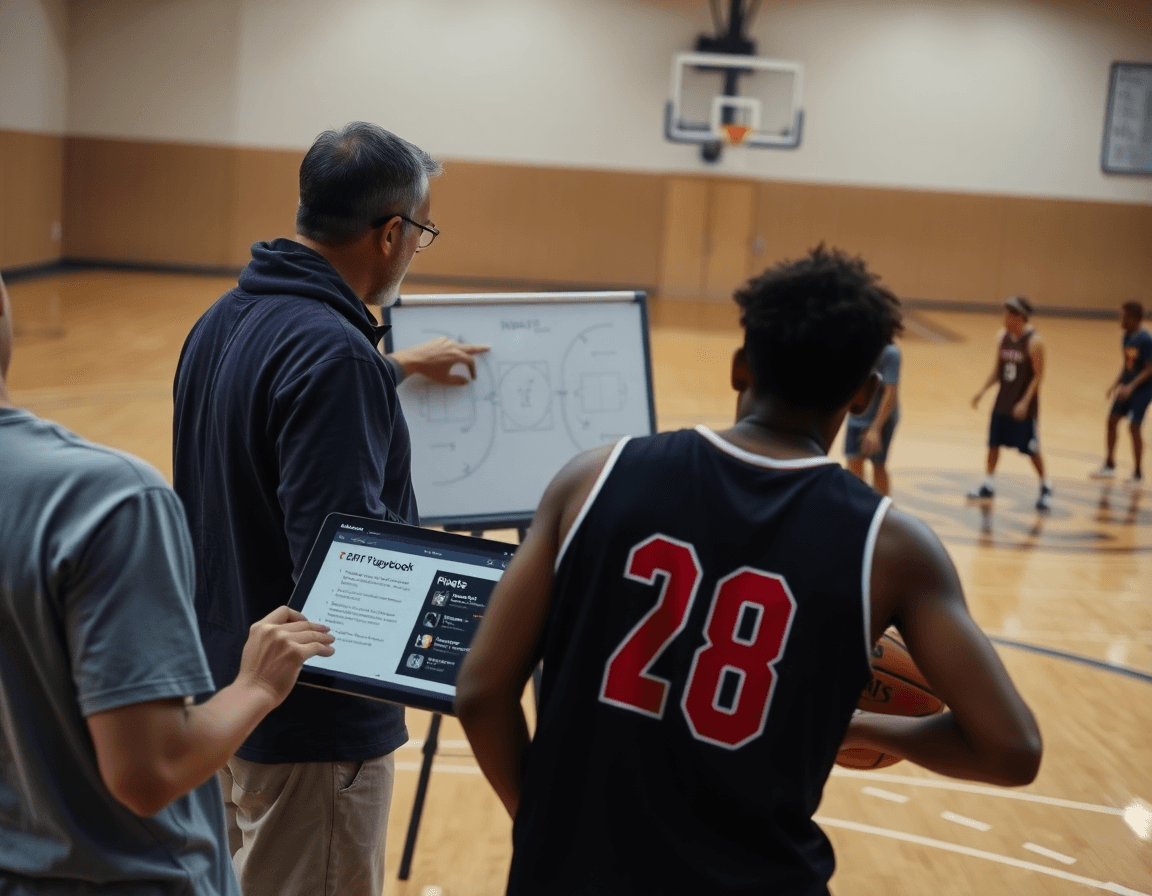
Diagramming from a PDF to on-court action starts with the court and a whiteboard. I lean on whiteboard diagrams pulled from a PDF with 600+ diagrams and pull a handful focused on BLOB, SLOB, and PNR. Then I map spacing, timing, and reads, annotate screens and rotations, and keep arrows clean so assistants can follow without a glossary. The goal is to move a diagram from static image to a weekly plan that drives a drill sequence—turning concepts into actionable practice and, later, game prep.
Exporting the annotated diagrams as PDFs for scouting reports and game prep packets closes the loop. I use a quick command to export PDF, producing clean diagrams that sit in the scouting reports and weekly prep packets. The PDFs preserve the play shapes, reads, and counters, so a coach can reference the plan when reviewing opponent tendencies or designing practice objectives.
Linking diagrams to video clips for quick review completes the cycle. I attach each diagram to its corresponding clips from game film or practice footage, so spacing and timing are visible in motion. With a single click, the staff can pull the diagram and the clip into a shared guide or playlist for players and assistants, accelerating feedback and reinforcing the reads on the floor. This linkage turns PDFs into living coaching tools that fuel the weekly plan.
Curating video clips and playlists for player review
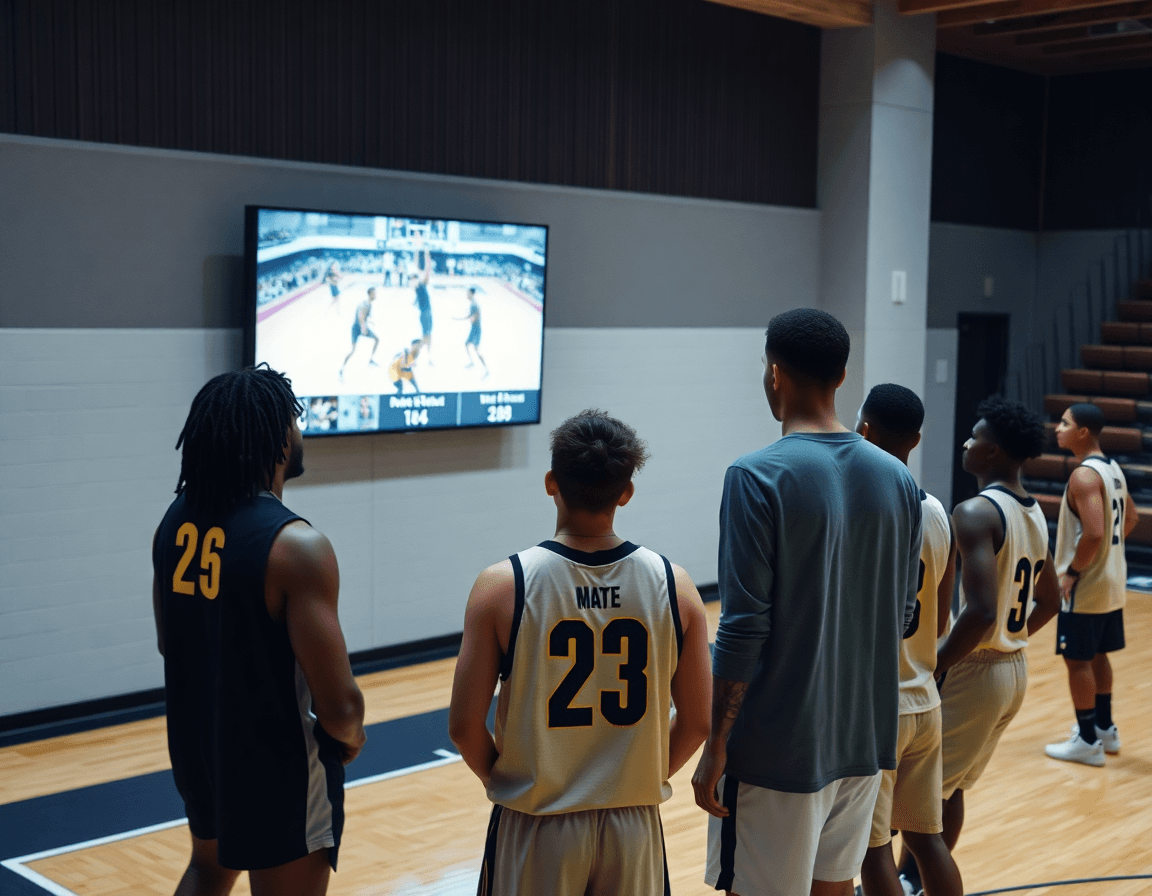
During weekly planning, I pair a college basketball playbook pdf (PDF with 600+ diagrams) with a curated set of video clips from game film. The goal is to turn static diagrams into actionable training. In CourtSensei, the PDF links directly to the video library, so I can jump from diagram to footage in seconds and keep both in sync within the plan.
On the tactical side, I pull up the PDF's offensive plays—diagrams for BLOB, SLOB, and the dribble-drive motion—and map them to demonstrations on the whiteboard diagrams. I also pull animated diagrams for a quick visual and then grab a few related clips and pin them to the same play. This way, a single scenario in the PDF becomes a living, auditable sequence in practice.
Next, I assemble playlists and generate shareable links to players and assistants. I group clips by concept—offensive plays, transition, or set-piece—and attach notes from the PDF. A quick link goes out before practice so everyone shows up with a common vocabulary and a clear objective for the sequence.
Finally, I annotate clips with timestamps to streamline review sessions. A window like 0:12–0:28 highlights a read from the action, another 1:05–1:25 shows spacing in a curl cut. Those markers keep the film blocks tight and help players internalize the timing of offensive sets, especially in transition moments or after a turnover.
Building a scouting-driven game plan: using opponent tendencies
Weekly prep starts with opponent tendencies pulled from a college basketball playbook pdf. That PDF with 600+ diagrams becomes the backbone for offensive sets and counters we expect to see. I pull the relevant plays into our plan for the week, and I translate them into clear objectives for the practice plan. On the board, I map BLOB, SLOB, ATO, and PnR options from those diagrams, then I pull clips that match how a real game might unfold. The goal is to turn static diagrams into actionable drills.
With CourtSensei, the workflow is clean: attach a scouting note to the plan and to the whiteboard diagram so assistants see the counter we’re teaching. I export the matching video clips and drop them into a short, focused playlist for the players to watch before team sessions. We keep the drill path consistent: practice plan, whiteboard, video, and then scrimmage with the scouting emphasis. If we’re facing a team that runs a dribble-drive motion, we’ll show the animated diagrams on the board and run the exact counter in a controlled drill. I reference watch film to confirm tendencies and refine the counter reads in real time.
Develop scouting notes aligned with PDF plays to counter opponents. Attach scout reports to practice plans and whiteboard diagrams. Establish a weekly scouting checklist to stay prepared.
A practical weekly workflow: from download to game day
I start by downloading the college basketball playbook pdf—a PDF with 600+ diagrams that cover offensive sets, BLOB, SLOB, and dribble-drive motion. In CourtSensei, I import those plays into my practice plans and pin them to the week as part of the weekly workflow. I tag them by rotation and scenario and drop related plays into a private library for quick reuse. The goal is to move a static diagram from the PDF into a structured teaching sequence every Monday through Friday.
On the whiteboard, I diagram calls from the PDF, sketching spacing and reads, labeling screens, cuts, and ball movement that align with BLOB/SLOB or dribble-drive options. I attach short video clips from game film to each play so the staff sees timing and decision points. If helpful, I add brief notes for counters (weak-side help, recover to zone defense) and share the early diagrams with the team for review. I also attach scouting notes for the opponent's tendencies to tailor the installation.
Throughout the week: Monday install, Tuesday walkthroughs, Thursday situational drills, Friday review. By Friday afternoon, I export a final staff packet with diagrams and notes for game day. The packet includes a crisp PDF export of the plays and a set of shareable playlists linking to the relevant video clips, so players and staff can prep on their own time but stay aligned in the locker room before tip-off.
If you build plans like this every week, CourtSensei keeps your drill library, whiteboard, and video clips in one place — try it free.
FAQ
What is a college basketball playbook PDF?
Think of it as a centralized coaching resource: a PDF with diagrams of offensive sets, timing, reads, and counters. A college basketball playbook PDF streamlines weekly install, scouting, and practice planning. You can house hundreds of diagrams in one file, label them by tempo and set, and export quick handouts for the staff and the bench.
What plays are included in the NCAA Playbook 2025-2026?
A typical NCAA Playbook 2025-2026 bundles core offenses and counters: NCAA Playbook 2025-2026 includes Dribble Drive Motion, PNR variants, Horns actions, BLOB/SLOB, and transition concepts. It also pairs diagrams with quick reads, counters to common defenses, and situational routes so you can build a complete weekly install and scouting packet.
What is Dribble Drive Motion offense?
Dribble Drive Motion is a read-based, spacing-driven system that stresses attacking gaps off guards' drives and quick ball reversals. It blends simple entry passes with late-action cuts and a spread floor to create driving lanes. It scales well for youth, high school, and college when you adjust pace and spacing.
Where can I buy a college basketball playbook PDF?
Look for legitimate sources such as coaching vendors, clinics, or licensed files. You can buy a college basketball playbook PDF from reputable platforms; for example, CourtSensei offers downloadable PDFs with diagrams and notes.
Are these playbooks suitable for high school coaches?
Yes, with adaptation. Treat pace, spacing, and sets as starting points; simplify diagram complexity; adjust out-of-bounds options; emphasize fundamentals first. A well-structured PDF can be a bridge between theory and on-court teaching for high school coaches and their teams, with clear, actionable steps.
What do BLOB and SLOB mean in basketball?
BLOB stands for Baseline Out of Bounds and SLOB for Sideline Out of Bounds. They’re out-of-bounds sets used to start possessions and create organized looks under pressure. In a playbook PDF, you’ll see diagrams and reads tied to these headers, helping players execute consistently.