2 1 2 zone defense pdf: A coach’s weekly workflow
Learn how to turn a 2 1 2 zone defense pdf into a coach-ready weekly plan with diagrams, rotations, video clips, and scouting notes.

Key takeaways
- Establish the base alignment of the 2-1-2 (top elbows, middle anchor, bottom wings) for consistent rotations.
- Translate the PDF into a weekly workflow with Practice Plans, shell drills, and progressive reps.
- Assign rotation duties to assistants and use quick check-ins to track reps and alignment.
- Use Video Clips and PDF diagrams for on-court teaching and quick reference during practice.
- Structure the install with a Day 2–7 rhythm, ending in film review and adjustments.
Understanding the 2-1-2 zone defense from a coach’s lens
As a coach who uses CourtSensei, understanding the 2-1-2 zone defense starts with a clear image of the base alignment. In the diagram you’re studying, two top defenders stand at the elbows (1 and 2), the middle anchor sits at the key (5), and the bottom pair nests near the blocks (3 and 4). This frame gives you a reliable reference as you teach angles, gaps, and recovery runs. The 2-1-2 zone defense pdf becomes your map for turning patience and discipline into reps.
Purpose: protect the paint, deter dribble penetration, and provide solid help while challenging passes into the post. This setup is built for paint protection, deterring dribble penetration, and offering solid help while challenging passes into the post.
Core rotations emphasize quick ball pressure and maintaining the center anchor as the ball moves from top to wing to corner. The emphasis here is on keeping the elbows active, closing passing lanes, and communicating angles so that rotations stay tight and predictable when the ball reverses.
To make it repeatable, translate the PDF into a weekly workflow: create Practice Plans aligned to the PDF rotations; on the Whiteboard diagram the alignments; compile Video Clips for rotation-specific teaching; generate Scouting Reports for opponents; and share target Playlists with staff and players. This approach keeps your week organized around the same rotation concepts, so your defense becomes instinctive rather than improvised.
From PDF to practice plan: weekly workflow
From the 2-1-2 zone defense pdf, I pull the core alignments and rotation rules that drive the scheme. I mark where to trap, how to shade the elbows, and when to pressure the high post. Those cues become the backbone of my weekly workflow and map directly to Practice Plans so every assistant sees the rotations clearly. Focus areas include paint protection, high post defense, low post defense, elbows, ball reversal, skip pass, and trapping top of the key.
That translation becomes a drill block weekly plan with progressive reps. We build from fundamentals to live reads: shell rotations to lock in positioning, progress to ball reversals and skip passes, and finish with top-of-key traps. Each drill ties back to the PDF rotations, so players internalize the timing and spacing without overthinking it. This also becomes the anchor for a solid practice plan for the 2-1-2 zone.
I assign rotation responsibilities to assistants through the plan and use built-in tracking to see who’s executing which assignment. A quick check-ins after practice confirms reps completed and notes where the alignment still slips. With clear ownership, the weekly workflow stays visible, and the team keeps moving forward without guesswork.
On plan day, I loop back to the court: diagram alignments on the Whiteboard, assemble rotation-specific Video Clips for teaching, generate Scouting Reports for opponents, and share target Playlists with staff and players. The result is a tight loop: the PDF informs the plan, the plan guides the practice, and the clips and reports reinforce what we want executed in game-like rotations.
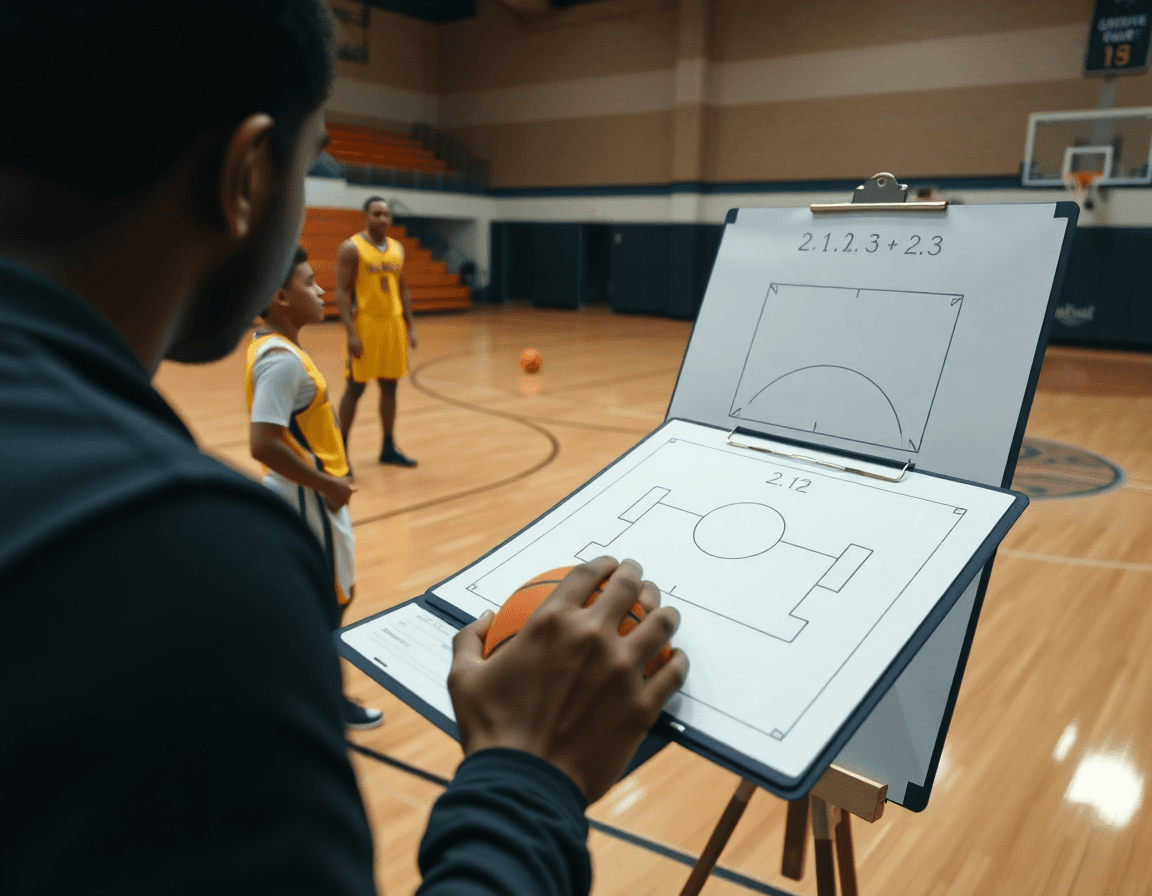
Diagramming and drills on the whiteboard
On game plan day, I start with the 2-1-2 zone defense diagrams on the whiteboard. I sketch the base alignment with the top defender in the gap, the wings at the elbows, and a guard guarding the corner. I add callouts for ball location: top, wing, and corner. This is where the zone defense diagrams come to life, and the base alignment gives the staff a shared language for how the look should move in reps. The shell is straightforward, but the nuances—like when to shift on the skip pass—separate good reps from great ones.
From the diagrams, I convert the look into practical drills. The team runs a tight series of shell drills that emphasize movement, ball reversals, and timely skips. We drill the 2-1-2 rotations with emphasis on the elbows and high post defense, then ladder into trap actions at the top of the key. Each rep becomes a teaching moment: players see how a simple reversal triggers a crowded paint and how to recover without leaving gaps.
Finally, I lock the work into a shareable reference. I export the diagrams to PDF diagrams for coaching staff and players, aligned with the rotation sequence from the 2 1 2 zone defense pdf. The PDF diagrams serve as a quick refresher during practice and as a scouting file to review with assistants. Having a clean, printable guide keeps the week's plan cohesive, so everyone knows how to execute the rotations when pressure rises.
Practical weekly workflow: install phase
I start by importing the 2 1 2 zone defense pdf into the Plan, turning its rotations into a repeatable reference—the cornerstone of my weekly workflow. I lock in the base alignment and naming conventions: top, elbows, wings, and the paint. Defining zone rules early—when to trap, when to shade, when to recover—lets assistants and players move with tempo and clarity. In CourtSensei, this install becomes a shareable plan you can export or pin to the Whiteboard for quick coaching moments.
Day 2–3: On Days 2 and 3 we run shell drills to mirror the pdf rotations, with emphasis on on-ball pressure at the top of the key. We practice ball reversals and skip passes to stretch the defense and test communication. I diagram each progression on the Whiteboard and attach short video clips to the rotation so players see the exact angles and hand placements. This is where the plan starts to live for the players, not just live on a page.
Day 4–5: live reps vs controlled competition; make corrections. We run controlled scrimmages to test the integrity of each rotation under movement and spacing. When misalignments pop, we call out the fixes and capture them in the Plan and Whiteboard so the next practice can address them.
Day 6–7: film review, adjustments, and assign playlists for ongoing improvement. By the end of the install, we review clips, annotate for paint protection, high post defense, elbows, and ball reversal sequences, and draft scouting notes for upcoming opponents. Then I generate rotation-specific video clips and assign Playlists to players and staff so the rotation-focused teaching sticks well into the next week.
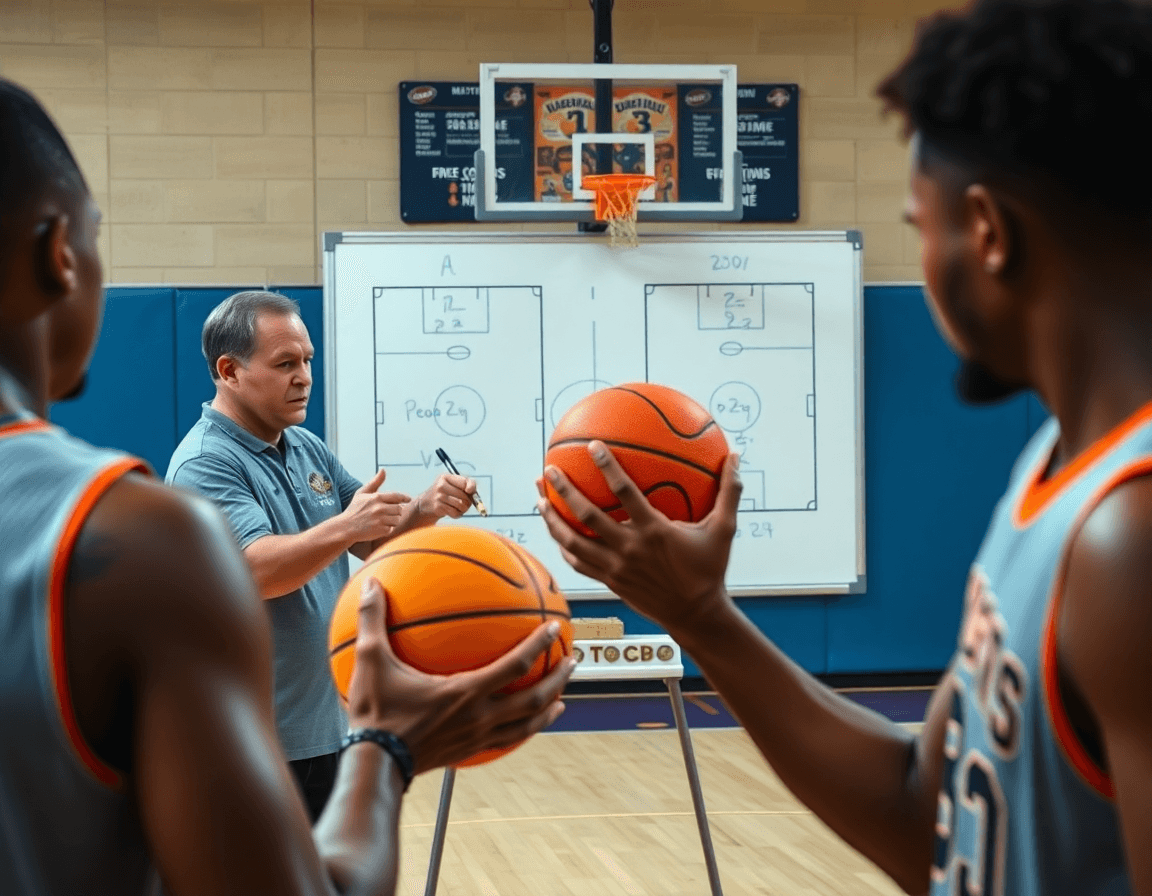
Video and scouting: turning observations into action
As I translate the 2-1-2 zone pdf into my weekly plan, I start with scouting notes to flag opponent tendencies and map them onto the PDF framework. I mark where their ball reversal breaks down against our zone, when traps at the top of the key bite, and how they attack the elbows. I also note movement patterns related to paint protection, high post defense, and low post defense. Those observations become the rotations I’ll teach, written beside the corresponding pages so the staff sees a direct line from scouting to the on-court actions we’ll drill all week in practice.
Next, I create rotation-specific video clips and build player playlists for focused learning. For each rotation—top-trap, elbow defense, paint protection—I clip the sequences that illustrate the best and the most problematic actions, so players can study the technique without the noise of a full game. These clips become the backbone of the coaching toolbox and the built-in playlists I share with the staff and players. Short, targeted video helps players see the exact moves: how we drop to cover the skip pass, how we rotate to the ball reversal, and how to communicate in the trap at the top of the key.
Finally, shareable links and clips keep the staff and players on the same page. I drop a rotation-aligned playlist into CourtSensei, tag it to the current phase, and send links to assistants while also granting players access. The result is fewer rumors, faster adjustments, and a cleaner workflow from scouting notes through to practice plan and on-court execution.
Common pitfalls and quick fixes
One of the most common mistakes in the 2-1-2 zone defense is over-rotating or letting the middle collapse. When the ball swings to the high post, players chase and the center loses their anchor, opening seams between the paint and the elbows. The fix is a stable center anchor who communicates and stays compact, guiding rotations rather than overreacting. In your weekly plan, dedicate a block to the 2-1-2 zone defense pdf rotations and practice the base alignments until the movements feel automatic. Use the whiteboard to show who cushions which gap and how to recover when the ball moves to the weak side.
Another pitfall is breakdowns on rapid ball reversals; players lose timing and communication. The cure is to emphasize talk and tempo: call the ball, call the next rotation, and pace the reversal so the weak side can recover. Practice the ball reversal sequence and the skip pass to lock in decision-making. In your workflow, export a short video clip of a clean reversal and attach it to the scouting notes for staff to review, reinforcing the rhythm on the floor.
Finally, don’t overcomplicate things for younger players. Great defense starts with solid base rotations—paint protection, high post defense, low post defense, and the elbows. Once those habits are in place, you can layer in traps at the top of the key. Keep the emphasis on fundamentals, and only introduce the trap at a pace that fits your group. If you rush it, you’ll invite zone defense mistakes; use the weekly plan to time the progression and reserve the first weeks for the base rotations before any trap top of the key work.
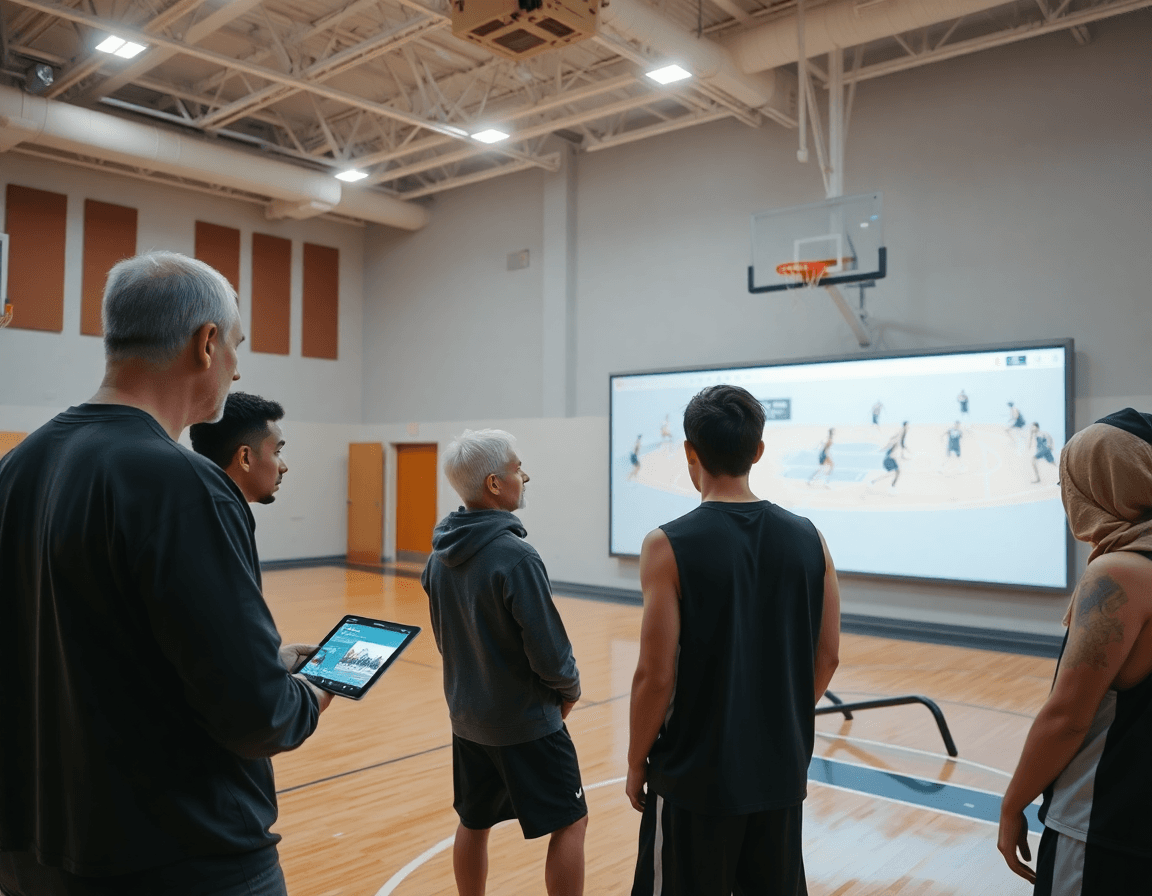
2-1-2 install checklist for the week
Start by reviewing the 2-1-2 zone defense PDF and pull out the core alignments and rotations you plan to install this week. Map how the wings shade the paint, how the elbows collapse on skips, and where ball reversals trigger the trap. This becomes your checklist for 2-1-2.
Lock in naming conventions across drill titles, rotations, and player tags. Keep each file and note consistent so assistants can follow along in the weekly cycle. Confirm baseline defensive rules for the 2-1-2, including how we guard the high post, low post, and the gaps near the elbows.
Next, build a 4–6 drill practice plan aligned to the PDF rotations, with a clear progression from discussion to drills to live work. Tag each drill to a specific zone action—paint protection, high post defense, low post defense—and tie the outcomes to move-counts for the week. This is where your Practice Plans shine, powered by CourtSensei.
Create quick-reference Whiteboard diagrams for the lane alignments and the movement chains you want from top of the key to the corners. Include notes on ball reversals and skip passes, so assistants can reference them during film review or when cueing players in the huddle.
Assemble Video Clips for rotation-specific teaching and compile Scouting Reports for opponents. Pull clips of the weak-side wing tracking the ball, the top defender stepping to the elbow, and the weak diagonal that interrupts skip passes. Link each clip to the corresponding drill and rotation so players see the moves in context, all organized in CourtSensei's Video Clips.
Prepare Playlists and shareable clips for assistants and players. Create a weekly send-out that pairs the PDF’s rotations with the exact video examples, so coaches can assign clips to individual players or to scout groups. End with a quick check of the flow in the plan and whiteboard.
If you build plans like this every week, CourtSensei keeps your drill library, whiteboard, and video clips in one place — try it free.
FAQ
What is a 2-1-2 zone defense?
The 2-1-2 zone defense is a paint-protecting shell with a clear base alignment: two top defenders at the elbows, a middle anchor at the key, and the bottom pair near the blocks. It aims to deter dribble penetration, challenge post entries, and provide timely help. As the ball moves, rotations stay tight by keeping elbows active and closing passing lanes.
How do you defend the high post in a 2-1-2 zone defense?
Defending the high post means quick angles, active shading, and disciplined rotations. Have the elbow defender pressure the high post from the top, force the pass out, and be ready to collapse if the post user looks for entry. The weak-side wing helps on skips, while the center anchors the middle. Communicate spacing so you don’t over-commit.
What are the rotations in a 2-1-2 zone defense?
Rotations in a 2-1-2 zone buzz around from top to wing to corner as the ball moves. The top guard pressures the ball, the wings shade the elbows, and the center anchors the middle. When the ball reverses, players slide to fill gaps with quick, predictable movements. The keys are spacing and timing, especially on the elbows.
What are the strengths and weaknesses of the 2-1-2 zone?
The strengths of the 2-1-2 include solid paint protection and deterred dribble penetration, plus reliable help when the post collapses. The weaknesses lie in backside shooters and the need for constant communication. Teams that can hit from the corners or stretch the floor can exploit the gaps. Smart, crisp rotations and ball pressure keep this defense honest.
How to beat a 2-1-2 zone defense offensively?
To beat a 2-1-2 zone defense, move the ball quickly with a sharp ball reversal to stretch the shell, attack gaps from the elbows, and use a skip passes to find shooters. Post-entry can pull the defense in, opening kick-outs. Maintain spacing, keep drives honest, and decide early whether to shoot or swing. Practice reads to avoid overthinking.
When should you use a 2-1-2 zone defense?
Use a 2-1-2 zone defense when you want to slow a fast offense, protect the paint, or disrupt teams that rely on ball reversals. It’s especially reliable late in games to protect a lead or when you expect heavy post looks. Avoid overusing against teams with sharp corner shooters. Pair the call with a PDF-backed weekly workflow to keep practice consistent.