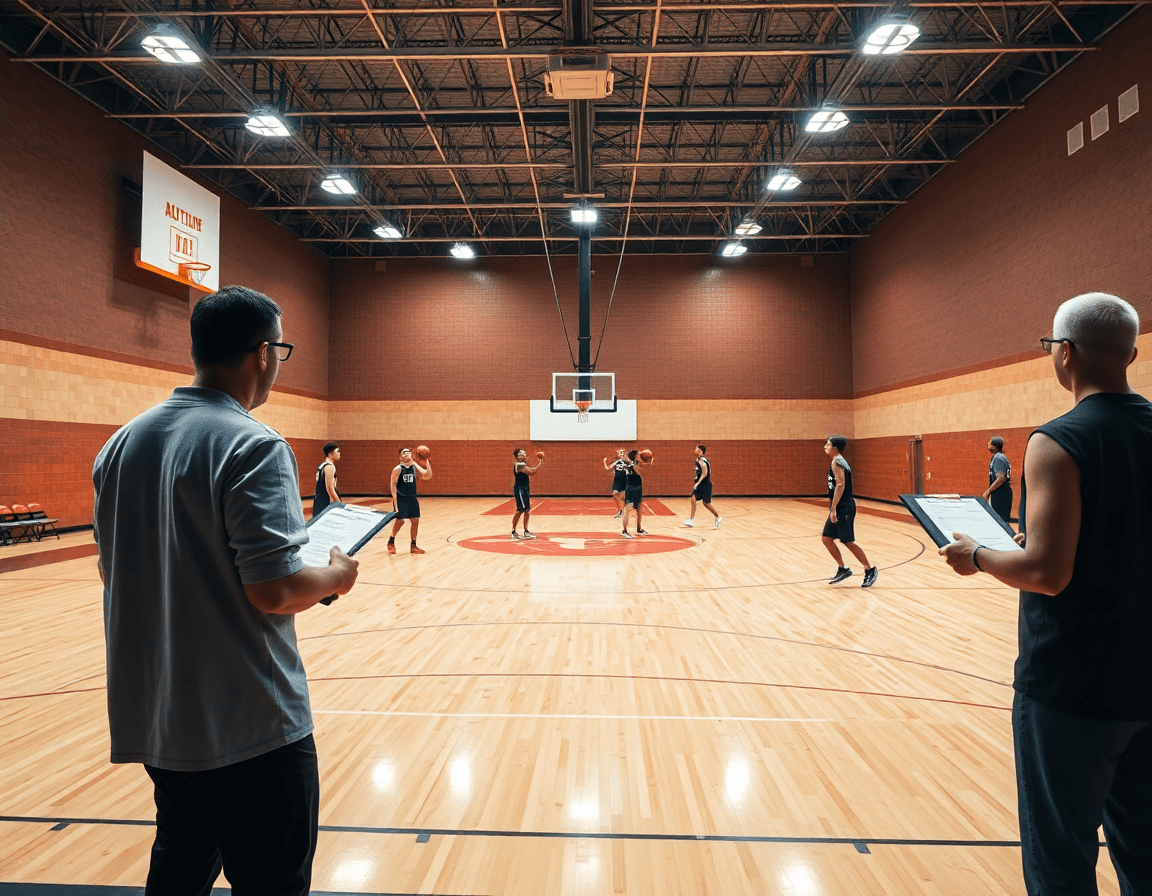
Blank Basketball Practice Plan Template for Weekly Coaching
Coaches can use a blank basketball practice plan template to build weekly blocks for warmups, drills, team concepts, and scrimmage; includes printable formats.

Key takeaways
- Use a blank basketball practice plan template to define weekly goals, rhythms, and adjustments.
- Standardize blocks such as warm-ups, skill work, and team concepts for consistency.
- Link the plan to CourtSensei tools: Whiteboard, Video Clips, and shareable playlists.
- Tailor drills to roster and level, progressing from basics to game speed reads.
- Leave room for a 5-minute buffer for adjustments and corrective drills as needed.
Why a blank practice plan boosts weekly coaching
Starting with a blank basketball practice plan template gives you the freedom to define what matters most each week. As a head coach, you set the weekly goals, scout tendencies, and map out days for warm-ups, skill work, and team execution. The canvas makes it easy to adjust to a new opponent on Sunday or shift emphasis after a tough loss. Think of it as your weekly coaching template that can evolve with every game.
With those blocks in place, you lock in the rhythm across staff. A program can standardize blocks like warm-up drills, skill development drills, and the team offense, then couple them with notes in the plan. That means one assistant sees the same segments, knows when to insert a drill, and can pick up where another left off. A standardized blocks approach minimizes guesswork and keeps everyone on the same page, even when you rotate personnel. A shared templates mindset helps you maintain consistency across practices, scouting, and video review.
Finally, the blank plan becomes a living workflow once you link it to the other CourtSensei tools. In the plan, you specify goals; on the Whiteboard diagrams you map out PnR, BLOB/SLOB, or ATO; you drop a short Video Clip for a quick review; you attach a Scouting note about the next opponent; and you share a Playlist of clips for the players. This integrated approach keeps you from bouncing between apps and makes it easier to build a weekly routine that you can reuse season to season.
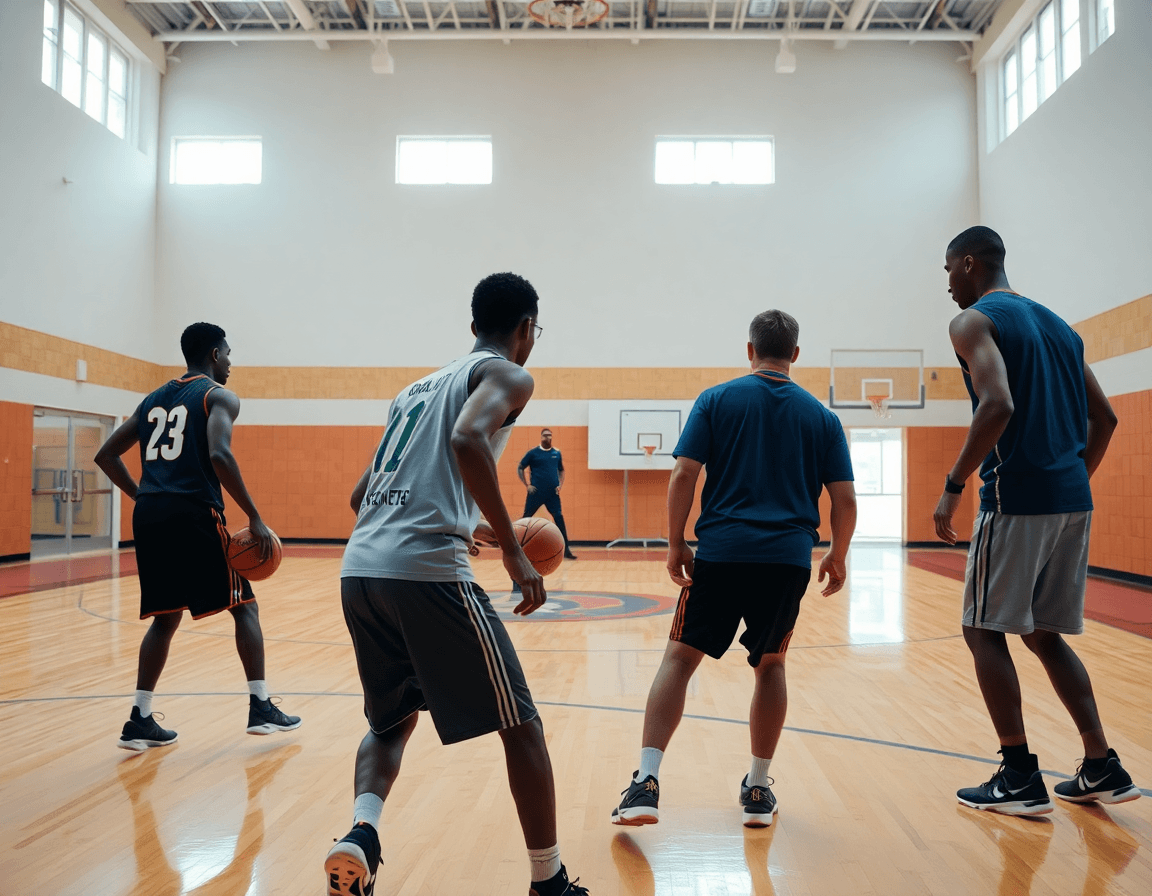
Building weekly blocks: warmups, skill work, team concepts, scrimmage
As you turn a blank basketball practice plan template into a week of coaching rhythm, you start with four blocks: warmups, skill work, team concepts, and scrimmage. In CourtSensei, you translate those blocks into time blocks with clear start/end times, so the week doesn’t drift into guesswork. This is where a printable basketball practice plan becomes your north star, while the editable Practice Plans keep every staff member aligned.
Warmups set the tone. Reserve 8-12 minutes for dynamic warmups, plus a quick mobility sequence. On the whiteboard, map routes and passing options to prime the day. In CourtSensei, this warmups block lives in the editable Practice Plans so assistants can run it exactly as drawn, and a short Video Clips reel can reinforce tempo if needed.
Skill development drills take the next block. Break it into shooting, ball-handling, and footwork with a clear progression: form shooting, then catch-and-shoot, then shots off the move. Treat this as a living plan in the editable Practice Plans, so you can adjust intensity for the roster as needed. A quick video clip might clean up technique and keep players aligned with the plan.
Team concepts: plan offense and defense in tandem, with blocks for team offense and team defense. On the whiteboard, diagram spacing, reads, and rotations; then tag roster needs and your game plan so the week builds toward the same staff goal. A quick scouting note can help tweak these blocks for next week's opponent.
Scrimmage closes the week: 8-12 minutes of controlled play, with coaching points called from the sideline. After, assemble a Shareable Playlists of clips that reinforce the week’s objectives.
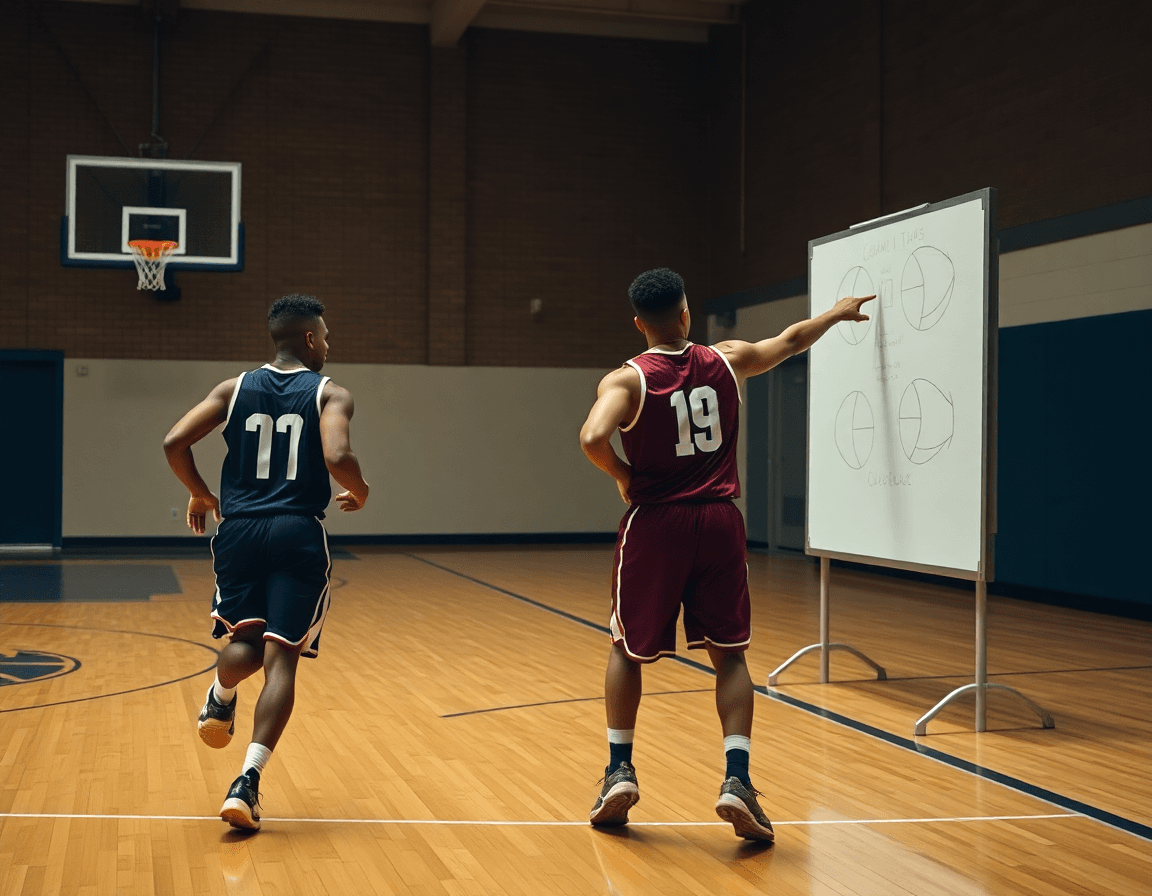
Tailoring drills to your level and roster
Every week I start with a blank basketball practice plan template and a quick roster read. Tailoring drills to age and skill level matters: choose drills by age/skill level—HS, collegiate, club. HS players are building fundamentals and endurance; collegiate players push faster reads and tighter spacing; club teams lean on versatility. I anchor the plan around a few clear targets for each block, then open with warm-up drills that sharpen footwork and rhythm before moving into skill development drills that translate to game speed.
Plan progression from basics to complex reads guides the flow. On the whiteboard I map the sequence: begin with fundamental footwork and ball security, then add decision points in the next drills (reads off screen actions, timing on cuts, spacing for team offense). This is where drill selection determines how smoothly players transfer to live action. I keep early reps simple, then layer reads and tempo, so players graduate from simple drills to game-like sequences that reinforce the team offense concept you’re teaching that week.
Leave room for adjustments during practice. Even with a printed plan, the clock and the defense will force edits. I reserve a 5-minute buffer after the core segment to insert a counter drill or cue up a short video clip for a quick reminder. If a scouting note highlights a repeated issue, I flip in a corrective drill and log the change in the plan. The workflow stays living: printable basketball practice plan that integrates scouting notes and a shareable video playlist so players see the exact action and you keep everyone aligned with the weekly goals.
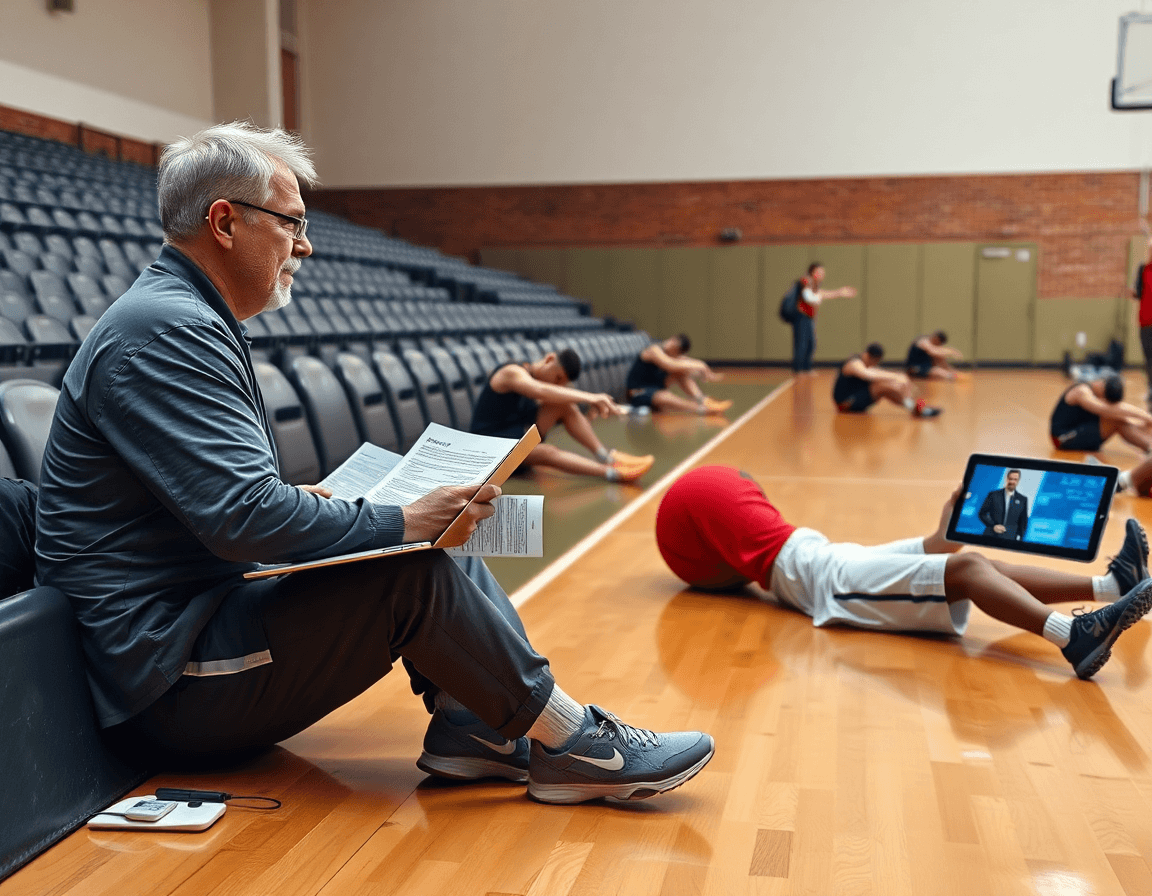
Printing and sharing: turning templates into usable plans
Turning a blank basketball practice plan into a usable weekly document starts with the right format. Exporting the template as a PDF basketball practice plan gives you a clean, portable version you can print for the staff room or share as a link with assistants. It’s the first step in a practical weekly workflow: lay out the warm-up, skill development, and team offense blocks, then trust the plan to guide your sessions. A well-structured plan stays legible on court and keeps everyone aligned.
On the plan, include concise notes and diagrams that your assistants can reference on the sideline. Early in the week, the whiteboard diagrams for actions (PnR, ball movement, spacing) translate directly into practice blocks. If you’re mapping a team offense concept, attach a quick diagram to the relevant drill so players see the flow without flipping pages. In CourtSensei, this happens alongside editable Practice Plans and short video clips for quick reference during drills.
Keep a master library of templates for different rosters so you can swap in a new group without rebuilding from scratch. As rosters shift or seasons change, pull a practice plan template that fits the players’ needs, export a fresh printable basketball practice plan, and share the updated link with staff. This is how the weekly cycle stays tight: plan in advance, print when needed, and keep everything centralized for quick reference during games and practice.
Bringing video and scouting into the plan
Using a blank basketball practice plan template, I attach video clips to specific blocks for review. For example, in a “Transition to defense” block, a brief clip shows the exact stance and spacing I want, then I tag it with a cue. After practice, players can access the clip from their devices and study the sequence before the next session. The plan stops being a static checklist and starts guiding execution: a clean link, a short video clip, and a clear takeaway that can be exported as a printable basketball practice plan if needed.
I also document scouting observations directly in the plan. A scouting note on a defensive matchup might flag a tendency—opponents overhelp on the weak side—so I adjust drills and coverage in the next week’s session. These notes drive refinements on the whiteboard diagrams and in the drill library, ensuring practice targets real game scenarios rather than generic reps. It’s all about making the plan responsive to what we actually see on the floor.
Finally, I create playlists for quick player access. Shareable playlists pull together the exact video clips and scouting notes each player needs for review, so they can study during downtime or on their own device. It’s a simple, powerful way to keep everyone aligned and reduce friction when we move from plan to playback, while leveraging easy sharing across the team.
Practical workflow: from template to game-week plan
Step 1: Create the blank plan and fill core blocks. On Monday I open a blank basketball practice plan and start filling the core blocks: warm-up, skill development—shots, ball-handling, and footwork—team offense, team defense, and a notes section for coaching points. This is the backbone of the weekly workflow. With CourtSensei, the plan stays editable, so I adjust durations, swap in drills from the library, and link objectives to each block. It’s how a coach turns a blank plan into a practical weekly scaffold.
Step 2: Diagram actions on the whiteboard for clarity. I move to the tactical table and diagram actions for the week—spacing, screens, and action sequences. I map out concepts like BLOB, SLOB, ATO, and PnR so players can visualize decisions in real time. The diagrams give the team a shared mental picture and a quick PDF export to distribute to assistants.
Step 3: Add video clips and scouting notes for context. A short video clip linked to each drill helps illustrate how the plan plays out under pressure. I attach scouting notes for the opponent—tendencies, weak spots, and typical counters—so our practice cues align with what we expect in game-like situations. We pair clips with the relevant block in the plan for easy reference.
Step 4: Export as PDF or share online with staff and players. When the week locks in, I export the plan as PDF or push a shareable link to the staff portal. I also assemble Shareable Playlists for the video clips, so players can review the material on their own time. This completes the checklist for the weekly plan and keeps everyone on the same page.
If you build plans like this every week, CourtSensei keeps your drill library, whiteboard, and video clips in one place — try it free.
FAQ
What is a basketball practice plan and why use a blank template?
Think of a blank basketball practice plan template as your weekly canvas. It lets you define what matters most each week and lock in clear objectives. As a head coach, you set the weekly goals, scout tendencies, and map out warmups, skill work, and team execution. A blank plan also makes it easy to pivot when a new opponent shows up or after a tough loss. It’s the flexible backbone that keeps your coaching focused.
Why is a practice plan important for weekly coaching?
Because it anchors your week. A plan creates consistency across sessions, helps every coach run the same segments, and keeps players moving toward the same objectives. Use standardized blocks like warmups, skill work, and team concepts, then adopt a shared template mindset so assistants know when to insert a drill and what to emphasize. The result is less guessing and more predictable, repeatable progress week to week.
What should be included in a basketball practice plan?
A solid plan covers four core components: warmups, skill development drills, team concepts, and scrimmage. Within skill development, break into shooting, ball-handling, and footwork with a clear progression. For team concepts, include offense and defense blocks, spacing, reads, and rotations. Attach notes or diagrams and a quick video clip library to reinforce technique. A concise scouting note helps tailor blocks for the next opponent.
How long should a basketball practice last and how to structure it?
Structure around clear time blocks with defined start and end times. Typical lengths vary by level: 60-90 minutes for youth, 90-120 minutes for high school or college teams. Start with an 8- to 12-minute warmup, followed by skill work, then team concepts, and finish with a controlled scrimmage. Plan in a brief buffer to insert counter drills or quick reviews and keep the rest of the session on track.
How often should a basketball team practice and can you adjust during the session?
Most programs train 3–5 days per week, depending on level and season. And yes—your plan should flex during the session. If reads or a scouting note reveal a consistent issue, insert a counter drill and log the change in your plan notes. Leave a short window to adapt; this keeps your weekly goals intact while addressing real-time needs.
How do you create a basketball practice plan template that fits your roster?
Start with four blocks (warmups, skill work, team concepts, scrimmage) and tailor drills to your roster by age and skill level. Use progression from basics to game reads, and map spacing and timing to game speed. Attach a concise scouting notes section for the next opponent and link a quick video playlist to reinforce concepts. Save as a shareable format like a PDF basketball practice plan for staff and players.