
3 2 Zone Defense PDF: Weekly Install & Drills for Coaches
Coaches: master a 3-2 zone with a printable PDF, clear rotations, and a week-by-week workflow you can export, customize, and share with your staff.

Key takeaways
- Create a single resource: diagram, rover rotations, and a short video clip for the 3-2 zone PDF.
- Practice rotor timing and wing recovery with a short clip to reinforce rotations.
- Export a printable playbook with rover, wings, posts, and a corner trap diagram.
- Use simple cues like Top, 1-4 and Weak side to keep spacing.
- Share the weekly PDF with assistants for consistent scouting notes and prep.
What is a 3-2 Zone Defense and When to Use It
Understanding a 3-2 zone defense starts with the alignment: three guards at the top and two posts at the bottom. In this setup, the top trio pressures the ball and chases skips, while the posts protect the blocks and crash for rebounds. A rover curls between gaps to close passing lanes and help on drives. Wings stabilize the corners, and the high post is a potential catalyst for quick ball reversals. It’s a compact, team-focused scheme built for controlled pace.
Use this look to slow the tempo and keep ball movement in front of you. It’s especially effective against teams with solid outside shooting, because the top defenders can pressure without getting beat off the dribble. If you want to invite skip passes to reset the floor, the rover can sag and direct the ball toward the opposite corner. Be mindful of the typical weaknesses: weak-side rebounding, limited ball pressure at the point of attack, and vulnerability to quick ball reversals.
From the planning side, you can build this as a single resource: a diagram on the whiteboard, annotated rotations for the rover, and a short video clip illustrating the shell. Export the collection as a PDF and share with assistants for consistent weekly prep. When you walk into practice, you have a clear diagram, a shell to run, and clips to show players exactly where to slide to against ball reversals.

Roles and Responsibilities: Rover, Wings, and Posts
In a 3-2 zone defense, roles are clean and repeatable. The Rover at the top pressures the ball, initiates rotations, and pushes ball movement toward the weak side; the Wings guard the wings and the top line, staying tight to deny quick skip passes; the Posts anchor the bottom, protecting the low blocks and rebounding if a ball skips to the rim. When I map this into the plan for the week, I annotate the top-to-weak-side flow on the whiteboard and pull a short video clip showing the rover’s pressure and the wings’ recovery. This is the backbone you want your staff to rehearse in practice and then export as a PDF for scouting notes.
High post vs. low post duties shape the two primary rotation paths. The High Post serves as the first line of entry denial—watch for skip passes and drive the ball toward the corners so the wings can reestablish the top line. The Low Post fronts the block and denies entry, keeping the ball from penetrating into the paint and forcing decisions on the perimeter. Rotations should be predictable: the Rover steps in to funnel a pass from the top, the Wings slide to cover the top of the key, and the Posts shift to seal the bottom. When executed, these assignments cut down on dribble penetration and tighten the denial of passes into the corner trap.
Communication cues and spacing are what keep the gaps intact during ball movement. Use simple calls that translate into action: “Top, 1-4” to align the rover and wings, “Weak side, stay connected” to prevent mismatches, and “Drop to low” to reinforce the block. Pair these with a clear spacing principle—stay compact enough to deter easy skips, but with enough width to deny passes to the corner. Document these cues in your scouting notes, attach a quick video clip, and share the PDF with your staff so everyone’s on the same page during weekly prep.

Trap and Rotation Patterns to Train
Today we lock in the trap and rotation patterns that power our weekly plan. The goal is a complete, exportable playbook—a single workflow built around the 3-2 zone defense pdf—that blends practice planning, on-court diagrams, and video. We’ll thread through corner traps, deny entries to the high post, and clean up post-to-ball-side rotations.
On the whiteboard, we diagram the corner trap: wings and rover converge at the corner while the posts hold lines to protect the back window and low post. The trap should start only after a clean pass into the corner or a wing entry, so we don’t leave open gaps. Rotations flow from the trigger, not from guesswork. Think of the rover as the anchor that communicates the timing to the wings and posts.
To deny the high post and drive timely rotations, we front the high post and read the passer’s eyes for the skip or back door. If the entry to the high post comes, the rover steps to deny and a quick skip pass triggers the next rotation. Emphasize communication and timing, because those reads turn a good trap into a forced turnover instead of a broken zone.
Post defense responsibilities matter here: the posts hold their ground to slow dribble penetration, while the ball-side rotate cuts off the drive and the rover provides vertical help. When a ball handler pressures the middle, the ball-side defender steps up and the backside defender slides to the top, keeping gaps closed. The sequence hinges on disciplined rotations and clear cues—dribble penetration becomes a signal to reset rather than a collapse.
In the plan, we attach a short video clip of the drill and export a polished 3-2 zone defense pdf for staff sharing. The video clip shows timing and footwork; the PDF keeps diagrams synced with the weekly install. This integrated workflow helps coaches teach, review, and adjust faster.
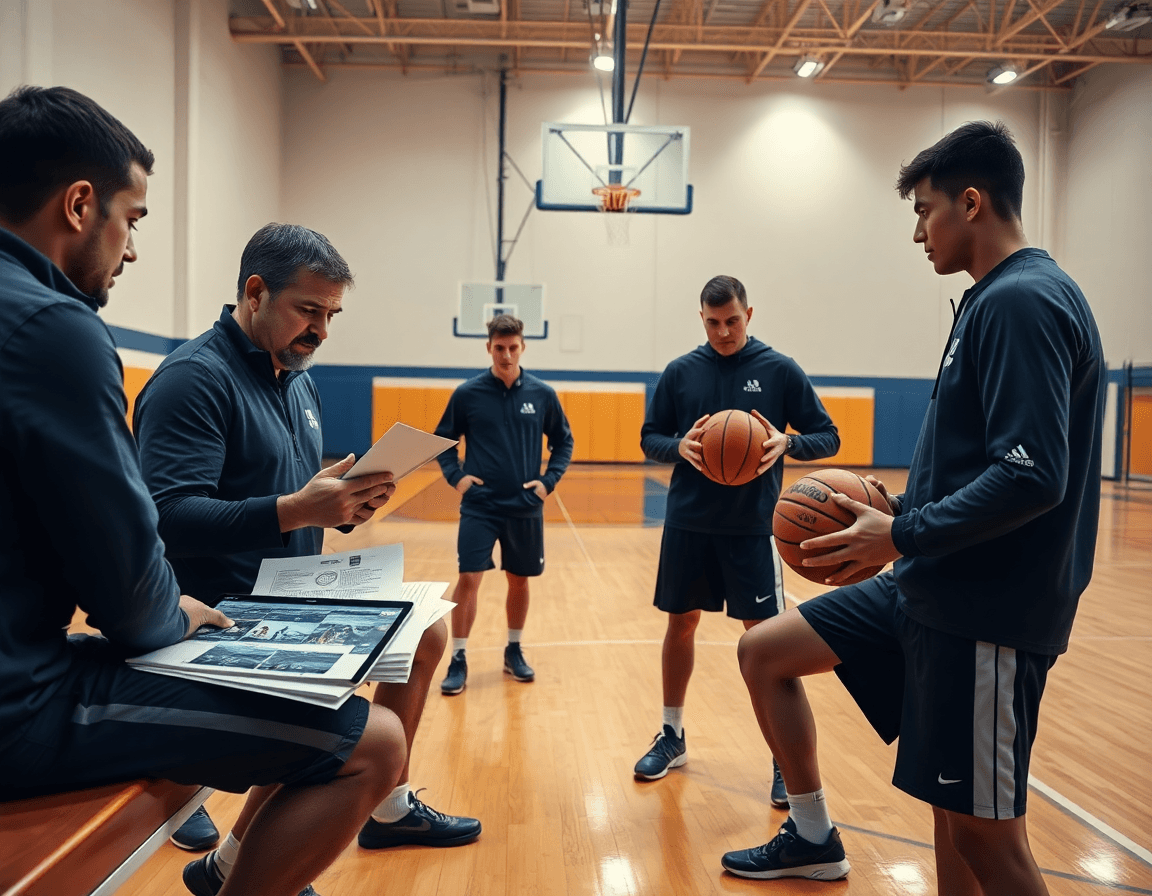
Printable PDF and Playbook: Building Your 3-2 Resource
As a head coach, I wrap weekly prep with a 3-2 zone defense pdf and a concise, bolded printable PDF playbook. It maps rover, wings, posts, high post, low post, and the corner trap in one clean resource. This isn’t just a clipboard sheet; it’s a portable guide for assistants’ scouting notes, ready to circulate before Thursday’s staff meeting.
On the court, I translate diagrams into shareable PDFs for staff and players. I convert the on-court actions into downloadable diagrams that sit inside the PDF resource, so assistants can point to rover rotations, wings cutting, or posts ball-screen setups without fumbling through apps. A quick glance shows where the high post should be used and where the corner trap triggers.
Linking diagrams to practice plans and video clips keeps the workflow tight. In the plan, I attach a short video clip that shows how the 3-2 shifts when the dribble penetrates. The PDF references the drill in the practice plan, so a coach can pull up the diagram, open the clip, and cue players with the same language: high post, low post, rover, and corner trap rotations. Quick reference, big impact.
During scouting week, this pdf resource becomes the backbone for assistants. I annotate notes for wings, posts, and dribble penetration threats, so we can compare our plan to opponents’ tendencies. A single exported file includes diagrams and clips, making the pdf resource a practical, day-to-day tool for staff and players for the 3-2 zone defense pdf.
Practical Workflow: Install a 3-2 Zone in a Week
Think of this as your weekly workflow to install a 3-2 zone defense. You combine planning, a precise whiteboard diagram, and targeted video clips into one shareable bundle. In practice, you lock in the base look on Day 1, annotate the principles on the board, and attach clips that show the rover and the posts in their initial spots. The goal is a repeatable resource you can export as a printable PDF for Week 1 and beyond.
Day 1 is about laying the foundation. You lock in the base rotations and ball-side deny angles, then introduce the rover and the posts to their initial alignments. A clean diagram on the whiteboard makes the structure obvious, and a short clip shows the rover sliding under the ball to disrupt early ball reversal.
Day 2 tightens the edges with wing-to-corner traps that push the offense into quick, predictable rotations. Coverage shifts keep shooters from drifting into comfortable spots. You emphasize rotation timing with a quick checklist and a couple of on-court reps.
Day 3 adds the read on dribble-penetration and the corresponding coverage adjustments. Players learn when to sag to the high post or drop to the low post, and the on-court chatter—clear, constant—becomes the glue that keeps the four defenders in sync. This is where communication starts driving the action.
Day 4 runs live reps against penetration and skip passes, keeping the defense compact and communicative. You track rotations with a simple checklist that lives on the board and in the plan for staff reference.
Day 5 wraps with game clips review, notes for adjustments, and the finalization of the printable PDF with your staff. The result is a clean, tangible 3-2 zone week plan you can hand to assistants and captains alike.
Using Video Clips and Scouting to Support the Install
When we install a 3-2 zone defense, I start with a curated set of video clips showing clean rotations, the rover stepping to pressure the ball, the wings cutting gaps, and the posts denying entry. These clips become the backbone of the week and live in a dedicated playlist for quick access during planning and on the floor. A short, clear clip can replace a long explanation during our run-through.
From there I build scouting reports that highlight opponent tendencies against the 3-2: who looks to attack the high post or corners, where dribble penetration comes from, and how their wings move under pressure. The notes guide rotation timing and trap ideas, and I link these directly to our plan on the whiteboard. Knowing if a team prefers skipping to the high post or flashing to the corner helps us rehearse the exact rotations we’ll deploy.
To keep everyone aligned, I assemble a playlist of video clips tied to each drill or rotation, with shareable links so assistants and players can study the material from any device. In the plan, we annotate rover positioning, the gap for wings at the top, and the setup for the corner trap. This keeps the workflow tight: plan, diagram, clip, and share—all in one streamlined cycle.
In practice, we pair a short clip with a quick diagram on the whiteboard, then a scouting note that flags tendencies—how the posts react to ball reversals, where dribble penetration pressure tends to come from, and the best timing for the corner trap. A few repeat views of a successful 3-2 rotation reinforce the exact movements we want from the rovers, wings, and posts under live action.
If you build plans like this every week, CourtSensei keeps your drill library, whiteboard, and video clips in one place — try it free.
FAQ
How does a 3-2 zone defense work in basketball?
In a 3-2 zone defense, three guards sit at the top and two posts down low. The top trio pressure the ball and chase skips, while the wings deny passes to the corners and the rover moves between gaps to close lanes. The high post is a catalyst for ball reversals, and the posts protect the blocks. The setup aims to control tempo and force decisions.
What are the advantages of using a 3-2 zone defense?
A well-run 3-2 zone defense slows the pace and keeps ball movement in front of you. It is strong against teams with solid outside shooting because the top defenders pressure without getting beat. It also creates traps in the corners and forces quick passes, while the bottom posts protect the rim and keep the spacing compact.
What are the disadvantages of the 3-2 zone defense?
Like any scheme, the 3-2 zone defense has drawbacks. Weak-side rebounding often suffers as bodies are spread out, and quick ball reversals can expose gaps if rotations lag. The top pressure is not relentless against skilled ball handlers, and smart offenses can swing the ball to the weak side to create open looks. It requires clear communication, timing, and conditioning to hold up all game.
How do you trap in a 3-2 zone defense?
Traps come from the corners after a clean entry to the corner or the wing. The Rover anchors the trap and calls the timing to the Wings and Posts. Start with a corner trap, then rotate to the ball, and keep the Posts ready to protect the rim. Use clear cues like trap now to stay connected and avoid leaks.
How do you defend against penetration in a 3-2 zone?
Prioritize denying entry passes to the high post, with the Rover stepping in to funnel the ball toward the wings. The High Post and Low Post duties shape rotations: the Rover fills gaps, Wings slide in, and Posts front the block. Communicate with simple calls and keep the ball from penetrating to the paint; force passes to the perimeter and rally to the shooter.
How is a 3-2 zone different from a 2-3 zone?
The main difference is where the pressure sits. A 3-2 zone defense puts three players at the top and invites weak-side gaps, emphasizing ball pressure from the perimeter, while a 2-3 zone fronts lower and aims to deter inside passes. The rotations and traps differ; the 3-2 requires quicker top-line rotations and tighter skip-pass denial.