Basketball Practice Plan for 7-8 Year Olds: Weekly Workflow
Coaching guide to a weekly basketball practice plan for 7-8 year olds, blending ball handling, shooting form, small-sided games, and a practical workflow for assistants.

Key takeaways
- Adopt a 60-minute template that repeats weekly, balancing dynamic warm-ups, ball handling, shooting form, and a short scrimmage.
- Design age-appropriate drills with a four-station flow to maximize dribbling drills touches and ensure continuous ball touches for every kid.
- Prioritize balance: allocate 12-15 minutes to skills stations, then switch to small-sided games to build decision-making in low-pressure settings.
- Leverage the CourtSensei library to pull ready-to-use drills, map progressions on the whiteboard, and export PDFs for assistants and players.
- Maintain a clear weekly rhythm by sharing a playlist of technique clips with players and assistants, plus targeted scouting notes for focus.
Frame the week: a blueprint for 7-8 year olds
Frame the week with a simple, repeatable weekly plan that balances skill work, small-sided games, and conditioning. As a coach working with ages 7-8 basketball players, I treat this as a basketball practice plan for 7-8 year olds that I can rinse and repeat, swapping in new drills from CourtSensei's library as needed. The core is a clearly defined practice plan structure and a reliable weekly workflow that keeps assistants aligned and players engaged.
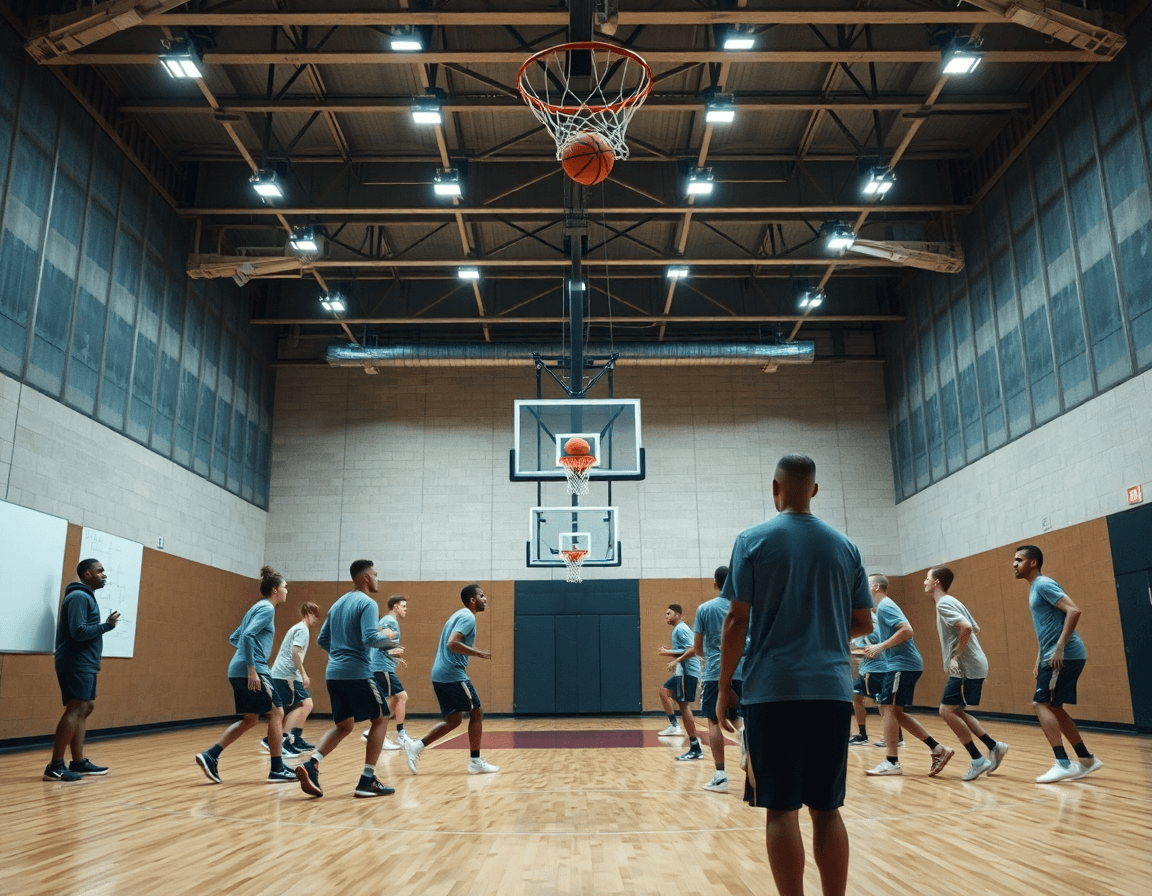
On day one, I allocate time for a dynamic warm-up, then ball handling, shooting form for kids, and finish with a short scrimmage. A 60-minute template keeps us moving without rough edges. I pull from the library and assemble what we need, keeping the pace kid-friendly and the touches varied. The goal is to build comfort with the ball, proper form, and a few competitive habits in a single session.
From the CourtSensei library of drills, I assemble a 60-minute template that covers dribbling drills, layups for beginners, passing on the move, and progressive finishers. This structure fits the target age window and lets me rotate in new drills as kids progress. It’s easy to adapt weekly, ensuring we touch on ball handling, shooting form, and finishing at the rim while staying within a predictable framework.
During practice, I map the week’s progression on the whiteboard, then jot a quick scouting notes entry to prep for the kinds of actions we’ll see in games. I pull a short video clip to reinforce a move and send a playlist of clips to players and assistants so everyone can study the same progression between sessions. This is how a steady weekly rhythm becomes habit.
Design age-appropriate drills that maximize ball touches
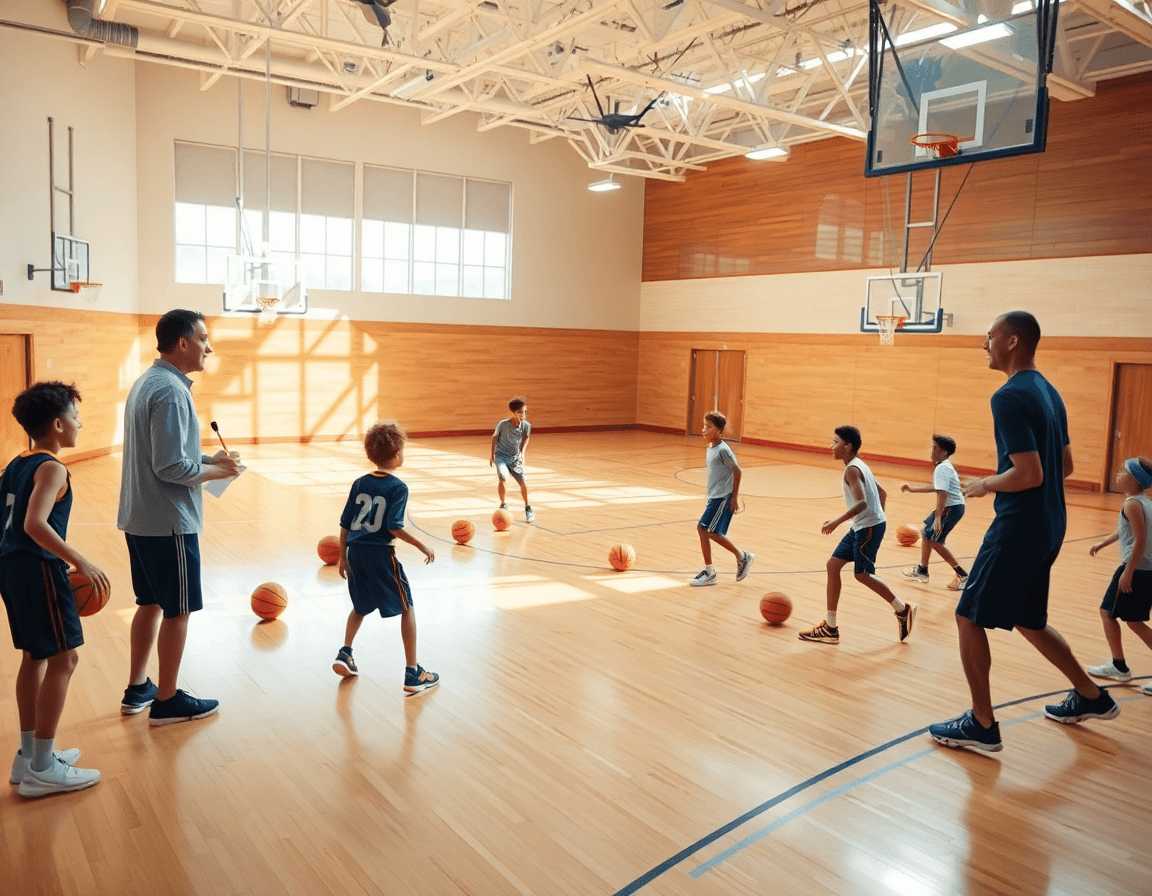
Planning the week begins with drills that fit ages 7-8 basketball development. I pull from the CourtSensei library a handful of dribbling drills and simple ball handling progressions that keep every kid touching the ball. I sketch a four-station flow that fits a 60-minute block, with short looks at each station so kids stay engaged and moving. The aim is to design a sequence where every kid leaves with more confidence handling the ball, even if the shots aren’t falling yet.
Example stations: Station A focuses on dribbling control—low, tight dribbles with both hands, switching every two bounces; Station B is passing on the move—a quick dribble forward, chest pass to a partner, then sprint to the next cone; Station C covers layups for beginners—two easy finishes from each side with a soft touch; Station D weaves in ball handling in motion—cone zigzags with a dribble to improve changing speeds and directions. Keep durations to 30-45 seconds per kid and simple cues like 'eyes up' and 'soft touch'.
That cadence fits the weekly workflow: plan the rotation in the practice plan, diagram progression on the whiteboard, and rehearse cues before players step on the floor. The goal is continuous ball touches in every moment, not long lines waiting for a ball. If attention drifts, I swap in a quick mini-challenge and an extra rep, keeping the pace brisk and the focus sharp. If you have scouting notes for an upcoming opponent, drop them into the plan to tailor the progressions on the whiteboard.
Afterward, I pull short video clips from each drill for reinforcement, assemble them into a simple playlist, and share it with players and assistants. A quick highlight reel helps kids see the goal: better ball handling and smoother layups for beginners in the next session.
Plan the balance: skill work and game-like practice
As a coach building a basketball practice plan for 7-8 year olds, I look for a rhythm that balances skill work with game-like decisions. We start with a dynamic warm-up to wake up the feet and eyes, then move into basic dribbling drills and layups for beginners. The goal is solid ball handling and confident finishes while keeping things light, engaging, and age-appropriate.
Weekly structure matters more than dozens of plays. I run skill stations for about 12-15 minutes, focusing on dribbling drills, passing on the move, and shooting form for kids. Then we shift to small-sided games (2v2/3v3) to maximize decision-making in a pressure-free setting. A clear practice plan structure helps every kid know what’s next and lets assistants stay in sync.
To execute this, my workflow with CourtSensei keeps the tempo. I pull ready-to-use drills from the library, diagram the progression on the tactical whiteboard, and drop in a short video clip for technique reinforcement. After practice, a playlist of clips—tagged by skill like ball handling, passing on the move, and shooting form for kids—goes to players and assistants for review. For scouting notes, I jot a quick memo on the opponent’s tendencies and use that to shape the week’s focus.
Whiteboard diagrams and progressions: map drills to actions
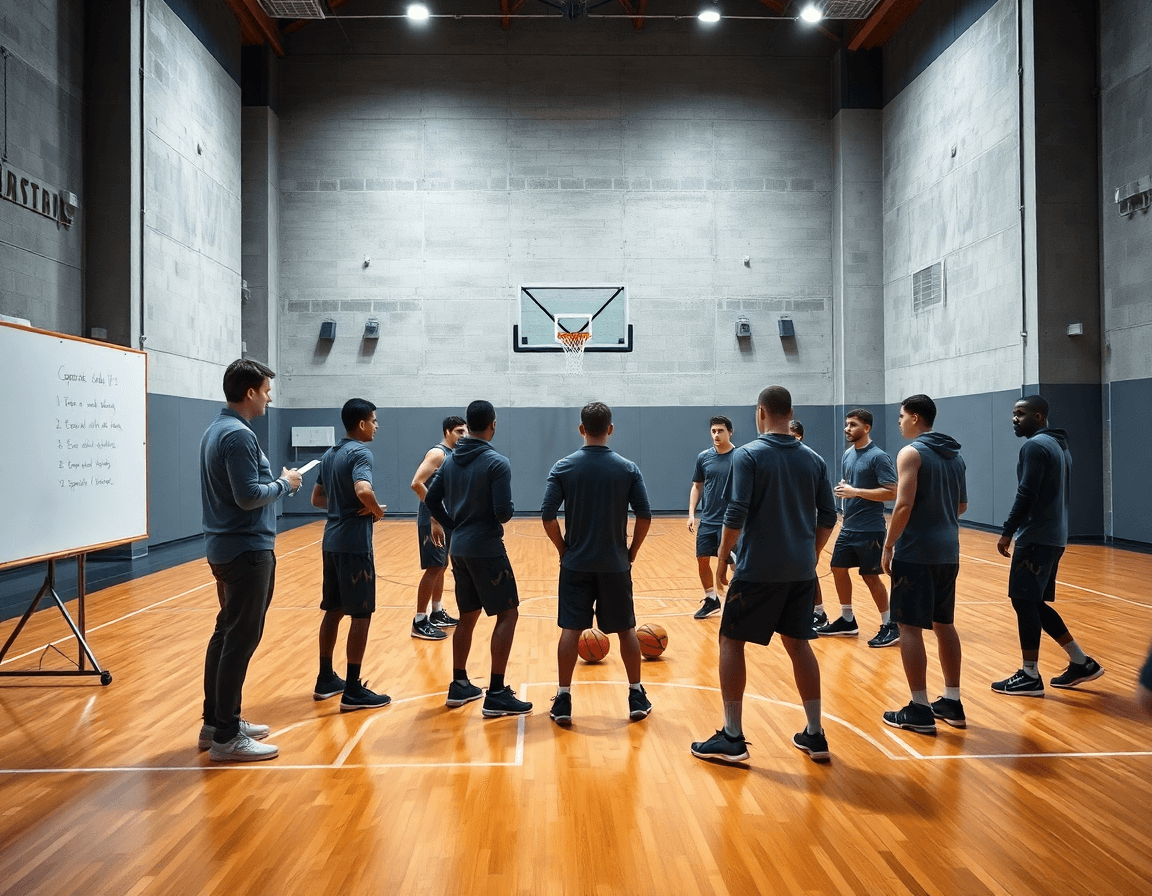
To start the week with ages 7-8 basketball, I begin with a short dynamic warm-up and a quick team circle to reinforce our core values (caring, honesty, respect, responsibility). Then I translate the plan into the whiteboard, where I map drills to actions the players will actually perform. The diagrams I sketch are the simple kind: whiteboard diagrams that show clear progressions—step-by-step sequences that move from basic ball handling to more complex moves without overwhelming the kids.
On the board, a typical progression for ball handling starts with stationary two-hand dribbles, then adds a crossover, and finally a change of pace toward a layup finish. For passing on the move, I diagram a give-and-go with a target and a quick follow-pass to a cutter. These sections are tied to simple on-court actions that your players can recognize in drills like dribbling drills and finishing with beginners' layups.
Export the diagrams as PDFs to share with assistants and players. The PDFs preserve the sequence, so assistants know what to coach while I’m running the main group, and players have a reference to study later. This keeps the weekly workflow tight and makes it easy to tie the plan to video notes.
Link tactics and drills to simple actions suitable for 7-8s by pulling from the library of ready-to-use drills in CourtSensei. For this age group, I pair spacing and defensive stance with ball-handling and finishing progressions, anchored in a quick dynamic warm-up and a short team circle. The result is a clean, repeatable weekly workflow that keeps kids engaged and coaches focused, with playlists for sharing drill clips with players and assistants.
Video clips: capture, edit, and reinforce learning
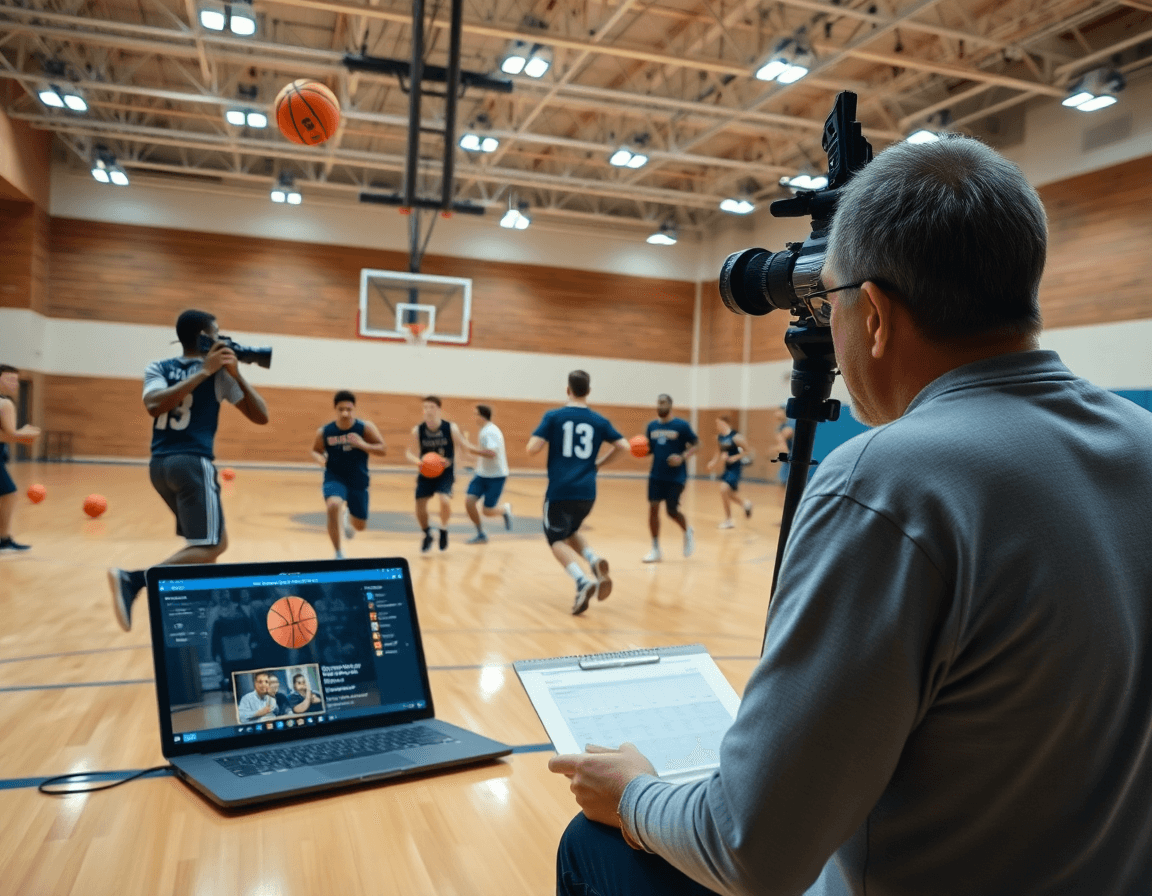
Video clips capture the best moments from the week’s stations, letting you show rather than tell what good technique looks like. Clip key drill moments and show correct technique for ball handling and shooting form for kids. Frame a side-angle shot to highlight stance, eyes on the rim, and a compact follow-through. Keep each clip tight—15 to 30 seconds max—so the cues land without losing a kid’s attention. In the weekly workflow, these clips sit in a post-practice review to reinforce progress and lock in proper habits.
After practice, create playlists of drill clips for players to review between sessions. Organize by topic—ball handling, dribbling drills, layups for beginners, and shooting form for kids—so kids can revisit the exact cues when they’re at home. A short clip on a dribble progression with a quick emphasis cue can become a reliable reference for the next gym day. Keep the playlists tight and easy to navigate so players can pull up what they need fast.
Share clips with players and assistants to reinforce learning, not as punishment but as a quick visual cue. Use secure links or in-app sharing so the team can rewatch during cooldowns or before practice. A caption with a cue—“eyes up,” “elbow in,” “follow-through”—helps keep the message consistent. When done thoughtfully, video becomes a steady pillar of your weekly workflow for ages 7-8 basketball, reinforcing fundamentals like ball handling, shooting form for kids, and the small details that separate solid players from great ones.
Scouting and future planning for your program
Scouting and future planning begin with a simple log. After each game or scrimmage, note opponent tendencies—where they pressure the ball, how they defend ball screens, and which players crash the boards. Do the same for your own crew, tracking fundamentals at ages 7-8 basketball like dribbling drills, ball handling, layups for beginners, and passing on the move. This is your scouting planning backbone: short, readable notes that reinforce your team circle and your core values.
With the log in hand, you can prepare scout plays and adapt weekly plans based on what you observe. If the opponent overhelps on drives, diagram a simple counter on the whiteboard and test it in a couple of sessions of small-sided games. Keep the plays simple and repeatable, so your players internalize the timing without getting overwhelmed. After practice, pull a quick video clip to show the motion to players and assistants, linking what you saw to what they should do in the next session.
Use a season planner to set weekly goals and measure progress. A practical cycle might look like: week 1 focuses on ball handling and passing on the move; week 2 tightens up defensive stance in a compact warm-up; week 3 introduces a scout scenario in a controlled scrimmage. Track progress toward your goals and adjust future plans accordingly. This approach keeps your weekly practice plan for 7-8 year olds practical, observable, and aligned with your core values.
Practical workflow: a 60-minute template you can copy
Here’s a practical 60-minute template for a basketball practice plan for 7-8 year olds. In the plan structure, you kick things off with a 0-10 minute dynamic warm-up and ball handling. Keep the pace light and the hands active—pull a couple of easy drills from the CourtSensei library to wake up touch and confidence. The goal is to build comfort with the ball before you start structured work.
From 10-25, you’ll run skill work—dribbling progressions, then passing on the move. Diagram the sequence on the whiteboard so assistants know where you’re taking the group. Use two players driving and one target to keep passing on the move alive, with emphasis on the non-dominant hand and catching on the move.
From 25-40, finish with finishing and footwork; introduce simple layups and defender angles. Work with two lines: one performing layups, the other cutting angles to defend. Focus on rhythm and touch at the rim and keep reps short so kids stay engaged. This is where the basics of layups for beginners start to take hold.
From 40-50, run station-based drills focusing on touch repetition. Set up 3-4 stations—ball handling, passing on the move, finishing, and defensive stance slides. Kids rotate every 6-7 minutes so they leave with a consistent touch and a little mastery.
From 50-60, cap with a 3v3 or 2v2 game to apply the day’s skills in a controlled setting. Use the whiteboard to outline a couple of simple actions, then let players translate them into live reps. Afterward, drop a couple of clips into a playlist for players and assistants to review later.
If you build plans like this every week, CourtSensei keeps your drill library, whiteboard, and video clips in one place — try it free.
FAQ
What should 7-8 year olds learn in basketball?
At this age, focus on the basics: solid ball handling, passing on the move, and finishing with simple layups. Emphasize proper shooting form and fundamental footwork. Keep drills short and fun, with lots of positive feedback, so kids build confidence and enjoy the process. Key areas to develop early: ball handling and layups for beginners.
How long should a 7-8 year old basketball practice last?
Aim for about a 60-minute template that keeps kids moving and engaged. Start with a dynamic warm-up, run short skill stations, then finish with quick, low-pressure games. Prioritize continuous ball touches and smooth transitions to maintain energy and focus throughout the session.
How should I structure a youth basketball practice?
Use a clear practice plan structure: warm-up, skill work, and game-like play, followed by a quick wrap-up. Support with simple whiteboard diagrams to map progressions and keep assistants aligned. Keep cycles short (12-15 minutes per skill block) and rotate stations to stay pacey and kid-friendly.
What drills are good for 7- to 8-year-olds?
Choose kid-friendly, high-touch drills like dribbling drills and layups for beginners. Set up a four-station flow with 30-45 second turns per player, use cues like eyes up and soft touch, and ensure frequent reps to build habit without overloading.
What are small-sided games, and why use them with young players?
Small-sided games (2v2/3v3) maximize touches and decision-making in a low-pressure setting. They improve spacing, passing reads, and quick thinking, while keeping players engaged and accountable. Use them to translate skills from drills into game situations.
What is a team circle, and what values should it teach?
A team circle reinforces core values such as caring, honesty, respect, and responsibility. Use it as a quick, positive routine before drills, then model those values on the court—support teammates, communicate clearly, and view mistakes as learning moments.