Best Basketball Team Drills: A Coach's Weekly Plan
A coach-focused weekly routine for best basketball team drills, covering planning, sequencing, film review, and scouting integration to sharpen performance.

Key takeaways
- Frame practice around defense and transition, and map drills to clear weekly objectives.
- Use a consistent template for sequences, coaching cues, and fixes, so players know next steps.
- Cap drills into 3 blocks: defense, transition, offense, with 8-12 minute blocks.
- Prioritize 3-5 go-to drills that align with a weekly opponent scout and playlists.
- Wrap short video clips after segments; tie feedback to benchmarks and next-step fixes.
Frame a weekly plan around the best basketball team drills
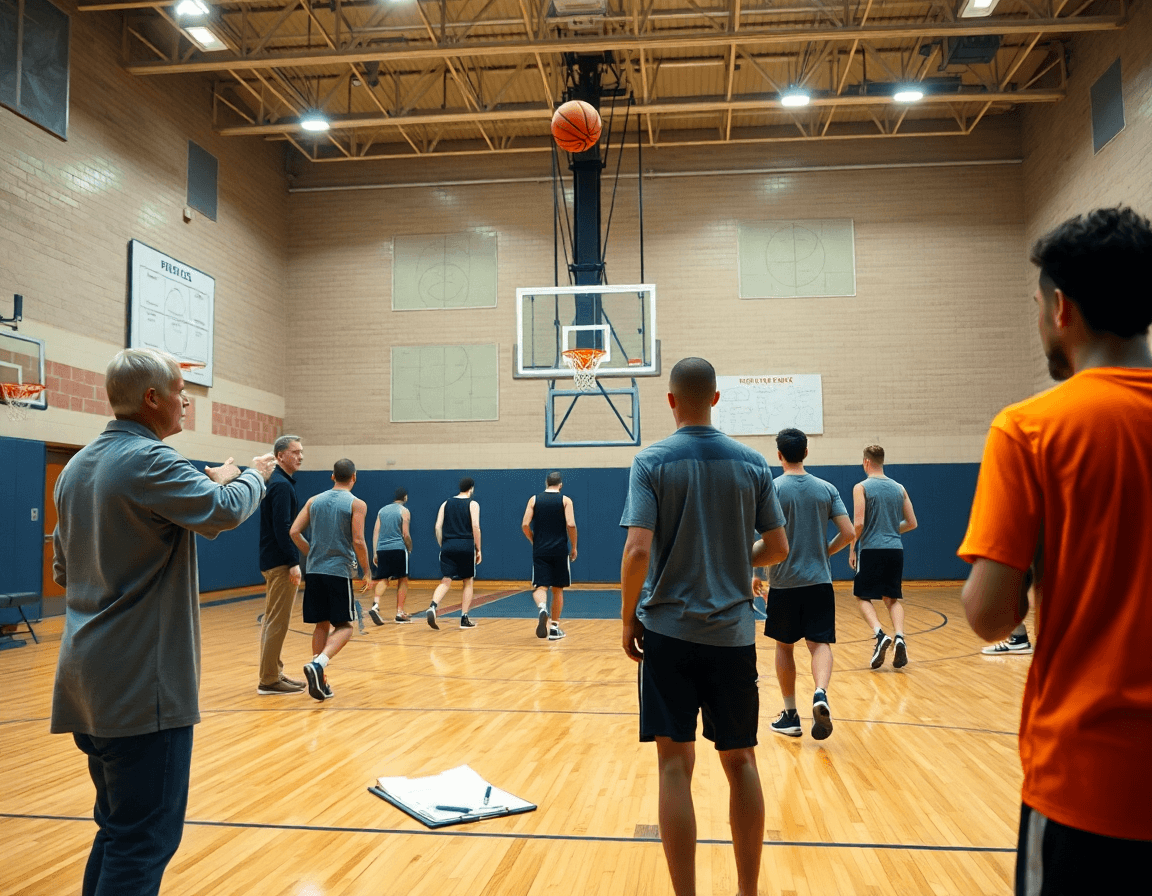
Frame a weekly plan around the best basketball team drills. As I map the week, I set 3 core objectives: defense, transition, and half-court offense. The plan rests on my go-to toolkit: Practice Plans, Whiteboard diagrams, Video Clips, Scouting Reports, and Playlists. Each drill in the plan should advance an objective, keeping the workflow tight and coachable.
Allocate time blocks (e.g., 8-12 minutes defense, 8-12 minutes offense, 5-7 minutes transition). Choose 3-5 go-to drills that align with these targets and the weekly practice goals. Use a consistent template to sequence drills with clear coaching cues and fixes, so players know exactly what to fix at the next run.
From those targets, I pick 3-5 go-to drills and map them into the plan. For defense, the shell drill is a cornerstone—it grows from 4-on-4 to 5-on-5 shells and keeps on-ball and help defense honest. For spacing, a simple spacing drills sequence emphasizes lane lines and decision points. Add cutting drills to move without the ball, and keep a short transition drill to link defense to offense. A quick video clip after each segment highlights fixes.
Use a consistent template to sequence drills with coaching cues and fixes, and tie drill selections to scouting reports or upcoming opponent tendencies where appropriate.
That workflow—plan, whiteboard, video, scouting notes, and playlists—keeps the team's week cohesive. A short video clip on a fix, shared via a playlist, helps players visualize the adjustment; the rest of the practice plan remains a steady rhythm, leaving room for adjustments as we review scouting reports before the next session.
Cluster drills into consecutive blocks: defense, transition, and offense
Cluster drills into consecutive blocks is how I structure a weekly plan. I open with shell drills to dial in defense and communication. We start with a shell drill (5-on-5 shell and 4-on-4 shell) to teach rotations, gaps, and verbal cues, with an emphasis on defense concepts in tight spaces. The goal is for every defender to know where help is coming from and how to sprint to the next rotation. A controlled pace keeps energy focused and coaches aligned, setting the foundation for the best basketball team drills I’ll run this week.
Next, we move into balanced 5-on-5 play to practice team concepts in live settings. After the shell work, the emphasis shifts to execution—spacing, ball movement, and collective communication. During this phase, I label the blocks as defense drills and keep the tempo steady as players read and react as a unit. When the group is in good rhythm, we add transition drills to simulate how we attack mismatches and convert stops into quick pushes up the floor.
Finally, we incorporate transition work after stops and turnovers to reinforce pace and decision making. The transition drills are brief but sharp, designed to train players to recognize numbers, angles, and angles in real time. To maintain flow and accountability, I assign roles and coaching cues so every switch and recovery has a clear responsibility. On the whiteboard, I note who doors the gap, who fills the weak side, and which cue signals the next sequence. This structured clustering—defense-first, then transition, then offense—keeps the week’s practice tightly organized and repeatable.
Use a progressive drill sequence to develop team rhythm
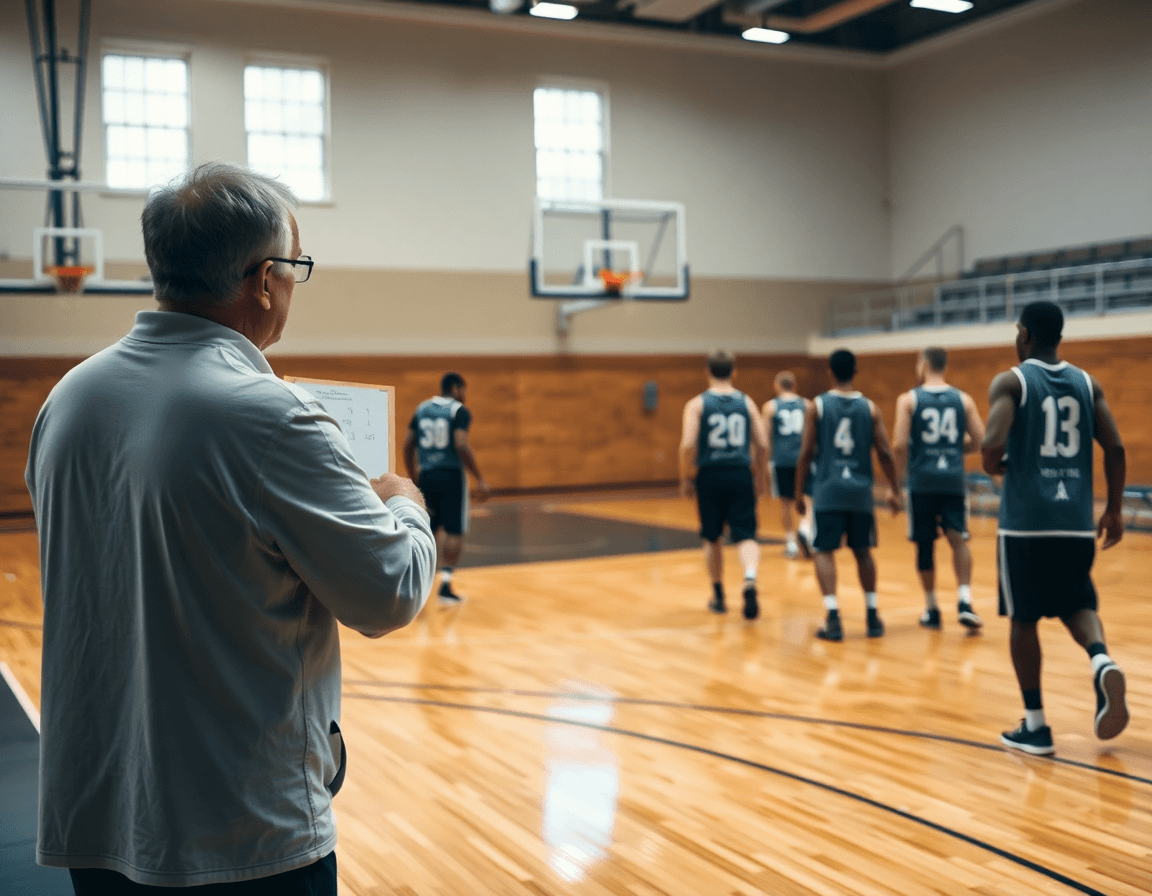
Progress starts with the basics. I begin with solid individual habits—footwork, balance, ball security—then layer in 2-on-2 and 3-on-3 within a larger 5-on-5 framework. In the Practice Plan I map the climb, and on the Whiteboard diagrams I sketch routes and timing. The result is a predictable rhythm that carries into live drills.
As we move, every offensive block centers on spacing and ball movement, with read-and-react threaded into decisions. I rotate through spacing drills and ball movement drills, while Whiteboard diagrams show angles, passing lanes, and when to reverse the ball. On defense, shell drills (5-on-5 shell, 4-on-4 shell) test rotations, including off-ball defense concepts, and a quick video clip highlights the choice we want.
Rhythm deepens when screening and cutting enter the sequence. I run cutting drills around ball screens, with shooters spacing behind to create options. We use scouting reports to predict how defenses will hedge, then pull clips into a Playlist so players can see the read and the option they missed—and adjust in the next session.
End each block with crisp goals, cues, and measurable benchmarks. I drop these into the Practice Plan and share a short video clip in the Playlist for quick review. A final pass through defense drills—on-ball and off-ball—inside a 5-on-5 shell seals the rhythm we’re building.
Leverage video to teach and reinforce the drills
Cut and label video clips from practice to highlight successes and corrections. A quick cut of a perfect defensive slide during a 4-on-4 shell, labeled “defense drills – on-ball defense,” shows what to replicate and what to fix. Tag each clip with the drill name and a key takeaway, then bundle them into a short reel that supports your weekly practice plan.
Create short playlists for players, with clips tied to specific drills. Build a playlist for spacing drills, another for cutting drills, and a third for shell work (5-on-5 shell). Each clip links to a drill in your plan and uses shareable links so players can review on their own time.
Annotate plays with diagrams and action types (BLOB/SLOB/ATO/PnR) for clarity. While you pause the clip, overlay a quick diagram on screen and call out the action type. This makes the play crystal clear when you review it on the whiteboard or annotate the concept for your defense drills.
Use video reviews to connect practice work to in-game concepts. After practice, watch the clips with your team and point out how the drill work translates to game situations—defense rotations, spacing, and ball movement. The goal is to reinforce the link between what you coached on the floor and what players read during competition.
Incorporate scouting reports to tailor drills against opponents
After I finish the weekly scouting reports, I map opponent tendencies to drill selections and emphasis areas—pressure, spacing, or transition pace. This isn’t guesswork; it’s turning information into action in the plan. In your Practice Plans, you’ll prioritize a few drills that mirror the opponent’s looks, then layer in quick notes for assistants and players to reference on the floor. That’s how you drive weekly progress with scouting reports and planning against opponents.
Say the opponent leans into pressure in the full court and wants to push tempo. You’ll dial in defense drills that sharpen on-ball defense and communication, and offense drills that tighten spacing to limit steals. A quick emphasis on transition pace and spacing drills can change the tempo early in practice, so your group is prepared for live ball pressure and early ball reversals.
Translate notes into practice-ready suggestions and drill adjustments. If the scout notes flag backdoor cuts off curl screens, run a 4-on-4 shell with emphasis on closeouts and rotations, then reintroduce the exact scout plays during a short clinic segment. In the plan, mix in a couple of shell drill variations and make sure to practice both on-ball defense and off-ball movements. The goal is to defend the looks you expect while preserving offensive spacing. A brief video clip helps players connect the cue with the movement.
Document scout plays and track outcomes to inform future planning. I keep a simple log of what worked and what didn’t, then attach short video clips to each note. Save the most relevant clips in Playlists so players can review the look before the next meeting. By tying the scouting reports to actual practice results, you’ll tighten the feedback loop and sharpen plans for the next opponent.
A Practical Workflow Step: from plan to PDF to player feedback
Every week starts from a master template that becomes a printable plan for the staff and players—a solid practice plan you can carry into the gym. I map the sequence from the opening warm-up to the closing shell work, sprinkling in spacing drills and cutting drills so we stay sharp on both ends. With this structure, a junior squad runs through on-ball defense and off-ball defense in a steady rhythm, and I can swap in a 5-on-5 shell or a 4-on-4 shell drill without losing flow. That consistency helps assistants prep and players lock in.
During prep, I pull the whiteboard diagrams into a PDF export for staff handouts and chalk talks. Diagrams labeled for defense drills—on-ball, off-ball, shell variations like 5-on-5 or 4-on-4—travel cleanly to the sideline and into the locker room. The PDFs become reference guides as we run through the plan in practice, and the diagrams pair nicely with the verbal cues I share on the floor.
I build video playlists and shareable links for players to review after practice. Short clips from spacing drills, cutting drills, and shell reps are organized into a clean set of clips with clear titles. After practice, I jot quick post-practice notes to refine the plan for next week and tighten the sequence, ensuring our weekly loop of planning, teaching, and feedback keeps getting sharper.
If you build plans like this every week, CourtSensei keeps your drill library, whiteboard, and video clips in one place — try it free.
FAQ
What are the best basketball defense drills for a team?
For defense, focus on a few core drills that build communication, rotations, and discipline. The shell drill (start 4-on-4, progress to 5-on-5) sharpens gaps and help defense; add closeouts to improve stance and contest. Finish with on-ball denial and recoveries. Run short blocks with clear coaching cues and fixes after each run, tied to scouting notes.
How do you run a 5-on-5 shell drill?
Begin with a low-intensity progression, then move to full 5-on-5 shell to simulate game rotations. Emphasize spacing, communication, and the timing of help. Use short pauses for corrections, and label rotations on the whiteboard so players know what to do next. End with a quick live rep and a brief video recap of fixes.
What is the 5 Stops drill in basketball defense and how many stops are required?
In the 5 Stops drill, the defense must deliver five consecutive stops before the offense gains possession. Track defensive stops with a counter and reset after each stop. This drill builds urgency in transition and reinforces the stop-to-possession mindset. Keep it tight, coaching corrections after each run.
How can I improve spacing in team offense drills?
Use dedicated spacing drills that emphasize lane lines, passing angles, and decision points. Practice ball movement with quick reversals and read-and-react decisions. Tie drills to the playbook and scouting reports, and finish with a short video recap showing proper spacing and where players missed gaps.
What is read-and-react in basketball offense?
Read-and-react is an offensive flow where players read the defense and react with timely options—driving, cutting, or skipping the ball. Teach it with controlled sequences, then progress to live 5-on-5 to reward quick decisions. Use diagrams and short video clips to highlight options and misreads, keeping the offense adaptable and coachable.
How should I structure a basketball practice plan?
Structure your week around defense, transition, and half-court offense. Allocate 8-12 minutes to each defensive block and 8-12 to offense; 5-7 minutes for transition. Use a consistent practice plan template, backed by scouting notes and a tidy playlist of clips for review. End with measurable benchmarks and quick post-practice feedback.
What is a 5-out motion offense?
Five-out means all players space the floor with no traditional post, creating driving lanes and shooting angles. It hinges on patient ball movement, screening actions, and read-and-react decisions to exploit mismatches. Build it with early-ball movement drills, then transition to live 5-on-5 to develop rhythm within the motion offense.