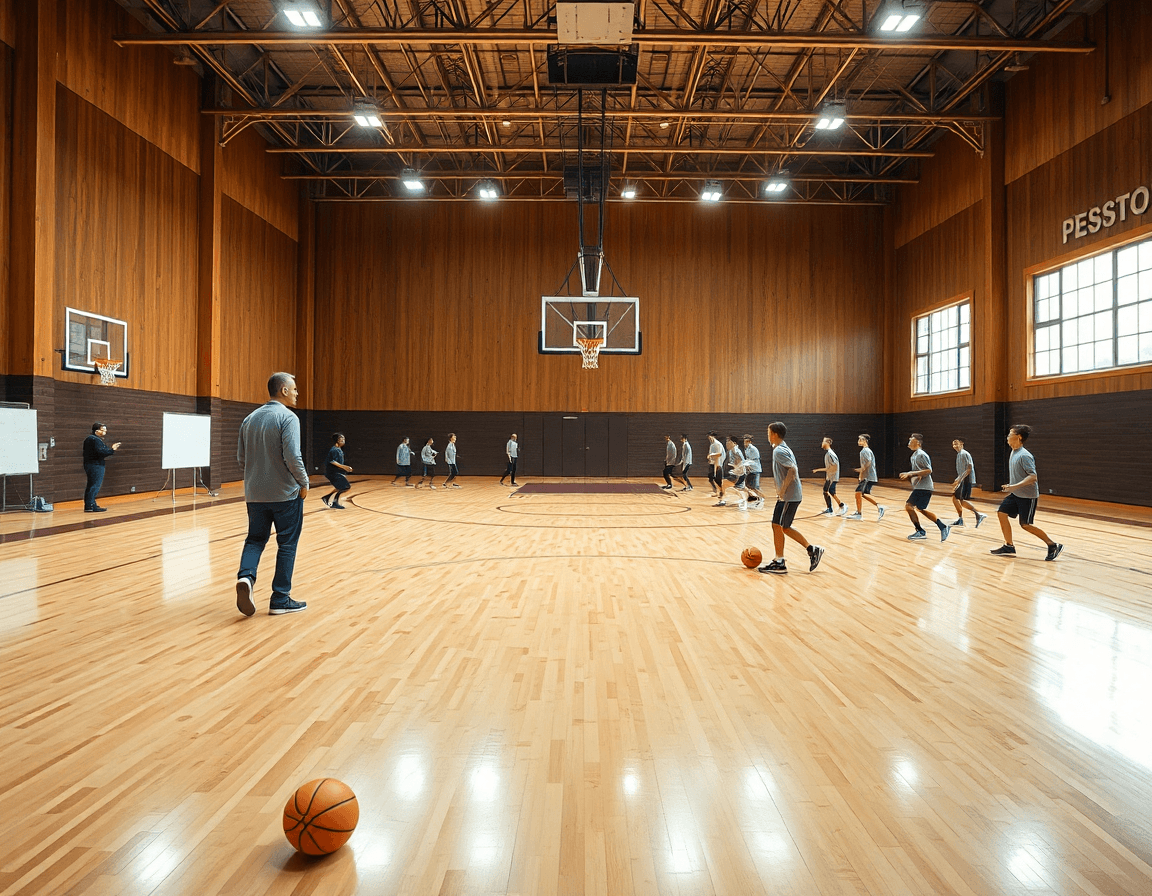
Basketball Passing and Shooting Drills: Weekly Coach Plan
Coach-focused weekly framework for integrating basketball passing and shooting drills into practice plans, with step-by-step workflows and video review.

Key takeaways
- Define weekly objectives for passing and shooting to guide drills and decision-making under pressure.
- Leverage the library to select 3–4 drills that align with opponent tendencies and game scenarios.
- Create a progressive sequence from fundamentals to full-speed reps, documented on the whiteboard and saved as playlists.
- Use video clips for focused feedback on timing, angles, and decision points that map to drills.
- Collect a concise PDF plan and share clip libraries with assistants to ensure weekly alignment.
Define weekly objectives for passing and shooting
As I sit down to plan the week, I lock in the weekly objectives for passing and shooting. The aim is to sharpen decision-making on passes and shots, and to tune pace and rhythm so movements feel deliberate rather than reactive. I spell out outcomes like players choosing the right pass option under pressure and knocking down shots within the flow of our offense. If you’re wondering how to plan basketball passing and shooting drills, this is where it starts—clear outcomes that guide every drill choice. From there, I pull 3–4 drills from our library to anchor a focused week.
I also shape the week around opponent tendencies and game scenarios. That means imagining a few key moments—ball-screen pressure, late-clock situations, or a quick counter after a loose ball—and selecting drills that prepare the team for those exact reads. The library gives me options across the spectrum: chest pass, bounce pass, overhead pass, lead pass, skip pass, and even wall work and passing on the move or under pressure. By linking these drill concepts to how we expect opponents to defend us, the week stays practical rather than theoretical.
In the end, it’s about the workflow. I build the plan from the library, map flows on the whiteboard, and then turn sequences into clips for quick review. A short video clip can show a two-pass progression into a shot, or a live drill that emphasizes decision-making under tempo. I save these as playlists and shareable links so assistants and players stay aligned, all while keeping the core focus on improving how we pass and how we shoot.
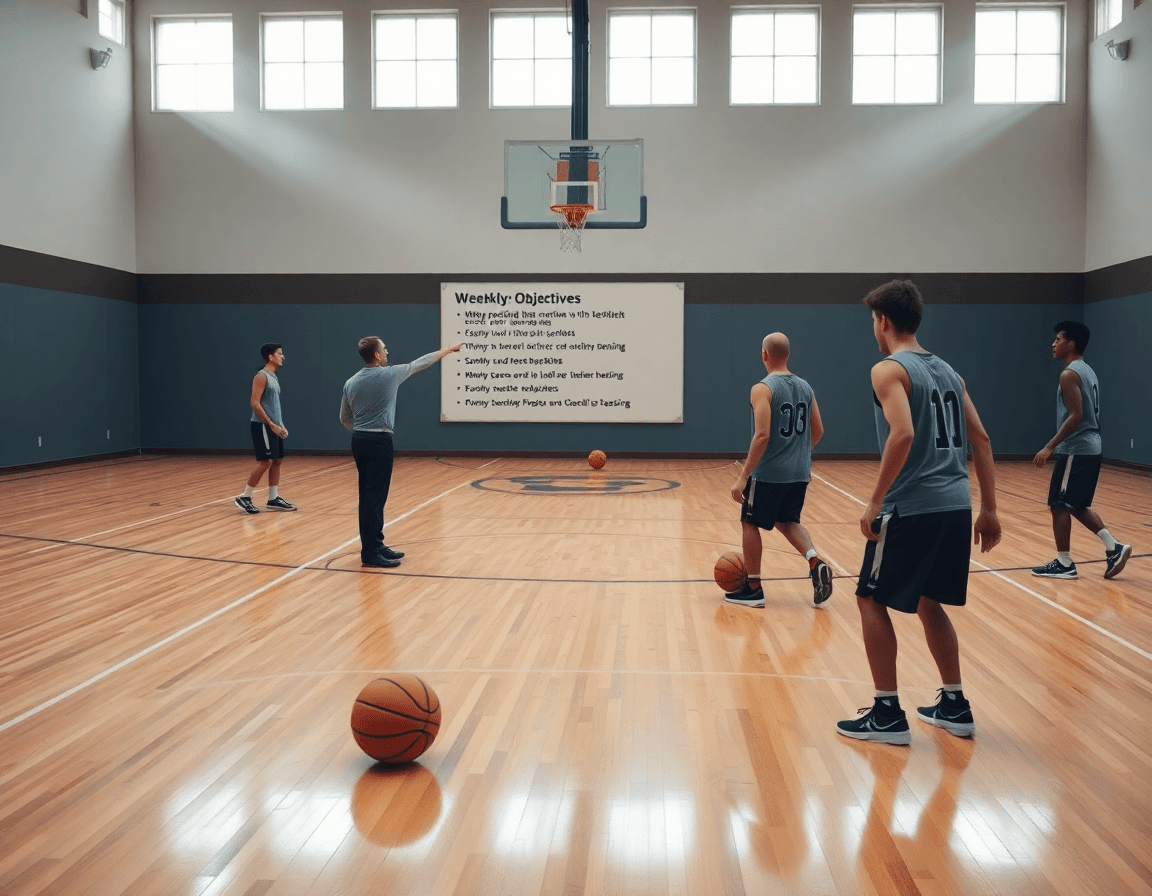
Build a progressive drill sequence
As you map out your weekly workflow, start with a progressive drill progression drawn from the basketball passing and shooting drills library. Build your Practice Plan so the day-to-day flow moves from fundamentals to competition-ready reps, and diagram the plays on your Whiteboard. When you’re done, you can export a clean PDF, pull clips for quick review, and share the plan with assistants or players via playlists and links.
Warm up with fundamentals—start with wall passing to wake up hands, then form shooting to lock in stroke. This setup keeps the drill progression intact and gives you a solid foundation for the rest of the session. As you write the week, label these first blocks clearly in the plan so assistants know exactly what to run before the ball ever enters the half court.
Next, add two-player and three-player passing with catching and shooting reps. Use patterns that mirror your game: work on passing on the move with quick catches, then build in passing under pressure as defenders simulate late-shot-clock moments. Include a mix of the core passes—chest pass, bounce pass, overhead pass, lead pass, and skip pass—so your players read and react to tempo and space without slowing the flow.
Finish with game-like sequences—driving, kicking, and finishing in rhythm. Diagram the reads on the whiteboard, then clip and organize the sequences as a mini library of options. Save as a playlist or shareable link for players and assistants, and pair each sequence with a quick scouting-ready note to guide adjustments for the next week. The week ends with a clean, basketball passing and shooting drills progression that translates to real-game decisions.
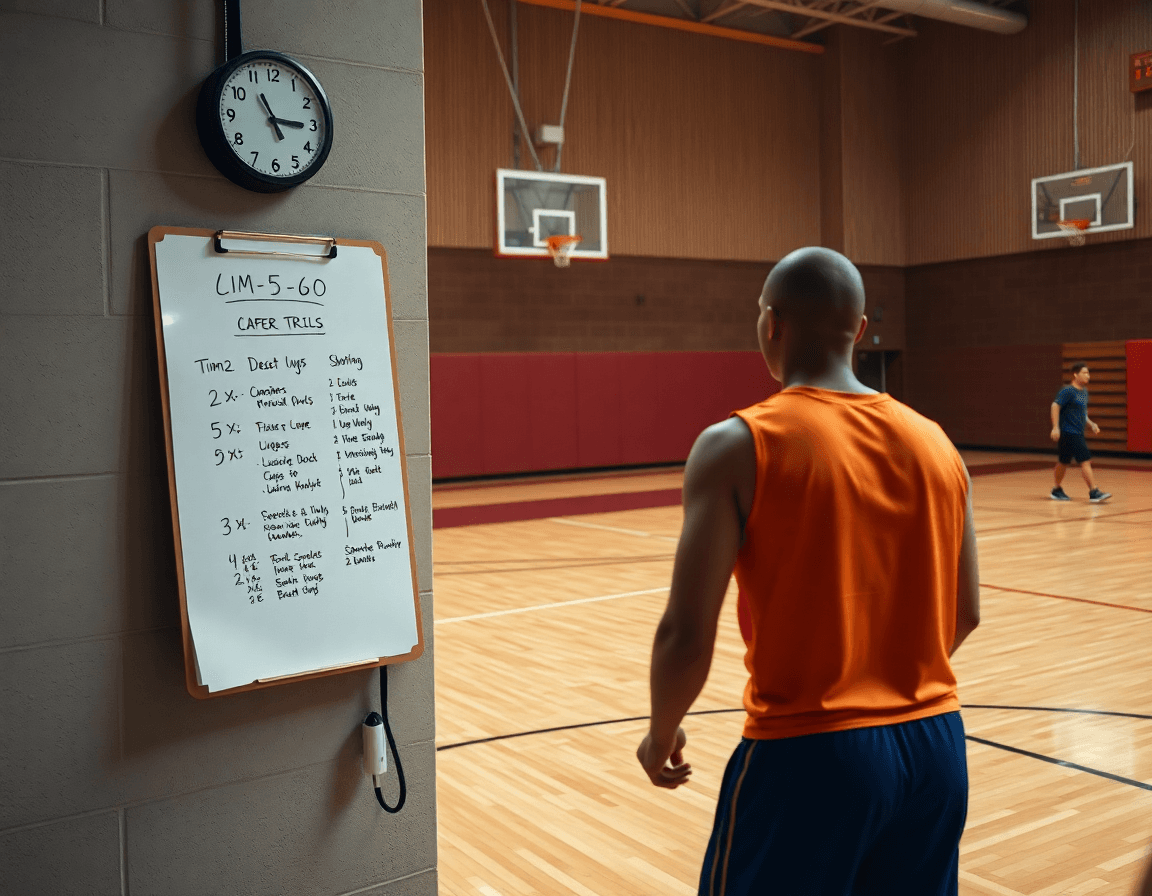
A practical 60-minute weekly workflow
Here's how a practical 60-minute weekly workflow unfolds when I run a focused session using CourtSensei. I map a solid 60-minute practice plan by pulling from a library of passing and shooting drills and layout the flows on the whiteboard so assistants and players can follow. The aim is crisp decision points and efficient reps, with the plan saved as a PDF to share with the staff before we hit the floor. If you’re wondering how to plan basketball drills for a week, this is the blueprint I rely on.
From 0-10 minutes, we warm up with passing on the move, emphasizing quick feet and clean catches. Then 10-25 minutes flip to two-player or small-group drills, dialing in the core mechanics: the chest pass and bounce pass are staples while we also treat an overhead pass as a strings-and-feet option. We add a touch of passing on the move under light pressure to simulate game tempo and keep everyone engaged.
From 25-40 minutes the focus shifts to catch-and-shoot under pressure after passes. The flow on the wall diagram helps players see the sequence: pass, catch, and shoot in rhythm, with defenders interrupting to sharpen decision-making. I clip key reps and tag them to a sequence in CourtSensei so we can review the shot timing, eye discipline, and release point in the next session, building a stronger weekly library of game-like sequences.
From 40-50 minutes we transition to movement shooting and decision-making. Movement reads, spacing, and quick calls—shoot, drive, or swing—drive the outcomes. I keep the whiteboard updated to reflect the evolving options, and I start tagging standout reads for scouting notes that feed into the next week’s prep.
In the last 10 minutes, I run a quick review, jot notes for next week, and save the updated drill plan as a PDF. I also assemble a quick set of video clips into playlists and share the links with assistants and players, so the weekly workflow for drills stays visible and actionable.
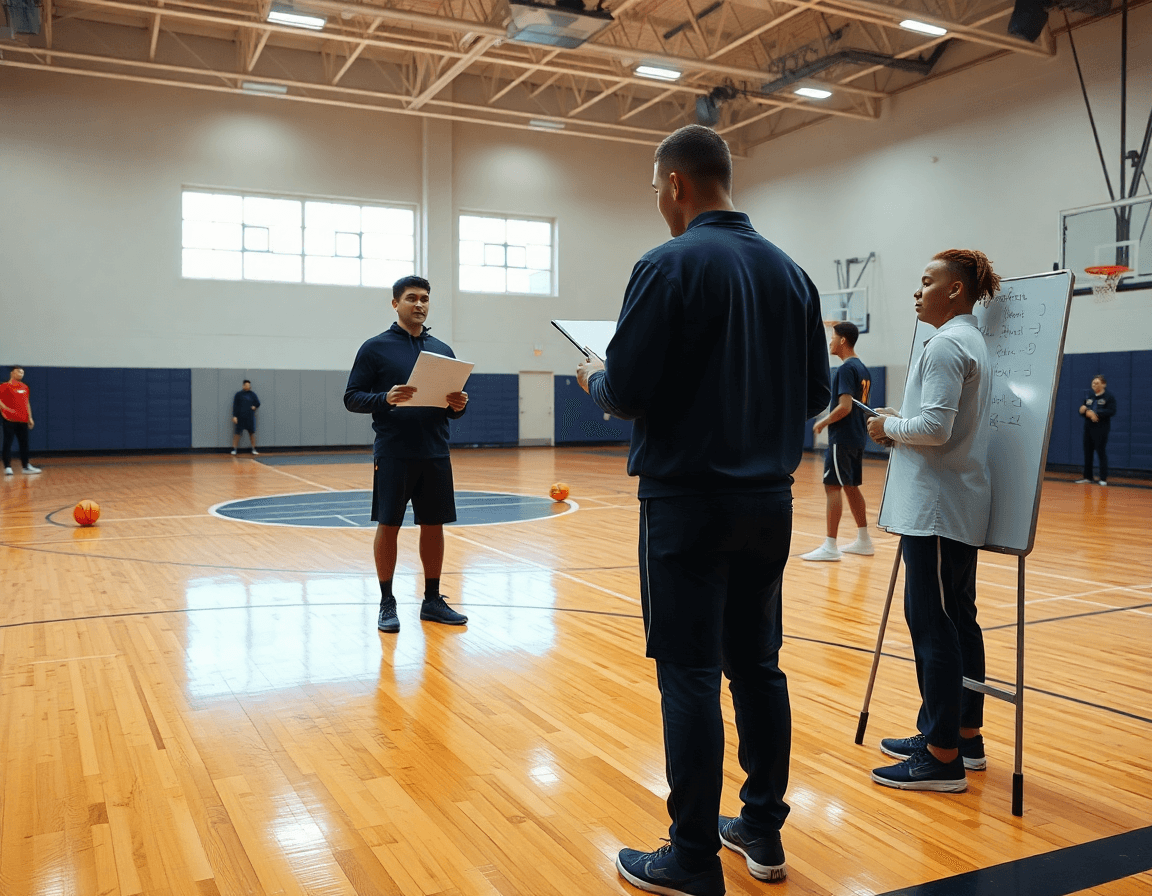
Leverage video for feedback on passing and shooting
Here's how I use video for the weekly workflow to master basketball passing and shooting drills. During reps, I clip players to show passing angles and shot timing. A chest pass arc, a bounce pass that bounces too early, an overhead pass that misses — each moment becomes a teachable moment when watched as a focused video review. We tie every clip back to a specific drill from our library, and the footage sits alongside the planning stage where I map out next week’s entries on the whiteboard. It’s not about rewatching everything; it’s about drilling down on the tweaks that matter.
Next, I tag clips to players and drills in playlists for later review. A clip of a missed chest pass is tagged to the 'passing on the move' drill; a crisp skip pass lands in the same player’s sequence. When we revisit a session, I pull up that playlist and walk through the footage with the player. It keeps the feedback concrete and easy to reference during film time, not as a mystery but as a proven guide for improving passing angles and timing.
Finally, use video notes to drive post-practice adjustments. A quick entry might say: shorten the release on a lead pass, or start with a catch, rip, and shoot sequence to improve rhythm. We schedule a short recap after practice, focusing on a few targeted tweaks. The notes appear alongside the clips in the system, linking to upcoming drills and scouting reps so that the next week’s plan nudges the players toward the right improvements. This is the core of the video review loop for basketball passing and shooting drills.
Integrate scouting to tailor drills
To turn raw scouting notes into on-court gains, I translate what opponents do into where we emphasize in our weekly basketball passing and shooting drills. If the report shows a team denies baseline drives and funnels pressure to the strong side, we lock in emphasis on passing lanes and critical decision points under pressure. In the plan, I anchor drills from the library—think chest pass and bounce pass sequences—that stress reading angles and fast delivery into crowded windows. On the whiteboard, I diagram the flow: entry pass, escape pass, and finish at the rim, all in a tight tempo. This is what we mean by scouting for drill design.
Next, I tailor sequences to address observed tendencies. If reports show the opponent overplays after a ball reversal, we emphasize a quick lead pass and a well-placed skip pass to the weak side, followed by a decision at the rim. We fold those into a game-like sequence: pressure arrives, a quick passer reads the room, a chest pass resets, then a wall pass gets the ball to the opposite wing for a shot or drive. We sprinkle in options like the overhead pass in traffic to keep players honest and options open when the defense ramps up.
Finally, I document adjustments in a scouting-focused practice note. After the session, I flag what changed and why, then drop the updated sequences into a scouting-ready workflow. I save clip-forward examples and assemble them into targeted playlists for quick review with players and assistants. This approach makes it easy to adapt drills from scouting reports and share the updated plan via short video clips and links, keeping the weekly routine tight and aligned with what we’re seeing on film.
Post-practice debrief and plan next week
After the horn, I run the weekly debrief with the team. We watch the latest short video clips from practice, jot down takeaways, and measure progress against our basketball passing and shooting drills benchmarks. I categorize observations by passing on the move, passing under pressure, and the main categories in our library—chest pass, bounce pass, overhead pass—then update the drill library accordingly. The goal is to connect actions on the court to the library we reuse every week.
From there I assign players to playlists for individual focus. I tag each player to a set of drills targeting the exact skill they need—passing on the move, lead passes, or finishing after a feed—to keep them moving between groups and lanes. I share these playlists with players and assistants, and they serve as the quick guide before the next session.
Drafting next week's progression starts with the data from this week: patterns where passes broke down, sequences that clicked in transition, and what feeds helped shooters. I pull scouting-ready reports to translate trends into drills. Based on observed trends, I plan to emphasize certain drill families—chest pass, bounce pass, overhead pass, lead pass, skip pass—and map them into a logical progression. The goal is to plan next week's drills with the same cadence and keep the overall workflow tight.
Finally, I export a concise clip pack for next session and lay out the step-by-step plan on the whiteboard. The routine stays: plan in the library, diagram flows, clip sequences, and share via playlists and links to players and assistants. That loop—from debrief to progress to the next-week plan—keeps our practice sharp.
If you build plans like this every week, CourtSensei keeps your drill library, whiteboard, and video clips in one place — try it free.
FAQ
What are the essential basketball passing drills every team should run?
Great question. Focus on the core passing drills that train accuracy, tempo, and decision-making. Prioritize the chest pass and bounce pass first, then add an overhead pass as a quick release option. Two on two or three on two drills build reading the defense, while passing on the move keeps feet and hands synced. Finish with passing under pressure to simulate late clock reads and improve consistency under game tempo.
How can I improve passing accuracy in basketball?
To boost passing accuracy, build drills that combine correct hand placement, precise footwork, and clean catches. Start with wall passes to work on touch, then progress to partner feeds with targets and moving defenders. Emphasize eye discipline keeping eyes on the target and reading angles plus proper weight transfer, so passes arrive on time. Finish with pressure reps to translate accuracy into game reads.
What are the different types of passes in basketball?
Basketball uses several passes each with a purpose. The chest pass delivers speed through gaps; the skip pass stretches the floor; the bounce pass works under defenders; the overhead pass covers distance; the lead pass finds runners; use them strategically to maintain rhythm and beat rotations.
How can you combine shooting and passing in drills?
Create flow drills that end with a shot after a pass. Use a catch-and-shoot pattern, then add a two-pass progression into a shot to train rhythm. Include drive and kick sequences, and practice passing on the move into shot timing. Diagram reads on the whiteboard, record clips, and review to tighten timing, spacing, and ball pace.
What is the Mikan drill and what does it teach?
The Mikan drill focuses on finishing around the rim with quick footwork and a soft touch off the backboard. Start on one side, then repeat on the other to build symmetry and confidence finishing through contact. It teaches proper body positioning, sequencing, and touch at the rim, making it a strong foundation for putbacks and quick finishes in traffic.
What drills help players catch passes more reliably?
Improve reliable catches with hands and focus. Use stationary targets and moving feeds to train soft hands and framing. Emphasize catch positioning, hand placement, and eye contact before the next pass. Add quick catches on the move and reaction drills to mirror in-game momentum. End with short sequences that finish with a shot to reinforce rhythm and confidence in team passes.