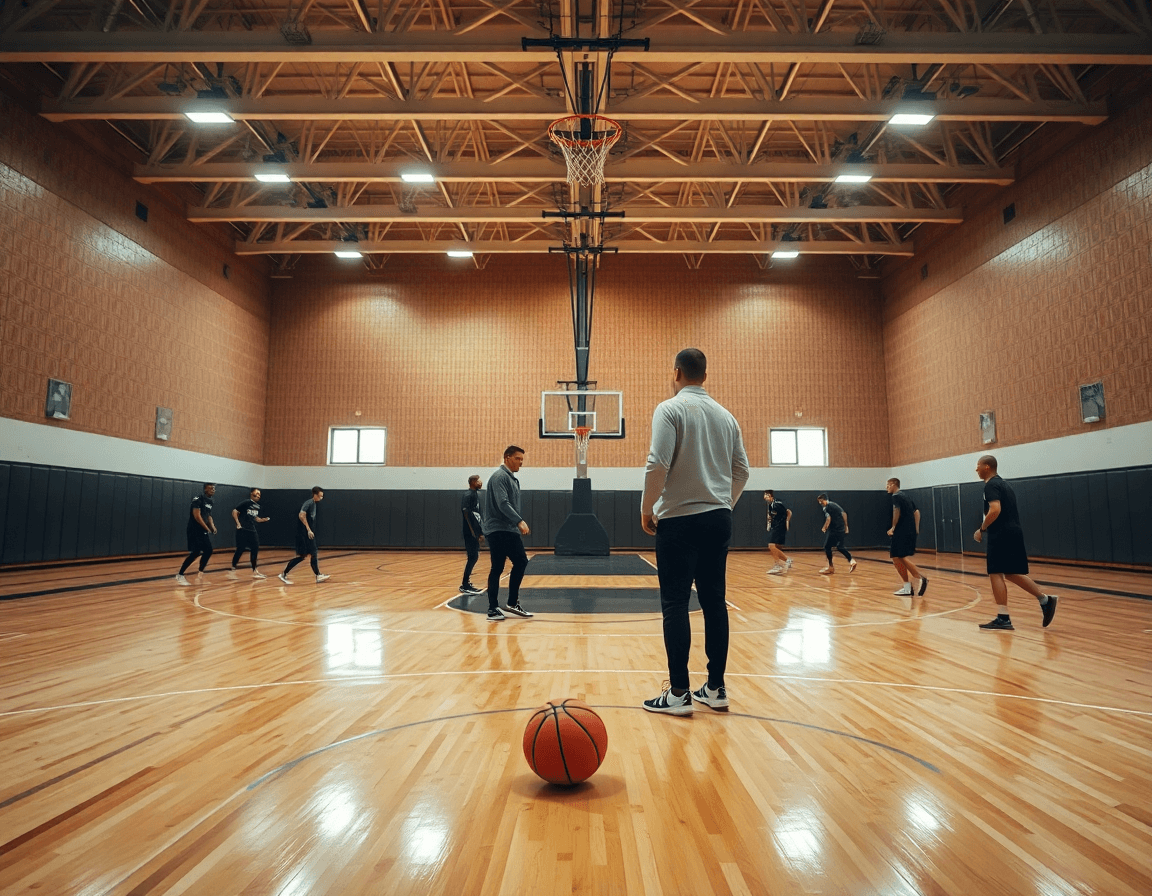
Basketball Drills Without a Hoop: Weekly Training Plan
Master basketball drills without a hoop you can fit into your weekly plan. Focus on ball handling, footwork, and conditioning with a coach-friendly workflow.

Key takeaways
- Leverage no-hoop drills to maximize practice time and floor space while preserving fundamentals.
- Structure ball handling and footwork blocks to translate drills into game-ready habits.
- Keep sessions tight at 15–25 minutes with clear milestones and a repeatable no-hoop flow.
- Adopt a five-block structure: warm-up, drill blocks, conditioning, review, and progress checks.
- Pair Whiteboard diagrams and video clips to accelerate learning and keep staff aligned.
Why include no-hoop drills in your weekly plan
In this weekly plan, I lean into basketball drills without a hoop. It’s a reliable way to gain time and floor space when the gym is tight or we’re juggling multiple age groups. Starting with no-hoop work keeps fundamentals sharp and helps players stay on pace, even during back‑to‑back sessions.
Foundational skills translate to real-game action, whether the ball is in play or tucked at your side. In this block I lean on ball handling drills—crossovers, figure eights, and pound dribbles—often against a wall or in open floor. Pair that with footwork drills—shuffles, pivots, and direction change—so players move with purpose. We also pepper in simple conditioning that flows from one drill to the next without a hoop.
Short, focused sessions fit into midweek practice blocks or post-practice conditioning. A typical no-hoop window runs 15–25 minutes, with a timer and clear milestones. On the Whiteboard I diagram progressions—from basic ball-handling to two-ball sequences—and note targets for the next week. In Practice Plans, I label these as a distinct block so assistants can export a PDF and run the same routine in their workouts.
When gym access is limited, this no-hoop routine bridges days and keeps players ready for on-court work later in the week. It also creates a smooth follow-through into video work—short clips of wall or chair shooting, line shooting, and quick crossover sequences that coaches can share as playlists for players to study.
Core no-hoop drill library for coaches
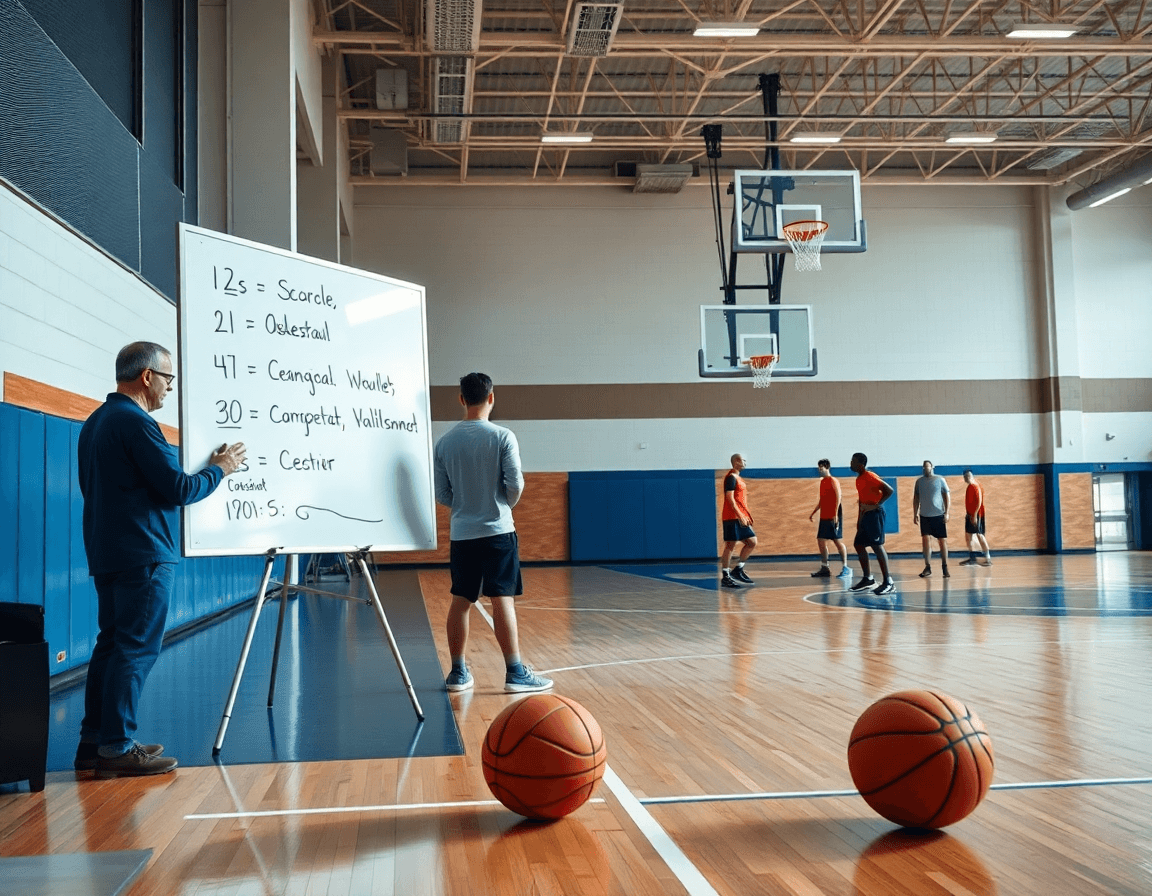
When the week calls for no-hoop work, the core library kicks off with ball handling drills to build control in tight spaces. Think crossovers, figure eights, pound dribbles, and two-ball dribbling. In my weekly Practice Plan, I group these into a 6–8 minute block, then diagram progressions on the Whiteboard and attach a short video clip for reference. The entire drill block can be exported to PDF for assistants and staff, so everyone is aligned.
Footwork and agility are next in the cycle. This block centers on line drills, cone drills, and quick-twitch patterns to improve lateral movement and change of direction. I map the sequence on the board, dial in tempo, and use a quick video clip to lock in footwork cues. The goal is repeatable, game-ready steps that don’t rely on a hoop but translate to on-court defense.
Shooting mechanics without a hoop focus on feel and form. Wall shooting, chair shooting, and line shooting reinforce elbow alignment, balance, and follow-through. I keep the cues simple on the diagram, run a brief demonstration clip, and track progress across sessions. Even without a basket, these drills reinforce rhythm and touch, giving players confidence when a hoop is available.
Passing and decision-making come next with wall passes and simple contour drills to sharpen accuracy under pressure. The emphasis is on timing, target selection, and communicating intent—important skills for any no-hoop session when space is limited.
Progressions: start with fundamentals and layer in speed, tempo, and decision timing as players improve. I reference the same plan as weeks go by, pushing for cleaner mechanics before adding complexity, and always tying back to the plan, the board, and the clips. Boldly building a steady pipeline of skills.
Structure a no-hoop session in your weekly plan
Structure a no-hoop session in your weekly plan
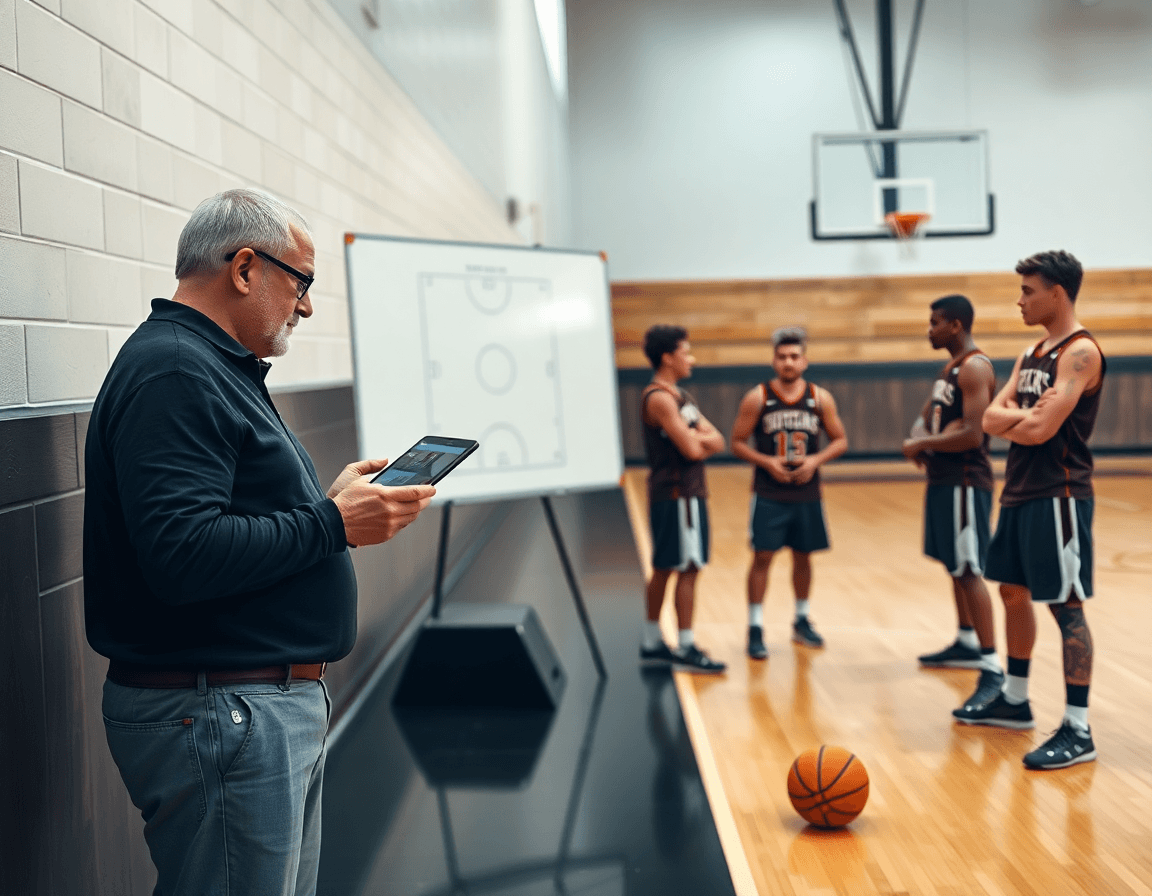
In my weekly plan, I break a no-hoop session into five blocks that fit neatly into Practice Plans, map progressions on the Whiteboard, and pair with a shareable Video Clips library to review later with the assistants. The flow keeps players focused and makes progress tracking simple—even when we’re not shooting on a lattice of rims.
Step 1: Warm-up (5–7 minutes) with dynamic movement and mobility to prime the hips and shoulders. I cue quick hip circles, arm swings, and thoracic twists to set up the day’s technique work.
Step 2: Drill blocks (15–20 minutes) focused on a pair of core skills (e.g., ball handling + footwork). I mix in ball handling drills like crossovers, figure eights, and pound dribbles, then pair them with footwork sequences. If we’re tightening shooting mechanics without a hoop, we roll in wall shooting, line shooting, and chair shooting to mirror form and balance—all documented as a drill block in the plan and sketched on the Whiteboard for progressions.
Step 3: Conditioning finisher (5–7 minutes) using fast feet, lateral shuffles, and change-of-direction work to push limits without a hoop. The emphasis is transfer to game-speed movements, not just endurance.
Step 4: Review and assign (5 minutes) with players watching a quick clip or diagram illustrating key technique. I drop a targeted cue, then link it to a short diagram on the Whiteboard and a clip in the Video Clips library.
Step 5: Progress check and adjust (ongoing) using a simple scoring rubric or a quick PDF plan for the assistants, plus a checklist to keep the weekly plan on track.
Using video and diagrams to accelerate learning without a hoop
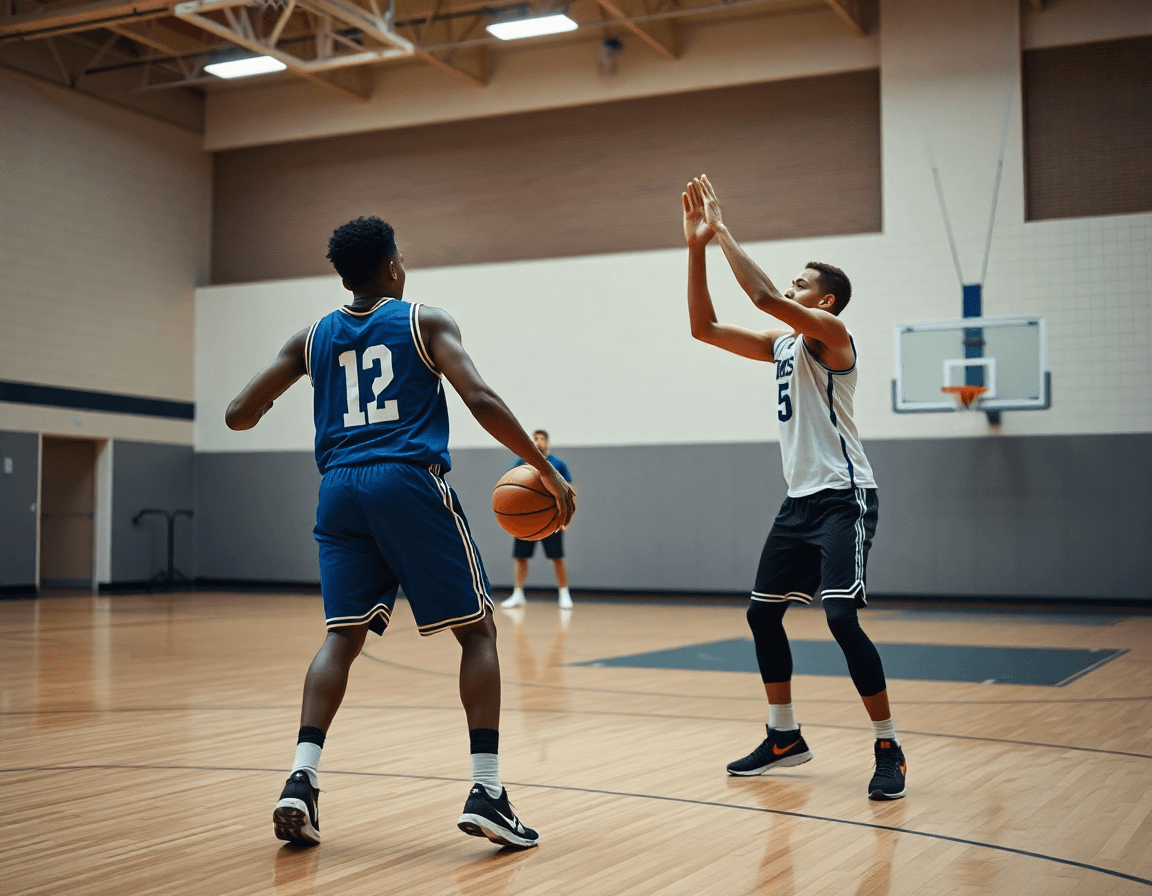
Whiteboard diagrams map movement sequences (adapted for no-hoop drills) to show spacing and timing. In a typical week, I sketch a progression that starts with line shooting and chair shooting, then layers in crossovers, figure eights, and pound dribbles—without a basket. The diagrams help the staff see where players should line up, where to plant feet, and how long each cue should last. This is less about a shot and more about rhythm and space, so a simple arrow or bracket on the board can convey a lot for the no-hoop workflow.
Video clips capture form and progression, then compile into playlists players can study off-court. I’ll grab quick clips of a player hammering a pound dribble or finishing a wall drill with precision, and I’ll tag them into a rising sequence: ball handling drills, then line shooting, then wall shooting. The goal is a clear, concise path they can replay at home or in the locker room. With a few taps, those clips turn into accessible learning tools for each athlete, regardless of facility constraints, and you can reference the same clips in a future practice plan.
Shareable visuals (PDFs or links) help assistants and players stay aligned on technique and expectations. I export key diagrams and the top clip sequences as one-page visuals you can hand to staff before the week begins. That consistency matters when you’re teaching fundamentals like crossovers or figure eights and you don’t want a remote drift in technique.
Exporting practice diagrams and clip playlists into PDFs keeps you organized for scouting and weekly reviews. The export to PDF option preserves the exact layout of your whiteboard progressions and the order of video clips, so you can brief an assistant or compare week-to-week progress with ease.
Tracking progress and sharing with assistants
Tracking progress in basketball drills without a hoop isn’t about points; it’s about consistency in fundamentals. I use a simple rubric focused on control, speed, and accuracy. Each week I log how a player tightens their handle during line shooting and wall shooting, how quickly they move through a pound-dribble sequence, and how crisply they execute crossovers. This is my go-to for progress tracking, and I keep the notes on the Whiteboard so assistants and players see gains at a glance.
Build a playlist of drill clips that map to the rubric. For every drill block—ball handling, wall shooting, line shooting, chair shooting, crossovers, figure eights, pound dribbles—I assemble a sequence players can study and imitate. Turn those clips into a shareable playlist, so players have a clear self-improvement path between sessions. When you’re doing basketball drills without a hoop, a concise video shows more than words, and the clips give players a concrete reference point for every rep.
Shareable practice plans and diagrams keep the team aligned. I export the full plan as a PDF and hand it to assistants, so they know the exact drill blocks, tempo, and progression to run in the gym. This is a core piece of the coaching workflow—time-saving delegation that still preserves consistency across groups and sessions.
Link scouting notes or observations to specific drill blocks to connect prep with in-game angles. If a scout flags aggressive ball pressure, I tie that observation to a block with pound dribbles and figure eights, so the team trains the reaction before game day. It’s a clean loop: prep, practice, and scouting integrated into a single weekly rhythm.
Sample week: a ready-to-use no-hoop drill plan
Monday's focus is ball handling and line shooting, all without a hoop. In the first block, you run through crossovers and figure eights to wake up the hands, then finish with line shooting from spots you’d see in a game—no backboard required. Total time: 22–28 minutes, clean and crisp.
Tuesday moves to footwork and cone drills, with a touch of wall passes. Use short linear patterns and pivots to build balance, then add wall passes to simulate passing angles and touch. Total time about 25 minutes.
Wednesday introduces two-ball dribbling and a conditioning finisher. Start with alternating or simultaneous two-ball dribbles to challenge control, then finish with a quick circuit—sprints, lines, spot jumps—that keeps the heart rate up. Total 20–25 minutes.
Thursday is for synthesis: review diagrams on the Whiteboard and run a quick clip-based QA session using recent Video Clips. Walk through a few BLOB/SLOB/ATO diagrams and discuss decision points players would face in those sequences. 15–20 minutes.
Friday completes the no-hoop progression with a short assessment and a feedback loop. Run through the progression, observe form and decision making, then map improvements to quick reminders for the weekend. End with a 15–20 minute debrief that ties to your clip playlists for players.
Notes: Use a Practice Plan to export the week as a PDF and assign clips to players as reminders.
If you build plans like this every week, CourtSensei keeps your drill library, whiteboard, and video clips in one place — try it free.
FAQ
Can you practice basketball without a hoop?
Yes. You can sharpen core skills with no hoop by focusing on transferables: ball handling and footwork using walls, lines, or chairs. Build rhythm, control, and conditioning through tight, guided blocks (15–25 minutes). Set milestones, track progress on a simple plan, and keep spacing clear so most of the work translates once a rim is available.
What are the best ball-handling drills without a hoop?
Without a rim, focus on control in tight spaces. Try crossovers, figure eights, pound dribbles, and two-ball dribbling. Use a wall or open floor to pace reps and build ball-handling feel. Pair with quick feet work—shuffles and pivots—to simulate change of direction. Finish with light conditioning to reinforce movement patterns you can carry to the court.
How can I practice shooting without a hoop?
Focus on form and rhythm. Do wall shots, chair shots, and line shooting to reinforce balance and elbow alignment. Keep eyes on the target and use a soft touch to simulate release. Add mental cues and tempo drills; track subtle gains with a simple checklist so you know when to progress.
What equipment do I need for at-home basketball training without a hoop?
You mainly need space, a wall or chair, and a timer. A line marker helps with footwork, and a ball is essential even if there’s no hoop. Optional: cones for agility drills. The idea is a minimal, repeatable setup that keeps your no-hoop work organized and easy to export for coaches.
How long should I practice at home without a hoop?
Keep sessions crisp. Aim for 15–25 minutes per block, 3–5 days a week. Start with fundamentals, then layer in speed, tempo, and decision timing as you improve. Use a simple scoring rubric to track progress and know when to advance the progression.
What drills improve footwork without a hoop?
Footwork is your anchor. Run line drills, cone patterns, and quick-twitch sequences to sharpen lateral movement and direction changes. Emphasize footwork and change of direction with a low center of gravity and precise foot placement. Map cues on your Whiteboard and review short clips to lock in timing without a rim.
How can I improve passing without a hoop?
Develop touch and timing with wall passes and targeted drills. Practice quick, accurate passes against a wall, using stations to simulate catch and release under pressure. Focus on spacing, target selection, and communication cues. A simple rhythm ladder can help you boost passing accuracy so you’re ready when a rim returns.