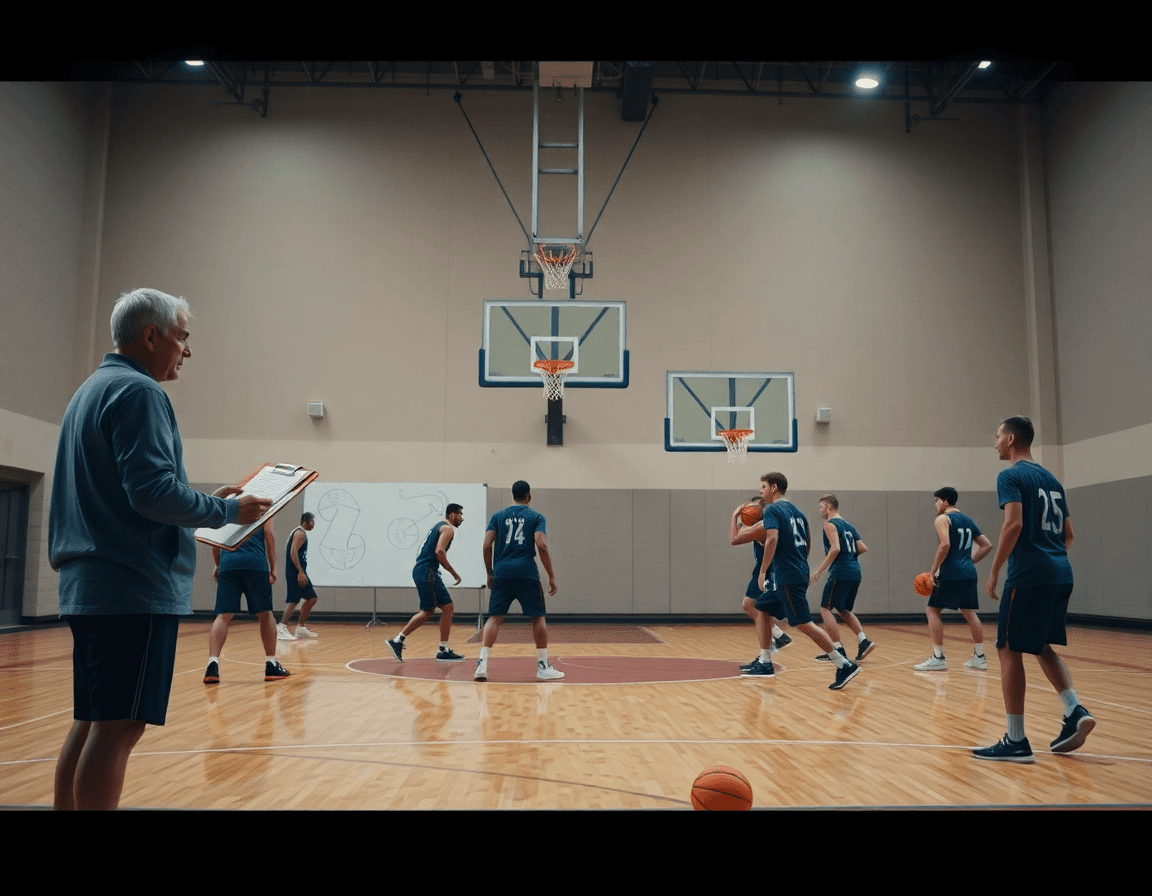
Basketball Drills Without Hoop: A Coach's Weekly Plan
Master basketball drills without hoop: a weekly coach plan for ball handling, footwork, and conditioning—plan, track, and share with assistants.

Key takeaways
- no-hoop drills deserve a weekly plan to turn downtime into productive practice with consistent drills.
- Map drills to days and time blocks using the Practice Plans library for repeatable no-hoop routines.
- Create whiteboard diagrams of progressions and export PDFs for staff review before sessions.
- Keep demos tight with short video Clips and build a Playlists to assign drills.
- Bottom line: a well-planned week keeps players engaged, fosters accountability, and advances no-hoop skills.
Why no-hoop drills deserve a weekly plan
basketball drills without hoop can keep players sharp when the gym is booked or hoops are unavailable. No-hoop work isn’t a stopgap—it’s core for maintaining ball handling and footwork when lanes are tight. A solid weekly plan means these drills aren’t ad-hoc; they’re scheduled, repeatable, and measurable. For coaches, that structure turns a sidelined gym into a productive studio.
To make it work, map drills to days and time blocks—every Monday, midweek, and weekend slot get a targeted skill. A plan that locks in ball handling, footwork, and conditioning creates a repeatable coaching workflow your assistants can follow without guesswork. This cadence matters most for growing consistency across the squad.
With CourtSensei, you assemble the week’s work in the Practice Plans library—pull from a growing catalog of no-hoop drills without needing a hoop. You design, share with assistants, and scale to multiple players. Reuse the same sessions across teams, and keep your standards intact.
On the whiteboard diagrams, you sketch each progression—think wall shooting, 180-degree shooting, or line shooting—so players can visualize the sequence. A quick export to PDF lets staff review setups before first repetition. This visual blueprint becomes part of your no-hoop routine.
Keep the demos tight with a short video Clips showing the form, then drop it into a Playlist to assign drills to players. Players can click through the drill, watch the clip, and see the expected reps at home or in the locker room. Playlists give you a clean, trackable way to assign work during the week.
Bottom line: a well-planned week makes no-hoop work purposeful, turning downtime into progress. When you align drills with days, diagrams, clips, and shareable links, you maintain a steady weekly routine that keeps players engaged and accountable.
Mapping a no-hoop drill week: ball handling, footwork, conditioning
As I map a no-hoop drills week, I lock in four training days with core skill blocks: ball handling, footwork, conditioning, and combination work. I keep sessions under 30 minutes to fit busy schedules while maintaining intensity. I pull drills from the Practice Plans library to assemble the weekly drill plan, then tailor a couple blocks for today’s group. The aim is a tight microcycle that translates to on-court readiness even without a basket. This weekly drill plan becomes my compass for assistants and players, guiding what gets practiced, shared, and tracked through the week.
Day 1 focuses on ball handling: stationary pound dribbles, crossovers, and behind-the-back moves, using a wall for feedback on timing and space. Day 2 tackles footwork: line shooting drills along court markers, quick feet, pivots, and sharp stops—think line shooting positions without a hoop, and progress toward 180-degree shooting. Day 3 is conditioning: short, sharp circuits (30 seconds on, 15 off) to build pace and endurance without the ball. Day 4 blends it all into simple combination work: handle into a move, then a finish against imaginary space, finishing with wall shooting or self shooting practice to lock in form.
Workflow is simple: I lock these drills into a weekly plan in the Practice Plans library, sketch the routes on the whiteboard diagrams, and drop a short video clip for each move. When it’s time to push to players, I export the plan for assistants using the planning tools and build a Playlists to assign drills to individuals.
Organizing drills in a plan library for quick weekly reuse
Each week I map out a no-hoop routine by using my plan library. From the drill library, I pull drills that hit ball handling, footwork, and conditioning. This keeps things consistent week to week and makes it easy to share with assistants while the players focus on execution. The result is a simple, repeatable framework for basketball drills without hoop that I can trust on Monday morning and adjust on the fly if a group is ahead or behind.
Save individual drills as templates with skill tags like ball handling, footwork, and conditioning. For example, a 8- to 10-minute sequence that emphasizes 180 degree shooting and line shooting sits as a template in the library. When I search by tag, I instantly pull up all basketball drills without hoop that fit this focus. Keeping these as templates makes week-to-week tweaks fast and predictable.
I assign drills to specific days within a plan, then when the pace or players shift, I can duplicate weeks to reuse it. I also generate shareable links for assistants or export the plan as PDFs so everyone stays on the same page. This workflow is especially useful for no hoop drills, wall shooting, and self shooting blocks, where quick access to the same set keeps practices smooth.
Bottom line: the drill library and plan library let you assemble and re-use a complete weekly no-hoop routine in minutes, not hours. You get consistency, faster onboarding for assistants, and a clear path for players to build skills like 180 degree shooting and wall shooting. no-hoop routines
Whiteboard diagrams for no-hoop progress
As I map out a no-hoop progress week, I start with visual storytelling on the whiteboard. I sketch sequences that show movements, transitions, and ball paths—even when the ball never leaves the hands. In these no-hoop drills, the emphasis is on balance, tempo, and precision, so I capture every step as a drill diagram. The result is a clear map of no hoop movements that players can internalize before practice begins.
From there, I drop the sketches into the Practice Plans library as week-long plan diagrams. I attach the diagrams to the plan so assistants see the progression, and I export PDFs for players and other staff. That keeps everyone on the same page, whether we’re in the gym or reviewing from the bench. The ability to export and distribute these visuals is a game changer for no-hoop progress tracking.
Diagrams also become a language for drill progressions without a hoop. For example, a typical no-hoop progression might start with static footwork, then add lateral shuffles, then a wall shooting sequence that traces the ball path with arrows. These visuals reinforce coaching cues and help ensure correct technique across weeks, especially when we’re dialing in the fundamentals of no hoop movements and wall shooting alike.
Ultimately, diagrams feed the workflow. In the planning interface I generate plan diagrams for the week, attach them to player playlists, and share a single link with assistants. That streamlined process—visuals, PDFs, and playlists—keeps the focus on no-hoop drills and helps you monitor progress in real time.
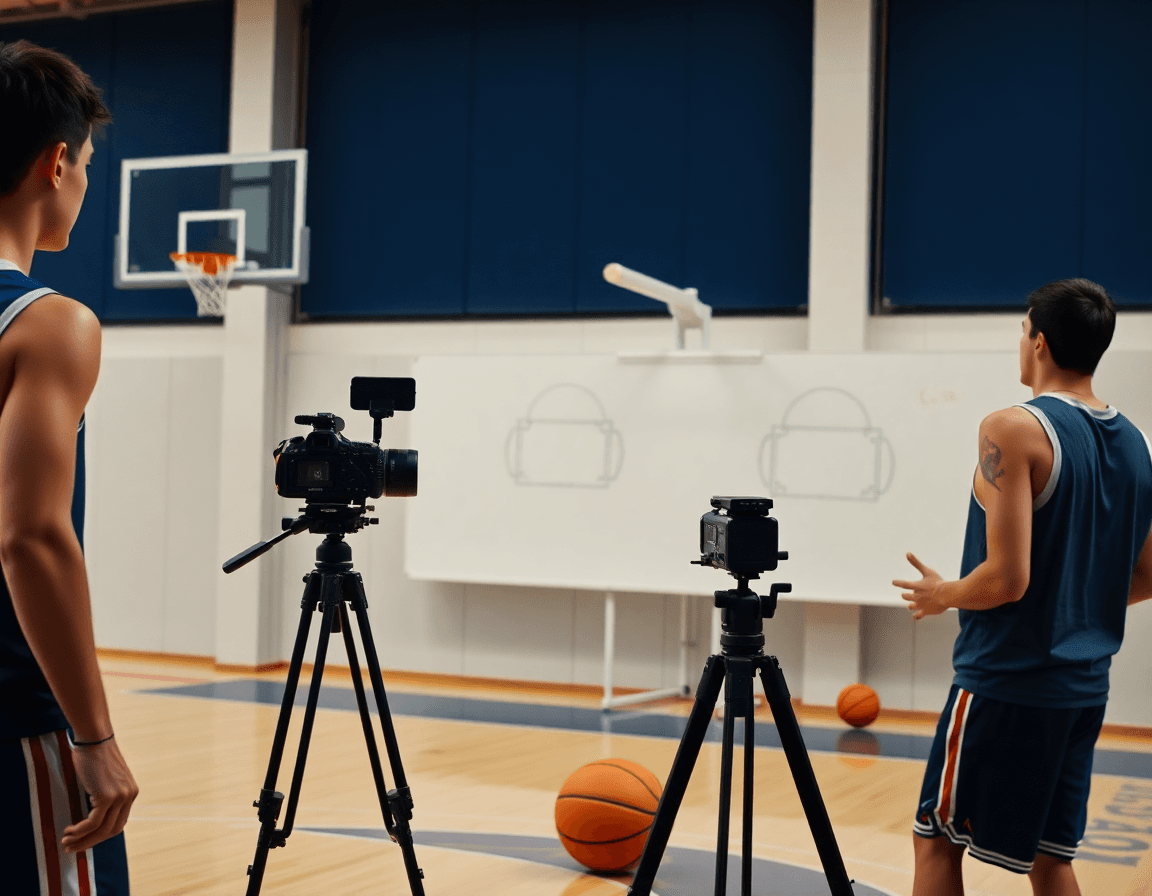
Video clips and playlists: teaching no-hoop drills at scale
As you design a no-hoop week, every drill needs a clean, repeatable demo. Clip demonstrations of each drill and assemble them into day- or drill-specific Playlists. When you plan it in the training plan and lay it out on the whiteboard, the clip should mirror the action—so players can see the move before they try it. The no-hoop library keeps everything organized in one place and ensures a consistent start line for every session.
Shareable video clips enable asynchronous coaching and at-home practice without a hoop. A parent or player can watch a quick clip, try the move, and come back with questions during the next team call. For no-hoop drills, this matters: you can show wall shooting, self shooting, or 180 degree shooting in clean, bite-sized clips that translate to the floor when you return. Pair a short video clip with a clear cue, and you’ve got a portable classroom.
Link clips to the plan so players see exact demonstrations when following the weekly routine. In that plan you’ll map out drills without hoop to individual days—think line shooting, wall work, and footwork—so a no-hoop drills video can trigger the right drill without chasing a ball. The flow keeps your coaching tight and athletes focused on correct technique between workouts.
With Video Clips and Playlists, you scale instruction and accountability without adding hoops or travel. A coach can assign a no-hoop drills video to a player, track who watched it, and follow up with a quick check for understanding. The result is clearer expectations, consistent practice, and a stronger foundation for the rest of the week.
Practical workflow: a step-by-step 60-minute weekly cycle
Coaches working with no-hoop drills can still run a tight, repeatable weekly cycle. This 60-minute rhythm keeps focus on technique, footwork, and quick decisions without needing a basket. The goal is a concrete, repeatable routine you can reuse every week, using CourtSensei to keep everything synced—from plan to video.
10 minutes: planning briefing and plan creation. Start by pulling a fresh week from the Plan Library and drop in a set of no-hoop drills—wall shooting, 180-degree shooting progressions, line shooting, and quick-footwork sequences along cones. Treat this as the core scaffold for the week, then tailor it to your squad’s development level. The idea is a concise, coach-made plan you can share in seconds with your assistants. This is where the “how to plan basketball drills without hoop” mindset becomes practical.
25 minutes: drills with quick rotations. Run through the drills with your players, rotating to maximize touches in a short window. Use a mix like: wall shooting against a target, 180-degree finishing reps without a hoop, line shooting along a marked path, and simple line-based footwork ladders. Each station reinforces a specific skill—balance, alignment, and tempo—while keeping players engaged. Every drill is wired back to the plan so you can keep the tempo consistent and track progress.
15 minutes: review and diagram on the whiteboard. After the blitz, gather for a quick debrief. Diagram the key sequences on the Whiteboard—where to initiate, where hands should finish, and how the body spins into position. Capture the action with a quick PDF sketch for review and future reference, so the whole staff can visualize next week’s adjustments.
10 minutes: prep for next week. Clip a couple of standout reps with your Video Clips, add them to a Playlists so players can revisit at home, and assign them to individuals or groups. Share the plan with assistants for feedback, then export the week’s materials for off-court review. This steady workflow—Plan Library, Whiteboard, Video Clips, Playlists, and exporting—gives you a reliable, no-hoop routine coaches can run weekly.
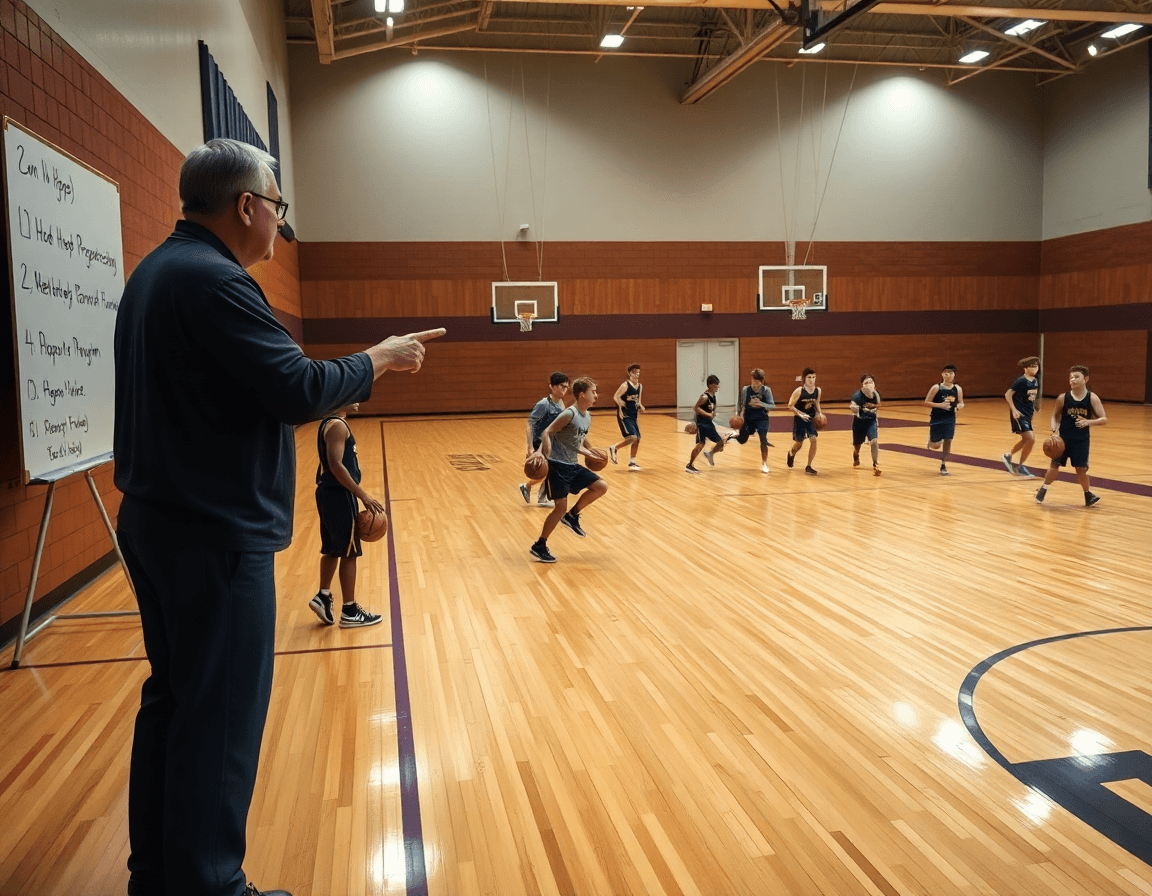
Measuring progress and adapting next week
At week’s end, I check progress in key no-hoop skills: ball handling on the move, footwork, and conditioning — tracked with simple rep counts and short time blocks. That data lives in CourtSensei’s progress tracking, so I can spot trends from Monday through Friday. I assemble a no hoop drills progression—these drills without hoop—from the Practice Plans library: wall shooting, line shooting, self shooting, plus a quick rhythm drill. I sketch the sequence on the whiteboard, laying out spacing, angles, and cues so players can visualize the action before the next cycle starts.
Then I gather feedback from players: what felt doable, what was too hard, and where to sharpen technique versus volume. I capture notes and attach them to the drills in Playlists, using tags like wall shooting or 180 degree shooting. That input lets me adjust difficulty, tune volume, and shift emphasis for the coming week without rewiring the entire plan. A brief 60-second debrief after practice often reveals which cues belong on the board for the next session.
Finally, I link results back to the plan library to modify drills and scheduling for the next cycle. I update the weekly Practice Plans, swap in new wall shooting variations, and reallocate time to footwork work in ladder sequences. The Clips section holds short demonstrations for players who missed reps, and I push a new Playlist for the week’s no-hoop drills. This loop—progress tracking, feedback, and plan updates inside CourtSensei—keeps the team moving forward.
If you build plans like this every week, CourtSensei keeps your drill library, whiteboard, and video clips in one place — try it free.
FAQ
Can you improve basketball skills without a hoop?
Yes. You can sharpen core skills without a hoop by focusing on ball handling, footwork, and conditioning. Use a wall for feedback, count reps, and track tempo. Build a weekly plan with predictable blocks: one day for handling, one for footwork, one for conditioning, and one for combination work. That structure keeps progress purposeful, even when the gym is closed.
What are good no-hoop shooting drills?
No-hoop shooting drills center on form and rhythm without a basket. Try wall shooting and 180-degree drills, plus line shooting along court markers. Focus on clean mechanics, foot placement, and finishing with soft touch. Use short reps and a quick review clip to correct errors. Self-shot practice builds confidence while you wait for an open hoop.
What equipment do you need for at-home basketball training?
You can train effectively with a ball, a wall, and space. Add a timer, a flat surface for wall drills, and light resistance bands if you have them. Sneakers with ankle support help safety. The goal is solid reps, measurable progress, and quick access to templates in the Practice Plans library for routines.
How long does it take to see improvement in ball-handling drills?
Improvements vary with effort, but most players notice smoother handles after two to six weeks of consistent practice. Track progress with counts, tempo, and control in each session. Keep a steady ball handling cadence in your weekly routine and adjust difficulty as you improve, so reps stay challenging without becoming frustrating.
How often should you practice basketball at home?
Aim for 3-5 days per week, with 15-30 minute blocks. Quality matters more than length—focus on crisp reps, pace, and quick feedback loops. Use simple playlists to organize drills and export plans for assistants. Stay consistency—it compounds faster than long, sporadic sessions.
Do you need a hoop to practice shooting?
Not at all. You can work on shooting form with wall shots, step-through finishes, and self-feedback. No-hoop training builds touch and rhythm; keep a log of targets and reps. When a hoop is available, gradually integrate it, but your foundational shooting progress stays strong without one, using simple wall shots for polishing.