Basketball Drills with 3 Players: Core 3-Man Drills
Master basketball drills with 3 players to boost passing, spacing, and quick decisions. A coach-focused weekly workflow with planning, whiteboard, and video.

Key takeaways
- Prioritize core 3-player drills in weekly plans, tying V-Cut, 3-on-0, and weave into clear sessions.
- Plan drills in a 60-90 minute window, allocating a 3-minute block per drill with built-in rest.
- Assign an owner for every drill and track progress in a shared plan linked to weekly goals.
- Export the plan as PDF/handouts for quick on-court reference and library alignment with videos.
- Maintain a categorized library of 3-player drills and diagrams, with linked video clips for quick references.
- Label and tag Video Clips by drill to keep a searchable library, enabling quick retrieval during practice.
Core 3-Player Drills to Include This Week
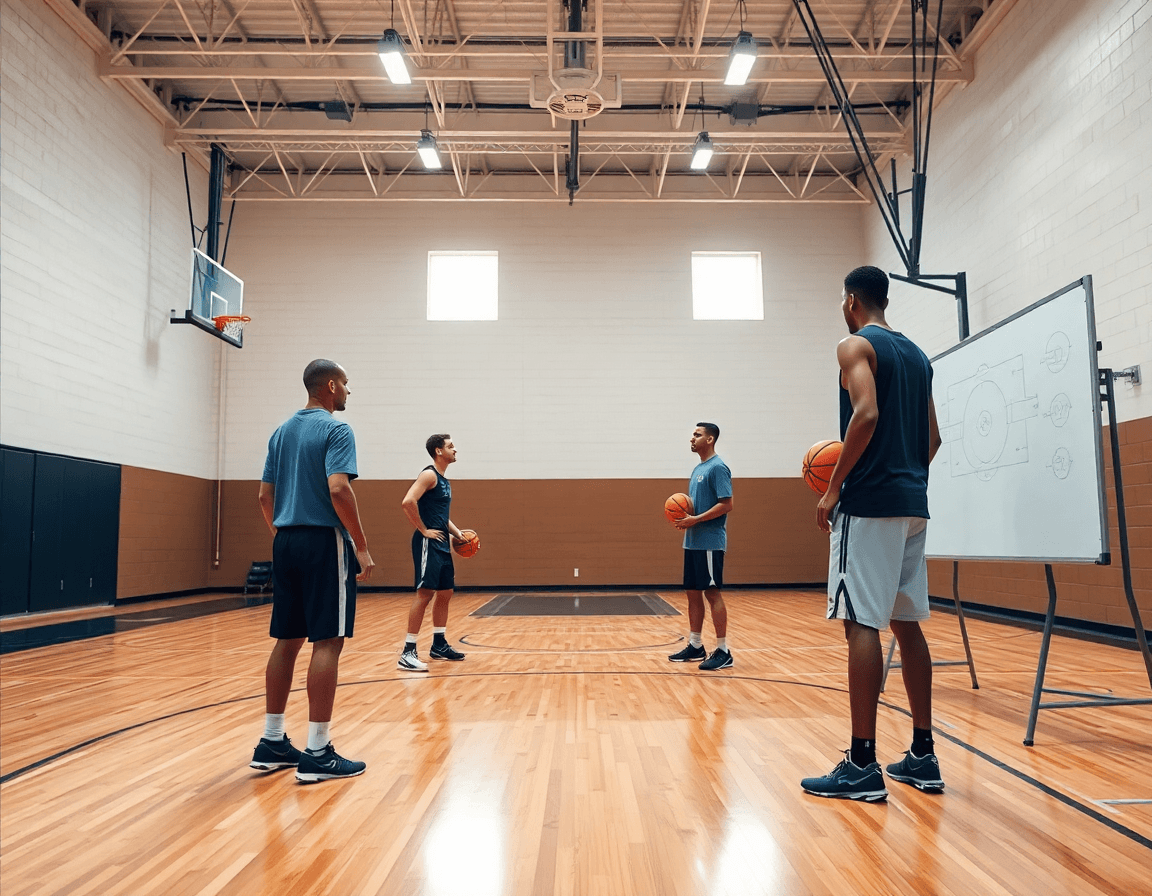
As I map out this week’s plan, these basketball drills with 3 players sit at the core of the Practice Plans I share with assistants. I sketch the run on the Whiteboard, pull relevant Video Clips to model reads, review Scouting Reports for the opponent, and assemble Playlists so the staff stays aligned.
V-Cut drill (three players): emphasize timing, space, and quick passes. In this drill, three players start at the arc: one cuts, one receives, one stays ready behind. The goal is timing the cut to open space, then delivering a crisp chest pass or bounce pass on target. I diagram the lanes on the Whiteboard, show a successful clip in Video Clips, and lock it into the Practice Plans for a 6–8 minute block.
3-on-0 transition: sprint lanes, practice outlet passes, and finish at the rim with limited dribbles. From a standstill, three players sprint into open lanes, pressure the outlet, and finish at the rim with 0–2 dribbles. The emphasis is speed, decision-making, and clean passing angles. We annotate spacing on the Whiteboard, pull a Transition clip from Video Clips, and wrap this into a short ladder of reps in the Practice Plans.
Three-man passing drill: constant movement, rotating pivots, and continuous passing. In this drill, players circulate around a triangle, pivot after each catch, and keep the passes coming—switching from chest to bounce as lanes open. We reference Scouting Reports to identify which defender overplays the ball, and we add the best sequences to the Playlists so players can study them later.
Three-man weave: focus on eye contact, accurate passes, and steady pace. The trio works from the top of the key, weaving to create passing windows, calling for the ball, and delivering on time with crisp feeds. Reps reinforce communication, timing, and rhythm—fundamentals this week can carry into late-game situations.
Coaching tips: keep cuts sharp, calls concise, and pace manageable to avoid fumbles. These micro-adjustments help younger squads stay engaged without breaking flow.
Planning and Scheduling 3-Player Drills for the Week
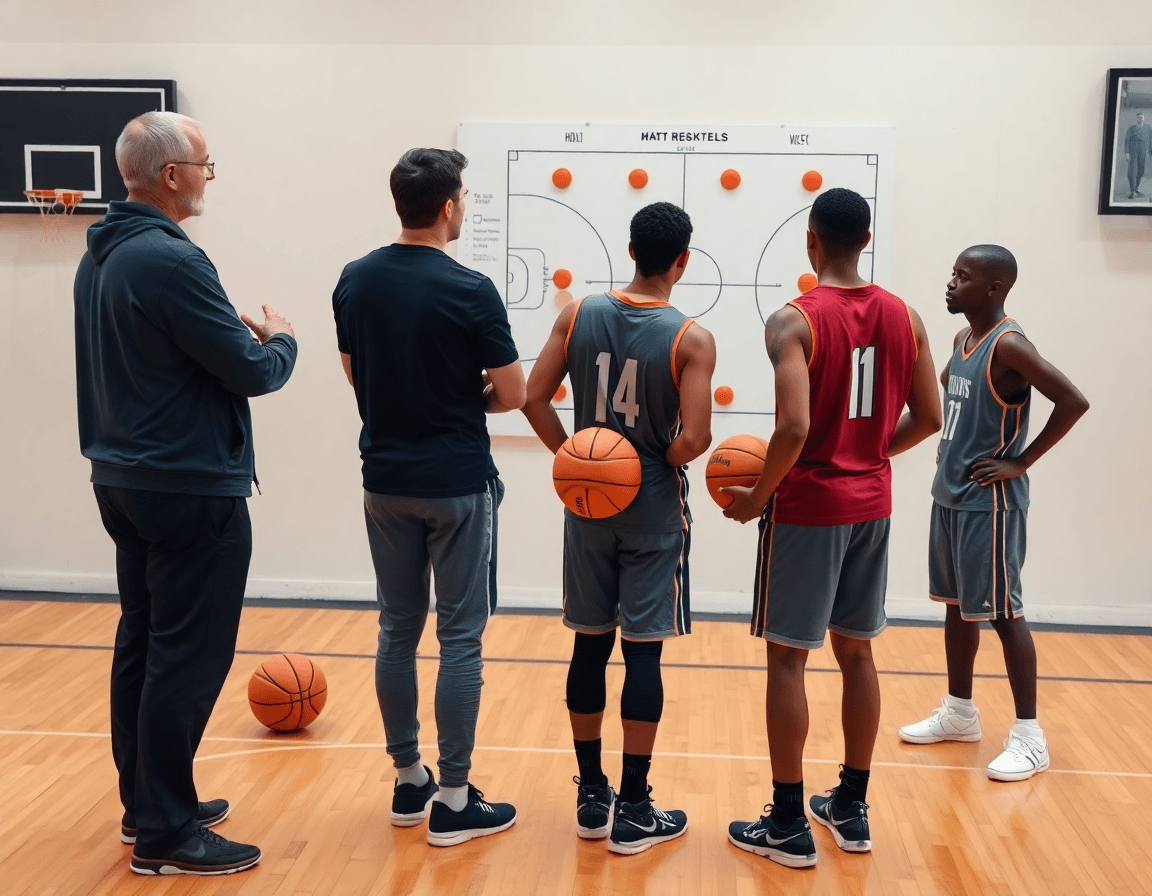
As you build the weekly plan, slot 3-player drills into a clear rhythm. For planning basketball drills with 3 players, map each drill to a 60-90 minute practice window and assign a 3-minute block per drill, with built-in rest and a quick transition back to the next sequence. For example, a drill that runs a V cut into space, follows with a chest pass, and finishes with a layup fits neatly into that block and keeps players moving.
Assign assistant coaches to run each drill and track progress in a shared plan. Give every drill an owner who oversees execution, counts reps, and notes what worked and what didn’t. This is where the week’s tempo comes together: timing, players involved, and adjustments all documented in one place so everyone on the staff stays aligned.
Link drills to the team’s weekly goals (spacing, decision-making, transition) and record expected outcomes. If spacing is the priority, capture how the drill keeps players active off cuts to space and forces timely decisions with passes. If we’re stressing transition, track how quickly defenders sprint into position after a turnover. The clarity of these links makes the week measurable and repeatable, not accidental.
Export the plan as PDF/handouts for players and staff. A clean PDF serves as a quick reference during practice and pairs with the whiteboard diagrams and short video clips later in the week. The shareable plan ties into Practice Plans, with a link to the drill library and a concise rundown of who runs what.
Diagramming 3-Player Actions on a Whiteboard
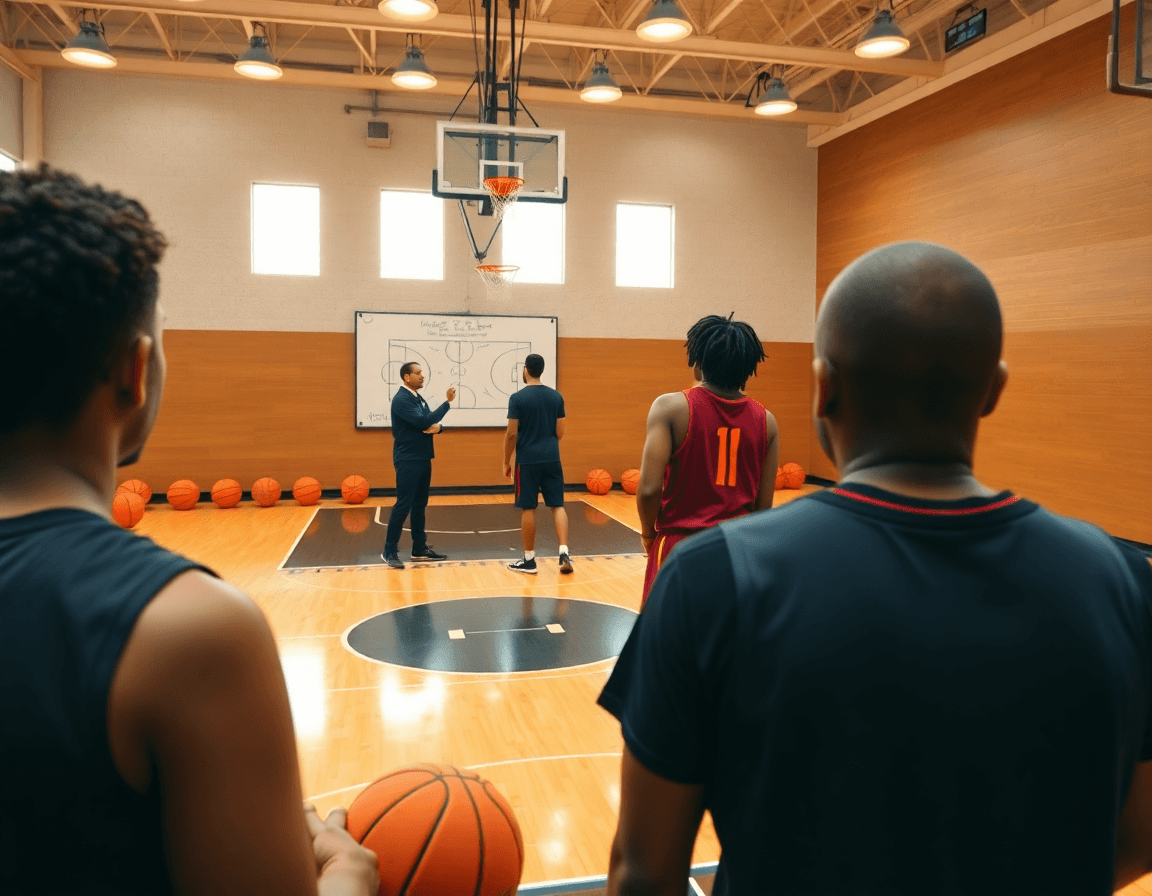
Diagramming 3-player actions on a whiteboard is where the plan stops being abstract and starts becoming actionable. I begin with three simple circles and sketch sequences like a V-Cut to create space, a basic 3-on-0 route, and a weave to tighten timing. I keep the diagrams clean—arrows for movement, solid lines for ball paths, dashed lines for off-ball cuts. I label spots such as the top of the key and the wing so players can visualize the spacing and reads of the play. This is where the power of whiteboard diagrams 3-player shows up, turning a concept into a concrete sequence before we step onto the court.
Once the action is sketched, I label the diagram with the key actions: pass types, cuts, and finish. I note a bounce pass versus a chest pass, and I call out finishing moves like a layup at the rim. Then I export the diagram to PDF so assistants and players can study it away from practice. The ability to share a nicely labeled diagram as a single file keeps the workflow tight and consistent, aligning what we see on the board with what we run in drills. The move to PDF is a small step that pays off when you’re coordinating across coaches and scout notes—this is the moment to lock in a solid, shareable 3-player plays diagram.
To keep a quick-reference library, I maintain a labeled collection of 3-player drills: V-Cuts, 3-on-0 routes, and weaving sequences. If a coach needs a refresh during a session, I pull the appropriate diagram from the library, display it on the whiteboard, then flip to a short video clip to reinforce the action. The flow—diagram on the board, a brief video clip, then the live drill—helps players lock in the reads and spacing, and helps assistants stay aligned. A well-organized library of plays with linked video clips keeps the cadence smooth all week.
Video Clips: Organize, Label, and Deliver 3-Player Drills
In the plan for 3-player drills, I lean on Video Clips to turn practice into a precise, repeatable process. I clip relevant sequences from practice film and tag them by drill (V-Cut, weave, 3-on-0) so the library stays organized and searchable. That tagging lets assistants and I pull up the exact moments—ball movement, player reads, and spacing—without wading through hours of footage. The goal is a clean, searchable collection of clips that illustrate the core actions in each 3 players drill.
From there, I build a clear labeling system that ties back to the on-court actions we emphasize: quick reads off the top of the key, cutting to space, and the timing of passes like bounce passes and chest passes in tight windows. When I mark clips, I’m highlighting specific details—footwork sequences that open lanes for a layup, or a decisive bounce pass after a V cut—that future drills will hinge on. This is more than video dumping; it’s a visual checklist that feeds the strategic rhythm of our practice plan.
I also assemble 5-8 minute playlists for players to review outside the gym. Each playlist bundles a handful of clips into a focused training session—3-player drill video that a player can study in one sitting and compare with his live reps. I share these via a single link, so the whole staff and the players’ development track stays synchronized. In feedback sessions, we call out decisions, footwork, and timing, using clips to anchor the conversation. It’s a practical way to crystallize learning from the on-court work, and to reinforce what separates good 3 players from great ones.
Scouting Insights to Adapt 3-Player Drills
Weekly scouting insights shape how I design basketball drills with 3 players. I start by reviewing scouting reports to identify opponent tendencies that impact spacing and passing lanes. If the defense consistently slides in the pocket when we swing to the top of the key, I dial up drills that emphasize quick reads and smarter ball movement instead of waiting for a perfect window. In this framework, we’re cultivating a decision-making habit under pressure, not just repetition. One coach-to-coach reminder: our setup should stay fluid—adjustments go from the whiteboard to the floor in real time.
Translate those notes into tangible variations for the 3-player drills adjustments. Use tempo changes to punish hesitation, introduce angles that force the ball to move, and rework spacing so cutters find open lanes—think V cut, cutting to space, and timing the read with a chest pass or bounce pass through a crowded lane. If a defender cheats under a screen, we practice passes over the top and finish with a layup. The goal is to mirror the pressures you’ll see on game night while keeping decisions fast and clean.
Finally, link scouting outputs to playlists so players can review the adjustments after practice. I drop short video clips into a dedicated playlist that highlights the exact 3-player drills adjustments and the corresponding reads from our scouting reports. When a player watches a chest pass into a top-of-the-key pocket, or a bounce pass threaded through a lane, they internalize the rhythm. This reinforces what we emphasize on the floor and keeps everyone aligned—coaches and assistants included.
Practical workflow: 60-Minute 3-Player Drill Block
0-5 min: warm-up and quick footwork. In the Practice Plans, I’ve laid out a tight start: dynamic warm-ups, two-ball handling, and cone shuffles that wake up hips and eyes. With three players on the floor, we rotate every minute, so everyone stays in rhythm and the assistants can prep the next station without missing a beat.
5-25 min: run two 3-player drill blocks (V-Cut and 3-on-0) with coaching points. On the Whiteboard I diagram the cuts and passes: a clean V-Cut into space, then a decisive bounce pass or chest pass to a cutter. In the 3-on-0 block, spacing and ball movement take center stage, and the coaching points stay simple: read the defense, use quick passes, and finish with a confident layup at the rim.
25-35 min: transition drill and weave; monitor for communication and pace. We shift into a transition weave, sprinting through lanes, filling gaps, and calling plays with clear, constant chatter. I’m watching for every cue—tempo, verbal calls, and how quickly the group settles into a flow. The goal is steady, basketball-smart pace that lasts across the rest of the block.
35-45 min: implement a short scouting-informed adjustment. Based on scouting notes, we tweak spacing or timing to exploit tendencies we’ve observed. Maybe we tighten the cuts to the top of the key or add a quick pass option after the exchange. The adjustment stays tight and purposeful, and we jot the change on the Whiteboard for the next drill.
45-50 min: video review with players using clips. A short clip session follows, pulling a handful of sequences—like a crisp bounce pass finishing with a layup at the top of the key. We run through the clips together, using the videos to reinforce correct reads and decision points. Create a quick Playlist of the clips so players can revisit concepts later.
50-60 min: assign assistants to run drills and complete post-practice wrap. I hand the last block to assistants to run the drills while I finish up a post-practice wrap and a quick PDF export of the Whiteboard diagrams. The aim is cohesion across coaches and assistants, with clear notes flowing into the next practice cycle.
If you build plans like this every week, CourtSensei keeps your drill library, whiteboard, and video clips in one place — try it free.
FAQ
What is the V-Cut drill in basketball?
The V-Cut drill centers on timing, space, and quick passes. Three players start at the arc: one cuts, one receives, one stays ready behind. The goal is to time the cut to open space and deliver a crisp chest or bounce pass on target. Run it in a 6–8 minute block, using whiteboard lanes and a short clip to model reads.
How do you run a 3-on-0 transition drill?
The 3-on-0 transition drill starts from a standstill; three players sprint into open lanes, aggressively pressure the outlet, and finish at the rim with 0–2 dribbles. Emphasize speed, quick decision-making, and clean passes. Plan a short ladder of reps, annotate spacing on the Whiteboard, and pull a Transition clip to anchor the sequence.
What is the Three-Man Passing Drill?
The Three-Man Passing Drill keeps constant motion around a triangle. Players pivot after every catch and keep the passes coming—switching from chest to bounce as lanes open. Use scouting notes to anticipate overplays, and load the best sequences into the staff playlist so players study them later. Great for timing and ball movement.
What is the Three-Man Weave?
The Three-Man Weave emphasizes eye contact and crisp feeds with a steady pace. The trio starts at the top of the key and weaves to create passing windows, calling for the ball and delivering on time. Focus on communication, timing, and rhythm so these habits carry into late-game reads.
How do you run a continuous 3-on-3 drill?
The continuous 3-on-3 drill keeps players moving by cycling possessions without long breaks. Start 3-on-3, then rotate in new players after each possession or basket, maintaining spacing and decisive ball movement. Keep rests short, track outcomes, and keep staff aligned so execution stays uniform.
How many players are needed for a three-man passing drill?
The standard setup uses three players forming a compact triangle, rotating after each catch and pivoting before the next pass. You can add defenders or a second ball for variation, but the core drill is designed for three players to maximize touches, reads, and passing tempo.