Basketball Practice Plan PDF: Weekly Coach Workflow
Create a weekly basketball practice plan pdf to guide warm-ups, skill blocks, defense, and video review for HS, club, and college coaches.

Key takeaways
- Start each week with weekly goals aligned to the season plan, sourcing drills from the library.
- Structure the 90-minute practice with warm-up, skill blocks, team concepts, and a clear workflow.
- Capture the plan as a printable PDF and pair it with playlists of clips and scouting notes.
- Use a weekly plan template across practices and seasons, linking pages to diagrams and coaching pointers.
- Design structured skill blocks with progress checks, updating weekly to stay aligned with team objectives.
Weekly planning workflow: turning goals into a 90-minute practice
At the start of the week, I map weekly goals aligned to our season plan. I pull from the drills library to target ball handling, passing, shooting, and footwork, making sure every objective ties back to the bigger arc of the program. This keeps the plan focused and transferable to assistants.
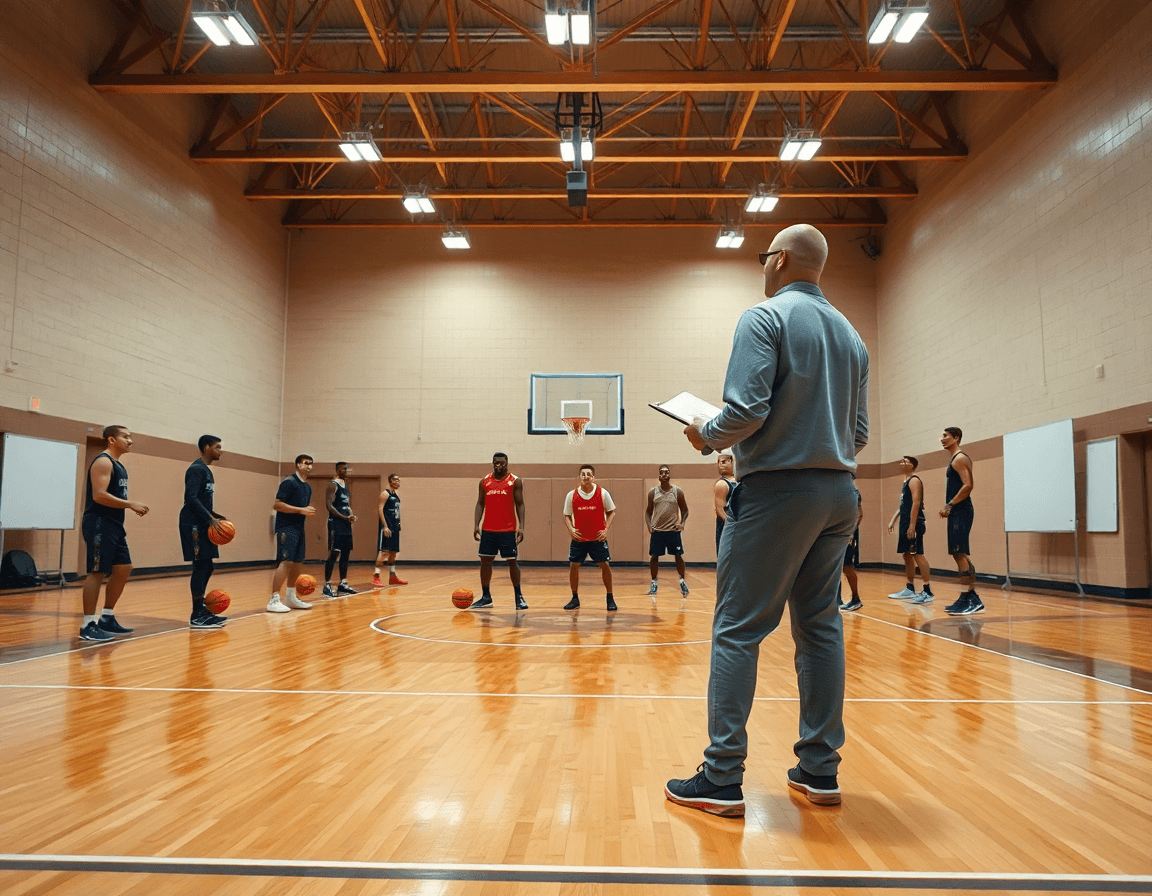
Then I structure the 90-minute practice: warm-up, skill blocks, team concepts, and a quick review. I lay it out on the tactical whiteboard, with arrows for ball screens, reads, and rotation checks. The flow keeps players engaged and coaches moving—especially when we’re demoing PnR options or defense concepts.
To keep us on track, I write a simple checklist for the session: warm-up complete; block 1 finished; clip assigned; scouting note updated; playlist ready for players. It’s a live document that I update as we go, tying the day together with a clean workflow.
Finally, I capture the week as a basketball practice plan PDF that I share with assistants. The printable PDF is paired with a set of playlists of video clips and scouting notes, so everyone has the same playbook going into game day.
From plan to print: creating a shareable PDF for your staff
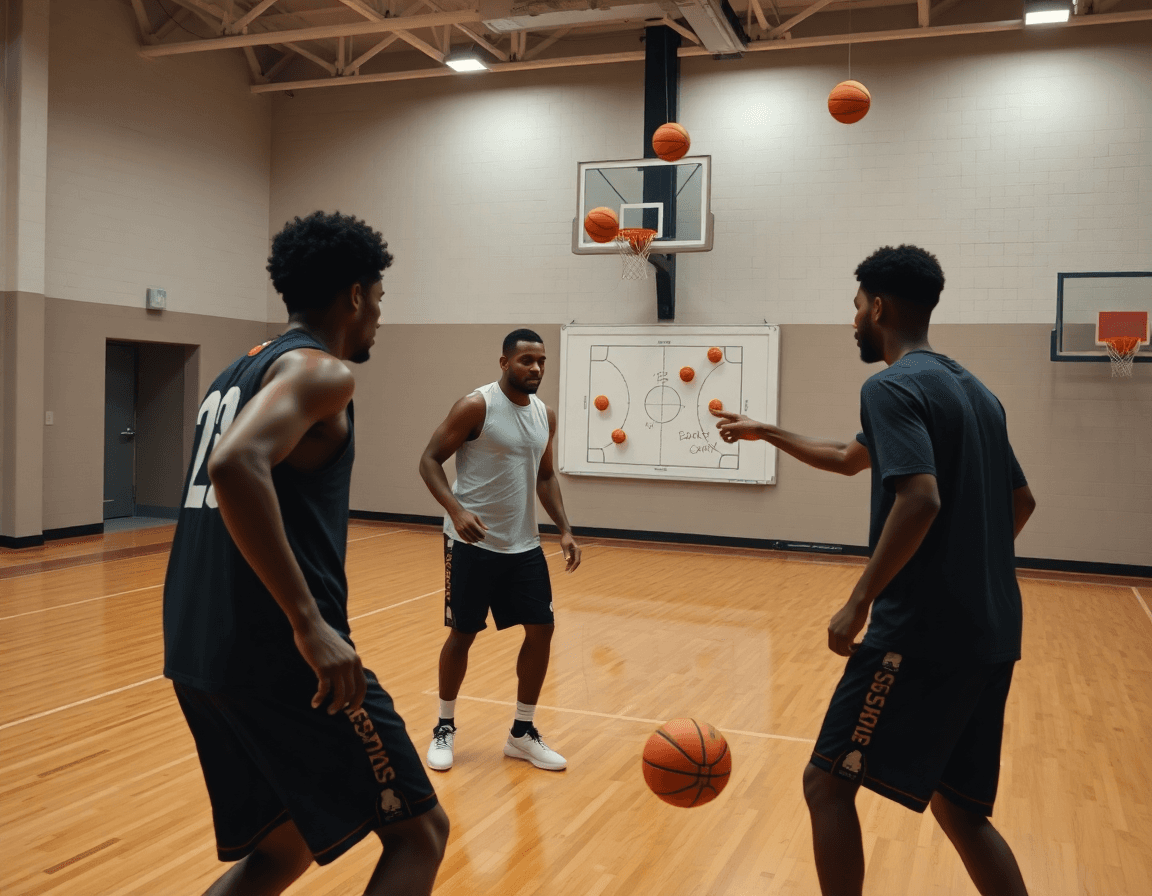
Sunday prep starts with populating the plan from your drills library. I pull a balanced mix—warm-up, ball handling, passing, shooting, and footwork—and slot them into the week’s blocks. The result is a clean, printable basketball practice plan pdf that staff can read at a glance. I add brief coaching notes next to each drill so assistants know cues and rotations before the horn sounds.
Once the plan is set, I use the PDF export to create a shareable document. I distribute via shareable links to the staff chat or email it to assistants who will be on the floor. They can print a copy for the clipboard or open it on a tablet at the gym. The PDF keeps everyone aligned, even when roles shift midseason.
Templates are the backbone of consistency. Reuse the same weekly plan template across practices and seasons, tweaking a few drills here and there. Tie each page to the diagrams and notes in the tactical whiteboard so when I flip to a page, I see not just the drill but the setup and coaching pointers. This makes the plan truly turnkey.
During prep, I link to short video clips and scouting notes that support decisions on your weekly plan. A quick video clip demonstrates a defensive shell or an outlet pass, while a scouting note flags opponent tendencies. I also reference playlists to give players quick access to clips, without cluttering the PDF. It all ties back to a smooth workflow: plan, diagram, clip, review.
Structured skill blocks: warm-up, ball handling, shooting, and footwork
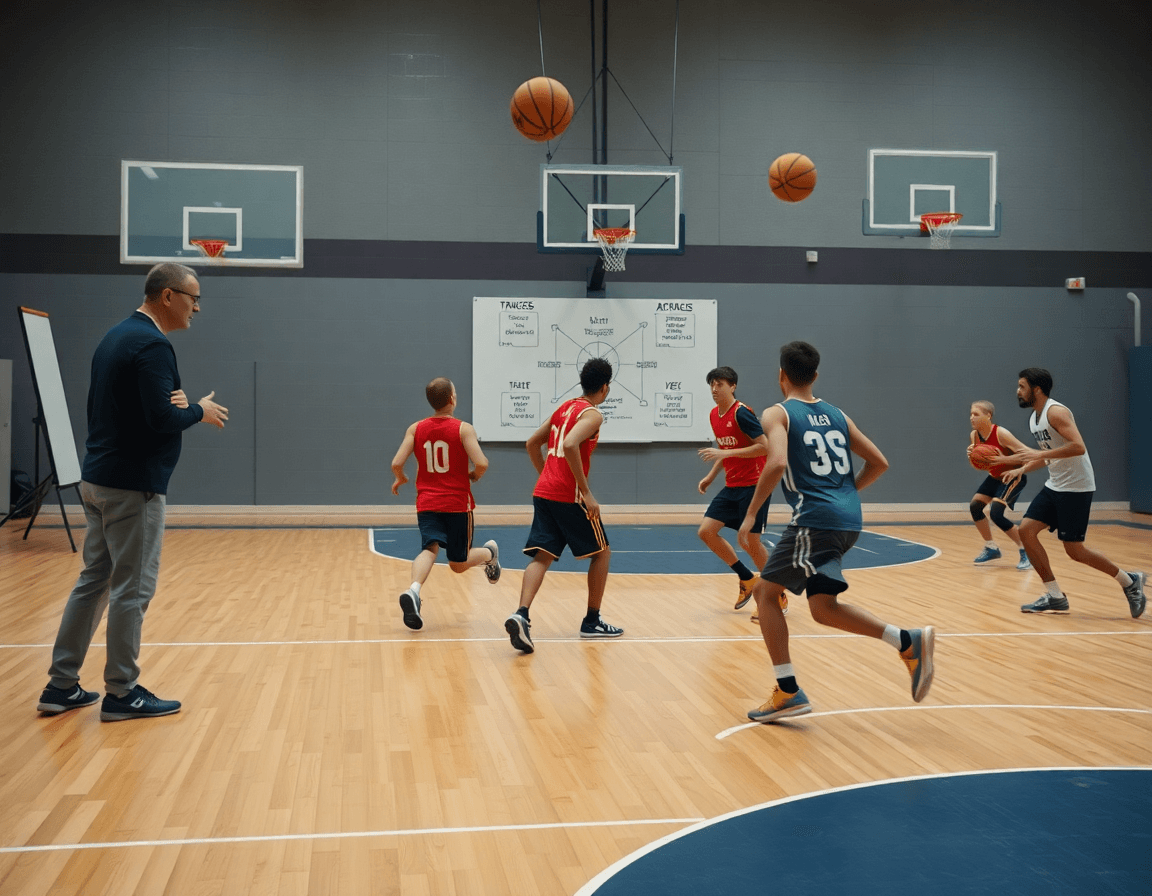
Structured skill blocks are the backbone of a clean weekly routine. In the plan, I carve the session into four distinct blocks: a concise warm-up, a focused period for ball handling, a deliberate block for shooting, and a final block on footwork. Each block gets a defined window and clear coaching points—stance, angles, and vision—so players feel the progression from drill to drill rather than wandering through warm-ups.
When I build this section, I start by selecting drills from the library that fit the team’s age and level. Filter by your group, then drop in age-appropriate drills that emphasize the core skills we’re stressing. For younger teams, I lean into simple ball handling sequences and footwork ladders; for older groups, I mix in more shooting progression and decision-making reps. Always connect the drill choices to the block’s objective and keep the pace tight enough to maintain focus.
Progress checks stay embedded in the flow. I add quick, qualitative notes after a drill: one player showing steady rhythm with both hands on layups, another showing cleaner footwork in a crossover series. I update the plan weekly based on those notes, the scouting picture, and the team’s current needs. This keeps the weekly build honest and actionable, not just a workshop of ideas. A brief line in the plan serves as a reminder to log progress for each player.
Finally, I tie everything to the bigger picture. Each block links back to the team objectives—transition speed, defensive positioning, shot selection, and spacing. When the week feels right, I export the plan into a basketball practice plan pdf for print and sharing with assistants and video players. The final doc blends the plan, the whiteboard diagrams, and the linked video clips into a single, coach-friendly workflow.
Tactical diagrams on the whiteboard: diagram plays and export to PDF
As a head coach running a weekly cycle, the whiteboard in our plan is where ideas become ready-to-run scenarios. I sketch core plays for BLOB, SLOB, ATO, and PnR, then save them into the drills library for quick access. Each diagram is designed to map space, timing, and options—giving the assistants a clear starting point for practice and letting players visualize options before we line up.
To make the diagrams useful on the floor, I annotate actions, responsibilities, and transitions. For example, a BLOB out of bounds shows who releases, who screens, and how we shift from a quick inbounds pass to a rim finish. A PnR diagram includes the guard’s decision point, the big’s screen angle, and the weak-side spacing—so the staff can reproduce it with tempo during drills and ball-handling reps in warm-up.
Once the diagram looks solid in practice, I export to PDF to include with the weekly plan. The PDF sits alongside the plan narrative and the video clips, so assistants and players can review the diagram at home or in pre-practice stretch. This export keeps our diagrams aligned with the plan goals while we move through warm-up, drills, and shooting reps.
Keep diagrams aligned with practice goals by tagging each play to the weekly focus—ball handling, passing, and defense—so we reinforce the target outcomes in drills and matchups. In week-to-week progression, a simple SLOB or ATO diagram can slot into our defense and rebounding drills, ensuring the team replays the same behavior under pressure. The result is a cohesive workflow where the whiteboard, the drills, and the scouting notes reinforce each other toward a sharper, more consistent offense and defense.
Video workflow: clip, organize, and assign playlists for players
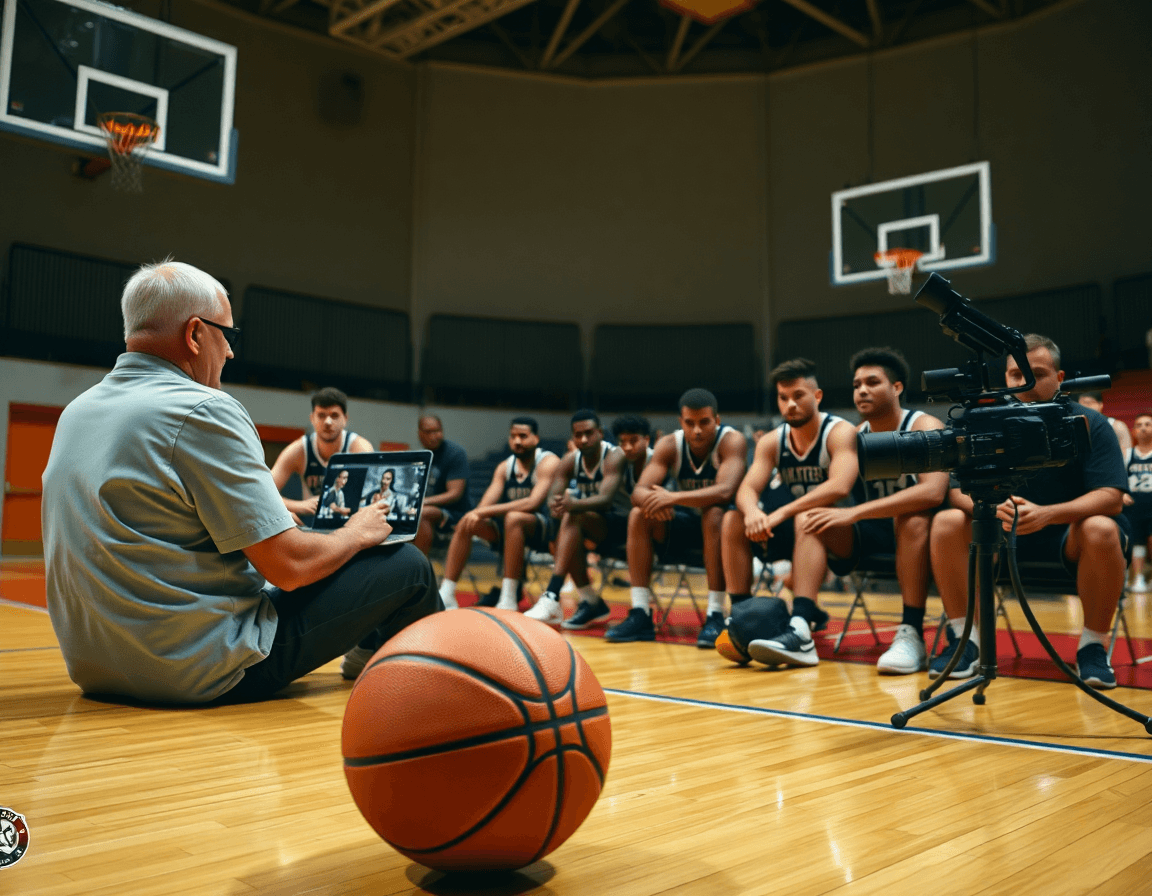
Video workflow helps you close the loop between film and floor. After you pull game or practice footage, I clip game footage into relevant segments for drills in this week’s practice plan pdf. One clip per decision point—a quick pick-and-roll read, a bailout outlet pass, or a catch-and-shoot moment—keeps the review focused. When you export the plan as a printable PDF, these clips are ready to reference during workouts and film sessions.
Next, you want to organize clips by skill or concept. Tag them by the core actions you’ll stress in practice: warm-up, ball handling, passing, shooting, footwork, defense, rebounding. A clip labeled “ball handling in tight spaces” goes beside a corresponding dribble series in the drills library, while a “transition defense setup” clip sits with your guard/wing footwork sequence. Keeping the library tidy makes it easier to pull exact clips for each day of the weekly plan.
Then build player-facing clarity with playlists and shareable links. Create a playlist for each group—guards, wings, bigs—or even by behavior you want to reinforce. Each player gets a link to their review set, so they can watch, pause, and imitate the move right after practice. I’ll drop a short video clip into the folder for quick review, then circulate the playlist to the team with a note on what to focus on before the next session.
Finally, tie it all back to accountability. Integrate clips with the weekly plan so every drill block in the PDF has a video cue. That connection—clip, organize, and assign playlists—drives prep, execution, and review in the same workflow you already use for scouting notes and diagrams on the whiteboard. The result is a tighter, more intentional cycle from practice plan to on-court performance.
Scouting and opponent prep: fuse scouting reports with your weekly plan
Incorporating opponent prep into your weekly workflow starts with solid scouting notes that ride alongside your weekly plan. Before you draw up drills, pull last game film and chart the opponent’s tendencies: who guards the ball handler on the screen, where they overhelp in the paint, and which rotations break down under pressure. Translate those observations into concrete practice priorities—ball handling under pressure, quick decisions in the passing lanes, and decisive closeouts. When these notes live in the plan pdf, they’re easy for me and the staff to reference during warm-ups and early drills.
Attach scout plays to the weekly plan so every component has a reason. On the whiteboard, diagram the scout plays right next to the corresponding days and grouping, then export or attach those diagrams to the basketball practice plan pdf. This makes it simple to teach the team how we’ll attack or defend specific tendencies—think of it as a living script we run through in a short video clip before practice. Keeping scout plays tied to the plan helps the assistants execute the same terminology and timing you’re using in the game against that opponent.
Use the PDF plan to brief staff and players before the week begins. A quick Sunday huddle or film session, followed by a printed or shared PDF, ensures everyone knows the opponent prep and their responsibilities. Assign roles for scouts, managers, and players so we’re all aligned on rotations, adjustments, and the game plan. The goal is clarity, not clutter—so our grading rubric for practice time stays focused on what matters most.
Finally, maintain a central scouting library to reference across practices. Tag notes by opponent, game, and action, and link them back to your drills, defense, and rebounding work in the plan. This keeps our scouting information readily accessible—across drills, ball handling, shooting, and defense—so the next game prep feels like a natural extension of the same workflow.
If you build plans like this every week, CourtSensei keeps your drill library, whiteboard, and video clips in one place — try it free.
FAQ
What should be included in a youth basketball practice plan template?
A solid template lists warm-up, four skill blocks (ball handling, passing, shooting, and footwork), and core team concepts. Include a drills library reference, coaching cues, rotation notes, and quick progress checks. Add scouting notes and a simple substitution/rest plan. Finish with a printable PDF and a weekly plan snapshot so staff can read it at a glance.
Why is a practice plan important for youth basketball?
A well-crafted plan keeps sessions focused and staff aligned. It translates your season into a clear path for players, with weekly goals tied to the season plan. It reduces chaos, ensures reps for different ages, and makes progress trackable through quick notes. A documented plan also speeds up onboarding for assistants and helps maintain coaching quality when roles shift midseason.
How do you create a youth basketball practice plan?
Start by defining your weekly goals and pulling drills from the library. Structure the practice into clear blocks: warm-up, ball handling, shooting, and footwork, plus a team-concepts segment. Assign durations, set key coaching cues, and note rotations. Save the plan as a PDF to share with assistants, and keep a live version so you can adjust on the fly during the week.
What is a Driveway Workout in basketball practice plans, and is it useful?
A Driveway Workout refers to solo at-home drills players can run with minimal gear. It emphasizes handles, shot reps, footwork, and conditioning. Include it as a take-home option in your plan, with a suggested progression and a quick feedback checklist so players stay on track when the gym isn’t available.
Can I download a free basketball practice plan PDF?
Yes—there are free templates you can download. Look for age-appropriate, printable layouts that coaches can use. Adapt the sample to your squad and export as a PDF so staff can print or share online.
What coaching points should be included in a practice plan?
A strong plan includes clear coaching points: stance, angles, shot arc, passing reads, spacing, and tempo. Tie each drill to the team's season goals to maintain consistency and progress. Also add a quick staff checklist and a note on how individual progress feeds the overall objectives.