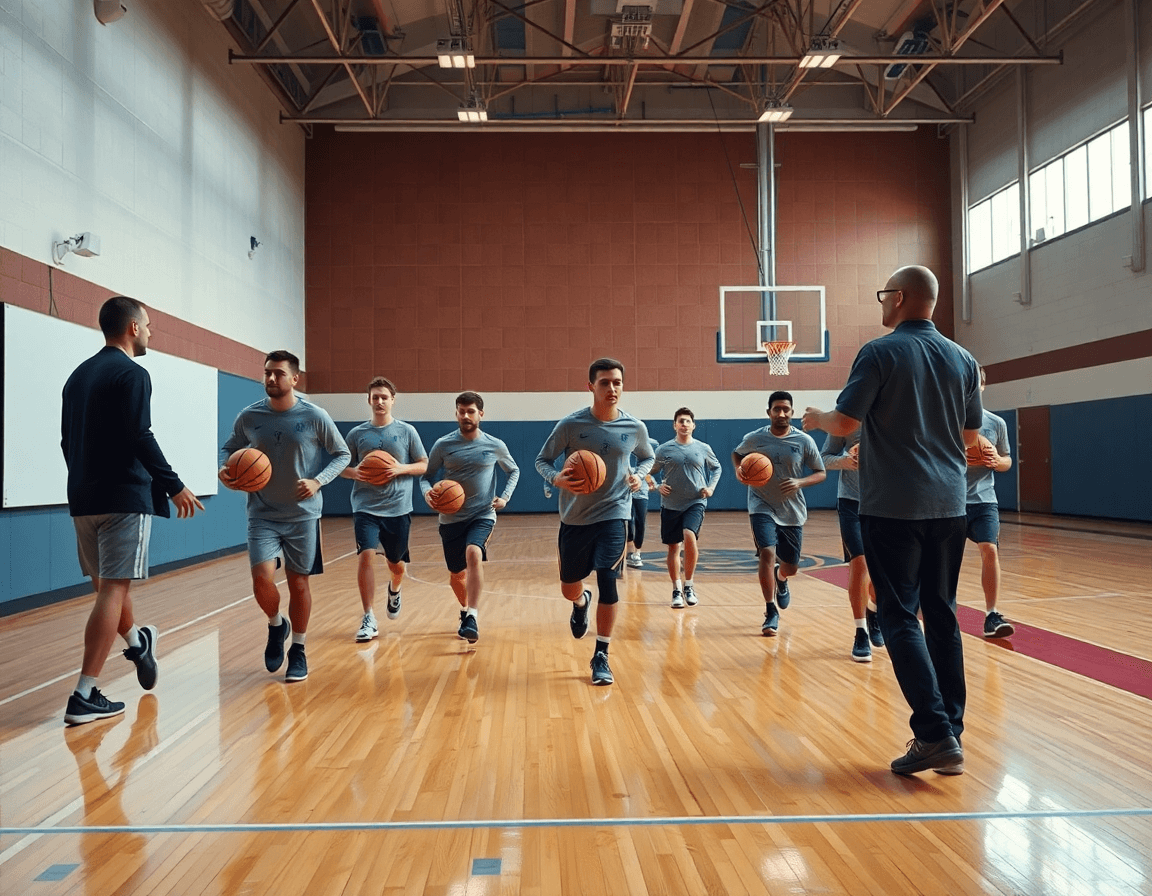
Basketball Shooting Drills PDF: Weekly Practice Plan
Turn basketball shooting drills pdf into a coach-ready weekly plan: design drills, diagram on the whiteboard, share video clips, and track progress for HS and college.

Key takeaways
- Define clear shooting objectives (catch-and-shoot, off-the-dribble, balance, form) to anchor the week.
- Choose 4-6 scalable drills covering form, footwork, and decision-making, adjustable by pace and skill level.
- Map drills to a 60-minute week with stations for form shooting, catch-and-shoot, and quick decision work.
- Export as PDF, share playlists, and use short video clips for weekly feedback and tweaks.
- Pair scouting insights with a whiteboard diagram and cue-driven coaching for consistent improvement.
From PDF to Weekly Plan: Building a Shooting Drills Package
From a basketball shooting drills pdf or printable shooting drills, you start by defining clear shooting objectives: catch-and-shoot, off-the-dribble, balance, and form. This anchors the week and keeps every drill purpose-driven. In your plan, you label each objective and map it to a specific drill so the staff knows what success looks like.
Next, select 4-6 scalable drills that cover form, footwork, and decision-making. For example, form shooting close in to build a repeatable stroke; line drills to reinforce balance; catch-and-shoot sequences to simulate movement in transition; and a simple drive-and-kick into a pull-up to add decision-making. These should be adjustable by pace and skill level, so a freshman can work on fundamentals while a junior brings in a game-like pace.
Map drills to a 60-minute weekly slot and assign roles to assistants. Break it into stations: form shooting at one end, catch-and-shoot at another, and a quick decision drill to finish. Assign a rebounder, a passer, and a timer so the tempo stays high and reps stay clean. In CourtSensei, this becomes a tight Schedule within the Practice Plan, with durations that keep your staff aligned.
Create age- and skill-level variations to ensure progression. Younger players get shorter reps and clearer cues on balance and form; older players graduate to off-the-dribble sequences and longer-range shots. The progression should feel natural, not a reset.
Finally, turn that printable into practice fuel. Import the drills pdf into your Practice Plans, diagram the shot flow on the whiteboard, and build playlists you can share with the team. After practice, review with short video clips and scouting insights to reinforce what happened on the floor and what to tweak next week.
Practical Workflow: Plan, Export, and Deploy
A Monday start with a solid practice plan. I build the shooting portion around core skills—form shooting to lock in hand placement and arc, then progress to quick reads that mirror game tempo. I also slot in rapid-fire footwork with balance drills and finishers for players in the paint, plus a couple game-relevant reps like a two-dribble pull-up and a quick-release 3.
As soon as the plan is drafted, I diagram key actions on the whiteboard to visualize the flow. We map the sequences with clear paths for shooter, ball-handler, and passer. The board usually carries BLOB/SLOB/ATO labels to remind the staff of action plans and how spacing evolves across catches.
With the sketch approved, I export the plan as a PDF export and print or share for on-court use. The PDF gives assistants a go-to reference during warm-ups, while players can thumb through it when we’re working through repetitions between drills.
Next, I assign the drills to players via playlists or shareable links for easy access. Each playlist keeps the shooting progression tight—form shooting to catch-and-shoot to the two-dribble pull-up—so a kid with a rough rep can stay aligned with the group.
During each session, we capture short video clips of every drill for quick feedback cycles. Those clips live in a centralized library and are easy to assign for individual review. This is where video sharing shines—coaches and players see exact timing, feet, and release, from form shooting to balance and follow-through.
Finally, we bring in scouting insights to adjust next week's plan. A quick note on tendencies from the scout report—catch-and-shoot efficiency, ball reversals, or mismatches—tells us what to emphasize in the upcoming week, ensuring the week’s practice plan stays sharp.
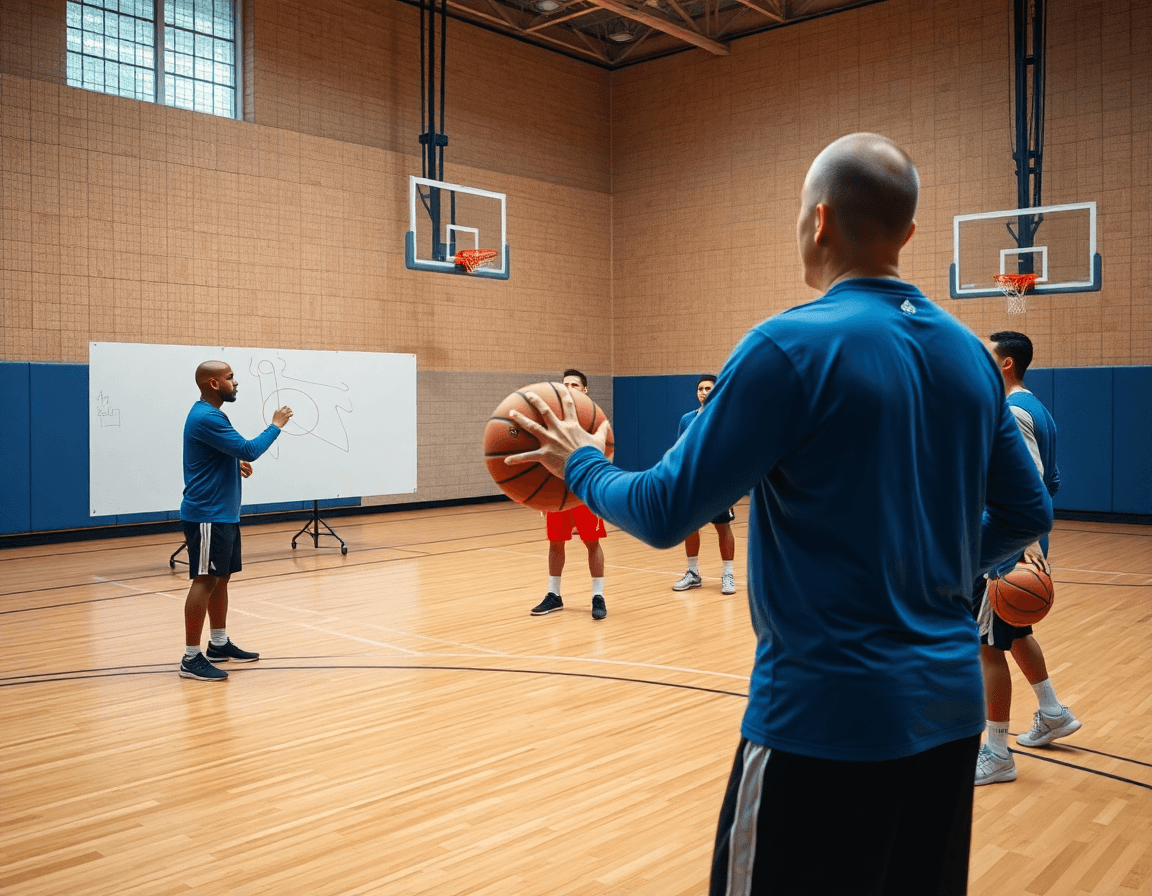
Design Drills for Different Skill Levels: Youth vs. Varsity
Designing drills for your weekly plan starts with the player in front of you. For youth players, lean into fundamentals: form shooting, balance, and simple catch-and-shoot reps near the rim. Build a progression from form shooting to catch-and-shoot from 8-12 feet, with a dedicated rebounder and a coach as passer to keep the pace. Label these as youth shooting drills in your basketball shooting drills pdf and keep cues tight: eyes on target, a soft finish, and clean footwork.
Varsity sets the bar higher. Use high school shooting drills to push pace and decision making. Differentiate simple versus complex variations and shot types. Start with efficient catch-and-shoot from the wings, then layer in two- and three-step setups for a two-dribble pull-up from the 3-point line. Scale the reps by distance and time: shorter windows for a quick shot, longer for a read-and-shoot sequence. Add a live passer or defender when possible to simulate game pressure, while keeping form shooting and proper footwork top of mind.
Let scouting data guide what you emphasize this week. If the opponent risks overhelping, prioritize catch-and-shoot reps and quick relocations from the corners. If their closeouts are aggressive, add a drive-and-kick sequence and a variety of 3-point shot options. Map these choices to your plan in the whiteboard and assign corresponding clips in the playlist so players study the reads. This is where the weekly workflow shines: a quick video clip paired with a scouting note, then a target drill from the pdf to practice in the next session.
Whiteboard Diagrams and Coaching Cues
Turning a basketball shooting drills pdf into a usable weekly workflow starts with whiteboard diagrams. I map plays, shot options, and movement so the team can see the path from catch and shoot to a two-dribble pull-up. This is where diagramming drills become actionable for the week.
On the floor, I translate that map into precise coaching cues for stance, balance, and release. The cues are simple and observable: feet under hips, shoulders square, eyes on target, and a clean, on-time release. When a player practices catch and shoot or a form shot, those cues keep motion consistent across reps.
Then I align the diagrams with the planned drill sequence and progressions, tagging each diagram with a clear goal: BLOB SLOB ATO. This keeps us honest during reps for catch and shoot, off-ball movement, and specific variations like the 3-point shot or two-dribble pull-up. The diagram flow directly informs the drill order and progression, so assistants know exactly what to coach next.
Export the diagrams to PDF for distribution and on-court reference. The PDF becomes a portable roadmap that players can review in warm-ups or before practice, while I pull the same diagrams into a playlist for quick access during team meetings. Short video clips and scouting insights then loop back to the board, reinforcing the plan with real-game context.
In a typical week, the workflow looks like this: a clean whiteboard diagram of a catch and shoot sequence, followed by a motion cue for balance, then a progression into a form shooting drill. We drop the diagram into playlists, share it with the squad, and circle back with quick video clips to lock in the takeaways.
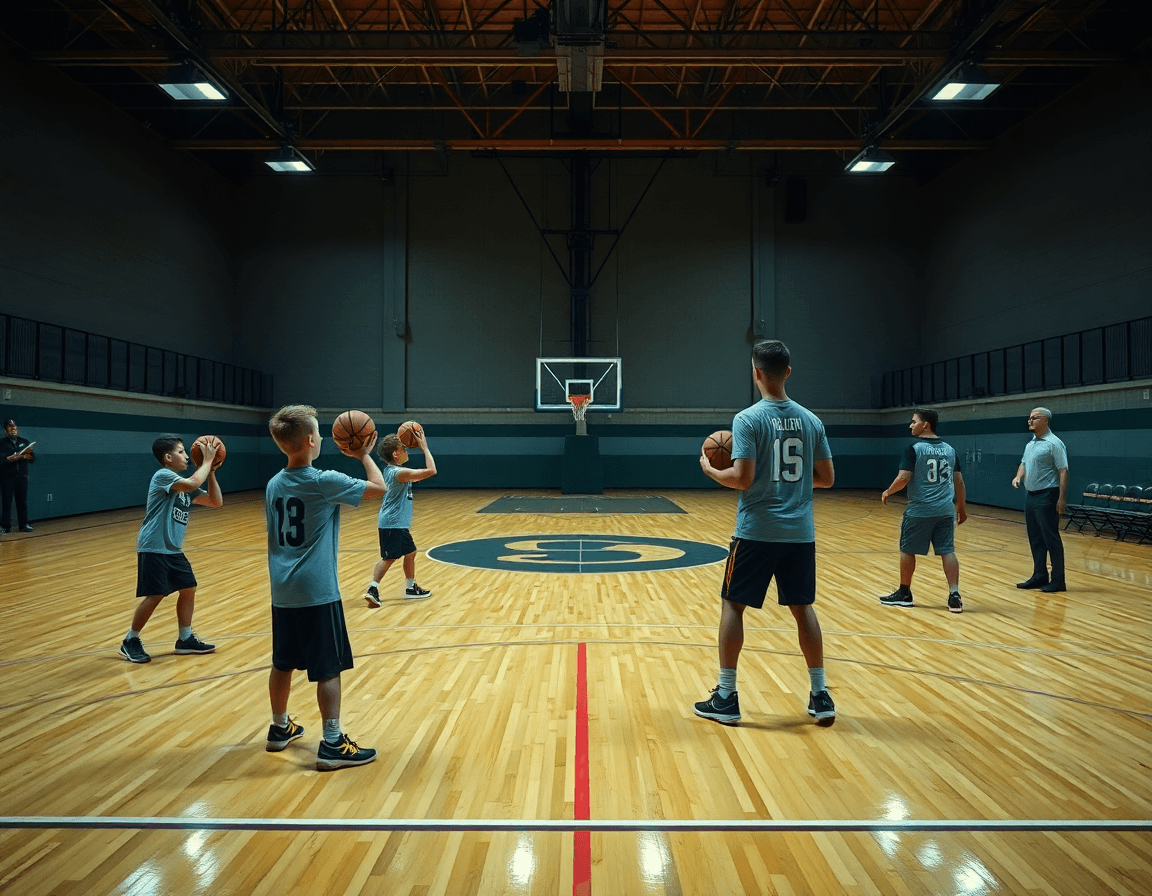
Video-Driven Feedback: Collect, Clip, and Coach
As a head coach turning a basketball shooting drills pdf into a weekly workflow, I record video clips that illustrate each drill’s goals and save them as a practice video reel. A session might show form shooting from the line, catch and shoot from the wing, and the footwork that keeps balance through the shot. I label each clip with the drill name and the cue we’re emphasizing, then drop it into a central practice video library. It becomes a living reference players can review between sessions.
Next, I clip and label sequences to highlight technique and decision-making. In a drill, you might sequence a catch-and-shoot rep, then a quick two-dribble pull-up, then a reset to form shooting. I tag each segment with keywords like catch and shoot and footwork so the staff can sort by goal. The result is a tidy, searchable file you can edit footage into, making it crystal clear what adjustments players need.
Finally, you can share clips in playlists for players and staff to review, and tie them back to the weekly plan and scouting notes. A simple playlist for the week keeps the team aligned on the goals—how the shot arc looks in catch and shoot, whether form shooting remains clean, and if the two-dribble pull-up is flowing with balance. Use video feedback to reinforce cues and track improvement over time, so your shooting drills pdf becomes a living benchmark rather than a static document.
Incorporating Scouting to Tailor Shooting Work
Incorporating scouting into the weekly shooting plan starts with the obvious: pull the scouting reports into your practice goals. I map opponent tendencies and our own weak spots from those notes, then design the week around that insight. If a team overhelps off the wing, we’ll emphasize catch-and-shoot rhythm and quick releases. If a defender chases under screens, we’ll layer in form shooting and footwork reps to lock in balance under pressure. The plan in CourtSensei links these targets to a library of drills, a whiteboard diagram, and a playlist that drives daily focus.
From there, I translate those insights into drill variations and decision-making scenarios. This is where the BDТ (decision training) mindset comes to life. For example, a closeout that forces a decision triggers a catch-and-shoot rep, then a quick drive or pass option, all under game-like timing. We pair that with form shooting and a two-dribble pull-up option if help defense arrives. Roles like rebounder and passer stay in the rotation to keep the flow realistic, especially for players working on the 3-point shot or moving into a two-step pull-up. The goal is to keep the sequence tight, repeatable, and adaptable to different defensive looks.
Make it game-like. We recreate game tempo, pressure, and decision points on the floor to ensure what we practice transfers to the court. Visuals on the whiteboard map out where to attack and where to avoid, while short video clips in the playlist demonstrate correct technique and common breakdowns. The scouting insights become a constant reference during the session, ensuring every shot drill helps players read and react like real game scenarios.
Finally, track progress week-to-week to measure impact of adjustments. We compare scouting notes with shooting outcomes, watching for shifts in decision outcomes, balance, and release timing. The result is a clear, incremental improvement tied to concrete game-like drills and a data-backed plan.
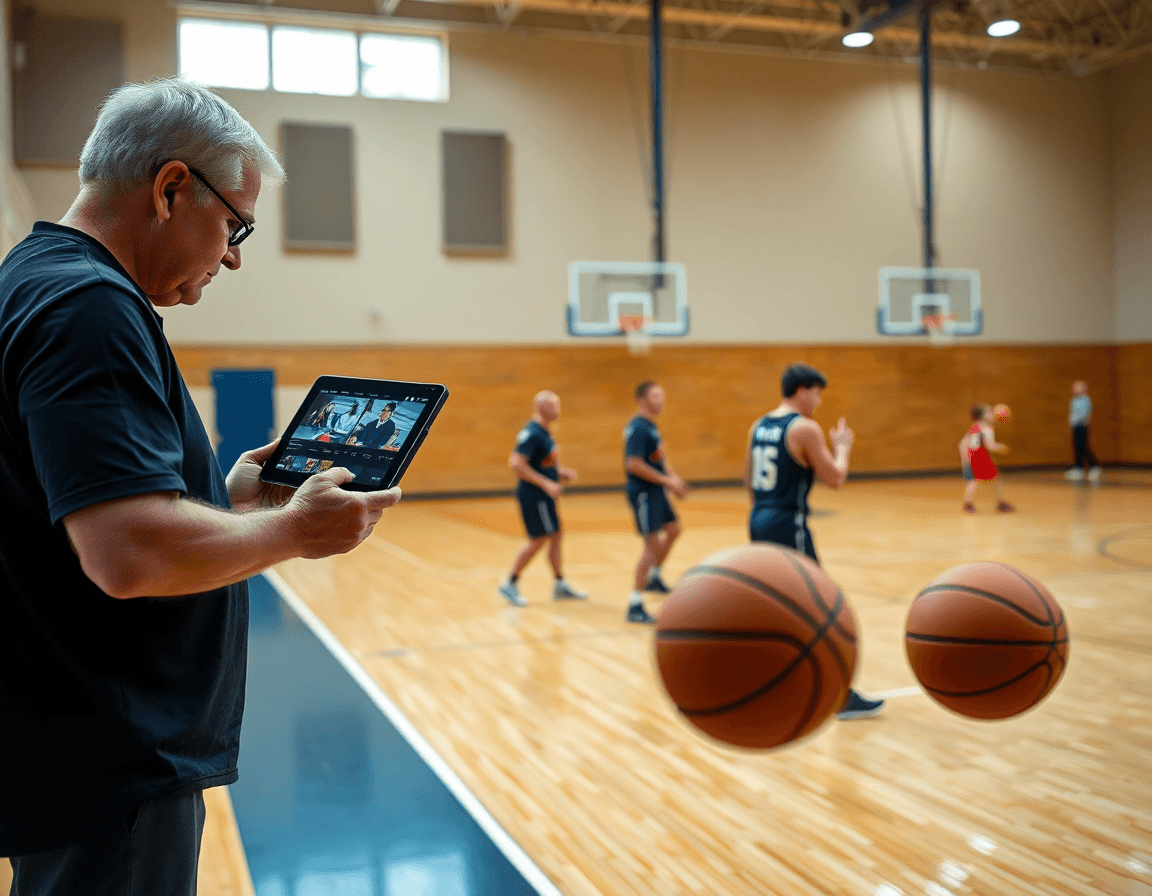
Weekly Checklist: A Coach’s Ready-to-Print Shooting Plan
Finalizing the weekly rhythm starts with the printout. This basketball shooting drills PDF is the backbone for a clean, repeatable week. In the plan, I lock in the core blocks: catch and shoot, form shooting, footwork with balance, and the two-dribble pull-up. I keep the printable drills in a shared folder and push the week’s workflow into CourtSensei so assistants can prep stations, pull first-person sheets, and stay aligned. When I talk about the workflow, I reference the same cadence we use in practice: plan, diagram on the whiteboard, distribute via playlists, then review with video clips and scouting insights.
We begin with a tight warm-up focused on form shooting and balance. Players start close to the rim, emphasizing a clean elbow pocket, stable stance, and soft hands. The scene on the floor mirrors a real game arc: a passer hits a rhythm of catch and shoot shots, a rebounder secures the miss, and a shooter repeats with progressive range. The drill sequence is time-boxed, so the group cycles through form shooting, catch and shoot, a quick 3-point push, and a two-dribble pull-up—each block aligned to the week’s plan.
After practice, I pull short video notes and attach scouting insights to the clips. We review what the shooters did well and where balance or footwork slipped, then translate that into next week’s adjustments. I share outcomes with assistants and players through the playlists and concise notes, holding everyone accountable for the plan’s targets. This approach keeps the team moving in lockstep, and the print-and-share routine becomes a habit players actually rely on.
If you build plans like this every week, CourtSensei keeps your drill library, whiteboard, and video clips in one place — try it free.
FAQ
What is the elbow pull-up drill in basketball and how can I incorporate it into a shooting plan?
The elbow pull-up drill helps you lock in a compact, repeatable shooting motion from the mid-range. Start in a catch-and-shoot stance, plant, and drive the elbow in close to your ribs while keeping the eyes on the target. Finish with a clean jumper. In a weekly plan, run 2–3 sets of 5–6 reps at game tempo, adding light defender pressure to simulate fatigue.
How can I implement fatigue-based shooting drills in practice?
To develop stamina and decision-making under fatigue, insert fatigue-based shooting blocks into your practice. After a sprint or close-out drill, move into 4–6 rapid-fire shots with reduced rest, pushing your form and balance under pressure. Use a 1:1 or 2:1 work-to-rest ratio. In the plan, tag these as fatigue-based shooting drills and track makes and misses as a success metric.
What is Basketball Decision Training (BDT) and how is it used in shooting drills?
Basketball Decision Training (BDT) blends perception with action, helping players choose the right shot or pass under pressure. In shooting drills, present defenders, closeouts, or clock pressure and require a prescribed shot option (or pass) based on the read. Gradually increase complexity and tie outcomes to your plan by labeling drills with BDT prompts and success criteria.
How do you practice catch-and-shoot from multiple spots on the floor?
Use a multi-spot catch-and-shoot sequence to simulate relocations and closeouts. Set 4–6 spots around the arc, with a passer and a rebounder at each station. Move shooters through each location in a tight rotation, focusing on quick catch, square feet, and a smooth release. In the PDF plan, label each location and track pace and makes to gauge game-like rhythm.
How many shots should be included in a typical shooting drill?
Aim for quantity with quality. A typical shooting drill runs 20–50 attempts per player, balanced across close-in form shots, mid-range, and spot-up threes. Prioritize clean mechanics over speed, and build in short rests to preserve form. In your weekly PDF, segment drills into 4–6 blocks totaling 80–120 reps, then add a competitive finish.
Where can I find printable basketball shooting drills PDFs and how do I adapt them into a weekly plan?
Printable shooting drills PDFs are a solid starting point, but customize them for your roster. Look for PDFs that cover form, balance, and catch-and-shoot, then map each drill to a 60-minute weekly plan. Label objectives, assign roles, and create progression. Export as a PDF and share via playlist or link for on-court use.