Basketball Player Development Plan Template
A coach-focused basketball player development plan template to map weekly skill progression, practice blocks, and drills, with a workflow you can adapt in any program.

Key takeaways
- Set clear development goals per player and align drills toward consistent, measurable progress within your system.
- Outline skill progressions with a ladder of drills from the drill library, pairing milestones with concise coaching points.
- Design weekly practice focus with time-blocked practice layouts and recovery windows; export as printable PDFs for staff.
- Drive progression from fundamentals to late-game decisions, using small-sided games to test weekly focus and capture quick scouting notes.
- Link video, playbooks, and scouting notes to create a shareable playbook that ties drills to outcomes.
- Track qualitative progress and coaching points for each drill, keeping the plan adaptable for ages, teams, and skill levels.
Core elements of a player development plan
You set clear, coach-directed development goals per player or position group. In the coaching workspace, translate those goals into concrete targets—ball-handling, shooting consistency, and decision-making—with benchmarks that fit your program. This alignment keeps every drill, video clip, and scouting note moving toward the same end: steady growth within your system.
Outline skill progressions for ball-handling, shooting, footwork, and decision-making. Build a progressive ladder of drills from the drill library, assigning milestones as players master each level. Pair each progression with short video clips and coaching points that illustrate correct technique and common misreads without turning every session into a treadmill of rep counts.
Map weekly practice focus to development goals and conditioning/recovery windows. Use time-blocked practice layouts to organize sessions—skill work, team concepts, and live play—with explicit daily objectives. Incorporate recovery windows and scale intensity by age group, so younger players stay fresh while older groups push toward game-like efficiency. Include scouting notes as input for adjustments.
Include notes on tracking qualitative progress and coaching points for each drill. The plan should offer a flexible framework adaptable to different teams or ages, and be shareable as printable PDFs or via read-only links for staff. By linking drills, videos, playbook references, and scouting material within the coaching workspace, you create a tidy weekly progression that’s easy to review with players.

Design a weekly plan with time blocks
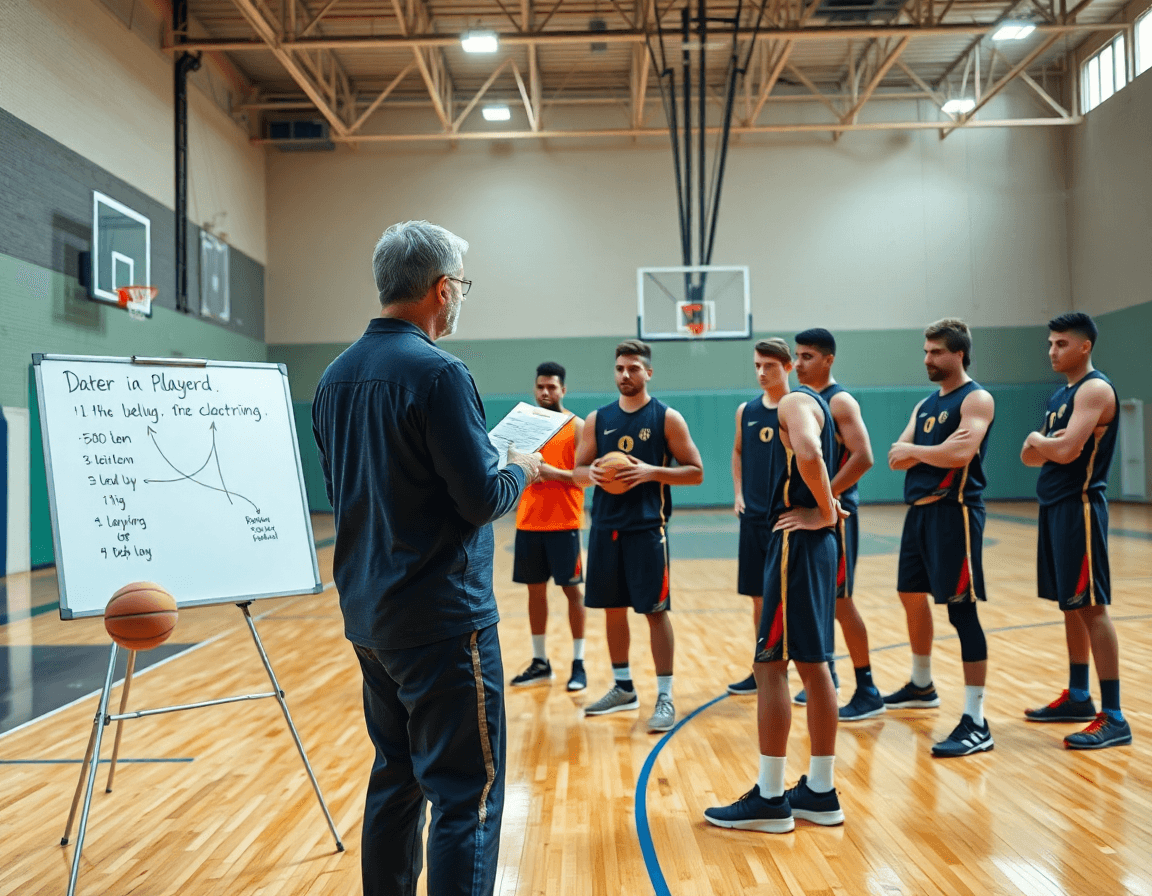
Design a weekly plan with time blocks to turn a crowded practice into a clear path for improvement. In your coaching workspace, assemble a weekly basketball training plan that pairs drills from the library with time-blocked layouts and a linked video/playbook for quick reference. This keeps the development path visible, shareable, and printable as a PDF for assistants, managers, and players to follow. It aligns with a basketball player development plan template you can adapt.
Structure practice into blocks: warm-up, skill work, team drills, scrimmage, conditioning, and cool-down. For each block, set a clear target that guides your decisions and keeps the week moving toward the same objectives. Use short video clips or playbook pages attached to the block to reinforce the plan.
Allocate targets for each block to drive weekly progression, and reference a linked scouting note to measure what improved. This keeps you focused on concrete outcomes and makes it easy to see where adjustments are needed.
Balance individual skill work with team-oriented drills to reinforce progress. A solid weekly plan blends controlled ball-handling reps with 5-on-5 concepts, ensuring what players practice in isolation translates to the floor.
Set a realistic weekly duration and integrate rest or light days as needed. In your workspace, attach a short video for each block and link a playbook when it fits. The plan can be exported as a printable PDF or shared as an editable version with staff.
Drill selection and progression
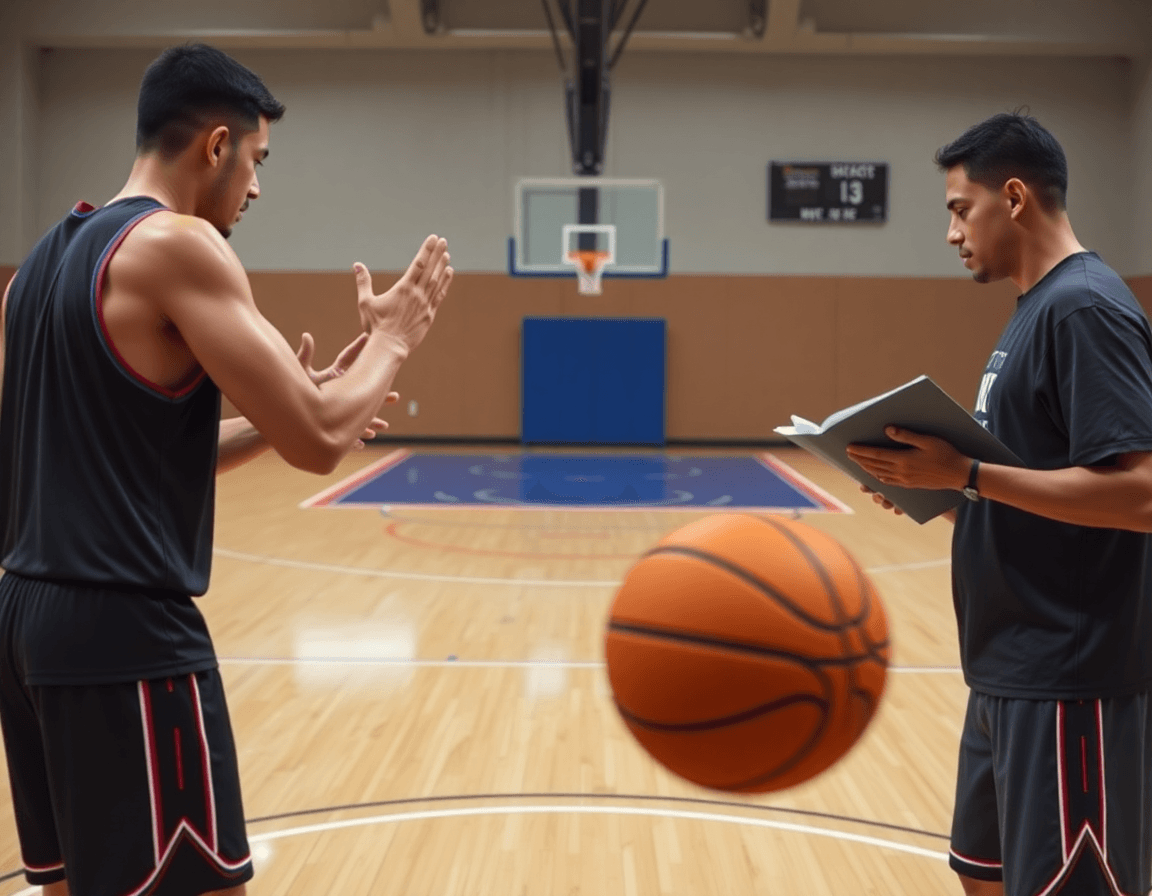
Selecting drills for a basketball player development plan template starts with alignment to the weekly focus and the player’s development goals. In your coaching workspace, pull from a library of drills, time-blocked practice layouts, and integrated video and playbook resources to assemble a plan that runs from warm-up through competitive segments. Begin with a dynamic warm-up that primes footwork and balance, then build toward print-ready outputs you can share as a weekly basketball practice plan template. When you set the weekly focus, tag each drill with its primary emphasis—shooting, ball-handling, or footwork—and keep a tight coaching point for every rep. This is where the basketball player development plan template becomes an actionable playbook.
Progression should take a player from fundamentals to more complex game decisions. Start with foundational ball-handling and footwork, then layer in decision-making drills that mimic late-clock and transition reads. Build a path that applies a progressive overload in basketball: small increases in reps, tempo, or space to challenge the player while preserving technique. In the plan, note the expected outcome for each stage and the coaching cues that define success, ensuring every step ties back to the weekly development goals.
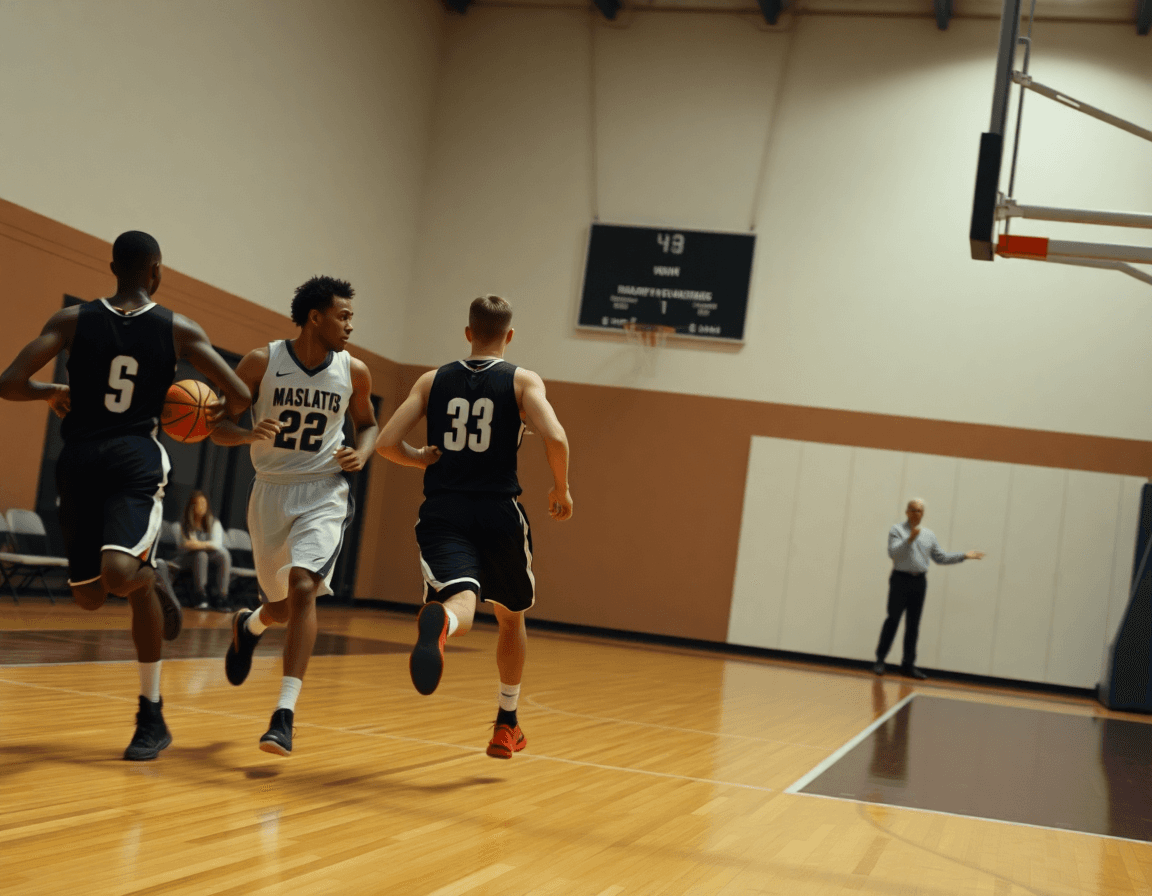
Small-sided games ideas are a cornerstone of weekly development: 2v2 or 3v3 under constraints that force shot selection, angles, and help rotations. Use these games to test the weekly focus in a controlled environment and capture quick scouting notes on decision speed and execution. Pair every drill with a short video clip in the playbook to reinforce concepts—no AI analysis, just clear demonstrations. Include shooting, ball-handling, and footwork drills with precise coaching points to keep the player on task during the session, and make the route from fundamentals to real-game reads tangible in your printable PDFs.
Linking video, playbooks, and scouting notes
Attach demonstration videos or diagrams to each drill for quick reference. In your coaching workspace, link a short video or diagram to the drill so a staffer or player can review technique cues during the plan week. This keeps your drill library actionable: spacing, tempo, and decision points show up exactly where you need them. Annotating the clip creates a fast, repeatable cue system that slots neatly into your basketball player development plan template. Track the linkage to keep the flow clean and repeatable, especially as you build out new weeks.
Organize drills, plays, and actions into a cohesive playbook for your team. Tag elements by focus (shooting, ball handling, spacing) and by week so you can chart progression in your weekly plan. Each entry links to the assigned video to reinforce technique and timing, and you can print or export a section as a PDF for film sessions. This keeps the plan practical when you’re on the sideline, calling a set or adjusting a drill mid-session.
Capture scouting notes and game prep ideas that inform weekly development. A few quick observations—opponent tendencies, mismatches spotted during scouting sessions, or areas to attack—can be attached to relevant drills or plays. This creates a feedback loop: scouting notes feed your plan, and your drills translate those ideas into concrete development tasks for the week.
Build playlists or grouped resources to streamline feedback for players. Create a weekly playlist that bundles drills, videos, and scouting notes for each player or position group. Shareable playlists and printable PDFs keep feedback consistent, and resources can be reordered as plans shift. The result is a clear, week-to-week rhythm that supports a steady player development plan.
Export, share, and collaborate with staff
Export your season-long plan as printable PDFs of your editable basketball practice plan, or push out shareable templates for assistants and players. This keeps everyone aligned for the coming week, from prereq drills to end-of-week evaluations. When a plan is exported, the structure—time blocks, drill links, and playbook references—remains clear and usable, whether on paper or in a shared folder. A clean PDF workflow makes on-court walkthroughs smoother and saves you late-night edits.
Maintain editable templates for future cycles and season planning. When you lock in a core structure—dynamic warm-ups, time blocks, skill stations, and small-sided games ideas—you can reuse the same framework next week or next season. The ability to preserve the layout as an editable template keeps you efficient during busy weeks and helps you stay aligned with a weekly basketball training plan. You’ll find it easier to swap in new drills or adjust durations without rebuilding from scratch.
Use a centralized coaching workspace to keep plans, drills, and notes in one place. Link drills to the playbook and attach scouting notes so staff can see progression and prep for opponent tendencies. Share with assistants and players securely, so everyone can review the weekly plan, add comments, and keep their own copies for reference during practice. This workspace becomes the hub for coordinating the player development plan template, practice plan template, and scouting material across the week.
Practical weekly workflow (step-by-step)
Whether planning for a squad or a group of players, a weekly development plan template keeps progress focused. In the coaching workspace, you assemble a structured plan with a library of drills, time-blocked practice layouts, and integrated video resources. This approach centers on building skills, documenting progress, and sharing a clear plan with assistants and players via printable PDFs.
Step 1: Define weekly development goals for the group or squad. Think in terms of a few measurable aims—improved off-ball movement, finishing at the rim, and better decision-making in late-clock situations. A checklist for X in weekly training helps ensure nothing is missed.
Step 2: Set focus areas and assign time blocks for practice. Identify 2–3 focus areas for the week and map them into time-blocked practice layouts. This helps keep sessions crisp and predictable. Include a dynamic warm-up and a task for each block so players know what to do when the clock starts.
Step 3: Assemble a progression of drills and select applicable video resources. Sketch a drills progression that scales from basic to game-like, and attach video resources and the playbook that illustrate each step. This gives coaches a ready-made sequence and lets the team review clips in the coaching workspace.
Step 4: Schedule practice and assign roles (coaches, assistants, players). Step 5: Run the practice, capture notes on progress and coaching points. Step 6: Review outcomes, adjust goals, and plan for the next week, exporting a printable PDF of the plan for sharing with the staff. Throughout, pull in scouting notes to adjust emphasis for upcoming opponents.
FAQ
What should a basketball player development plan include?
A solid plan starts with clear, coach-directed development goals for each player or position. In the coaching workspace, translate those goals into concrete targets—ball-handling, shooting consistency, and decision-making—with benchmarks that fit your program. Outline skill progressions across core areas: ball-handling, shooting, footwork, and decision-making. Attach drills, video clips, and scouting notes to stay aligned week to week and keep every effort moving toward the same end: steady growth.
How do you build a basketball training program?
Begin with weekly development goals and a library-driven structure. Use time-blocked layouts to separate warm-up, skill work, team concepts, and live play, with explicit daily objectives. Add a progression so players advance through levels, include recovery windows, and scale intensity by age. Tie every drill and video back to the goals, so the plan stays cohesive across weeks and can adapt to different squads in your coaching workspace.
What is a good weekly basketball training plan?
Aim for balance: individual skill work plus team concepts, anchored by a clear weekly focus. Use time-blocked blocks for warm-up, skill work, team drills, scrimmage, and conditioning, plus built-in rest days. Attach short videos or playbook pages to each block and keep a printable PDF for staff and players. Track progress with scouting notes to guide tweaks and keep the plan actionable.
How do you structure a basketball practice plan?
Structure the practice into blocks: warm-up, skill work, team drills, scrimmage, conditioning, cool-down. For each block, set a target to guide decisions and align with weekly objectives. Attach a video or playbook page to reinforce the plan, and reference linked scouting notes to measure improvements. Maintain flexibility to fit age, level, and specific team needs while keeping the path clear.
What are the four pillars of basketball training?
In this framework, the four pillars are ball-handling, shooting, footwork, and decision-making. Build your weekly plan to reinforce each pillar with targeted drills and short videos. Conditioning and recovery windows support consistency, while play concepts bridge the gap from isolated reps to on-court decisions. The plan should stay adaptable for different ages and teams, all within a cohesive coaching workflow.
How can I use practice plans to improve ball handling and shooting?
Tag drills by their primary emphasis—ball-handling or shooting—and pair each drill with a coaching point and a short video. Use a progression from fundamentals to game-like reads, and include small-sided games to test decision speed. Link drills to your playbook and scouting notes so players see how reps connect to game outcomes and you can review progress together.
How should in-season vs off-season training differ for basketball players?
Off-season focuses on building fundamentals and progressive overload; in-season shifts toward maintenance and game readiness. Adjust volume and intensity, favor quality reps over sheer quantity, and prioritize recovery. Align practice plans with opponent scouting and travel, but keep the weekly development framework intact so progress remains visible and coaches can adapt without losing sight of long-term goals.