Youth Basketball Practice Plan Template for Coaches
A practical youth basketball practice plan template to streamline weekly coaching—time-blocked warm-ups, skill work, offense/defense, scrimmage, and printable templates.

Key takeaways
- Adopt a 60-90 minute practice divided into six time blocks: Warm-Up, Skill, Offense, Defense, Competition, Conditioning.
- Each block includes a clear coaching point and a built-in touch objective to maximize reps.
- Pair a shell drill with concise Video Clips and a Whiteboard to reinforce decisions.
- Rotate formats to maximize touches with 2v2/3v3 and age-appropriate drills, pacing progressions and clear cues.
- Finish with a controlled scrimmage and quick clip-based reflection to consolidate concepts.
Design a 60- to 90-Minute Practice with Time Blocks
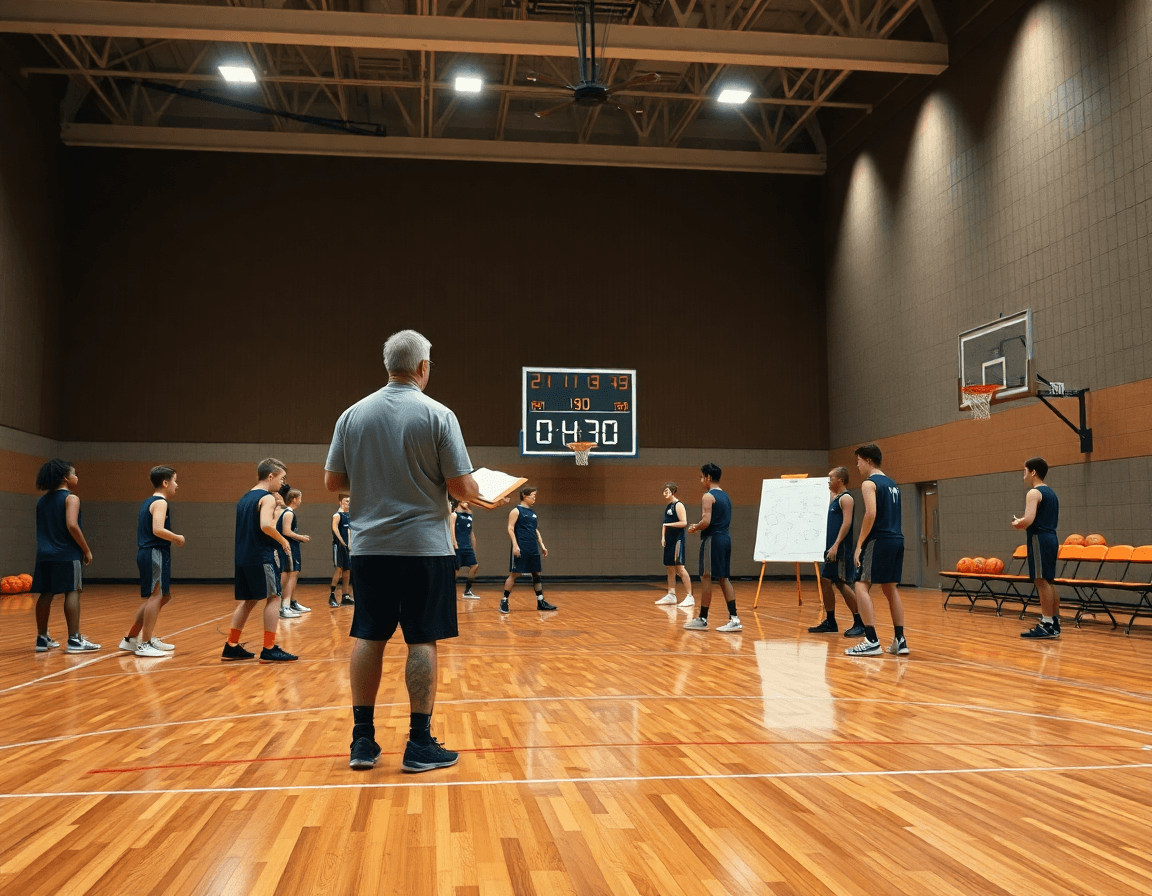
To anchor a youth weekly routine, I map a 60-90 minute practice into six time blocks: Warm-Up, Skill Development, Team Offense, Team Defense, Competition, and Conditioning/Closeout. This is a youth basketball practice plan template that fits a coach's weekly cycle. Each block has a clear coaching point and a built-in goal for touches. I export a printable plan for assistants to stay aligned.
In the Warm-Up, I run a dynamic warm up that primes athletic development and mobility. Short blocks keep players engaged—2v2/3v3 formats maximize touches and decisions. The plan in Practice Plans helps me adjust intensity by age, so younger groups stay under control while older groups gain pace. I stay in the loop on the floor with the tablet.
During Skill Development, I run age-appropriate drills—ball handling, finishing, and passing reads—packed into quick, high-touch sessions. I lean on 2v2/3v3 formats to ensure every player gets live touches and reads. After the drill block, I translate the progress to the Whiteboard and set expectations for the next block.
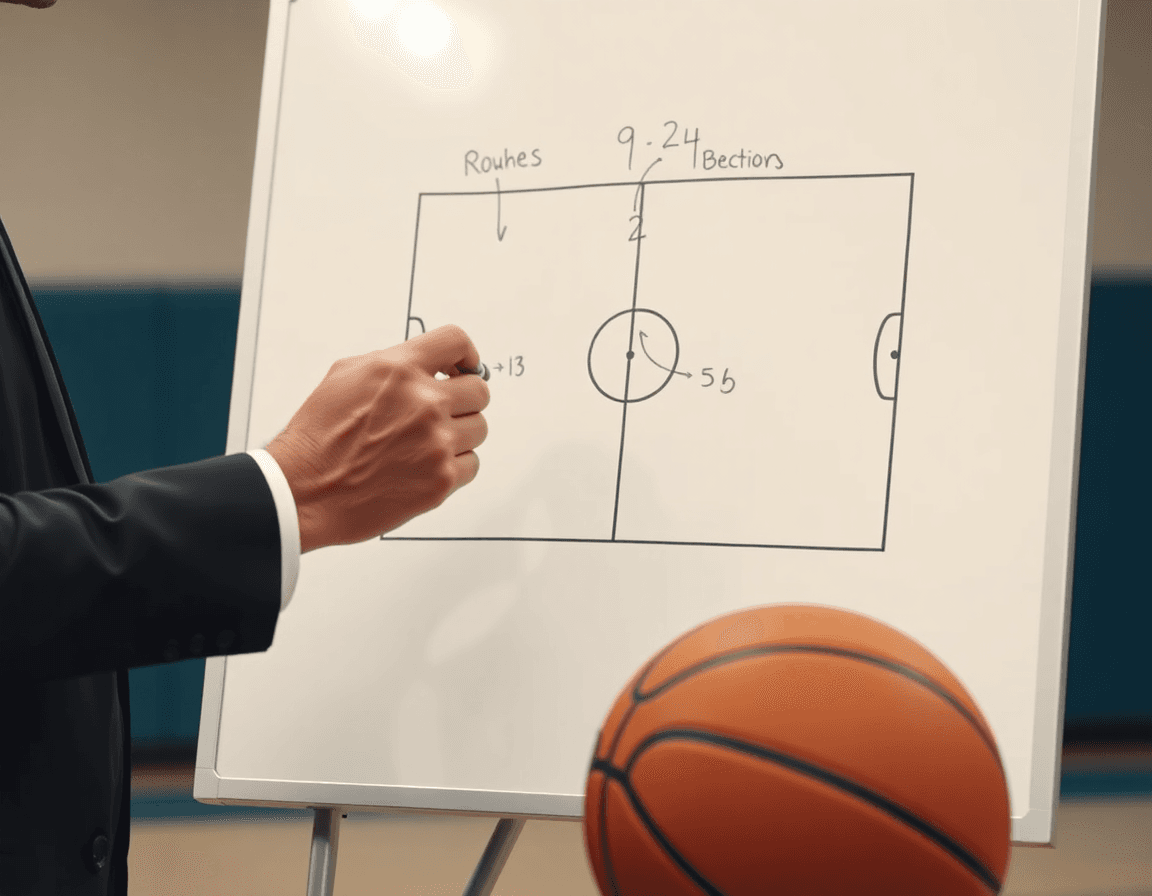
For Team Offense, spacing, movement, and pace sit on the Whiteboard before we execute on the floor. I diagram the progression and then run a sequence of quick reps—often finishing in a shell drill to reinforce communication and rhythm. For Team Defense, we start with the basics in a shell and then ramp to controlled 5-on-5 half court to build cohesion under pressure.
In Competition, we cap the session with controlled scrimmages—often 3v3—to apply the day’s concepts under pressure. Afterward, I pull clips with Video Clips to highlight decisions and teachable moments, then drop the best sequences into Playlists for quick player review. When scouting reports exist for an upcoming opponent, I link them to the block's coaching points to sharpen adjustments.
Build an Age-Appropriate Drill Library
As you build a youth practice library, the first step is to curate drills by objective and by age group. In your Practice Plans, separate categories like ball handling, footwork, finishing, and spacing, then slice them into age bands so younger players meet the pace without getting overwhelmed. This is where the concept of age-appropriate drills comes to life—more touches, clearer progressions, fewer interruptions.
Rotate formats to maximize touches and decision-making. Emphasize formats such as 2v2/3v3 formats to keep players engaged and developing; this feeds into ball handling drills and 3v3 games, all aimed at steady skill development. Build short blocks that let a single objective drive a sequence, then move on to the next cue.
Each drill in the library should come with quick coaching points to keep feedback concise—one actionable cue per drill, a single correction per block. For a ball-handling drill, the notes might read: keep the ball low, eyes up, protect the ball; for a finishing drill, finish through contact with strong feet and a one-two step.
Rotate drills to cover core skills while maintaining engagement. Tag drills to weekly themes like finishing at the rim or spacing in attack, so your overall plan remains aligned across practice blocks. For a 60-90 minute practice, you’ll string together a handful of drills that flow from warm-up through skill work to live reps.
Within CourtSensei, this library plugs into the workflow—dynamic warm up, shell drill, and short video clips for feedback. Use a quick Scout Note to identify if the day’s focus is on ball handling or 3v3 games, then assign a Playlists link for players to review on their own time.
Align Offense and Defense Concepts in Weekly Plans
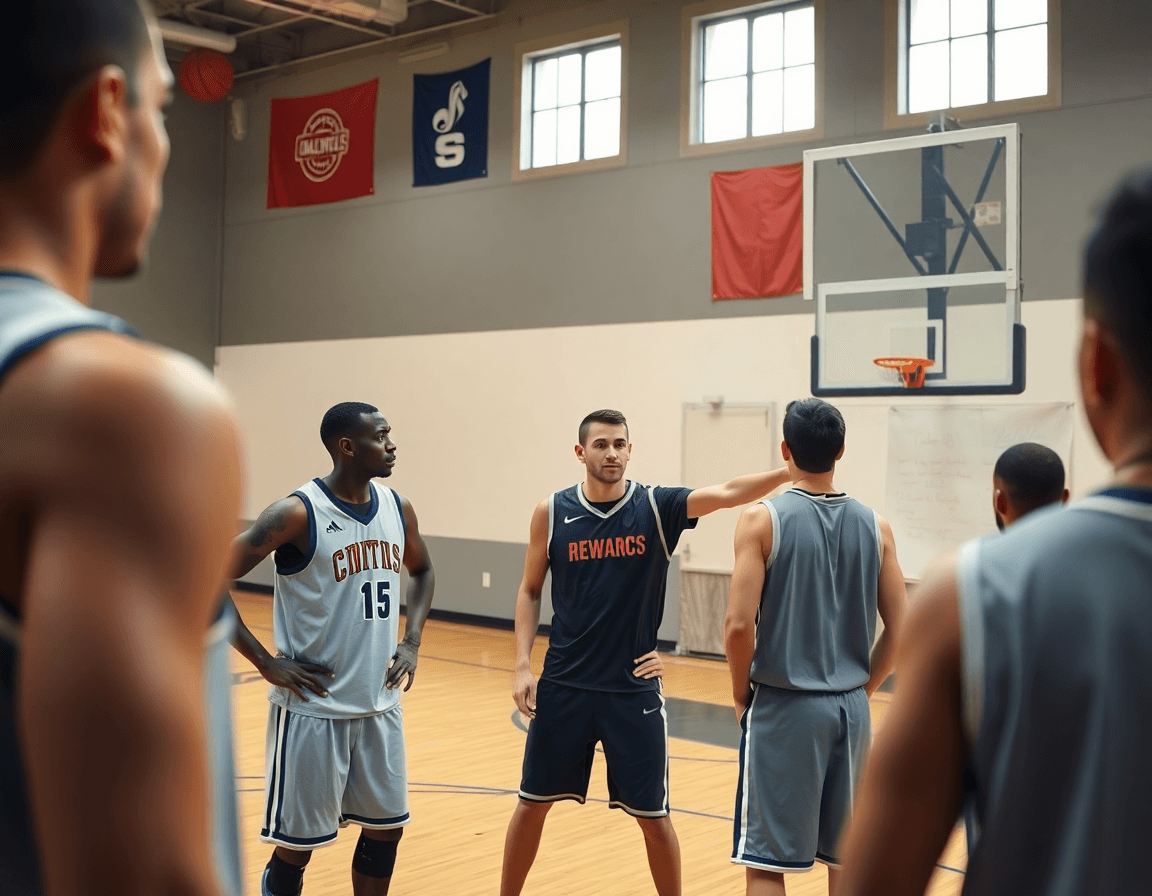
As a coach building a youth basketball practice plan template, start the week by choosing 2–3 core offensive concepts—dribble hand-offs, spacing, and ball movement. Put these into your Practice Plans and assign clear time blocks for a 60-90 minute session. Begin with a dynamic warm up to prime athletic development, then run age-appropriate drills that reinforce footwork and decision-making. In CourtSensei, those concepts carry over to the Whiteboard diagrams and concise Video Clips used for coaching feedback. The result is a repeatable framework focused on team offense rather than a grab-bag of drills.
Pair each offensive block with a defensive shell to build cohesion. Use a shell drill to teach rotations, closeouts, and spacing, then add transition work so players practice read-and-react flow. Tie this to your team defense principles and push reps through 3v3 games and 5-on-5 half-court formats. This pairing helps players apply what they learned on offense against live defenders; if you’re integrating Scouting Reports, you can steer which shell drills to emphasize. The approach keeps the weekly plan tight and coherent, with coaching cues documented in the notes for consistency.
Finish with a controlled scrimmage to translate concepts into live play. Use 4-on-4 or 5-on-5 half-court formats and keep the pace demanding so the concepts come alive. After each possession, jot coaching points on the Whiteboard and highlight decisions in Video Clips for later review. Save the clips to a Playlist for players to study, helping the team lock in the week’s concepts when you return to the youth basketball practice plan template.
Incorporate Video Clips to Reinforce the Plan
Video clips are the accelerant for the weekly youth practice plan. In your plan, you flag a few clips that illustrate key decision points and technique—finishing through contact, reading help defense, sprinting into a transition moment. After labeling the clips, you jot a couple of coaching points right alongside them, so the team sees the takeaway before they step into the next segment.
During execution, the quick feedback loop matters. Show the clip, pause at the exact moment you want emphasis, call out one or two coaching points, then assign a drill sequence that rehearses that decision or technique. This keeps the practice within a 60-90 minute window and links the plan to tangible actions—dynamic warm up, ball handling drills, and controlled scenarios like 3v3 games.
Archive clips by theme (finishing, decision-making, defensive stance) for easy retrieval next season or next cycle. A well-organized clip library lets you build future sessions from proven moments. You can also bundle clips into Playlists for players to review outside of practice. Share selected clips with players to reinforce the plan outside of practice, turning video feedback into steady player feedback that sticks.
Example: in a weekly template focused on finishing at the rim, a short clip demonstrates the finishing sequence and an off-angle mistake. You mark the coaching points—footwork, balance, and touch—and then run a drill sequence: shell drill to fix spacing, followed by 3v3 games to apply the decision-making under pressure.
Practical Weekly Workflow: From Planning to On-Court Execution
On a typical week, a practical, coach-centric workflow keeps everything aligned—from the first Monday plan to the Friday run-through. Start with clear weekly objectives and translate them into concrete blocks in your Practice Plans. Outline the focus areas: dynamic warm up, ball handling, age-appropriate drills, and game-like reps. Use the Whiteboard to diagram a few core actions (shell drill, 3v3 games, or 5-on-5 half court sets) and note which drills support each objective. Export a PDF of the plan for assistants and staff so everyone can review before day one.
Midweek refinements keep the plan living. As you see how players respond, tweak blocks to fit progress and sideline chatter. Assign assistants to specific blocks to ensure smooth delivery and accountability—one lead for the warm-up, another for ball handling and shooting, a third for shell and 3v3 work, with you supervising the late-game execution. In the plan to execute, rely on the Whiteboard for quick diagrams, and pull from Video Clips to show players exactly what to fix. Build simple Playlists with clips tied to each block, so players have a clean reference during and after practice.
Friday run-throughs tighten the circle. A focused, 60-90 minute session should mirror the week’s goals but with crisp efficiency. Use a checklist for each block to verify preparation and alignment with weekly objectives, then run through the critical sequences at game tempo. After practice, review progress, note adjustments, and push the updated plan back into Practice Plans for the next week. Store notes in Scouting Reports as needed and refresh Playlists to reinforce the week’s coaching points for the squad.
Printable Templates and Shared Access for Coaches
As a coach who lives in the weekly cycle, I rely on printable templates to keep the sideline calm and the plan clean. A typical week fits into a 60-90 minute practice, with a dynamic warm up, age-appropriate drills, and a mix of 3v3 games and 5-on-5 half court work. On the floor, I reference the plan in Practice Plans, sketch shell drill progressions on the Whiteboard, and lock in player cues to use in real time.
Printouts are not the only tool. A shareable link or PDF keeps assistants and substitute coaches in sync with the same plan, while a centralized library stores all the coaching points for future reuse. In the week ahead, I hand the printouts to the bench and share the PDFs with the help of our scouting notes and playlists so everyone can pull the same clip at the right moment.
Templates should evolve. I make a quick refresh to reflect evolving team goals and player development. I swap in new age-appropriate drills or 3v3 games if we’re emphasizing spacing, or adjust on-ball defense for shell drill. The changes live in Practice Plans and flow into the Whiteboard diagrams and Video Clips for feedback. The goal is that the printable and digital versions stay aligned so the team moves with intent.
On the sideline, the printed templates become a quick reference during setup and transitions. A short huddle with assistants, using the shareable link on a tablet, keeps everyone aligned on the plan for the next drill—whether we’re focusing on ball handling drills or shell defense. After the session, I drop a few coaching points into the Playlists for quick review with players via video clips.
If you build plans like this every week, CourtSensei keeps your drill library, whiteboard, and video clips in one place — try it free.
FAQ
How long should a youth basketball practice last?
Most youth practices run 60-90 minutes. For consistency, structure the session into six time blocks: Warm-Up, Skill Development, Team Offense, Team Defense, Competition, and Conditioning/Closeout. Keep blocks short to maintain focus, and adjust pace by age—younger players get more frequent, shorter drills while older players can sustain longer efforts. Use a tablet to stay aligned and export printable plans for assistants.
What should a basketball practice plan include?
Think of your plan as six clear blocks: Warm-Up, Skill Development, Team Offense, Team Defense, Competition, and Closeout. Each block needs a coaching point and a target for player touches. Build in a Whiteboard workflow and quick Video Clips for feedback, then organize a printable plan for assistants. Include age-appropriate drills and clear progressions to keep momentum.
How often should my team practice?
Aim for 2–3 practices per week during the season, with one lighter session if needed. Maintain consistency so players know what to expect and can build momentum. Use a weekly rhythm that fits your six blocks and core concepts, and allow rest days for growing players. If schedules demand, supplement with short at-home drills focused on ball handling and footwork.
How can I make practice more engaging for young players?
Keep blocks short and switch formats often. Use 2v2/3v3 formats to maximize touches and decisions, and give players one clear coaching point per drill. Rotate drills by weekly themes and mix in live-rep scrimmages. Positive feedback, quick demos, and simple goals help keep energy high and learning concrete.
Should I use the same practice plan every day?
No. Keep a core framework but rotate formats and themes weekly. Build 2–3 offensive concepts and a defensive shell, then adjust based on players’ progress and upcoming opponents. Tag drills by objective so you can assemble fresh plans while staying aligned with the team’s priorities. This approach sustains growth without burning players out.
Why is a practice plan template important?
Because a template drives consistency and alignment across staff, it ensures essential touches and measurable progress. It helps with scouting reports, ties ideas to concrete coaching cues, and makes clips easy to review later. A clear practice plan template reduces guesswork and builds accountability.