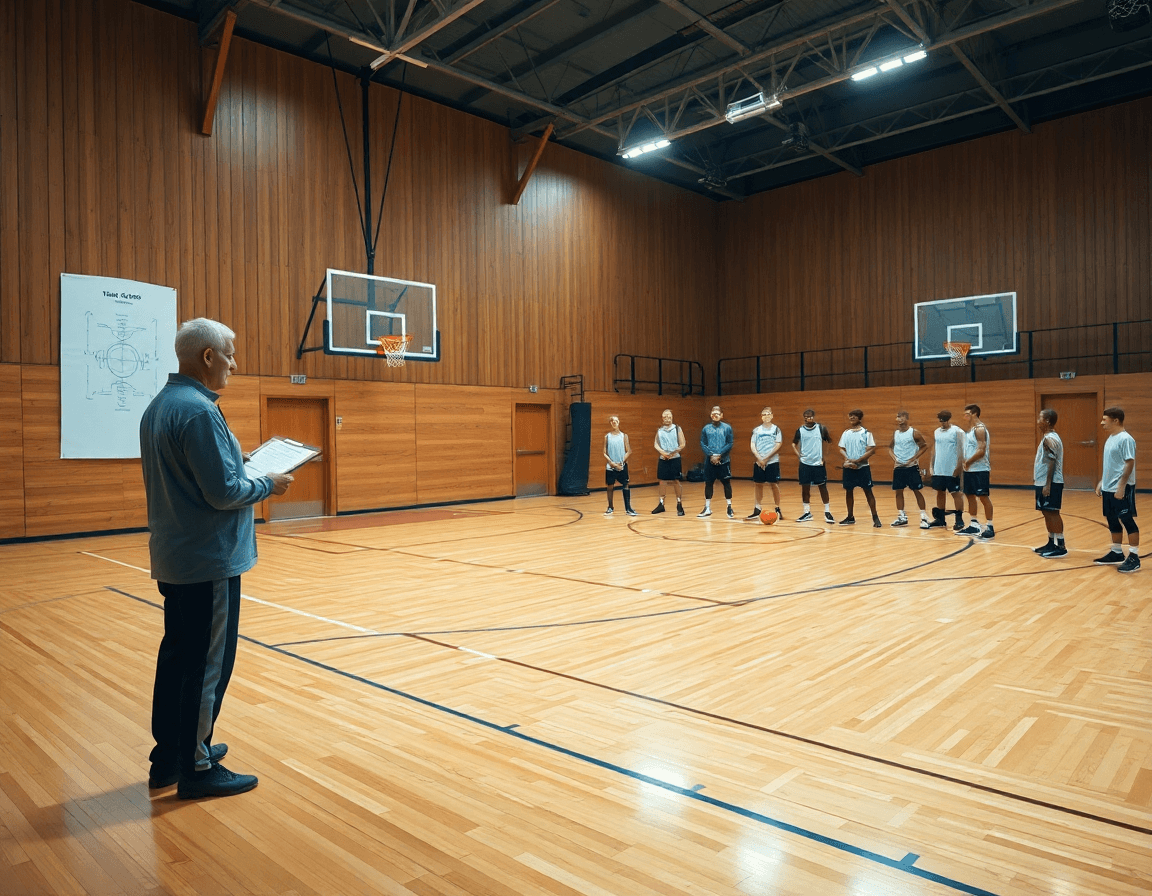
Basketball Drill Book PDFs: Coach’s Week Plan
As a coach, learn to turn basketball drill book PDFs into a weekly practice plan with structured drill blocks, video, and scouting in one workspace.

Key takeaways
- Treat a basketball drill book pdf as a planning source, not a sole plan.
- Map drills to a weekly plan with time blocks, not random pick-and-choose sessions.
- Use a connected coaching workspace to link diagrams, video, and scouting notes for coherence.
- Create short, focused clips to reinforce drills and map feedback to on-court actions.
- Export weekly plans as PDFs for staff, maintain a time-blocked routine for players.
PDF drills in planning: why they still matter
PDF drills offer quick access to organized drills by age/level and topic. Coaches often start with a basketball drill book pdf for a quick library of options—from warm-ups to shooting progression. The term drills pdf is common on training boards and in prep notes, especially for youth basketball drills and women's basketball drills. A solid drill book can spark ideas you’ll adapt to your team’s needs. But because it’s static content, it won’t map neatly to a week’s worth of work or to the tempo of your practice.
Limitations include static content and lack of direct mapping to a weekly schedule. You skim for ideas and then translate them into a plan on the fly. Without a framework, even solid drills pdf lose bite when you pace a session, track progression, or adjust to shortened weeks. This is where the funnel comes in: skim for ideas, then transfer to a structured weekly plan in a coaching workspace.
To maximize value, treat PDF drills as sources for your weekly workflow. In your plan, pull a warm-up sequence from the drills pdf, assign it to the opening 10 minutes, then slot ball handling, dribbling, and shooting progressions across the rest of practice. Use a short video clip to illustrate each drill, and export a playbook as a PDF for staff sharing. Within a connected coaching workspace, drills, diagrams, video, and scouting notes live together, supporting a time-blocked weekly plan.

Turn drills into a weekly plan
Turn your basketball drill book pdf into a weekly plan by extracting drills and assigning them to specific days. For example, Mon = warm-up and ball handling, Tue = shooting progression, Wed = finishing in traffic and decision-making, Thu = wing rotations and defensive footwork, Fri = conditioning and competitive reps. If you start with a basketball drill book pdf, you’ll see how a long list becomes a repeatable cycle. The key is mapping drills to time blocks that match your practice length and season goals.
Balance skill work with situational and conditioning drills to form a complete week. Include shooting reps, ball-handling sequences, and competitive scenario drills. Build a simple checklist for weekly training to keep you on track: Mon through Fri goals, plus a quick Sunday review. Start from the drills pdf you’ve assembled and evolve toward a practical weekly plan that translates the content into actions on the floor.
Leverage a time-blocked framework so drills align with practice duration and goals. Use a digital workspace to reuse and remix drills across weeks. Link each drill to a diagram in the playbook and attach a short video clip for coaching cues. Export the week’s plan as a PDF for staff and parents to reference, while keeping the focus on core areas like ball handling, shooting drills, dribbling, and passing. This workflow preserves consistency across cycles and supports a coach-centered week.
Visualize drills with diagrams and playbooks
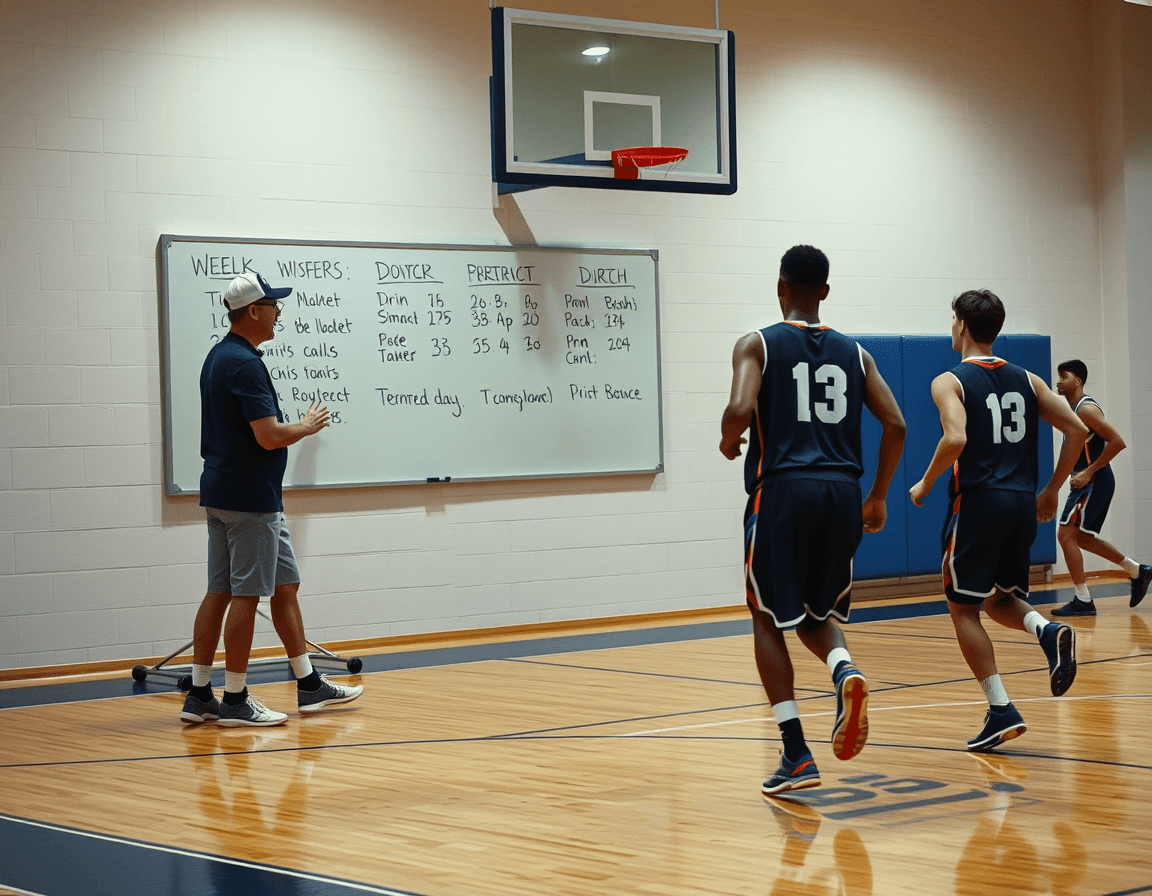
Many basketball drill books pdf rely on static diagrams to show spacing and movement. That often leaves a coach guessing how a sequence flows in real time. A basketball drill book pdf is a common starting point, but CourtSensei turns that static resource into a living, time-blocked plan. The dynamic library keeps drills, diagrams, and video in a connected coaching workspace, so you can move from a printed page to a weekly plan without losing the thread of action. It’s a practical bridge from paper to practice-ready workflow.
Create or import play diagrams to connect drills to on-court actions (screens, inbound plays, fast breaks). For instance, a drill that starts with a pin-down screen leading to an inbound sequence can be diagrammed, animated, and slotted into a drill chain under your offense drills or defense drills.
Exportable playbooks (PDFs) help staff and players stay aligned between practices. The product angle is simple: draw and animate actions, then export ready-to-share PDFs. That lets a coach hand out a clear road-map—complete with diagrams, clip references, and scouting notes—so everyone moves through the week with the same expectations.

Video and clip editing to reinforce drills
Video is a coaching cue, not just a file on a drive. Upload practice clips and isolate drill-specific sequences for targeted review, whether you’re tightening ball handling, refining shooting drills, or sharpening passing flows. With manual clipping, you can pull out the exact moment a defender disrupts a drill entry or a footwork sequence that causes a shot to slip. Label each clip by drill block and keep them in the same workspace as diagrams and scouting notes, so the learning moments are easy to reach during a session. This keeps your video coaching and drills in one place, ready for quick reference without hunting through folders.
Organize clips into playlists tied to daily or weekly drill blocks, so every practice has a cinematic reference that aligns with your plan. Use these playlists during on-court sessions to reinforce technique in-the-moment and to guide post-practice film review with the same framework. For example, a ball-handling block can have a focused sequence showing a failure and a corrected version, while a shooting drills block links to a clip illustrating proper elbow alignment. When athletes see their own footage mapped to the drills they’re running, retention and consistency improve.
Everything sits inside the coaching workspace, alongside time-structured training plans, diagrams, playbooks (PDF export), and scouting materials. Uploads, edits, and playlists become part of a seamless weekly plan, reducing back-and-forth and keeping the workflow coach-centered. As a result, you can reinforce technique with precision—the kind of targeted feedback that elevates drills video, video coaching, and the overall execution of youth basketball drills and ball handling.
Scout, prep, and share inside a coaching workspace
Scout, prep, and plan in one place. Your weekly cycle starts with how you scout the opponent and translate that into a drill library for game prep. Link scouting notes and opponent tendencies to your drills library to quickly generate a tailored plan for defense drills and offense drills. A basketball drill book pdf can serve as a starting point, but the real value shows up when static diagrams become time-blocked practice blocks that fit your week.
Create concise game-prep briefs that accompany weekly drill blocks. As you assemble the block of work—shooting, ball-handling, or transition sequences—include a short game plan that maps the opponent’s tendencies to specific drills. These briefs keep the plan sharp and focused, and they help you communicate priorities to players and assistants without overcomplicating the film. The result is a streamlined flow from scouting to practice to in-game adjustments.
Share read-only or collaborative playbooks with staff for alignment and accountability. When the playbook sits in the same workspace as your drills and scouting, everyone stays on the same page. You can distribute concise PDFs of star-through-rotations or more detailed looks at setups, and you can collect feedback without breaking the chain of command. This makes it easier to defend against common opponent actions and to assign responsibilities across the staff.
Centralized workspace that connects drills, scouting, and playbooks. The connected library lets you pull a scouting note, attach a relevant drill, and export a PDF playbook for game prep—all in one place. For a practical week, you might pair a quick video clip of a defensive shell with a defense drill and a PDF export of the corresponding game plan, ensuring every block from scouting to shooting is linked and shareable. This is where the workflow truly lives beyond a plain library of drills pdf.
Practical workflow: build a week-long training sequence
Step 1: Inventory the PDF drills in the library and categorize each by objective—skill, speed, decision-making. This PDF drills organization keeps a growing toolbox usable for a weekly plan. Build a simple taxonomy that covers ball handling, shooting drills, passing drills, and defensive reads so you can pull what fits a given day at a glance.
Step 2: Map drills to a 5- to 6-day training block with clear daily goals. This framing mirrors a real week on the floor and gives you a clean path from Monday through Saturday. Let each day target a primary objective and a secondary emphasis, tying into a concise training block with focused work. This approach ties into a practical weekly plan checklist coaches use to ensure balanced coverage.
Step 3: Create playlists and attach to each day; add notes for progressions and regressions. A day's playlist should flow from warm-up to main reps to finishers, with notes that spell out how to scale up or dial back intensity. Use clear progression language to describe what “one more rep” looks like and when to regress, so the plan stays coach-centered and actionable through the week. The pairing of playlists and progression notes is the connective tissue.
Step 4: Export a PDF playbook for staff, and link to video demonstrations when possible. The PDF playbook acts as a portable guide for video sessions, meetings, and on-court briefings. Where available, attach concise video demonstrations to illustrate a drill or sequence, keeping the staff aligned without over-communicating.
Step 5: After week, review outcomes and adjust the plan for the next cycle. Compare results against the week’s goals, note what clicked and what didn’t, and update the sequence accordingly. Use this reflection to refine the next cycle’s structure and goals, closing the loop on the weekly workflow with a clear plan for the upcoming period. The result is a tighter, more consistent cadence for the next cycle.
FAQ
How can I turn a basketball drill book PDF into a weekly plan?
Turn a basketball drill book PDF into a weekly plan by extracting drills and assigning them to specific days. Start with a warm-up and ball-handling block, then allocate shooting, finishing, defense, and conditioning across the week. Use a time-blocked framework to fit practice length and season goals. In your coaching workspace, link each drill to a diagram and a coaching cue video, then export the plan as a PDF for staff.
What should I look for in a basketball drill book PDF for weekly planning?
Look for solid organization by age/level and topic, plus a clear progression from warm-ups to finishing and defense. A good PDF should offer a variety of drills you can map to your weekly cycle. While PDFs stay static, CourtSensei lets you connect drills, diagrams, and scouting notes into a single coaching workspace for real weekly planning.
Are PDF drills good for beginner coaches?
Yes, PDF drills are a solid starting point for beginner coaches to generate ideas and see structure. Use them to spark your weekly plan, then translate ideas into a manageable time-blocked schedule. The goal is to map drills to actual practice blocks, add coaching cues, and integrate diagrams and scouting notes in your coaching workspace.
Where can I download basketball drill PDFs legally?
Legally, look for publisher sites, library catalogs, or open-resource repositories for basketball drill PDFs. Check licensing and usage terms before downloading. If you’re planning weekly work, CourtSensei can help you convert those PDFs into a time-blocked plan and export playbooks as PDFs for staff.
Which basketball drill book has the most drills?
Drill counts vary widely, and there isn’t a universal most drills winner. The better approach is to choose a book that fits your team and lets you translate content into a practical weekly plan. Use your coaching workspace to remix ideas, diagrams, and clips into a consistent cycle across practices.
What drills are included in The Women’s Basketball Drill Book?
Books like The Women’s Basketball Drill Book typically cover a broad range of fundamentals—ball handling and shooting progression, finishing at the rim, spacing, and defensive footwork. They provide drills you can adapt into your weekly plan, balancing technique with decision-making and competitive reps.