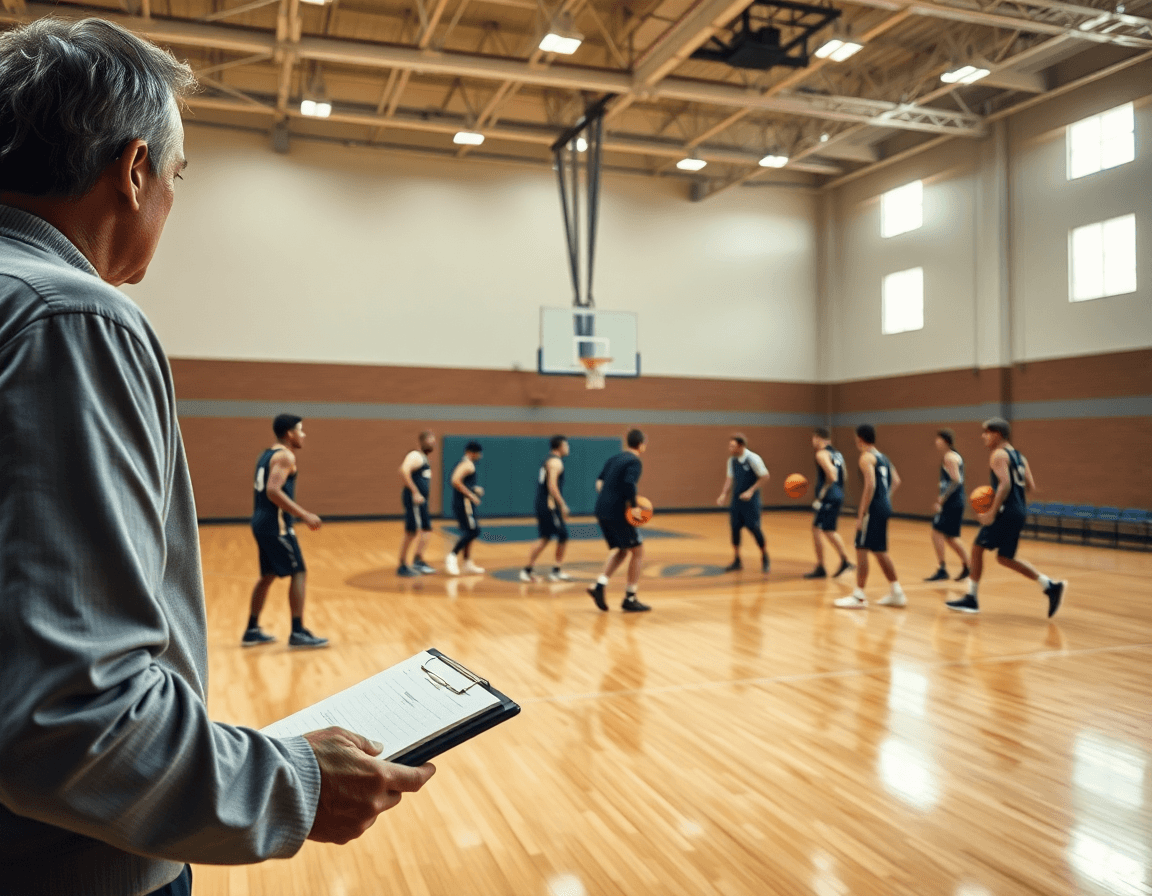
5 basic skills in basketball pdf: weekly plan
Coach-focused guide for using the 5 basic skills in basketball pdf to structure a weekly practice plan, drill progression, plays, and scouting prep.

Key takeaways
- Anchor your weekly plan around the five core skills, prioritizing ball handling and defense in blocks.
- Structure sessions with time blocks: 15–20 min ball handling focus, 10–15 min passing, 15–20 min shooting.
- Use drills library and time-structured plans; export PDFs to share with assistants.
- Tie outcomes to scouting notes and video reviews to guide future emphasis.
- Build a weekly fundamentals block with 60-90 minutes and a short closing drill.
Five core basketball skills: fundamentals recap
Five core basketball skills form the backbone of every weekly plan: ball handling, dribbling, passing, shooting, and defense. Mastering ball handling creates space and control under pressure; purposeful dribbling keeps the offense organized when a ball screen arrives; crisp passing maintains flow and opens cutting lanes; reliable shooting converts possessions into points; and tough defense sets the tone and fuels transition opportunities. When you frame practice around these skills, you give players repeatable lanes to improve—one skill at a time, with clear through-lines from station drills to game-like sequences.
These fundamentals are the compass for weekly decisions: they guide which players get reps, how you pace drills, and how you adjust intensity. With a clear anchor, the drill progression stays consistent from session to session, so every week builds toward the next. If a player struggles with a jab-step pull-up, you know to loop back to shooting mechanics before ramping up the pace of live action.
To operationalize this anchor, structure the week around these skills using a cohesive workflow. Build blocks in a time-structured training plan, pull from the drills library to create progressive stations, and drop in short video clips after reps to flag technique and decision-making. Tie the outcomes to scouting notes so you enter the next practice with a focused sense of where to push, where to simplify, and how to tighten spacing around these five core skills.
Plan a weekly fundamentals block
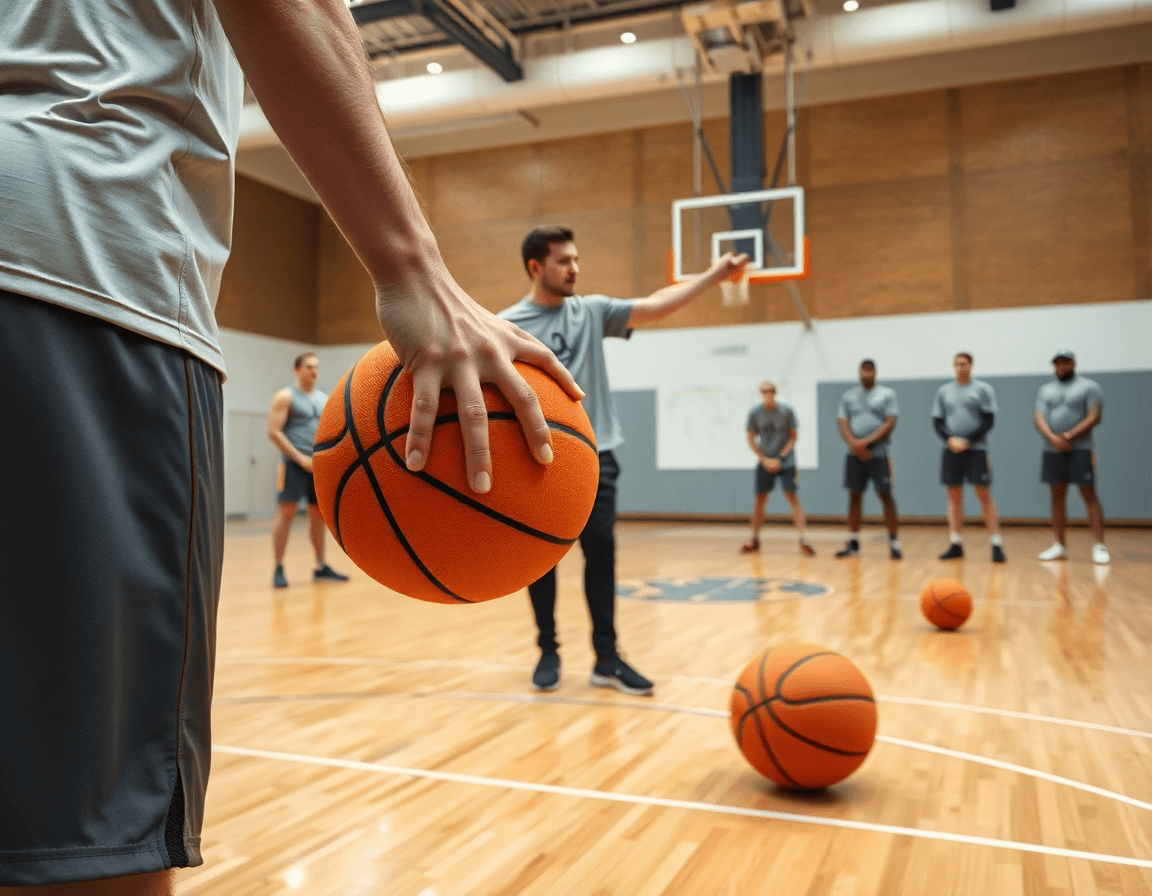
Plan a weekly fundamentals block by assigning clear time to each core topic and leaving room for review. For a 60–90 minute session, allocate roughly: ball handling and dribbling (15–20 min), passing (10–15 min), shooting (15–20 min), defense and rebounding (15 min), and a short pivot foot or jump stop drill at the end. A coach can build this as a time-structured training plan, pull drills from the drills library, and export the plan as a PDF to share with assistants and staff.
Use microcycles and progression to deepen skill, decision-making, and consistency. Start with technique-focused microcycles, then add tempo and game-speed reps, followed by decision-making in 2-on-2 or 3-on-3 flows. Each day advances a layer: reinforce a proper jump stop, then layer in reading a defender off the ball. Pair the block with a short video clip after practice to reinforce cues. In CourtSensei, attach the video uploads and annotate the clips to reinforce fundamentals in the plan.
Finally, map the block to a shared coaching calendar and scouting notes. Tie in scouting integration to adjust emphasis—defense, rebounding, or ball handling—based on upcoming opponents. Use the draw/animate tools to illustrate positionings for a shell or a simple pick-and-roll sequence that highlights the fundamentals. A PDF export of the weekly fundamentals plan keeps the staff aligned and ensures the plan travels with the team beyond the gym.
Drills and progression for each skill
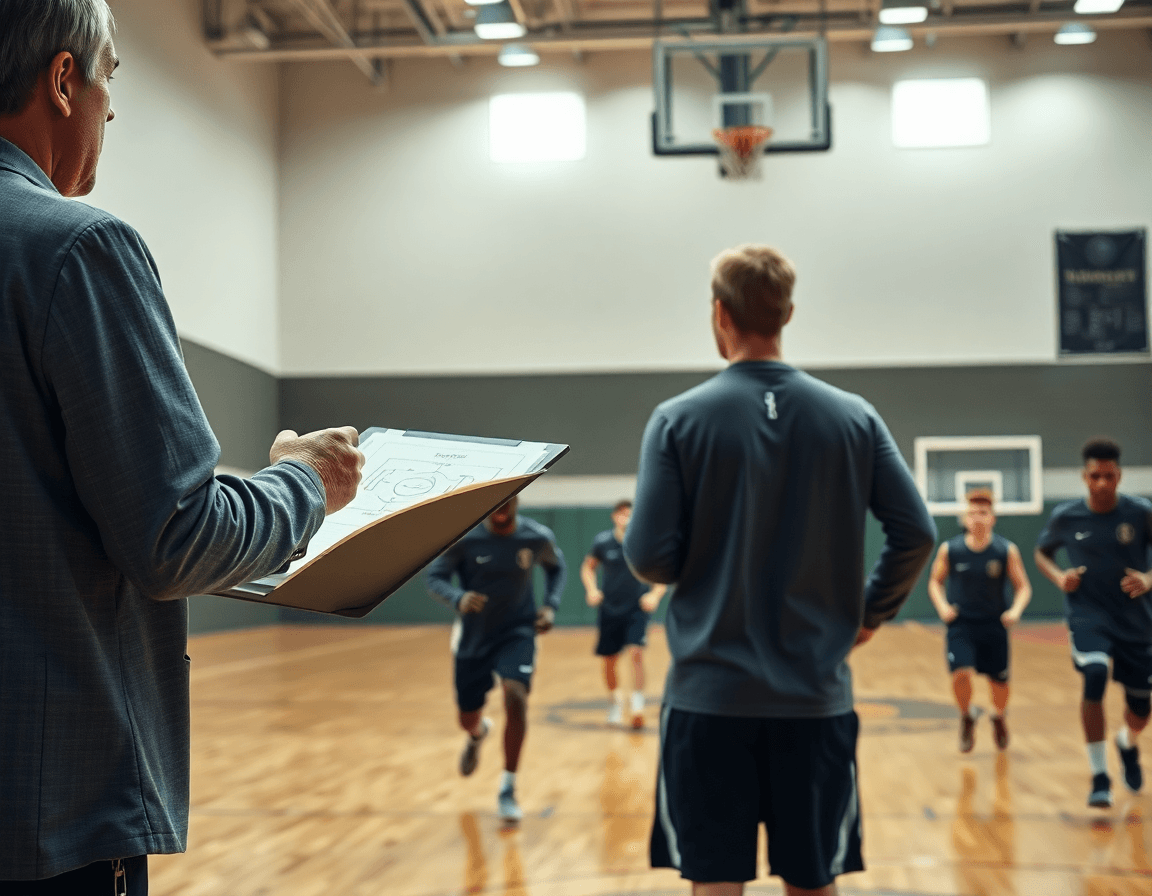
This section maps each of the 5 basic skills in basketball to a clear, progressive path you can drop into a weekly plan. By building from basic, controlled reps to game-like sequences, you ensure steady development while keeping practices crisp and focused. Use the structure as a scaffold in your time-structured training plans and keep the arc consistent across the week. If you’re keeping a 5 basic skills in basketball pdf handy, these progressions align with that framework to help you stay organized.
Ball handling progresses from simple control to on-ball movement. Start with stationary, low-pressure drills and advance to moving sequences that emphasize change of direction and rhythm. Integrate ball handling into small-sided dynamics and finish with mixed sequences that resemble in-game looks. The goal is to rep a variety of grips, speeds, and hand positions so players gain confidence with the ball in pressure. Use the drills library to assemble a short, linked series that fits your roster.
Drills for dribbling build on control and pace. Begin with two-ball or single-ball patterns, then add hesitation moves, crossovers, and momentum shifts. Elevate with decision-making under tempo—dribble-pass-dribble options, reads off teammates, and opposite-hand finishes. When you curate sequences, tag them as drills for dribbling and weave them into a multi-skill circuit that keeps players moving.
Passing and shooting drills anchor the offense. For passing, start with chest and bounce passes, then introduce angles, leads, and quick decision-making under pressure. For shooting, blend catch-and-shoot with off-the-dribble attempts, emphasizing proper footwork and a consistent release. The key is to label these as drills for passing and shooting drills, then stack them into a rhythm that mirrors your weekly goals.
Defense drills center on stance, footwork, and reaction. Begin with closeouts and lateral slides, then add on-ball pressure and shell concepts. Progress to more complex reads and rotations that emphasize communication and containment. Treat these as defense drills and connect them to your scouting notes and video review for post-practice feedback.
Connect plays to fundamentals: building a cohesive approach
To design plays that reinforce the five fundamentals during live action, start with a weekly concept and build plays around it. A sequence that leverages ball handling (dribbling) and attack angles trains players to read a defense while creating clean passing lanes and quality shots. Each play should loop back to the core fundamentals—ball handling, passing, shooting, defense, and rebounding—so the action stays cohesive from start to finish.
Block the week with time-structured training plans and pull drills from the drills library to execute each concept. In the plan, allocate blocks for handling, passing, shooting, defense, and rebounding, then pair a live-action play with specific drills to reinforce it. Use playbook integration to keep everything aligned across staff and players.
Use draw and animate actions to map plays to exact routes, spacing, and timing. This builds a clear link between theory and live action. Organize your playbook by fundamentals and export to PDF exports for staff and players to study, review, and rehearse.
Within practice plays, address passing lanes, penetration, and defensive choices. For example, a drive-and-kick manipulates lanes and forces a defender to choose between help and recover, while a back-cut reads the defense’s rotation for an open shot. Tie these layouts to scouting notes to adjust against tendencies.
Video, clips, and playlists for coaching the basics
In a weekly fundamentals plan, your video library for coaches becomes a practical coach on the court. Use video for coaching to illustrate the five basics—ball handling, dribbling, passing, shooting, and defense—so you can teach without repeating lectures. A small set of clips across each skill gives you ready demonstrations during warm-ups, drills, and quick stoppages on the floor. Pairing these clips with your plan keeps players focused on the exact technique you want to reinforce.
Upload drill clips from practice, cut highlights to show the outcome of a rep, and organize them into skill-specific playlists for ball handling, dribbling, passing, shooting, and defense. Short highlights help you cue correct hand positions, footwork, and angles without slowing the flow. Use the clips to cue rotations, station-based work, or a quick stop-and-go drill so players see the linkage between technique and outcome. Drill clips and playlists make it easy to map fundamentals to each segment of your plan.
Curate clips for ongoing feedback, not just demonstration. Tag each clip by skill (ball handling, passing, etc.) and attach concise coaching notes you can reference during training. When you outline station-based formats, the clips become a feedback loop—show a move, pause for guidance, and rotate players through the stations. This keeps your teaching tight and your players engaged with the material.
Shareable playlists and read-only links let staff and players access the exact clips they need, without clutter. Organize by skill and by weekly focus so a coach can pull up a complete video library for a 20-minute session, then export a printable 5 basic skills in basketball pdf for reference.
A practical weekly workflow using the 5 basic skills in basketball pdf
A practical weekly workflow ties the 5 basic skills in basketball pdf to a real, on-court plan you can execute with your team. Start by framing the week as five skill pillars—ball handling, dribbling, passing, shooting, and defense—and map each day to concrete goals. This anchors your plan a basketball practice around measurable targets and keeps sessions aligned with your playbook.
Sunday: set weekly goals for each skill and assemble target drills from the library. Define what progress looks like for a junior guard on ball handling, what a solid jump stop looks like for pivots, and how tight a pass needs to be in a zone. Pull targeted drills from the library, attach a few short clips for reference, and compile them into a cohesive plan. This is where the PDF becomes your blueprint, guiding you as you draft the week’s sequence.
Monday–Friday: run skill-focused blocks, attach relevant clips, and update the playlist for feedback. Each practice block should flow from warm-up to skill work to situational reps, with a direct tie between the drill and a clip you’ve uploaded. Use the playlist to build a rapid feedback loop—watch a clip, annotate a correction, and cue a related drill (for example, a tighter ball-handling sequence or a faster outlet pass). Keep the week moving from ball handling to defense, using short videos to reinforce key cues.
Saturday: review progress, adjust drill progression, and prep scouting notes for next week. Compare week-to-week trends, tweak the progression for players who stall, and jot scouting notes that feed into game-prep. This is the moment to tighten the plan and ensure scouts or staff notes align with your walk-throughs.
Build and share a cohesive plan within the coaching workspace, including plays and PDFs when needed. Use the checklist approach to ensure coverage of ball handling, dribbling, passing, shooting, and defense throughout the week. The workflow naturally supports a plan a basketball practice that feels tight, repeatable, and ready for game prep.
FAQ
What are the five basic basketball skills?
The five core skills are ball handling, dribbling, passing, shooting, and defense. They anchor your weekly plan, guiding reps, drill pacing, and progressions. Build stations around these skills, pull drills from the drills library for progressive blocks, and drop in short video clips after reps to flag technique and decision-making. Tie outcomes to scouting notes for next week's focus.
What is ball handling in basketball?
Ball handling is the core skill for controlling and moving the ball under pressure, creating space and keeping the offense organized. It includes on-ball movement, changes of pace, and protecting the ball. For coaches, define a weekly focus on this skill through time blocks, use short video clips after reps, and tie performance to scouting notes for next practice.
How do you teach ball handling in basketball?
Begin with stationary, controlled ball handling to establish grip and finger control. Then add moving sequences, emphasizing a low stance, protect-the-ball technique, and change of direction. Progress to tempo and game-like flows with teammates. Use the drills library to assemble a linked progression—from two-ball patterns to on-ball sequences—and attach short video clips to reinforce cues.
How should you plan a basketball practice?
Plan around a time-structured training plan to keep pace and clarity. For a 60–90 minute session, allocate blocks for ball handling and dribbling, passing, shooting, defense, and a finishing drill such as a pivot/jump-stop. Pull drills from the drills library, capture a quick video after reps, and export a PDF for assistants. Tie the block to scouting notes and a shared calendar for alignment.
What are common basketball drills for beginners?
Common beginner drills start with simple ball-handling patterns, two-ball or single-ball work, and basic passing. Build into drills for passing—chest and bounce passes with targets—and a progression to catching and shooting with proper footwork. Include shooting drills that mix catch-and-shoot and off-the-dribble reps, finishing with layups to build confidence.
How can you improve passing accuracy in basketball?
Improve passing accuracy by refining technique, footwork, and reading defenders. Emphasize proper leads, timing, and keeping eyes up to see cutting teammates. Use the drills library to run drills for passing that emphasize chest and bounce passes under pressure, then layer in decision-making reads. Review clips and tie outcomes to scouting notes to sharpen weekly emphasis.