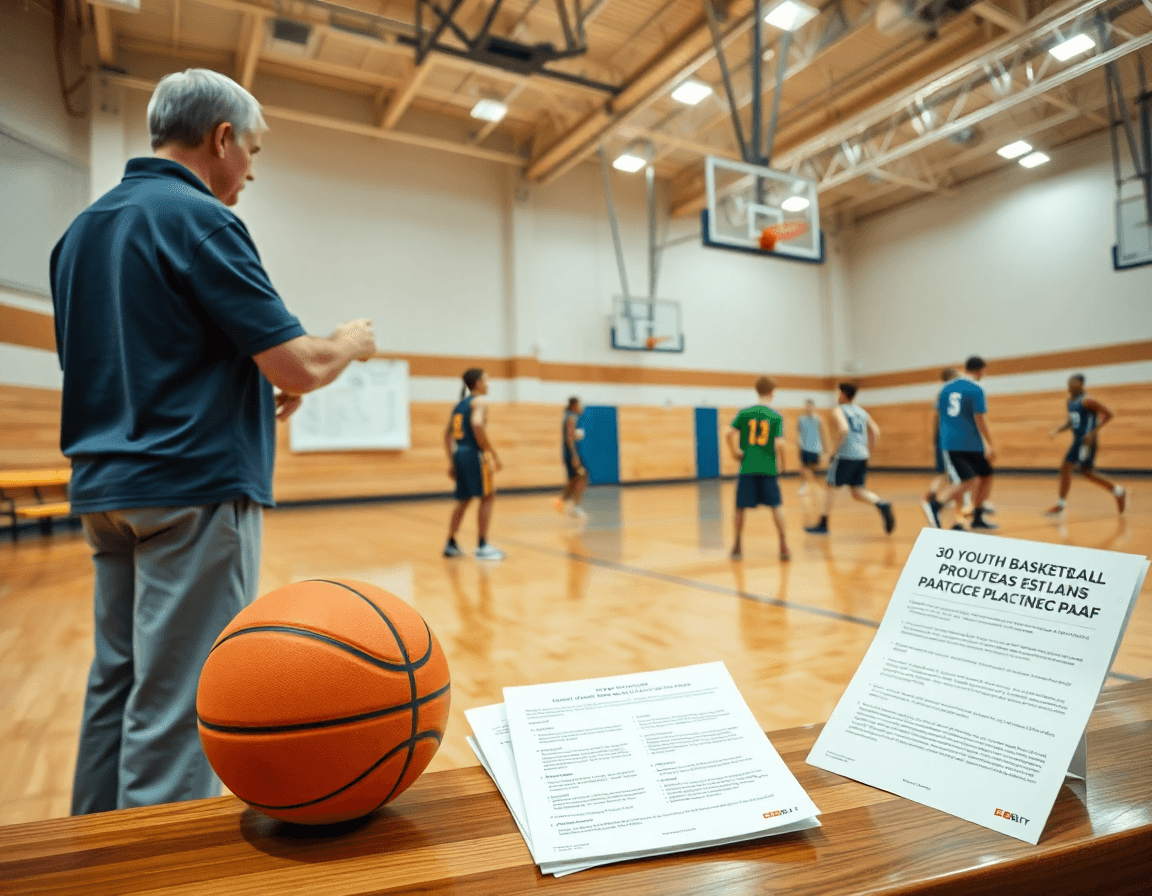
Plan 30 youth basketball practice plans pdf
Coach-focused guide to planning 30 youth basketball practice plans pdf for a season—learn to structure drills, plays, and clips in your coaching space.

Key takeaways
- Map season goals to the 30 pdf plans to create a repeatable weekly template.
- Outline 4 core blocks—shooting, ball handling, defense, and small-sided games—for a balanced week.
- Craft a 90-minute template with two blocks on Day 1; rotate others through the week.
- Use the drill and play library to attach inbound plays for seamless game-day execution.
- Keep notes in the coaching workspace linked to scouting insights for continuous refinement.
How to plan a week of youth practice with 30 pdf plans
Begin with season goals and map them to the 30 pdf plans to create a repeatable weekly template. When you align practice targets with this fixed library, you build consistency across sessions and trim planning time. This backbone keeps you in control of development, from fundamentals to game-ready decision-making. Use the 30 pdf plans as a blueprint for your weekly rhythm, adjusting only for that week’s scouting notes or opponent tendencies.
Outline 4-6 core blocks—shooting, ball handling, defense, and small-sided games—to cover in a week. For a typical cycle, dedicate a 90-minute window to two blocks on Day 1, focusing on shooting and ball handling, then rotate the other blocks through the remaining sessions. Keeping the blocks tight helps you tune intensity and progression, while still allowing space for quick video reviews and adjustments.
Use the drill and play library to assemble blocks and attach corresponding plays. Attach inbound plays and sideline options to the appropriate drill sets so your assistants can run the same sequence—no guesswork on game day. This is where you connect the action to the plan, moving from dry drills to connected, game-like scenarios.
Keep notes in the coaching workspace to align practice with scouting insights. Each block gets a running summary: what was observed, what to emphasize, and how it informs your next session. Link drills, clips, and scouting notes to a cohesive weekly workflow so everyone on the staff stays on the same page.
Export a printable PDF bundle for staff and volunteers. This is the handout that keeps the week visible on the sideline, with clear plan layouts and labeled plays. Use the export option to share the plan with your program, keeping the week organized and executable.
From plan to on-court action: turning pdf plans into practice blocks
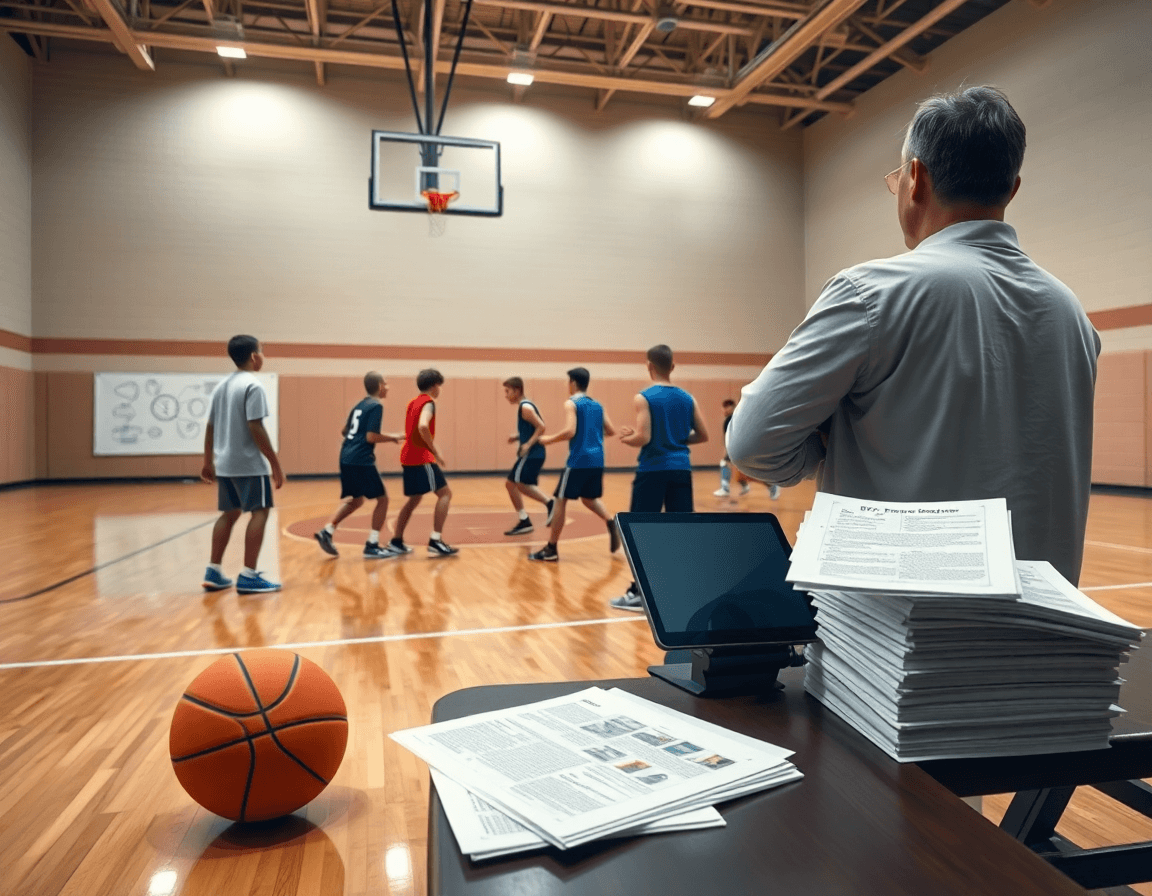
To plan effectively, import a pdf plan and map it to 60-90 minute blocks typical for youth practices. A common structure is a 10-minute warm-up; 20-25 minutes of individual skill work; 20-25 minutes of team concepts; a 15-minute block for competitive drills or a quick scrimmage; and a short cool-down. Use simple play drawings to illustrate inbound and sideline actions on the board, then run the corresponding on-court drills. This shows how a pdf plan becomes a sequence of actions rather than a static document. This approach helps turn pdf plans into practice blocks, with clear objectives tied to fundamentals and game-like reps.
Once the blocks are defined, link drills and plays to create cohesive blocks within the coaching workspace. The coach can view the entire week as a single map, toggling between a plan on the tactical board and the clip library. Generate printable PDFs of each block for quick reference during sessions, and attach scouting notes or inbound/sideline play options to keep everything aligned. Build progression steps from beginner to advanced within a block so a 4th-8th grade team can scale reps as skills develop, from basic stance and passing to decision-making in 2-on-2 situations. This workflow supports a consistent weekly routine: a quick video clip on the board, a short drive-by drill, and a note on scouting for the next opponent.
Structuring drills and plays by age: map 4th–8th grade to a season
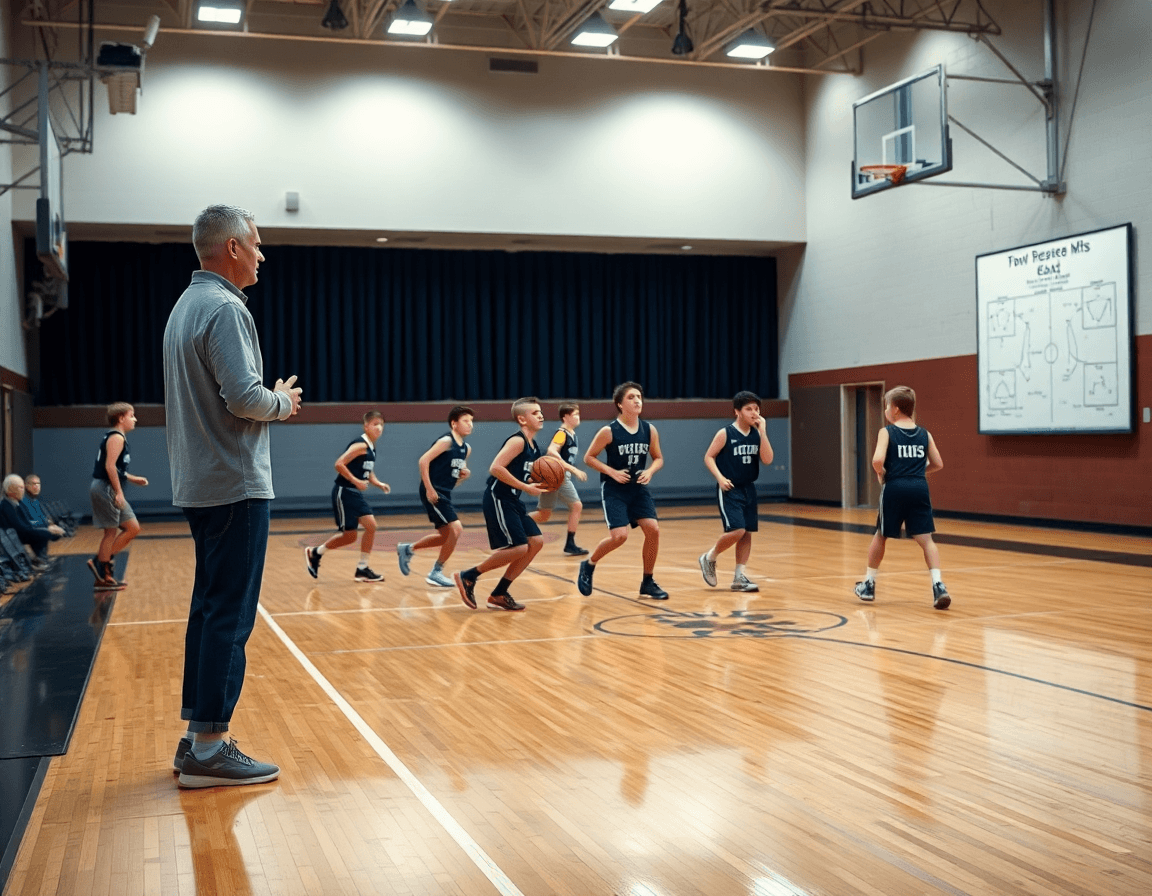
As you map the season for the 4th-8th grade group, pull age-appropriate drills from the library that match skill level. Start with fundamentals: form shooting, passing angles, and a basic ball-handling progression. Build in scalable challenges so each drill ramps from simple to more complex. Labeling drills by age band creates a clear path from individual skills to team concepts, setting the stage for later play design.
Plan a 60-90 minute practice that fits a typical youth schedule. A practical template runs warm-up and dynamic work, a 25-30 minute skill block, 20 minutes of live-rep application (3v3 or shell), then a short cool-down. Keeping segments tight protects focus and reduces drift. In the plan, tag each block to a target skill so you can print a clean, printable pdf of the session later.
Incorporate ball-handling workouts, zone offenses, and basic offense/defense playbooks. Use CourtSensei to draw and animate a zone Set, then export a PDF of the playbook for quick reference. Add short video clips of each concept and organize them into playlists to reinforce decisions on the floor. This creates a cohesive kit you can reference as part of a weekly workflow.
Progress fundamentals to game-rep situations suitable for 4th–8th graders. Move from form drills to decision-making in 2-on-2 and 3-on-3 sequences, then to inbound plays and sideline plays. Document the progression in your coaching workspace for accountability, linking drills, clips, and scouting notes in one place.
Using video and playlists to reinforce the plan
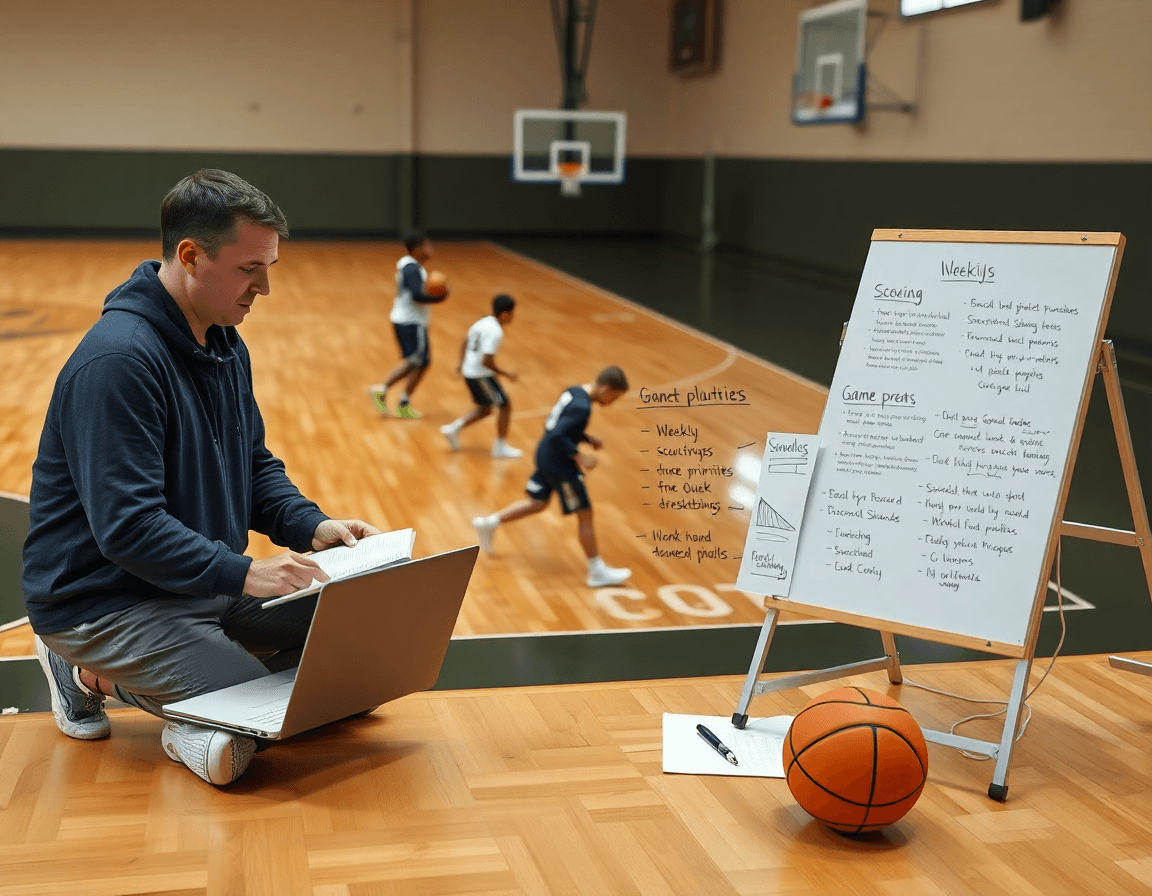
Using video to reinforce the plan starts with uploading game clips and drills, then trimming to the moments you want and organizing them into aligned playlists that map to your weekly blocks. If you lean on a printable resource like the 30 youth basketball practice plans pdf, mirror that structure in CourtSensei so drills, cues, and progressions line up with your plan. In the coaching workspace, every clip, drill, and note has a home, creating a repeatable routine for the week.
Within a block, use short clips to illustrate a specific action or counter. A 10–15 second clip can demonstrate spacing in a drive-and-kick against a zone, or a sideline out-of-bounds set against pressure. Clip management means selecting the moment that teaches the point, not an entire possession. A handful of clips per block helps players connect the dots across reps and formats the plan into on-floor decisions.
Share read-only links with assistants so they can review the clips and playlists without altering the master plan. This keeps the workspace as the source of truth, ensuring everyone references the same material—video tutorials attached to each drill, inbound plays, and scouting notes.
Use team huddles to review videos and reinforce the weekly plans. A quick look at the aligned clips helps players see inbound plays, sideline plays, and counters in context, making the plan tangible. As the week goes on, you can refresh playlists to reflect progress toward the 90-minute training blocks or the 4th-8th grade emphasis, keeping video, plan, and practice in sync.
Scouting and game-prep: weekly notes into practice priorities
Week by week, scouting notes become the compass guiding every practice. You attach scouting notes to weekly plans—opponent tendencies, defense schemes, and counters—so training priorities align with reality. Translate scouting insights into targeted drills and plays for the upcoming week, focusing on opponent actions and how your group can attack or neutralize them with purpose.
Keep game-prep notes organized in the coaching workspace for quick reference during film review, plan adjustments, or pre-practice huddles. The goal is speed and clarity: when a coach opens the plan, the next steps for execution are right there, no digging required. Link scouting material to the playbook and video clips to ensure execution, so on-court actions mirror what you diagram from the sideline to the ball.
If you’re building a week from a larger library, consider pairing your weekly plan with a printable pdf such as the 30 youth basketball practice plans pdf to map a clear 90-minute session. A compact bundle—inbound plays, sideline plays, and drive-and-kick sequences—helps you lock in pacing and progression across stations. In a short video clip or two, you can highlight a counters’ reaction, then mirror that reaction in the drills you run in the plan. The workflow ties everything together: scouting notes to game-prep notes, to the playbook, to clips, and back into the weekly practice priorities.
Printing, sharing, and exporting: PDF workflow for coaches
Printing, sharing, and exporting: PDF workflow for coaches. When your week is mapped with time-blocked drills and progression sheets, turning those pages into printable PDFs keeps the plan accessible on the sideline. Convert your plans and playlists into a single, tidy document you can pull up on a tablet or print for pre-practice. A starter set might be a 30 youth basketball practice plans pdf assembled from your library of drills and inbound plays, ready for quick reference during warm-ups and transitions. Clear, legible layouts save time and keep everyone on the same page.
Export season-wide plans and share with staff via read-only links. Generating a comprehensive plan that spans the whole season lets assistants review the layout without altering it. Maintain a centralized repo of drills, plays, and scouting material in the coaching workspace, where PDFs and clips align with each drill or play. With straightforward exports and restricted access, your weekly workflow stays consistent across sessions and coaching minds.
Use PDF exports to prepare for games and coaching notes. A game-week packet—drills, inbound options, and a concise scouting section—lets you walk through adjustments in a quick pre-game huddle. Link the action drawings, clips, and notes in the coaching workspace so you always know where to look for a given play or scouting detail. In practice, having a single, printable PDF packet serves as the anchor for your week, keeping you focused when the gym lights come on.
FAQ
What are some youth basketball drills and how should they fit into a 30 pdf plan library?
Within the 30 pdf plans library, coaches find a curated set of youth drills organized by skill area. Use core blocks like shooting, ball handling, defense, and small‑sided games to structure a week. Map drills into a 60–90 minute framework with progression cues, then attach inbound plays to the relevant drills so assistants can run the sequence on game day. This creates a repeatable weekly rhythm.
What is the purpose of youth basketball drills and how to align with weekly planning?
Drills build fundamentals, spacing, and game‑ready decision‑making. When planning weekly, start with season goals and map them to the 30 pdf plans to create a repeatable weekly template. This approach keeps sessions consistent and allows room for scouting insights or opponent tendencies. Focus on scalable progress from form work to live‑repetition concepts.
How can sample practice plans be structured using CourtSensei features?
Using the built‑in drill and play library, assemble 4–6 blocks across the week—shooting, ball handling, defense, and small‑sided games. With a 60–90 minute window, dedicate two blocks on Day 1 and rotate the others through the remaining sessions. Attach inbound and sideline plays to the drills so staff run the same sequence; export a printable PDF bundle for sideline reference.
How long should a youth basketball practice be and how often should drills be practiced?
A typical youth practice runs about 60-90 minutes. Plan 4–6 blocks across the week—shooting, ball handling, defense, and small‑sided games. In a standard cycle, two blocks on Day 1 and the rest rotate through the other sessions. Consistency beats volume; a steady weekly rhythm supports skill progression and makes scouting notes easier to apply.
What equipment is needed for youth basketball drills and how to manage video and clips?
Essential equipment includes a few basketballs and cones. For CourtSensei workflows, upload clips, trim to key moments, and organize into aligned playlists that map to your weekly blocks. Share read‑only links with assistants to review drills and clips, keeping everyone aligned without duplicating cues on the sideline.
Are there any drills or resources to improve shooting or conditioning for youth?
Yes. The library includes shooting drills and conditioning progressions that scale from beginner to game‑ready reps. Pair ball‑handling workouts with zone offenses and basic offense/defense playbooks to build decision‑making under pressure. Use short video clips to reinforce cues and structure the week so players translate form into tempo and competitive rhythm during 2‑on‑2 and 3‑on‑3 reps.