Youth basketball practice plans templates: weekly workflow
A coach-focused guide to using youth basketball practice plans templates to structure weekly sessions, with planning flow, whiteboard diagrams, and video clips.

Key takeaways
- Adopt a 60-minute framework (warm-up, skill blocks, team drills, scrimmage, cooldown) to build consistency and track progress.
- Centralize planning with a practice plan template in a library, so assistants follow the same steps every week.
- Frame weekly plans using editable templates and a drill library, mapping themes to core skills.
- Use a tactical whiteboard to diagram BLOB/SLOB/ATO/PnR and export PDFs for assistants.
- Leverage video clips to reinforce learning, organize them into playlists, and share linkable clips across staff and players.
Practical weekly workflow: 60-minute youth practice example
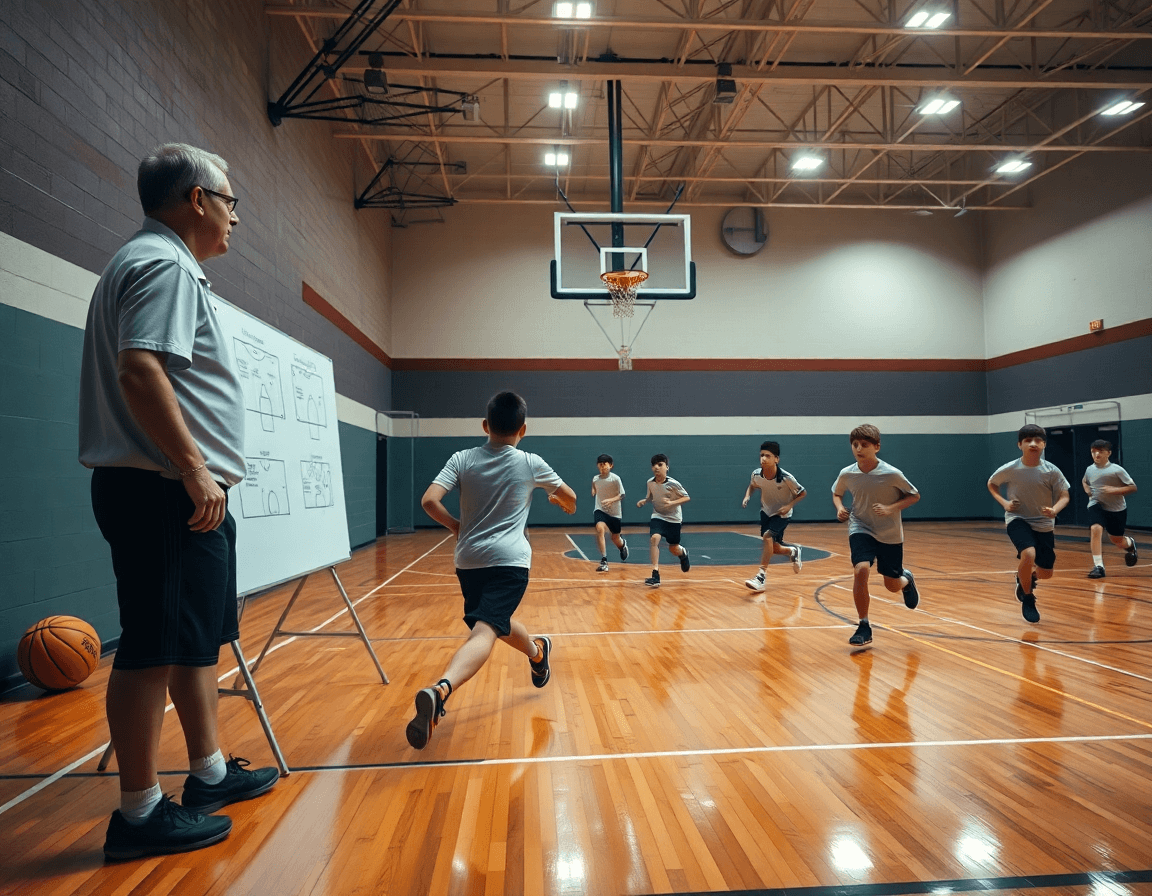
As a coach working with K–5 squads, I rely on a practical weekly workflow that starts with a clearly defined frame. A 60-minute practice becomes a repeatable pattern I can slot into any week—warm-up, skill blocks, team drills, scrimmage, cooldown. With CourtSensei, the plan lives in a centralized library as a practice plan template, and the same steps show up for every assistant. Players come to the gym knowing what to expect, and I can track progress from week to week.
Here's a sample timeline you can reuse: 0-10 minutes warm-up; 10-25 minutes skill blocks focused on ball handling and core skills; 25-40 minutes team drills with spacing and ball movement; 40-50 minutes scrimmage; 50-60 minutes cooldown. The progression is predictable so players understand the flow and you can measure gains. Each block has a compact goal (e.g., improve catch-and-pass timing). In CourtSensei you can export this as a PDF to share with assistants and keep the staff synchronized.
During the session, the whiteboard becomes the anchor for diagrams (BLOB/SLOB/ATO/PnR) while we run drills. After practice, snap a quick video clip or two and drop them into player playlists for feedback. The library also stores scouting notes on opponents and quick reference plays, with shareable links to push to assistants and older players. This keeps me from chasing notes and lets us focus on coaching.
Bottom line: this approach creates a repeatable weekly rhythm for youth basketball drills and keeps the plan adaptable for different ages in K–5. With a solid practice plan template, a clear 60-minute framework, and integrated video and scouting notes, you can evolve each week while preserving consistency.
Frame a weekly plan with templates and a drill library
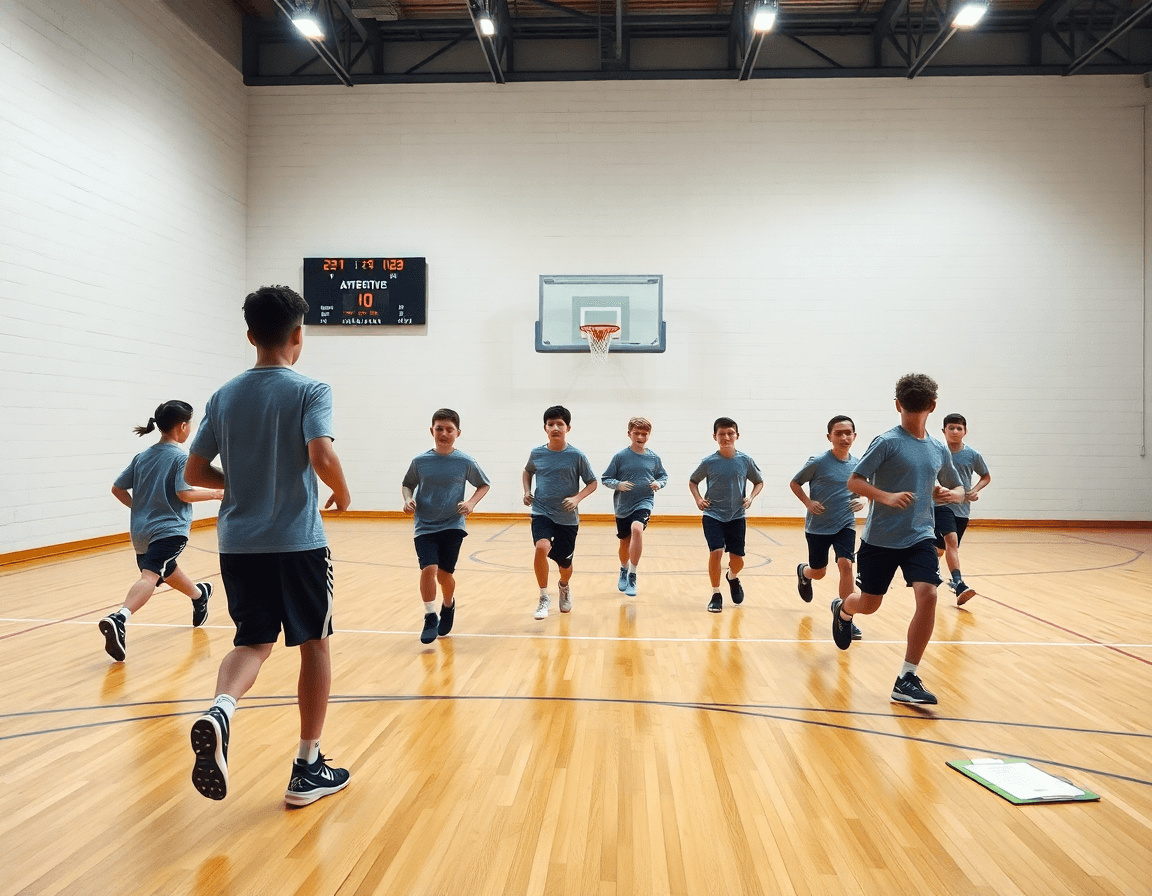
Frame a weekly plan using a couple of reliable anchors: a practice plan template that fits your age group and a library of drills you can pull from without starting from scratch. For K–5, map weekly themes to core skills like ball handling and finishing, while weaving in defense drills for balance. The aim is a repeatable rhythm that keeps practices tight and productive.
Start by pulling from editable templates and slotting in a handful of youth basketball drills that align with this week's theme. Use a standard warm-up, then a ball-handling station, then a finishing sequence. With an editable template, you can scale reps, adjust duration, and tailor sessions for different age groups without reinventing the wheel.
Frame the session around a clear weekly focus: a quick warm-up, a block for ball handling and core skills, another for defense drills, and a controlled scrimmage to apply concepts. Keeping this structure helps you pace reps, monitor progress, and avoid wasteful gaps in practice.
Maintain a standardized structure so assistants can prep quickly: a concise plan, a few video clips for feedback, and a cool-down that emphasizes recovery. A robust library of drills lets you swap in age-appropriate options while preserving the flow, so you’re ready for K–5 weeks or a shift in emphasis mid-season.
From a weekly workflow perspective, you draft in the plan, sketch plays on the whiteboard, attach brief video clips for players, and drop scouting notes into the same sheet for quick revisits. This keeps you grounded in your plan while enabling fast adjustments for the next week.
Communicate drills with a tactical whiteboard and diagrams
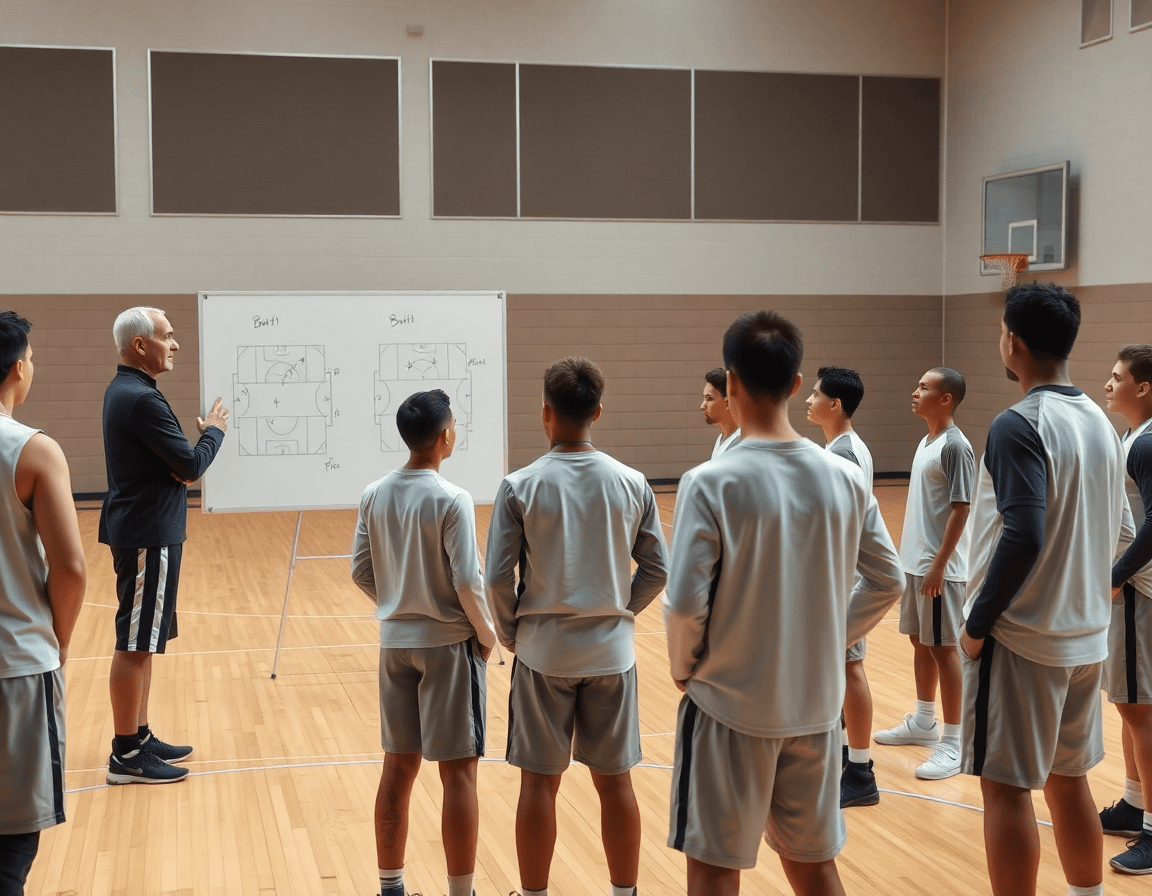
During a typical week, the tactical whiteboard is how I translate drills into on-floor action. I diagram plays and movements with simple symbols—BLOB/SLOB/ATO/PnR—so an assistant coach can see the flow at a glance. It’s not a clipboard full of scribbles; it’s a language players absorb quickly. With that visual language, we connect warm-up drills to core skills and defense drills, lining up the week’s plan from the warm-up through scrimmage.
Once the diagram is drawn, I add coaching points and progression steps to each diagram. The diagrams carry intent and the week’s progression, from ball handling into pace and spacing. When it’s time to share, I export diagrams as PDFs for printouts or to hand to assistants who run stations.
On practice day, the board stays visible as we run the sequence. We reference the diagram for each drill during the scrimmage and callouts, and the play options like PnR are tagged with the same language. A quick shareable link to the diagram lets players review the setup at home or in the film room, and you can attach a short video clip for context.
Leverage video clips to reinforce learning
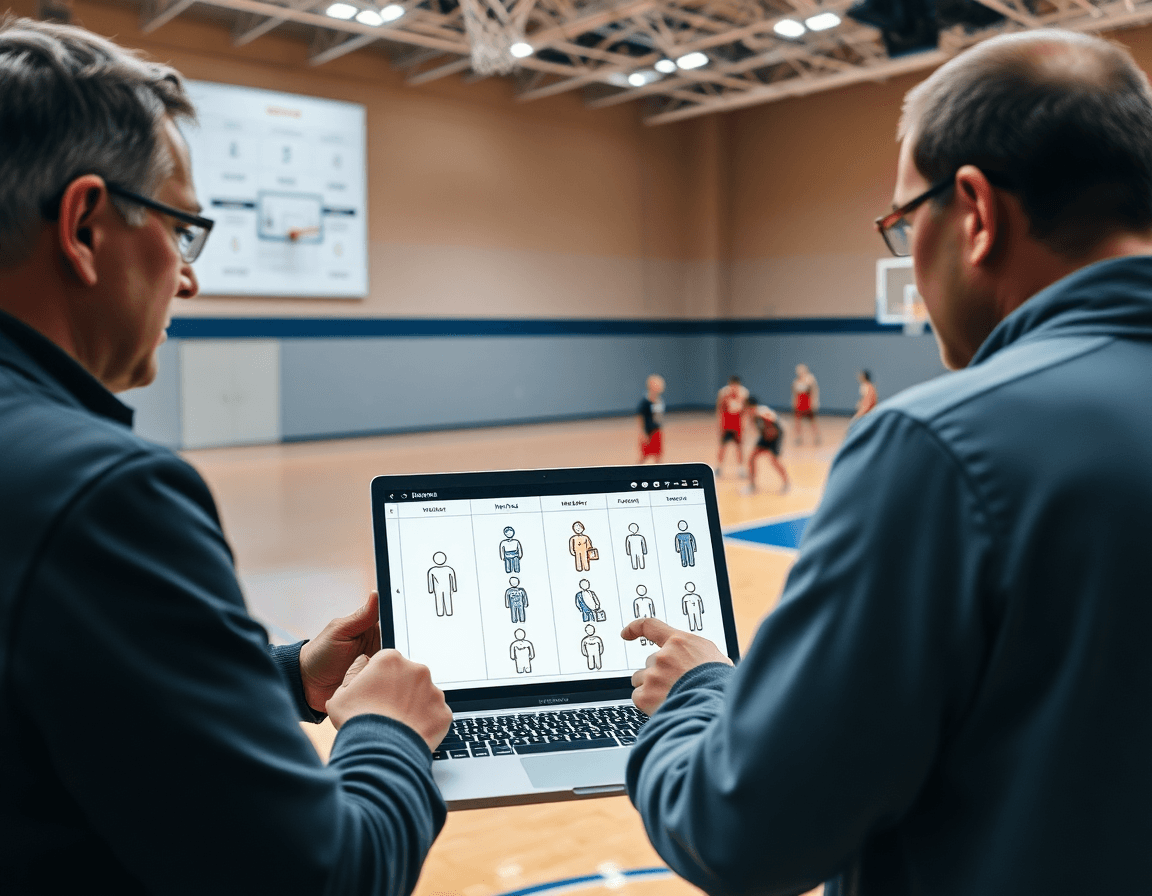
As a coach, I lean on video clips to reinforce learning. Clip relevant game or practice footage into short segments that spotlight one concept—ball handling, footwork, or decision-making. When I connect those clips to our youth basketball drills and a solid practice plan template, players see the exact moves and the context that makes them click.
Organize clips by drill or player target and share via playlists. Creating a playlist for a defender-drill progression or a sophomore guard’s ball-handling work keeps feedback consistent. The ability to send shareable video links to assistants and players means everyone stays on the same page, even when they’re in different gyms.
Use short video clips to demonstrate technique and run-throughs during practice. A quick on-floor clip can illustrate a proper stance before a close-out or an exact sequence in a pick-and-roll. During walkthroughs, show the clip, pause for a cue, and let players imitate the motion—then reset with a fresh clip to confirm understanding.
All of this fits into the weekly workflow: clips live in the centralized library, linked to the plan for the week, and tied to scouting notes and player feedback circulation. In CourtSensei, you can tag clips to specific drills like ball handling, defense drills, or scrimmage scenarios, and generate shareable links to coordinate with assistants while collecting quick player feedback. This approach keeps video as a direct, actionable part of the practice plan template and the ongoing development of core skills.
Scouting and opponent prep integrated into weekly planning
As I map out the weekly plan, I slot a quick scouting note for each foe, right alongside the practice objectives. I jot one-liners on their opponent tendencies—where they pressure the ball, how they defend ball screens, and where their weak links show up in transition. I keep these as simple scouting reports that I can reference in the training plan and on the tactical whiteboard. This is where the central idea of game prep comes to life: it’s not a long dossier, it’s a practical lever to shape the week’s drills and emphasis.
From there, I plan drills that exploit observed tendencies. If the foe tends to overhelp in the paint or struggles with quick ball reversals, I schedule quick-transition sequences and early-attack scenarios in the warm-up and core skills sessions. On the whiteboard, I diagram BLOBs and PnR actions to mirror those tendencies, then add targeted defense drills to test our rotations. The goal is to translate what we see into concrete reps—ball handling under pressure, decision-making in pick-and-roll, and smart decision-making in late-clock situations—so the boys carry those habits into game prep.
All findings get documented in a central plan for future weeks, linked across the practice plan templates and scouting notes. I create a shared, linkable scouting note for each foe and drop it into the weekly plan, so assistants can review, tweak, and align with the playbook. When game prep time arrives, the team has a clear map: opponent tendencies, adjusted drills in the training plan, and a concise PDF export of the week’s scouting and progress. This keeps youth basketball drills focused and repeatable, from warm-ups through scrimmage and cool-down.
Collaborate with assistants through shared plans and playlists
As a head coach, you need a clean weekly cadence. With youth basketball practice plans templates, you publish a complete week and lay out clear roles for assistants. In CourtSensei, the week lives in a central library, and you drop in blocks for warm-up drills, ball handling, and core skills, then assign tasks like one assistant running the warm-up while another sequences the defense work. A true shared plans approach keeps everyone aligned before the first whistle.
From there, use playlists to organize video clips by drill progression. Create a playlist for every segment—warm-up through cool-down—and shareable links to clips that illustrate exact technique or progression. A clip from a scrimmage showing a ball-screen read becomes a reference you can send to any coach or player, keeping everyone on the same page without duplicating effort.
Collect feedback through the plan itself. With assistant collaboration, assistants can annotate plans, adjust drill order, or add notes from practice on defense drills or cool-down routines. The team can watch a quick clip, discuss improvements to ball handling or scrimmage setup, and update the youth basketball drills library accordingly. The loop is quick: feedback, tweak, publish again.
Over time, this workflow turns the library into a scalable resource. Each week you publish plans with clear roles for assistants, distribute clips with progression, and keep a tight feedback loop. You’re iterating the practice plan template to fit your age group and season—covering youth basketball drills from warm-up to scrimmage and cool-down. The result is a coordinated, coach-to-coach rhythm that moves with your team.
If you build plans like this every week, CourtSensei keeps your drill library, whiteboard, and video clips in one place — try it free.
FAQ
What should a youth basketball practice plan include?
A solid youth plan lays out the week in blocks: warm-up, skill development, team drills, scrimmage, and cooldown. Include clear goals for each block, a predictable rhythm, and notes for assistants. Use a centralized practice plan template and a library of drills so every session mirrors the same structure. Track progress weekly, adjust reps, and keep players aware of the plan.
How long should a youth basketball practice last?
Most K–5 teams run about 60 minutes, with 75 minutes as a stretch if kids stay engaged. Start with a quick warm-up, then skill blocks, then team work, a short scrimmage, and cooldown. Tailor the duration to attention spans and age, but keep a consistent practice window your players can rely on.
How do you structure a 60-minute youth basketball practice?
Here's a practical timeline you can reuse: 0-10 minutes warm-up, 10-25 minutes skill blocks focused on ball handling and core skills, 25-40 minutes team drills with spacing and ball movement, 40-50 minutes scrimmage, 50-60 minutes cooldown. The progression is predictable, so players understand the flow and you can measure gains. Export this as a PDF to share with assistants.
Where can I find free youth basketball practice plans?
Look to coach communities, associations, and libraries that share templates and drills. A library of drills and editable templates let you adapt plans without starting from scratch. Many sites offer free practice plans you can export as PDFs to share with assistants. Start with a simple starter plan, then customize for age and theme.
What are some essential drills for 8-12 year-olds?
A practical set focuses on core skills: ball handling, passing, finishing at the rim, footwork, and basic defense. Use age-appropriate drills like cone dribble courses, partner passing with targets, finish-at-the-rim sequences, and defender-reaction drills. Keep reps high but tempo light to build technique and confidence for players in the 8–12 range.
How do you create an effective youth basketball practice plan?
Start with a clear weekly focus and pull drills from editable templates. Keep the plan concise so assistants can prep quickly, and attach short video clips for feedback. Review progress weekly, adjust reps, and note scouting insights for context. This approach preserves consistency while letting you tailor the plan to different age groups.