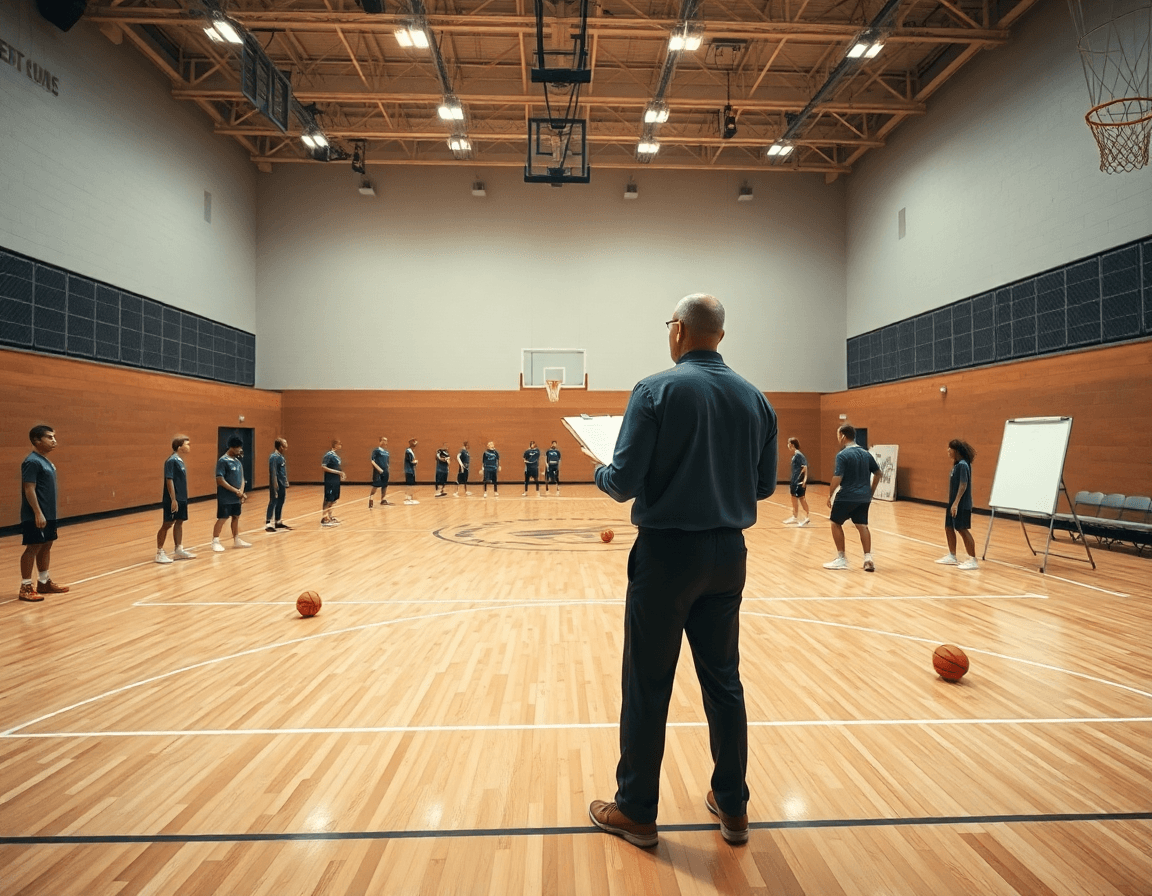
College Basketball Practice Plan Template
Plan a weekly college basketball practice with time blocks, mapped drills, and exportable plans, plus ideas to organize video clips for game prep.

Key takeaways
- Adopt time blocks in a six-block weekly cadence: Warm-up, Skill Development, Team Offense, Team Defense, Competition, Conditioning.
- Build a living drill library aligned to core skills and game contexts for freshmen to seniors.
- Link drills to weekly plans with a visible progression, facilitating clear game-to-practice transfer.
- Visualize plays and actions alongside time blocks to reduce cues and accelerate learning.
- Export printable plans as PDFs for staff briefings and film sessions, ensuring quick reference.
Frame a weekly practice plan with time blocks
A weekly routine hinges on time blocks. Structure sessions into six blocks: Warm-up, Skill Development, Team Offense, Team Defense, Competition, and Conditioning. Each block targets a distinct objective and minimizes downtime between drills. When you plan a week, aim for a predictable cadence across practice days so players know what to expect and staff can stay aligned. This approach also makes it easy to balance skill work with game-ready reps, reducing the scramble between drills and demonstrations.
To hit the target length, map minutes per block to your game day or scrimmage goal. For a typical 90-minute session, you might allocate roughly 10 minutes for warm-ups, 25 for Skill Development, 20 for Team Offense, 15 for Team Defense, 15 for Competition, and 5-10 for Conditioning. Use a ready-made college basketball practice plan template to keep the schedule consistent week over week, so transitions stay clean and players stay engaged.
In CourtSensei, you can build this cadence inside your coaching workspace with a drill library at the ready. Create an animated play for Team Offense, assign it to the block, and export a PDF for staff briefings. Upload a clip from a prior session, clip the critical sequence, and assemble a short video playlist for the upcoming week. Tie in scouting notes and link drills, clips, and scouting materials so everything relevant sits under one roof, ready to reference during Team Offense and Team Defense.
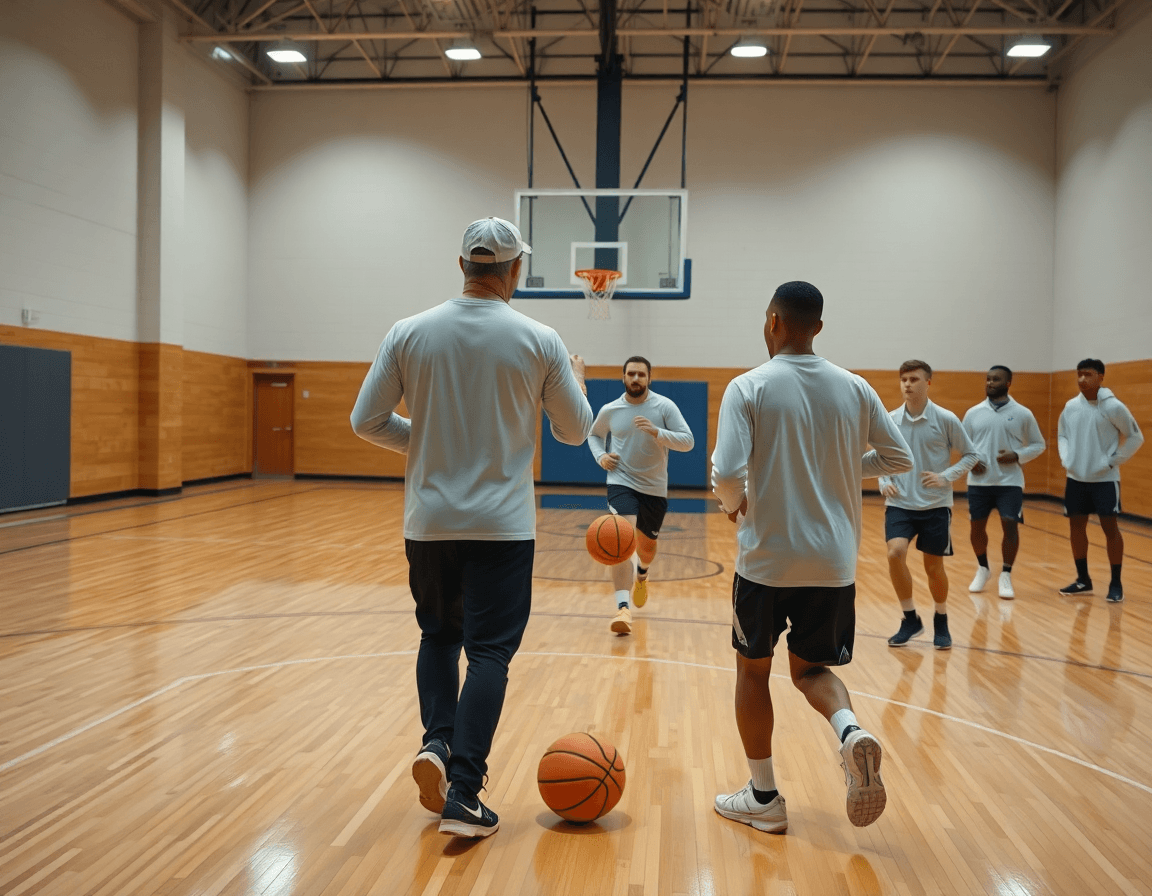
During practice, start Warm-up with a mobility and ball-handling circuit from the library, flow into Skill Development with two to three progressions, then walk through a play in the Team Offense block using the animated diagram. After Team Defense, run a controlled scrimmage in the Competition block and conclude with Conditioning that mirrors the day’s intensity. The routine supports a steady, teachable tempo and a clear path from drill to game-ready execution.
Build a drill library for college players
A solid college practice starts with a well-organized drill library. Build it around core skills—shooting, ball handling, defense, and transition—and tag each drill by game context, from 4-out offense to late-clock defenses. Treat the library as a living resource for skill development, so freshmen can access fundamentals and seniors canedge into advanced reads. Each drill should include clear coaching points and a defined outcome to aim for.
Link drills to the weekly plan so players know the purpose and progression. In your time-blocked schedule, pair drills with a logical flow: warm-up, skill development, team offense, team defense, and scrimmage. Show how a drill feeds into the upcoming opponent’s looks, and keep a visible progression that players can follow from week to week. This keeps every session feel intentional, not random.
Include coaching points and progress notes to track growth over the season. Attach concise reminders on technique, decision-making, and communication to each drill, and record quick progress notes after each session in your practice log. Over time, you’ll see patterns emerge—where players improve, where they stall, and how to adjust the plan accordingly. Use the library as a reference during scouting notes and when linking clips to drills, ensuring the weekly plan stays connected to game prep.
Example flow: a shooting progression placed in a time block—form shooting, catch-and-shoot, then off-the-dribble—each with coaching points and a brief clip to illustrate the concept. The result is a cohesive, video-enabled, playbook-ready routine that fits a college practice plan template and supports ongoing skill development.
Integrate plays and actions visually
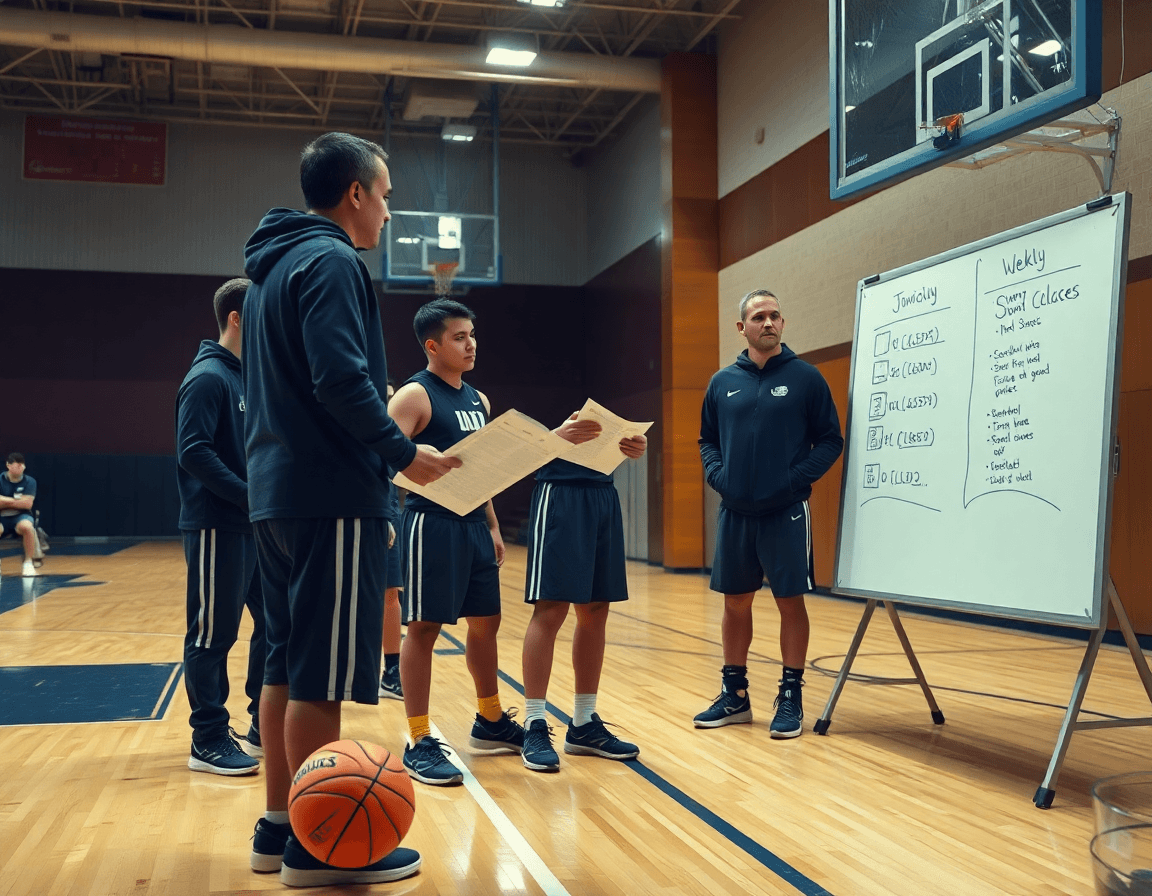
In a college basketball practice plan template, the visual map matters as much as the drill list. Use diagrams to illustrate drawn plays and actions that align with each practice block—warm-up, skill development, team offense, team defense, and the scrimmage. A clean playbook lets you show movement without lengthy verbal cues. Include coaching points at key decision moments (entry passes, screen angles, ball reversals) so players see exactly what to execute. When your diagrams match your time blocks, the flow feels natural and players know what to expect on game week. In CourtSensei, you can create time-blocked plans with an integrated drill library and attach the visuals directly to each block.
Build a weekly playbook that accompanies the plan with teaching cues tied to each diagram. For every drawn play, attach coaching points, drill progressions, and a linked scouting note that explains when to use it in a game scenario. This is where the integration shines: actions connect to drills and scouting so transfer to game situations is clearer. In your workspace, you can annotate motion, show guards punching through a screen, or wings reversing the ball—everything stays tied to the weekly plan within one place. The result is a cohesive, teachable framework you can reuse across refine-and-repeat cycles.
At a glance, align the blocks with a practical progression: warm-up with mobility and passing, skill development through technique-focused drills, then team offense, team defense, and finally scrimmage. The visual playbook makes it easy to see how a set of actions ties to a drill and to a scouting takeaway, so adjustments are straightforward when a matchup demands different spacing or tempo. If you export a PDF of the illustrated playbook, staff can review it during meetings or film sessions, keeping teaching points consistent and ready for the next practice.
Export and share printable plans
Your weekly plan in a college basketball practice plan template is only as good as how easily it can be shared. With a PDF export, coaches can generate clean, printable plans that staff and players can access off the bench or in film sessions. The printable template should reflect your time blocks, pull from the integrated drill library, and keep headers clear so everyone reads the same page.
Design layouts that work in both half-court contexts and full-court play. A consistent header scheme keeps sections like Warm-up, time blocks, Skill development, Team offense, and Scrimmage easy to scan. The printable plan should map each drill to its block, so you can run a smooth progression from warm-up through the scrimmage.
Alongside your blocks and drills, add a simple notes section to capture what worked and what needs adjustment. A short line for each drill lets you summarize coaching points, player responses, and any tweaks for the next session. This keeps your PDF export as a learning tool, not just a checklist.
When the plan is ready, perform a PDF export and print copies for staff rooms and player benches. A print-ready document helps bench discussions during timeouts and film sessions without pulling players from drills. Keep a digital copy in the coaching workspace for quick edits, so block details stay accurate across Warm-up, Skill Development, and Scrimmage.
Video integration: clip, tag, and playlist management
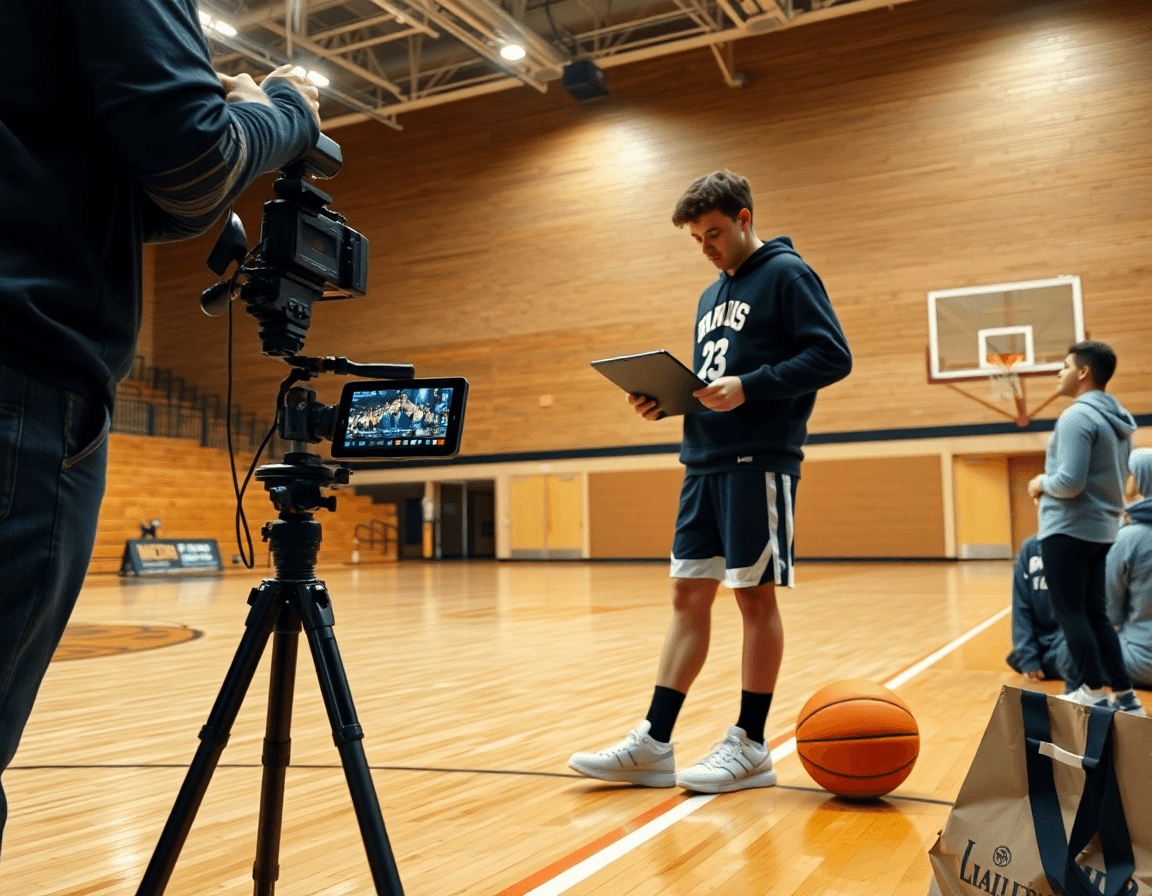
In a college basketball practice plan template, you allocate a dedicated time block for video work. With video integration, coaches can upload videos, clip key moments, and tag by drill or player. That concise clip reel becomes the backbone of your walkthroughs, anchoring teaching points to concrete footage rather than memory.
Build playlists for quick access during coaching sessions and teaching moments. A well-structured playlist lets you pull up a relevant clip or sequence on the fly, keeping transitions smooth and explanations crisp. Share read-only links with assistants and staff to align on teaching points without altering the source material.
Use tag-based organization to connect clips to drills, players, and scouting notes, so your library mirrors the weekly plan. For example, a clip labeled 'ball-screen defense' tied to a 'Team Defense' drill card now sits beside the playbook page where that concept is practiced. This makes it easy to toggle between plan, clip, and drill without losing context.
During a short practice window, you can cue a clip from the 'Transition' playlist to illustrate spacing in a fastbreak. A quick clip, followed by a teaching moment, keeps the session tight and focused. The ability to share read-only links and to build purpose-driven playlists supports a clean, video-backed weekly cycle in your college basketball practice plan template.
Scouting notes and game-prep in the same workspace
Within a college basketball practice plan template, you can keep scouting notes and game prep in the same workspace. Time blocks structure the week, while a linked drill library ensures you can pull in relevant actions on the fly. Attach scouting reports to the weekly plan and map opponent tendencies to specific drills and plays. If you need a quick visual, draw or animate a few sequences to show how you’ll counter a ball screen or exploit a matchup, then export a clean PDF for staff review.
During the week, upload scouting clips and notes, keeping everything organized in playlists and read-only links for fast access during prep. Use game-prep notes to steer practice focus toward what matters against the upcoming opponent—adjustments for transition pressure, or a tighter walk-through on a key set. Link these notes to the drills, clips, and scouting materials so you can pivot without leaving your workspace.
On game-day prep, you’ll run a tight sequence: time blocks for warm-up, skill development, and the core work of team offense and team defense, capped with a controlled scrimmage. With scouting materials centralized, you pull the relevant clips and notes while you coach, annotate on the board or in the video, and keep everything ready for quick reference during prep. The workflow stays streamlined, helping you translate opponent actions into concrete adjustments and a focused weekly plan.
Practical workflow: a 60-minute weekly planning step
Across college programs, the most effective weekly planning for practice starts with a 60-minute window and a clear, time-blocked structure. This approach aligns with a college basketball practice plan template: warm-up, skill development, team offense, team defense, and a coached scrimmage. The coach builds the plan in the CourtSensei workspace, where every block corresponds to a drill or sequence from the integrated library. The aim is consistency, so the same rhythm carries through every week, with room for adjustments.
Step 1: gather opponent tendencies and scouting notes to set the week’s focus. Step 2: pull drills from the library that map to the planned time blocks—warm-up, ball handling, shooting, and transition. Step 3: assign blocks on the plan that align with practice priorities. Step 4: prepare concise video clips and playlists to illustrate concepts. Step 5: export the plan as a PDF for coaching staff and players. Step 6: link drills, clips, and scouting notes in a single workspace for easy access.
With this 60-minute plan, weekly planning becomes repeatable. The same five to six steps repeat, producing a consistent rhythm for warm-up, skill development, team offense, defense, and scrimmage. The power is in sharing: a single link or a read-only export lets staff and players stay aligned without late emails. By connecting drills, clips, and scouting notes in one workspace, the coach maintains context for every drill and decision during the week.
Within CourtSensei, this approach keeps actions, drills, clips, and scouting materials in a single coaching workspace. It’s a straightforward way to organize a college basketball practice plan template without overhauling the weekly routine.
FAQ
How long should a basketball practice last?
Most college practices run about a 90-minute window, though schedules can stretch during game week. Use a time-block cadence to keep focus and reps aligned with game-day demands: Warm-up, Skill Development, Team Offense, Team Defense, Competition, and Conditioning. A consistent duration helps players pace recovery and staff plan walkthroughs.
What should be included in a basketball practice plan template?
A solid template should include week-by-week cadence and each block’s objective. Include a time-block map, a linked drill library, animated plays or diagrams for Team Offense and Team Defense, a place for scouting notes, and an export-ready PDF. Tie drills to game looks so players understand purpose and progression.
How do you structure a 90-minute basketball practice?
Structure a 90-minute practice with a six-block cadence: Warm-up (10), Skill Development (25), Team Offense (20), Team Defense (15), Competition (15), Conditioning (5–10). This cadence keeps energy steady and makes transitions clean. Start with mobility and ball-handling, progress through the blocks to a game-like finish.
What warm-up activities are effective for basketball?
Effective warm-ups include mobility, dynamic movement, and ball-handling. Start with a dynamic warm-up, then a short ball-handling circuit and light shooting form. Pull drills from your drill library and map them to the day’s blocks so the tempo flows into Skill Development.
Should practice include scrimmage every day?
No—daily full-court scrimmage isn't ideal for development. Plan one to two controlled scrimmages per week within the Competition block, plus brief situational scrimmages as needed. This reduces fatigue and preserves growth in skill and concepts. The rest of the week can focus on technique, team concepts, and scouting notes.
How can you adapt a practice plan for different levels (youth, high school, college)?
Adapt by adjusting complexity and decision speed while keeping the six-block framework. For youth, shorten sessions, simplify reads, and use more basic progressions; for high school, add more real-game sequences and longer warm-ups; for college, emphasize advanced reads, tighter rotations, and a game-context atmosphere. Tag drills by opponent look to stay scalable.
How can game stats inform practice planning?
Use game stats to identify trends and guide tomorrow's focus. If late-clock decisions or spacing break down, pull targeted drills from the library and attach a concise scouting note explaining when to use them against a specific look. Keep this linkage in your playbook for easy reference.