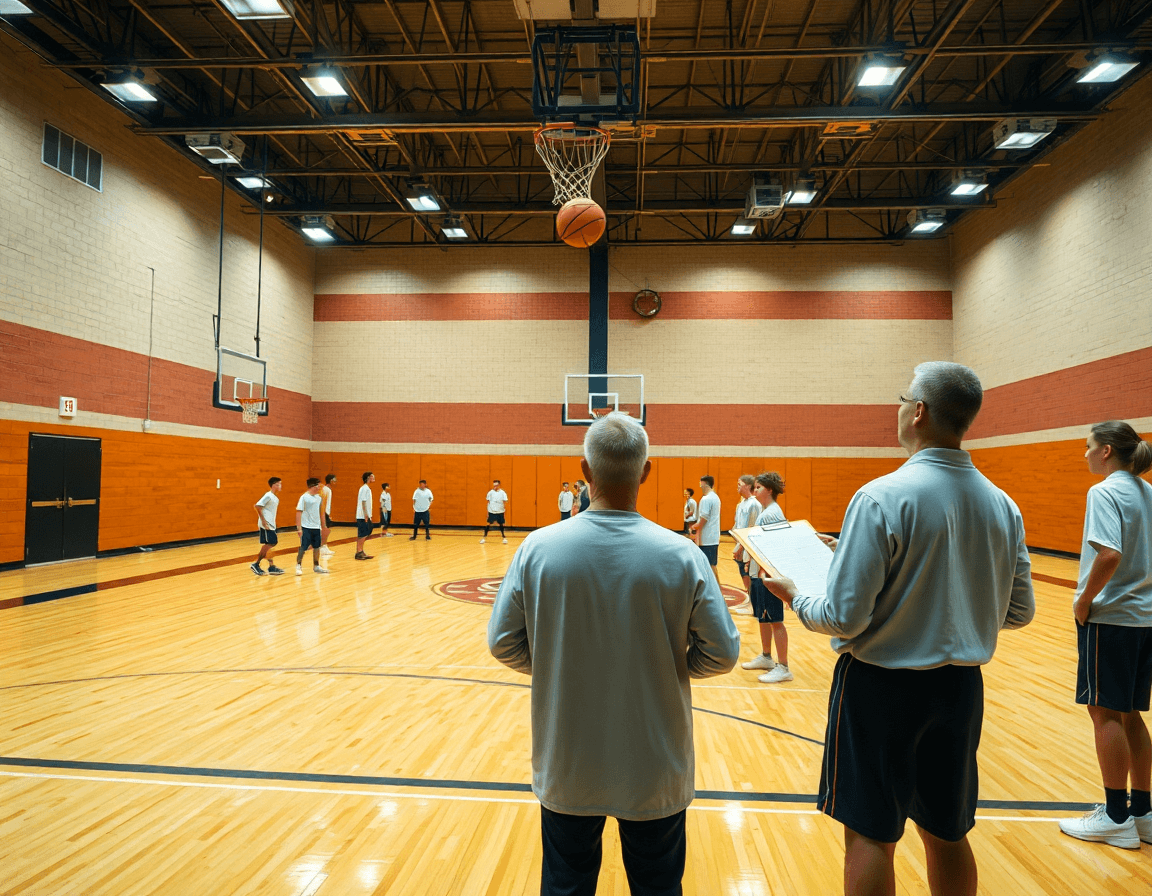
High School Basketball Practice Plan Template
A coach-focused guide to using a high school basketball practice plan template to structure weekly blocks, drills, and scouting notes in one workspace.

Key takeaways
- Define weekly objectives aligned with season goals to keep every practice purpose-driven and measurable.
- Time-boxed blocks help tailor for varsity vs JV rosters and guarantee quality reps.
- Attach drills and clips to create a feedback loop that makes next-step adjustments clear.
- Structure weekly blocks to reuse drills, clips, and scouting notes across the season.
- Define Measurable objectives and align drills to track shooting, decision-making, and spacing improvements.
How to plan a high school practice using a template
Using a template to plan a high school practice helps keep the week focused on the right outcomes. Start by defining weekly objectives aligned with season goals. This creates a clear path for every practice, so drills, decision-making, and feedback reinforce the same priorities.
Structure the session into five blocks: warm-up, skill work, team concepts, scrimmage, and review. A template lets you time-block each segment and ensure transitions are smooth. With a single plan, you can map out what players actually do in each block and keep tempo consistent for both varsity and JV rosters. Focus on keeping the flow predictable so players know what’s next and coaches can measure progress at a glance.
Time-box each block and scale for varsity vs. JV rosters. Shorter blocks keep players sharp and emphasize quality reps, while larger rosters may require more frequent substitutions and clearer role definitions. The key is consistency: the plan should feel familiar every week, yet be flexible enough to accommodate injuries, class schedules, and opponent adjustments.
Attach drills from the library and link to clips for feedback. As you plan, pair a drill with a corresponding clip so players can see technique on film and on the floor. This creates a quick feedback loop within the template, making adjustments tangible and actionable for the next session.
Within a coaching workspace, you can store this weekly plan, build and customize playbooks, and export PDFs for staff or scouting notes. The workflow includes drawing and animating plays, plus linking drills, clips, and scouting notes to actions on the board. A simple base plan can grow into a complete weekly routine.
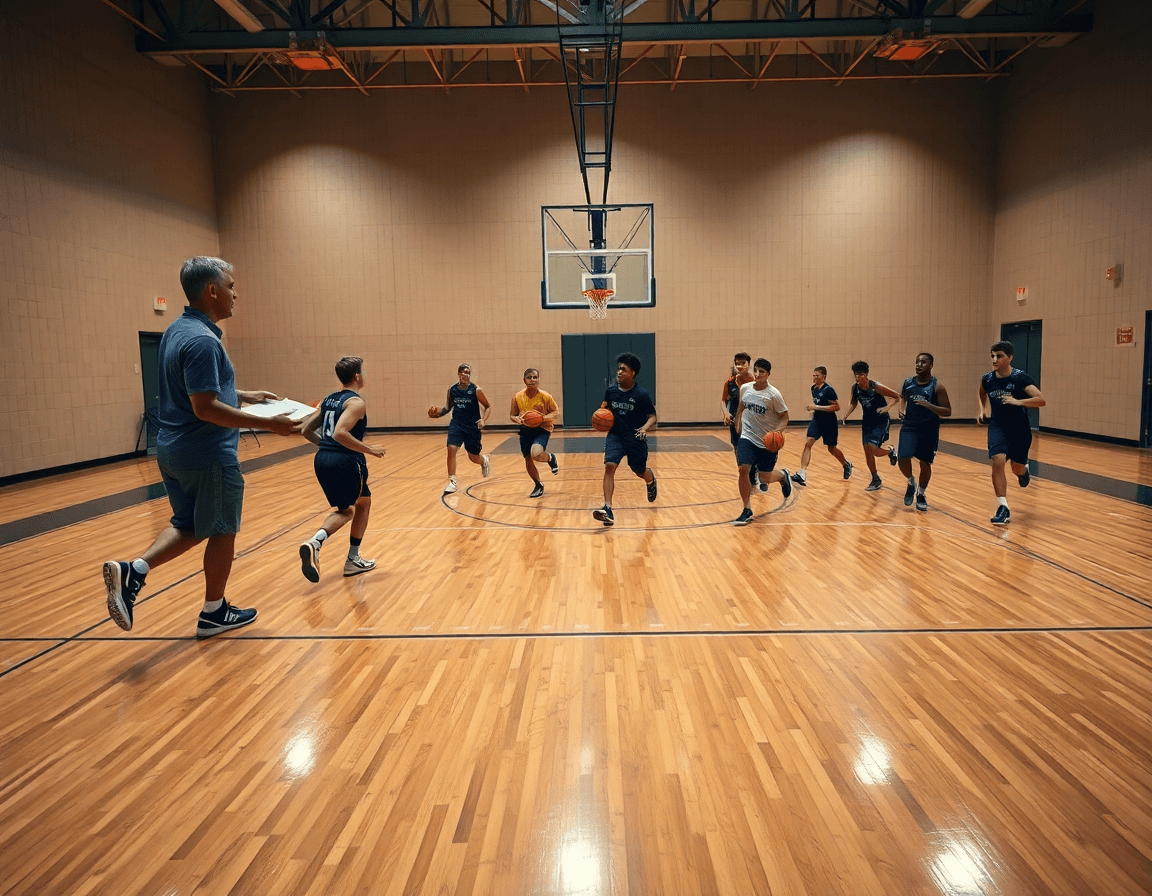
How to structure weekly blocks in a HS practice plan
As you map a high school week, lock it into a set of time-blocked training plan blocks that feed one another. In CourtSensei, the time-blocked training plan library helps you structure Monday through Friday into consistent segments, so you can plan, store, and adjust without re-inventing the wheel. For a typical practice, you can run five blocks: Warm-up, Skill Work, Team Concepts, Scrimmage, and Review. Each block has a clear purpose and fits neatly into your weekly schedule, enabling you to reuse drills, clips, and scouting notes across the season.
Begin with Warm-up: a short sequence of dynamic mobility followed by a shooting progression to dial in technique and range. Next, Skill Work focuses on form reps and decision-making drills—layups, pull-up jumpers, and quick reads at game pace. In Team Concepts you’ll cover shell defense, spacing, and rotations, using your play-drawing tool to sketch options, then animate them for quick reference on the board. As you move to Scrimmage, run a controlled 5v5 with progressive constraints—start with no dribble, then add screens, then overloads to sharpen recognition. Finally, the Review block offers a quick film note pass and clear next-step actions, tying each sequence back to the plan and the week’s goals.
The coaching workspace keeps the flow intact: you can attach clips to each block, build and export playbooks as PDFs, and keep film notes and scouting notes linked to the relevant week. With this setup, the weekly blocks stay organized, and you can adapt the template as roster needs shift. The result is a repeatable, scalable plan that a head coach or assistant can trust during the week.
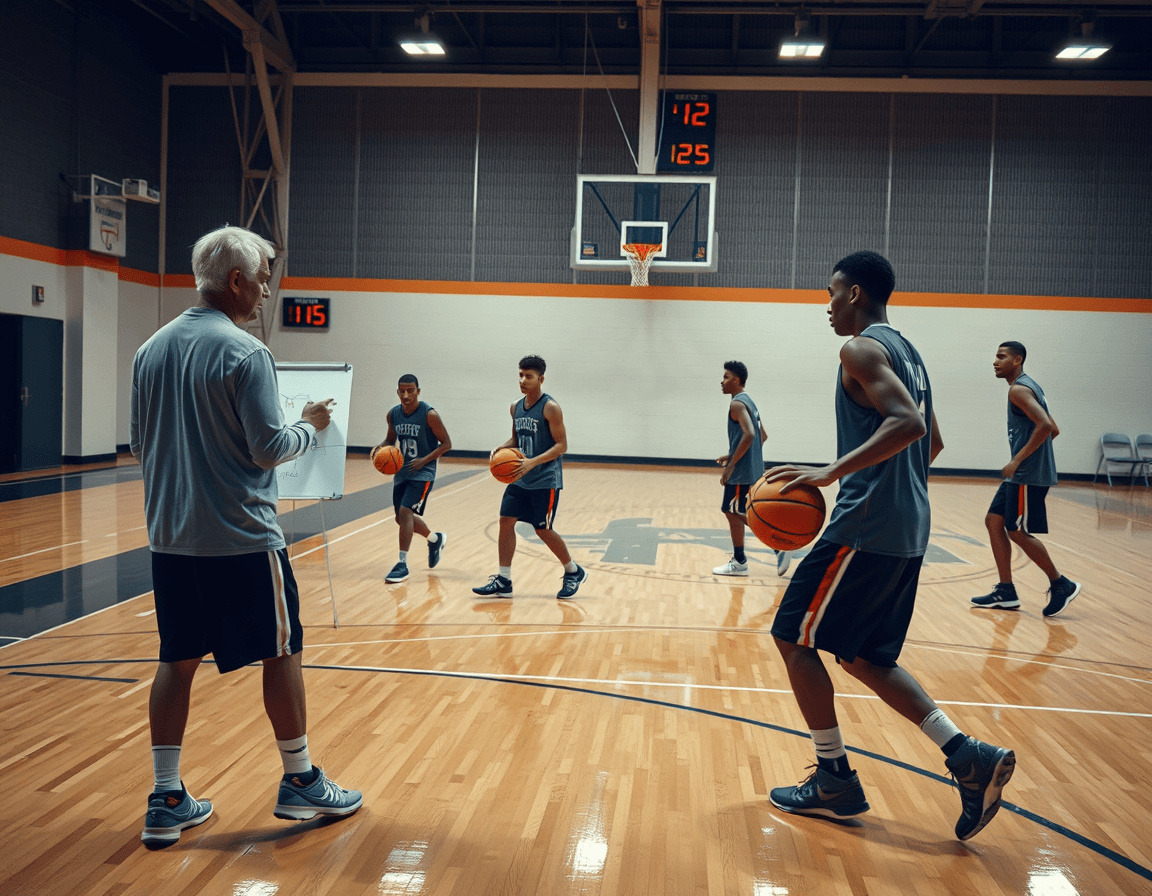
Checklist for a weekly practice plan
As you build a weekly agenda, treat this as a blueprint rather than a loose collection of drills. The right checklist for X in weekly training keeps you disciplined: it aligns your warm-up, skill work, team concepts, and film review under a single framework. In CourtSensei, you can anchor each item in a time-blocked training plan library and move quickly between drills, clips, and scouting notes in your coaching workspace.
Measurable objectives: Define specific targets (shooting percentage, decision-making cues) and ensure drills are designed to measure them.
Time allocations: Fit blocks to roster size and session length; include buffers for adjustments.
Warm-up and skill work: Dynamic warm-up, ball-handling, shooting progression, and first-pass skill drills.
Team concepts and scrimmage planning: Install spacing, reads, and transition, with a planned scrimmage that mirrors game pace.
Film review and scouting: Schedule short clips, key scouting notes, and quick team issues to address.
Adjustments for next session: Build in flexibility to pivot based on last game results and practice tempo.
Documentation and sharing: Prepare play drawings or animations, store in the workspace, and export to PDFs or share via read-only links.
With this checklist in place, you can customize weekly templates for a realistic high school basketball practice plan. It supports your checklist for weekly practice by tying each block to drills, clips, and scouting notes, so you’re always ready to implement a consistent, efficient week on the court.
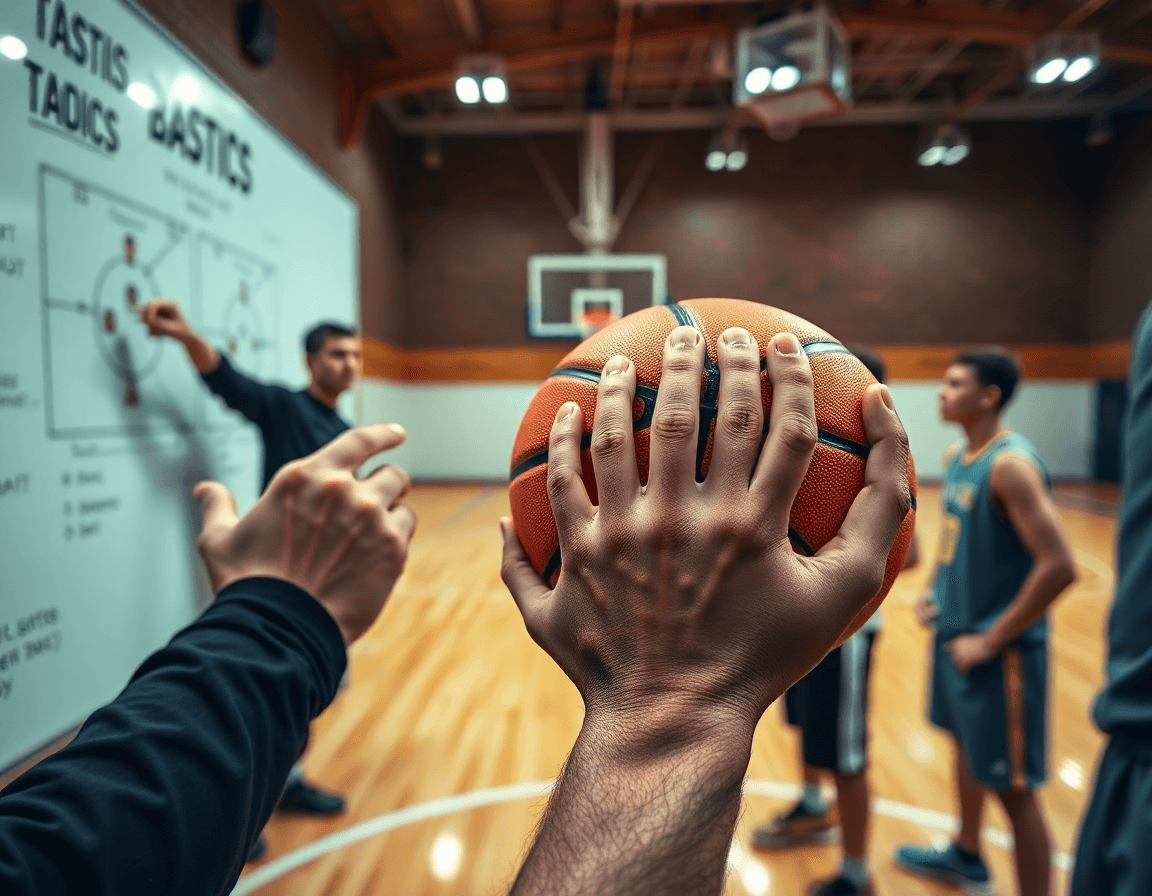
How to use video for scouting and feedback in planning
In a typical high school basketball practice plan template, video serves as the compass for your week. As you outline each block—warm-up, skill work, team concepts, scrimmage, and film review—embed linked clips and notes for each block. This makes a plan that’s easy to follow on the floor and simple to adjust in the coaching workspace.
Use the playbook to annotate actions and outcomes. In each clip, tag what happened (reads, decisions, rotations) and what that produced in the drill or scrimmage, then attach an outcome note to the block. This creates a clear trail from a single action to its effect, so players see the reasoning behind adjustments. Keep the flow tight with concise comments and short video clips that illustrate the point.
Keep a separate scouting section for opponent tendencies and counters. A dedicated scouting area lets you store opponent clips, tag their sets (press, zone, transition), and map counters to your weekly plan. This is where you connect video insights to practice decisions—how you guard a specific action, or where you attack to exploit a vulnerability.
For example, you might assign a block to counter a 2-3 zone with a drive-and-kick sequence. Embed a clip of the opponent’s zone from a recent game, annotate the read and decision, then link that outcome to the drill sequence in the block. The combination of embedded clips, playbook annotations, and a focused scouting section keeps your weekly plan cohesive and immediately actionable. The workflow stays streamlined: plan, clip, annotate, scout, adjust.
Scaling the plan for varsity vs JV rosters
As you engage in scaling for varsity vs JV, your weekly plan stays the backbone, but you adjust tempo and complexity. Use a high school basketball practice plan template to map the same blocks—warm-up, skill work, team concepts, scrimmage, and film review—so you maintain consistency while tailoring for each roster. The result is a coherent workflow that fits both squads without rebuilding from scratch.
To differentiate the rosters, you adjust drill difficulty and the number of reps each session demands. Keep the overall practice length aligned with 60–90 minutes by time-boxing blocks, so the warm-up flows into skill work and then team concepts without overruns. This way, JV reps build fundamentals while varsity players hit more pressure drills and tighter decision windows.
Within the coaching workspace, create separate playlists for varsity and JV, each linked to its progressions so you can precisely scale intensity and complexity. This separation keeps your plan clean, while still sharing core elements—warm-ups and foundational drills—across groups. The weekly template becomes a modular library you can pull from when preparing the next cycle.
For example, a varsity day may dedicate a longer 5v5 scrimmage to test transition timing, with a tighter emphasis on late-game team concepts. JV can run parallel work with simpler reads and longer stoppages, then converge for a brief film review to reinforce common fundamentals. In your coaching workspace, you can link the clips to the corresponding playlists so both groups see the same playbook entries in context.
Practical workflow: from template to weekly execution
Begin with a master template in CourtSensei as your blueprint for the season. Clone it every week to establish a consistent cadence, then customize blocks for that week's goals. The master template becomes your time-blocked training plan library, delivering a practical workflow to implement template for a high school basketball practice plan.
Within the weekly cycle, drop in drills, add clips, and attach short video clips. The coaching workspace keeps assets organized so you can reference a drill when you draw up a play; link the clip to the corresponding team concept. This is the workflow to implement template in action: structure warm-ups, skill work, and team concepts in clearly labeled blocks.
Export PDFs for print and share with staff; keep everything linked in one place. Having a PDF playbook that mirrors your practice plan keeps your staff aligned, from assistants to intern coaches, without losing any link to the video clips or scouting notes.
Picture a week: warm-up, transition to skill work, move into team concepts, run a controlled scrimmage, and finish with a film review and scouting notes. Each block sits in the weekly plan and ties back to the library of drills, clips, and PDFs. This practical workflow keeps your high school basketball practice plan tight, repeatable, and easy to adapt as the season evolves.
FAQ
How do you create a basketball practice plan?
To create a basketball practice plan, start with clearly defined weekly objectives aligned with season goals. Build a five-block structure: Warm-up, Skill work, Team concepts, Scrimmage, and Review. Time-block each segment, attach library drills and matching clips, and drop the plan into your coaching workspace. Export a PDF for staff or scouting notes, and reuse the same framework week to week.
What should be included in a high school basketball practice plan?
Include a Warm-up, Skill work, Team concepts (shell defense, spacing, rotations), Scrimmage, and Film review. Add measurable objectives tied to season goals, clear time allocations, and buffers for adjustments. Plan for roster contingencies and substitutions. Attach drills from the library and link to clips and scouting notes; organize in your coaching workspace and build or customize a playbook for quick reference.
How long should a typical high school basketball practice last?
A typical length for high school practices runs about 90-120 minutes, depending on roster size and season phase. Use a time-blocked plan so every block has purpose and a clear transition. For varsity, tighten reps; for JV with larger rosters, plan substitutions and defined roles. The aim is consistent tempo and quality, reusable week to week.
Can I share a basketball practice plan with my assistants via a link?
Yes. CourtSensei’s coaching workspace supports sharing with read-only links, so assistants can access the same plan. You can export PDFs and attach clips, keeping drills and notes tied to each block. Shared access enables coordinated feedback while you retain control over edits.
Are free basketball practice plan templates available?
There are base templates you can start from in the coaching workspace; you can customize them with your roster, team logo, and colors, then export PDFs or share read-only links. Use the library to pull in drills and clips, and build a consistent weekly plan that still accommodates injuries or opponent adjustments.
What is the five-block weekly system for HS basketball practice?
The five-block weekly system organizes practice into Warm-up, Skill Work, Team Concepts, Scrimmage, and Review. Time-block each block, then reuse drills, clips, and scouting notes across the week. In Team Concepts, include shell defense and rotations; sketch options in the play-drawing tool and annotate outcomes for quick reference on the board.
What is a defense shell in basketball practice?
A defense shell is a drill-focused framework to practice rotations and reads in a controlled setting. It emphasizes stance, help, and recovery with proper spacing. Use your playbook to sketch options, then animate them for quick reference on the board, tying this to the Team Concepts block and linking related clips for feedback.