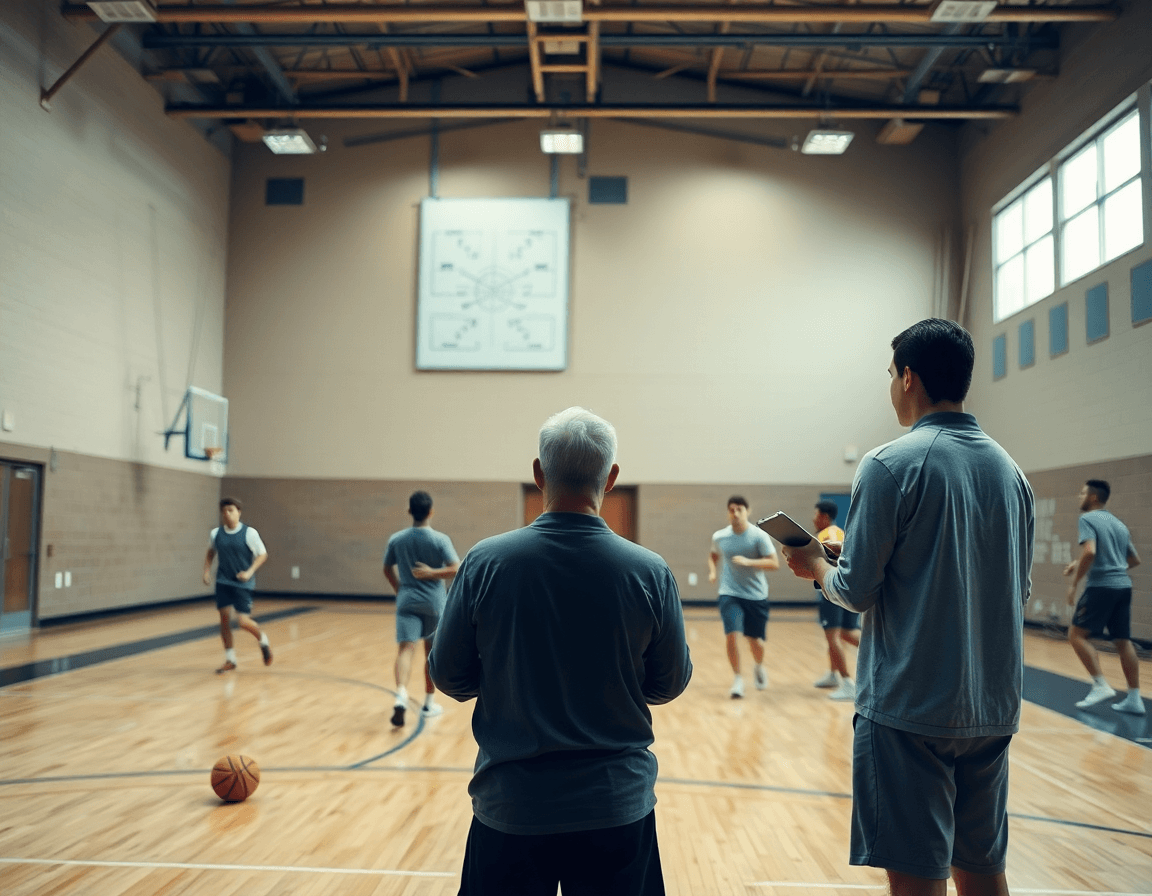
High School Basketball Practice Plans PDF: Weekly Coach Template
A coach-focused guide to building a weekly high school basketball practice plans pdf, combining warm-ups, drills, shell defense, video, and scouting into one workflow.

Key takeaways
- Start with clear weekly goals: prioritize skill, defense concepts, and game-plan emphasis; produce a PDF that outlines the plan for staff.
- Block out the week into 4–5 sessions with clear objectives: defense shell, ball movement, conditioning, and situational work.
- Use a centralized tool to assemble blocks, tag outcomes, and attach drills; diagram plays on the tactical whiteboard.
- Export the plan as a PDF to print or distribute; attach related videos and scouting notes directly in the plan.
- Finally, create a shareable workflow link for assistants to review, annotate, and update before the next session.
Practical workflow step: build, export, and share your weekly plan
When you sit down to plan the week, start with your weekly goals: skill priorities, defensive concepts, and game plan emphasis. Translate these into a high school basketball practice plans pdf that you can hand to assistants and players if needed. In CourtSensei, this becomes your living roadmap for the week.
Block out the week into 4–5 practice sessions with clear objectives—defense shell, ball movement, conditioning, and situational work. Assign each block a duration and an objective, so every session has focus.
Use a centralized tool to assemble blocks, tag outcomes, and attach drills. On the tactical whiteboard, diagram plays (BLOB/SLOB/ATO/PnR) as you build the plan. That diagramming helps you see the connections between drills and outcomes.
Export the plan as a PDF to print or distribute to assistants; attach related videos and scouting notes directly in the plan. This keeps film (short video clips) and scouting insights in one place, ready for pre-practice review.
Finally, create a shareable workflow link for assistants to review, annotate, and update before the next session. A one-link share keeps everyone aligned and speeds up weekly prep.

Design the practice flow: from warm-ups to competitive reps
Design the week with a clean map of the daily flow. A typical high school practice starts with 8–10 minutes of dynamic, high-energy warm-ups, followed by 15–20 minutes of skill blocks, 10–15 minutes for offense/defense integration, 15–20 minutes of live work or a short scrimmage, and a 3–5 minute cool-down. I outline every block in the plan so assistants know the purpose and the coaching cues. In the plan, I map outcomes to each segment and export a clean PDF for the staff binder. This is the essence of the weekly practice flow and its warm-ups.
Map drills to the plan with specific focus (ball handling, shooting, transition) and measurable outcomes. In the gym, I pull up the PDF template, line each block with a drill name, the focus, and the expected result, then roll through the block with our scouting notes visible on the side. The workflow is simple: plan in the system, diagram plays on the whiteboard, attach a short video clip for emphasis, and share a printable file with the staff. Emphasizing drill progression helps us keep the week ambitious yet attainable, and the printable basketball practice plan serves as a constant reference during the run.
Incorporate a few staple drills and rotate variations weekly. I’ll drop in the 3-man weave drill and a strong shell defense drill as core elements, then swap in a couple of options each week. After the live reps, we review the clip and jot quick notes in the scouting section for future matchups. Store this week’s layout in the plan library for easy reuse and weekly customization, and you’ve got a printable blueprint ready for the next game cycle.
Tactics table and diagrams: integrate plays into the plan
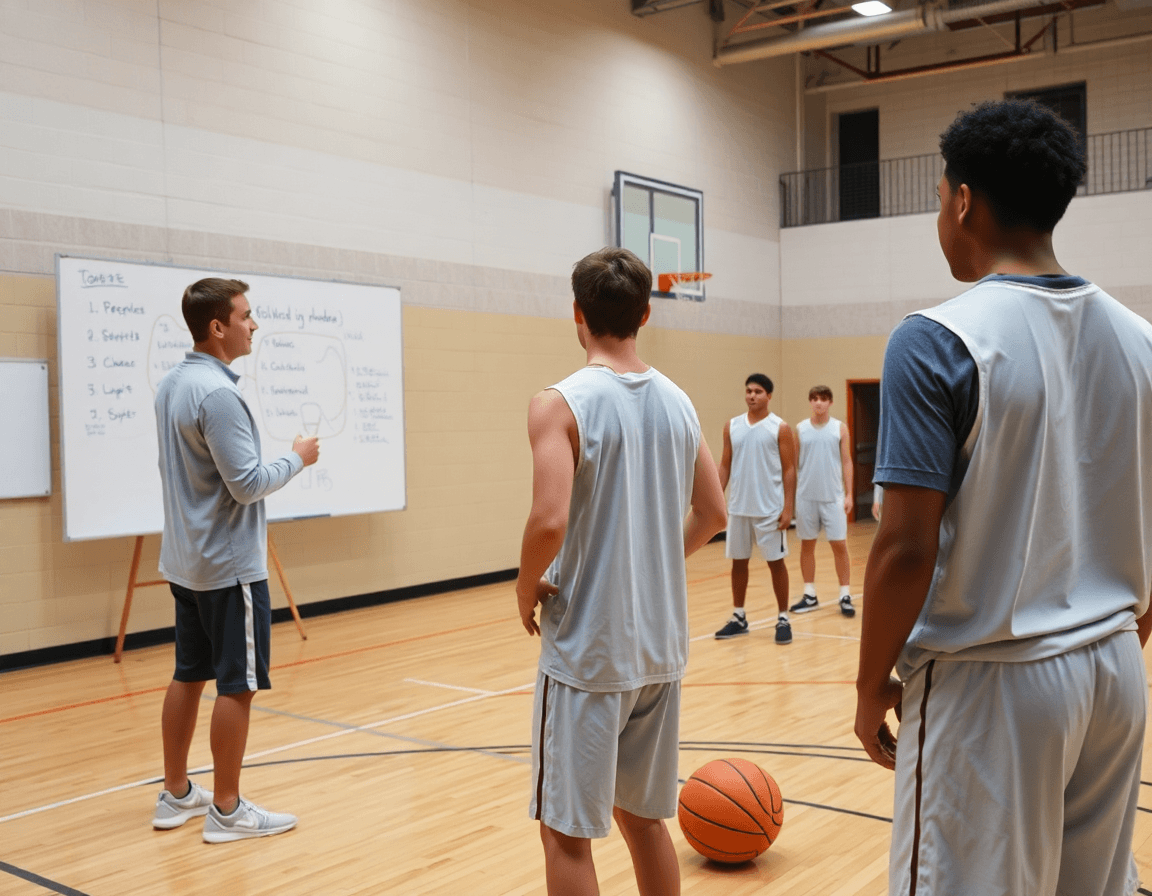
During a typical weekly plan, the tactics board gets populated with concise diagrams for BLOB/SLOB/ATO/PnR actions that sit next to the drills. I link inbound sets, side actions, and ball-screen reads to the blocks we’ll run. The goal is simple: every drill has a tactic paired with it so players know where to look and what to do when the ball moves. That reduces confusion and keeps our on-court reps aligned with the play entries in the plan.
After we wrap, I run a PDF export of the diagrams so assistants can study positions and rotations ahead of time. The printable layout lets staff annotate shifts before practice, reducing questions during tight drill blocks. All of this lives in CourtSensei, so the PDF export becomes a shareable link in our weekly high school practice plan pdf workflow.
Each diagram gets an assignment label: who sets the screen, who rotates, and where to attack. By tagging the action with specifics—‘ball screen at the top, guard to flare, wing slips to corner’—we remove ambiguity and speed up the on-floor coaching cues during the reps. It also makes it easy to pull a play into a scrimmage without re-teaching.
I keep the diagrams tightly aligned with the practice blocks so the cue you give on the whiteboard matches what happens in the drill. If the diagram calls for a PnR with the big rolling to the nail, the sequence starts with that read at the same tempo. Consistency matters when you’re teaching young players under pressure.
Finally, we use a shared diagram library to reuse or revise plays weekly. If last week’s BLOB worked, I copy the diagram into this week’s plan and tweak rotations for the 3-man weave drill or shell defense drill. It’s a small change that pays off in a smoother practice cycle and a more valuable PDF download basketball template for staff.
Video integration: clip, tag, and assign drills
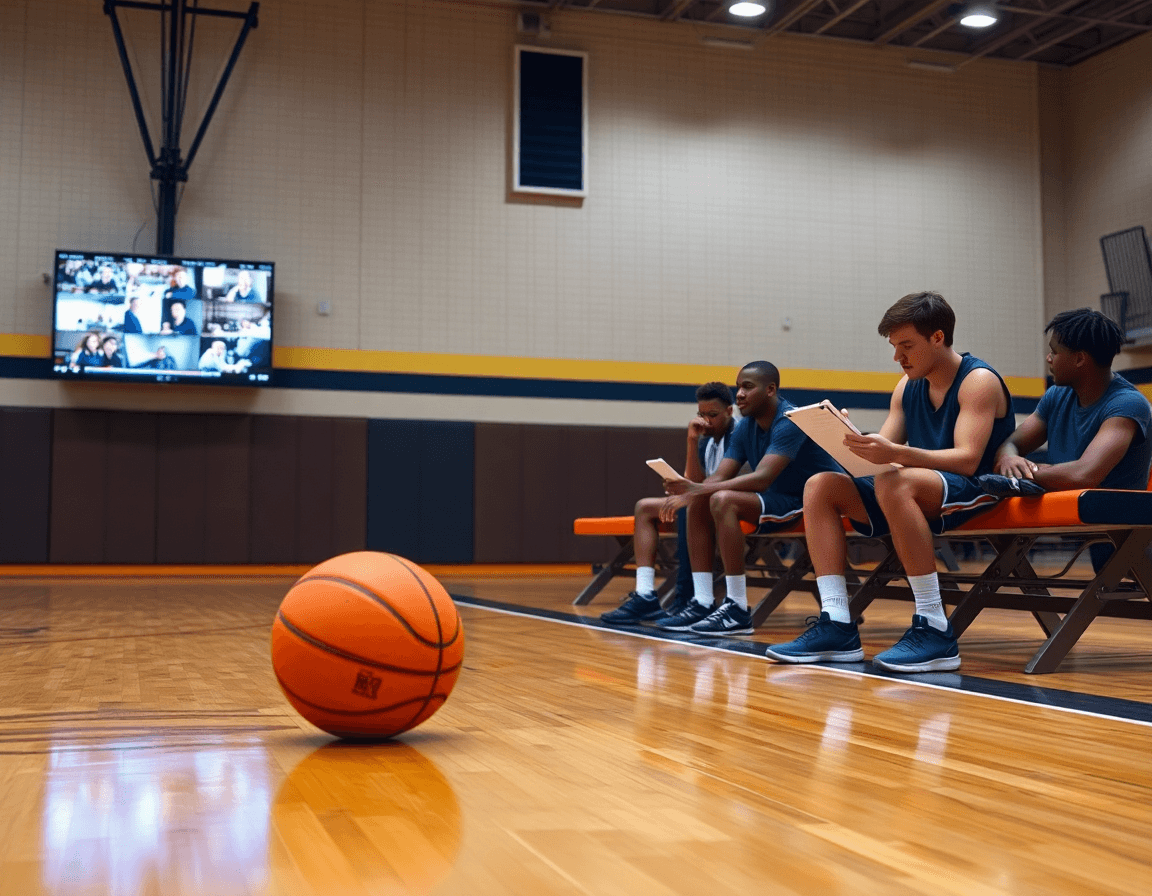
Clip game footage or practice footage to highlight specific concepts (defensive rotations, ball movement, decision-making). Those clip highlights give us a concrete reference for the drills I’ll build in the plan and for the notes I attach to the block on the tactical whiteboard.
Then I assemble playlists organized by drill type or by player cohort—perimeter shooters, finishers, defenders. The playlists group like clips so assistants know what to review and players can drill down on their reps.
Embed or link video playlists into the weekly plan so players and assistants can study before sessions. The weekly plan, exported as a high school basketball practice plans pdf, becomes a ready-to-print reference with embedded video links. Use shareable video links so anyone on the staff can view the same clips.
Tag clips to corresponding drills in the plan to streamline post-session review and keep everything aligned for future work. When a drill calls for shell defense or spacing, the clip tag makes the review slide right to the right moment in the film.
Use clips to reinforce learning during debriefs and to prepare for scouting reports. A quick montage after the lift and run-through helps players connect actions to outcomes, and the same clips seed our scouting notes for the next opponent.
Scouting and opponent prep: turning notes into a weekly plan
During weekly plan assembly in CourtSensei, I create a concise scouting section right beside the practice blocks. It highlights the opponent tendencies: pressure defense, transition pace, and primary ball handlers. Having this in the same document as our drills and diagrams keeps everyone aligned—from the head coach to the video assistant—so the plan answers why we practice a specific block and where we expect those actions to show up. This aligns with a high school basketball practice plan pdf that our staff uses for weekly distribution.
Attach counter-options and specific drills designed to exploit tendencies (early ball pressure counters, shell rotation adjustments). For example, if the opponent pressures up the ball, we run a quick outlet drill and a 3-man weave to improve decision-making under pressure; against a slow transition team, we stress a faster outlet and early sprint back. Keep the plan practical and game-like.
Link opponent video clips to relevant plan blocks so staff can pull up a clip on the fly during practice. A short clip of the opponent's trap or a go-to trigger in the pick-and-roll becomes a reference point when we diagram the response on the whiteboard and explain to players during the walk-through.
Use the PDF to share opponent insights with the staff and prep a scouting-focused practice day. Distribute the printable basketball practice plan to assistants, and create a quick-start playlist of clips that correspond to the week’s scouting notes. This keeps everyone on the same page, from drills to defensive rotations to counter-sets.
Keep a living scouting appendix that updates weekly as scouting evolves. As we watch film, jot quick notes and attach them to the next week’s plan blocks—evolving tendencies, new counter-options, and adjusted rotations. The appendix becomes the heartbeat of our weekly prep, always aligned with our high school basketball practice plan pdf workflow.
Share and collaborate: keep assistants in sync
Sharing the weekly plan is where it all comes together. In CourtSensei, I publish the weekly plan as a shareable PDF and shareable links for every member of the staff. That keeps everyone on the same page from the first drill to the last minute of practice. For a high school program, a single source of truth makes it easy to print a printable basketball practice plan or pull up the PDF download basketball template on the sideline. It’s simple for an assistant coach to open the link and see the exact blocks we’ve laid out.
Within the planning tool, I assign tasks to assistants: who handles drill setup at each station, who runs video tagging, and who notes scouting observations. This is the heart of collaboration: clear responsibilities prevent drift when the week gets busy. The assistant tasks appear next to each drill block, and we attach short scouting notes and a link to the relevant plays diagrammed on the whiteboard. It’s all tied back to the plan so everyone knows what to do.
Version history keeps us from stepping on each other’s toes. Every change is tracked so we can review what shifted and why, and revert if needed. Quick feedback from assistants—via plan comments or a quick message—helps us refine the next week’s plan without reworking the whole document. A shared PDF plus online link makes feedback fast and organized.
Finally, the plan library pays dividends. Build a library of past plans and templates for fast customization in future weeks. You can pull a printable basketball practice plan from last season, tweak it for this roster, and export a fresh PDF for the staff. When you face a specific opponent pattern (think 3-man weave drill or shell defense), you can reuse and adjust with a couple of clicks.
If you build plans like this every week, CourtSensei keeps your drill library, whiteboard, and video clips in one place — try it free.
FAQ
What should be included in a high school basketball practice plan?
Your plan should start with clear weekly goals, skill priorities, and game-plan emphasis. Translate those into a structured, printable document you can share with assistants and players. Include 4–5 blocks with explicit objectives, plus warm-ups, skill work, offense/defense integration, live reps, and a cool-down. Attach scouting notes and short video links so outcomes are measurable. This anchors the week in solid drill blocks.
How long should a typical high school basketball practice last?
Two hours is a common target, with a disciplined cadence. Start with 8-10 minutes of dynamic warm-ups, 15-20 minutes of skill blocks, 10-15 minutes for offense/defense integration, 15-20 minutes of live work or a short scrimmage, and a 3-5 minute cool-down. Tag each segment with a purpose so you hit your targets and stay efficient. This cadence fits most high school programs for two-hour sessions and live work phases.
Where can I download free basketball practice plan PDFs?
Free PDFs are found in coaching blogs, associations, and template libraries. If you run your plan in a tool, you can export the week as a clean PDF to share with staff. Look for sites offering free templates you can customize; start with a basic weekly layout and then tailor it to your team's personnel and schedule.
What drills are essential for high school basketball practice?
Core drills cover ball handling, shooting, transition, and defense. Add a reliable shell defense drill to build rotations, and the 3-man weave for passing timing and conditioning. Rotate variations weekly, keep drill outcomes measurable, and limit friction in reps. This core set keeps players engaged while developing fundamentals and team concepts across the week.
How do you structure a two-hour basketball practice?
To structure a two-hour practice, map the day from warm-ups to cool-down. Begin with warm-ups to elevate heart rate, then move into skill blocks, followed by offense/defense integration, and finish with live reps or a scrimmage. Round out the plan with short scouting notes and a brief review. A solid structure translates to faster learning and consistent weekly progress.
Are there printable basketball practice plan templates available?
Yes. Printable templates and PDFs are widely available from coaching blogs and template libraries. You can download or export a plan as a PDF export and print it for the staff binder. Use printable templates as a baseline, then customize for your players, schedule, and league rules.
How can you customize a practice plan for your team?
Customizing a plan means aligning it to your roster, skill levels, and scouting notes. Swap in different drills, adjust volumes, and rotate sequences based on performance. Keep a shared plan library with week-to-week variations and a simple, shareable workflow link so assistants can review and annotate before practice.