Best Basketball Playbook: Weekly Planning & Diagramming
Discover how to craft the best basketball playbook for weekly planning—diagrams, offense/defense sets, PDFs, and shareable video clips to boost execution.

Key takeaways
- Use a weekly plan that sits with practice plans and diagrams to keep staff aligned.
- Pair diagrams with short clips and scouting notes, so reads and adjustments travel from gym to film.
- Export PDFs weekly and organize by looks, ensuring reviewers pull the same plan during practice.
- Link plays to drills and scouting notes so each set doubles as a live, repeatable drill.
- Make the weekly plan a living document, update it, review, and push revisions to staff instantly.
Why a weekly playbook beats scattered notes
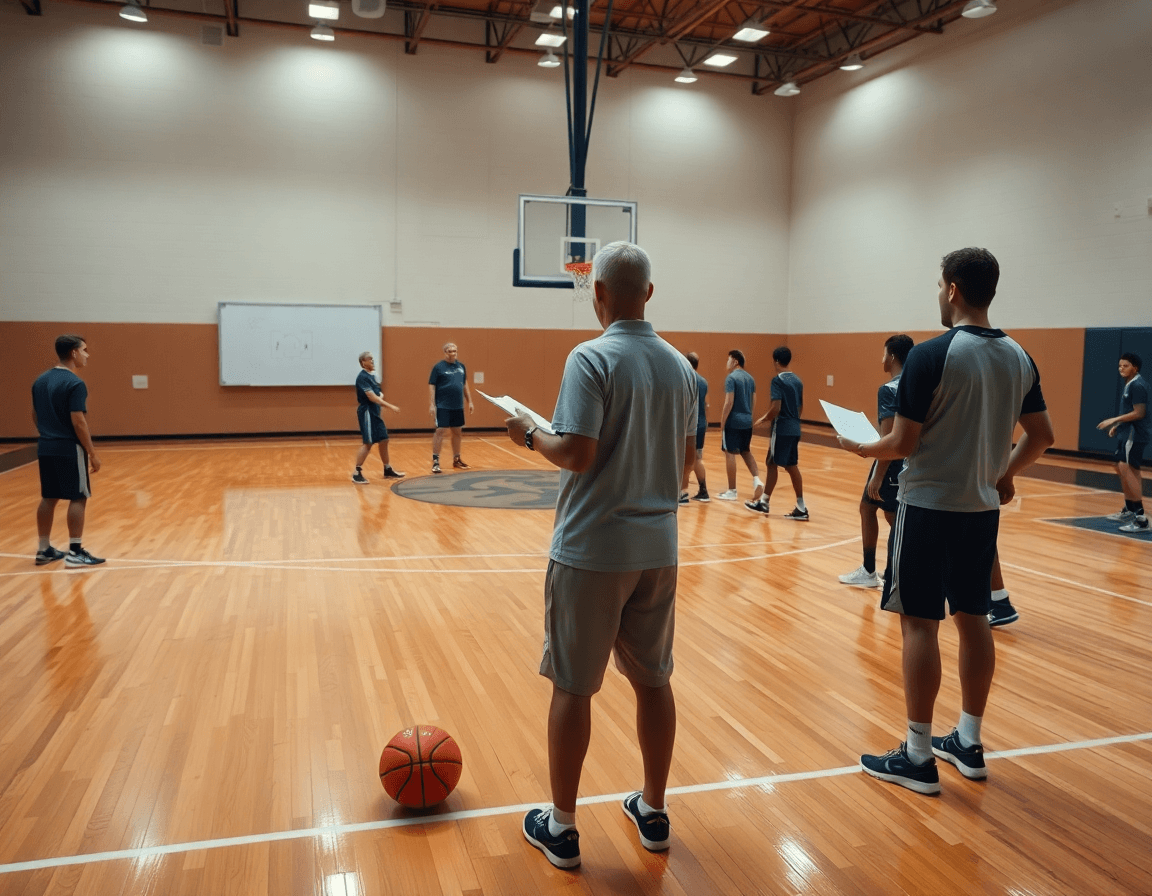
From the bench, a weekly playbook isn't a pile of scattered notes—it's the plan we run the week by. The weekly planning consolidates goals and priorities for the week to keep staff aligned. When we map it Sunday night, the focus is clear: what gets installed, what gets sharpened, and how we measure progress. In CourtSensei, that plan sits beside the practice plan and the whiteboard diagrams, so everyone sees the same targets at a glance. This is the essence of a best basketball playbook—consistency across the squad and a predictable week for both ends.
That alignment starts with the practice plan: when a play is scheduled, its setup, tempo, and responsibility live next to the drill. On the whiteboard, I diagram the sequence—BLOB, SLOB, PnR—and label who reads the defense and initiates action. When the assistants know which clip to pull, they reinforce the same decisions in every huddle. Linking the play to the plan reduces misreads and keeps players focused on the Xs and Os.
Diagrams on the whiteboard aren't enough; we pair them with a short video clip from games or drills. Clip-based teaching shows the motion offense in action—ball screens, back screens, reads—and the timing of cuts. We attach a scouting note to each play, so adjustments show up with the diagram when the defense shows a hedge or zone look. When players see sequence and clip together, execution tends to match the plan.
With this approach, the weekly playbook becomes a living document that covers both ends of the floor. We map motion offense and zone offense looks into a common thread, including continuity offense, so the defense has a mirror in the scouting notes and the playbook gets updated weekly. The workflow stays simple: plan in the plan, diagram on the whiteboard, pull a video clip, review a scouting note, and share with the staff and players. It travels from gym to film room.

Key components of a strong playbook
Key to a strong playbook is clarity on both sides of the ball. In my weekly plan, I keep it simple: players labeled, arrows showing cuts and screens, and counters for the weak side. The core sets you want to master—motion offense, UCLA offense, Princeton offense, and a few zone looks—should be represented with crisp diagrams so any coach can teach from the same page. Clear play diagrams for offense and defense assignments keep the team aligned through practice and film sessions.
Organization is where time-saving happens. I group plays by look (motion, continuity, zone) and by action (ball screen, DHO, back screen) so a coach can pull a diagram and share it with players in a quick walkthrough. Organized sections and printable PDFs make quick reference possible during a busy week, and a simple PDF export lets you print or hand off the plan to assistants without missing a beat.
The power comes from tying concepts to execution. Linking plays to practice plans and scouting notes means a set is not just a diagram—it’s a drill you run, a scout report you review, and a counter you prepare for. In the plan, you attach each play to a drill, and in your scouting notes you tag tendencies that feed into the next week’s work.
Finally, teaching and review live in the mix. Use play diagrams, PDFs, and video clips to teach and reinforce. A short video clip of a ball-screen sequence or a UCLA action can spotlight spacing, reads, and timing, then sit alongside the static diagram for quick reference during film or in a post-practice review.
Workflow: Build, export, and deploy your weekly playbook
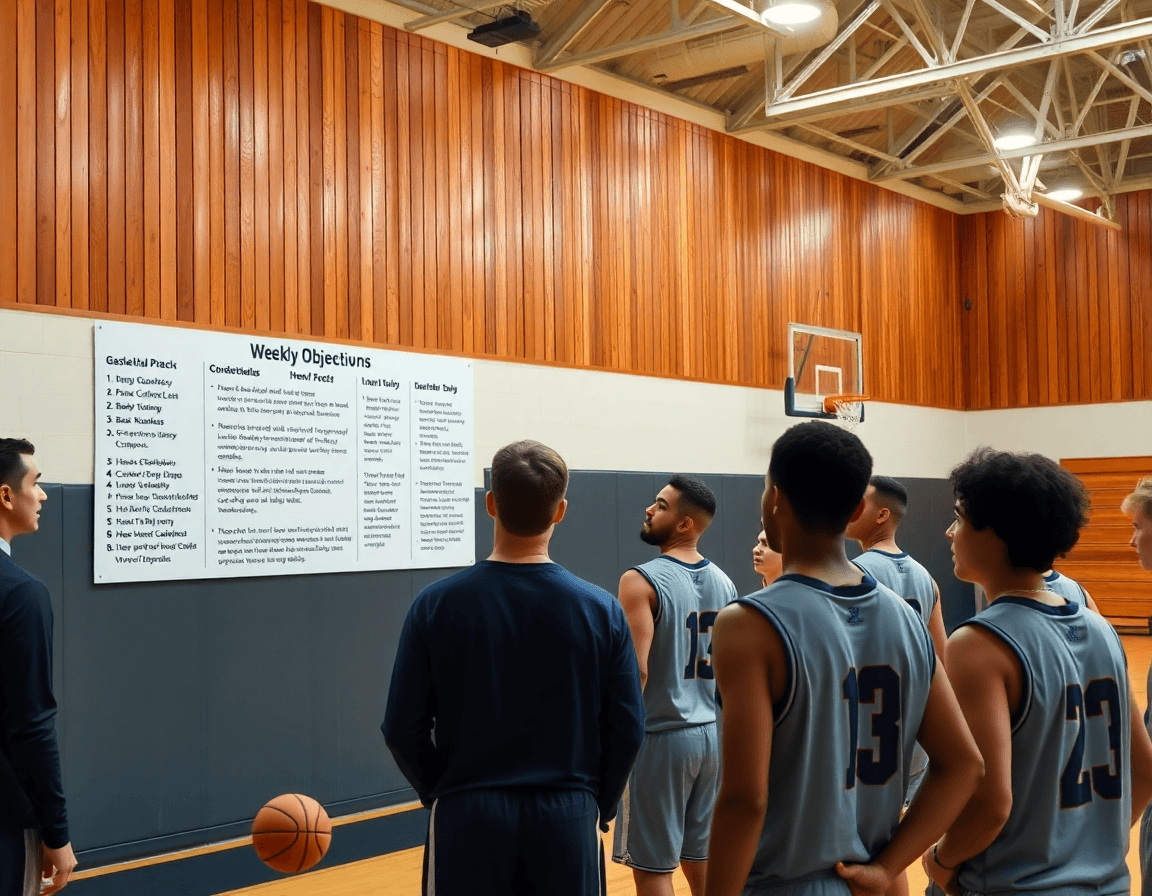
In practice plans, import or create plays for the week. This is where the weekly playbook workflow starts: you pull in a motion offense set, a continuity offense, or a Princeton/UCLA progression, and tailor it to the opponent. You group plays around core concepts—ball movement, spacing, and screening actions—so your staff can copy the same framework across days. The goal is a clean starter pack for Monday through Friday sessions.
Next, diagram using the whiteboard to illustrate BLOB/SLOB/ATO/PnR as needed. A quick diagram on the board aligns players and assistants on the flow: who sets, who cuts, where the screening actions start. It's a living document—adjust tempo, read options, or hide optional actions depending on the game plan. Include zone offense or ball screen variations to show continuity across looks.
Attach Video Clips, organize into playlists, and assign to players. In practice, you pull a clip from a guard-dominant drive or a big-to-big handoff and attach it to the corresponding play, so the rotation is clear. Players watch the short video clip before film sessions; assistants can recheck assignments, swap clips, or reorder playlists based on who is turning up to work on specific reads.
Export as PDF export or shareable link and push to assistants and players. The PDF export gives you a printable week starter, while shareable links let you push updates to the whole staff in seconds. If a last-minute adjust happens—say a new UCLA offense wrinkle or Princeton cut—you can push the revision to everyone, keeping the weekly playbook current and synchronized across the team.
Diagrams, video, and clips: making plays tangible
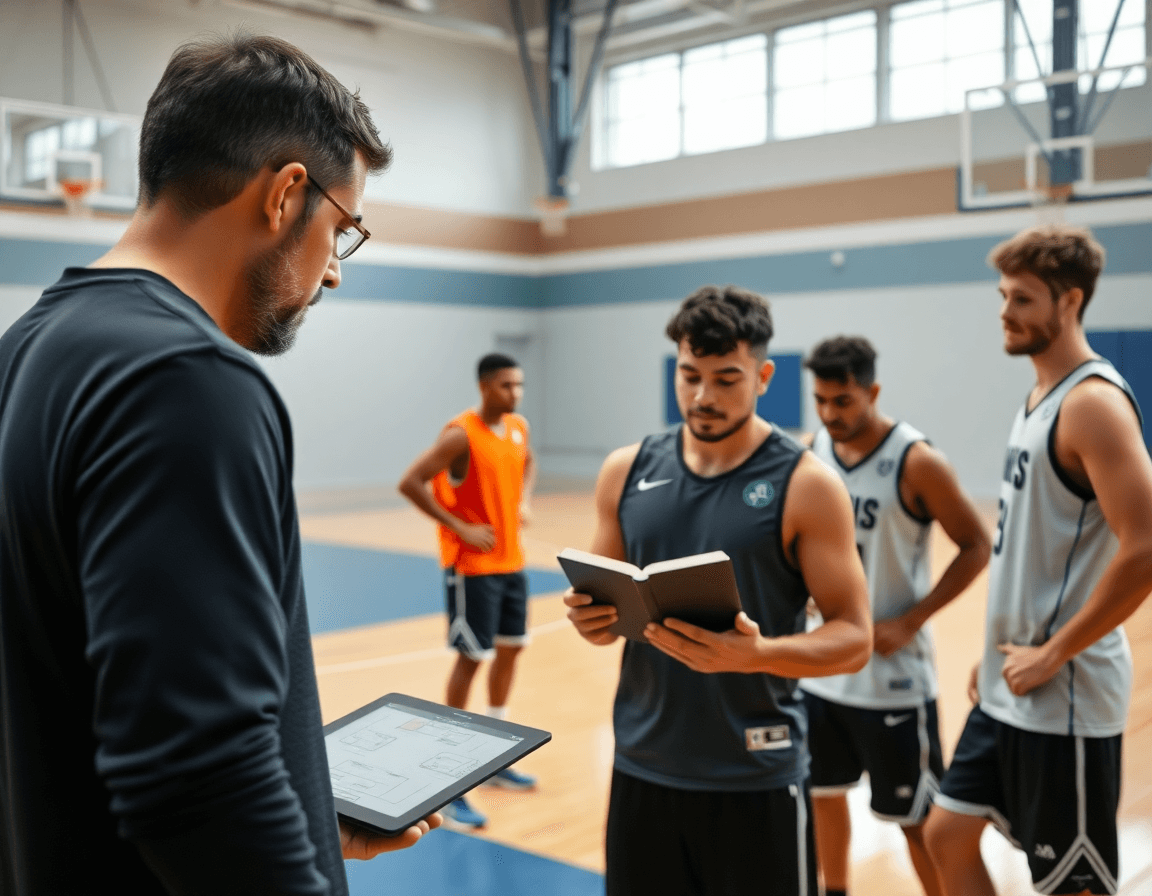
When you map out the week, diagrams on the whiteboard translate ideas into action. Use playbook diagrams to show positioning, timing, and reads. A quick sketch of a ball screen into a dribble handoff (DHO) or a UCLA offense motion read makes the timing crystal clear before a single rep. The goal is to cut ambiguity for both the ball handler and the post defender during practice and on game day.
Clip and label game footage to illustrate each set, tagging actions like ball screen, back screen, and DHO so players know what to read. Use short video clips from the plan and export them to staff notes or shareable links for assistants. Label the clips with the option, defender angle, and the read, so you can pull the exact teaching moment in walkthroughs.
Create shareable playlists of clips for quick review and on-court teaching. Group clips by offense family—motion offense, zone offense, Princeton offense, UCLA offense—and by counter to common defensive looks. This lets you flip to the teaching moment during timeouts without hunting through hours of film.
Keep a consistent visual language across the playbook—color coding, icons, and line styles—so a coach can scan a diagram and know the action at a glance. When you export diagrams to PDFs or shareable links, the same visuals carry through, reducing confusion for assistants and players alike.
Scouting integration: linking opponent prep to your playbook
Scouting integration starts with turning opponent prep into actionable material you can actually run every week. In CourtSensei, you capture opponent tendencies in clear scouting reports and map them directly to your weekly plan. If the scouts flag their motion offense as a frequent issue, you don’t guess—you pull counter-plays that fit your system, whether you lean into a Princeton offense set or a UCLA-style action. The result is a true best basketball playbook, built around what you’ll actually face on game night.
Attach scouting notes to relevant plays for quick reference. As you line up a practice plan, the notes ride along with the diagram on the whiteboard, in your practice library, and in shareable links for assistants. When you pull up a play against a certain opponent, you see the counter-frames you discussed—exactly where to attack, where to pressure, and how to react to their adjustments. This is where the concept of scouting integration becomes practical: you’re not just cataloging tendencies; you’re linking them to specific actions within motion offense, zone offense, or a back screen sequence, so every coach and player knows the why behind each choice.
Develop scout-reported plays and adjustments within the same tool. You can create scout plays that reflect the opponent’s tendencies, add adjustments to existing plays, and tag them by offense type (ball screen, DHO, or a zone look) or by specific schemes like a Princeton or UCLA progression. The workflow stays tight: plan in the weekly cycle, diagram on the board, stitch in the video clip, and push a tailored counter into your playbook. This consolidates opponent prep and on-ccourt execution into one cohesive system.
Finally, ensure coaches and players understand the rationale behind each play. Every counter comes with a short explanation of its purpose, so when you export a PDF or share a link, the team sees not just what to run, but why it makes sense against that opponent. Clarity here turns scouting reports into trusted, repeatable decisions on game night, and keeps your counter-plays—like a timely DHO or a ball-screen wrinkle—embedded in your weekly plan.
Weekly maintenance checklist for a top-performing playbook
As a head coach using CourtSensei, I treat weekly playbook maintenance as non-negotiable. In the plan for the upcoming week I review every play and tag it with its Xs and Os. I audit the library of practice plans, prune redundant entries, and ensure the diagrams on the whiteboard reflect the schemes we’ll actually run—motion offense, zone looks, and the UCLA/Princeton concepts. When I walk the floor in late prep, I ask: is this action a back screen, a dribble hand off, or a ball screen, and is it clearly labeled for quick absorption? This is how the best basketball playbook stays useful all week.
At the end of Sunday, I verify the PDF exports and shareable links work for the week. I open the weekly PDF from the plan module, click through the diagrams, and confirm everything renders cleanly on a tablet or phone. This is where the checklist for weekly planning comes to life: if a link is broken or a diagram is blurry, I fix it now so the staff and players can pull up the same Xs and Os in moments before practice.
Next, I refresh video clips and assign to players as needed. I trim game footage to highlight a specific action—back screens, ball screens, DHO, or a read in the Princeton/UCLA sets—and drop those clips into player playlists. In practice, a quick scout note on the whiteboard or in the comments tells a guard where the action starts, and I make sure the clip has a clear takeaway.
Finally, I backup and organize content for the next cycle. I archive last week’s assets by opponent and formation, naming files so a helper can pick up where I left off. The goal is a clean rollover: a fresh copy of the best basketball playbook ready for next Monday’s plan, with the Xs and Os intact, whether we’re running motion offense, zone offense, or continuity offense like UCLA or Princeton.
If you build plans like this every week, CourtSensei keeps your drill library, whiteboard, and video clips in one place — try it free.
FAQ
What is a basketball playbook, and why should I rely on a weekly plan rather than scattered notes?
A basketball playbook is a living document of plays, diagrams, and scouting notes teams use week to week. A strong approach centers on weekly planning to align goals and priorities across staff and players. When the plan sits alongside the practice plan and whiteboard diagrams, you create the best basketball playbook—consistency and clear targets that travel from gym to film room.
How does motion offense fit into a weekly playbook, and what should you include in it?
Motion offense offers continuous action, spacing, and reads, so your weekly playbook should map it with crisp diagrams and labeled sequences. Include spacing, reads, and continuity options, plus how the action ties to the practice plan and short video clips. When motion is integrated into the weekly cycle, players execute reads more confidently and the team stays aligned. motion offense and diagrams keep the focus clear.
What is zone offense, and how do you represent it in your playbook?
Zone offense uses gaps in the defense, so your playbook should show zone looks, reactions, and counters. Attach scouting notes for hedge or zone looks, and link zone plays to the weekly drills. Clear diagrams help coaches teach spacing and timing, while clips illustrate reads and rotations. Keep zone looks aligned with your overall plan. zone offense and scouting notes.
What is a Dribble Hand Off (DHO), and how should it be depicted in a playbook?
Dribble Hand Off (DHO) is a handoff paired with a read to create spacing and options. Diagram it as a sequence: who initiates, where the handoff starts, and how reads unfold on the ball and screens. Include timing cues and counters for hedge or switch looks, plus a clip showing the action. DHO and play diagrams help execution.
How do you create a basketball playbook from scratch?
Begin by defining your core looks (motion, Princeton, UCLA) and then build clean diagrams for offense and defense. Group plays by look and action, attach each to a drill and your weekly plan, and choose export formats like PDFs for easy sharing. Add video clips and playlists so players and staff can review quickly. Keep it truly living. play diagrams and practice plan.
Where can I download free basketball playbooks, and what should I look for in a good one?
Seek reputable sources offering free templates with clear diagrams, labels, and logical organization by look and action. Ensure the playbook links to drills and scouting notes, and that you can export or share as PDFs or links. A solid free playbook saves time and scales with your team. free templates and clear diagrams.