High School Basketball Practice Drills: Weekly Plan
A coach's weekly guide to high school basketball practice drills, blending skill work, defense, transition work, and game-like progressions into a plan.

Key takeaways
- Define a clear weekly plan with skill, defense, and transition goals, focused on pace and space.
- Map drills to team concepts using a Whiteboard flow and a script-to-live progression from drill to game.
- Build a library with staple sequences for week-to-week reuse and consistent feedback.
- Use Video Clips and Playlists to create feedback loops, linking scouting notes to on-court habits.
- Design 5-on-5 sessions with constraints to replicate game pace, improving reads and communication.
Develop a Week-Long Plan for High School Practice Drills
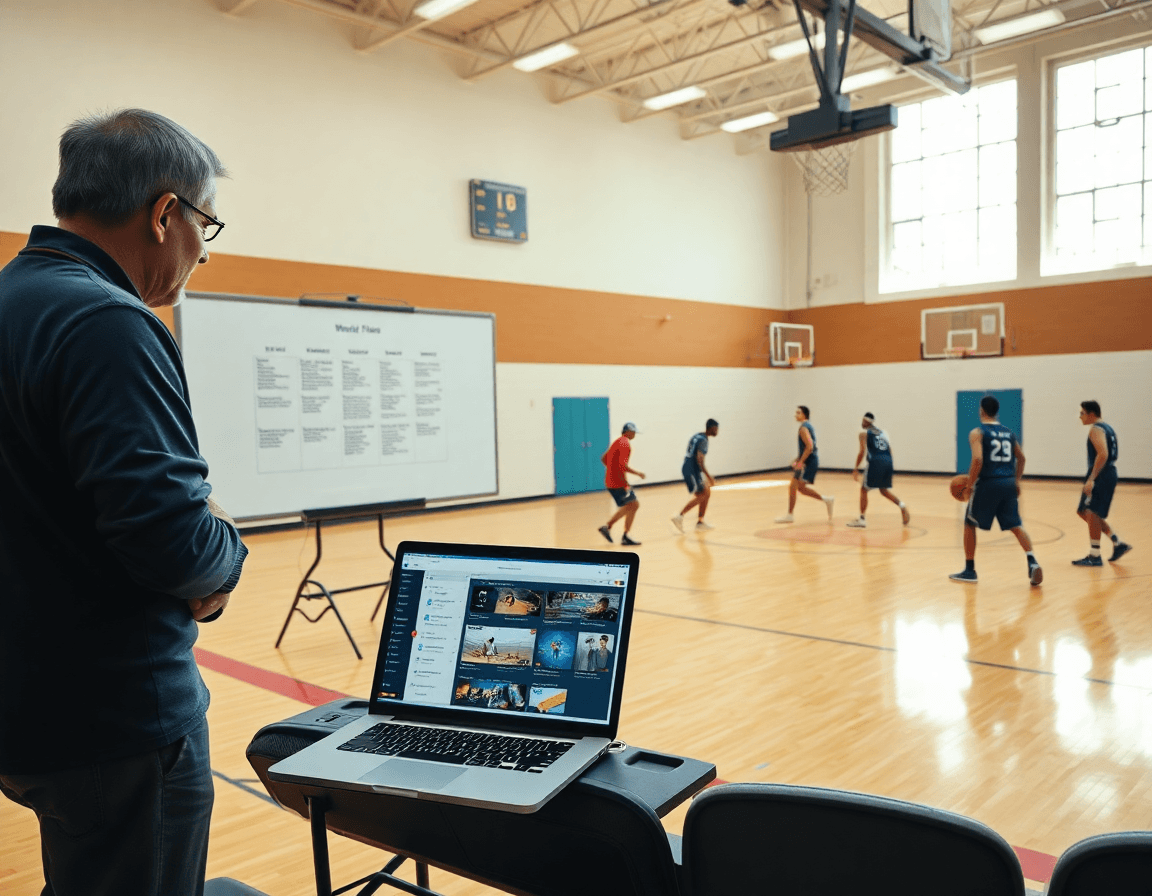
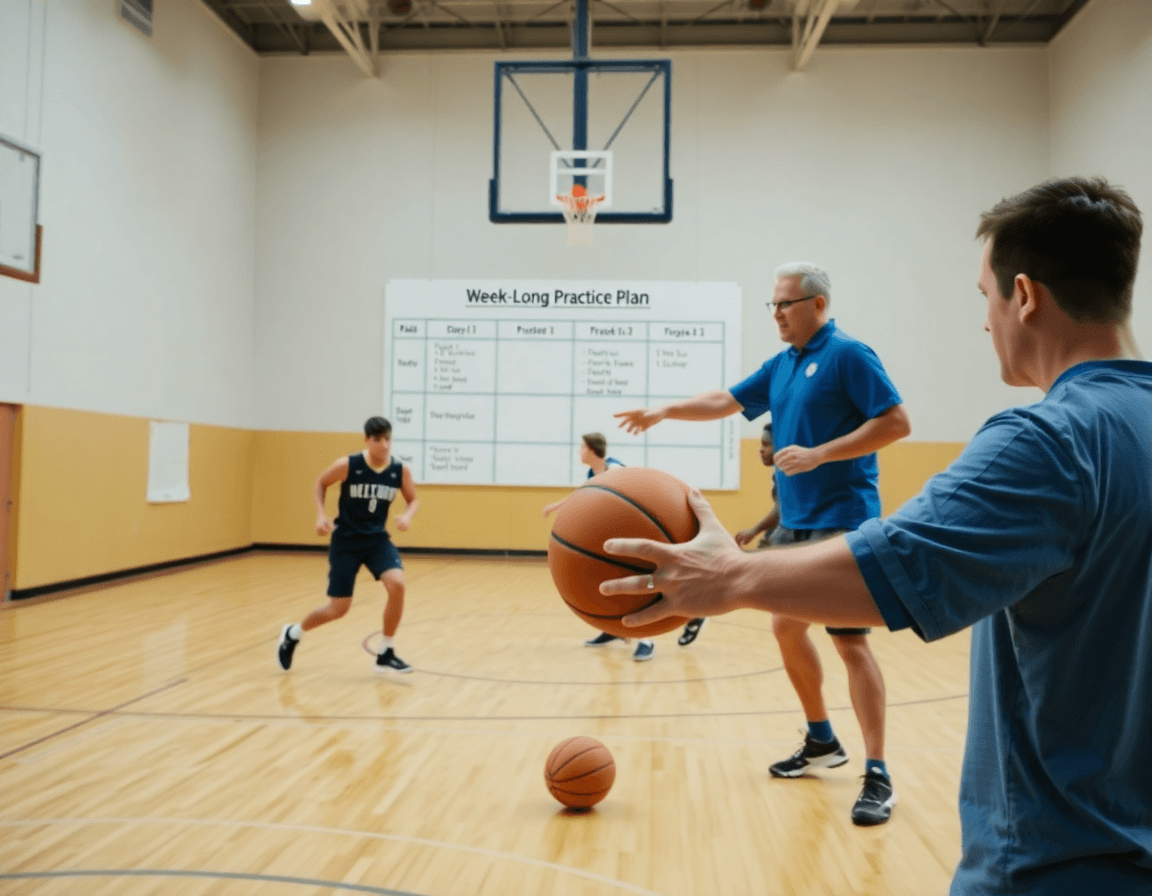
As a coach, you start with a clear weekly plan for high school basketball practice drills. In CourtSensei, I map a five-day arc: Practice Plans for the week, a Whiteboard to diagram actions, a Video Clips library to cut and share feedback, Scouting Reports to prep the opponent, and Playlists to deliver drill clips to players. That setup keeps the staff aligned and the players moving with purpose.
I define goals for the week: skill, defense, and transition. I frame them around pace and space, two-way teaching, and the idea of adapting to the tempo of the game. Then I block time for skill stations, drills, and live play. The plan reserves moments for dribble work, finishing at the rim, and quick transitions, so we sharpen technique without losing intensity across the week.
Link each drill to team concepts (spacing, rotations). On the Whiteboard I map BLOB/SLOB/ATO/PnR flows, then run a script to live from drill to live 5-on-5. We slot in a defensive shell drill and ball denial work in the half-court, followed by a short Video Clip that shows the fix. Small-sided games let us test decisions under pressure while maintaining tempo and communication.
Create a library of drills for reuse across weeks. I pull 3–4 staple sequences (ball-handling under pressure, a defensive shell drill, and a quick transition push) into the library so they travel week to week. I drop a clip into a Playlist and share it with players, while Scouting Reports guide what to highlight in the clips. That consistency, aided by the Video Clips library, helps players connect drills to game-ready habits.
Structure Game-Like Drills to Align Skill and Team Concepts
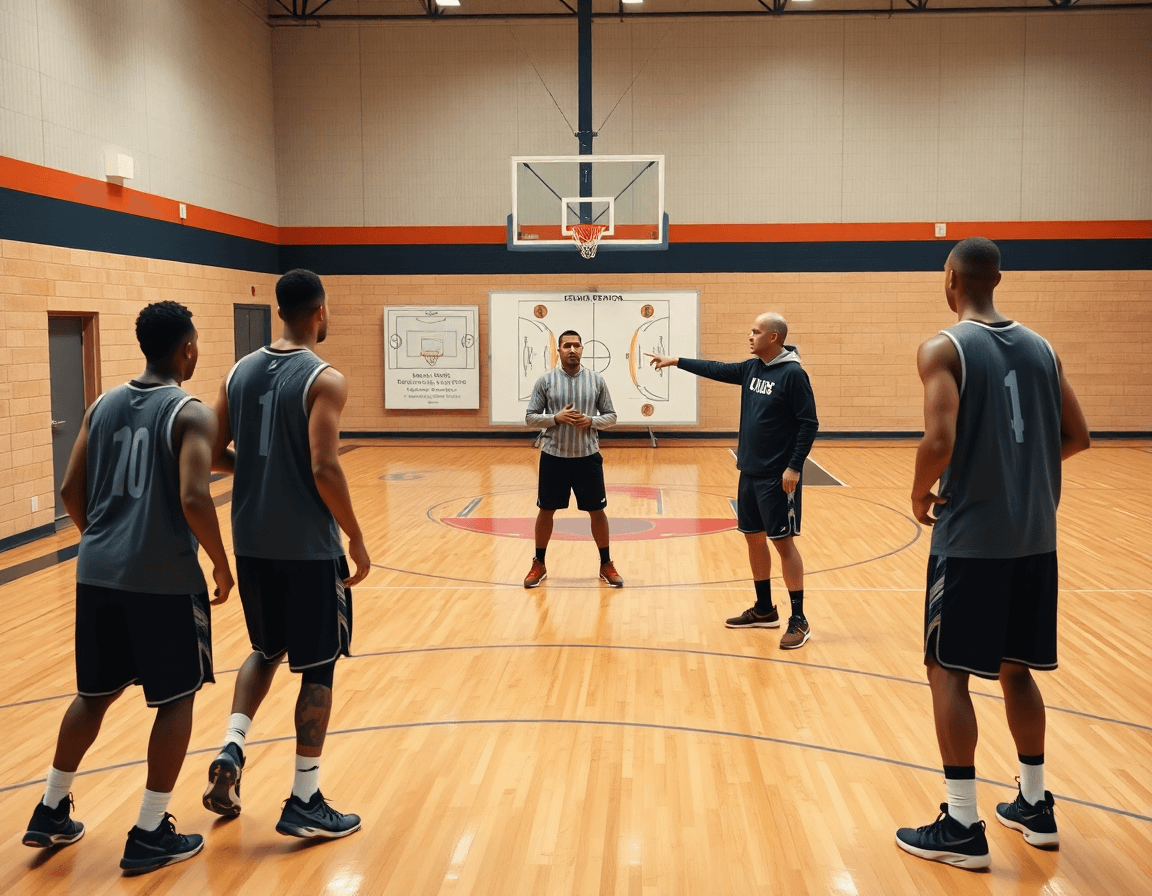
In my weekly plan, I structure game-like drills that tie individual skills to team concepts. We progress from 3-on-3 to 5-on-5 so players learn to read the floor under pressure. Start with a tight 3v3 shell focusing on ball handling, spacing, and decision-making, then add a couple of wings to blur positions and move toward 4v4. Finish with a live 5-on-5 to test timing and communication. Each phase uses intentional constraints to keep reps sharp and purposeful.
Use constraints and stakes to simulate game pace: limit touches, enforce a countdown, and award extra reps for clean ball movement. In the blocks that emphasize pace and space, players learn to occupy the court with purpose—cutting, screening, and relocating without the ball. I switch between coaching offense and defense, a form of two-way teaching, to highlight reads and responses so players see how actions on one end drive reactions on the other. We pepper in small-sided games to sharpen transitions and decision-making, gradually layering in more defenders and faster possessions.
With the CourtSensei workflow, the plan maps the week, and the Whiteboard diagrams the drill sequence. After each session, I pull a short Video Clips clip, trim the key moments, and drop it into a Playlist for players to review. Our Scouting Reports help tailor the drills to the opponent’s tendencies, so we can stress ball denial or refine a defensive shell when needed. This setup keeps the team aligned from practice planning through feedback delivery, turning these game-like drills into actionable weekly progress.
Shell Drill Progressions and Other Defensive Rotations
To lock in your high school basketball practice drills for the week, we start with ball denial and on-ball pressure to set the tone. The defensive shell drill then grows from 2-on-2 to 3-on-3, building spacing, communication, and rim protection. Use the Practice Plans to map each stage and export a clean PDF for assistants.
From there, we upgrade to 4-on-4 with defined rotations to teach players how to stay connected without over-committing. In the plan, use the whiteboard to diagram each rotate-and-recover sequence and assign roles so players know who slides into help and who drops to the open shooter. A short video clip of the rotation in motion helps reinforce timing before we escalate to live 5-on-5.
Then we push to 5-on-5 with rotations intact and emphasize help defense and your defensive philosophy. Keep a set of scouting notes for the opponent's ball handlers and ball-screen tendencies, so the shell drill adapts to what you saw last week. In CourtSensei, attach that to your Scouting Reports and pull the relevant plays into a plan that tells players exactly where to slide and when to hedge.
Finish with a quick video recap and a set of Playlists for the team: a couple of clips illustrating strong shell rotations and breakdowns. The players watch, then we discuss in a huddle, pointing to the live 5-on-5 replays in the plan. This keeps the pace and space concept in mind while maintaining a positionless defensive posture.
Use Video Clips to Coach Drills and Plays
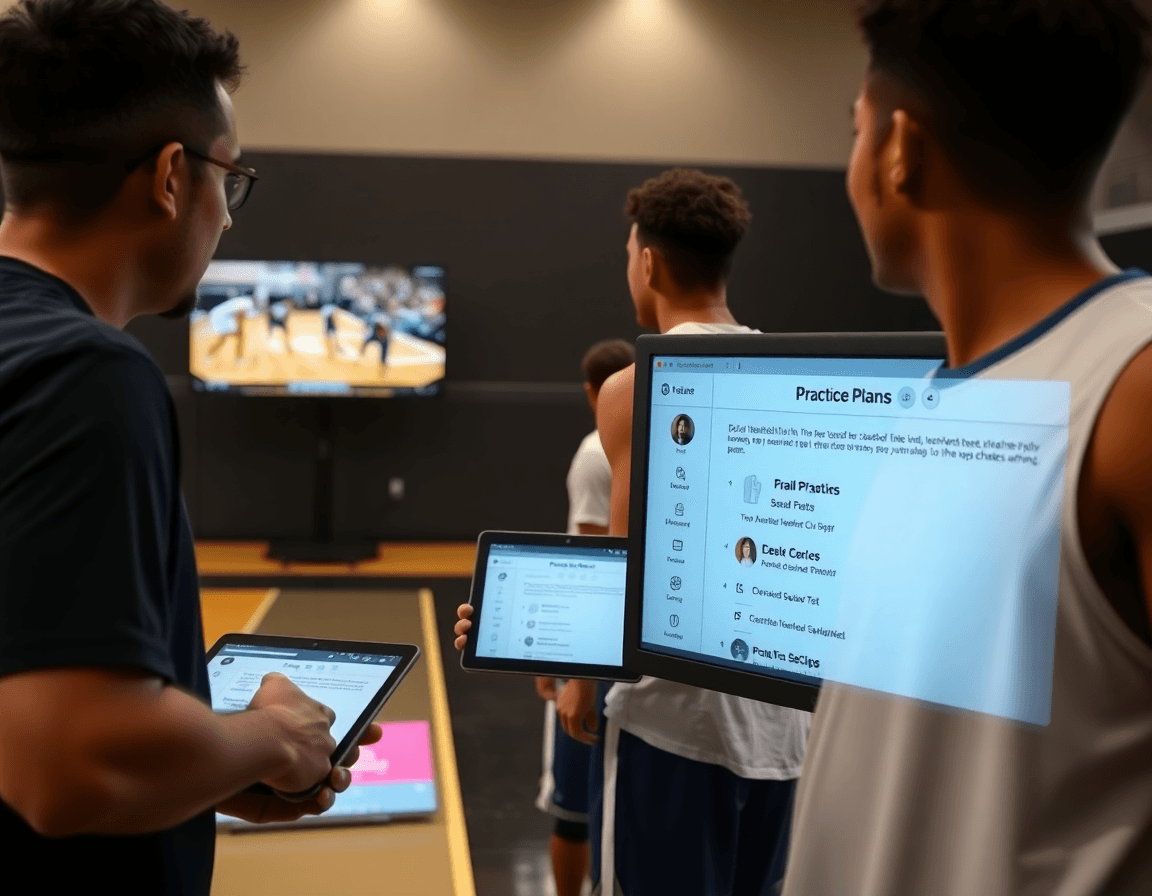
Using video clips is a bridge between what we see on the court and what we teach. After a game or scrimmage, I cut and organize “video clips” in the Video Clips library, labeling each one by drill or scenario—“ball denial breakdown,” “help and recover,” “weak-side rotation.” I add quick takeaways in the annotation: what went wrong and what we fix next time. Then I share those clips with assistants for feedback and drop a few key clips into the week’s practice notes so we’re all speaking the same language.
To keep the week flowing, I build a set of playlists for each practice day. A session might start with a clip from a defensive shell drill, followed by a related drill and then a small-sided game to test it, finishing with a quick review. I share the playlist with players so they can revisit before meetings. The result is a tighter feedback loop and a faster move from scouting notes to on-court execution.
Think of it as a “script to live” approach: we sequence clips into the practice flow so the lesson shown becomes the path to live reps. Start with a clip illustrating a problem, then a quick coaching cue, then a drill and finally live reps—pace and space, positionless basketball, and two-way teaching come to life. If we’re dialing up tempo, we’ll lean into live 5-on-5 to lock in the concepts and build confidence.
Practical Workflow: From Plan to Practice
From a coach's chair, this is how a weekly cycle flows. I start with the Practice Plans module to map out the week—drills, objectives, and progress checks—and translate those into a week-by-week layout that keeps the staff aligned. I weave in concepts like pace and space and positionless basketball to keep the work concise and purposeful across stations and drills. The aim isn't just reps; it's clarity—what we want players to read and react to in every session, whether we're sharpening drive-and-kick sequences or tightening ball denial.
Export a PDF of the week's plan for assistants. In the plan, I assign drills to days and stations, and I assign assistants to each station so every coach has a lane. It lets us run a clean, predictable cycle even when a coach is pulled away. We keep core pieces in place—defensive shell drills, ball denial, and small-sided games—so the flow matches the pace and space we want to create.
On the floor, run practice with a shared Whiteboard visible to everyone. The plan becomes a living thing as we diagram plays and drills—BLOB/SLOB/ATO/PnR—and then sprint to the court for a quick transition. If the day calls for a live 5-on-5 period, we stage a controlled scrimmage that mirrors the week's themes while keeping coaching tight—two-way teaching and fast feedback loops. We also rotate through stations to emphasize spacing, ball movement, and decision-making under pressure.
Afterward, clip feedback using the Video Clips library and send the best moments to players via Playlists. Short clips tied to a drill or scout note help players study, then we reuse them as part of next week’s cycle. It keeps the weekly workflow humming while the plan, whiteboard, and video stay in sync.
Track Opponent Prep and Player Progress with Scouting and Playlists
For high school basketball practice drills, the weekly rhythm hinges on how clearly you capture opponent tendencies and translate them into action. I start with concise scouting reports on the upcoming opponent, zeroing in on two or three telltale actions—ball screens, ball denial pressure, and transition reads—and turning them into opponent prep notes. Those notes drive our plan for the week, guiding which drills we emphasize and which counters we rehearse in the Whiteboard diagrams (BLOB/SLOB/ATO/PnR).
Then I attach video clips to the scouting notes, so players see the live tendencies behind the plan. A clip showing how their ball screens unfold against a drop defense, paired with the corresponding offensive set, makes the teaching concrete. Linking the Video Clips to the scouting notes keeps our coaching points synced with the on-court actions, narrowing the gap between theory and execution.
At practice end I assemble a playlist of clips for each player group and share a direct link to review during study time. The playlists bundle opponent clips with our counters and reminders from the day’s session—so players can reinforce what they learned and return with questions. When a player asks about a counter, you’ve already got the material ready to discuss.
Within the week, I fuse this with a pace and space mentality and two-way teaching. We run a defensive shell drill to scout the opponent's ball denial and then transition to a live 5-on-5 where the counters are executed in real time. Small-sided games emphasize decision-making under pressure, while the linked scouting notes keep the focus sharp. The result: clearer opponent prep, tighter player progress, and faster adjustments week to week.
If you build plans like this every week, CourtSensei keeps your drill library, whiteboard, and video clips in one place — try it free.
FAQ
What is the shell drill in basketball?
The shell drill is a defensive progression focused on ball denial, on-ball pressure, spacing, and rotations. It starts with 2-on-2 and grows to 3-on-3 or 4-on-4 as communication improves. The aim is steady reads and decisions without chasing the ball, keeping players connected to the helper and the rim. This pattern builds consistent defensive rotations.
How do you run the shell drill?
To run it, start with a tight 2-on-2 shell in half-court, emphasizing ball denial and on-ball pressure. Add a defender to create 3-on-3, calling out rotations and coverages. Use a whiteboard to diagram who drops, who helps, and where the weak side rotates. Progress to 4-on-4 and finally live 5-on-5 with a constraint that rewards correct help and recover timing. End with a quick recap clip.
What does pace and space mean in basketball?
Pace and space means moving with purpose and occupying the court to open driving lanes and passing angles. It demands fast decisions but controlled tempo. In practice, use constraint drills: limited touches, timed possessions, and relocation patterns to simulate game speed. Emphasize spacing so players read cuts, screens, and shifts without crowding each other.
What is two-way teaching in basketball practice?
Two-way teaching pairs offensive and defensive work in the same session. You show how a defensive read triggers offense, then switch sides to reinforce the exchange. The goal is faster recognition, better communication, and seamless transitions. Use live drills and brief feedback loops to connect stops to scores.
What should be included in a high school basketball practice plan?
A solid plan sets weekly goals (skill, defense, transition) and blocks time for skill stations, drills, and live play. Include a simple scouting note, a video clips library for feedback, and a clear whiteboard diagram. Build in safety, recovery, and accountability through short evaluations. End with a quick recap and a path to play-ready habits.
How can shell drills improve defensive rotations in high school basketball?
Shell drills teach disciplined defensive rotations by teaching players where to slide, drop, and hedge as ball movement occurs. Progress from 2-on-2 to 5-on-5 to reinforce timing and communication. Use the drills to stress ball-denial and help defense, then review with short video clips to fix misreads.