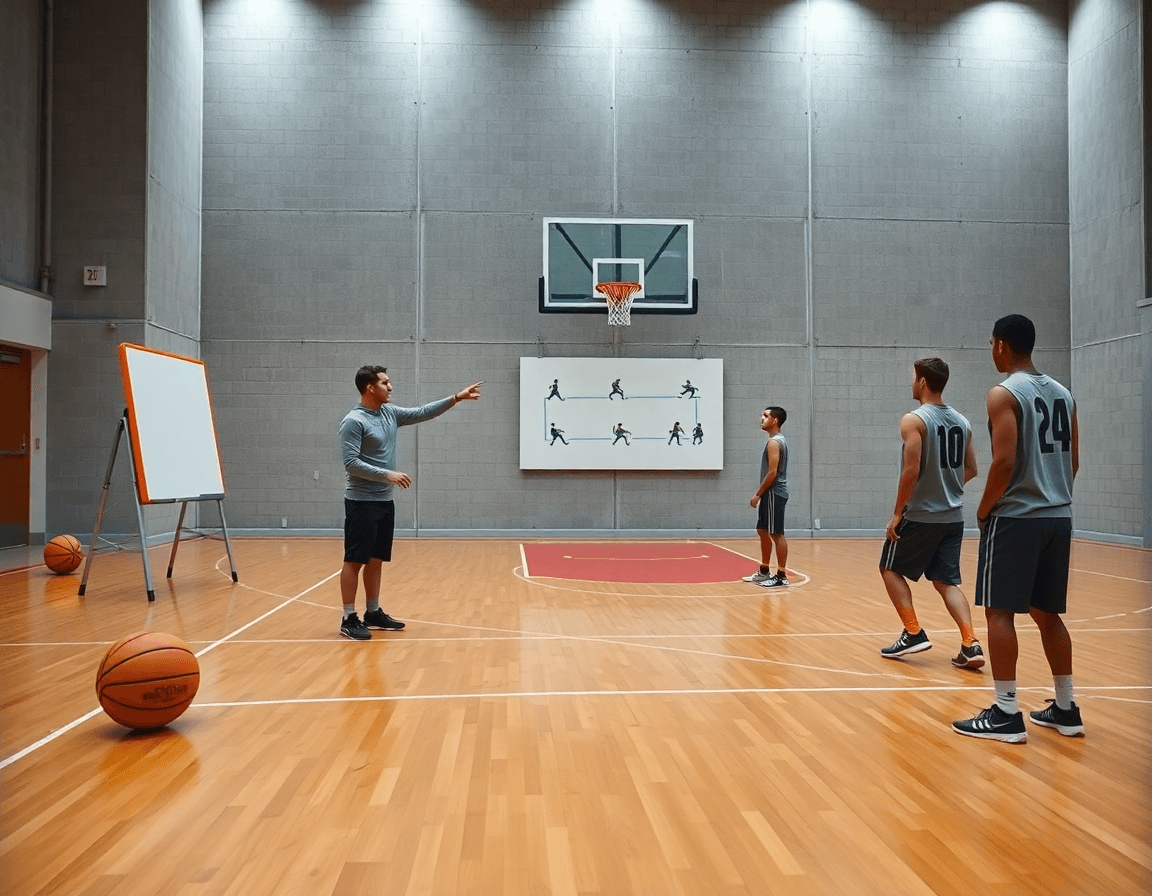
A Weekly Solo Basketball Workout Plan for Coaches
Coaches can build a weekly solo basketball workout that develops ball handling, shooting, and conditioning using a structured plan, video clips, and playlists—designed for HS, club, and college programs.

Key takeaways
- Align your weekly solo basketball workout with technique, conditioning, and game-readiness goals.
- Use a three-tier drill progression to accommodate all levels and keep intensity varied.
- Keep equipment minimal: one ball, a hoop, and a few cones laid out as stations.
- Structure the 60-minute blueprint into warm-up, technique, finishing, shooting, and cool-down blocks.
- Leverage video clips and playlists to create a repeatable feedback loop for progress notes.
Framing a weekly solo workout from a coach’s perspective
From a coach’s seat, framing a weekly solo workout starts with aligning it to the week’s goals: technique, conditioning, and game-readiness. When I design the plan, I map three focus blocks that complement the team’s practice arc. A simple cadence keeps players engaged: a pillar on Monday, another on Tuesday, and a quick evaluation on Friday. The aim is steady progress, not burnout.
To ensure every player can grow without a partner, I use a three-tier drill progressions framework with base/intermediate/advanced to accommodate all skill levels. Each tier centers on a core skill—ball handling, shooting, finishing—and scales pace, complexity, and decision-making. The solo format lets players swap in a few dribbling drills or a quick shooting sequence, no partner needed, then push the tempo as they master the base.
Keep equipment minimal: minimal equipment—one ball, a hoop, and a few cones laid out as stations. Setup is clean and repeatable, which makes it easy to run the same layout weekly. I’ll run players through a short time block at each station, jotting quick notes on where technique slips or where time pressure helps. Coordinating with assistants for quick feedback and plan adjustments keeps the loop tight.
This solo framework fits into a larger practice plan without replacing live-team reps. It creates a repeatable data trail you can review on Mondays, and it feeds into your scouting notes and practice adjustments. End the week with a brief, progressive finish—timed finisher or shooting sequence—to gauge readiness and sharpen next week’s plan. Consistency beats complexity.
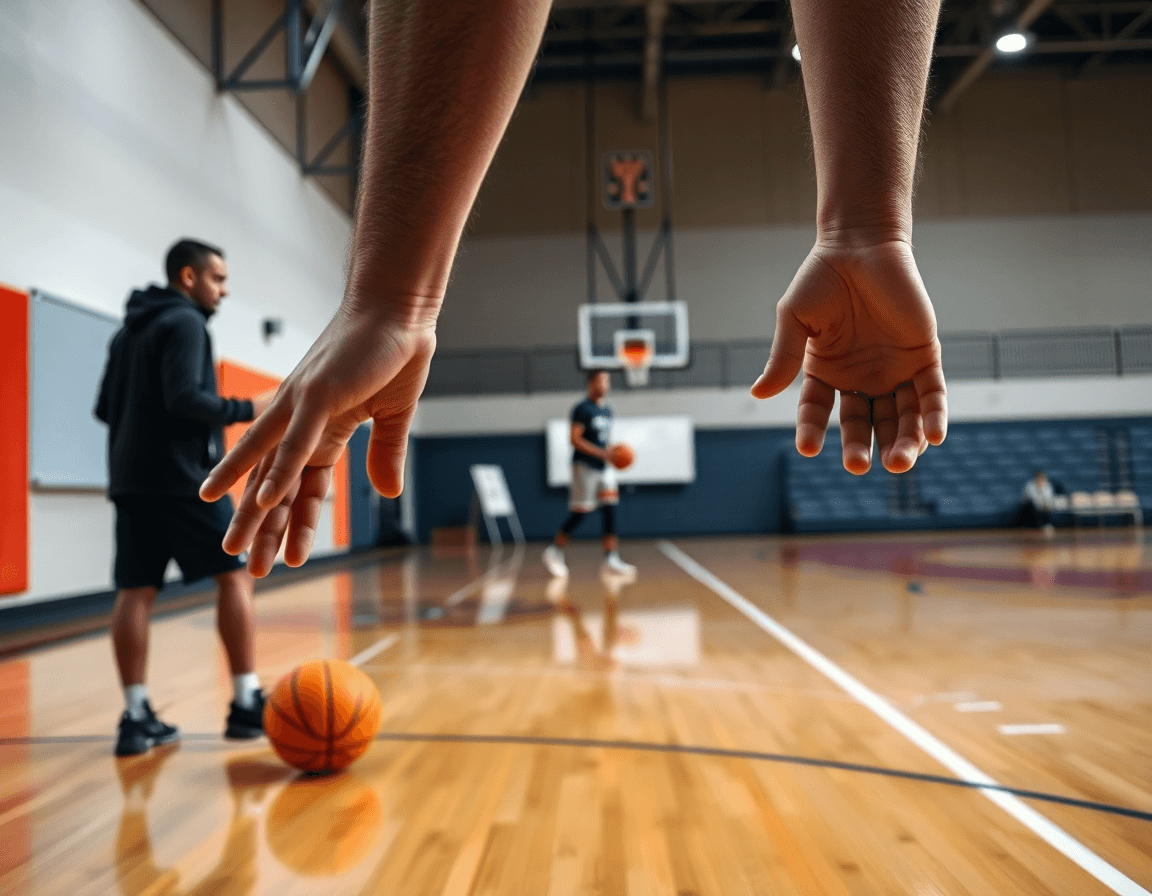
Core components of a solo workout: ball handling, finishing, shooting, and conditioning
For a weekly solo basketball workout, I structure blocks around ball handling and conditioning to keep focus and momentum. My planning framework maps four segments: ball handling, finishing at the rim, shooting, and conditioning. On the whiteboard I lay out drill progressions, rest windows, and targets, then export the plan as a PDF to share in the player playlists.
Ball handling block starts with no-partner drills you can run anywhere. I lean on controlled dribbles, crossovers, and tempo changes, all tagged in the plan (for example 'dribble-tight' and 'collapse-and-drive'). Use dribbling drills to build control without a partner needed, then add pace to challenge handles under fatigue.
Finishing at the rim gets reps from different lanes. I place cones to create paths that simulate defender angles and force quick decisions, then run a 'timed finisher' sequence to stress touch and accuracy over raw speed. Start with clean finishes—layups and floaters from both hands—before adding speed.
Shooting work combines technique with endurance. I begin with form shooting and mid-range reps, then move to catch-and-release from key spots. Tie it to conditioning with short shuttle runs between buckets to simulate transition urgency and keep the heart rate up without breaking technique. Emphasize technique first, then speed and volume.
Video clips help close the loop. After a block, I pull a quick clip that highlights a tweak and drop it into the player's playlists for reference, then I set up the next block. This workflow—planning frame, on-table whiteboard sequencing, short video clips, and shareable playlists—keeps a solo workout moving through progressive drills.
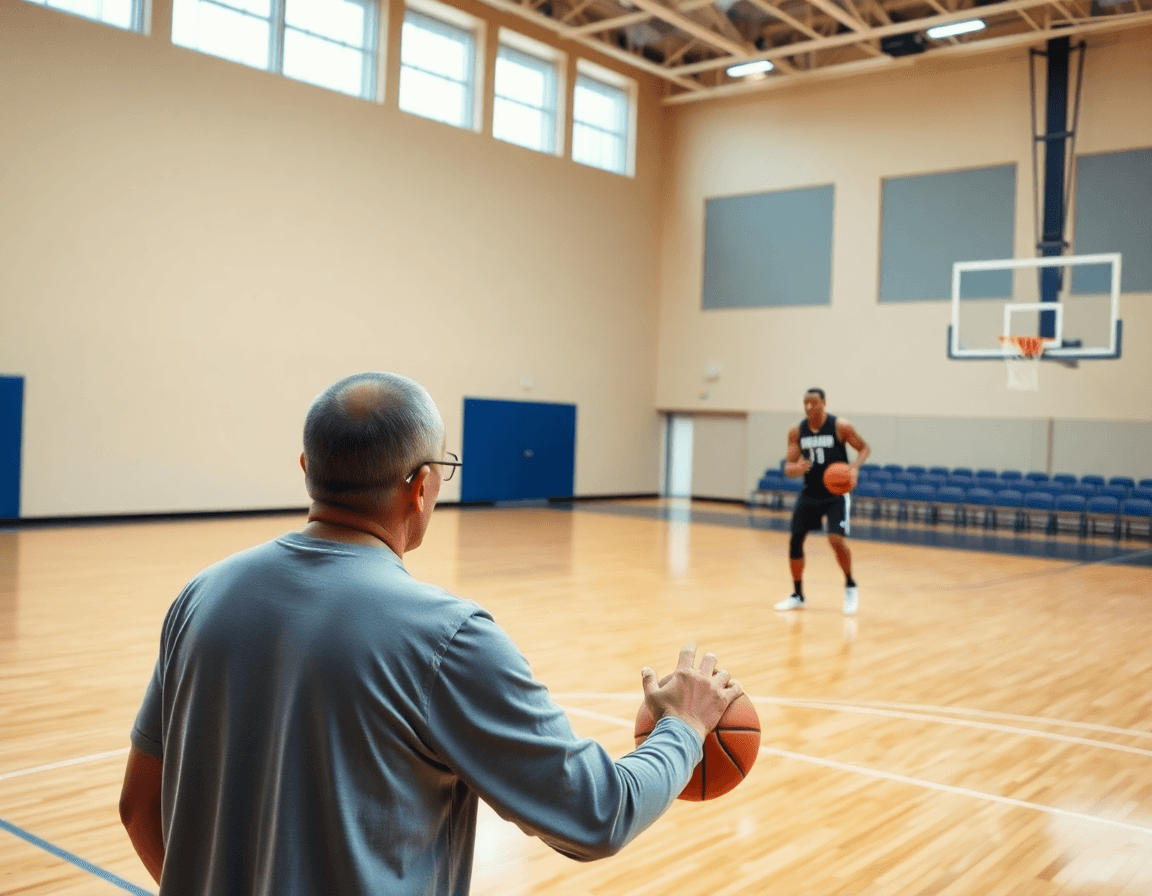
A practical workflow: 60-minute solo workout blueprint
Think of a weekly solo routine as a blueprint you can pull from the shelf and run anytime. For a 60-minute solo workout, I map it with a planning framework that links warm-up, skills, and drill progression in one flow. On the whiteboard, I script the sequence: 0-10 warm-up, 10-20 technique work, 20-35 finishing, 35-45 shooting, 45-55 off-the-dribble reads, 55-60 cool-down and notes. Simple, repeatable, and easy to monitor.
10-20 minutes: technique-focused dribbling and cone work (two-ball optional). During this block, emphasize control and quick hands. Drills cover ball handling, change of pace, and attacking angles using cones to map routes. The dribbling drills option adds difficulty but mirrors game pressure without a partner, a practical way to practice no partner needed. I grab a quick video clip here to confirm clean crossover and knee bend, then move to the next block.
20-35 minutes: finishing moves and finishing at the rim under pressure (timed finisher variants). Finish sequences test accuracy and poise. Use finishing moves from both sides, finish at the rim with contact, and push pace with a timer—timed finisher variants that you can scale to 30, 45, or 60 seconds. The whiteboard tracks reps and angles; the video clip later checks footwork and touch, ensuring each rep builds confidence under pressure.
35-45 minutes: shooting reps from game spots with emphasis on form and consistency. Move to the game spots and shoot with authentic balance and arc. Focus on a clean pre-shot routine, steady mechanics, and a set number of reps per spot. Tempo and game-like speed keep the reps honest. A quick video clip helps confirm form before you proceed to the next block.
45-55 minutes: attacking off the dribble and decision-making drills. Turn to live reads: attack off the dribble, then decide between pull-up, drive, or kick out. Drills simulate defender pressure, and a timer forces real-time choices. This block sharpens game speed decisions and keeps the brain active as fatigue sets in.
55-60 minutes: cool-down, reflection, and progress notes. Close with a cool-down and a quick self-review. Record progress notes: reps completed, spots that felt smooth, and areas to adjust next week. This is how a 60-minute routine evolves into a reliable weekly plan.
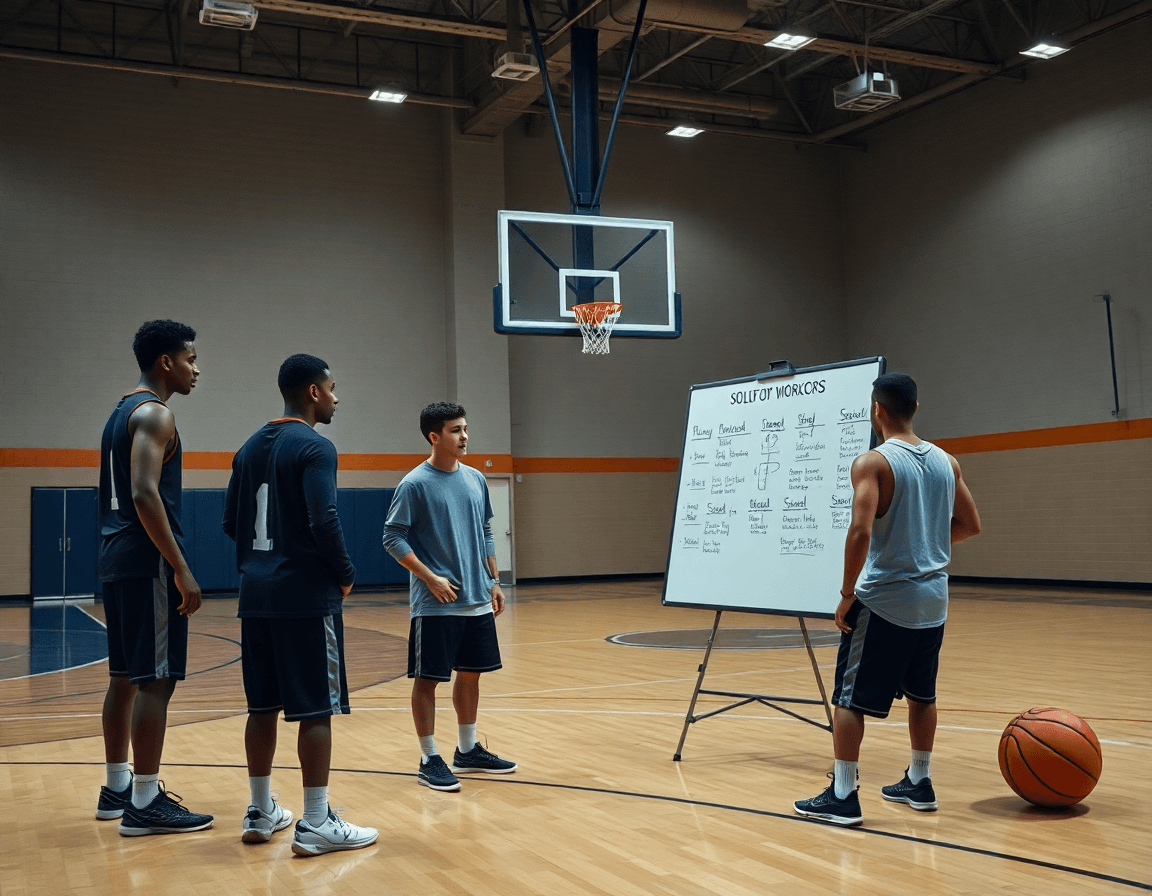
Leveraging video and playlists to accelerate solo progress
Video clips are my objective feedback loop in a weekly solo plan. I carve out a short window after a drill block to record yourself performing the key reps, then analyze form and tempo against a baseline. Think ball handling, shooting, finishing—each drill block captured in a quick clip helps us separate feel from fact. The simple rule is to grab quick footage during no-partner drills, so you can gauge whether your stance, footwork, and touch match the target.
I build focused clips for individual players and store them in organized playlists labeled by skill—“ball handling,” “shooting,” “finishing.” For a guard, the playlist might emphasize dribbling drills and timing off a cone line; for a big, finishing footwork and balance take the lead. This approach mirrors a plan you’d run in a team setting, but it’s tailored for solo work and no partner needed, making it easy to keep progress consistent even when you’re on your own.
Sharing matters. I send the playlists to players and assistants so everyone is aligned session to session. A quick link or embedded folder keeps the drills in the same order, so warm-ups feed into shooting blocks and finishing sequences without confusion. This transparency is essential when supervision is limited during home workouts—the drills stay cohesive, and the feedback loop stays tight.
Use clips as a constant reference during a workout. A 60-second refresher before warm-ups sets the tone, and a quick cue during cooldown helps lock in technique for the next session. When you need a quick check, pull up a clip as a visual reminder of the technique you’re chasing, whether you’re dialing in ball handling, shooting, or finishing with cones and timed finisher work.
Creating a shared, coach-approved solo workout plan and feedback loop
Building the weekly solo plan inside your Practice Plans library is the backbone of consistency. For solo work, outline a clear flow you can repeat weekly: ball handling, dribbling drills, finishing, and shooting, with a few no-partner options and a timed finisher block. In the plan, add concrete durations and targets so you can measure progress. A simple on-court scene helps: warm-up with form shooting, then a cone-based handling ladder, then a timed finish sequence. This keeps the routine tight and easy to ship to assistants.
Collaborate with assistants to refine progression and targets. Use a visual whiteboard to map drill sequencing—from warm-up to skill work to finish—so everyone sees the path. This is where the plan grows: you pull in different tempos, cue lines, and rep ranges, and adjust based on how players respond. The goal is a shared, coach-approved workflow that scales across players and weeks.
Log weekly feedback and adjust drill difficulty for each player. The feedback loop should capture what clicked, what didn’t, and where to push next (pace, spacing, cone placements). Record small wins and adjustments, so you can rotate in tougher variations while maintaining a steady throughline. A simple progress-tracking method helps you announce improvement without needing live scrimmage to validate every gain.
Finish with shareable playlists that guide players through progressive drills. Export or generate concise video clips for technique feedback and drop them into a player-facing playlist. This keeps ball handling, shooting, finishing, and no-partner routines moving forward—often without needing a full gym or partner, just focused home workouts and a clear plan.
One-week template you can customize for your squad
This is a one-week template you can customize for your squad, built around a solo basketball workout you can run with no partner. In your weekly plan, map each day to a core block—ball handling, finishing, shooting, decision-making, and a full 60-minute finisher. Use a planning framework to set time blocks, assign drills, and keep a shared library of drill cards so everyone starts from the same page. It’s designed for home workouts and gym floors alike, with a simple, shareable PDF players can follow.
Monday centers on ball handling and control—cone drills, two-ball work if you have the access. On the whiteboard, sketch a clean drill sequence: cones for quick changes of direction, then laconic control with a second ball. After the session, drop in a few notes in your scouting-like pool about what to emphasize next week. Keep the plan tight so a player can replicate it on his own in the driveway or a small gym.
Wednesday runs through shooting progressions—form shooting to spot-up shots, with a focus on mechanics first, then rhythm. Thursday shifts to decision-making—attacking angles, reads, and game-speed pace to simulate live reads. Friday culminates in a full 60-minute solo workout with all blocks combined, including a timed finisher to push endurance and temperament.
Saturday offers an optional light session or rest, and Sunday is for review: watch the video clips, assess form and decision quality, and plan adjustments for next week. Use a shareable playlist to guide players through progressive drills and keep the feedback loop tight. This framework helps you build a consistent, no-partner-needed routine that scales with your squad.
If you build plans like this every week, CourtSensei keeps your drill library, whiteboard, and video clips in one place — try it free.
FAQ
How often should my player do this solo basketball workout?
Aim for 3-4 sessions per week, with at least one rest day. Tie the cadence to the weekly plan: Monday technique, midweek skill work, Friday evaluation. The goal is steady progress, not burnout. Use a solo basketball workout framework that fits with your team’s arc, and follow a three-tier drill progression to scale from base to advanced as skills improve.
What equipment does my player actually need?
Keep it minimal equipment: one ball, a hoop, and a few cones laid out as stations. A wall rebound or chalk marks can substitute, but the core is simple. No partner needed means you can run clean, repeatable layouts weekly. If you want variety, add optional time blocks or a second ball for no-partner drills.
Is this workout right for a beginner?
Yes—this framework works for beginners when you start at the base tier and keep the focus on technique first. Use controlled pace, simple ball-handling and finishing reps, and gradually add speed and decision-making as form stabilizes. The plan scales up to intermediate and advanced without sacrificing fundamentals.
How can my player stay motivated working out alone?
Keep motivation high with a clear feedback loop. Use short video clips and shareable playlists to track progress, and log quick progress notes after each block. Set attainable targets for the week, vary drills, and celebrate small wins. When solo work feels repetitive, rotate topics or add game-like challenges to stay hungry.
My player gets bored. How do I keep it fun?
To keep it fun, break the time into short blocks and mix in variety. Use timed finisher variants, quick catching and shooting sequences, and game-like challenges that mimic real decisions. Switch routes through stations, adjust landmarks, and throw in a mini-competition against yourself to spark engagement.