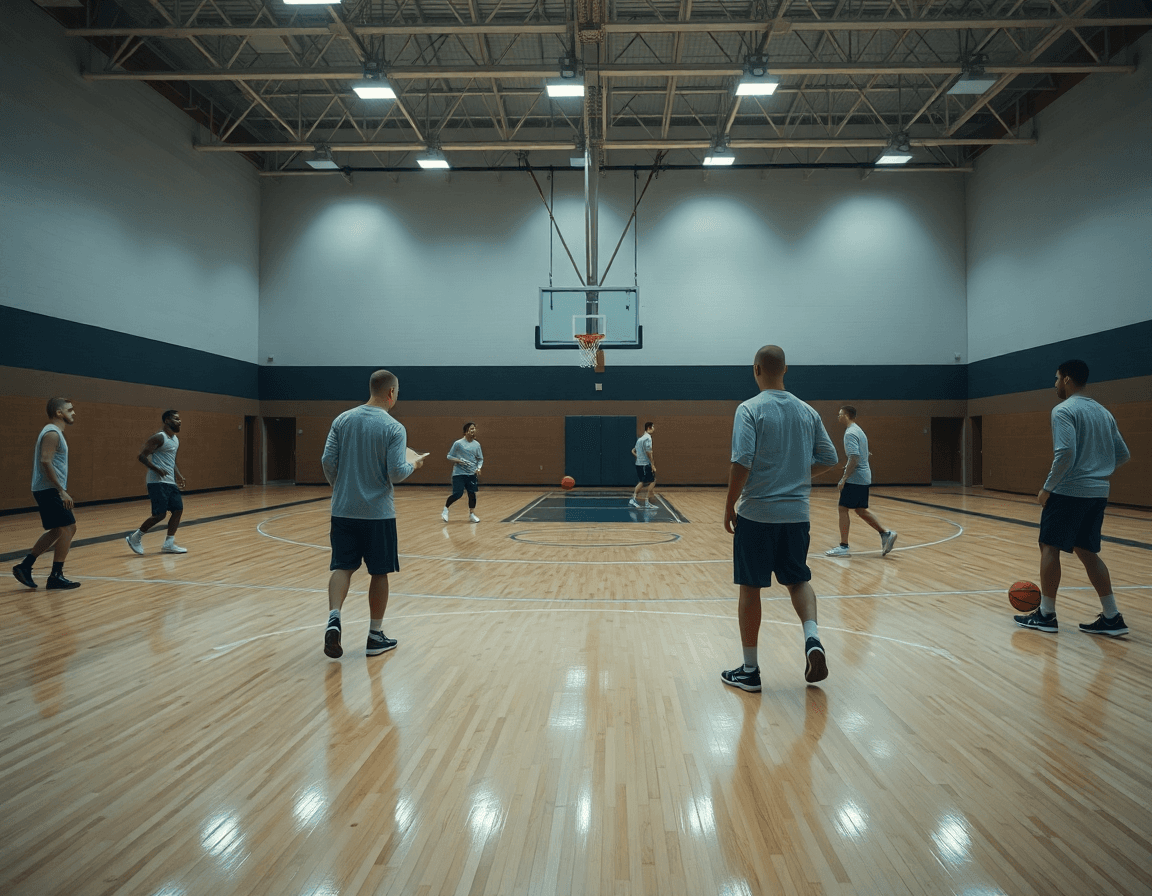
Pick and Pop Basketball: Weekly Coaching Playbook
Master pick and pop basketball with a coach-focused weekly workflow: plan drills, diagram plays, scout defenses, and share video clips to teach reads and space.

Key takeaways
- Clearly label the post-screen reads: shoot, back-pass to screener, or drive for clean spacing.
- Prioritize floor balance by ensuring the big has a reliable perimeter jumper and the guard can attack gaps.
- Build a plan library and whiteboard diagrams; export videos to playlists for quick prep.
- Create weekly playlists and scouting notes to flag opponent hedge and switch tendencies.
- Lock in a simple plan-and-practice cycle: install concepts, drill reads, and finish with perimeter jumper.
What is a Pick and Pop? Key concepts for coaches
The basic idea of pick and pop basketball is a variation of the pick and roll where the screener pops to the perimeter jumper and offers a shot. It keeps the defense honest, creates space for the ball handler, and gives us a clean outside option when the guard can’t beat the rim. It’s a weapon we tag in our weekly plan to stress floor balance and spacing.
After the screen, the ball handler has three reads: shoot, pass back to the screener, or drive. The goal is solid spacing so our shooter has room to rise into the jumper and the ball handler can read the defense for the next option. In the plan, we label the reads and route the ball accordingly so players see the sequence on the whiteboard before practice.
Defenders will react differently: a switch can invite a quick pocket pass, hedging slows the pop, and a drop behind the screen can invite a drive or a contested jumper. The key is the read of the defense as the screener pops. If the defender is close, the pocket pass or kick-ahead creates an easy shot; if help comes, the ball handler can drive or swing to the wing for a clean look.
Notes on personnel: use pick and pop when your floor is spaced and your big has reliable shooting, paired with a capable ball handler. If the big’s perimeter jumper is trustworthy and the guard can drive or pass with pace, this becomes a primary counter to tight on-ball pressure and packed gaps.
From a workflow standpoint, we place this in the plan library, diagram it on the whiteboard, and export a short video clip to a shareable playlist. A scouting note then flags how the opponent tends to hedge or switch and where the pop is most likely to open.
A Practical Workflow: Plan and Practice Weekly
Week after week, pick and pop basketball becomes a reliable staple when you connect planning, whiteboard diagrams, and video into a clean workflow. A solid weekly plan locks in core actions, assigns drills, and sets a clear progression for players and staff. I map two days for spacing and screen reads, another for pop timing and decision-making, then a quick review to lock in reads. The anchor is a simple plan-and-practice cycle: install the screen and pop concepts, drill the reads, and finish with a repeatable perimeter jumper.
On the plan side, I build a plan library of pop-related plays and diagrams for quick sharing with assistants. Each entry ties a diagram to a drill and a progression: start with ball-screen reads, escalate to popping for space and a jumper. We export PDFs of the whiteboard diagrams for staff meetings and game prep, so everyone is aligned. In practice, we run short video clips between reps to reinforce timing and spacing, while the screener and ball handler cues stay front and center.
Video and scouting come together in the weekly cycle. I build playlists of clips that highlight pop opportunities or clean reads where the shooter gained space, then share them with players for quick review. I attach scouting notes on opponents’ screen-and-pop tendencies and how we’ll attack them—ball-handler reads, ball-screen pressure, and shots off the pop. This workflow links the plan and practice to real game prep: adjust the pick and pop program based on what we learn about the defense.
Drills to Teach the Pop: From footwork to catch-and-shoot
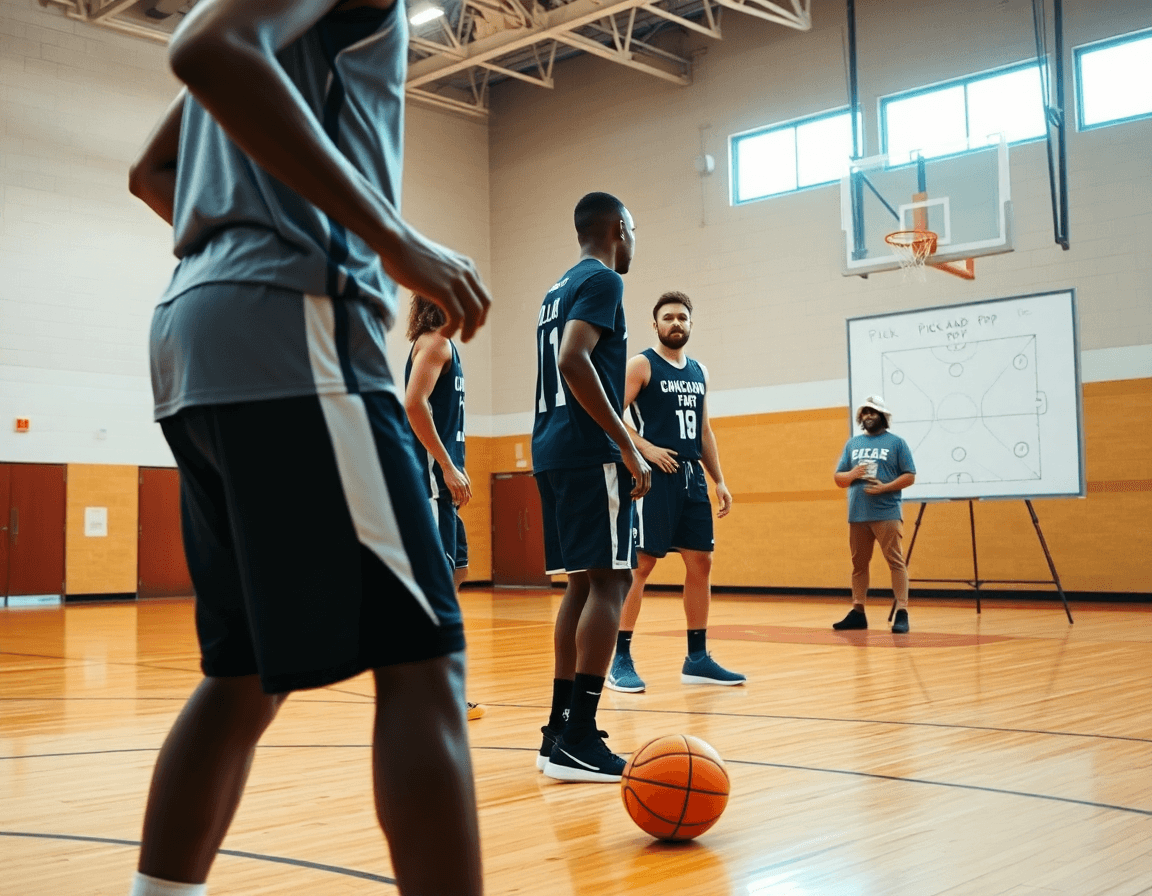
Drills to teach the pop start with footwork and timing, because the pop into open space is where a clean jumper lives. Use a ladder or cone progression: jab step, inside-out toe taps, then a vertical jump to seal the space. The shooter should finish with a quick catch-and-shoot to a wide-open perimeter jumper. Keep the pop moment small and explosive so defenders can’t recover. I’ll pair this with a couple of live reps against a closeout so the shooter learns to read a real defender. In the plan for this week, I drop a clear whiteboard diagram to map the path from screen to space and clip the key reps for review. This is the backbone of the pick and pop drills.
Next, add pocket passes and read-the-defense reads. After the screen, the ball handler must decide when to thread a pocket pass to the popping shooter or to swing the ball for spacing. Drill it with a defender hedging or showing, then swapping to a soft drop. The pocket pass comes when the defender closes out high; otherwise, the shooter needs to read the defense and stay ready for an immediate catch-and-shoot. This is where space creation matters: the screener’s pop aims to pull help off the ball, creating a clean pocket pass or a quick exit pass to the next option. Record a quick scouting note on how the defender tendencies altered the decision, and save a PDF diagram that highlights the reads for future film.
Finally, practice catch-and-shoot readiness after the pop. The shooter must sprint into two steps of footwork, catch with hands ready, and elevate into a clean release. Add closeouts with varying pace and angle to simulate game pressure. Include a drill that blindsides the defense with a quick catch-and-shoot from the pop, then a secondary option if space isn’t available. Build a short video clip of the pop-to-shoot sequence and attach it to the week’s playlist so players can study the rhythm. This ties together the reader of the defense, the pass from the ball handler, and the shooter’s timing for a reliable perimeter jumper.
Diagramming and Practice Scenarios on the Whiteboard
On the whiteboard, I map out the weekly pick and pop program by diagramming BLOB and SLOB variations, plus ATO tweaks. I start with the ball handler coming off the screen, the screener popping, and the spacing that creates a look for the shooter. If the defense overplays the pop, we have a quick slip to the rim; if they sag, the shooter can pop into a catch-and-shoot. I keep it lean at first—two base looks—and then layer in read options for different game situations. These diagrams go straight into the plan library so assistants can pull them up in prep or after practice. This is where theory meets action, fast.
Detail spacing, defender alignment, and shot options with clear cues. I choreograph four-out and spacing patterns that force the defense to decide: hedge, go under, or switch. I label defender angles, where the screener and ball handler need to be, and the exact cues we want players to hear—“pop wide,” “read the hedge,” “catch and shoot.” We practice the timing with a quick reset in the drill work, so players feel the space and options without thinking through every option aloud. It’s a push-pull between rhythm and reaction, designed to keep the ball in motion and the defense guessing.
Export diagrams as PDFs for scouting reports and practice handouts. After a session, I export the board layouts and attach a quick scouting note—what the opponent typically does in pick and pop looks, where the weak links show, and the preferred shooter reads. Those PDFs become part of the scouting packet and a ready-made handout for the team, plus shareable links to the clips that illustrate the reads. The goal is to make every diagram a teachable moment for space creation and read defense.
Scouting and Countering: Preparing for defenses and opponent tendencies
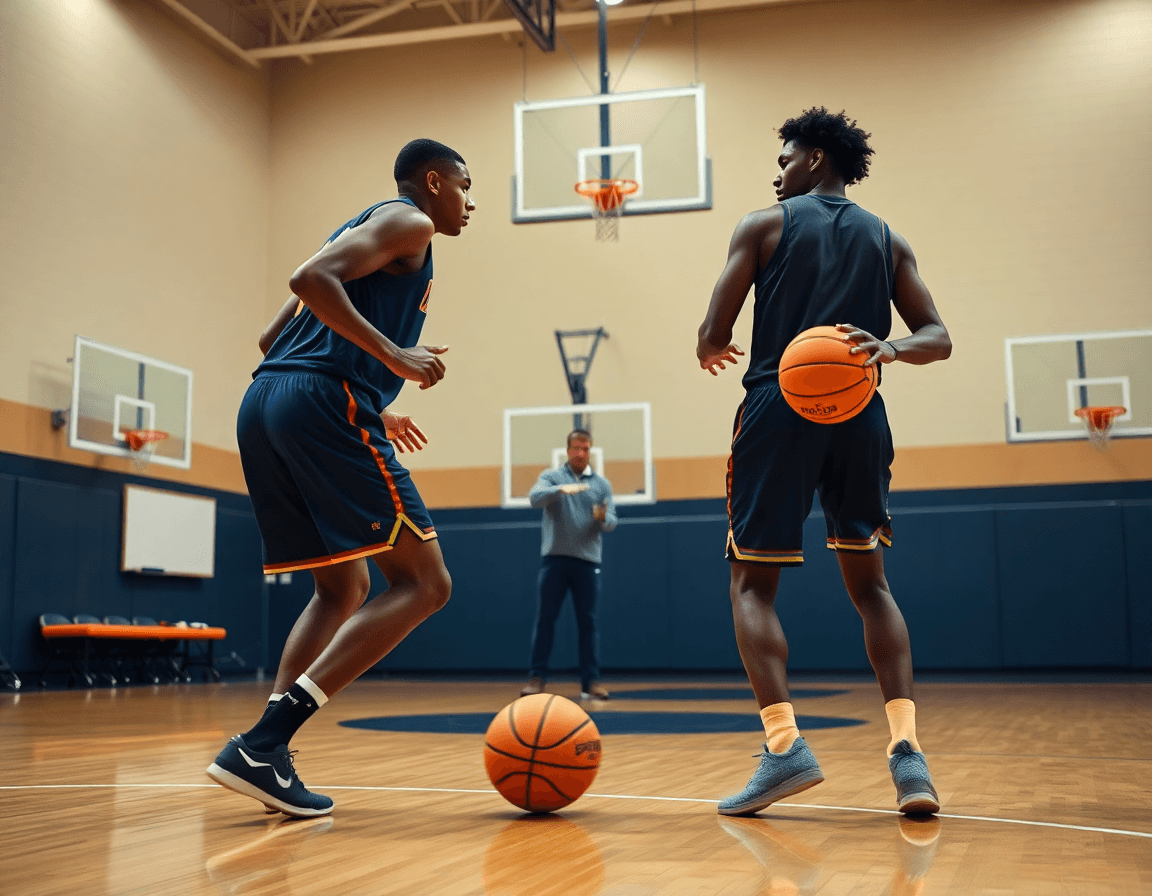
Scouting for pick and pop starts with a clear map of the defenses you’ll face. For this week, we pull clips and build a concise scouting report that highlights tendencies that affect our ball-screen action. You’ll be looking for when teams switch on screen, when they hedge and recover, and when they drop coverage to protect the rim. Those patterns become the defense counter you’ll plan around. Keep the notes tight: which defender is involved, what triggers the switch, and where space shows up.
Turn those tendencies into a grid that links to your pick and pop options. In our scouting for pick and pop, we map each opponent tendency to a concrete counter: if they switch defense, the screener pops and the ball handler reads the defense for a kick-out; if they hedge/recover, we add a slip option; if they drop coverage, we prioritize a pop with spacing and a back-screen to keep shooters ready for a perimeter jumper. This framework helps us teach players to react to the read and stay ahead of the defense.
Workflow matters. In the plan, attach a short video clip showing the counter in action, and on the whiteboard diagram the sequence. The plan library stores these diagrams as playbooks you can pull any week. When you walk into practice, every defender you expect has a card: the read, the counter, and the spacing. It’s not just theory—the notes travel with you to the gym and onto the court.
Example scenario: vs a team that uses a strong switch, we run a ball-handler read on the screen for a kick-out, or slip to the rim if helpers bite. If they drop, we prioritize space creation with a pop to the perimeter shooter, using the screener to hold the defense and keep the ball in our hands. This is where players learn to read defense and make the call.
Keep updating the scouting notes weekly and share playlists of video clips for players to study. The weekly program lives in the scouting reports and the video playlists, guiding our counter-reads and decision-making on the floor.
Video Workflow: Clip, tag, and share pick and pop reads with players
Video workflow starts with clipping key moments from last week’s film: video clips of successful picks and pops, reads, and shooter reactions. This becomes the backbone of our weekly pick and pop program. In CourtSensei, you pull these clips, label them for quick reference on the plan library, and save them for use in practice. On the floor, you show a clip of the screener setting the ball screen, the ball handler reading the defense, and the shooter popping to create space.
Tag plays by location, option (pop vs roll), and defender reaction to accelerate review. This speeds up reviews and makes it easier to pull the exact reads we want to emphasize that week. On the whiteboard, diagram the sequences: screen and pop, ball screen implications, and how the read defense changes if the projection shifts. The tag data becomes a filter you can use when you curate the weekly clip set, so you can zero in on what matters for that week’s opponent and spacing.
Create playlists and use shareable links to deliver personalized feedback to each player. A kid’s playlist might show a pocket pass timing clip, a defender reaction, and the shooter’s immediate reaction. Share the link with the player after practice and with assistants for quick alignment. This keeps the learning loop tight and the weekly program moving from plan to performance.
During drills, pull a clip, narrate the read defense, and show how a pocket pass breaks the defense or how space is created after the screen and pop, often leading to a perimeter jumper. Tie the clip to the current plan of the week and remind players that the same sequence lives in the plan library and in their personal playlist. The result is a tighter feedback loop from scout reads to on-court action.
Weekly Checklist: Ensure you cover spacing, reads, and shot readiness
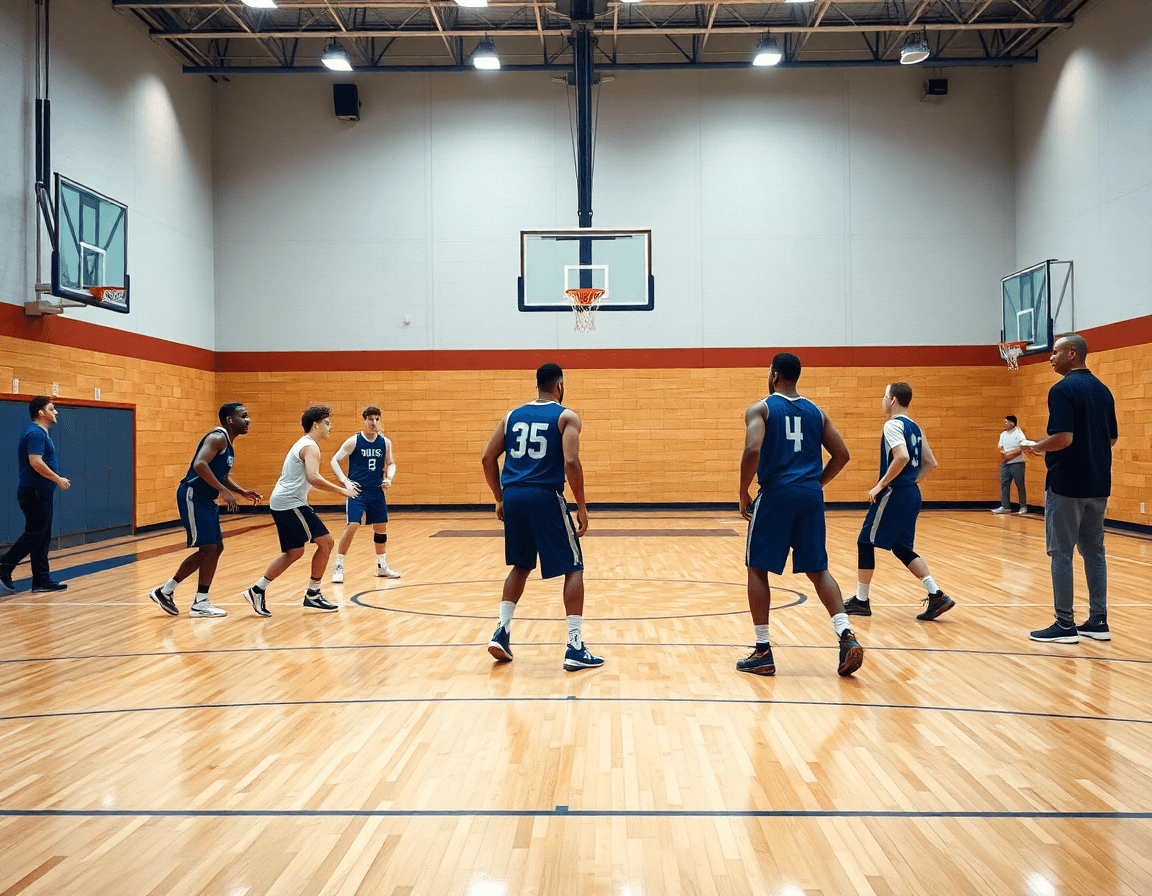
Each week, I run a quick weekly checklist to lock in spacing, reads, and shot readiness for our pick and pop basketball program. In the plan library, I map the focus for the week—ball screens, screener reads, and space creation—and translate it into clear diagrams on the whiteboard for practice. We emphasize the wing and corner spacing, the screener’s angle, and the ball handler’s options after the screen. The goal is clean spacing and crisp reads so players know when to pop, slip, or attack off the catch on those reads.
To run a clean week, I confirm the availability of assistant coaches and video resources for the week. We lock the details in the 'u planu treninga' workflow, place diagrams on the 'na taktičkoj tabli', assemble a 'kratak video klip' for the rotation, and file the 'scouting beleška' for reference. These pieces feed into our plan library and our shareable playlists, so players can review the clips anytime and stay synced with the team’s execution.
Finally, I review scouting notes and adapt practice to counter the opponent’s defense. If the scouting beleška flags a drop, hedge, or show, we adjust the drills to sharpen reads and decision points for the ball handler. We practice the different shot options—perimeter jumper, catch-and-shoot, or drive-and-kick—while preserving spacing and the pop read. The weekly aim is solid shot readiness across looks and reliable execution of the pick and pop, even when the defense reacts.
If you build plans like this every week, CourtSensei keeps your drill library, whiteboard, and video clips in one place — try it free.
FAQ
What is the difference between pick and pop and pick and roll?
Think of it as a variation on the same premise. In a pick and pop, the screener pops out to the perimeter for a jumper instead of rolling to the basket. That keeps the floor wider and gives the guard an easy outside option if the rim isn’t available. After the screen, the ball handler can shoot, re-pass to the screener, or attack off the read.
When should you use a pick and pop instead of a pick and roll?
Use a pick and pop when the floor is spaced and your big has a reliable jumper. It counters tight on-ball pressure and packed gaps, offering a quick shot or a read for the ball handler. If the defense overhelps, the shooter rises; if they hedge or switch, the handler can drive or swing.
How do you defend against a pick and pop?
Defenders respond with switches, hedging, or dropping. The key is reading the pop and denying the shooter space while pressuring the ball handler. A quick pocket pass to the popping shooter can beat a guarded pop; a soft drop may invite a drive or an open swing. Communication and timing are essential.
What drills teach the pick and pop?
Drills start with footwork and timing: ladder or cone progression (jab, toe taps, vertical pop) and finish with a catch-and-shoot. Add pocket passes and read-the-defense with defenders hedging or dropping. Finish with quick closeouts and two-step catches. Use short video clips for review.
How do you space players when running pick and pop?
Space is the core for success. Keep the shooter with room to rise, avoid clogging the lane, and let the ball handler read the defense. Use a clear spacing pattern and map it on the whiteboard before practice. Adjust for opponent hedges and switches; a well-spaced setup makes the pop open more often.
Can a center shoot from outside during a pick and pop?
Yes, if the big has a reliable perimeter jumper; the reads depend on defense. A shooting center expands options and keeps defenses honest; otherwise, the pop creates space for the guard to attack. Build the plan around the big's shooting threat and adjust reads accordingly.