
Practice Plan Template Lacrosse: Weekly Coach Workflow
Coaches guide to a practice plan template lacrosse for a week: structure blocks, add whiteboard diagrams, incorporate video clips and scouting to run game-speed sessions.

Key takeaways
- Lock in a centralized workflow and a clear practice plan template lacrosse to streamline weekly prep.
- Map blocks to the calendar, assign drills to assistants, and link Video Clips for quick post-practice review.
- Follow a seven-block cadence to drive game tempo and accountability, with clear cues and progression.
- Link whiteboard diagrams to drill blocks and distribute printable PDFs for staff and players.
- Maintain a progressions focus from fundamentals to live play, and pull scouting notes to adjust weekly emphasis.
Weekly lacrosse practice plan template: what it looks like
Week after week, the plan follows a centralized workflow built around a centralized workflow and a practice plan template lacrosse. I start by loading the week's objectives into Practice Plans, drop in ready-to-use blocks for each segment, and use the digital whiteboard to diagram sequences (BLOB/SLOB/ATO/PnR as needed). The video module lives in the background: short clips trimmed to key reps, organized into playlists for quick sharing with players. Scouting notes sit alongside, ready to pull when we face a rival. All of this maps to a weekly cadence, so every session builds toward game speed and accountability.
Seven blocks guide the hour plus minutes: Dynamic Warm-Up, Stick Work, Ground Balls, Position Drills, Team Concepts, Small-Sided Play, and Cool-Down. In a typical 60–90 minute window, you move from fundamentals to game-speed scenarios, with each block getting a set of drills, cues, and progression notes in the plan. The flow remains consistent week to week so players know what to expect, and coaches can hold players accountable for reps, tempo, and decision-making. After practice, we export a concise PDF for players and assistants and drop in a quick scouting note on any adjustments for the next session.
Set up the template for your week
Set up the template for your week starts with selecting a variant that fits your players' age and level, and deciding whether you're in a game week or a non-game week. That choice sets the cadence: a clean repping sequence across a dynamic warm-up, stick work, ground balls, position drills, team concepts, small-sided play, conditioning, and a cool-down. Reps at game speed with clear checkpoints for each block keep the plan actionable, not just aspirational. This is where the weekly practice plan begins to feel like a map coaches can follow without second-guessing.
Map blocks to the calendar, assign drills to assistants, and align with team goals. Turn blocks into time slots that mirror the game plan, scheduling core items with the right balance of reps and review. This keeps everyone on the same page and makes it easy to spot gaps before the next session.
Upload or save the plan in the library; prepare printable PDFs for staff and players. A centralized copy means new assistants can run sessions with confidence. Link scouting notes and video cues to relevant blocks for quick reference—pull a short video clip and a scouting note for a drill while coaching.
That’s the workflow in practice: Ready-to-use Practice Plans, Whiteboard diagrams, Video Clips, and Scouting notes, all connected to a cohesive weekly session. When you roll into week 2, you’re already close to the game tempo, with reps and decisions mapped to the plan and accountability baked into the calendar.
Block-by-block workflow for efficient practice
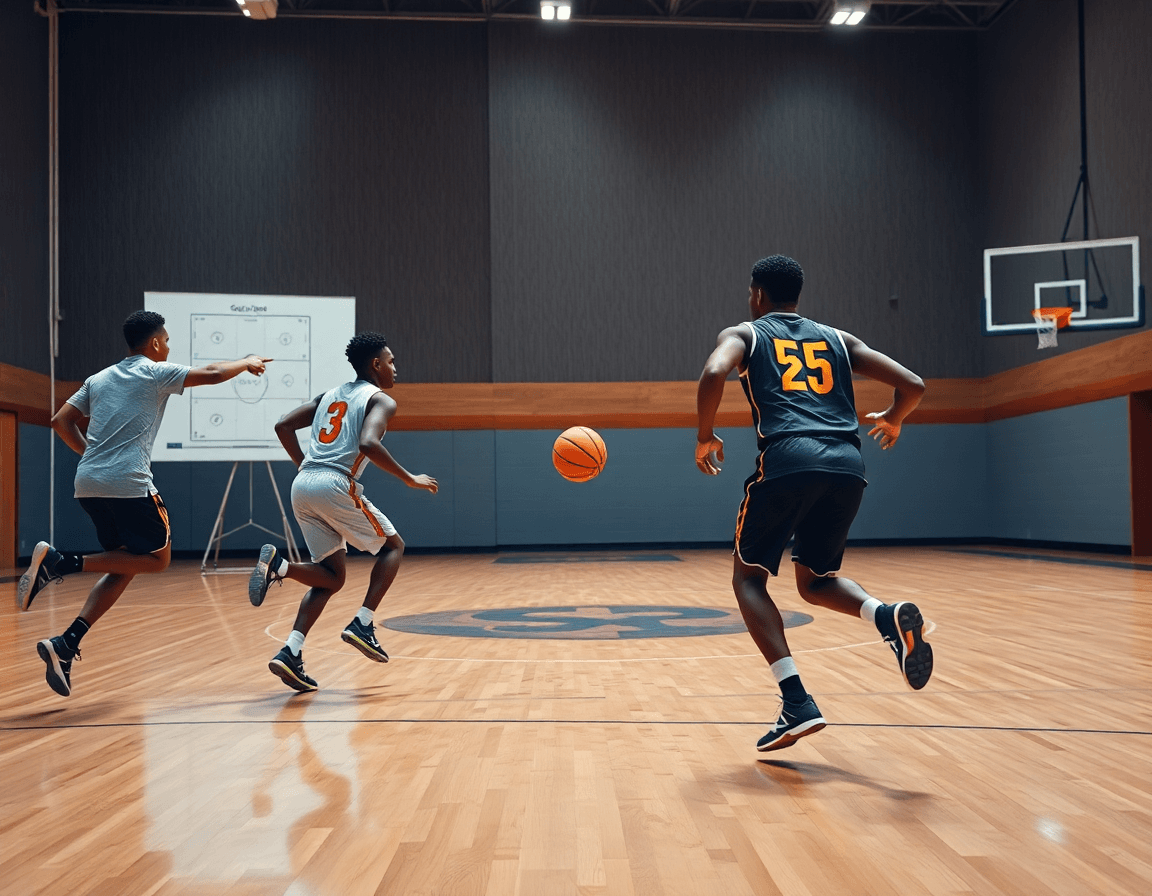
Block-by-block workflow turns a lacrosse practice plan template into repeatable, game-ready sessions. Start with ready-to-use blocks and map them in Practice Plans so every coach and assistant knows what to run and when. Typical weekly blocks align with effort and focus: Dynamic Warm-Up (10–15%), Stick Work (15–20%), Positional Drills (20–25%), Team Concepts (25–30%), Live Scrimmage (15–20%), and Conditioning (5–10%). On the Whiteboard, drop in BLOB/SLOB/ATO/PnR diagrams for the upcoming sequences, then pull a short video clip to illustrate the technique or decision you’re after.
Maintain a consistent progression from fundamentals to game-speed decisions. Start with dynamic mobility and ball handling, move into stick work and Ground Balls, shift to Team Concepts to lock in spacing, reads, and transitions, then layer in live scrimmage to test reads at pace and a compact conditioning block to finish strong. Keeping this cadence predictable makes it easier to track reps and accountability across the week.
To keep blocks sharp, use a simple checklist: block objective, coaching cues, required reps, tempo, and rotation plan. Mark which players lead each block and which drills live on the Whiteboard. Link relevant Video Clips and Playlists for quick review after practice, and pull Scouting Notes to tailor upcoming weeks—adjusting block emphasis based on opponent tendencies or your team’s gaps. That cohesive weekly flow—Practice Plans, Whiteboard diagrams, Video Clips, and Scouting notes—lets you defend a plan and coach toward consistent improvement.
Design plays on the tactical whiteboard
Designing plays on the tactical whiteboard is where my weekly routine starts. I diagram BLOB/SLOB/ATO/PnR concepts and connect them to drill work in the plan. That linkage helps every assistant coach and player see how a sideline reset translates into a live, game-speed decision during our practice blocks.
Each diagram links to a specific drill block in the plan: BLOB entry becomes a sideline reset drill, SLOB options map to wing-to-cage movement, and ATO timing cues thread through our quick-hitting sequence. The goal is to have a clear path from the whiteboard to the floor—so the team can execute with confidence when the pressure’s on. A quick side benefit: these diagrams also cue our players to anticipate space, reads, and timing before the whistle.
For prep, I generate printable diagrams or PDFs that I share with the staff and upload to the Practice Plans. Before practice, we review the pages during a brief huddle; during the session, players can reference the same diagrams on the whiteboard while we run the drills, ensuring consistency across both plan and execution. This is how you keep the lacrosse play diagrams fresh in memory and easy to revisit.
Finally, I always link whiteboard diagrams to specific blocks to improve retention and execution. When a diagram sits beside the drill block in the plan, players connect the motion to the consequence—and our team concepts stay cohesive from dynamic warm-up through stick work, ground balls, and position drills to the cool-down. The result is a tighter, more accountable weekly cycle.
Video clips: build, organize, and share with players
In the weekly training cycle, Video Clips become a practical shorthand for turning reps into game-speed insights. You cut and tag clips by drill, game situation, or concept—ground balls on the wing, a ride scenario, or a mid-field transition. That tagging, when linked to the practice plan template lacrosse, lets you pull a clip into the right block for quick review.
Create playlists linked to blocks, such as transition defense, clearing, or ride scenarios. Each playlist is a curated sequence of clips that reinforces a macro concept you want every player to feel during reps. During plan execution, you can grab a short video clip, drop it into the corresponding playlist, and align it with drills in the plan.
Share clips with players for review before or after practice to reinforce concepts. Giving players access to clips from your lacrosse video analysis helps them see the exact technique or decision you want. They can watch on their own time, then come ready to discuss in the next meeting.
Keep the workflow tight: pull a clip from the plan, tag it, drop into the correct playlist, and assign a quick follow-up drill. This keeps reps focused and accountability clear across dynamic warm-up, stick work, and team concepts. When you tie video into scouting notes, the week’s practice plan template stays cohesive.
Scouting reports to sharpen weekly plans
Capture opponent tendencies and top action sequences to inform drills. In my weekly plan template lacrosse, I pull the scouting lacrosse notes on the upcoming opponent and build reps around their go-to actions. We track their motions off faceoffs, clears, and ride patterns, then translate that into drill progressions. The opponent scouting report becomes the leash that guides where we emphasize speed, angle work, or transition reads in practice.
Tie scouting notes to team concepts and block selections to exploit or defend tendencies. I map what we learn to our core team concepts and the blocks we install in our defensive and offensive schemes. If the opponent pressures out of their clears, we rehearse a defensive block with quick decision reads and a counter-attack sequence. This keeps the plan cohesive: every drill aligns with our concepts, every block reinforces a game plan, and nothing sits in a notebook without a purpose.
Maintain a living scouting page accessible to the coaching staff. We store all notes in a living scouting page that the entire coaching staff can access and update. During plan reviews, I link entries to the practice plan template lacrosse blocks, so drills, whiteboard diagrams, and video clips reference the same cues. If an opponent shifts tendencies midweek, a quick update keeps the plan current and everyone aligned.
On the field, the workflow shows up in real time. For a Tuesday session, we start with a dynamic warm-up that mirrors the opponent’s transition pace, then move into stick work and ground balls within position drills that target their weak spots. We finish with small-sided play anchored by the scouting notes to mirror game-speed decisions and test adjustments in a controlled setting.

Practical workflow: from plan to practice
As a coach who lives in CourtSensei, the practical workflow from plan to practice starts with a practice plan template lacrosse that ties together Practice Plans, a centralized Whiteboard for diagrams (BLOB/SLOB/ATO/PnR), Video Clips organization and playlists, and built-in scouting notes. When you map the template to a weekly session, reps mirror game speed, decisions stay accountable, and your staff stays in sync. It’s not a pile of PDFs; it’s a connected pipeline for the week.
Step 1: select the lacrosse practice plan template and week’s theme. Step 2: customize blocks and drills for the roster and schedule. Organize the blocks from dynamic warm-up through stick work to ground balls, then advance to position drills, team concepts, small-sided play, conditioning, and a cool-down. This setup lets you tailor the intensity and emphasis—if a defender needs more stick work, you slot in extra reps; if your midfield needs tempo, you push more transition work.
Step 3: populate the Whiteboard diagrams for each block to visualize BLOB/SLOB/ATO/PnR actions. Step 4: assemble and attach video clips to relevant drills, building playlists that let players rewatch a rep on demand. Pair diagrams with clips on the plan so coaches can call out a drill, show the diagram, then cue the clip right after the drill—all in one workflow.
Step 5: finalize the plan and export a PDF for staff and players. Step 6: run practice, collect feedback, and adjust for the next week using scouting notes to refine the plan. With this practical workflow lacrosse, you close the loop from planning to on-field execution, ensuring every block—dynamic warm-up, stick work, ground balls, and team concepts—feeds toward your weekly goals.
If you build plans like this every week, CourtSensei keeps your drill library, whiteboard, and video clips in one place — try it free.
FAQ
How often should I update a lacrosse practice plan template?
Update it weekly. Start with a stable cadence so players know what to expect, then adjust based on opponent scouting notes, identified gaps, and whether you’re in a game week. Rely on a centralized workflow and a strong practice plan template lacrosse as your backbone, then tweak blocks, drills, and progression after each session.
What’s the most important part of a youth lacrosse practice?
Consistency and flow. A youth session lands best when seven blocks run in a predictable sequence, with clear objectives and checkpoints. Keep drills tight, give quick cues, and ramp to game-speed reads. The most important part is teaching players how to move with purpose through Dynamic Warm-Up and progressing into Team Concepts that lock spacing and tempo.
How do I balance individual skill work and team strategy?
Balance happens in blocks. Schedule individual work (stick handling, ground balls) before team actions (spacing, reads, transitions). A practical split keeps reps honest: 10–15% Dynamic Warm-Up, 15–20% Stick Work, 20–25% Positional Drills, 25–30% Team Concepts, 15–20% Live Scrimmage, 5–10% Conditioning.
What is a Lacrosse Practice Plan Template?
A Lacrosse Practice Plan Template is a repeatable map of blocks, drills, and cues that guides each session. It links Practice Plans, Whiteboard diagrams, Video Clips, and Scouting Notes so players and staff move from tempo to game-speed decisions. It includes seven blocks plus input for rotations, tempo, and progressions.
Why is a Lacrosse Practice Plan Template important?
Because it creates consistency, accelerates onboarding, and drives accountability. A centralized template helps coaches defend a plan, track reps, and align with game tempo. It also makes scouting notes easy to pull, so adjustments are timely. In short, it keeps every practice purposeful and measurable.
What does a typical Lacrosse Practice Plan Template include?
Typically seven blocks: Dynamic Warm-Up, Stick Work, Ground Balls, Position Drills, Team Concepts, Small-Sided Play, and Cool-Down. It also includes Video Clips and Whiteboard Diagrams tied to each block, plus printable PDFs and scouting notes. This structure keeps players focused and coaches aligned across a week.
How do I use a Lacrosse Practice Plan Template effectively?
Use it with a simple weekly loop. Start by choosing a variant (game week or non-game week), map blocks to the calendar, and assign drills to assistants. Convert blocks to time slots, link Video Clips and Scouting Notes to the relevant blocks, and export a handy PDF for staff and players. Review in a quick huddle and adjust for Week 2.