1 2 2 zone defense: weekly coach's playbook
Coach's guide to the 1 2 2 zone defense: a weekly plan with drills, whiteboard rotations, video clips, and scouting notes to sharpen rim protection and perimeter pressure.

Key takeaways
- Define the 1-2-2 setup: top guard pressure, wings at high elbows, posts near blocks.
- Clarify roles: top-on-ball pressure, wings deny high post, posts protect rim; rebounding shared.
- Train crisp rotations: deny, drop, shift; communicate gaps; use whiteboard and clips.
- In drills, focus on top-pressure, wing-to-high-post denials, and post-fronting with rim protection.
- Leverage weekly workflow: scout notes, plan variations, and shareable video playlists for staff and players.
- Make late-game tweaks: 2-1-2 rotations, priority deny on skip passes, quick recoveries.
1-2-2 Zone Defense: Setup, Roles, and Responsibilities
1-2-2 zone defense: Setup, Roles, and Responsibilities
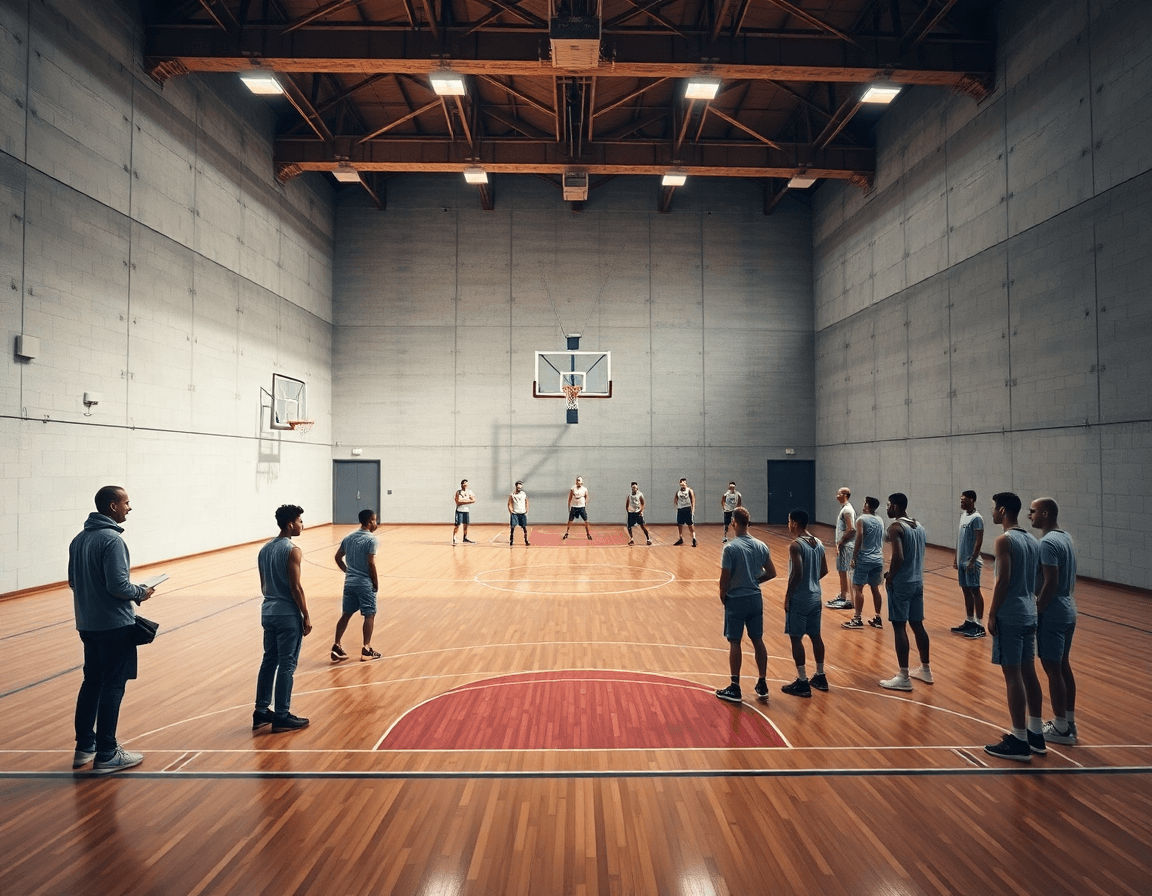
Setting up the defense starts with the right alignment. In the plan, the top guard pressures the ball at the arc; wings sit at the high elbows; bottom players position near the blocks. With this alignment, we create early action, shrink driving lanes, and deter easy skip passes that jump-start the offense.
Roles matter as much as the scheme. The top defender handles on-ball pressure, wings deny the high post and corners, and the posts protect the rim and front the post. Five players, five responsibilities—rebounding is shared, so no one stays passive. That clarity keeps our zone compact and our hands active as the ball moves.
Compared to a 3-2, the 1-2-2 emphasizes ball pressure at the top and selective sagging depending on look. Rotations stay crisp: deny, drop, shift as the ball moves. Communication is the rhythm, gaps are labeled, and everyone knows their rebound duty when the ball comes off.
Incorporating this into a weekly workflow is where the system shines. In the plan, we outline the 1-2-2 setup; on the whiteboard we diagram lines and rotations; we pull a short video clip to illustrate a disruption or a recover. Scouting notes flag opposing ball handlers and typical actions. Finally, we assemble shareable playlists of clips for players and assistants so everyone studies the same calls and decisions, even outside practice.
Rotations and Trap Options: Top, Wing, and Corner in 1-2-2
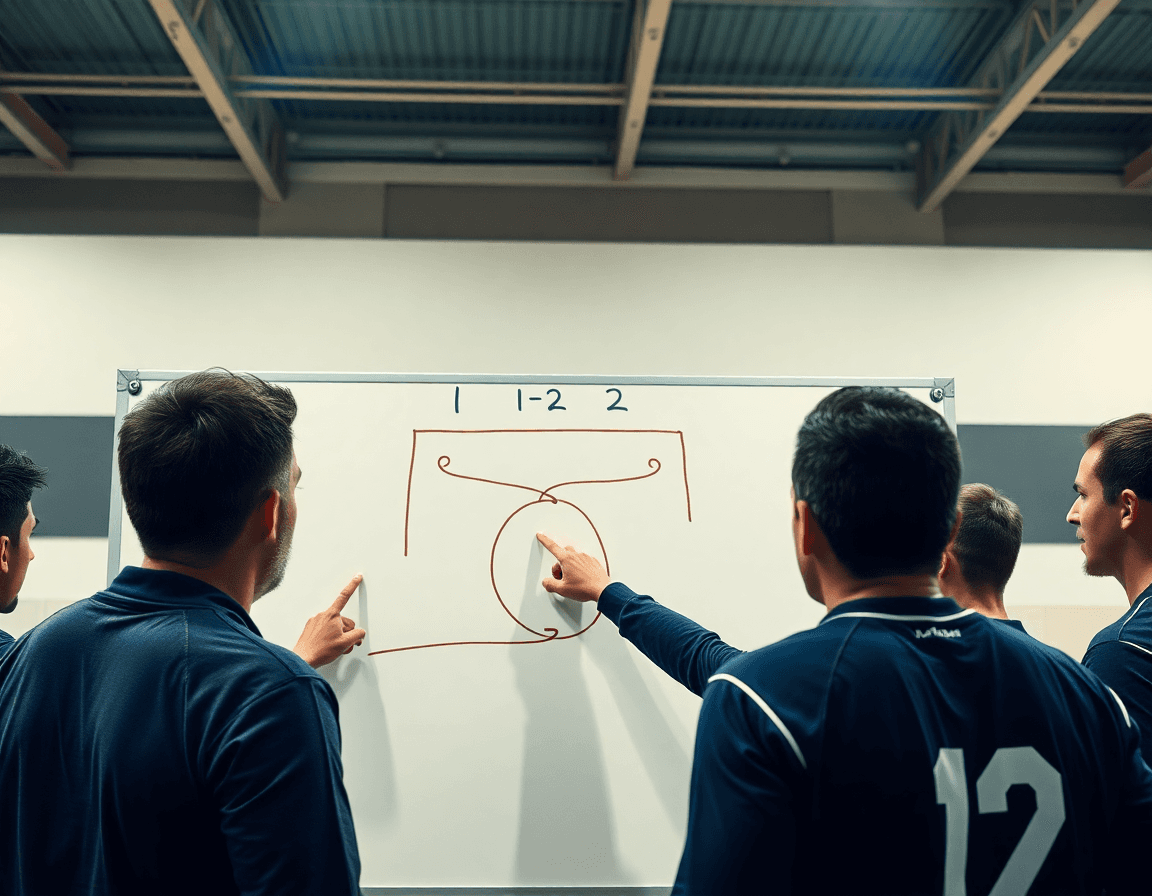
From a coach's lens, the 1-2-2 starts with top rotations. In this week’s practice plan I script top-press rotations to deny passes to the high post. When the ball hits the top, we hunt a top-to-wing trap and, when angles align, we front the post to pressure entry passes. On the whiteboard I draw the two at the elbow and the guard at the top with the wing, then show the recovery path to rim protection. A short video clip demonstrates a clean top-to-wing trap and quick recoveries. Our scouting note flags teams that attack the high post; we adjust the depth of the rotation accordingly.
Wing and corner rotations: deny skips, closeouts on shooters, and edge-traps near the wing or corner as game situation allows. We cue assistants with phrases like “trap the wing” and “trap the corner” in the plan. In drills, we close out hard, then snap to the edge for the trap, aiming to keep skips from clean looks. The video clip and a couple of clip-based coaching notes go into a shareable playlist for players and staff; the scouting report highlights shooters and where rim protection is critical.
Variations and late-game tweaks: consider a 2-1-2 rotation on the first pass or late-game corner traps. Skip passes receive priority denial and straight-line recoveries. We slot these scenarios into midweek reps; the whiteboard shows adjustments, and the scouting note updates with tendencies. A concise video clip of a late corner trap becomes a go-to reference in the shareable playlist.

Drills to Teach 1-2-2 This Week
Here's how I map this week's 1-2-2 plan into a workflow you can run from Day 1. In our weekly practice plans, I block daily objectives: ball-pressure at the top, high-post denial, and tighter rotations as the ball moves. On the whiteboard, I diagram the sequence of actions (BLOB/SLOB/ATO/PnR) so assistants know where to slide. I pull short video clips and assemble a shareable playlist for players, and I keep a scouting note on the opponent's tendencies.
Drill 1: Ball-pressure drill at the top. The objective is to maintain pressure without getting beat off the bounce. Two defenders deny lanes, the ballhandler works to split the gap, and the rest of the defense closes with disciplined angles. After reps, I upload a quick clip to the playlist and review the teeth of the pressure with the staff.
Drill 2: High-elbow denial drill. Key goal: prevent high-post touches and force ball reversals. Drill 3: Wing-to-high-post denial, with quick rotations to trap or deny as needed. We capture a few reps, annotate the rotations on the whiteboard, and tag the video so players can study it in the next film session.
Drill 4 and beyond: Post-fronting and rim-protection drill to contest catches near the block. Add skip-pass pressure drills and wing/corner trap progression for late-game scenarios. Rebounding emphasis: all players crash and box out to secure possessions. The combination of these drills feeds into the plan, the whiteboard diagrams, and the playlists you share with assistants and players.
Practical Workflow: Plan → Practice → Review in a Week
Before practice, I pull scouting notes on the upcoming opponent and decide which 1-2-2 zone defense variations to deploy. This is where the weekly workflow starts. If they hammer the ball to the high post or attack the wings, we favor 1-2-2 zone defense variations that tighten gaps and trigger early rotations. I mark a couple of rotation concepts to try in the shell and drop them into our practice plan for the assistants.
Practice plan: build a 60–90 minute session around shell defense, progression drills, and periodized reps so the defense looks sharp all game. We start with a basic shell, then add pressure at the arc, and finish with alternating calls for traps at the wing and high post. By pacing the reps, we mirror game rhythm and keep players engaged without burning them out.
On-paper diagrams: use the whiteboard to map rotations, then export the board as a PDF so assistants can mirror the calls during film sessions. I sketch the 1-2-2 rotations, the rim protection zones, and the paths we want to take to defend skip passes. Those diagrams help keep the defensive scouting clear when the game plan shifts.
During practice: run small-sided shells, then full-rotation drills focusing on top pressure and wing traps. We pace the session so defenders learn to slide, angle, and swap gaps. The goal is to master on-ball pressure and the timing of wing traps or trap the corner calls without breaking our zone shape.
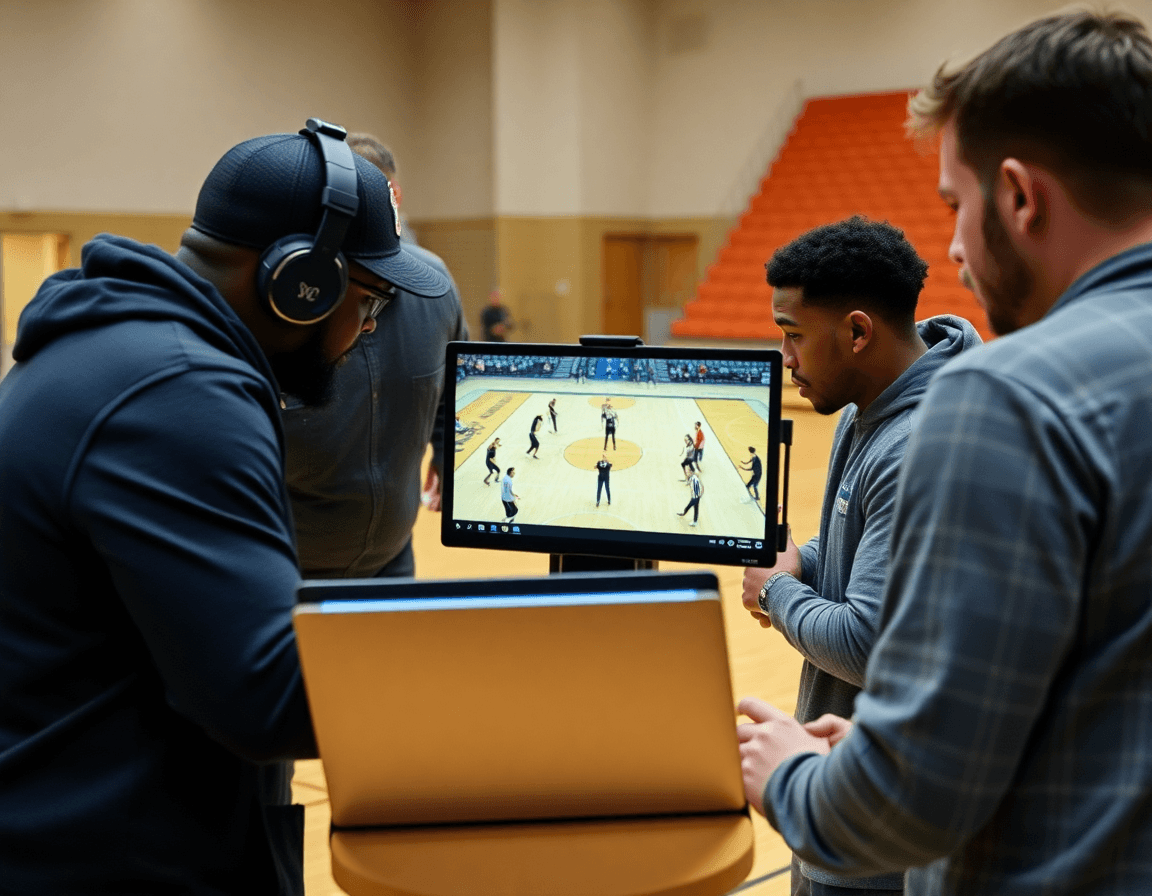
Video and notes: clip teaching moments, tag key rotations, and assemble a learning deck for the team. After drills, I pull clips centered on skip passes, rebounding in a zone, and rim protection—then we run a quick video review with the assistants. The team leans on the learning deck to lock in the concepts between sessions.
Post-practice: summarize takeaways, adjust lineups, and set targets for next week. I jot a short scouting recap, update rotation orders, and share a few checklist items for the next session. The cycle keeps us honest about live execution and helps every coach and player stay aligned through the week.
Video and Scouting Workflow for 1-2-2
Video and Scouting Workflow for 1-2-2
In the week leading up to a game against a team that leans on a 1-2-2 zone defense, I start by collecting opponent possessions that show the look and where they trigger traps. The first pass is through our scouting reports and game tape, tagging clips that reveal how they handle the corner, the wing, and the high post. We want clear examples of how the defense shifts under pressure and where skip passes become dangerous.
Next, I create clips that highlight key actions: top pressure from the guard line, high-post entry reactions, and the moments a skip pass slips through a trap. These clips aren’t random highlights; they’re focused teaching tools. I crop to the exact angles coaches need to see rotations, gaps, and timing, then mark the points where a defender’s slide slows or where a shooter finds a window.
Annotating teaching points is where the learning sticks. I note where rotations lag, where shooters locate windows, and which trap angles consistently disrupt ball movement. We underline principles like on-ball pressure, rim protection, and the timing of the wing and corner traps, so our players understand the why behind the rotations.
From there, I build playlists of teachable clips for players and assistants to review before and after games. Short video clips, organized by concept—defending skip passes, trapping the wing, or rebounding in a zone—give everyone a quick reference. We share these via a simple, shareable link so the staff and players stay aligned on adjustments.
Finally, exportable scouting reports and diagrams live on the staff drive. PDF or shareable diagrams from the whiteboard export quickly, letting the team walk through the plan together—before practice, after a film session, and at the start of game day.
Adjustments and Variations: When to Switch to 2-1-2 or Add Presses
Sometimes the plan calls for the 2-1-2 rotation: pressure, two inside players, and adjustments for high post defense. When their bigs sit at the high post and their ball handlers gain space for skip passes, we flip from our base 1-2-2 zone defense to clog lanes and shrink the middle. In the plan I spell out who slides up top, who fronts the high post, and the rotation cues we want. The whiteboard gets a quick sketch, the scouting notes flag the tendencies, and a short video clip shows the exact angles we want the defenders to take.
Deciding when to go full-court press depends on opponent tendencies and the game state. If they push tempo and attack in transition, the full-court press disrupts passing lanes and buys us time. If they handle pressure well or we’re protecting a lead, we’ll stick with a half-court look and trap the wing or trap the corner to keep them out of rhythm. The plan maps the triggers, and the players digest it in a shareable playlist before practice.
Countering strong high-post teams: consider a switch to a different look (e.g., 3-2) if needed. A 3-2 cinches the middle and keeps the rim protected while the wings squeeze the top. We lean on rim protection and rebounding in a zone by reassigning bodies on the weak side and guiding the ball into predictable passes. On the whiteboard we diagram the new rotations and record the adjustments in our scouting notes, then clip a quick video recap for the team.
Progressions come with late-game pressure. We extend to half-court pressure or full-court pressure when denying tempo becomes essential. A late shot-clock or a deficit in the final minutes triggers the switch, and we verify matchups in scouting notes before unleashing the change. The workflow stays intact: plan, whiteboard, short video clip, scouting notes, and shareable playlists keep assistants and players aligned when the defense needs a different look.
If you build plans like this every week, CourtSensei keeps your drill library, whiteboard, and video clips in one place — try it free.
FAQ
What exactly is a 1-2-2 zone defense and how does it work?
The 1-2-2 zone aligns two guards up top, two wings at the elbows, and a post near the blocks. The top defender applies ball pressure, while wings deny the high post and corners. The posts protect the rim and front entry passes, and rotations stay compact as the ball moves and rebounds are shared.
What are the main advantages of the 1-2-2 zone?
The advantages of the 1-2-2 zone include constant ball pressure at the top, smaller driving lanes, and quicker rotations that deny skips. It also helps you slow opponents in transition and create opportunities for rebounds when everyone chases loose balls. With proper communication, rotations stay sharp and gaps stay small, even as the ball moves.
What weaknesses should I expect facing the 1-2-2 zone, and how can I counter them?
The weaknesses of the 1-2-2 are real: vulnerability to quick skip passes, easy reversals to the weak side, and exposed corners if rotations lag. The cure is stronger communication and preplanned rotations to deny skips, plus tighter top pressure and disciplined rim protection. Practice these cues so the defense stays compact under pressure.
How do you defend the high post in a 1-2-2 zone?
Defending the high post in a 1-2-2 means denying the entry pass and, when possible, fronting the pass. Stay patient with your wings and force the ball toward the rim. Quick, organized rotations prevent easy feeds and keep your rim protected.
How do you trap in a 1-2-2 zone defense?
Trap options in a 1-2-2 include the top-to-wing trap and the wing-to-corner trap. Begin with tight top pressure, guide the ball into the trap, then recover to rim protection. Use clear cues and clips so players and staff stay synchronized on when to trap and when to snap back.
When should you use a 1-2-2 zone defense?
Use a 1-2-2 zone when you want to control pace, pressure the ball, and deter skips against teams with strong wings or post feeds. It’s effective early and mid-game to test matchups, then you can tighten rotations based on opponent tendencies.
Can a 1-2-2 zone be extended to a full-court press?
Yes, you can extend into a full-court press with fronting and aggressive pressure, but it’s energy intensive and requires precise timing. Use it selectively, usually after your shell has established shape, and be ready to back off if opponents break the press. The extension should stay tied to run plans and film work.