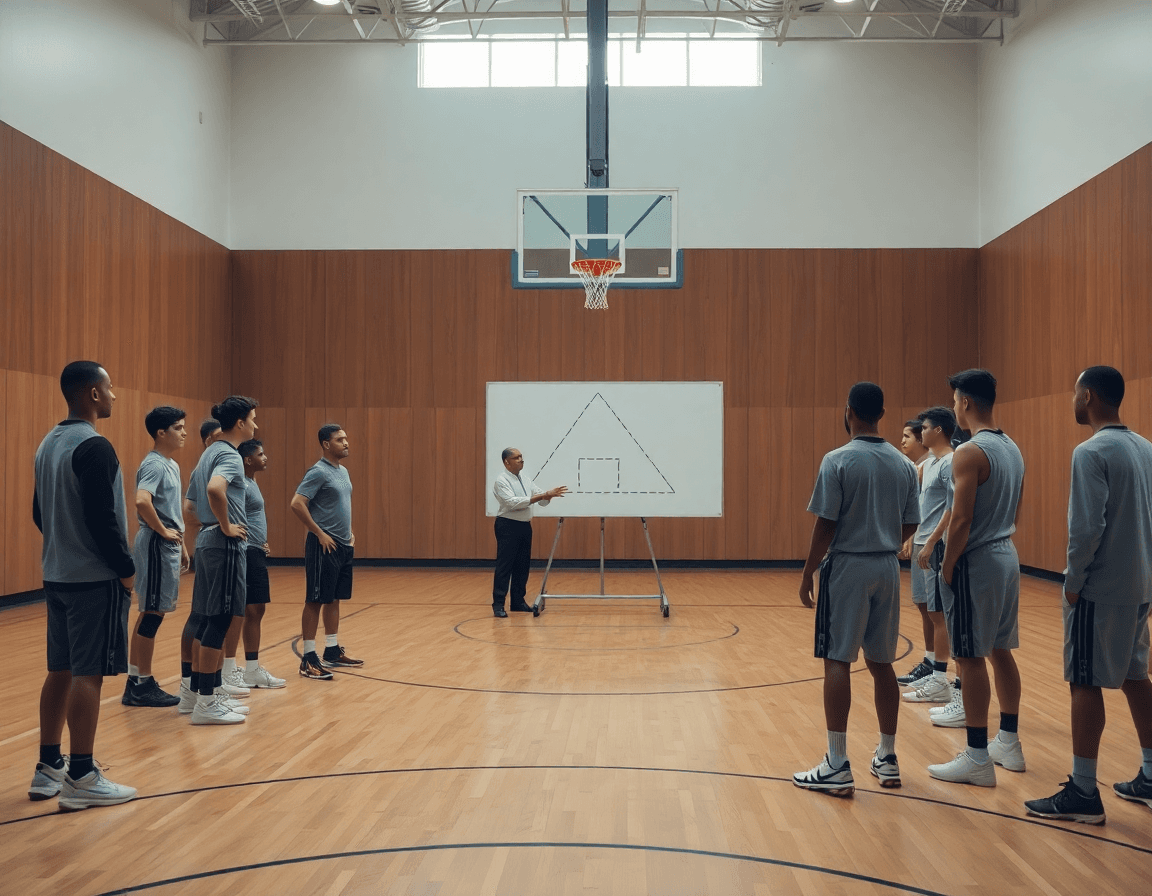
Triangle Offense Basketball: Weekly Planning for Coaches
Coach-focused weekly plan to implement the triangle offense: spacing, reads, and decision-making with practical drills, scouting insights, and video workflows.

Key takeaways
- Install base alignment early and build reads gradually; use planning templates for weekly clarity.
- Map triangle into a five-to-seven day cycle, structuring three blocks: on-court drills, whiteboard walkthroughs, and film.
- Incorporate opponent scouting to tailor your triangle weekly plan; adjust reads, timing, and spacing.
- Develop clear whiteboard diagrams and a shared language; export PDFs for staff and players, updating after games.
- Organize film into playlists labeled by situation; use clips for spacing, post touches, and two-man reads in practice.
Triangle offense basics for weekly planning
Triangle offense, at its core, is a spacing-driven system built around a strong-side triangle and a weak-side two-man game. The spacing creates multiple reads and forces defenders to decide on help, recovery, or switch. Core structure centers on a low-post center, a wing, a corner, a top guard, and a weak-side high post to spark a two-man game and post touches. From there, players learn read-and-react reads with options unfolding off the ball and the defense. Why it matters for weekly planning: it gives a repeatable framework to develop spacing, decision-making, and multiple scoring avenues.
From a weekly workflow perspective, you install the base alignment on day one, then layer reads and counters as reps stack up. Use planning templates to map the week, and rely on on-court diagrams and short video clips to illustrate reads in action. Scouting reports prep you for how opponents defend the triangle, and shareable playlists let players study the reads on their own schedule. A typical week might start with the base alignment in a 15-minute shell, then progress to two read options off the wing on Day 2, and finish with situational reps against a hedged defense on Day 4 before a quick film session Friday.
Weekly planning framework: integrating triangle into your practice week
A practical way to embed the triangle offense into your week is to map it into a five- to seven-day cycle. Start by installing the core reads early—who to read on entry passes, where the spacing pushes the defense, and how the reads flow from wing to corner. Keep the emphasis tight: the sideline triangle, pinch post options, and the basic two-man game. As the week progresses, layer in more options and counters, building from simple to complex so players develop confidence with the read-and-react rhythm of the offense.
Structure the week around three blocks: on-court drills, whiteboard walkthroughs, and film sessions. In the plan, allocate dedicated time for each: a strong block for on-court drills that emphasize spacing and post touches, a whiteboard segment to diagram BLOB/SLOB/ATO actions, and a short film window to highlight live reads from the previous game. Use a planning template to sequence these blocks, and pull relevant video clips from your scouting notes to illustrate reads and timing. Shareable playlists make it easy for players to study the wing, corner, and pinch post sequences in their own time.
Incorporate scouting insights from the opponent to tailor your triangle weekly plan. Note tendencies like how teams defend the sideline triangle, where gaps appear for the read-and-react flow, and which corner rotations force ball reversals. Your checklist keeps you honest: concepts introduced, reads practiced, timing adjustments, and progression across days. By week’s end, you should see clearer recognition of when to attack with a post touch, when to swing to the wing, or when to tighten the two-man game—all part of a cohesive practice schedule for the triangle offense.

Diagramming and play design on the whiteboard
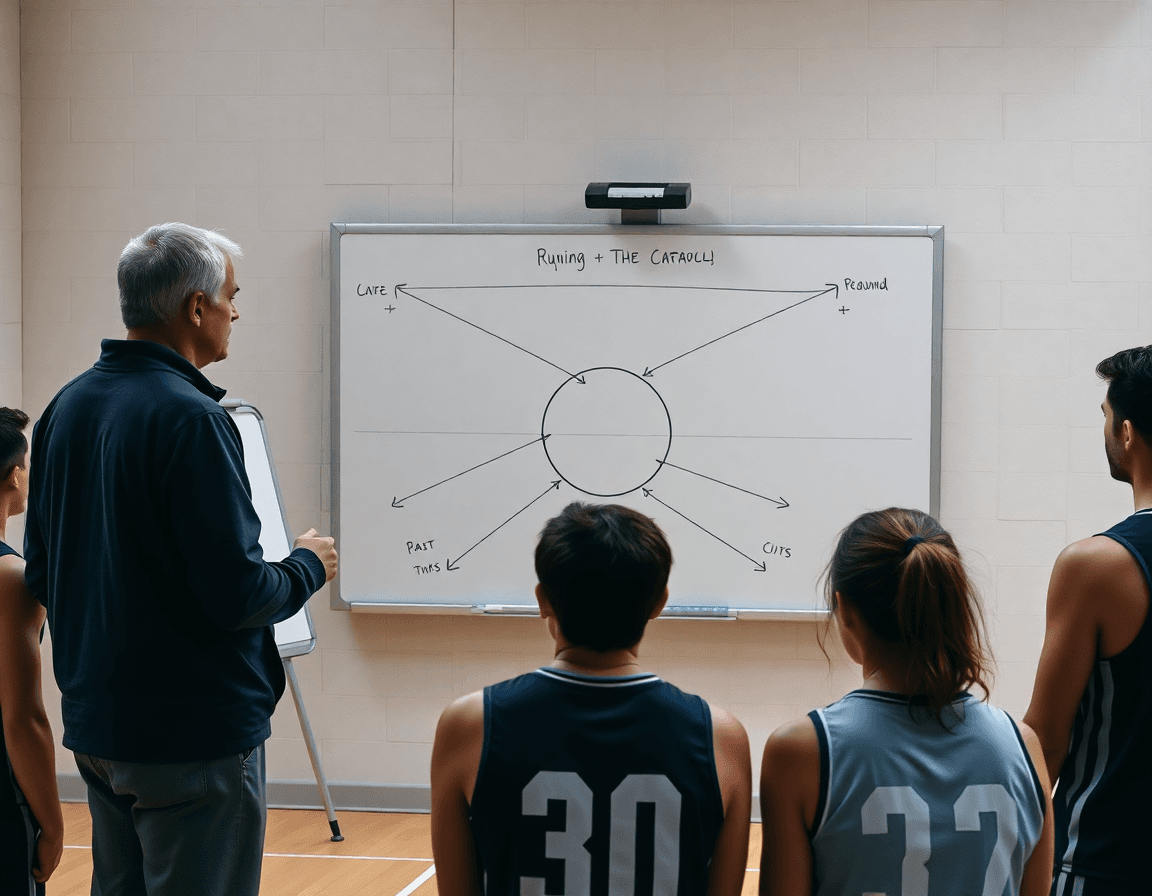
On the whiteboard, I use clear whiteboard diagrams to map the sideline triangle with defined positions and responsibilities. The setup keeps spacing obvious—top of the key, wing, and corner—so a substitute can glance and know where to rotate. It also cues reads like post touches and weak-side timing. This is more than shapes; it’s a shared language the staff uses when we talk about reads, gaps, and accountability.
From that diagram, I plan transitions between BLOB SLOB ATO PnR and map where players rotate for each action. I export the updated diagrams to PDF for staff and players, so everyone has a clean reference for timeouts and locker-room sessions. The PDF becomes a quick reminder during drills and a stable base for scouting notes later in the week.
Over time, the whiteboard becomes a living library of triangle options with annotated reads and progression levels. I annotate reads like the read from the wing into the corner and the pinch-post entry into a two-man game, keeping a simple read-and-react mindset. Each option links to a short on-court clip, so players can study the decision in action and come back to the diagram for a refresher.
All of this feeds the weekly workflow I live in as a coach. In the practice plan, I pair the on-court diagrams with a quick video clip and a scouting note to spot opponent tendencies. We update the triangle library after each game, raising progression levels and keeping spacing, post touches, and wing-corner reads fresh without breaking the group rhythm.
From film to action: building video clips and playlists
Turning film into action in triangle offense basketball starts with a tight clip library. I build a library of video clips triangle offense reads and options, zeroing in on reads from the triangle sequence. Each clip is labeled by situation—wing read, corner read, pinch post—and tagged with terms like spacing and sideline triangle so I can pull the right file in minutes. This isn’t random cutting; it’s a deliberate map of read-and-react decisions that players can study before they step on the court.
Organizing clips into playlists turns film into practice-ready gear. I craft playlists for spacing, post touches, and the two-man game, and I assemble a separate set for read-and-react videos so players can review reactions to each option. In the plan for the week, I push a triangle offense video playlist to the team and drill directly from those clips. Sharing these playlists for players keeps everyone aligned—assistants, coaches, and players—without re-explaining the same reads over and over.
Finally, scouting clips illuminate how opponents defend or exploit triangle reads. I pull clips that show sideline triangle pressure, how teams defend the pinch post, and what to expect when the wing or corner reads are denied. We annotate these in the scouting beleška and mirror them in our own clips, building a short video set that demonstrates the right reactions in practice. The result is a clean workflow: scouting clips informing our reads, read-and-react videos guiding on-court decisions, and a ready-to-share link for players.
Scouting and opponent prep for triangle-based teams
Effective triangle offense basketball starts with a solid scouting routine. Each week I pull opponent clips and tag defenses by how they try to disrupt spacing. I drop those findings into our planning templates and translate them into a clear scouting report for the staff. This is how we approach triangle offense basketball against real defenses—turning scouting into concrete actions on the floor.
First, identify defenses that challenge spacing and plan counter-reads (deny wings, aggressive help). This is where "scouting triangle offense opponents" comes into play. When a squad crowds the wings, we counter with a quick post touch and a skip pass to the corner. On the whiteboard, I diagram the rotations and the reads in sequence, then drop a short video clip into a shareable playlist so players see the timing in motion.
Next, note opponent tendencies on weak-side rotations, post doubles, and PnR coverage to tailor reads. This is part of our opponent scouting for triangle offense patterns. If a team over-helps to the strong side, we’ll favor a backdoor read or a pinch post entry to keep the floor clear. If they trap the corner, we lean into the two-man game and a wing-to-corner connection for a kick-out. These tendencies become the core of a scouting note and a few drill sequences in the weekly plan.
Translate scouting into practiced options: a preferred pass, a handoff to spark the two-man game, and a backdoor read from the corner. I lock these into the playbook as a handful of options, then build practice reps around them in the planning phase. The goal is for the team to read and react together, regardless of the opponent’s defense.
Drills and progression to install the triangle offense
Installing a triangle offense basketball in a weekly routine starts with spacing and rhythm. In the plan, we begin with spacing drills—3-out 2-in sets—that push players to locate wings and corners without forcing the ball. Pair that with a weak-side two-man game along the baseline to develop timing and decision speed. By the end of this segment, the ball starts to move with purpose rather than guesswork.
Then we graduate to full five-man patterns: establish the strong-side triangle and practice weak-side reads. We keep the ball moving through the wing, corner, pinch post, and back to the strong-side triangle, while players learn where the next pass or cut comes from. Include two-man game drills to tune partner actions and reinforce read-and-react options from the weak side.
Next, we layer in post-entry, split action, and backdoor cuts. The goal: multiple players can score off triangle sequences, not just the bigs. Use drills labeled as post touches drills and split action drills to expose ball-handlers to post feeds, ball reversals, and quick pocket passes. Run it with a defender denying the corner to simulate real pressure.
Finally, tie it back to the weekly workflow. Capture a short video clip of the pattern, annotate with a few reads, and drop it into a shareable playlist for players. Update scouting notes on how opponents defend the sideline triangle and adjust the plan next week. A couple of concise on-court diagrams during the session help reinforce the learning, and the plan stays alive in your practice library.
Common challenges and adjustments in modern basketball
In modern basketball, athleticism and analytics demand that the triangle offense deliver clean spacing and timely decisions. The triangle offense challenges come from keeping floor balance as defenses compress lanes, and from preserving read-and-react options when help-side shifts. For weekly planning, I sketch triangle sequences on the whiteboard, assign wing, corner, and post spots, and rehearse spacing before any live reps.
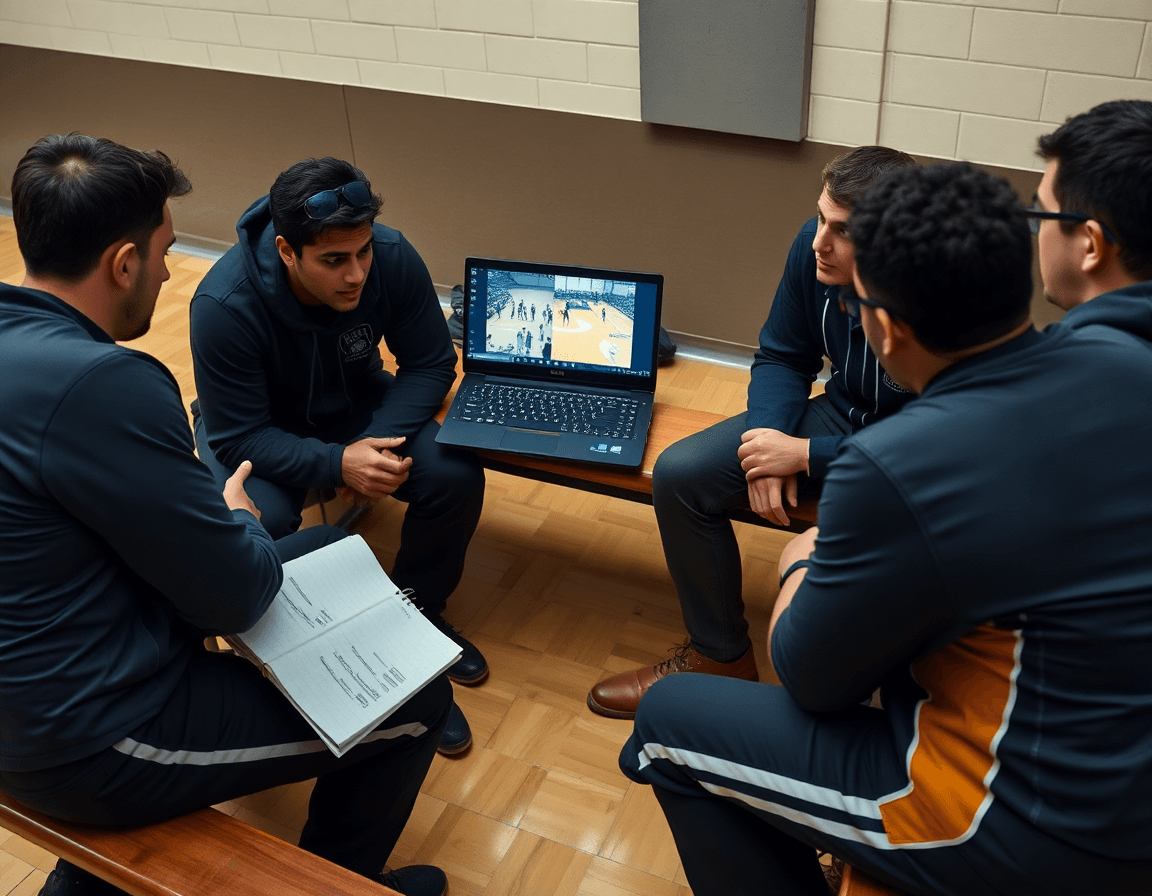
Turnovers spike when the ball jams into congestion or players chase perfect reads. A living play library helps—and weekly tweaks. We test a pinch post look, emphasize the two-man game on the strong side, and drill reads from the sideline triangle against different coverages. I save concise clips to illustrate the adjustments triangle offense for quick review with the staff.
Track metrics from triangle sequences to guide changes. Focus on assists, passes per possession, and shot quality as options flow from wing to corner to post. Compare results against scouting reports on the opponent and feed the findings into the planning template. Then drop a handful of clips into a shareable playlist for your players to study the modern basketball triangle reads. The data and tape together tell you what sticks.
Workflow that works ties it all together: update the planning template, update the on-court diagrams, clip a few game moments, and share the adjusted library with assistants and players. A simple triangle sequence can morph into a modern counter by cycling reads and refining spacing for wing, corner, and post touches. Consistency comes from practice, tape, and real-time adjustments.
If you build plans like this every week, CourtSensei keeps your drill library, whiteboard, and video clips in one place — try it free.
FAQ
What is the triangle offense in basketball?
The triangle offense is a spacing-driven system built around a strong-side triangle and a weak-side two-man game. It emphasizes floor balance, reads, and decision-making. The framework centers on a low-post center, a wing, a corner, a top guard, and a weak-side high post, enabling a read-and-react flow and multiple scoring options.
Why is it called the triangle offense?
That name comes from the on-court geometry: the post, wing, and corner form a triangle that guides reads and spacing. The shape dictates where players read help, pass, and reverse the ball, while triggering the big two-man game on the weak side. It originated with coaches who valued post-entry options and floor balance.
Is the triangle offense still used in the NBA today?
Yes, pieces of it show up in the NBA today, but the triangle offense isn’t the default scheme. Teams mix traditional triangle reads with modern spacing and ball screens. It’s still taught at youth and college levels as a valuable toolkit for spacing and decision-making.
What age/level is best for the triangle offense?
It works best for teams that want to develop spacing, decision-making, and the read-and-react rhythm. It suits players from high school through college and into some pro programs, with simpler reads for younger groups and progressively tougher options for advanced squads. Use it as a developmental framework, not a rigid playbook, and layer in counters as players handle more reads.
What are the main triangle offense options?
Main options include the base sideline triangle, pinch-post entries feeding a two-man game, wing-to-corner reads, and fast-break transitions (BLOB/SLOB/ATO). Add post touches and weak-side actions to keep defenses honest. Progress from simple reads to counters as players gain comfort with timing and spacing.
What are the weaknesses of the triangle offense?
Its main weaknesses: heavy reliance on spacing and reads; can become predictable if defenses over-commit to the sideline; requires disciplined execution and skilled players; adjustments against aggressive hedging demand quick ball reversals and multiple counters. It can stall when pressure limits early ball movement, but with proper planning and film work, teams can keep the reads flowing.