Basketball Motion Offense: Weekly Coaching Blueprint
Coach-focused guide to implementing basketball motion offense in a weekly workflow: spacing, movement, screening, and drills, plus planning, video, and scouting integration.

Key takeaways
- Prioritize spacing (12–15 feet) and constant ball movement; design drills around reads, not fixed sequences.
- Teach movement without the ball and smart screens; keep passing lanes open and defend against over-rotation.
- Include backdoor reads and pass-and-cut as weekly counters; build a clip library for quick reference.
- Rotate between 4-out 1-in, 5-out, 3-out 2-in, and dribble-drive to fit rosters.
- Structure practice: start with 5-on-0 install, then 5-on-5 reads to reinforce timing.
Core principles of basketball motion offense
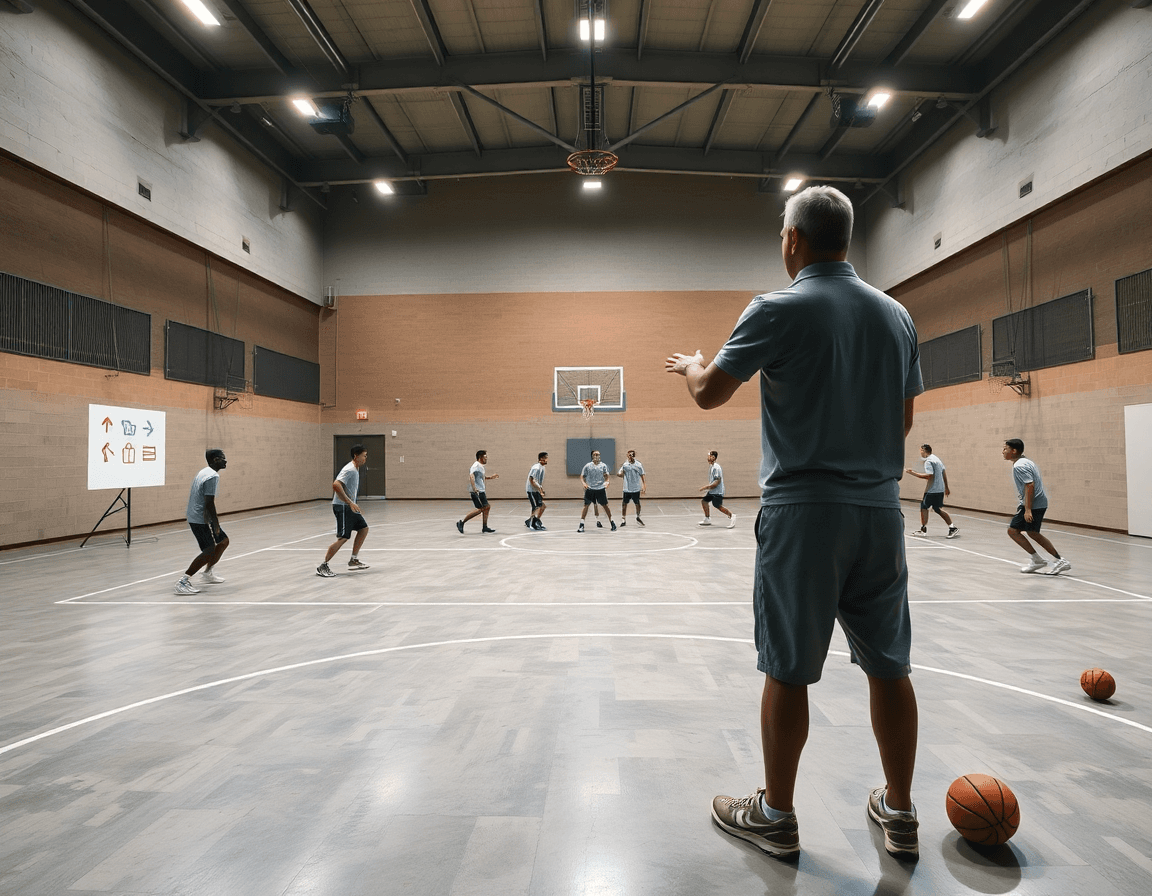
Basketball motion offense isn't a rigid playbook; it's about spacing, read the defense, and purposeful movement. It starts with spacing (12–15 feet apart), constant ball and player movement, and quality passing angles that keep options alive. In the weekly plan (u planu treninga), you design drills around spacing and reads rather than fixed sequences. On the whiteboard (na taktičkoj tabli), we diagram BLOB/SLOB/ATO/PnR to illustrate how spacing creates options while the defense reacts.
Movement without the ball and ball movement are the engine of a true motion offense. When players relocate, screens integrate into the flow rather than interrupt it. The goal is to keep passing lanes open and stretch the defense, not chase a single action. In the weekly cycle, you collect short video clip (kratak video klip) that shows how to move, keep shoulders square, and deliver passes with purpose.
Screening becomes part of the flow, not a separate call. Teach patience: screen, read the defense, and decide whether to pop, roll, or slip. The emphasis is on screening and cutting to create new angles and keep the defense guessing. CourtSensei helps you map these reads on the taktička tabla (na taktičkoj tabli), so your assistants see how actions link in the sequence rather than as isolated moves.
Backdoor cut and pass-and-cut are common counters in motion systems. Practice these as counters you can pull from a small library of clips and share as a weekly playlist with players and assistants. In CourtSensei, you can build motion-focused playlists, clip and organize game footage, and attach scouting beleška and scouting reports to the plan for quick reference during the week.
Common variations and when to use them
Within basketball motion offense, you tailor the weekly plan by switching formations to fit your roster and the opponent. The goal stays constant—players move, read the defense, and make quick decisions off ball and on-ball actions. The four common paths we break down are 4-out 1-in motion offense, 5-out motion offense, 3-out 2-in motion offense, and dribble-drive motion.
With a 4-out 1-in motion offense, spacing is the backbone. You give your shooters room to catch and reverse, while a strong passer keeps the ball moving to trigger reads. In practice, we diagram the alignment on the whiteboard, run a quick ball reversal, and finish with a pass-and-cut or a screening action to unlock a driving lane. The emphasis is movement without the ball, not rigidity.
On the other side, a 5-out motion offense stretches the floor, creating generous gaps for skip passes and kick-outs. It shines when you have versatile wings who can cut, screen, and read the defense from the perimeter. A 3-out 2-in motion offense can reintroduce post presence or a driver inside, using reads that keep ball movement alive through passes, cuts, and screening.
Finally, the dribble-drive motion attacks gaps off the dribble and leverages drive-and-kick decisions to generate shots. It rewards decisive ball handlers and quick screens that collapse help and open shooters. In the weekly cycle, we pair a short video clip with a whiteboard rep to lock in the read, then tag the scouting note to anticipate opponent adjustments.
Teaching motion offense in practice
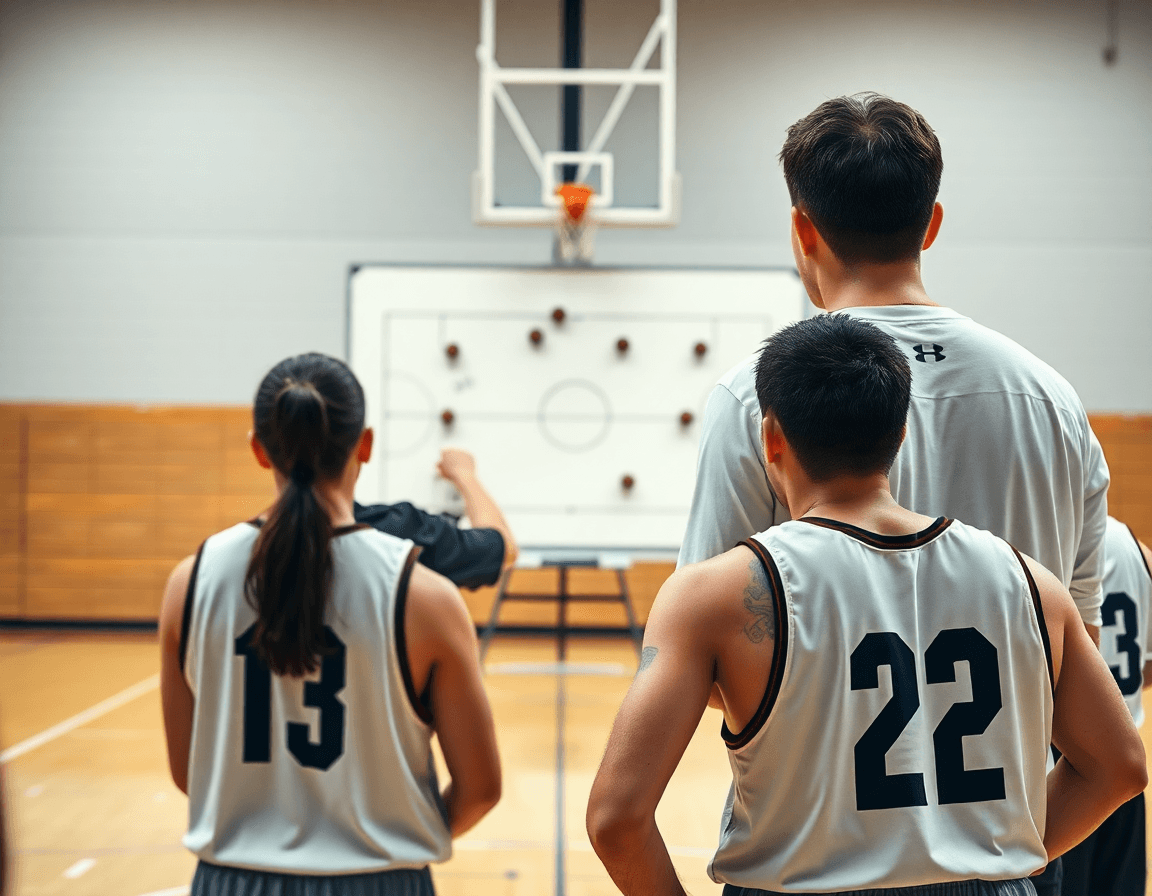
Teaching motion offense starts with progression. In the plan, we run a 5-on-0 install to establish spacing, teach reading the defense, and practice clean cuts and screening actions. Then we flip to 5-on-5 live reps to reinforce reads inside the motion offense. The goal stays simple: movement without the ball, filling angles, and making the defense react.
Next, we lock in spacing and timing with 3-on-3 motion and 5-on-0 drills. Those small-area reps force players to read the defense and execute quick ball movement while staying disciplined off-ball. Emphasize spacing and read the defense concepts early; the payoff is cleaner cutting and more efficient screening, which sets up sharper decision-making in full-speed tempo.
To punish over-help, integrate backdoor reads and pass-and-cut concepts into every session. Start with low-pressure drills that tunnel defenders toward the paint, then cue passes from the weak side to finish with precise backdoor cuts. Use the clips from those sessions to highlight successful backdoor reads and pass-and-cut sequences and replicate them in your full-pace drills.
Workflow notes: in CourtSensei, you build the weekly practice plan around these progressions, diagram plays on the whiteboard with BLOB/SLOB/ATO/PnR for motion setups, and save short video clips that illustrate ideal reads. Create scouting notes that support motion concepts, and share motion-focused playlists with players and assistants. The loop is continuous: practice, review, adjust, repeat.
Practical weekly workflow for motion offense
Sunday sets the weekly rhythm. I map a basketball motion offense plan from our library of motion actions—pass-and-cut, read-and-react cuts, backdoor options, and read-the-defense actions—and lock in a clear, progressive weekly workflow. I assign installs to assistants for early work so we’re ready to go Monday. The focus: spacing, reads, and clean ball movement in both 5-on-0 and 5-on-5 reps.
Mon–Tue: install 2–3 actions, then drill spacing and reads in 5-on-0 to build the flow, before carrying the reads into 5-on-5 reps. For example, we start with a pass-and-cut into a wing, then read the defense and swing the ball to the opposite side. Our notes on CourtSensei become the quick reference during drills, keeping the team aligned on timing and targets.
Wed: introduce opponent-specific reads; pull in scouting data to adjust practice plans. If the opponent overplays the weak side, we insert a quick ball movement sequence into the motion action to create an open shot. The scouting notes guide what to emphasize during reps and what to skip, so players aren’t guessing.
Thu–Fri: full-motion execution with game-speed scrimmage. Players tackle multiple actions in flow, while we assign short video playlists to review during breaks. After each session, I drop a set of clips into a playlist labeled by action type (PnR, ball movement, cutting) for quick video review.
Checklist focus: ensure proper spacing, timely movements, and clear reads; track progress in the plan. The weekly checklist keeps us honest: spacing and movement without the ball; ball movement, cutting, screening; backdoor cuts and pass-and-cut. I use the plan to log progress, so we know what to reinforce next week.
Using video and whiteboard to install motion offense
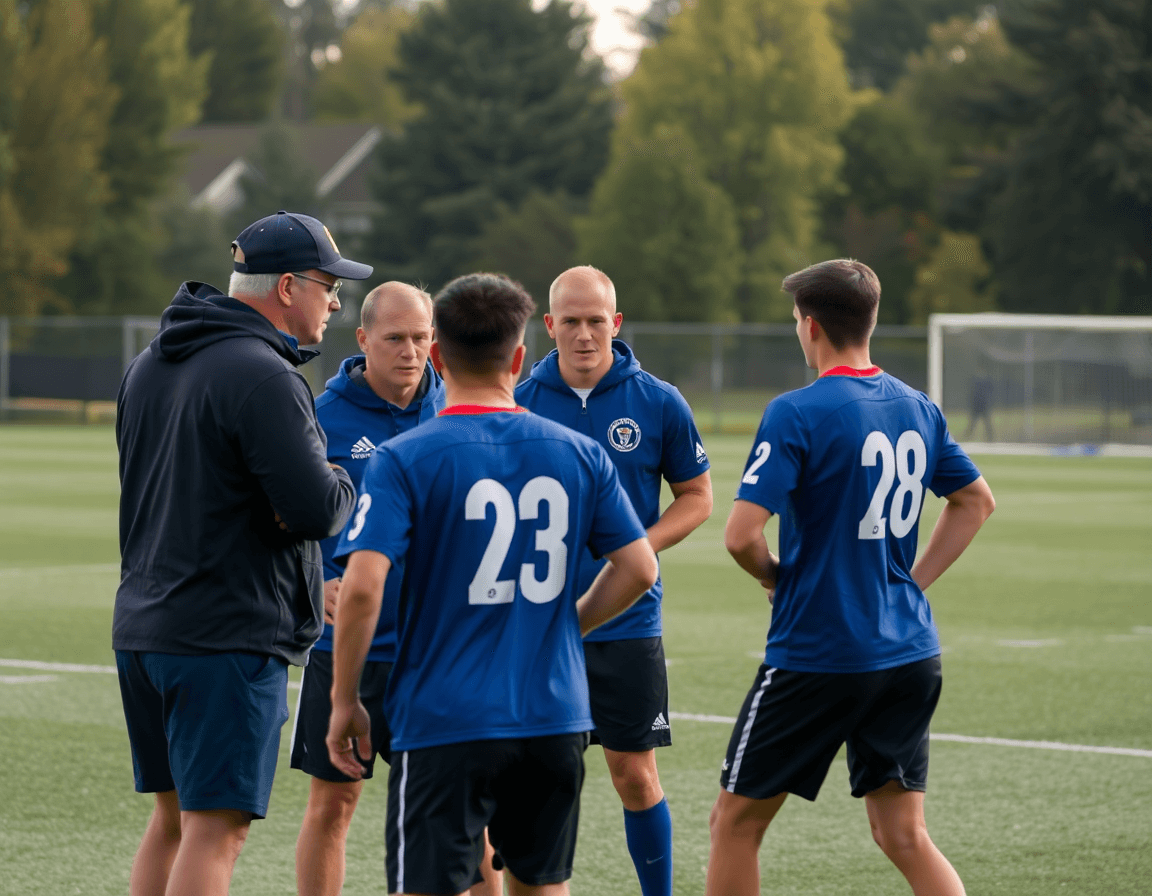
During the weekly routine for basketball motion offense, the first move in the film room is to capture what’s happening on the court and what players are reading. I pull video clips that illustrate good reads, ball movement, and spacing—key pieces of the offense. Tagging these clips for quick review makes it easy to circle back before practice. The goal is a clear picture of what reads second nature to our players and what needs repetition.
With the whiteboard, I diagram motion actions (BLOB/SLOB/ATO/PnR) and map the timing between passes and cuts. This isn’t art school; it’s a practical outline that translates to a dozen reps on the floor. After drawing, I export PDFs for assistants so they can coach the same actions without chasing notes.
To keep players locked in between sessions, I build shareable playlists of video clips for off-court study. Players can watch reads, track backdoor cuts, and see how movement without the ball opens passing lanes. The playlists become a living library—updated weekly as we refine spacing and screen action.
Finally, we weld practice work to video feedback. On-court drills pair with quick video debriefs to reinforce correct reads and timing. A typical cycle is a 20-minute drill segment followed by a 5-minute debrief, using the whiteboard to diagram what changed and why the ball moved this way.
Scouting and tailoring motion offense against opponents
Kickoff with a sharp scouting framework. Build scouting reports that highlight opponent tendencies affecting motion entries and reads. If they over-help on the backside of ball screens or hedge hard on entry passes, you’ll see it in how players read the defense during motion. In the weekly plan, translate those notes into a motion-focused section and pin examples on the whiteboard for your assistants and players to study. Look for patterns in spacing, movement without the ball, passing angles, and how they defend ball reversals.
Tailoring motion offense means turning what you see into practical action sequences. Adjust hedging patterns to exploit defensive gaps and rotations. If a hedge creates a diagonal opening, run a quick pass-and-cut into an open look, or a backdoor cut when the rim runner drifts. If help rotates early, emphasize spacing and fast ball movement to keep reads alive. Keep a running list of tweaks as new action sets in the play library and tag them to the opponent in your playlists.
Update weekly updates with opponent-specific tweaks to keep reads fresh and effective. Each scouting cycle should yield a primary tweak to the motion reads—whether it's a different cut, a new screen angle, or a spacing adjustment that opens the ball movement. Record these updates as brief notes and push them into the practice plan and the drill library so drills reinforce the change consistently.
Coordinate with the video and planning stages to implement tailored action sets. The scouting notes feed into the practice plan, the motion board, and the short video clips you share with players and assistants. A clip showing a read against a hedge helps a guard know where to pass and where to cut. The cycle stays tight: plan, diagram, clip, review, and repeat.
Common mistakes and fixes in motion offense
Common mistakes in motion offense include a lack of movement without the ball, over-dribbling at the top, and timing misreads that stall spacing. When the floor doesn’t space, defenders slide and close gaps, forcing every action into a single read. You’ll see players standing, wings chasing, or cuts arriving late—turning what should be a flow into a stop-and-go sequence.
Fixes start with re-emphasizing off-ball movement, simplifying reads, and reintroducing a 5-on-0 install to reset timing. In my weekly plan, I block a dedicated install on the whiteboard (we go through BLOB/SLOB/ATO/PnR), then run it in shell before bumping into 5-on-5. We prune reads to two clear options, keep cuts crisp, and insist on movement without the ball that keeps the defense honest. The 5-on-0 install helps hammer timing back into the group, so spacing doesn’t erode when the ball changes sides.
We leverage film to pinpoint misreads and re-teach spacing and screening angles. After practice, I pull a handful of clip moments, label the misreads, and build a targeted video playlist for the team. This is where video analysis becomes part of the rhythm, not a bonus: we show how read the defense morphs when players pop for ball reversals and how to adjust screening angles to unlock cutting lanes. Use the clips to reinforce spacing and the basics of screening.
Gradually progress from drill work to game-speed scenarios to build consistency. Start with 3-on-3 shells, move to 4-on-4, then 5-on-5, weaving in pass-and-cut and backdoor options. Tie it together with motion-focused playlists you share with players and assistants, so everyone stays aligned on the timing and movement that make the offense flow at game pace.
If you build plans like this every week, CourtSensei keeps your drill library, whiteboard, and video clips in one place — try it free.
FAQ
How do you get your best scorer involved and still manage less-talented shooters?
To get your best scorer involved without forcing hero-ball, start with sharp spacing and quick reads. Use off-ball actions to create catch opportunities, then mix in screens that open passing angles. Avoid forcing shots by feeding options and keeping the ball moving. Add backdoor reads and pass-and-cut sequences to keep other players engaged and defenses guessing. Review short clips to reinforce the approach.
Do you recommend the Motion Offense to youth teams?
Yes—motion offense can work for youth teams if you keep it simple. Prioritize spacing and readable actions over complex sets, with 2–3 core actions your players can execute with confidence. Start 5-on-0 install, then progress to 5-on-5 to reinforce reads. Use short video clips and playlists to lock in timing. Adapt the pace to your roster, and keep the defense honest with off-ball movement.
What is the difference between the Motion Offense eBook and Read and React?
Think of the motion resources as the system overview—structure, principles, and the four main motion paths. Read and React focuses on reading the defense and making live decisions within those actions. The eBook sets up the framework; Read and React shows players how to decide in real time amid defensive pressure, without fixed calls.
When should you introduce positions in a youth motion offense?
Start without rigid positions to keep movement free and spacing intact. Introduce simple terminology (point guard, wing, post) as players mature, then use it to guide rotations and roles. Don’t box players into 'a position' too early—focus on skills and decision-making. As teams advance, you can assign duties to help with reads, not to limit movement.
What motion offense is best for youth teams (5-out vs 4-out 1-in vs 3-out 2-in)?
Roster and spacing drive the call. A 4-out 1-in setup works well when you have shooters and a capable passer, keeping movement while preserving driving lanes. A 5-out look stretches the floor for versatile wings and quick decision-makers. A 3-out 2-in brings inside options and driver reads. Start with simpler actions and add drive-and-kick as players gain confidence.
Is motion offense suitable for youth basketball with limited practice time?
Yes, with a lean install and clear progressions. Focus on 2–3 core actions, basic spacing, and simple reads. Start with 5-on-0 for positioning, then progress to 5-on-5—keeping the pace fast but controlled. Use short video clips and quick scouting notes to reinforce concepts without overload.
What are common mistakes in motion offense (lack of movement, over-dribbling, timing)?
Lack of movement off the ball stalls the offense; over-dribbling wastes actions; and late or mis-timed passes kills spacing. Other mistakes include breaking screening flow, poor cut timing, and ignoring defensive reads. Drill simple reads, emphasize constant off-ball movement, and use short video clips to fix pacing and timing in live reps.