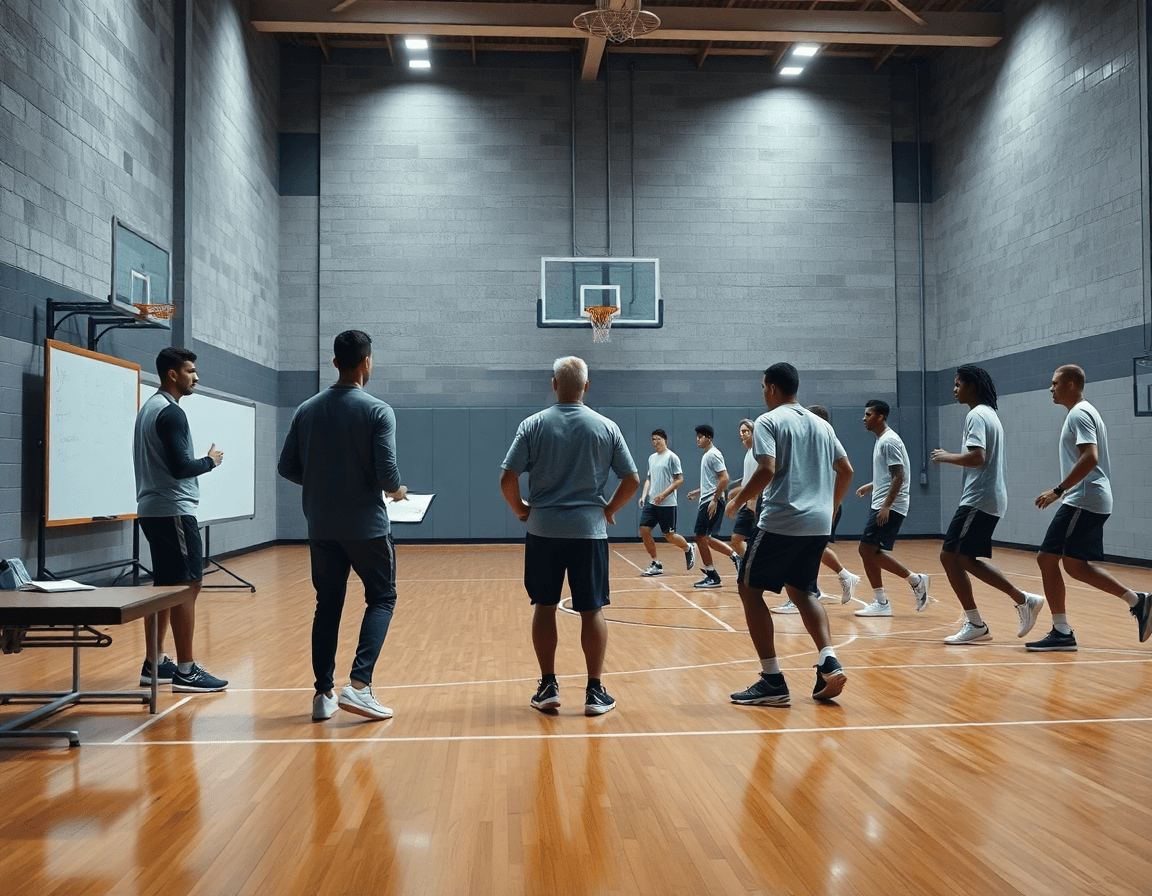
Motion Offense Basketball: Weekly Coaching Plan
Discover how to implement a motion offense in weekly practices—principles, drills, film review, and a practical workflow to plan, teach, and evaluate.

Key takeaways
- Adopt a motion offense spine: space, read defense, and flow through reads rather than fixed plays.
- Establish a weekly workflow: plan from the practice plans library, diagram, clip, scout, and share a concise loop.
- Prioritize spacing drills to open driving lanes; map pass-and-cut and backdoor sequences on the whiteboard.
- Center each week on read the defense and continuous movement, reinforced by scouting notes and a shared video playlist.
- Tailor variants like 3-out 2-in or Read-and-React based on opponent; let spacing drive dribble-entry reads.
What is motion offense and why it fits weekly planning
motion offense is a player-driven system built on spacing, timely cuts, crisp passes, and frequent screens. It demands players read the defense and react, not memorize a fixed sequence. When the floor is shared and players understand their read options, the offense becomes adaptable to what the defense gives you. The core actions—pass-and-cut, screening, backdoor cuts—flow from the read, not a call. That flexibility keeps defenders guessing and keeps players engaged with the ball. In basketball circles, this is the motion offense basketball approach.
Why it fits weekly planning comes down to two big ideas: it builds long-term decision-making and team versatility. Each week you set expectations for how players will read the defense, decide when to cut, and where to place themselves for passes and screens. The weekly plan grows as players gain comfort with concepts like read the defense and spacing; as they master one action, they stack another. This isn’t a fixed-play model—it’s a framework that scales from simple pass-and-cut reads to more complex screening sequences as the season demands.
To make it real, I anchor the week in the workflow: in the plan I pull from the practice plans library to map motion actions to daily goals; on the whiteboard diagrams I sketch pass-and-cut, screening, and backdoor sequences; a short video clip demonstrates the timing players should chase; scouting notes flag opponent motion tendencies; and I assign a shareable video playlist for players to study. This loop—plan, diagram, clip, scout, share—keeps us consistent and players accountable.
Core principles to anchor your weekly planning
Kick off the week with a clear spine for your motion offense. Use the motion offense framework and the practice plans library to map the week: install spacing concepts, schedule on-ball reads, and assign action diagrams on the whiteboard. We also pull scouting reports to tailor how the opponent’s motion tendencies pressure our reads. Short video clips back up each day, and a shareable playlist keeps players aligned.
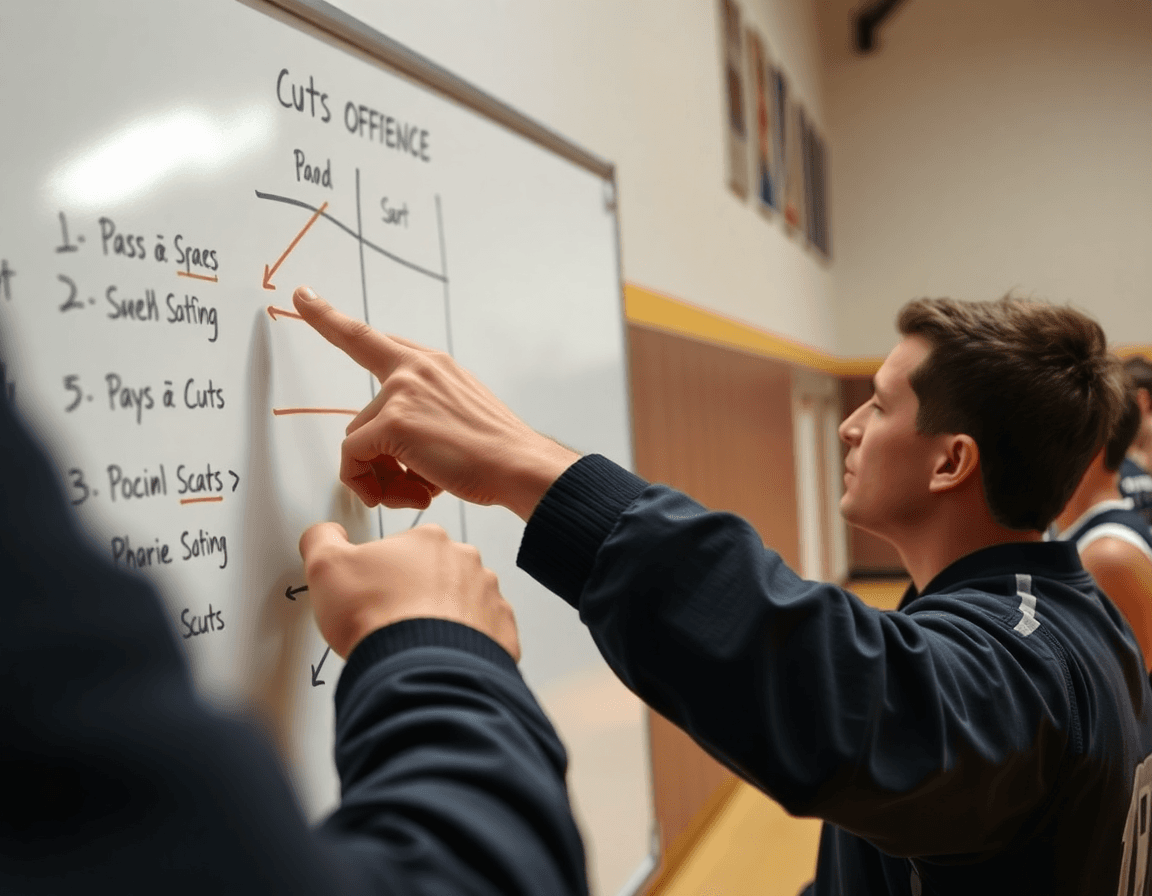
Spacing the floor to create driving lanes and passing angles is first. In the plan, we emphasize spacing drills that position wings and corners to stretch the defense, opening driving lanes and clean passing windows. That flow gets translated to the whiteboard as action diagrams—like pass-and-cut or backdoor setups—so the ball handler has look-after-look and teammates move with purpose through every pass sequence.
Reading the defense and keeping ball movement follows. A steady rhythm is built around read the defense and continuous decision-making. When help collapses, the team swings, skips, and re-posts with confidence. Our clips highlight the exact moments to exploit mismatches, reinforcing that the goal is continuous movement rather than grinding into a single setup.
Movement with purpose and avoiding stagnant sets anchors the week. Players should move with intent, letting screens flow into cuts and reads tied to the defense’s reaction. Use the whiteboard to map screening and cutting as natural extensions of flow—including backdoor reads and quick pass-and-cut sequences—so the offense feels like a connected, evolving system rather than a static set.
Variants and actions you’ll implement this week
Common actions anchor this week’s motion offense basketball plan: pass-and-cut, screen actions, and backdoor cuts. These actions keep spacing clear and reads alive. In the plan, we allocate reps for each action, and on the whiteboard we diagram timing and options — when to pass, when to screen, where the backdoor can open. A quick video clip shows the cut timing and how the defense typically reacts, so players see the sequence before they try it live.
Variations you’ll implement: 3-out 2-in motion offense, Dribble-Drive Motion and Read and React. Each variant reshapes spacing and driving lanes while keeping core actions intact. Start with a base action from each variant on the whiteboard, then pull a short video clip to show the exact read and entry — whether it’s a quick dribble-entry or a backdoor read that snaps open after a screen.
Choosing variants depends on players and the opponent. If your wings can sprint into gaps, you lean into 3-out 2-in or 4-out 1-in with quick dribble-entry reads. If the defense overhelps the ball, read the defense with Read and React and use backdoor cuts to punish gaps; spacing becomes the tool that creates lane opportunities. Use scouting notes to decide which actions show up in the weekly plan.
Principles over plays. The week is about spacing, cutting, screening, and reads that adapt to the defense. Use the plan, the whiteboard, the video clips, and the scouting notes to build a coherent workflow where players can study the action and execute with tempo. Shareable video playlists help players reference the exact sequences before the next session.
Practical weekly workflow for coaching motion offense
On Monday I start by installing core principles with simple drills that lay the foundation for a motion offense. In our plan library I pull a compact sequence: spacing, cutting, and reading the defense. We run short, purpose-driven cycles to get the team synchronized, then we document a quick progression for the week. The goal is to establish a clear rhythm that translates into game-ready reads and actions.
Tuesday shifts to improving ball movement, spacing, and reads. We focus on the basics of pass-and-cut, screening, and the initial dribble entry, using the whiteboard to diagram each action. After a handful of reps, I pull clips from the practice for quick feedback and assign a couple of key clips to be watched in the locker room, reinforcing decision-making without slowing the tempo.
Wednesday is film day. We review clipped examples that highlight strong reads and spacing, then map those successes back to our own clips. I share a short, curated set as a playlist for players to study, so they can see how the offense evolves in real game tempo. This is where the video clipping workflow pays off, turning footage into honest, actionable takeaways.
Thursday I run scouting reports focused on opponent motion tendencies. I annotate tendencies and counter-actions, then adjust our practice plan accordingly. The aim is to keep the team reactive to what the opponent is showing, while staying true to our core actions and reads.
Friday brings a controlled scrimmage and adjustments. We execute with the day’s scout notes in mind, review what worked, and log adjustments for the next cycle. Follow the cycle: plan → teach → drill → review → adjust. This weekly cadence keeps the team cohesive and ready to attack every motion look.
Teaching, drilling, and video workflow to reinforce concepts
Teaching motion offense basketball starts with clear reads. In the weekly motion offense basketball plan, I pull a couple of clips showing a guard reading the defense and choosing between spacing, a pass-and-cut, or a backdoor cut. These video clips become the anchor for both our classroom review and on-court reps. I label each read as a decision point in the read and react process, then pause to discuss the cues.
From there, I design a short drill block that mirrors those reads on the floor. After the drill, I build a set of playlists of clips for each player with quick feedback. In the motion offense video workflow, players replay the scenarios, focusing on read and react, spacing, and the timing of the pass-and-cut and screening actions. Quick fixes: adjust stance, eye line, and footwork.
Back on the floor, we circle back to the core actions: pass-and-cut, backdoor cut, and screening, tying them to spacing and dribble entry. The progression moves from individual reads to live-ball reps, so players learn how to read a defender in real time. We emphasize the decision points, then reinforce with drill reps until the actions look automatic.
Finally, we share exportable diagrams and PDFs of the whiteboard strategies with assistants. These resources keep the team aligned between practices and games, tying the on-court reps to the scouting notes and the video clips. A quick PDF summary of the pass-and-cut, screen, and backdoor actions ensures the plan travels well—whether you’re in the gym, on the road, or reviewing clips at home.
Scouting and opponent prep: tailoring motion offense to teams
Your scouting reports shape the motion offense basketball we run this week. In the plan, I map opponent tendencies—spacing off-ball, how they pressure the ball, and which wings cheat toward the lane. I want to know where gaps open when they switch or hedge, and who tends to drift toward the strong side. This read-the-defense view drives the whiteboard diagrams of actions (pass-and-cut, screening, backdoor) we drill, supported by clips from the last game to show what to expect and to frame our coaching cues for players in the huddle.
From there, we tailor movement to exploit weaknesses. If they overplay the passer or deny the cut, we lean into the backdoor cut and sharp drive lanes, while preserving spacing and the option of a controlled dribble entry. We also script a few counter-actions—a quick flare, a ball-screen slip, or a read-pass option—so the offense can stay unpredictable without losing rhythm. The motion offense stays flexible, but our attack lines up with clear reads and timed actions that players can internalize during practice reps.
We document opponent tendencies and adjust the practice plan accordingly. The notes live in our practice plans library, where we add reps for spacing, cutting, screening, and pass-and-cut that target the opponent's gaps. We tag drills by scenario: late game, primary break, or when the opponent traps in the pick-and-roll. Each addition keeps the team aligned—coaches and players review the same page during film time and on the floor, so we can accelerate adjustments in the middle of a week.
Finally, we link scouting with shareable video playlists for quick coaching references. We create motion offense scouting clips that highlight opponent tendencies and distribute a playlist to players and assistants. Clips are labeled by defense, spacing, and preferred reads, so a guard can study a scenario in 3 minutes. In the locker room and on the bench, anyone can pull up the clips to see spacing, read the defense, and react to the next action, reinforcing the plan across the team.
If you build plans like this every week, CourtSensei keeps your drill library, whiteboard, and video clips in one place — try it free.
FAQ
What does motion offense really mean in basketball, and when should you use it?
Motion offense is a player-driven framework built on spacing, timely cuts, crisp passes, and constant reads of the defense. It isn’t a fixed playbook; it thrives on decision-making and adaptability. In weekly planning, you grow from simple read-and-cut actions to more complex screening sequences as players gain comfort. The goal is continuous ball movement and shared responsibilities.
How is motion offense different from a set offense?
Motion offense is player-driven and relies on reading the defense; spacing and ball movement guide action. Set offense relies on scripted sequences and fixed reads. In practice, motion teaches players to diagnose opportunities, not memorize sequences. It scales with skill level and tempo, while set plays can stall if reads fail. The result is adaptable decisions under pressure.
What is the Princeton offense and how does it relate to motion offense?
Princeton offense is a patient, spacing-and-screen heavy system that emphasizes backdoor cuts and continuous motion. It's a specific variant that sits under the broader umbrella of motion offense concepts, sharing reads and screening flows but with longer possessions and more structure. Practically, it demonstrates how read-and-react principles can be baked into a disciplined spacing pattern.
What are the common actions in a motion offense (pass-and-cut, read and react, screening)?
Core actions you’ll coach: pass-and-cut, screen actions, and backdoor cuts. These keep spacing clear and reads alive. In practice, diagram timing, passes vs screens, and where players position for options after each exchange. Use short clips to show typical reads and defender reactions, so players chase the right cue at speed.
How do you implement a motion offense in practice with youth or high school teams?
Start simple: install core principles with quick cycles that emphasize motion offense basics, then layer reads and spacing. In practice, pull from the practice plans library to map daily goals, diagrams, and short clips. Use whiteboard sketches and scout notes to tailor actions to the opponent. Finish with a shareable video playlist so players study the reads and timings.
What are some popular motion offense variants and how do you choose which to run?
Common variants include 3-out 2-in, 4-out 1-in, and dribble-drive motion. Each reshapes spacing and driving lanes; pick based on players’ speed, ball-handling, and opponent tendencies. Start with a base action from each variant and add clips to illustrate reads. Use scouting to decide which variant to emphasize this week.