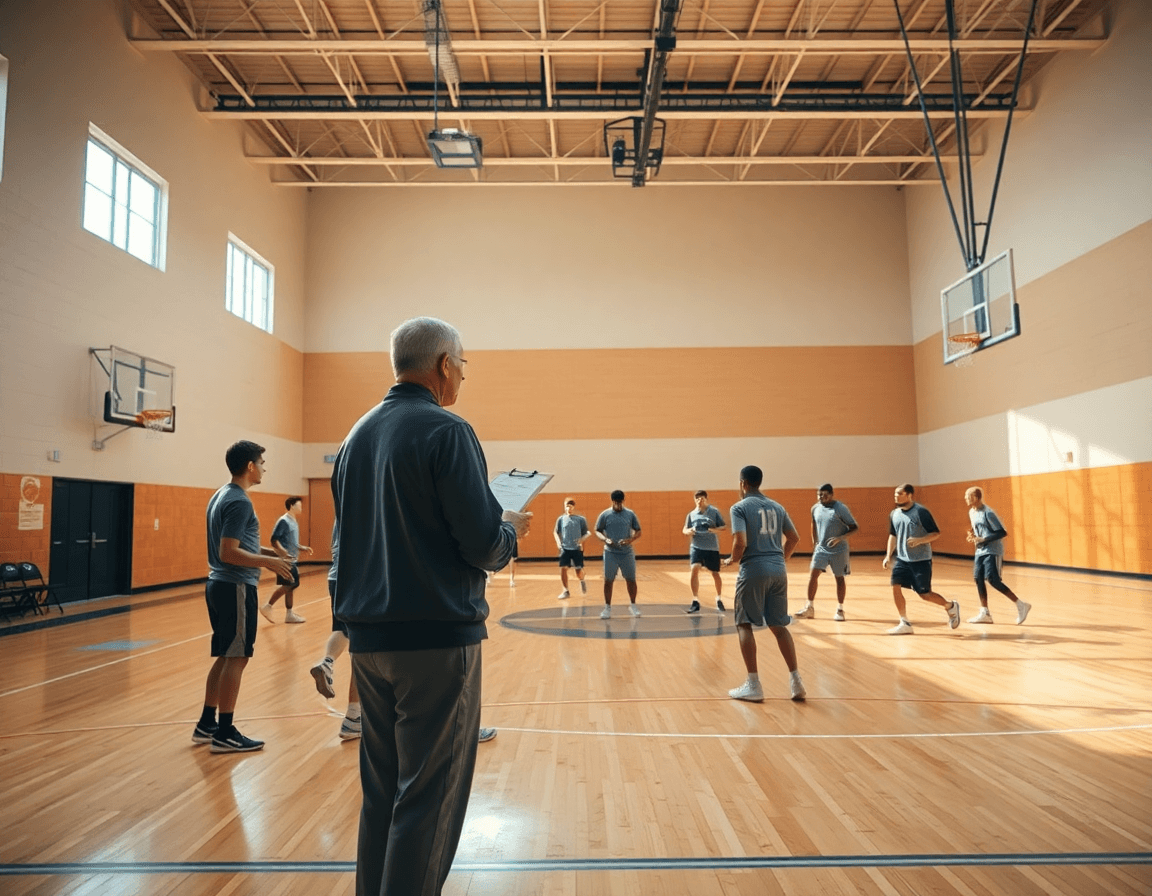
1 3 1 zone defense basketball: Weekly plan for coaches
A weekly coach's guide to the 1 3 1 zone defense basketball, with drills, scouting notes, and video workflows to train staff and players for weekly routines.

Key takeaways
- Define roles clearly in your plan: 1-3-1 top, Chaser at the point, Wings in arc, Tail for boards.
- Teach denial, ball pressure, and rotations with consistent drills; emphasize trap timing and rotations.
- Implement progressive live reps: shell → controlled traps → game-speed reps; document outcomes weekly.
- Use scouting notes to adjust 13 vs 23 emphasis; tailor drill reps to opponent tendencies.
- Track progress: rotations, passes denied, trap success; clip samples and share with staff.
Understanding roles and variations of the 1 3 1
Baseline: the 1-3-1 is a four-lane defense built to deny passes, control tempo, and force decisions. The Chaser sits at the very top, three middle players—the Wings and Middle—along the arc, and a Tail/Warrior at the bottom. Each role has eye on denial, angles, and rotations, with constant communication. In the weekly plan, I map who covers which zone and when to trap or crash the glass.
Variations to know: 13 (half-court) and 23 (three-quarter court), with extensions to 41/51 for full-court pressure. In practice, we layer in 13 to sharpen ball pressure without leaking rotations, then progress to 23 to push the pace and force misdirections. The Wings stay wide; the Middle anchors the arc; the Tail sits low and ready for rebounds. The skeleton stays the same, just deeper or shallower depending on the scout and the moment in a game.
Roles and responsibilities evolve with the variation. Within the scheme, the zone roles shift as the ball moves. The denier at the top—the Chaser—pressures passes; the Wings pinch gaps; the Middle funnels line drives; and the Tail bursts to crash the boards after shots. When the ball reverses, the High Post becomes the pivot for ball reversal and rotations. If pressure ends in a trap, the team must snap to a coordinated rotation.
From a workflow standpoint, these ideas feed the weekly plan, whiteboard diagrams, and video clips. I map the 1-3-1 progression on the plan, diagram ball-reversal paths on the board, and cut short video clips showing rotations for the wings and middle. The scouting notes for the opponent inform when to emphasize 23 or to flip to 13, and playlists get shared with assistants.
Core rules, rotations, and trapping patterns
Core rules set the tempo for a 1-3-1 every week. Denial keeps the ball from entering the lane, pressure on the ball disrupts ball handlers, rotations snap into place on ball reversal, and aggressive rebounding keeps teams from getting easy second looks. We lock these in our weekly plan, diagram them on the whiteboard, and tag the drills in CourtSensei so assistants can run the same sequence in practice. When players see the path, the habit sticks—especially when the clips mirror the live reps.
Trapping patterns give us the bite in this defense. We work both soft trap and hard trap, letting the match dictate the urgency. Butterfly adjustments help us cover cutters without overreacting, while a plug at the high post stymies direct skip passes. There are No Trap (13) options for specific matchups too, so we teach variations and when to flip between them. Documenting these choices in the plan and exporting clear PDF diagrams keeps everyone aligned across clinics and scrimmages.
Rotations define who steps to deny and how the wings and middle fill the gaps. The Tail guards the corners, stepping in when ball pressure loosens and the ball reversal creates lanes. We codify who becomes the primary chaser and who supports from the middle, then rehearse the exact timing in live drills. In scouting notes, we call out opponents with a tendency to over-pass to the wings, so the rotations tighten accordingly.
Extensions (41/51) change spacing and trap windows. We recognize how those shifts push gaps and adjust the timing of the trap. On the plan, on the whiteboard, we map those windows; a short video clip afterward shows the pre-snap alignment and the moment the front-line denies. This is where the workflow clicks: deny, trap, rotate, and adjust in real time.
Install it this week: drills to build the 1 3 1
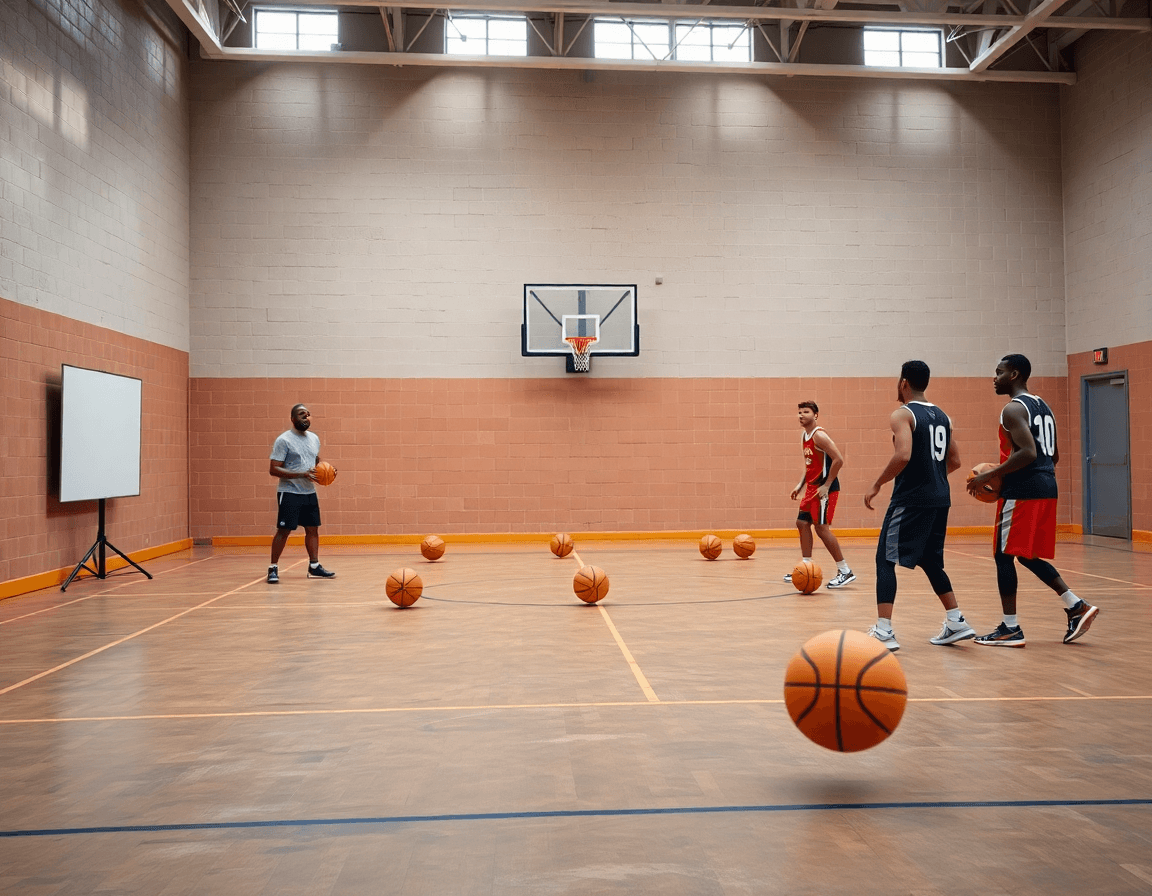
This week we install the 1-3-1 by moving from simple shell work to early live reps. Start with 3-on-3 shells to establish positioning and ball pressure, then add a 4-on-4 progression to mirror game rhythm. In your practice plan, block time like this: 15 minutes on the shell, 10 minutes on spacing with ball reversals, 10 minutes on controlled traps. Use the whiteboard to visualize the movements: the chaser steps up, wings pinch the lane, and tail anchors the corner. This progression builds solid rotation timing without forcing chaos and gives your staff a clear scaffold to follow.
Position-specific work centers on the chaser ball-pressure timing, wings and middle spacing, and tail corner awareness, with rebounding emphasis. Have the defense rotate through the top zones, then emphasize how the wings and the middle defend ball reversals from the strong side. Tie every rep to two goals: deny clean passes to the high post and corral long misses off the glass. Short, focused drills keep the read-and-react tempo under control while you build confidence in the shell.
Live reps come in on a phased ladder: shell drills → controlled traps → game-speed reps. Emphasize communication and timing as the ball moves. The objective isn’t perfection in week one, but consistent execution of rotation timing and trap discipline. Use a quick progression cue—step, shift, strike—to keep players aligned as the pace increases. A few reps at full speed, followed by coaching notes in the scouting log, start to translate plan into habit.
Progress tracking is simple: rotations, passes denied, and the trap success rate. Capture a quick video clip of a couple of trap sequences and drop it into a playlist for players and assistants. Log the results in your weekly notes so you can tweak the next practice plan and keep the install on track.
Practical weekly workflow: Plan → Diagram → Clip → Scout → Share
Weekly plan for the 1-3-1 zone defense basketball starts with a clear objective. You map the days around how the defense will move, rotate, and trap. Your step-by-step flow is: design practice plan → diagram on whiteboard → clip past game footage → scout opponent tendencies → publish playlists for the team. In the plan, you lock in the tone for the chaser at the top, wings in the gaps, and the middle/tail protecting the lane, setting the tempo for the week.
Templates keep this tight. Use a Templates approach with a single-page plan to assign roles, drills, and objectives for the 1-3-1. This is where you codify who covers which lane, when to press, and how to handle ball reversals. The goal is a simple, repeatable frame that assistants can execute all week.
Board diagrams and PDFs complete the on-court picture. You sketch rotations, ball reversals, and trap sequences on the tactical board, then export clear diagrams and PDFs for assistants and players to study. A quick spray of color helps identify the high post, the ball-reversal arc, and the trap chain so the team can visualize the sequence without digging for notes.
Sharing and accountability cap the cycle. Assign clips and scouting notes to specific players or staff via shareable links. For example, drop a short video clip of a successful chase or a misread to a wing, paired with a scouting note about opponent tendencies—keeping the chaser, wings, middle, and tail aligned for the next practice and game. This weekly workflow keeps planning, diagramming, video, scouting, and sharing synced across your staff.
Attacking the 1 3 1: spacing, reads, and ball reversals
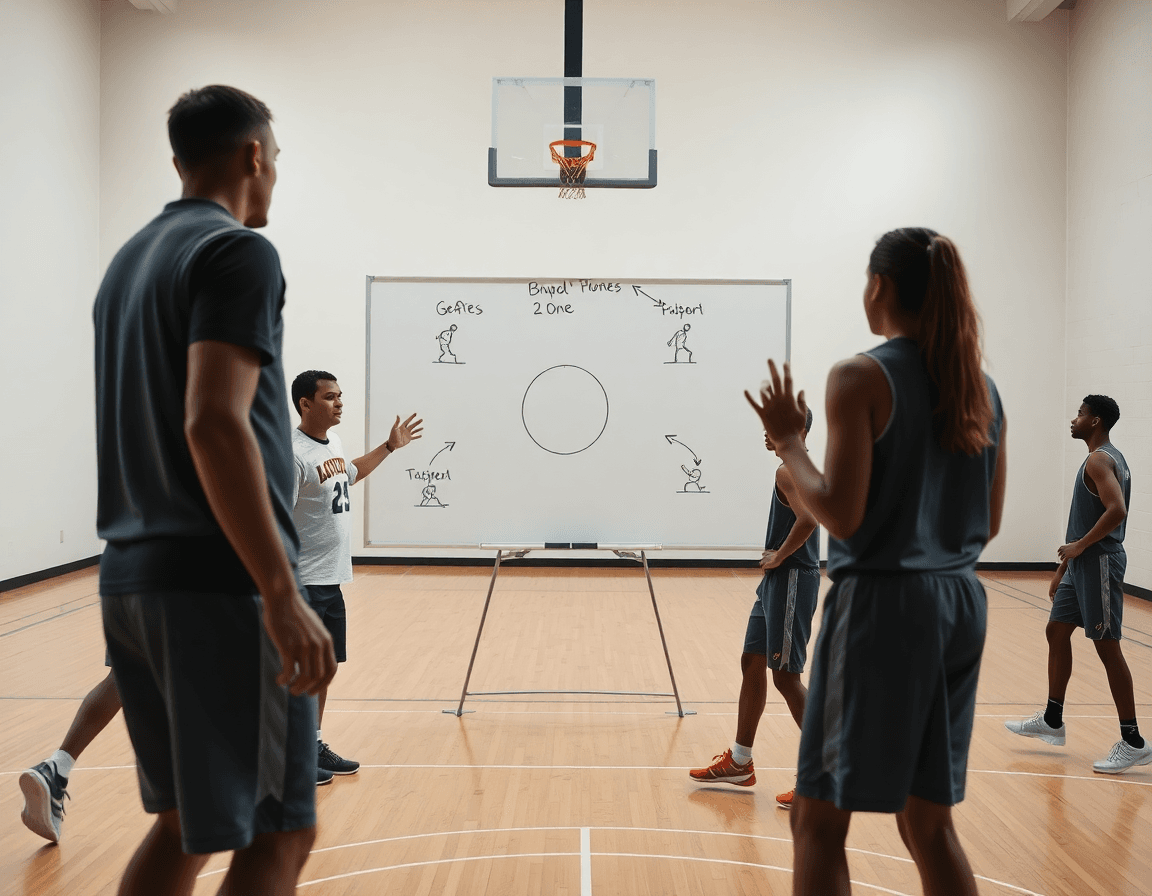
Against a 1-3-1, the core idea is to create space and decision points. Common attack concepts include overloads on one side to pull the chaser out of position, leveraging high-post reads, and quick ball reversals to keep defenders off balance. In this week’s plan, I script a progression: start with spacing, then work reads at the high post, then add movement that invites a clean ball reversal to the weak side.
Spacing is the first lever. In this week’s drills I set up a 4-out/1-in look that creates gaps between the wings and the top. When the chaser drops, the middle and tail get lanes for entry passes, and we test weak-post rotations to see who helps. The focus: keep the spacing clean, push the ball with a quick reversal, and force the defense to commit.
Ball reversals and skip passes are the rhythm. When we hit the top, a quick reversal to the weak-side wing stretches the chaser and drags the middle out of position, opening look opportunities. We practice sequences where a skip pass from the top finds the opposite corner, or a skip to the wing becomes a ready-made shot off a quick reversal.
Tools to practice: high-post decision making, overloading one side, and ball-screen or off-ball actions off the ball-side wing. In CourtSensei, I lay this out in the plan, diagram it on the whiteboard, attach short video clips, and share a scouting note and playlist for players and assistants.
Video, scouting and playlists: teaching and countering the 1 3 1
Video teaching helps you translate the 1-3-1 into action. I pull game clips showing trapping triggers: a chaser stepping to pressure the ball, rotations timing after ball reversals, and where breakdowns happen when the ball skips to the wings. We pause and annotate on the whiteboard, drawing how the rotation should look from the middle to the tail. Each clip gets a quick scouting note tied to the weekly plan, so assistants know exactly what to reinforce in practice. Use short clips to keep focus tight and connect them directly to drills in the plan.
Scouting reports provide the counterplay edge. I build concise notes on opponent tendencies—where they trap, how they reverse the ball, and where they force passes. In CourtSensei, I attach clips to each report and tag them with terms like ball reversal and trap, so the chaser and wings understand the read. The goal is clear: tailor our rotations, deny easy ball reversals, and force non-shooting gaps. When you map it to the 1-3-1, even the middle defender knows the exact trigger and the weak-side options to attack.
Playlists, sharing, and reinforcement close the loop. Build a library of clips for quick review and targeted improvement. I assign a short video clip to players as part of the weekly workflow, plus a scouting note for reference. Create shareable links for assistants and players to review concepts on their own time. That way, when we practice trapping angles on the whiteboard, players can jump into the playlists and reinforce the exact rotations, ball reversals, and countering actions we want every week.
Variations and extensions: 13, 23, 41, 51 when to deploy
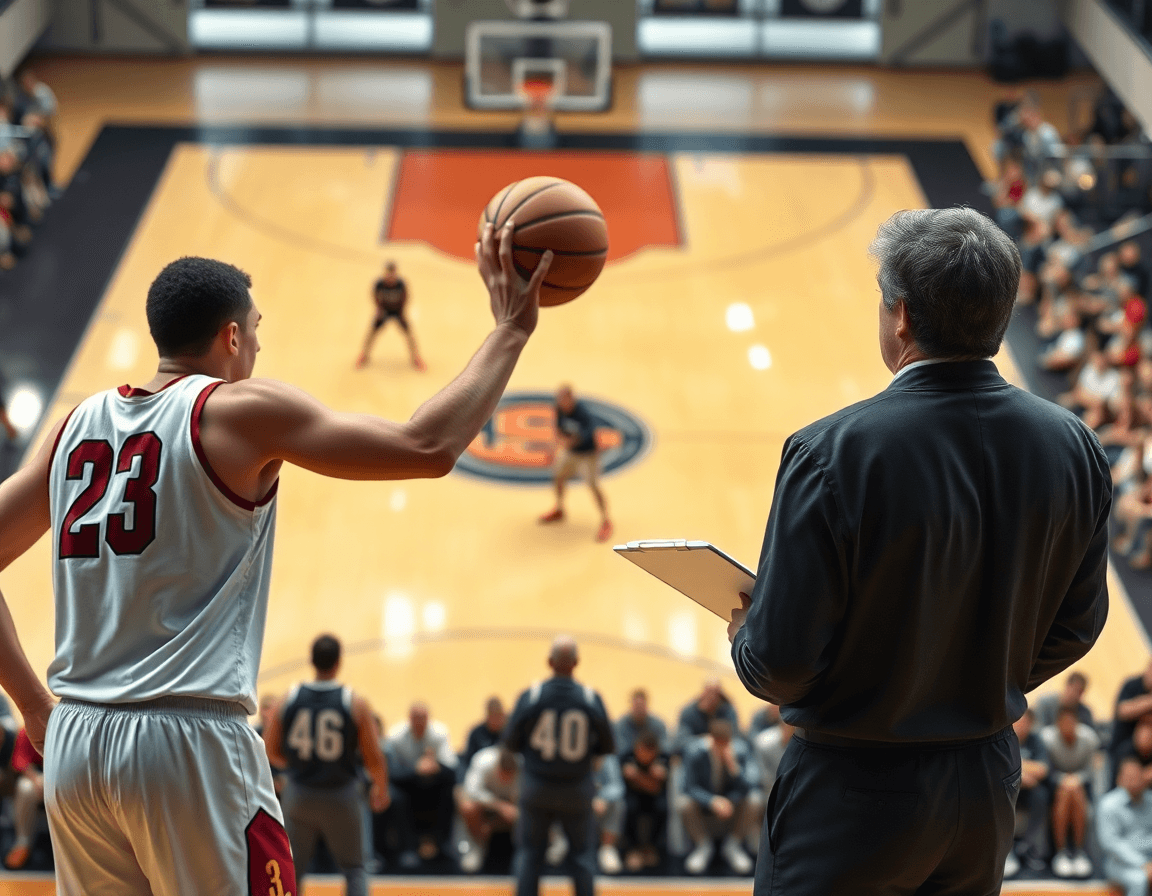
Starting the week with the 13 baseline/half-court approach, I diagram the 1-3-1 on the whiteboard and tell the assistants to lock in. The ball-side wings stay ready to pressure ball reversals, while the middle reads passes and the tail trims angles along the baseline. With this setup, our chaser can apply early pressure, the wings funnel the ball, and the high post acts as a safety valve. This is the base look we start every weekly plan from.
Layer in 23: mid-court pressure. We push the action higher, forcing passes toward the middle and bumping the ball-handlers off their line. The middle defender steps into gaps to deny ball reversal, and the high post is readier to flash to the ball. When opponents handle well, 23 speeds the tempo and tests decision-making, especially in late clock situations.
Then the 41/51 window: full-court pressure options for extending defense when we need to steal momentum. The wings sprint to challenge cross-court passes, the chaser mirrors the ball, and the tail presses the sideline while the middle drops to deny a clean ball reversal. When triggered, these looks can morph into traps near half-court, turning the floor into a chessboard and forcing the opponent into a rushed decision.
Adjustments by personnel: lean into soft traps vs hard traps based on stamina and matchups. If your wings are long and your bigs crash, go hard to pinball the ball into a crash for boards. If you’re undersized, soften the trap and prioritize the backline box-out to curb offensive rebounds.
Switching between variations depends on game tempo and opponent strengths. Start with 13 to establish rhythm, move to 23 to answer a patient ball handler, and escalate to 41/51 in the second half if you need to extend the defense and force mistakes. Use scouting notes to time these shifts and back it up with short video clips.
If you build plans like this every week, CourtSensei keeps your drill library, whiteboard, and video clips in one place — try it free.
FAQ
What is a 1-3-1 zone defense?
The 1-3-1 is a four-lane zone designed to deny entry passes, control tempo, and create decisions for the ball-handler. The Chaser sits at the very top, Wings and Middle guard the arc, and the Tail covers the bottom corner. Communication and proper rotation timing are essential. In practice, we map who covers what and when to trap or crash the glass.
How do you beat a 1-3-1 zone defense?
Beat a 1-3-1 by attacking the gaps and moving the ball with quick reversals. Target the corners, skip passes, and rely on reversals to pull the Wings inward. When the top defender overplays, hit the high post or middle for skip passes. The goal is to force mismatches and overcommitments, then attack with dribble penetration.
What are the advantages and drawbacks of the 1-3-1 zone defense?
Advantages: strong denial of entry passes and solid tempo control. Drawbacks: vulnerable to baseline cuts and open three-point looks from the corners. A disciplined squad, good scouting, and quick rotations keep the system functional, but expect a few breakdowns if help angles drift or the wings overreact to edge passes.
How do you trap in a 1-3-1 zone defense?
Trap sequences come from ball reversals and matchup needs. Start with a soft trap near the top, then escalate to a hard trap on the pass. Wings pinch gaps, the Tail crashes the corner, and the middle funnels the drive. butterfly adjustments help cover cutters without overreacting, and a high-post plug stymies skip passes.
What drills teach the 1-3-1 zone defense?
Install the 1-3-1 with shell drills (3-on-3) and progress to 4-on-4 live reps. Start 15 minutes shell, 10 minutes spacing and reversals, 10 minutes controlled traps. Use the whiteboard to show chaser, wings, middle, Tail positions, then show clips of rotations. Track rotations, denials, and trap success in a scouting log.
How do you defend the corners in a 1-3-1 defense?
Defending the corners hinges on the Tail awareness and spacing. The Tail must drop to the corner on ball reversals, wings pinch the gap, and the chaser pressures the ball to slow reversals. Use butterfly adjustments to corrall cutters and keep the lane protected. Communicate constantly and map corner rotations in the weekly plan.