Basketball Zone Offense: Weekly Plan for Coaches
Coach-focused guide to basketball zone offense: a weekly plan with drills, plays, and video workflows to attack 2-3 and 1-3-1 zones, plus scouting insights.

Key takeaways
- Define weekly objectives against 2-3 and 1-3-1, focusing on spacing and ball movement.
- Lock in 2-3 core actions: high-post flash and deliberate ball reversals, plus timely skip passes.
- Schedule 2-3 drills per session emphasizing spacing and deliberate decision-making; script tempo and reads for ball handlers.
- On the whiteboard, diagram actions and assign roles; supplement with short video clips to highlight timing and angles.
- Close with a short live scrimmage against zone looks; attach scouting notes for 2-3 and 1-3-1.
Weekly Zone Offense Plan: A Practical Workflow
Weekly Zone Offense Plan: A Practical Workflow
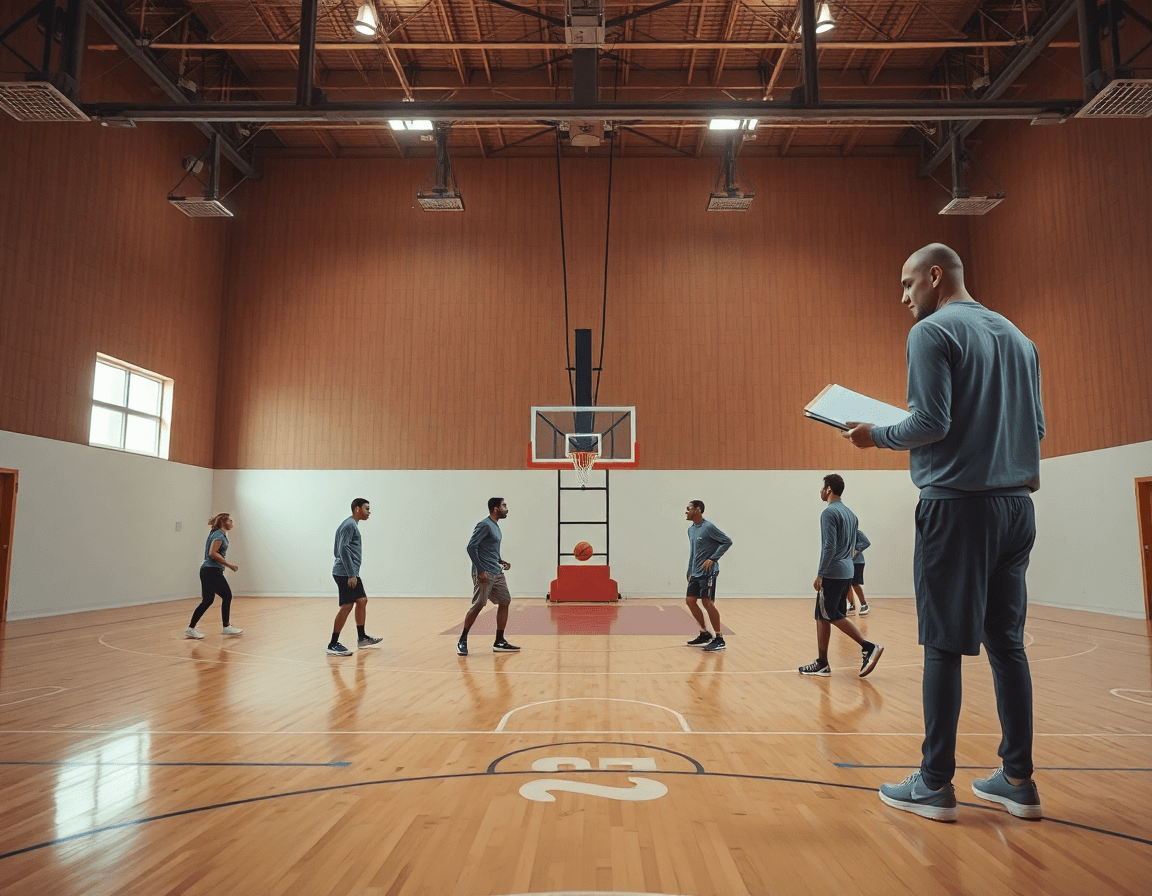
As a coach, I start each week by defining clear objectives against the primary zones we face—2-3 and 1-3-1. The basketball zone offense workflow centers on improving spacing, patient ball movement, and decision-making under pressure. I map these goals into the plan so every session builds toward a cohesive attack, not a sequence of random actions.
I lock in 2-3 core actions to run in practice: a high-post flash to threaten the middle, deliberate ball reversals to swing the defense, and timely skip passes to shift rotations. These actions give our players quick reads and options as the defense shifts, and they translate directly into our in-game reads against zone defenses.
Then I schedule 2-3 drills per session that emphasize spacing and decision-making. For each drill, I script a specific tempo and read for the ball handler, the wings, and the post, so players learn to exploit gaps without forcing heat-check passes. This is where the practice plan becomes a living document—CourtSensei helps me keep the drills aligned with the weekly objectives and the zone look we anticipate.
On the whiteboard, I diagram positions and actions, assigning roles to assistants who can feed cues and manage substitutions. A few quick sketches show when the weak-side player cuts, when the guard reverses to the opposite wing, and how the corner spacing opens lanes for entry passes. Clear diagrams keep everyone on the same page, from the scout team to the varsity roster.
I pull in video clips to illustrate live-ball motion and teach with concrete examples. Short clips demonstrate how a 2-3 offense moves the ball to create shot opportunities or dragging the defense into rotation. We pause on timing, angles, and decisions to reinforce the concepts during practice, not just after. Finally, we finish with a short live scrimmage against zone looks, letting players react to the flow, apply the plan, and sharpen real-time decision-making.
Key Principles for Attacking 2-3 and 1-3-1
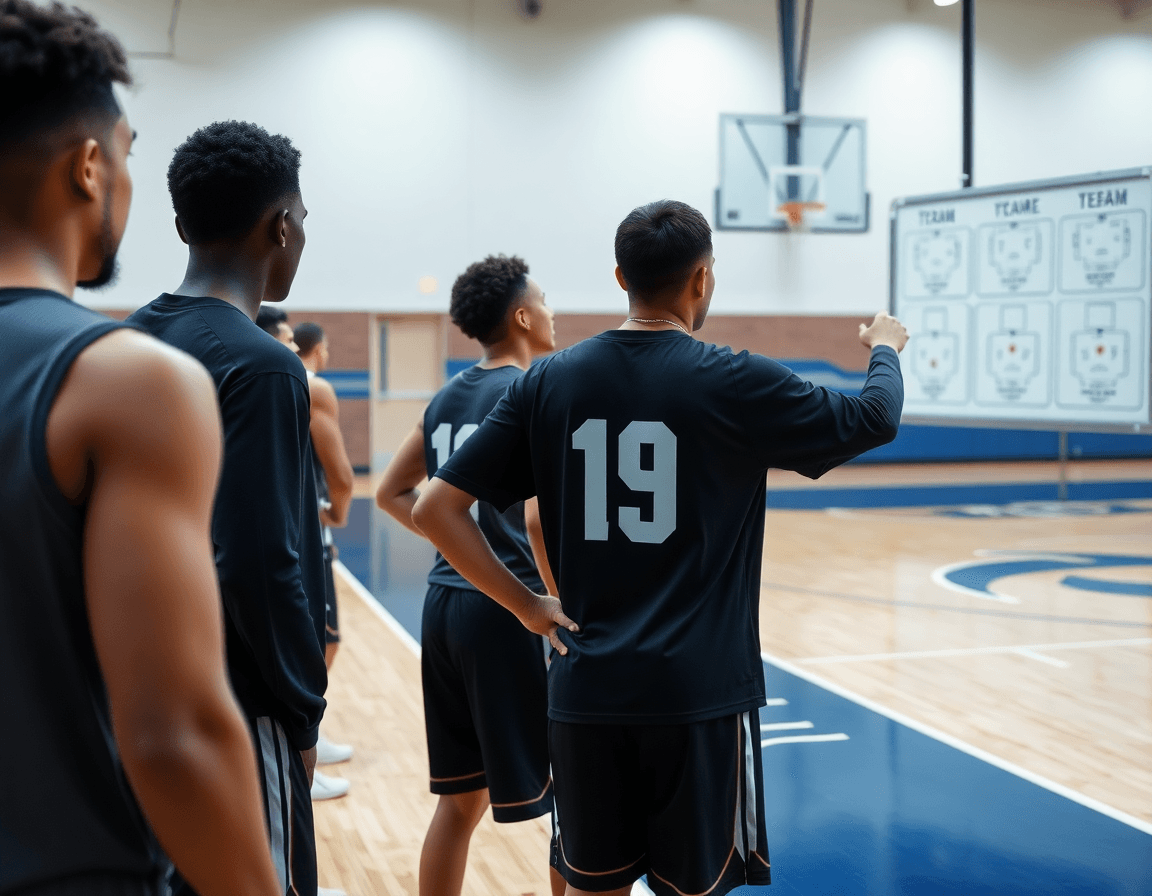
In the weekly plan, we emphasize spacing the zone and attacking the middle first. Against a 2-3 or 1-3-1, the first read is to get the ball into the lane seam or the high post to force a collapse, then swing to the weak side. In the planning phase I script two or three variations, then diagram the actions on the whiteboard for the assistants. This keeps our drills aligned with the game plan and the scouting we’ve built for the week.
Look for high-post looks to create drive-and-kick opportunities. From there, patient ball movement and skip passes stretch the defense and open kick-outs for good looks. We narrate the sequence during practice: entry to the high post, a quick skip to the weak side, and a drive to force help that collapses the defense for an open shot.
Screening and ball reversals create gaps and shooting opportunities. We want clean screens on the perimeter to free shooters, then a deliberate ball reversal to keep the defense keyed on the ball. On the whiteboard, I map the angles for the screen, the seam pass, and the next pass to the shooter—the rhythm matters as much as the spacing.
Be patient but decisive; aim for high-percentage shots and post touches. If we can get a post entry when the angle folds, we grab it, but if not, we keep moving the ball until we find the best read. The moment a defender over-plays the middle, we attack the seam with confident dribble choices and look for a clean kick-out to the corners.
Dribble penetration into seams to draw defenders and open kick-outs. A quick drive can pull help, leaving a wide-open shooter on the perimeter. We coach the read: collapse, then swing to the open man for a trusted shot.
Essential Zone-Offense Actions and Set Plays
In a weekly workflow, the cornerstone is zone offense actions: zone offense actions: high-post flash, wing screenings, and skip passes. These actions hinge on constant ball movement and smart spacing. In the training plan I map the sequence on the whiteboard, labeling reads for the weak side. We start with a quick ball reversal, then a high-post flash into a skip pass to the opposite wing, keeping the defense off balance. A short video clip from our last game helps players see timing and positioning in real time.
Next, we lock in the zone offense plays we expect to see in a week: zone offense plays: Chin, Runner, Iowa, Walker, and overload variants. We practice these from our scouting notes, focusing on how the 2-3 reacts to Chin and how the 1-3-1 counters Runner. Reps from the floor build habit: ball reversal, skip passes, and the reads that determine when to flash to the high post or slip to the weak side. When a staffer walks through a clip, players immediately connect the action to what they’ll face in games, and the language on the whiteboard becomes a shared playbook.
To stay sharp under pressure, we lean on overloads and drive-and-kick to force defensive rotations. We drill the fast-side kick-outs that create kick-out opportunities and open inside looks, while keeping spacing intact. The weekly plan includes a scouting note that captures opponent tendencies against 2-3 and 1-3-1, so the Chin-Runner-Iowa action mix stays relevant. It all ties back to a short video clip and a clean diagram on the whiteboard, then into a training playlist you can share with the squad.
Diagramming, Drills, and Video: A Teaching Toolkit
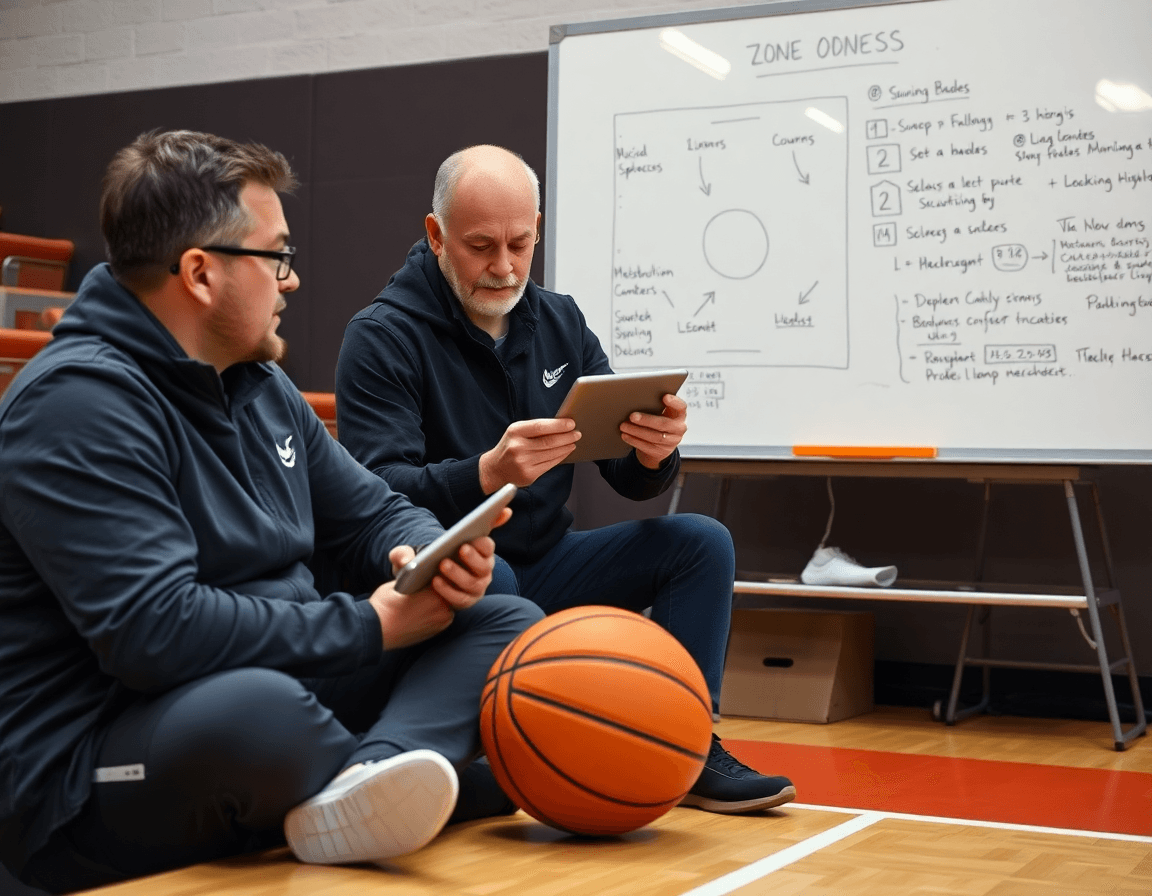
During the weekly plan for basketball zone offense, I map out the personnel and sets. I diagram each action on the whiteboard, then export to PDFs for assistants to carry into practice. The workflow keeps our zone offense drills aligned with how we want ball movement, spacing, and reads to look in game situations. The current focus is 2-3 vs 1-3-1, so I drop a quick scouting note into the plan to guide what to emphasize on the table while we rep the actions.
Run 3-4 drill progressions: ball reversals, skip passes, and quick decision games that mirror the tempo of live zone possessions. We stage reps that emphasize ball reversal and drive-and-kick when the defense overplays gaps. This is where the words “zone offense drills” come alive, and where we link each drill to a diagram on the whiteboard.
Video is a teaching tool in this toolkit: a short clip of a good zone possession and a bad one, used for feedback. We tag the clips as “zone offense” and pull the moments that show proper spacing and ball movement, as well as where a mismatch or misthrow happened. Using video teaching, we can pause, point to a specific action on the whiteboard diagram, and explain the decision.
Finally, we create playlists of clips and drills to organize teaching through assistants. The playlists live in CourtSensei and are shared with the staff, so a 3-part video segment on ball movement, a drill progression, and a scouting note on 2-3 vs 1-3-1 are linked together. This keeps the team on the same page, even when different coaches run stations during practice.
Scouting and Opponent Reports: Turning Film into Action
With a weekly plan in mind, I start by building a opponent-zone scouting report that centers on 2-3 vs 1-3-1 tendencies. We pull film, tag possessions by defensive alignment, and map out the most promising answers. In CourtSensei, the workflow links scouting reports to our practice plan and to the video library, so the assistants and I are speaking the same language come Monday. This is the kind of zone offense scouting that turns film into action, not just notes.
Next, I label clips by the defender type—front and top defenders—so we can annotate the counters we want to teach. If the film shows a beat zone traps scouting pattern, we tag the clip and write a concrete counter: skip passes, ball movement, and quick ball reversal to the weak side. We annotate the triggers that force shifts in rotation and attach those notes to each clip on the whiteboard for quick review before practice. The result is a library of clips that highlights zone traps and the role of front/top defenders in forcing decisions.
With the data in place, we assemble a small-zone offense playbook for reference in practice. It sits alongside the weekly plan, ready to pull up during drills or during walkthroughs. We drill concise sequences that emphasize timing, spacing, and decision-making—a natural home for our playbook. The aim is to have a few reliable options that push the defense to react rather than anticipate.
Finally, we spotlight exploitation points that translate to reps and rhythm. High-post touches and purposeful skip passes become recurring twins in our drills, especially when the defense overplays the weak side. We emphasize ball movement and drive-and-kick reads to keep the defense honest. In the end, the scouting reports basketball pages stay actionable: we turn film into practice-ready actions that improve our zone offense week after week.
Create and Share Playlists for Your Assistants
As I map out a basketball zone offense week, I assemble playlists of drills, plays, and clips for easy teaching and review. The goal is to keep every practice aligned with ball movement, skip passes, and ball reversal, while weaving in high post and spacing options that punish gaps in 2-3 and 1-3-1 looks. I also build scouting notes on 2-3 vs 1-3-1 for the staff and players. This playlist-driven approach becomes the backbone of your weekly plan.
On the tactical side, I diagram zone actions on the whiteboard to show the sequence from entry to drive and kick. We sketch options that exploit spacing and post touches, and we annotate BLOB/SLOB/ATO actions as a quick reference for assistants. With the diagrams in front of us, everyone understands the flow and the read for the next drill.
Video is the teaching engine. I trim video clips from the last game or practice and drop them into a coherent playlist for the week. Clips labeled for concepts like ball reversal, drive and kick, or skip passes give players a visual shortcut to what we’re teaching. A quick on-floor example—a drive, reverse, then kick to the corner—lands faster when paired with the right clip in the video playlists zone offense.
Sharing is where the magic happens. I create shareable links that provide tasks and teaching clips to assistants, so they can prep scouting notes and run drills without me hovering. We coordinate weekly assignments in one place and check progress during film review or practice. This coach collaboration mindset keeps the whole staff aligned around our basketball zone offense.
If you build plans like this every week, CourtSensei keeps your drill library, whiteboard, and video clips in one place — try it free.
FAQ
What is a zone offense in basketball?
zone offense is a deliberate way to attack zone defenses, not a random sequence. The aim is to create spacing, patient ball movement, and smart reads under rotation. Core ideas include attacking the middle via the high post, and using quick ball reversals and skip passes to stretch the defense. With clear reads, your team stays decisive as rotations tighten.
What's the best way to start against a zone?
Best way to start against a zone is to get the ball into the middle and threaten the seam or the high post. From there, swing the ball quickly to the weak side and use ball reversals to pull defenders out of position. Start with disciplined spacing and a couple of quick timing reads for the ball handler. This sets the tone for patient, purposeful attack.
How do you beat a zone that denies the high post?
To beat a zone that denies the high post, you need quick ball movement and alternative reads. Pocket a quick entry to the corner or seam, use screens to free shooters, and mix dribble penetration with drive-and-kick to the weak side. When the defense overplays the middle, attack the seam with decisive drives and a clean kick-out.
Is dribble penetration always the answer against a zone?
Is dribble penetration always the answer? Not always. Penetration can collapse zone rotations and create kick-outs, but too much can iso-burn clock. Mix it with patient passes and skip passes. Read the rotations, attack seams, and look for open shooters after a collapse. The key is balance: penetration when a read shows a clean kick, otherwise swing the ball and reset.
How do you train players to excel in a zone offense?
Training zone offense starts with spacing and decision-making. Practice high-post flash, ball reversals, and skip passes under resistance, then simulate late-clock reads in 3-on-3 and 4-on-4. Use video to reinforce timing and angles, and finish with quick live reps against zone looks. The goal is automatic reads, not forced heat-check passes.
When should you use a zone offense?
Use zone offense when the defense is comfortable denying straight-line drives or when you need to slow the game to create rhythm. Start early in the game to establish a tempo or when scouting shows frequent rotations. Even without a full package, you can deploy zone-based actions to stretch gaps and force weak-side decisions.
What are common zone offense formations to run against 2-3 or 1-3-1 zones?
Common zone offense formations to counter 2-3 or 1-3-1 include sets like Chin and Runner, along with options such as Iowa and Walker and overloads. Each emphasizes quick ball reversals, high-post options, and efficient skip passes to the weak side. Practice these from the scout plan, keeping reads simple and timing consistent so the team can exploit rotations under pressure.