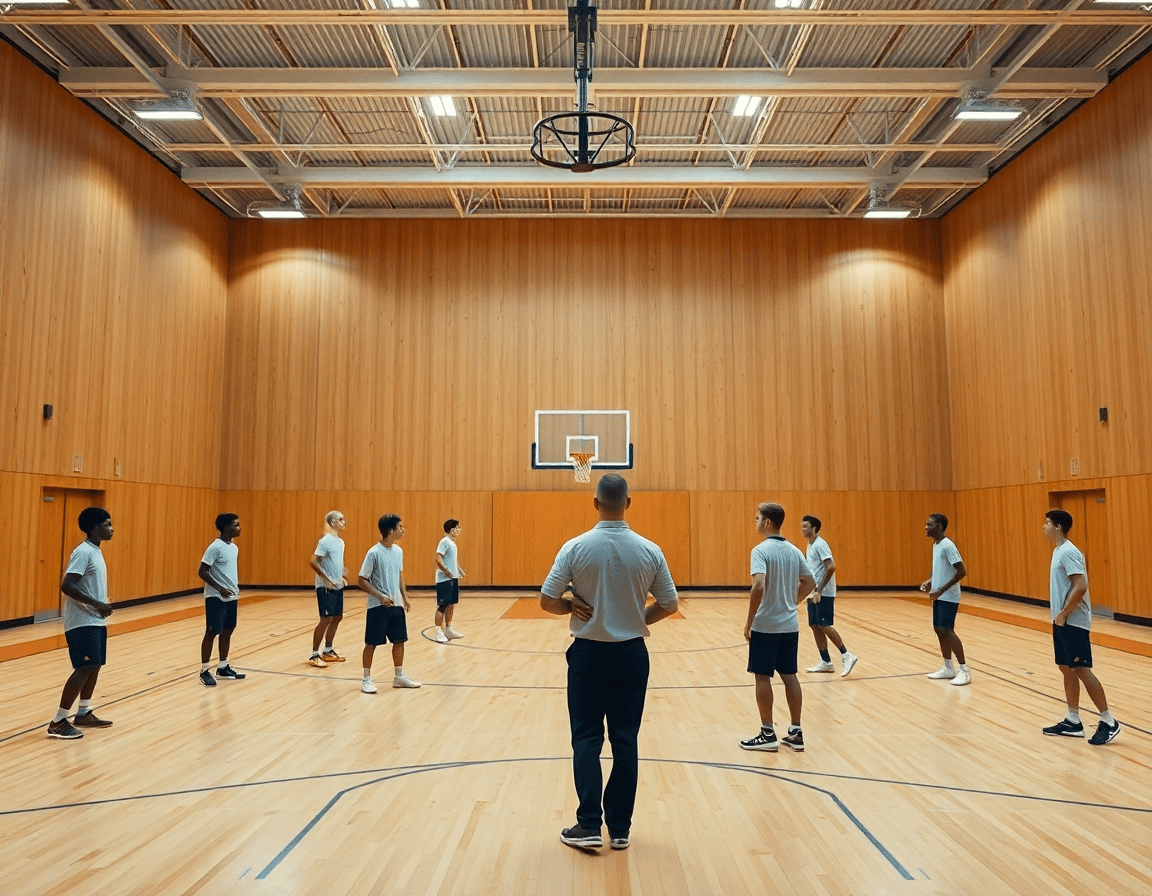
1-3-1 Zone Defense: Weekly Plan for Coaches
Master the 1-3-1 zone defense with a coach-ready weekly workflow: plan drills, rotations, scouting, and video breakdowns using planbooks, whiteboard, and clips.

Key takeaways
- Master the 1-3-1 setup and the two variants, emphasizing top pressure and shell rotations.
- Use targeted scouting to choose 13 or 23 based on opponent rhythm and spacing.
- Prioritize quick rotations, closed passing lanes, and aggressive ball pressure without overcommitting.
- Develop a five-day install plan with Practice Plans, Whiteboard diagrams, and short video clips.
- Run live reps by day five, then review with playlists and updated scouting notes.
Understanding the 1-3-1 zone defense: setup, roles, and variations
The 1-3-1 zone defense, or one-three-one, starts with one at the top, three across the middle, and a low post protector. In our setup, the top defender pressures the ball, the wings sit at or near the elbows and corners, and the high post and low post anchor the middle and guide rotations. We generally describe two common variants: 13 zone defense and 23 zone defense. In the 13 look, the top pressure is tighter and the middle line sits higher, which nudges opponents into early contested passes. In 23, you tilt into a steadier shell with two players up top and three across the bottom line, closing gaps and making skip passes harder. For both, the goal is to disrupt rhythm rather than chase every ball.
A lot rides on how we handle rotations. When the ball moves, the top defender may trigger a trap near half-court, with the wings filling gaps and the low post guiding the baseline to keep any penetrate-and-kick plays in front. This means clear rotation responsibilities—who slides to the ball, who covers the skip, who bags the corners. The strength of the 1-3-1 is in its ability to close passing lanes and force contested entry passes to the high post or low post, then convert into a quick rebound and outlet. On the plan, I design shell drills and trap timing that mirror game pace, then capture the sequence on the whiteboard to keep every player aligned.
Matchups and pace drive when this defense shines or exposes you. Against teams with sharpshooters, the corners can be vulnerable if the ball penetrates the top too slowly. Against teams that attack the high post, the 13 variant can pinch with quicker rotations but may overcommit if ball reversal is swift. In scouting notes, we flag those tendencies and decide whether to deploy 13 or 23 depending on the opponent. A solid rhythm emerges when we pair this with short video clips and a quick review in a playlist so players see the exact rotations and cue reads—before we hit the next drill in the plan.

Advantages, weaknesses, and matchup cautions
From a coaching lens, the 1-3-1 zone defense delivers clear advantages that shape how you map the week. First, it enables relentless ball pressure at the top, forcing guards into rushed reads. Second, it provides solid tempo control—you can push the pace with trap sequences or slow the game down to reset rotations. And third, its multi-variant versatility lets you flex looks without changing your personnel. You can shade wings, mix in a tighter 1-3-1 look, or morph into 13 or 23 defenses as matchups dictate, all while staying aligned with your Practice Plans and Whiteboard diagrams.
On the flip side, this scheme comes with well-defined drawbacks. The corners can be vulnerable to kick-outs and deep balls, so spacing and sprinting to shooters must be reinforced. Rebounding in a 1-3-1 is tougher—the box-out angles shift and weak-side players must crash the glass as rotations funnel through. The system also demands high energy and precise rotation timing; when your sequence is late, you’re chasing the ball and surrendering open looks. Anticipating these issues in your Scouting Reports helps you prepare, train, and correct in real time.
Two matchup cues should drive a switch to 13 or 23: if opponents pack the corners with shooters and can stretch the floor, flip to 23 zone defense to bolster rebounding and deny kick-outs. If their ball movement relies on a patient high-post entry pass and quick skip passes to the wings, switch to 13 zone defense to maintain top pressure. In practice, we flag these signals in Scouting Reports, diagram the rotations on the Whiteboard, and crop a QuickVideo Clip to highlight the exact positioning for players.

Practical workflow: weekly plan to install the 1-3-1
Here's a practical workflow to install the 1-3-1 this week. Think of it as a five-day progression: fundamentals, refine rotations, introduce traps, build to 13/23, then live reps and review. Frame it as a weekly plan in CourtSensei, using Practice Plans to schedule drills and a Whiteboard for early rotations. The goal is a repeatable shell your team can trust in games.
Day 1 focuses on fundamentals: stance, ball pressure at the top, and the first rotations to the corners. Use Practice Plans to outline the drills and assign roles (top, wings, corners). The Whiteboard should show the base rotations; a short Video Clip demonstrates tempo and spacing. By end of day, the squad can execute the base look with confidence.
Day 2 tightens the rotations: top pressure, backline shifts, and weak-side bailouts. Pull a Scouting Reports for the upcoming opponent and tailor the angles. Use Playlists to share clips that show the correct moves and the mistakes to avoid.
Day 3 adds traps and ball pressure prompts. Diagram trap angles on the Whiteboard and show a few Video Clips so players see when to trap and when to recover. Reference the 13/23 framework to keep the scheme clear.
Day 4 builds toward the 13/23 look. Run two rotation variants and simulate game-entry passes. Use 13/23 as the guiding concept and rely on Playlists to push targeted clips to players for review.
Day 5 is live reps and quick review. Scrimmage under the 1-3-1, use a checklist for 1-3-1 to keep everyone honest, and note breakdowns for the next week. Share feedback via Playlists and adjust the Scouting Report for the next opponent. This weekly plan becomes a reliable tool you can pull from the Practice Plans library when you install the 1-3-1 again.
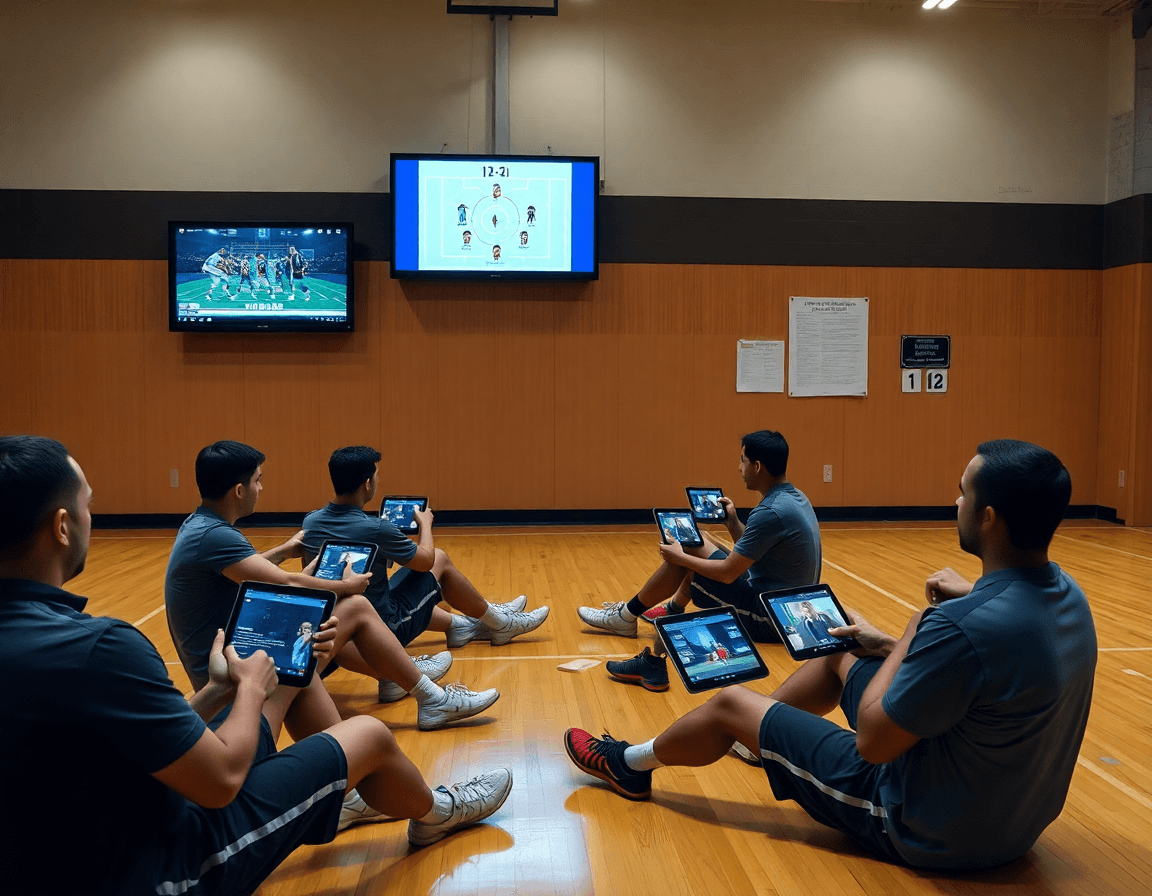
Drills and practice designs to develop 1-3-1 readiness
The core idea this week is to build a repeatable rhythm for the 1-3-1 defense, starting with baseline denial and top-pressure drills to sharpen ball pressure. In Practice Plans, lay out a simple progression: the top guard attacks the ball, wings pinch the passing lanes, and the middle stays active to deny entry passes. Run this first with static lines, then add movement so the rotations on the Whiteboard stay crisp under live action. This is where the guard-to-guard communication matters most, and a solid stretch of work sets up everything that follows in your cycle.
From there, push into wing-high post rotations and corner defense progression to build discipline. When the ball moves, the high post can flash and the corners must stay ready to recover, while the bottom defender anchors the baseline. Use the Whiteboard to diagram who slides where on skip passes, then flip to live reps so assistants see the exact angles. A few video clips shown in a quick playlist can highlight correct stance, alignment, and recovery timing, keeping your players aligned with the plan even when fatigue hits.
Next, design drills that emphasize ball reversals, skip passes, and trap timing. Put pressure on entry passes, force quick flips to the opposite side, and practice traps at the top or elbow when the offense pivots. In your Scouting Reports, note opposing teams’ tendencies on skip passes, then assign targeted clips in Playlists so each player understands what to anticipate and how to react.
Finally, reinforce rebounding focus when the defense loses track of man and space. In a 1-3-1, space creates gaps—so emphasize boxing out, locating weak-side shooters, and sprinting to crash boards on reversals. Tie this to a quick replay in Video Clips and share the best rebound sequence via a short playlist to drive home the habit. This armor of drills—paired with your workflow—keeps the 1-3-1 zone defense sharp week after week.
Scouting for 1-3-1 opponents: turning data into a defensive plan
Scouting 1-3-1 opponents starts with turning raw data into a plan for the week. In our weekly workflow, we collect opponent tendencies against the 1-3-1: where they attack the zone and who they rely on to initiate actions. The data points your staff cares about show up in the Scouting Reports and guide how you pace your defensive reps. With CourtSensei, you translate that tape into a clear narrative for the team and a concrete plan for practice.
Next, pin down corner-attack patterns and weak post rotations that can be exploited or covered. If the ball keeps bouncing to the corners or a post player makes a late read, that tells you where to tighten rotations and where to anchor help. Look for tendencies like skip passes to shooters along the baseline or ball reversals that pull the top defender out of position. The sooner you identify these, the faster you can assign specific rotations on the Whiteboard and in your Practice Plans.
Convert findings into Scouting Reports and tailored counter-plays for your team. Start with a concise beat sheet: who initiates, where they attack, and what cues trigger a switch in coverage. Then map it to practice: drill sequences that reinforce top-side pressure, wing containment, and collapse angles against skip passes. Create a short Video Clips library of the opponent’s key actions, label it in a Playlist, and share targeted clips with players so they know exactly what to read in game contexts.
In a recent week, we flagged a corner-entry pattern and a weak post rotation after a high-post screen. We pulled clips, added them to a Playlist, and assigned a rotation sequence on the Whiteboard for the scout period. The result: faster recognition in transition and more disciplined ball pressure at the top of the zone. This is how you turn data into a reliable defensive plan against the 1-3-1.
Video breakdowns and review: teaching rotations and traps
Video breakdowns are where the rubber meets the road for a 1-3-1 week. I pull clips that show how we pressure at the top, read the high post, and trigger traps on BLOB, SLOB, ATO, and PnR—coaches know what to watch for, and players see it in action. With CourtSensei, I trim those clips into tight 12- to 20-second segments and export a clear sequence for the weekly plan. This is our video breakdown for the 1-3-1, zeroing in on the top pressure and the timing of traps.
In the library, I annotate each clip with the exact rotation that triggers the action—whether it’s the top, the corners, or a cross-screen entry. Tagging them with rotations teaches players the sequence of responses for the 1-3-1 teaching progression. I drop the clips into a Playlist labeled for the week and share it with the players for on-demand review.
After the game, we run a quick review to reinforce decisions—like stepping into the trap at the right moment or maintaining rebounding angles in the corners. We lean on scouting notes to tailor the clip set to the opponent’s tendencies, so the players see the corners vulnerability and the emphasis on ball pressure at the top. The loop stays simple: watch, discuss on the whiteboard, and push the most relevant clips into the player playlists for repeat review.
If you build plans like this every week, CourtSensei keeps your drill library, whiteboard, and video clips in one place — try it free.
FAQ
What is the 1-3-1 zone defense in basketball?
The 1-3-1 is a zone with one defender at the top, three across the middle, and a low-post protector. Its aim is to deny entry passes and force contested shots, not chase every ball. It relies on crisp rotations, near-half-court traps, and quick rebounds to outlet the ball.
How does the 1-3-1 zone defense work in practice?
Start with top pressure, wings at elbows or corners, and a guiding middle. Rotations hinge on ball movement; the top triggers a trap, wings fill gaps, and the low post anchors. Two common variants are the 13 and 23 looks, each shifting pressure and spacing to disrupt skip passes.
What are the advantages of using a 1-3-1 zone?
It delivers persistent ball pressure at the top and gives you tempo control—pushing or slowing the game as needed. It also closes passing lanes and can morph into different looks without new players. Strong weak-side rotations and quick outlet opportunities turn stops into momentum.
What are the disadvantages of a 1-3-1 zone defense?
The corners can be vulnerable to kick-outs and deep shots if top pressure lags. Rebounding can be awkward due to shifted box-out angles. The scheme demands high energy and precise timing; miscues invite open looks. Emphasize scouting notes to prepare for these gaps.
How can you beat a 1-3-1 zone defense?
Use quick ball reversals to pull rotations then attack gaps before they recover. Skip passes to shooters in the corners or wing high-post entries create open looks. Push tempo when the top defender overhelps, and rely on scouting cues to pick 13 or 23.
What are the differences between the 1-3-1 '13' and the 1-3-1 '23' variations?
The 13 increases top pressure and nudges the middle higher, pinching passing lanes and forcing earlier decisions. The 23 sits a bit steadier, with two players up top and three across, boosting rebounding and denying skip passes more firmly. Choice depends on opponent shooters and ball movement.
What are the roles of the players in a 1-3-1 zone defense?
The top defender pressures the ball; wings deny passes and guard corners; the low-post defender camps the rim and boxes out. Clear duties for ball, skip, and corner coverage keep the shell intact. Regular drills and clear scripts ensure consistency in communication.