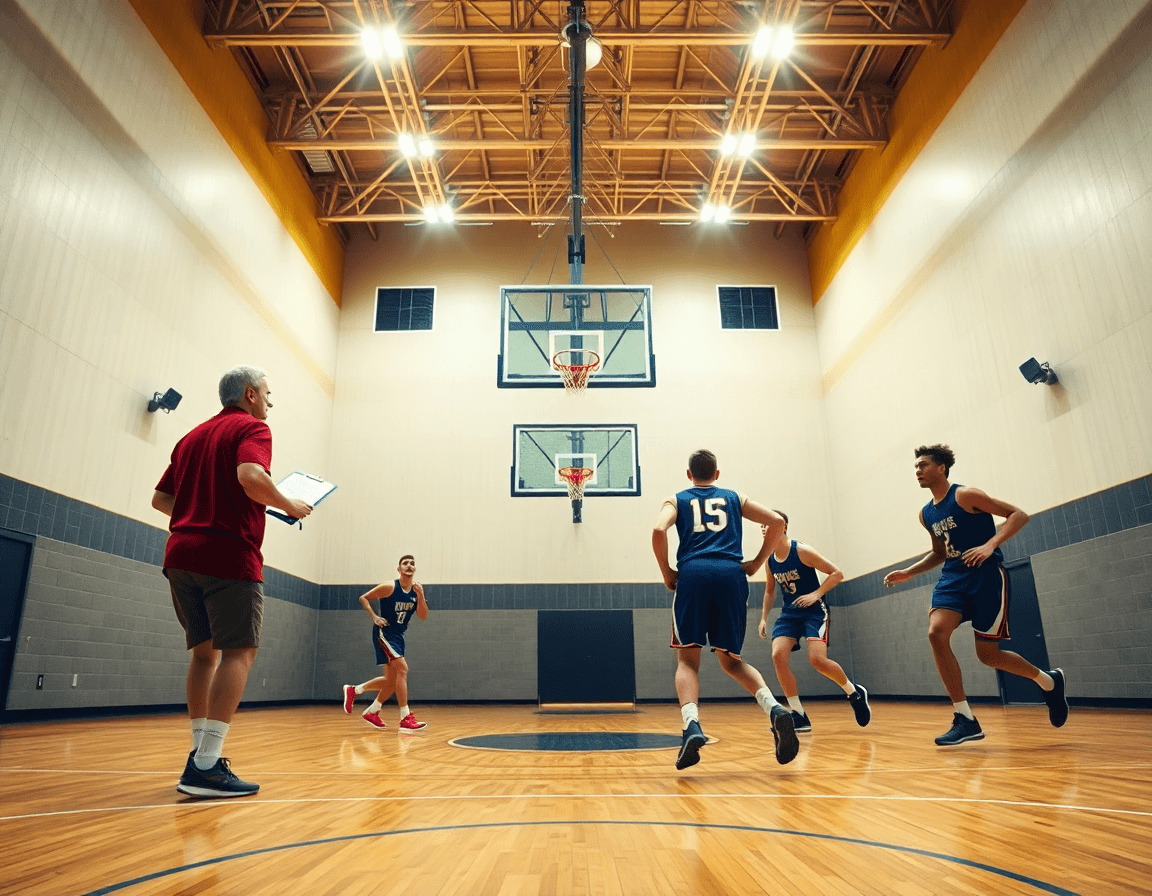
Basketball Pick and Roll: A Coach’s Weekly Plan
A coach-focused weekly workflow to master the basketball pick and roll: drills, diagrams, video analysis, and scouting integrated into your plan.

Key takeaways
- Adopt a weekly basketball pick and roll framework to link installation, progression, and game-readiness.
- Start with core reads, then progress to situational reps for sharper ball handler and screener decisions.
- Diagram and annotate on the whiteboard, exporting PDFs and building a searchable library of PNR cues.
- Create video playlists and tagging by defense to accelerate recognition of switches, hedges, and drops.
- Align scouts and assistants with a shared plan by exporting PDFs, videos, and concise reads.
Why the basketball pick and roll belongs in your weekly plan
For many programs, the basketball pick and roll isn't just a set; it's a framework that unlocks spacing, reads, and decision-making tailored to your roster. When you treat the PNR as a living system, you plan for how the screener and ball handler sync, how defenders react, and how your guards carve out angles to create productive gaps. The advantage isn't a single drill—it's how you contextualize the action from the first rep to the late-game decision you lean on in tight spots.
Why plan for basketball pick and roll? Because a well-structured weekly schedule anchors installation, progression, and game-ready adjustments. Start with a clean install of the core reads—ball-handler options, screener angles, and roll vs. pop. Then progress through situational reps—ball-screen coverage, hedge trips, and late-clock reads—so players internalize responses. By Friday you should see decisions sharpened and reads flowing under pressure. This is where the plan connects with the game: you test ideas in practice, then pull the trigger in a scout-worthy moment.
Linking the plan components is the secret sauce. In your plan, you outline practice plans that feature progressive PNR reps, you use the whiteboard to diagram ball screens, reads, and spacing with ball screen actions; you crop concise video clips that illustrate the decision points. Scouting notes on opponent coverages feed the same cycles, and you build playlists so players can study sequences like a live game film session. When these pieces live in the platform, the weekly workflow becomes a repeatable routine rather than a one-off drill.
Drills and practice plans to develop PNR reads
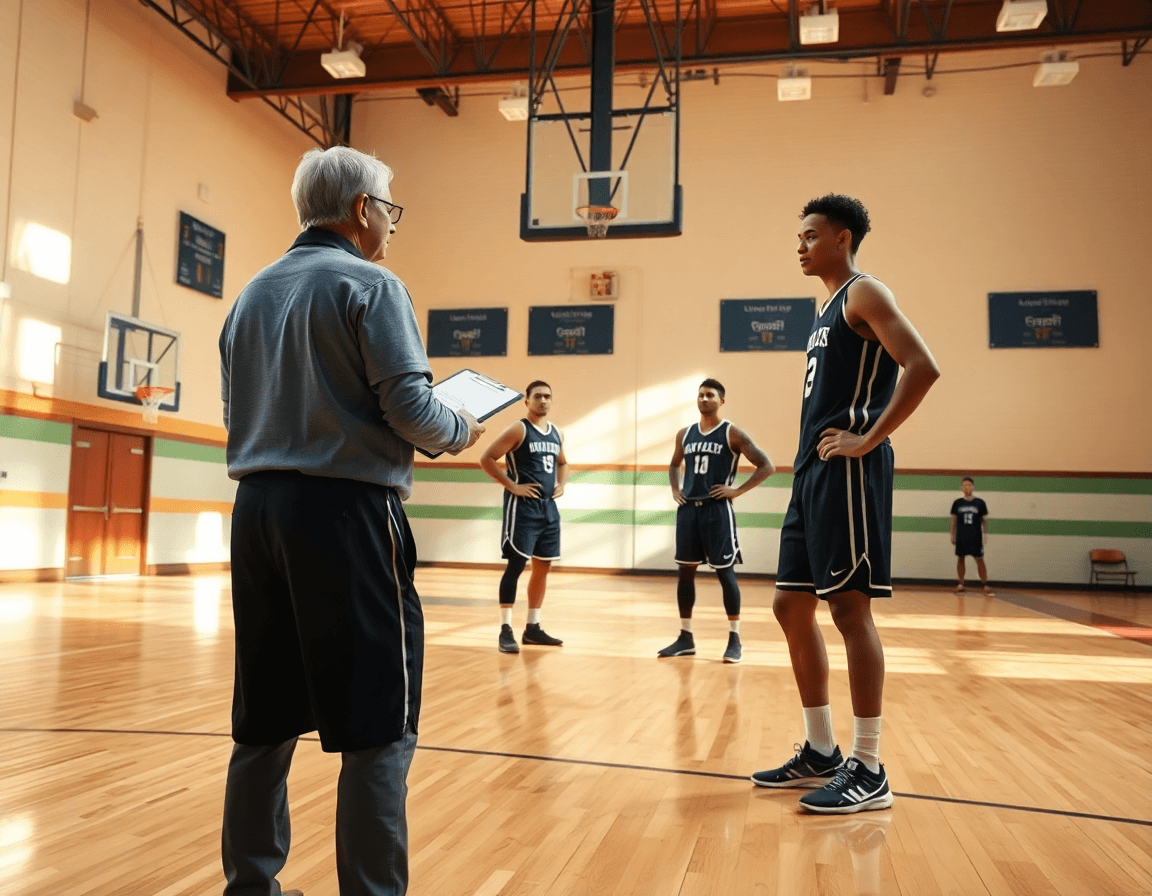
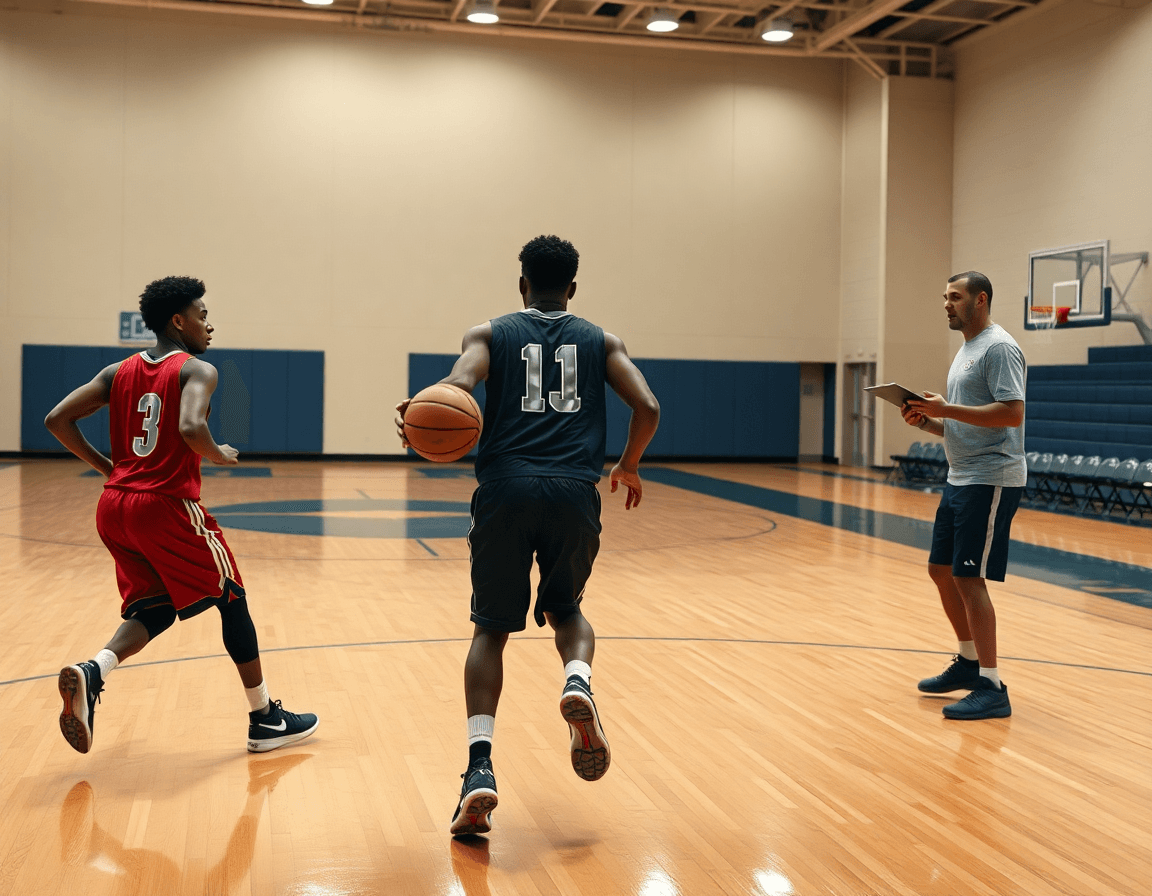
To build reliable basketball pick and roll reads, start with a simple progression you can log in your weekly plan: 2-on-2 ball screen, 3-on-3 with screening actions, and 4-on-4 to simulate game spacing. Each level tightens decision points—ball handler, screener, and on-ball defender—while preserving spacing. In the plan and on the whiteboard, label the typical reads you want: PNR reads and the routes for the ball handler from the defender's stance, the screener's options (pop, roll, slip), and the defender's reactions (hedge, switch, drop). This keeps your players honest and your assistants aligned.
Reps should stay intentional: emphasize drills for pick and roll that isolate reads at the ball, screener, and defense. Start with 2-on-2 where the ball handler reads the defender's stance, then grade the defender reaction—hedge, switch, drop—before advancing to 3-on-3 with screening actions and finally 4-on-4 to stress spacing. Use a quick tempo, then slow it down for teach moments: coach stops, points out the read, and players repeat with the next variation (pop, roll, slip).
Translate drills into a shareable plan: in CourtSensei, tuck these drills into a week-long practice plan for pick and roll, attach short video clips of each read, and add scouting notes for the opponent. Export to PDF and share with assistants and players as a single, coherent plan. A quick practice plan for pick and roll becomes your backbone for the week, and a simple link to the video clips keeps everyone aligned when you’re bouncing between drills on the floor and clips in the scout room.
Diagramming PNR actions on the whiteboard
As a coach, I start the weekly workflow by diagramming PNR plays on the whiteboard. When I diagram PNR plays, I annotate reads for the ball handler and the screener’s options—roll to the basket, pop, or slip—and the counters we expect (hedge, drop, switch). I label each diagram with the action type: BLOB, SLOB, ATO, and PnR, so the staff can follow the flow at a glance. This practice makes the whiteboard basketball pick and roll the anchor of our install sessions, turning opponent tendencies into clear, coach-ready cues for the floor.
After you finalize the diagrams in plan, you can Export to PDF these boards for gameday scouting packets and assistant coordination. Having a printable diagram set keeps the scout team and assistants in sync on reads and counters. When possible, we pair a quick short video clip with the diagram to show how spacing evolves during the action, reinforcing what to watch from the sideline.
After practice, store the diagrams in a well-organized library for quick reuse in weekly install sessions. I tag each diagram by opponent tendencies and the read option (ball handler, screener, roll, pop, slip) so a coach can pull the exact look in minutes. Having a saved PnR diagram for a specific opponent keeps the install consistent, frees up time, and ensures every assistant is aligned when we roll into gameday.
Using video clips to teach PNR: tagging and playlists
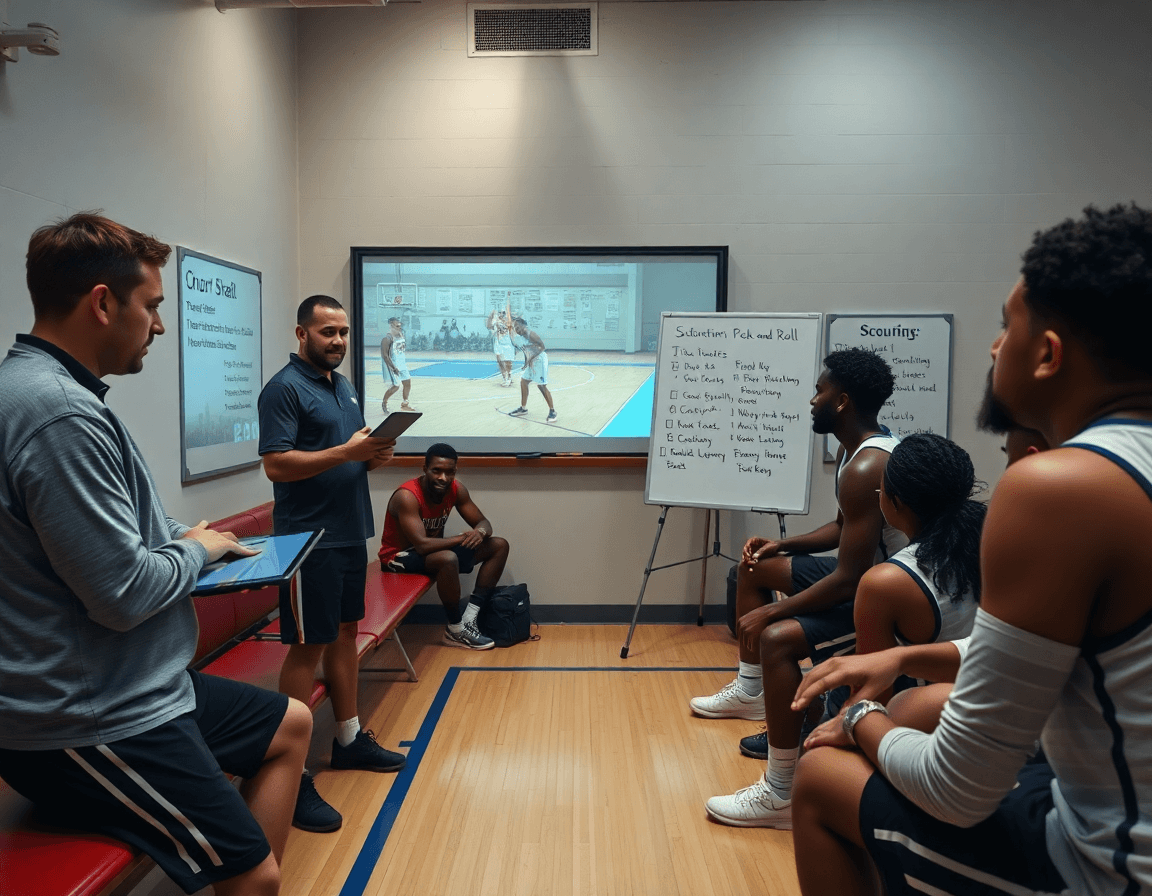
As a coach, I start the week by pulling relevant video clips of PNR sequences from games and practices that highlight the core actions: ball screen, ball handler reads, and the screener's options. I scan for sequences that end in a bucket or a turnover, then tag each clip with the defense type and read—switch, hedge, drop—and the read (driving gaps, slips, pops).
Next, I tag clips by defense (switch, hedge, drop) and by reads, so a single search surfaces what a player needs. This is where the “video clips for pick and roll” library starts to take shape. This is where the tagging workflow matters. I then build playlists for players focused on specific reads and counters—reading a hedge vs. a drop, or slipping a ball screen—and share them for review with the team.
In walkthroughs, I drop a short clip and call out the read cues: ball handler attacking a drop, or the screener rolling to the basket. The action comes to life with clear spacing and timing, reinforcing game-ready habits. I also weave these clips into pregame scouting to illustrate opponent defenses and counters, so players know what to expect before the opening tip.
All of this threads into the weekly workflow: plan in the practice plan, pull clips for the whiteboard, and assign to players’ playlists. A quick video clip before drills reinforces the call, while scouting notes sharpen anticipation for the opponent’s ball screen game and its variations (ball screen, pick and pop, pick and slip).
Scouting and countering opponent PNR defenses
Start with an opponent-specific scouting report focused on their PNR defense tendencies—hedge, switch, drop, and ice. This is your compass for the week. In CourtSensei, you pull clips, tag the defense style under “opponent PNR scouting,” and drop a concise note into the scouting file for the staff. The goal is a living document you reference as you build your plan.
On the whiteboard, you translate the scouting into diagrams that show how the ball screen action might play out against each hedge or switch. This is where you label options like ball handler read, screener movement, and the defender’s reaction. Use a clear header—scouting for pick and roll defense—and call out the drop variant your center will most often face. Quick diagram summaries help assistants prep the exact drills you’ll run.
Plan counter-actions: short roll, pop, slip, or alternate reads. Attach drills and plays that lock in the timing and decision-making for both ball handler and screener. A simple session might pair a short roll drill with a complementary catch-and-fill drill for the weak side, so players see the rhythm of accelerated reads without overthinking.
Think through spacing and scheme responses for each defense. Build pages that map how your spacing changes when the opponent goes hedge or ice, and how the ball handler uses ball screen concepts to create advantage. The focus is clear: you want efficient reads and clean passes, regardless of the defense variant.
Prepare a set of counter-PNR plays and distribute to staff and players via playlists. Link the clips to specific drills and install plays in your practice plan and whiteboard layouts. A few counter-PNR plays, plus a ready-to-share playlist, keeps everyone on the same page and ready to execute on game night. This is opponent PNR defense scouting in action, fed straight to the floor.
Practical workflow: a step-by-step weekly routine for PNR
As a coach who lives in the weekly cycle, I start with installing core basketball pick and roll concepts into a dedicated practice plan in the plan library. We attach progression flags that track reads by the ball handler and decision timing by the screener. The goal is a repeatable, teachable PNR workflow that players can trust when the game clock starts.
On Tuesday, I diagram and annotate PNR actions on the whiteboard; we walk through ball-handler reads and screener options, and we review defense counters. We map reads against a hedge, drop, or switch, so the team sees a clear rhythm before drills.
Wednesday is video day. I curate and assign video clips; we build targeted playlists for each player—read patterns for the ball handler, decision options for the screener, spacing cues for the floor.
Thursday belongs to scouting. I compile scouting reports on the upcoming opponent’s PNR tendencies; we note how they guard ball screens and how the screener is attacked. Adjust the plan accordingly, so our practice plan grows sharper.
Friday we run a full walkthrough and a light scrimmage focusing on PNR reads; we use live reps to sharpen for next week. This is when we practice decision timing, spacing, and how to run a pick and roll during a game.
Tip: rely on integrated tools—the plan library, whiteboard, video, scouting, and playlists—to keep the weekly cycle tight.
If you build plans like this every week, CourtSensei keeps your drill library, whiteboard, and video clips in one place — try it free.
FAQ
What is a pick and roll?
The pick and roll is a two-player action: the ball-handler uses a screen to create space, then reads the defense and the screener options. The screener can roll to the basket or pop out for a jumper. In a solid program, the PNR becomes a framework for spacing, reads, and decision points you install and refine weekly, not a one-off drill.
How do you defend a pick and roll?
Defending the PNR comes down to options: hedge the ball-handler to delay the drive, switch to keep the ball in front, or drop toward the shooter to deter drives. Build core reads in practice, then drill reactions in 2-on-2 up to 4-on-4. Use film playlists to sharpen anticipations and counters for each look.
What is the difference between pick and roll and pick and pop?
In a pick and roll, the screener rolls toward the basket after the screen. In a pick and pop, the screener steps out for a jumper instead. Your weekly plan should label reads for both options and practice the ball-handler’s decision to attack, shoot, or pass based on defender reactions.
What is hedging in basketball defense?
Hedging is when the big defender briefly steps out to stall the ball-handler, buying time for the on-ball defender. It’s a common counter in PNR installs; practice hedging with 2-on-2 and 3-on-3 progressions, then tie the action to reads and counters. Use quick video clips and whiteboard cues to reinforce timing.
What is drop coverage in pick and roll defense?
Drop coverage means the defender guarding the screener stays near the paint, challenging drives but not switching on the ball-handler. It’s a standard counter that you tailor with opponent spacing, scouting notes, and counter options. Train the defense to read the screen and adjust angles to minimize gaps.
What is a short roll in pick and roll?
A short roll is when the screener rolls to a space just inside the arc, creating a quick target for the ball-handler to feed or drive. Include it in your progression, diagram it on the whiteboard, and label the read as short roll so players anticipate this option in game flow.