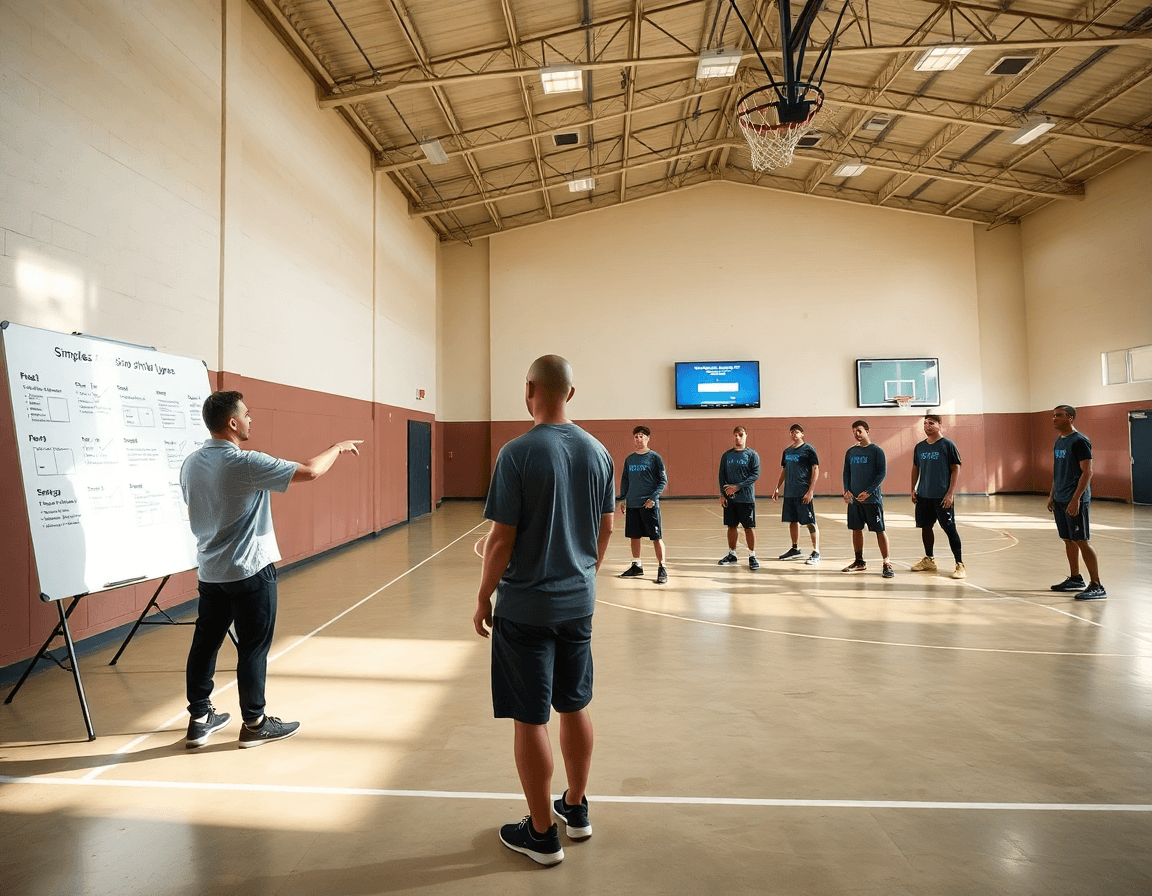
Basketball Drills Shooting: Weekly Plan for Coaches
Coach-ready weekly workflow for basketball drills shooting: form, catch-and-shoot, off-dribble, and game-speed reps with planning, video, and scouting tools.

Key takeaways
- Design a week-long drill progression from form shooting to game-speed reads every session.
- Use a tactical whiteboard to label reps by read-defense and shot type for clarity.
- Incorporate short video clips after reps to reinforce rhythm and balance and leg drive.
- Tailor the weekly plan to opponent scouting reports, adjusting spacing and reads accordingly.
- Track progress with labeled drills and playlists to drive accountability and consistency.
Weekly shooting drill plan: form to game-speed reps
In my weekly plan for basketball drills shooting, I map a path from form to game-speed reps. We start with form shooting, dialing in arc control to establish clean rhythm. When these fundamentals click, players gain confidence for every spot around the arc and for reads off the ball.
Structure the week into blocks that flow from technique to reads: form, catch-and-shoot, off-dribble, then game-speed reps. Each block builds on the last, a clear drill progression that aligns with a weekly shooting plan. We pair the cadence with a cooling-off period where players verbalize what felt different and what needs tightening.
Everything runs through a plan-driven workflow. In the plan, you assign drills to assistants and track progress; on the tactical whiteboard you diagram shot types and reads (BLOB/SLOB/ATO/PnR); short video clips highlight reps for players to emulate; and after practice you update the playlist for feedback and progression. Use the sequence to keep every rep intentional and easy to reference during film sessions.
To keep this honest and sharp, I document decisions and notes in the plan so every player sees a clear path of progression. If a scouting report flags a defensive read, I tailor the week’s shooting work to that look, then circulate clips and assign playlists for feedback. This keeps the focus on improvement and consistency across form, arc, release, and the reads that come with game-speed shooting.
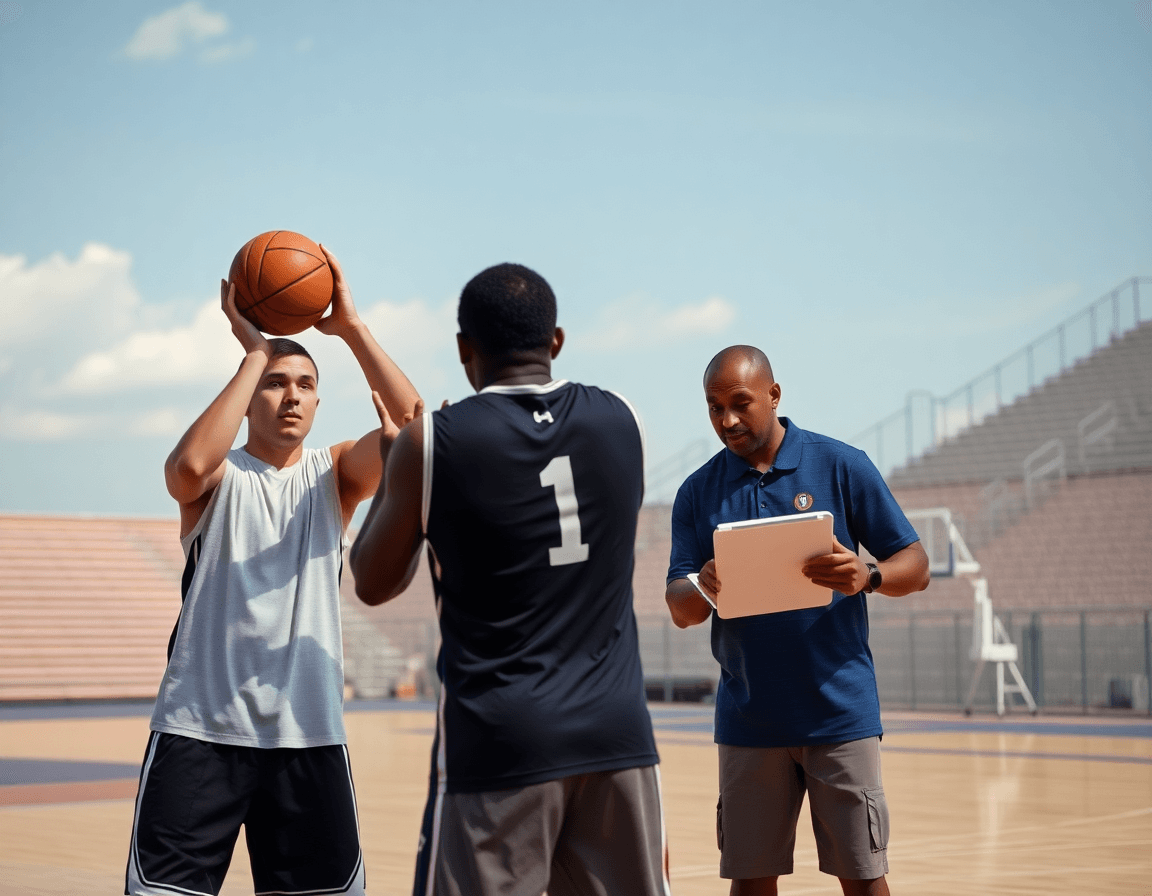
Progression: form shooting to game-speed shooting
Week 2 starts with a foundation: form shooting to lock in touch and rhythm. I map it in the training plan as the first phase of our shooting block: stationary reps at close range, focusing on balance, arc, and a repeatable path. On the tactical whiteboard I chart feet under hips, elbow tucked, and a clean follow-through for every rep. The goal is consistent touch before we chase speed—a true drill progression.
From there we move to the transition: two-step catch-and-shoot and then off-dribble attempts at a controlled pace, all leading to game-speed shooting. We label each drill (D1, D2, D3) so the plan reads clearly in Week 2 and beyond. On the whiteboard I note open jumper reads, how to attack a closeout, and when to drive into a pull-up. After reps, short video clips help players see their rhythm, balance, and leg drive in real time.
Scouting notes tailor this progression to the opponent. The coach uses scouting reports to adjust spacing, reads, and shot types—practice the reads that matter against that week’s foe. For example, if the report highlights a soft closeout to the top, we rehearse catch-and-shoot into a quick release; if the defense cheats low, we add a quick pull-up from the elbow. The whiteboard doubles as a reference for the reads and the corresponding shots (open jumper, catch-and-shoot, or off-dribble).
Wrap-up: to track progress we attach a clear label to each drill in the plan (Week 2, D1–D4), forming a clean path from form shooting through game-speed shooting. Players upload their best reps into their player playlists, and I drop coach notes and progression targets into the same system for next week. The workflow—planning the progression, reviewing with the whiteboard, clipping the reps, and updating the playlists—keeps the shooting block cohesive and coach-friendly.
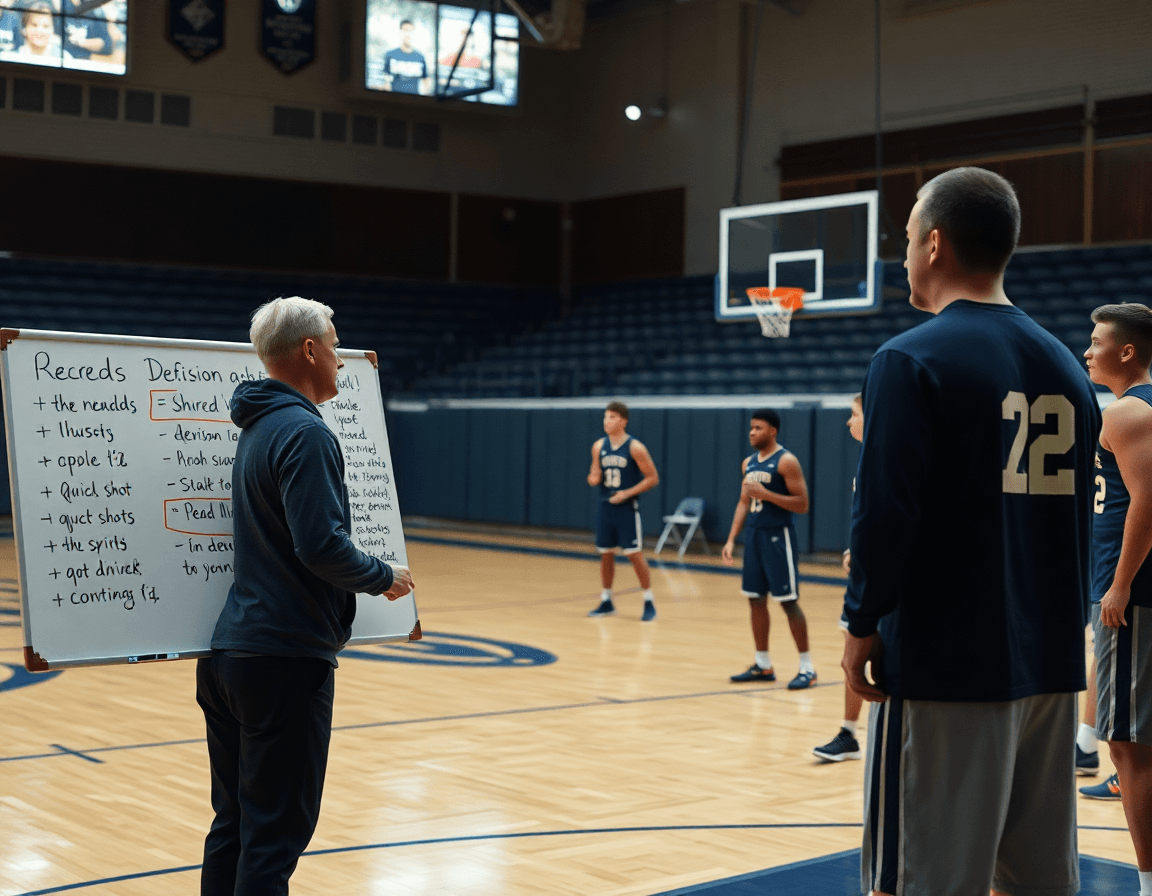
Incorporating decision-making into shooting drills
Basketball drills shooting gains real season relevance when decision-making is baked into the routine. In the weekly plan, we start with reads: decide to shoot or drive based on space and defender proximity. The cue is read defense, and the faster you confirm the read, the crisper your shot decision becomes. You’re not just chasing form shooting or catch-and-shoot reps—you’re practicing the moment the defender dictates the action. On the whiteboard, label each rep with the read and the next action, then pull a matching video clip that captures the decision moment for later review.
To train it, run 1v1 or quick 2v2 setups that mirror game decisions before shots. The defender pressure forces a choice: shoot or drive now, or reset. The emphasis is game-speed shooting, not slow repetition, so players feel the tempo of a real game. After the rep, pull a short clip and tag it by outcome—shoot or drive—so players see the consequence of their choice. This keeps the practice tight and provides immediate feedback for progression, all linked back to the plan.
Label drills with read-defense cues to reinforce shot selection under pressure. Tie the drills to scouting reports—tailor reps to the opponent’s tendencies, like denying on the arc or overhelp on drives—so players practice the reads that matter. Use the player playlists to give feedback and track progression; a quick clip fuels a feedback loop into the training plan and the scouting notes. If the read opens space, slot in options like open jumpers, off-dribble shooting, or transition shooting. This is where the workflow—training plans, tactical whiteboard, video clipping, scouting reports, and playlists—really clicks for the coach.
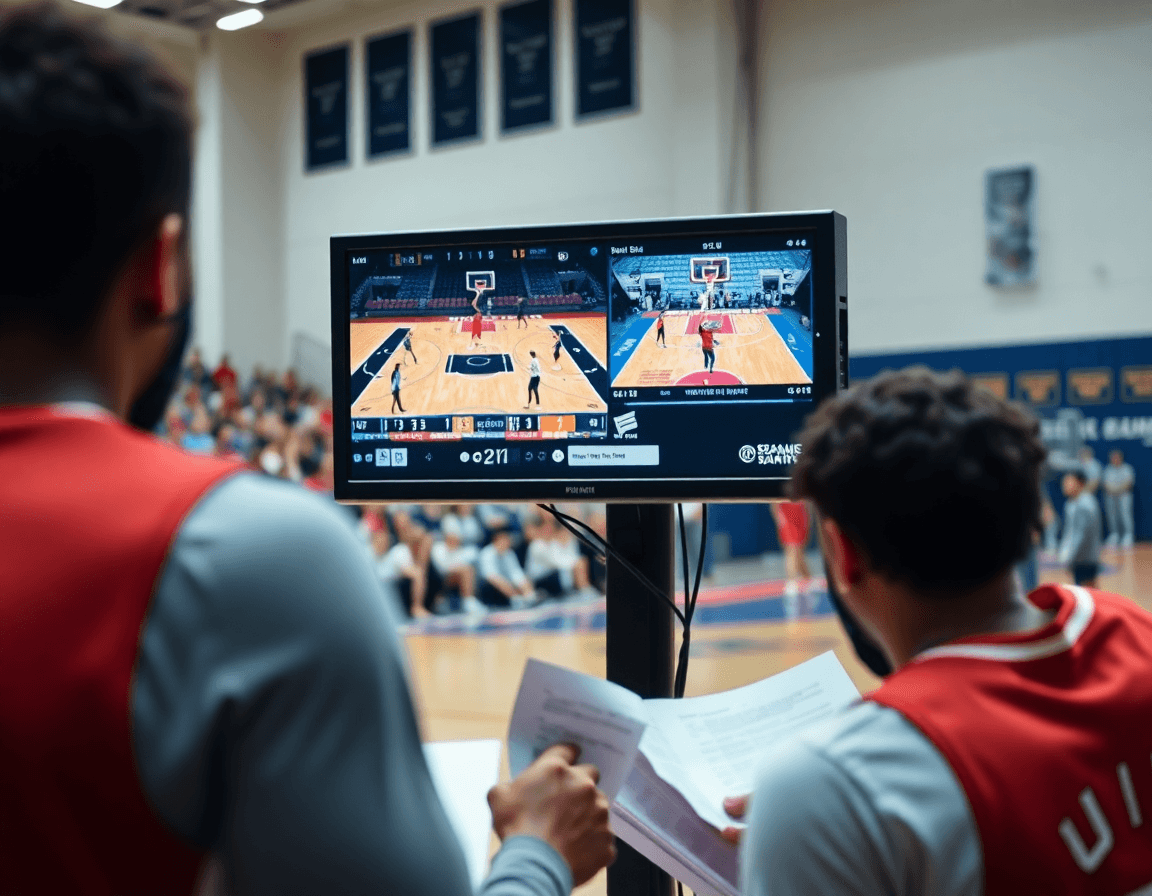
Video-driven improvement: capturing, clipping, and sharing shot reps
Video clips guide the weekly plan. In the shooting plan, I split work into three lanes: form shooting, catch-and-shoot, and off-dribble shooting. On the floor I capture every rep, then clip and edit to spotlight mechanics—stance, footwork, release point, arc. That makes the progression from form shooting to game-speed shooting obvious when we review tape on the court or in the office. I also drop these clips into our workflow so the plan ties directly into the tactical whiteboard for reads and shot types.
From those clips, I build player-specific playlists of the best reps and the constructive feedback clips. Each playlist targets a habit: a consistent release, a quicker catch, or a decisive step-in read. When I show a player their top rep, the contrast between a clean form and a rushed finish is crystal clear. The goal is tangible improvement visible in each rep, and the playlists keep progress organized as the week unfolds.
Sharing is speed. I engage in sharing video with players and assistants to accelerate feedback loops. A short clip of a catch-and-shoot from the wing, with a note about foot placement, sits beside a clip of a misread defender from an off-ball screen. We reference these while updating the weekly plan and sketching reads on the tactical whiteboard, so adjustments happen before the next practice. The fast feedback cycle keeps the whole shooting process honest and coachable.
Across the week, we tag shots by type to guide the next drills: form shooting and open jumper, plus subsections like read defense, transition shooting, and screen and cut. I pull clips from game speed to show how tempo and footwork shift with the defense. The result is a clean workflow: plan in the training plan, document on the board, clip the rep, build the best playlists, and share for continuous improvement.
Scouting-driven shooting: tailoring drills to opponents
From a coach’s chair, translating scouting into basketball drills shooting starts with the scouting reports and opponent tendencies. In the weekly plan, I pull the tendencies—such as closing out hard on shooters, dropping off in the corners, or switching on ball screens—and turn them into shot reps that feel game-like. The goal is simple: train players to read defense and react with the right shot type, whether it’s a quick form shooting drill or a catch-and-shoot sequence from the wing.
When we see a defender over-helps on drives, we tilt the drill toward tailor drills and read defense options. We design sequences that force a decision: drive-action reads into open catch-and-shoot opportunities, or a quick pull-up in the gap when the defender sags. The emphasis is squarely on exploiting opponent tendencies, not just shooting in a vacuum. This is where we start to tie together form shooting, catch and shoot, and off-dribble shooting as concrete reads and responses.
I connect scouting notes to practice plans so players prepare mentally for game flow. In the plan, a scouting note about how a team defends screens becomes a whiteboard diagram of shot reads and space, so we can walk through a sequence before reps. On the floor, the drills map directly to those notes, reinforcing how to locate the open jumper and how to time the read with the pass. It’s a simple loop: scouting notes → practice plan → on-court shooting reps.
For a concrete week block, we begin with a short video clip to highlight opponent tendencies, then run a focused shooting block—form shooting, catch-and-shoot, and transition shooting—anchored by a few reads that players must execute. After each drill, players log feedback in their player playlists, tracking progress on open jumpers and reads defense. The result is a game-aware, week-long rhythm that turns scouting into productive, repeatable shooting reps.
60-minute weekly shooting workflow: step-by-step
We run a 60-minute weekly shooting block that plugs into the overall practice plan and lives inside CourtSensei’s training flow. We start with a dynamic warm-up and a few minutes of form shooting near the rim to wake the shoulders and lock in the mechanics.
5-15 min: In this block, form shooting blocks focus on arc, release, and balance. The goal is a clean pocket catch, a repeatable release, and a consistent arc that holds under fatigue.
15-25 min: Catch-and-shoot from wing/corner spots with emphasis on quick feet. If scouting reports flag late closeouts, we adjust to faster footwork for a clean catch-and-release.
25-35 min: Off-dribble shooting with two-dribble transitions and footwork cues. We work from the top and wing, simulating drive-and-pitch sequences and finishing with a compact, balanced release.
35-45 min: Transition shooting—shoot on the move from break-to-shot sequences. Start with sprint-to-stop, then progress to game-speed footwork and shot preparation as players move through the floor.
45-55 min: Decision-making reps (1v1/2v2) focusing on shot vs drive reads. This is where defense pressures the jumper; the emphasis is on reads that decide take, pull, or pass, driven by read defense.
55-60 min: Review, upload clips to playlists, assign follow-up drills for assistants. We wrap by pulling a couple of clips for quick feedback, drop them into player playlists, and map next steps for the staff. The workflow ties neatly into your weekly schedule and creates tangible markers for form shooting, catch-and-shoot, off-dribble shooting, game-speed shooting, and open jumper progression.
If you build plans like this every week, CourtSensei keeps your drill library, whiteboard, and video clips in one place — try it free.
FAQ
What are the best shooting drills for beginners?
Start with form shooting close to the rim to build rhythm. Focus on balance, an elbow tucked, and arc control on every release. Do 6–8 reps per spot for 3–4 sets, then add a couple of spots as accuracy improves. Keep the pace steady and require a clean follow-through, so form carries into higher-speed work later.
How do I improve form shooting and develop arc?
Build on the basics with the same form shooting foundations, then extend distance gradually. Re-create the habit by staying in the same arc and release, from 3–5 feet out up to 8–12 feet as confidence grows. Use video feedback or a partner to confirm alignment and touch. Treat this as a true drill progression.
What’s the difference between catch-and-shoot and off-the-dribble shooting?
Catch-and-shoot prioritizes a quick release with minimal gathering, while off-the-dribble requires balance through a controlled gather and rhythm. Start with catch-and-shoot reps to train quick feet, then add off-the-dribble sequences that emphasize footwork and a clean release after the dribble.
How many shots should players take in a practice session?
Aim for about 70–110 shots per session, spread across form shooting, catch-and-shoot, and off-dribble work. Prioritize quality reps over volume and track progress in playlists so you can review targets and clips next week.
How can I incorporate decision-making into shooting drills?
Embed reads into every rep. Teach players to decide to shoot or drive based on space and defender proximity, label reps with read defense cues, and review outcome clips. Use quick 1v1 or 2v2 setups to reproduce game tempo and keep the focus on shot decision under pressure. This approach strengthens decision-making.
How can I practice shooting at game speed and read defense?
Move to game-speed shooting by matching pace and reads from the scouting report. Tailor spacing and shot types to the opponent, clip reps for review, and assign playlists that reinforce the decision moments—the reads that opened or closed space.