2nd Grade Basketball Practice Plan: Weekly Coach Workflow
2nd Grade Basketball Practice Plan for coaches: a 60-minute workflow with drills, progressions, and tips, using planning, whiteboard diagrams, and video clips.

Key takeaways
- Adopt a repeatable workflow: dynamic warmups to start strong, then structured stations and play.
- Make it visual: export PDFs, whiteboard flow, and a quick video playlist for coaches.
- Pinpoint core progression: dribbling through cones with eyes up, then left-hand control.
- Structure passing progressions and quick feedback: chest, bounce, overhead passes during partner work.
- End with a quick post-practice huddle and share clips for review with assistants.
A 60-Minute 2nd Grade Practice Plan (Step-by-Step)
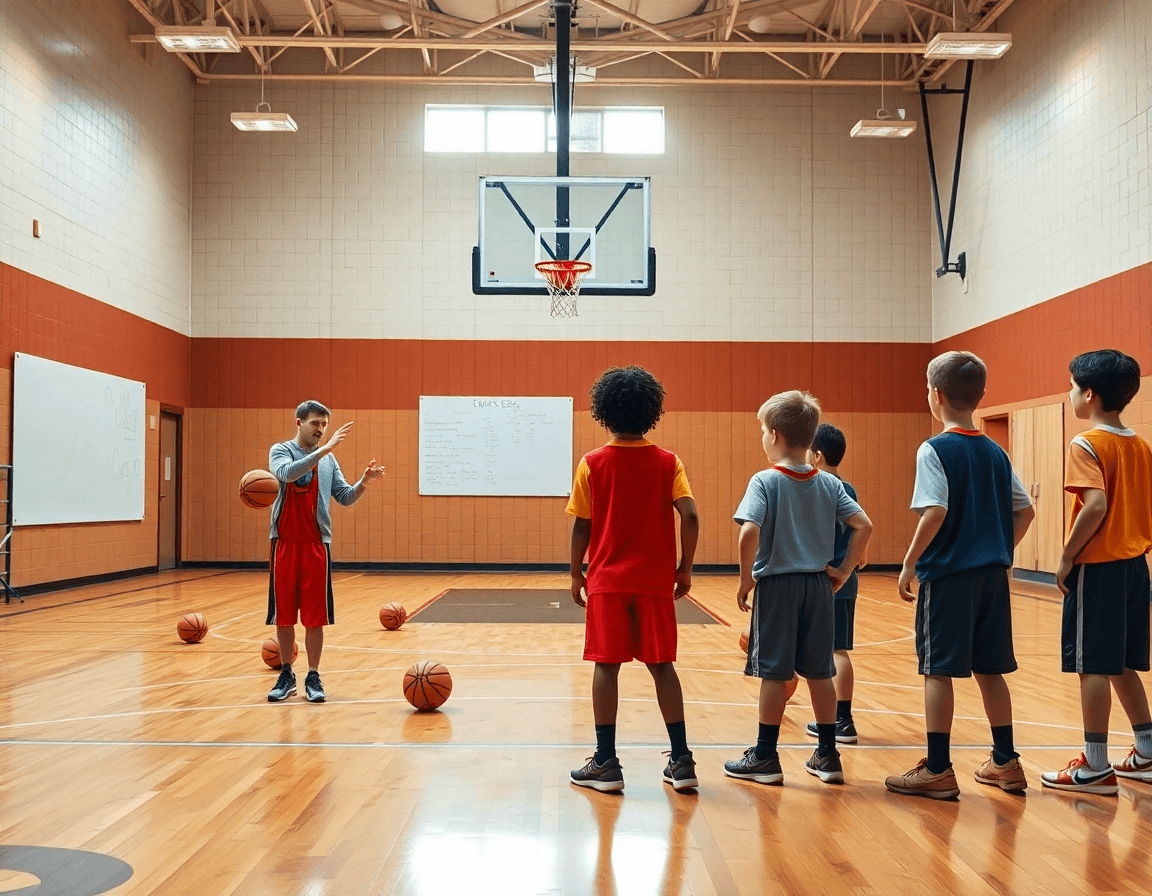
Here's how a coach runs a 60-minute practice using a clean, repeatable weekly workflow for a 2nd grade practice plan. I start by pulling a step-by-step plan from the library of ready-to-use programs. I export it as a PDF for my assistants, then map the sequence onto the whiteboard so everyone can see the flow. A couple of video clips from earlier sessions live in a quick playlist for quick reference.
0-10 minutes: I lead with dynamic warmups to wake up the feet and joints, then transition to ball-handling basics—soft touches, low-and-wide stance, and keeping the ball in control while moving. The goal is simple: get comfortable with the ball while building communication with teammates. I pull up a short video clip to show the correct form, then run the players through it at tempo.
10-20 minutes: dribble through cones with the right hand; progress to the left as quick feet and control improve. 20-30 minutes: partner passing and simple patterns—bounce pass, chest pass, overhead pass—to build spacing and timing. The drill flow goes: pairs, then triads, then quick verbal checkpoints. I keep notes in a scouting section for next week, so we can tailor stations.
40-50 minutes: defense fundamentals—stance, slides, and closeouts. 50-60 minutes: small-sided games or a shooting relay; finish with a quick post-practice huddle to reinforce learning. After practice, I save a couple of game clips to a shareable playlist for the players to review with assistants. The plan, notes, and diagrams stay in the system so the next session builds on this week’s work.
Core Skill Progressions for 2nd Graders
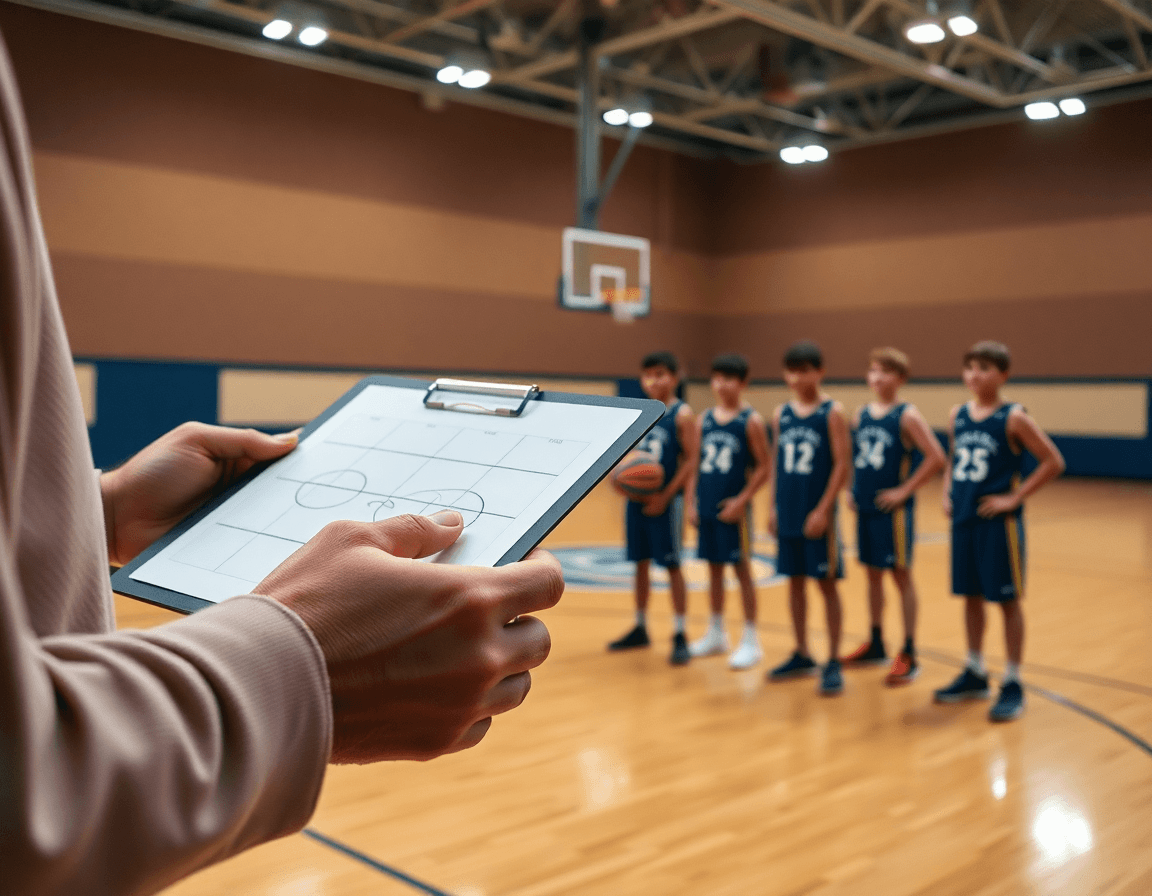
With the 2nd grade basketball practice plan in hand, I start the week with dynamic warmups to wake bodies and brains. I pull the plan from our library of ready-to-use plans and post the day on the whiteboard, so assistants know where we’re headed. The opening block focuses on ball handling and prep—short, repeatable drills that build confidence without draining attention. If an assistant misses a cue, the exportable PDF of the day keeps everyone aligned. That small feature saves me time and prevents mixed messages when the group splits into stations.
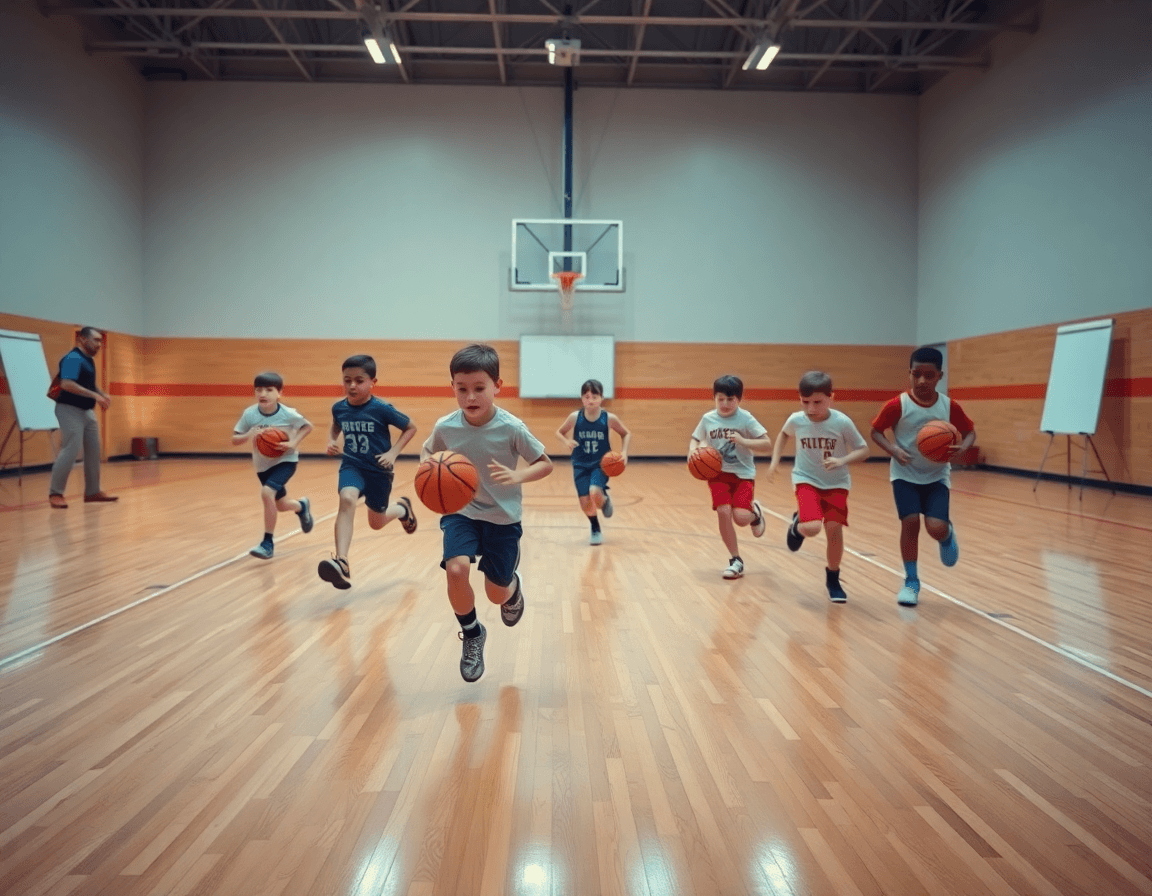
Then we shift to core skill progressions: dribbling progressions that emphasize eyes up and control. We run a simple dribble-through-cones path with a right hand dribble, then a left hand drill, adding speed as kids gain comfort. For passing, we sequence passing progressions from chest pass to bounce pass to overhead pass, with a partner passing drill that keeps balls moving and players talking. I capture short video clips at each station and drop them into a shareable playlist for quick review with players and assistants.
On shooting form and defense basics, the pace stays calm. Shooting form drills focus on steady mechanics—form shooting, catch-and-shoot, and finishing near the basket—built into a short progression that respects a 2nd grader’s attention span. For defense basics, we emphasize stance, footwork, slides, and contesting without fouling. After practice, I pull a quick scouting note to log who’s showing steady improvement and who still needs touchups, then attach a short video clip to a player profile and share it via a playlist so everyone is aligned for the next session.
Weekly Workflow for Coaches
Sunday/Monday: I start the week by building the plan in the library and selecting drills. I pull a ready-to-use practice plan, tailor it for my squad, and lock in a solid warmup—dynamic warmups to get eyes up and feet moving. Then I cherry-pick drills that cover ball handling with both hands (right hand dribble, left hand dribble) and passing basics (partner passing, bounce pass, chest pass, overhead pass). I assemble the flow into a compact practice plan and export a PDF for quick reference and to share with assistants.
Tuesday/Wednesday: I assess progress from the earlier session, noting who hits the pace and who struggles with changes in direction. I dial up or back drill intensity, using shorter reps for newcomers or adding a few extra touches for the faster players. I keep scouting notes in the file and adjust the plan accordingly, using a quick whiteboard diagram to reflect changes.
Thursday: I review video clips, notes, and the sequence of drills to verify what needs tweaking. I annotate the whiteboard with a few simple diagrams—BLOB/SLOB/ATO, or a basic spacing pattern—and push adjustments to assistants. I also revise the playlists so players can rewatch the crucial moments (dribble through cones, right hand dribble, left hand dribble) on their own.
Friday: I finalize next week’s plan and lock it in for the staff. I ensure the diagram flow matches the drills and tempo, then share the plan with assistants and players as needed. I export updated PDFs and diagrams so everyone has quick reference for the weekend and early-week sessions.
Throughout: exportable PDFs and diagrams stay ready for quick reference, keeping the weekly coaching routine tight and on the same page.
Using Video Clips to Teach Small Hands
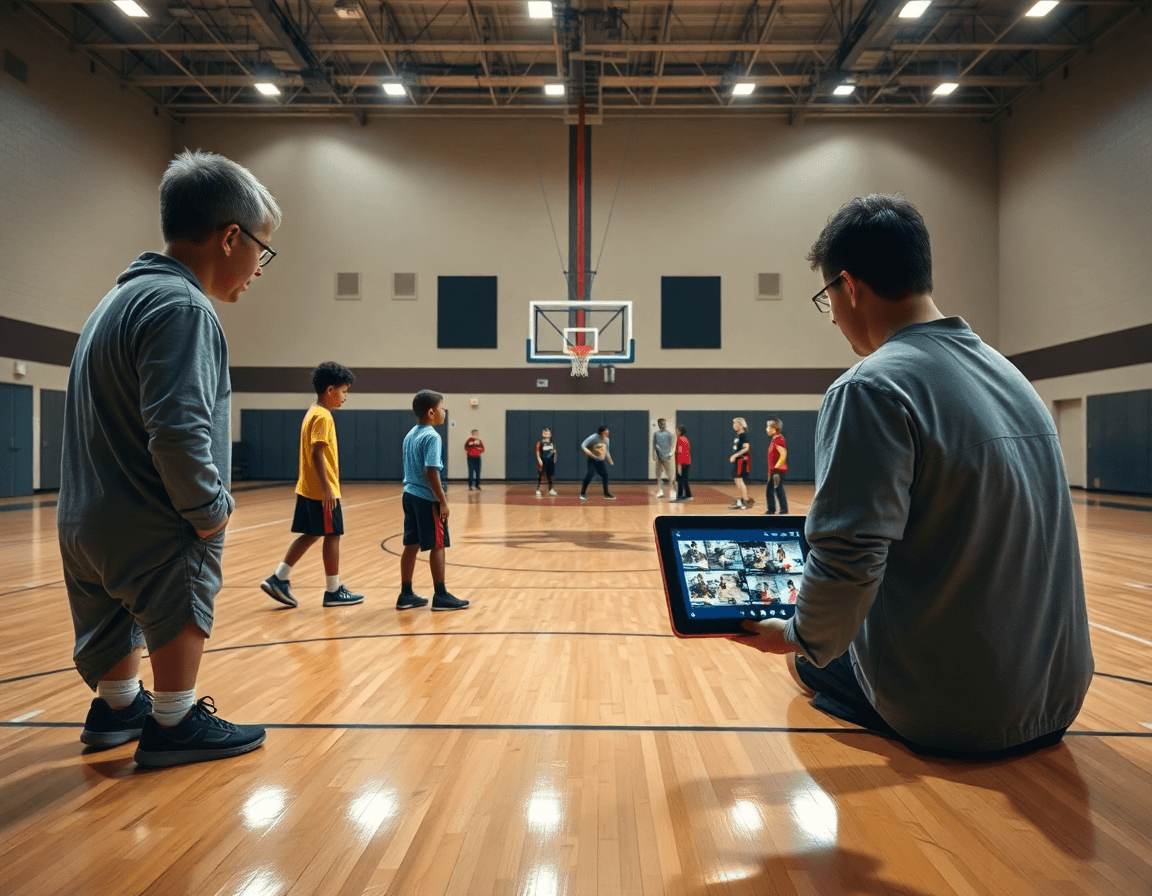
Video clips are a powerful way to anchor fundamentals for players with small hands. After practice, I clip moments that matter—dribbling through cones, catching and passing, finishing at the rim. Then I trim them with clip editing to a tight sequence that highlights the key moves. From the library of ready-to-use plans, I pull drills that align with basic options: right hand dribble, left hand dribble, partner passing, bounce pass, chest pass, and overhead pass, plus dynamic warmups. I drop exportable PDFs of the drill diagrams for the assistants and label the clip with the kid-friendly terms we use in practice.
Annotate with cues helps players translate what they see into action. I tag clips with simple reminders—Balance and Eyes are the big ones for early ball handlers. A clip of a right-hand dribble through cones becomes a quick teaching moment: keep Balance, keep Eyes up, and look for the next pass. We finish with a quick on-floor drill to practice that cue, and the clip becomes a repeatable coaching aid in the weekly training plan.
Create short player playlists to review together, and use them during small-group sessions as a quick refresher. Share clips with players and assistants for feedback, i.e., to gather player feedback. The playlists let you curate clips by drill—dribble through cones, bounce pass, chest pass, and overhead pass—and annotate with the cues you emphasize in the plan. When the post-practice video wrap rolls around, every kid knows exactly what to correct next session.
Simple, Shareable Playlists for Players
Simple, shareable playlists keep our 2nd-grade practice plan tight and teachable. I pull topic-based playlists from the library of ready-to-use plans, pair them with short video clips, and export a clean PDF for the staff room and the gym wall. The key is consistency—clear cues, a steady vocabulary, and quick access so we flow from warmups into skill work without a hitch.
To build a playlist, I group drills by topic and drop in short clips that show the exact technique. For example, a Week 3 playlist might combine dynamic warmups, drills like dribble through cones, and both hands work: right hand dribble, left hand dribble, then partner passing, bounce pass, chest pass, and overhead pass. I label each clip with a simple cue so assistants can coach from the bench and players know what to replicate.
Shareable links make it easy to extend practice beyond the gym. I send a link to players and families with a short at-home task—five minutes of ball handling, two passing sequences, and a couple of clips to watch. The same playlist stays consistent across drills, so cues like “keep your eyes up” and “soft hands” stay the same.
On the floor, I run the plan like a playlist-friendly circuit. Stations flow from one to the next, each with a quick video cue and a trailing practice clip to reference. We keep terminology consistent across drills—dribble through cones, partner passing—so kids and assistants stay aligned and mistakes are caught early.
Scouting Notes and Opponent Prep for Youth Teams
Before I lock in the weekly practice plan, I drop a high-level scouting note on the upcoming opponent’s tendencies—how they pressure, where they trap, and whether they lean toward a zone. This scouting notes entry becomes the compass for drill selections and defensive priorities. With CourtSensei, I attach it to the plan and exportable PDFs for my assistants, so everyone is reading from the same playbook.
Each matchup gets a quick scouting reports and an action plan. I note what to expect in late-game scenarios and how I’ll respond—attack pressure with quick ball reversals, or emphasize spacing to counter a trap. I tie these insights to the drills I select and to the defensive concepts we want to master this week.
If the opponent leans into pressure, I sequence dynamic warmups, then a block of dribble-through-cones with right hand dribble and left hand dribble, finishing with a quick partner passing sequence. I pull a short video clip from our library and drop it into a shareable playlist for players and assistants, so reinforcement comes with a concrete example on the floor.
After practice, I update the scouting notes and note what clicked, so the next week’s opponent prep starts from a stronger baseline. The workflow—plan, whiteboard, short video clip, scouting notes, and playlists—keeps our staff aligned and the players learning the rhythm of decision-making.
If you build plans like this every week, CourtSensei keeps your drill library, whiteboard, and video clips in one place — try it free.
FAQ
What should a 2nd grade basketball practice focus on?
For 2nd graders, keep the focus on core fundamentals and fun. Prioritize ball handling and passing basics, plus simple shooting form and basic defense concepts. Use short, repeatable drills that let kids touch the ball and move. Mix in quick, game-like activities to develop spacing and communication without overloading their attention.
How long should a 2nd grade practice last?
Plan for about 60 minutes of practice, with clear blocks: 8-12 minutes warmup, 15-20 minutes skill stations, 10-15 minutes a scrimmage or game-like play, and 5 minutes for a quick wrap-up. Keep transitions tight and avoid long lines. Short blocks and a steady pace help 2nd graders stay focused and energized.
What drills are best for 2nd-grade players?
Choose drills that build confidence while teaching fundamentals. Try dribble-through-cones to build control and eyes-up handling, then partner passing with chest, bounce, and overhead passes to develop timing and communication. Finish with a simple shot-near-rim drill. Include a defender-lite drill for stance and lateral movement to reinforce form.
How can I keep 2nd graders engaged during practice?
Engagement comes from structure and variety. Use stations with 30-60 second runs, and give quick cues so kids know what to do. Keep feedback positive and concise, celebrate small wins, rotate players often so everyone gets touches, and add micro-goals to maintain energy.
Should 2nd grade practices include scrimmages or game-like play?
Yes. Integrate small-sided games to emphasize space, passing, and decision-making, with simple safety rules. Use 2v2 or 3v3 formats to keep things fast and create a low-pressure setting. These formats help players apply fundamentals in a fun, accessible way.
What equipment is needed for 2nd grade basketball practice?
Keep it simple: a junior-size ball, a few cones for dribbling paths, pinnies or color badges for teams, and a portable basket if possible. Have water, towels, and a basic first-aid kit on hand. If space is tight, use wall targets or mini hoops for extra reps.