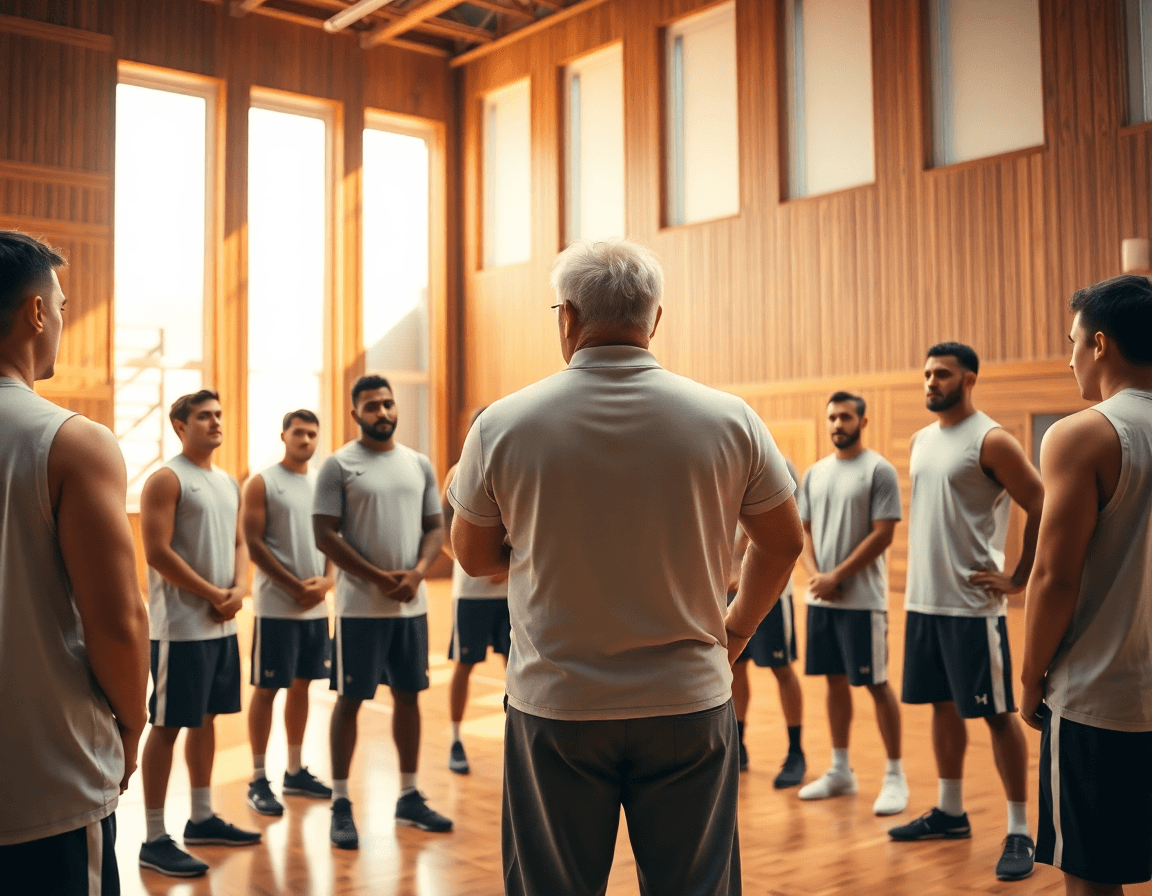
Basketball drills for 5-7 year olds: weekly coach plan
Weekly coach plan with basketball drills for 5-7 year olds: build fundamentals, keep sessions short and high-energy, and map drills to your practice week.

Key takeaways
- Adopt a fundamentals-first weekly theme with 3–4 stations and 15–25 minute sessions.
- Use age-appropriate equipment and celebrate form to keep energy high and confidence growing.
- Implement quick checks and simple benchmarks to track progress while exporting PDF plans and videos.
- Structure around three core blocks: ball-handling, passing, shooting form, with diagrams and video clips.
- Follow a clear weekly workflow: 4–6 drills, 1–2 minutes each, with clear station roles and shareable playlists.
Weekly drill goals for 5-7 year olds
As you map the weekly layout for basketball drills for 5-7 year olds, keep the focus on fundamentals-first. In practice plans, I group activities that reinforce ball-handling, passing, shooting form, and footwork. The aim is a simple, repeatable flow that a first-year assistant can run with confidence. A consistent weekly theme helps kids connect the dots across sessions and build momentum. Think of this as a blueprint for youth basketball drills that keep kids engaged.
Keep sessions short (15-25 minutes) with lots of touches and high-energy actions. I usually run 3-4 stations, about 5-6 minutes each, with quick transitions and built-in water breaks. Each station targets a specific skill—ball-handling drills, passing drills, or form shooting—with a clear cue and immediate positive reinforcement. The structure ensures frequent success and keeps the energy level high.
Use age-appropriate equipment: a smaller ball, a lower rim, and shorter distances. This reduces frustration and keeps energy high. Pair the setup with positive reinforcement—cheers for good form, small celebrations after a successful rep. Keeping the bar reachable builds confidence and reinforces the basics without overloading beginners.
To measure progress, lean on quick checks and short feedback cycles. Simple benchmarks—three clean dribbles in a line, a solid chest pass, or proper form on a shooting drill—give you real-time readouts without slowing the pace. Log these in the plan so assist coaches can see weekly gains and adjust on the fly.
That weekly theme drives the plan: move-to-dribble, pass-first decisions, or finish-with-confidence. In the Practice Plans library I map the drills, on the Whiteboard I diagram actions, and with a short Video Clips demonstration I show correct form. Then I bundle it into a kid-friendly Playlist and shareable links for players to access between sessions. The weekly routine can be exported as a PDF for the assistants, keeping everyone aligned.
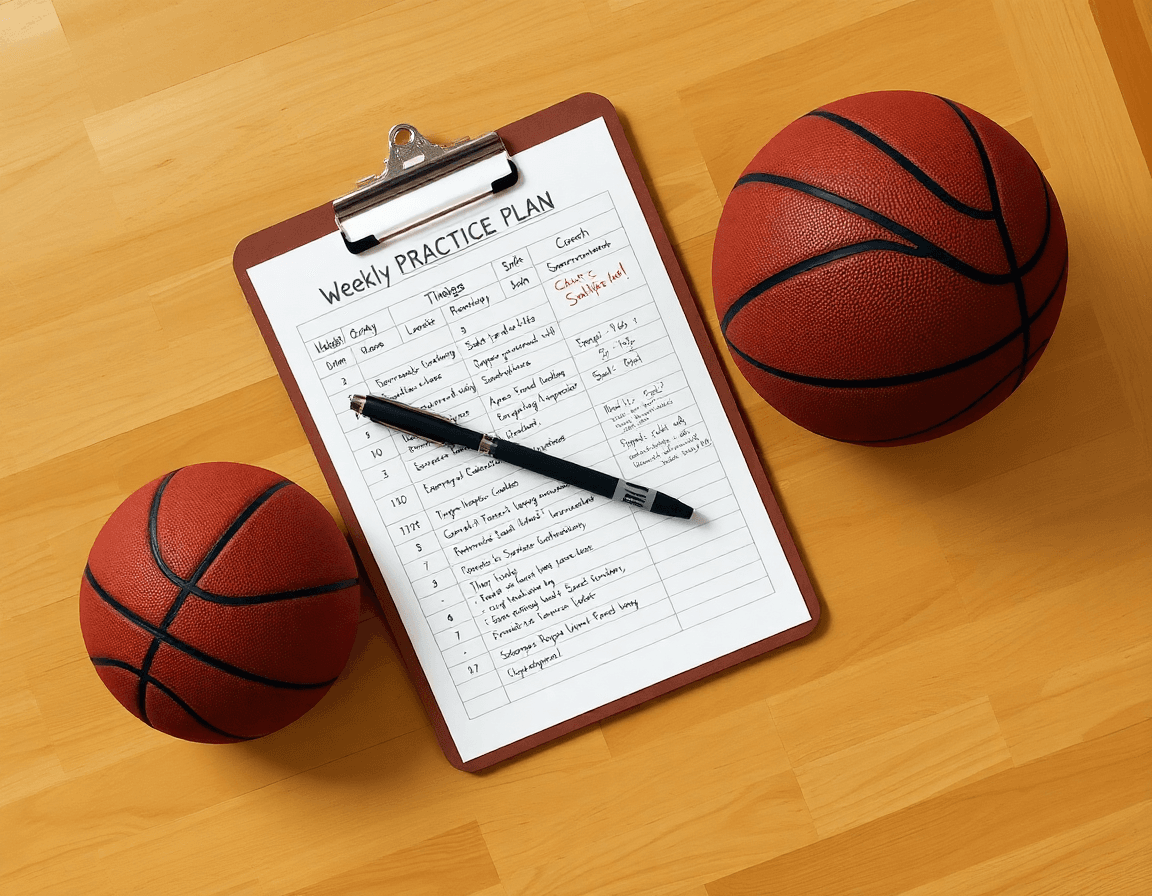
Workflow: build your weekly practice plan
For basketball drills for 5 7 year olds, the weekly workflow starts with three core blocks: ball-handling, passing/shooting form, and finishing. Keeping these blocks tight helps you build confidence in a short window and makes the kids feel successful every session. I like to map a simple progression under each block and capture the flow on the whiteboard diagrams so the assistants can see the path at a glance.
Next, you’re selecting 4–6 drills (1–2 minutes each) that fit into a single practice window. The idea is to pack a lot of repetition into short sessions without overwhelming the players. Pull from your Practice Plans library and choose activities that pair well—drills for 5-year-olds that emphasize form and fundamentals, then scale up with ball-handling drills as confidence grows. The goal is steady, kid-friendly momentum throughout the practice.
Assign roles to assistants and document progress in a shared plan. A quick note on who runs which station, who corrects technique, and what you’re tracking (completion, balance, or form cues). Keeping notes in the plan helps you adjust on the fly and ensures your plan stays coherent across the coaching staff.
Export the plan as a PDF and share with staff; attach demo videos for clarity. A clean PDF export gives you a portable, printer-friendly reference, while short video clips demonstrate the exact technique you’re coaching, so everyone’s aligned on expectations.
Create drill playlists for players to review between sessions. Those playlists become a go-to resource for players and families, and the shareable links keep your weekly routine accessible. This approach blends kid-friendly coaching with a solid, repeatable workflow—perfect for evolving your youth basketball drills repertoire.
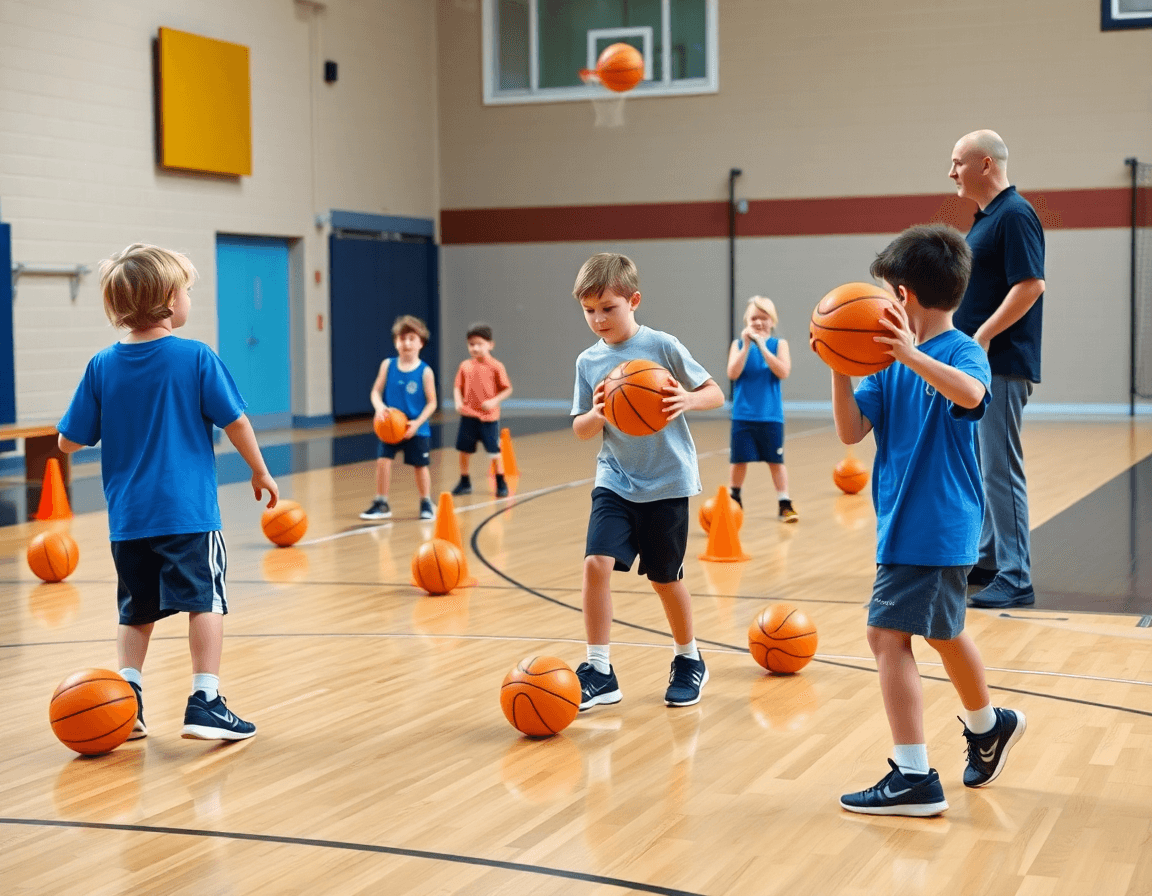
Core blocks: ball-handling, passing, and shooting form
For basketball drills for 5-7 year olds, the core blocks below pair cleanly with a kid-friendly weekly plan. In my Practice Plans library, I build these three blocks into a simple rhythm, diagram each drill on the Whiteboard, and capture quick Video Clips to show parents and players what good technique looks like. I also drop the clips into Playlists and shareable links so players can review on their own. The goal is a clear, repeatable routine kids can follow all week.
Ball-handling block: stationary dribbling, cone dribbling, and two-ball dribbling progressions. We start with low, controlled bounces at stationary spots, then move to cone lanes that force change of pace and direction without losing control. Two-ball dribbling builds grip and coordination without overloading tiny hands. Pace isn’t the target—control is. Frame the work as fast feet with soft touches, and keep the transition times tight so every touch counts during station drills and small-sided games.
Passing block: partner passing, chest passes, and bounce passes with emphasis on technique. Partner drills let kids learn passing angles and hand positioning without fear of contact. Emphasize a firm chest pass with a quick release and a firm bounce pass that lands softly on a teammate’s target. Use simple cues like eyes up, hands active, and follow-through toward the target. The Whiteboard can diagram the path and tempo, while a short Video Clip demonstrates the ideal arc and grip for 5- to 7-year-olds.
Shooting form block: close-range form shooting, progression to glide steps and Mikan drill as form practice. Start near the basket with two-handed form shots, then introduce glide steps to encourage proper footwork. The Mikan drill—focused on form and finishing—helps solidify a clean follow-through. Keep the line from feet to hands short and consistent; the more reps, the more confidence.
Keep transitions tight to maximize touches and stay on pace, and you’ll finish the week with a kid-friendly routine that’s easy to export and share.
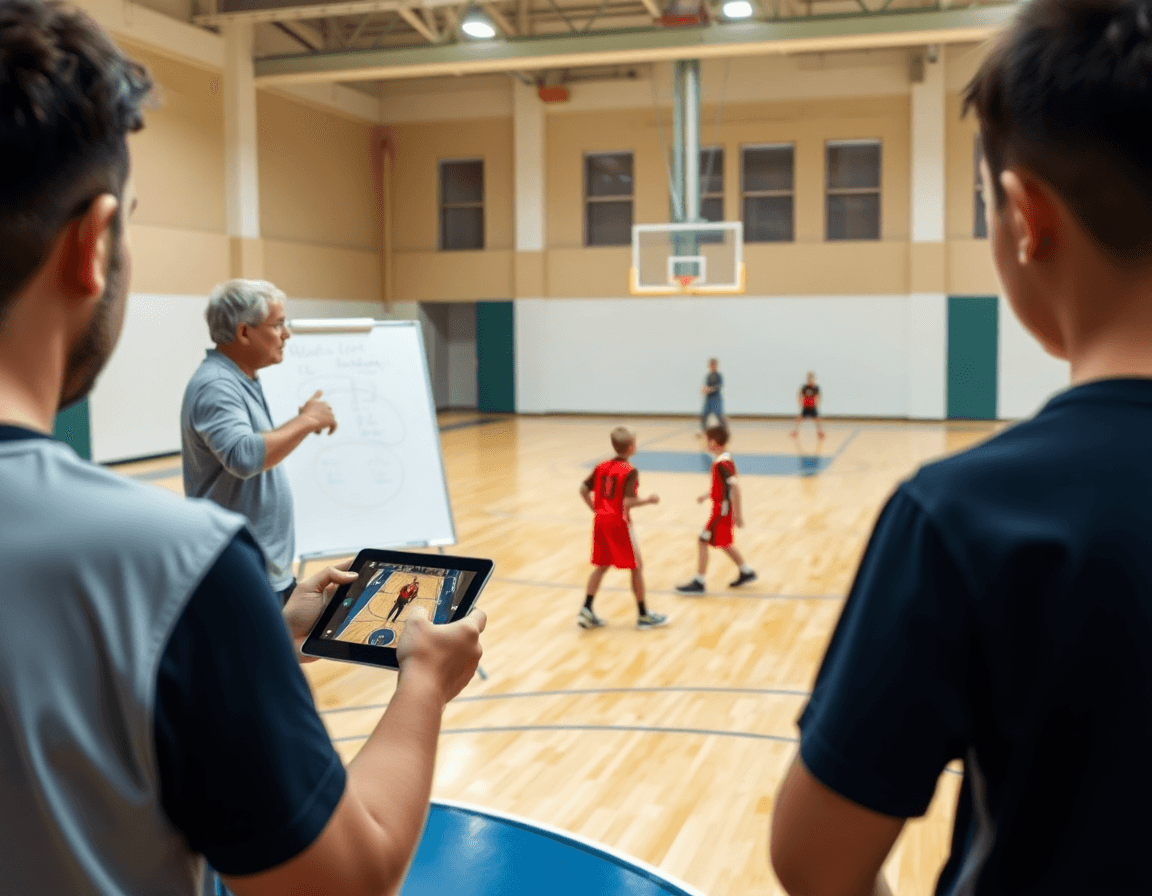
Age-appropriate drills and progression for 5-7 year olds
For 5- to 7-year-olds, the goal is form and confidence, not speed. Start with a mini-basketball and trim the rim height to keep players in proper shooting and dribbling form. Emphasize keeping eyes up and using both hands; quick wins—like a clean catch-and-release—build trust and joy. This foundational work fits neatly into your weekly Practice Plans and Whiteboard diagrams.
Keep blocks to 30-60 seconds and rotate players frequently to stay engaged and avoid fatigue. In your weekly setup, use the Practice Plans library to assemble four blocks: ball-handling, passing, finishing, and a quick shooting form drill. Short sessions with frequent rotations ensure every kid gets touches and stays focused.
Increase difficulty gradually while keeping it fun. Faster pace, closer range, and light in-game decision prompts—always within a context that feels approachable for kids. Use a clear progression so players sense improvement, while the drills stay as fun basketball drills that still teach the fundamentals.
Example week can look like this: two short blocks of ball-handling using a mini-ball (30-45s), then a quick dribbling drill through a cone line (30-45s), a passing drill to a moving target (30-45s), finishing with shooting form at 6-8 ft and the classic Mikan drill for finishing. Rotate quickly and keep 5-7 players engaged; keep the atmosphere light and focused.
Wrap the week by documenting a quick demo clip of the drills in action in Video Clips and dropping a simple diagram on the Whiteboard for assistants. Then assemble a kid-friendly Playlists link that players can access post-practice to review form and stay engaged between sessions.
Using video and whiteboard to teach early fundamentals
As a coach building a weekly routine for basketball drills for 5 7 year olds, I lean on CourtSensei to translate early fundamentals into bite-sized blocks. In the Practice Plans library I pull kid-friendly drills—ball-handling basics, form shooting, passing, and the Mikan drill—designed for short attention spans and steady gains. To help players see it before they try it, I pair each drill with a simple diagram on the whiteboard and a quick preview in the plan. The goal is to move from concept to action without burning them out.
On the court, the week looks like three blocks: 20 minutes of form shooting with the Mikan progression, 15 minutes of two-ball dribbling in a low stance, and 15 minutes of simple passing drills. I diagram the drill setups and progressions on the whiteboard to reinforce steps, using arrows and lanes for entry passes, drive lanes, and finish spots. Then I show short video clips demonstrating the correct form for each drill—one clip for Mikan setup, another for a finish on a layup. I link each clip to the corresponding drill in the plan, so players can rewatch during stations or at home.
Next, I link each clip to the drills in the plan and share the setup with assistants and players through Playlists. This visual library lets players replay form shooting or the Mikan drill at the tap of a link. After practice, I export the whiteboard diagrams as a PDF for the staff and for future sessions. Using this flow—plan, demo on the whiteboard, short video clips, and shareable playlists—helps a squad with young athletes build consistent fundamentals across the week.
Print-ready plan and sharing with assistants
At week’s end, I print a clean PDF export of our weekly plan for basketball drills for 5-7 year olds. The print-ready sheet sits in the gym for quick reference and travels with the assistants’ binders. It keeps our practice plans tight and kid-friendly, outlining a simple progression—from ball-handling and dribbling drills to passing and form shooting—so every coach can run the same flow, even if they’re new to the team.
I also create shareable links to the drill videos for each station and assign viewing tasks to assistants. One link points to a quick demonstration of a ball-handling drill, another to a short clip for form shooting. By tagging tasks (e.g., “demo the Mikan drill for 5- to 7-year-olds” or “watch the passing sequence”) we ensure every helper knows what to prep and when to step in during scrimmage time or sub periods.
For the players, I assemble concise playlists of drills to review outside practice. A typical kid-friendly lineup might include a few short clips on basic ball-handling, a couple focusing on dribbling patterns, and a clip on the fundamentals of shooting form. These playlists let players reinforce the same skills at home, reinforcing the same cues we emphasize on the floor.
Finally, the plan includes a simple, print-friendly checklist to track what we covered each week. Sections like Warm-up, Ball-handling, Dribbling drills, Passing drills, and Shooting form help me verify we hit core skills and stay aligned with the week’s goals. Keeping this as a one-page reference supports consistency across coaches and fields.
If you build plans like this every week, CourtSensei keeps your drill library, whiteboard, and video clips in one place — try it free.
FAQ
What age can children start playing basketball?
Kids can start with basketball concepts around ages 4–5. The focus is safety, movement, and enjoyment, not competition. Use short, simple activities that build basic coordination, ball-handling and passing skills, and lots of positive feedback. Emphasize the fundamentals and let kids explore the game. Keep cues light and celebrate small wins to keep curiosity high.
How long should a junior basketball session run?
Keep junior sessions short, 15-25 minutes, with 3-4 stations of about 5–6 minutes each. Use quick transitions and built-in water breaks to sustain energy. The goal is frequent touches and rapid feedback, not long drills. A consistent station flow helps assistants run the plan confidently. Focus on momentum and a smooth, repeatable rhythm.
What fundamentals should 5- to 7-year-olds focus on first?
At this age, start with core skills in a simple order: ball-handling and passing, then work on shooting form and basic footwork. Use short, repeatable drills and clear cues. Prioritize technique over speed and emphasize success with each rep. A calm pace helps kids build confidence and want to return next session.
How can I keep beginners engaged during practice?
Keep beginners engaged by maximizing touches and variety. Rotate through fun, age-appropriate drills, provide quick feedback, and celebrate small wins. Use short games or relay challenges to maintain energy and a sense of progress. Clear cues and visible improvement help kids stay motivated session after session.
What size ball and rim height work best for a 5-year-old?
For 5-year-olds, use a smaller ball and a lowered rim, plus shorter distances. The equipment should feel comfortable and reduce frustration while keeping actions age-appropriate. This setup supports proper form and confidence as players learn how to handle the ball and shoot.
What is the Mikan drill and how should it be practiced?
Explain the Mikan drill as a finishing-focused layup drill done close to the basket. Start with simple two-foot finishes and emphasize a clean follow-through and good footwork. This drill reinforces finishing technique and builds confidence under pressure for young players.