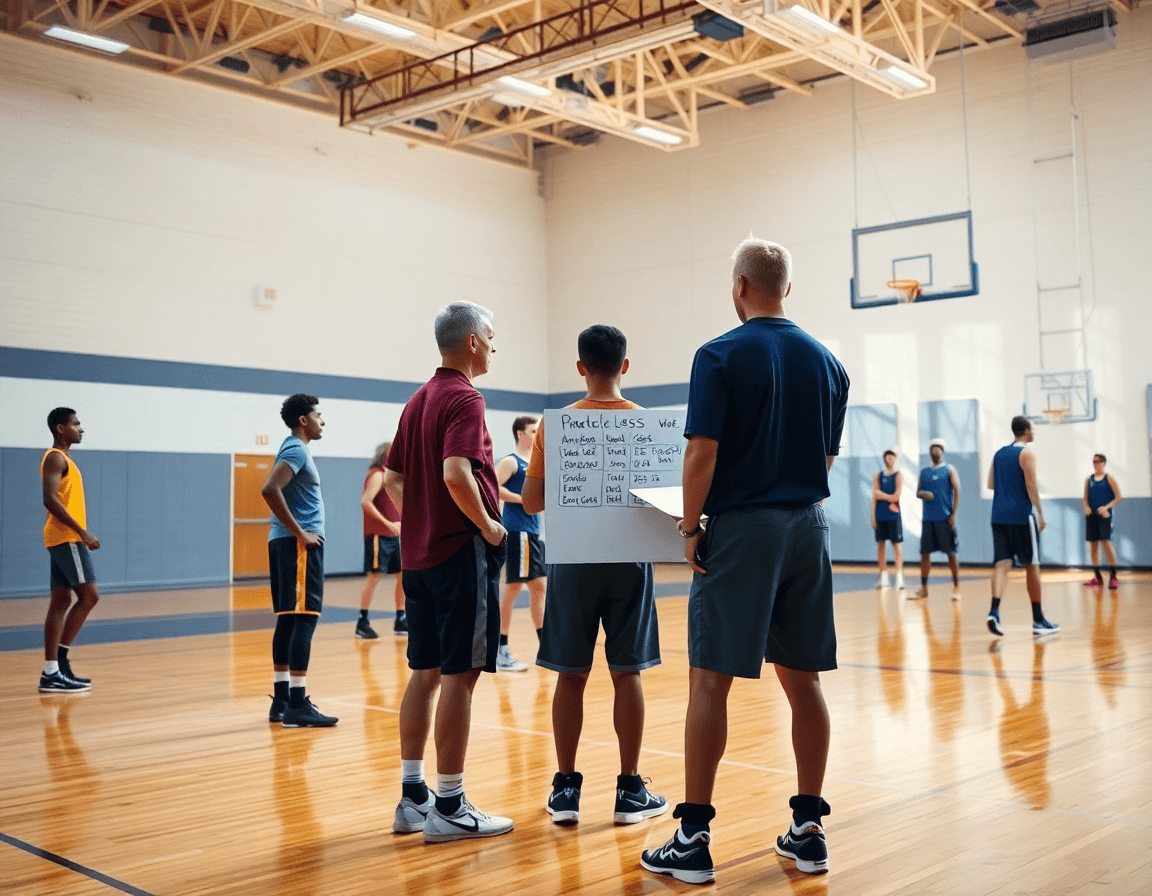
How to Create a Free Basketball Practice Plan for Your Week
Craft a free basketball practice plan that fits your weekly coaching routine—time blocks, drills, coaching points, plus video and scouting links.

Key takeaways
- Adopt a repeatable weekly plan using a free basketball practice plan and 4–6 time-blocks.
- Map your week with time blocks and rough durations to streamline practice planning.
- Attach concise coaching points to each block so players know what success looks like.
- Export to PDF and share with assistants to eliminate last-minute scrambling and ensure accountability.
- Create a printable template to standardize weeks, accelerate mid-week updates, and keep plans barrier-free.
Practical workflow: Build your weekly plan in 60 minutes
With a free basketball practice plan in hand, I turn it into a repeatable weekly plan workflow. I start by setting weekly goals based on the team’s needs and what the upcoming opponent tends to emphasize. Then I draft a weekly plan that keeps assistants aligned and players clear on the week ahead. This approach makes planning something you can rinse and repeat.
Next comes the map: define 4–6 time-blocks—warm-up, skill work, team drills, scrimmage, conditioning, cool-down—and give each block a rough duration. In a 60-minute workflow, I allocate warm-up 8–12 minutes, skill work 12–18, team drills 15–20, scrimmage 5–10, and finish with conditioning/cool-down as needed. For each block I assign drills and draft concise coaching points.
Then I pair each block with a specific drill from the practice plan template, and I draft concise coaching points so players know what to focus on and what success looks like. I keep the drill library lean—one or two options per block—to save time during the week.
On the Whiteboard, I sketch quick diagrams for the planned actions—BLOB/SLOB/ATO/PnR—so spacing and movements click. I attach a photo of the diagram straight to the plan and link a printable PDF for the assistants. A sharp diagram goes a long way in the huddle.
I attach relevant Video Clips and Scouting Reports to the plan. I pull clips illustrating the opponent’s tendencies or a pattern we want to attack, tag key moments, and drop in a short critique. These updates live in a playlist so players can review at home or on the bus, reinforcing the week’s plan.
Finally, I Export to PDF and share with assistants before practice. If needed, I print the printable basketball practice plan and post it in the locker room. The PDF becomes the common, tangible artifact of the week—no last-minute scrambling.
Frame your weekly practice with time blocks
As a coach, I frame my week with time blocks. I pull a free basketball practice plan from our Practice Plans library, tailor it for this group, and lock it into the calendar. Each block becomes a clear opportunity to hit a coaching point and a measurable goal—no guesswork, just structure.
Warm-up: 5–10 minutes of dynamic movement and mobility. I start with the Warm-up and set the targets for the day. On the whiteboard I capture the measurable goals for mobility, balance, and readiness, so players know exactly what success looks like by the end of the block.
Skill work: 15–25 minutes focused on technique and repetition. I zero in on a couple of fundamentals, drill the mechanics, and track reps to ensure consistency. I pull a short clip to illustrate the right form and drop it into the players’ playlists for quick review—the combo of skill work and Video Clips keeps improvement visible.
Team drills: 15–25 minutes of coordinated sequences. I flip through the diagrams on the Whiteboard to show timing and spacing, then run the team through the actions in a connected flow. The aim is to build anticipation and decision-making under pressure, turning concepts into cohesion with every rep.
Scrimmage: 15–20 minutes to apply concepts in live play. We keep it controlled, letting players read and react to what they’ve practiced. Afterward, I drop a quick clip into the players’ playlists to reinforce the concepts—this is where Scrimmage and Playlists shine.
Conditioning and cool-down: 5–10 minutes to finish strong. This final block reinforces effort and recovery, keeping the group accountable. Tie each block to specific coaching points and measurable goals.
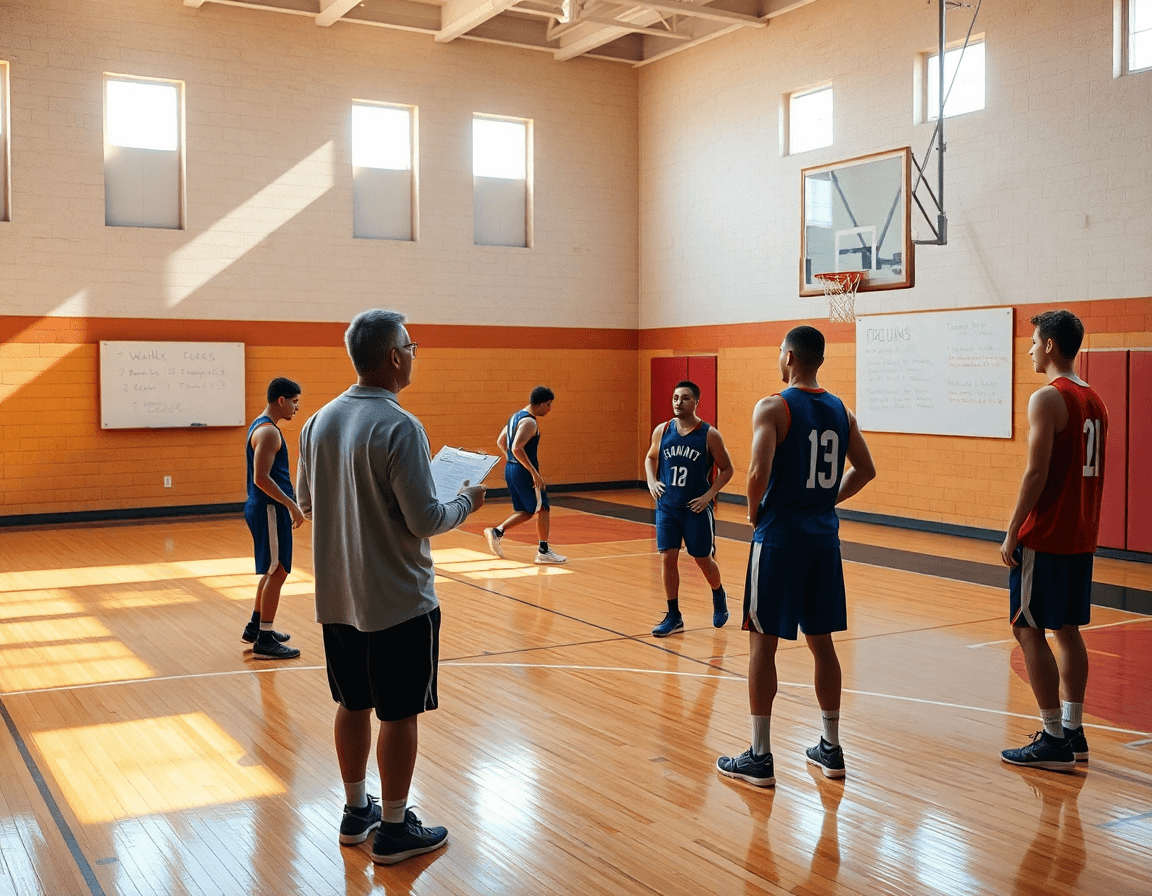
Create a reusable printable template you can reuse
A reusable, printable template becomes the backbone of the week. When you have a one-page sheet you can reuse, you stop re-creating the wheel every Sunday and start moving from plan to practice. In this template, set up the core fields you’ll fill each week: block name, duration, drills, coaching points, and equipment. These five blocks keep you focused and make it easy for assistants to jump in mid-week without guesswork. Think of it as a downloadable, printable basketball practice plan you can keep at the clipboard and reference mid-session.
The layout should be clean and quick to scan. Start with a header that notes the week/date and any opponent notes if you’re preparing for a scout-style game. Then lay out the blocks in time blocks, for example: Warm-up, Skill Work, Team Drills, and Scrimmage. Each block gets a name, a duration, the drills you’ll run, three coaching points, and the equipment needed. Keeping it printable means you can mark it up with a pen during the warm-up, without losing the flow of the session. This is your go-to plan template for the week, ready to print and reference.
Label a default weekly template to speed up future planning. Save a version like “Default Week Template v1” and clone it each week, only swapping drill content and durations as needed. If you like, keep a short note on the header for opponent tendencies or a primary focus (e.g., transition defense or ball-screen reads). A well-structured, printable basketball practice plan becomes your steady workflow—a practical anchor while you deploy Practice Plans, Whiteboard diagrams, Video Clips, Scouting Reports, and Playlists to support every session.
Map drills and plays on the tactical whiteboard
At the start of the week, I map my planned actions on the tactical whiteboard for my free basketball practice plan. On the board I draft diagrams for each action—passes, cuts, screens, PnR, and the BLOB/SLOB/ATO patterns. This gives me a clean arc from warm-up to team drills and into scrimmage, so players can see the flow before we touch a ball.
Attach coaching points to each diagram for quick reinforcement—these cues stay up as we move through reps. For example, I note where the cutter reads the screen, where the passer should lead the ball, and how the defense shifts on a given action. Those coaching points become the on-floor instructions the staff calls out during drills.
When the plan is locked, I save exportable whiteboard visuals and PDFs for staff sharing, turning the on-floor board into a portable reference. That lets me generate a printable basketball practice plan for the gym, so everyone—coaches and assistants—can stay aligned in practice and in film sessions.
Finally, I keep a running library of diagrams for future weeks, tied to a simple practice plan template and mapped to time blocks. If we need to revisit a drill or swap in a new action, I pull from the shelf and adjust the coaching points. It keeps the weekly workflow repeatable and ready for the next cycle—without reinventing the wheel.
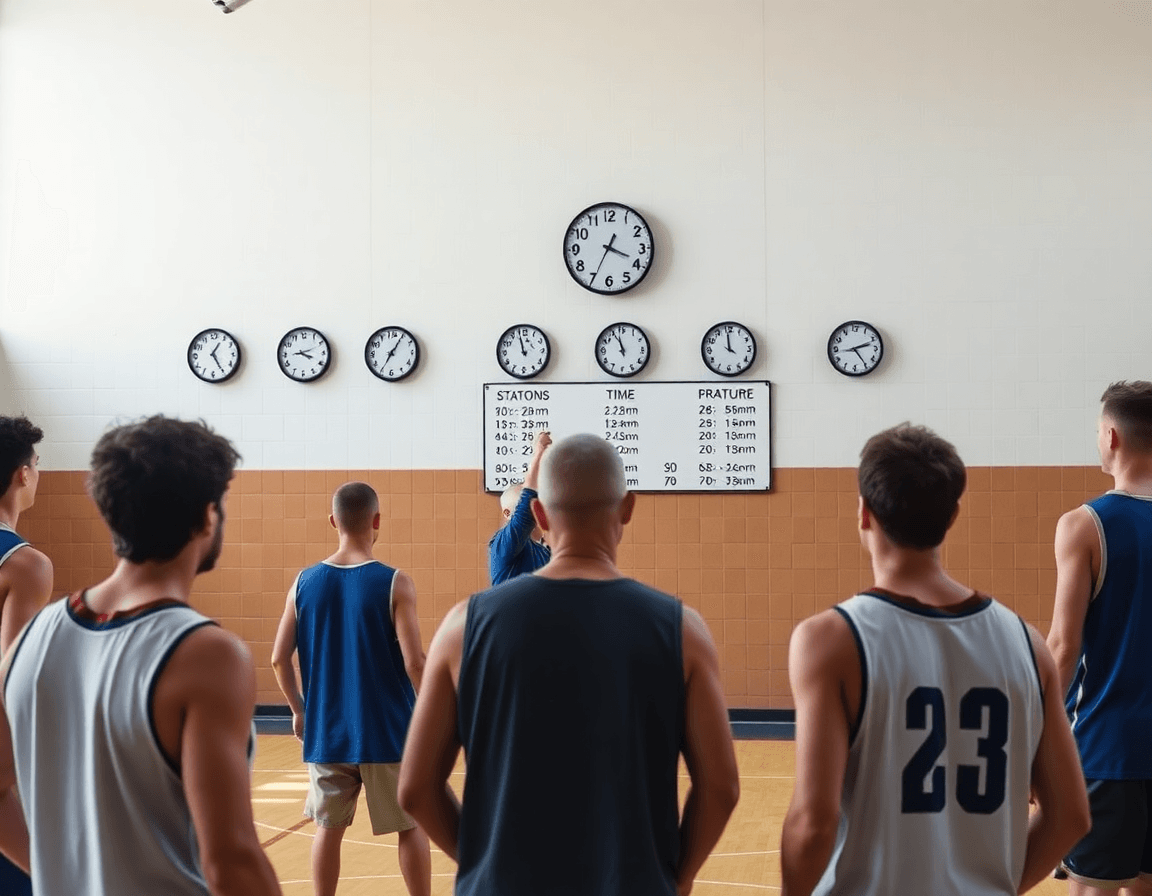
Link video clips to reinforce the plan
From a free basketball practice plan, I attach a short, relevant clip to each block—warm-up, skill work, team drills, and scrimmage. The aim is to show the exact action we want: activation within the time blocks, footwork, and decision-making under pressure. These video clips become a visual checklist that anchors the plan in reality, helping the staff see what success looks like for the day.
Next, I turn those clips into shareable links that point to a single set of playlists for the week. Players can review ahead of practice; assistants can annotate notes. This keeps the workflow tight: a clean, repeatable sequence tied to the plan, and a simple printable version for quick reference in the gym. When the team shows up, the reasons behind each block are crystal-clear.
Every block gets a relevant drill paired with a clip, so when we run a shell drill or a situational rep, players know what to execute and why. I link the exact clip to each drill in the plan—so when we practice PnR or transition defense, the clip sits beside the drill card. This makes the connection tangible and speeds up learning; it also helps with accountability during scrimmage.
Used well, clips accelerate feedback and accountability. After a session, I pull a few moments from the week’s clips and drop targeted notes to players and assistants. They can compare what happened in the practice to what’s shown on screen, quickly adjusting technique or decision-making. The result is clearer player feedback and a tighter linkage between what we planned and what we actually executed.
Incorporate scouting insights with small-sided blocks
Integrating scouting insights into your weekly practice plan starts with the blocks you run on the court. As you build the week, pull notes from your scouting reports and translate them into constraints for your small-sided games blocks. A 3v3 or 4v4 session becomes your lab for testing reads, rotations, and decision-making under pressure. In your plan, set aside time blocks for warm-up, skill work, and team drills, labeling clearly what the scouting input requires players to notice. It helps to have a clean, printable basketball practice plan ready each week.
Translate opponent tendencies into practice constraints using small-sided games. For example, if the tail of their pressure defense squeezes your guard into tough passes, run 2v2 or 3v3 with no-dribble rotations to emphasize decision speed. Use the whiteboard to diagram the on-ball pressure and the expected weak-side rotations, then run the block with a coach's whistle guiding the decisions. Your goal is to keep the tempo high but the decisions crisp, binding the scouting input to the flow of the drill.
Integrate principles of play and targeted adjustments based on game stats. For example, if the stats show a weak transition defense, craft a fast-break emphasis in a small-sided scrimmage and attach the scouting notes next to that block for quick reference. Let the blocks reflect spacing, tempo, and ball reversal as you teach players how to execute in real game flow. This keeps your weekly plan coherent, with scouting notes sitting right where you need them.
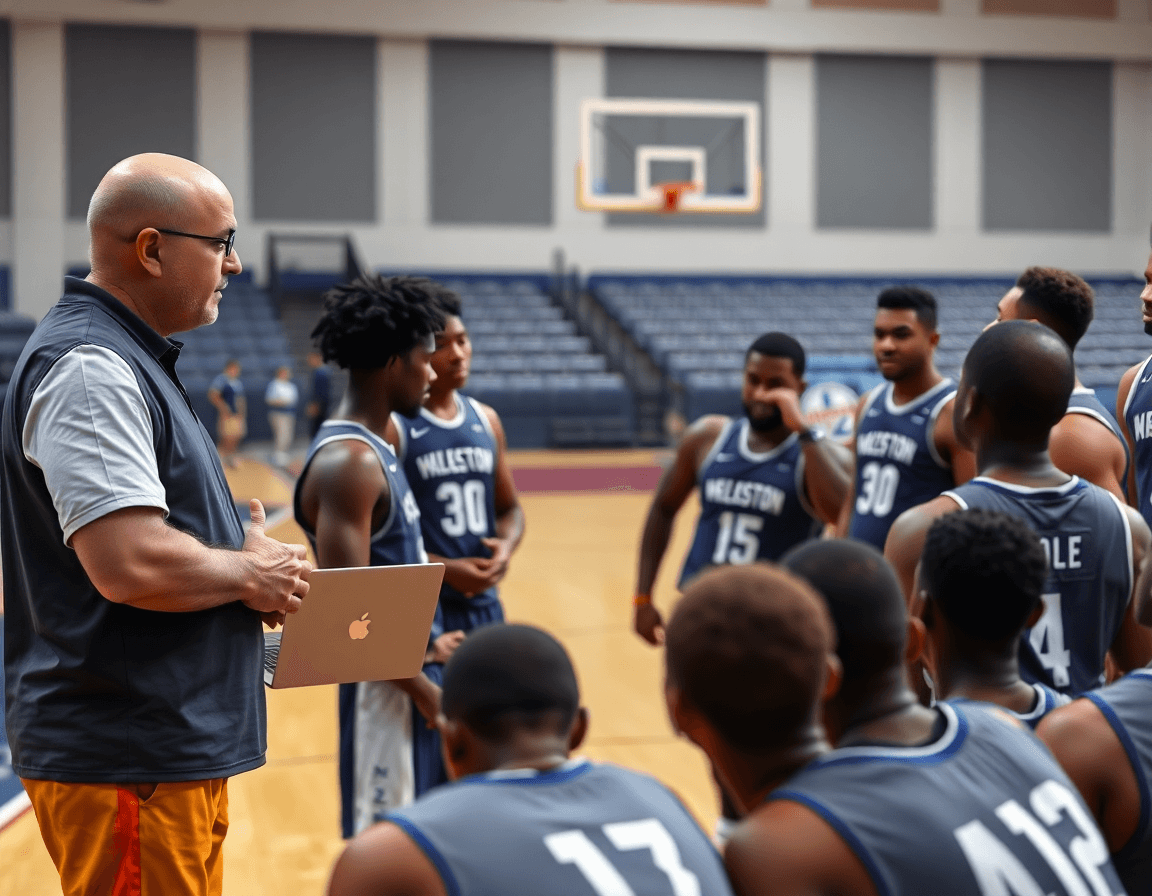
Publish playlists for players and staff and run a weekly review
From a free basketball practice plan to a repeatable weekly workflow, publishing playlists for players and staff is where the work pays off. I build one playlist that ties drills to the corresponding video clips and coaching points, then map everything to our weekly time blocks: warm-up, skill work, team drills, scrimmage, and a quick post-practice review. The playlists are shareable links, so assistants and players can open them on their phones or pull a printable one-page version if needed.
Distributing this to the team and staff is step two. We collect quick feedback after practice using the same shareable links. A brief checklist attached to the playlist helps players note what clicked, what clip clarified a concept, and where to focus next time. I keep notes concise so we close the loop fast and stay aligned on priorities.
The heartbeat is the weekly rhythm: a scheduled weekly review to adjust the plan for the next session. We pull data from the practice plan template and the video clips library, compare planned blocks to on-court reality, and tweak the whiteboard diagrams and scouting notes as needed. If defense rotations or ball handling need more time, we re-sequence the drills and save the updated playlist for the week ahead.
If you’re starting from a printable basketball practice plan, this cadence still fits. The goal is steady consistency: publish playlists linking drills, clips, and coaching points; distribute to players and assistants; gather quick feedback after practice; schedule a weekly review to adjust the plan for the next session. This turns a free practice plan into a durable weekly workflow.
If you build plans like this every week, CourtSensei keeps your drill library, whiteboard, and video clips in one place — try it free.
FAQ
How long should a basketball practice be?
Aim for a 60-minute workflow. Frame your practice with clear time blocks: Warm-up 8-12 minutes, Skill work 12-18, Team drills 15-20, Scrimmage 5-10, and finish with conditioning or a cool-down as needed. Keep coaching points concise for each block so players know what to fix. This cadence makes planning repeatable and easy to execute with a free basketball practice plan.
What should a basketball practice plan include?
A solid plan covers warm-up, skill work, team drills, scrimmage, conditioning, and cool-down. It should include clear coaching points and a printable template you can reuse weekly. Attach diagrams on the whiteboard and short video clips to illustrate patterns; these references help players lock in concepts between sessions.
How often should a basketball team practice?
Most teams practice 3-4 times per week, adjusting for games, travel, and development goals. Build a flexible weekly plan you can adapt to each week, and clone a default template when you start new cycles. This keeps routines consistent while letting you respond to opponents and injuries.
How can I make practice more engaging for young players?
To engage younger players, keep blocks tight with one or two drill options per segment and crisp coaching cues. Use small-sided games to boost decision-making and tempo, and mix in quick video clips for feedback. Give players ownership by letting them review playlists before or after practice.
Should I use the same practice plan every day?
No. Use a reusable template, but rotate drills and tailor to opponent tendencies. Clone the Default Week Template and swap content weekly; keep a short header note about opponent tendencies or a primary focus. This keeps planning efficient while staying responsive.
What does a typical basketball practice plan look like?
A typical plan starts with a header (week/date) and time-blocked sections: Warm-up, Skill Work, Team Drills, Scrimmage, and Cool-down. Each block lists the drills, a few coaching points, and required equipment. Add a tactical diagram on the whiteboard and links to a short playlist or PDF so assistants and players stay aligned.