
Drive and Kick Drill: Weekly Plan for Spacing and Flow
Coaching-focused weekly workflow for the drive and kick drill: plan, diagram, edit video, and scout to improve spacing, ball movement, and decision-making.

Key takeaways
- Set weekly objectives around downhill attack and kick-outs, using 2–3 variations of the drive and kick drill to sharpen spacing.
- Use short video clips and scouting notes to map reads and reinforce spacing and decision points.
- Diagram and export a consistent whiteboard plan to PDF for assistants, keeping practice on-message and repeatable.
- Encourage accountability by assigning two assistants to monitor reads and timing during drills.
- Create and share a short video playlist of best sequences to reinforce the drive and kick rhythm.
Understanding the drive and kick concept for weekly planning
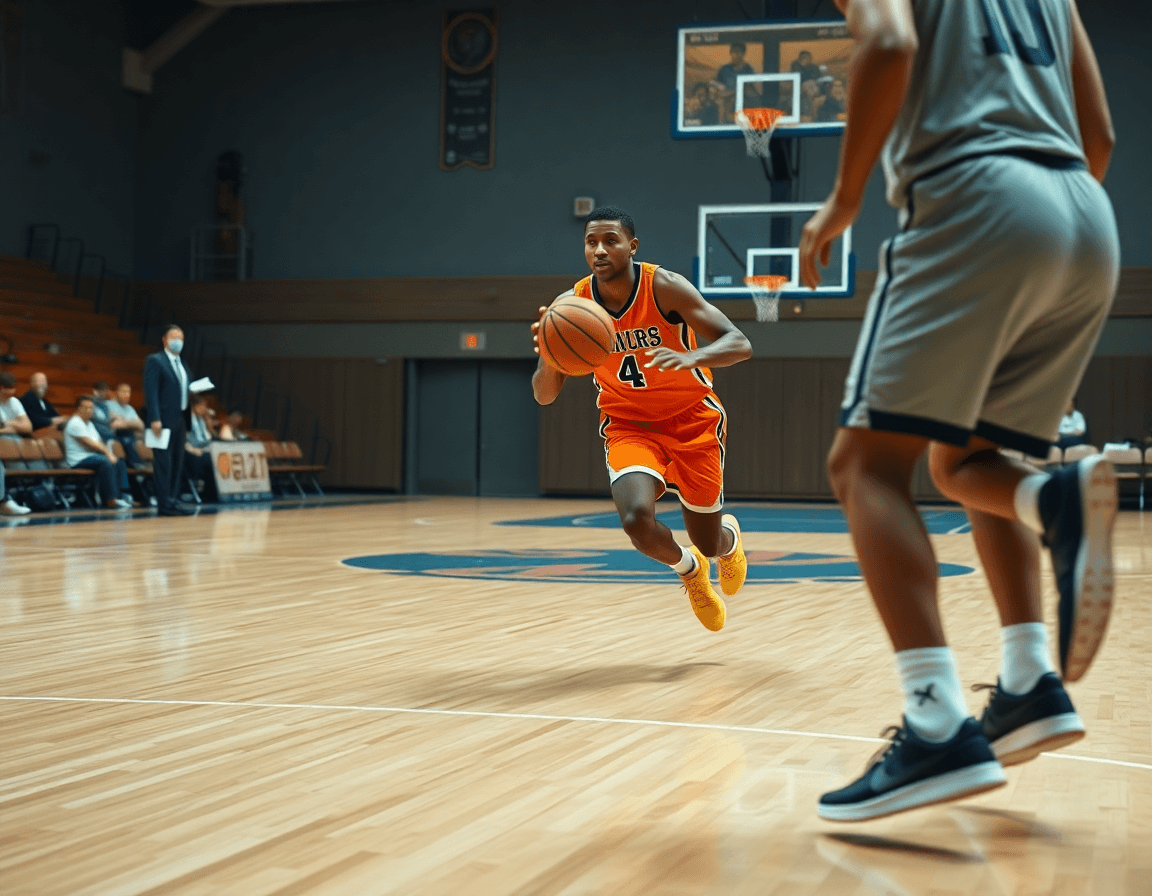
From the seat of a coach who uses CourtSensei daily, the drive and kick drill hinges on a simple principle: attack downhill, collapse the defense, and relocate shooters for open looks. That idea guides my weekly cycle—planning, practice blocks, video, scouting, and review. The core outcomes I chase are tighter spacing, more decisive ball movement, and smarter decisions under pressure. The cue sheet begins with a downhill drive and ends with the appropriate kick-out.
During the planning phase, I lay out the sequence in the plan: drive triggers, drive passes, and the moment of relocation for shooters. On the whiteboard diagrams, I sketch lanes and reads—ballhandler attacking off a screen, pass to a wing, and reader-friendly cues like baseline drift to open the corner, and catch-and-shoot timing becomes a visible, repeatable rhythm. The emphasis is spacing in offense and ball movement, so players feel the rhythm rather than guess. By naming reads like screening and relocating, the team practices the XsOs that put shooters in their comfort spots without forcing shots too early.
In the video block, I pull short video clips that illustrate the pattern: downhill drives, kick-outs, and quick reads to the corner. These clips aren’t about flash; they’re teaching tools that map to our drills and the weekly review. I add scouting notes on the opponent’s help tendencies, so the team knows when to pressure the pace. Finally, I assemble shareable playlists for players, giving them a quick reference before the next session and reinforcing the drive and kick concept in a practical rhythm.
Practical weekly workflow for the drive and kick drill
On Monday, I map the week by defining clear objectives and selecting 2–3 variations of the drive and kick drill to run this week. I tie each variation to our spacing in offense, so we’re sculpting driving lanes and kick decisions in a way that unlocks our ball movement and downhill attack. In the plan, I pull from our drill library and assign two assistants to monitor reads and timing as the plays unfold.
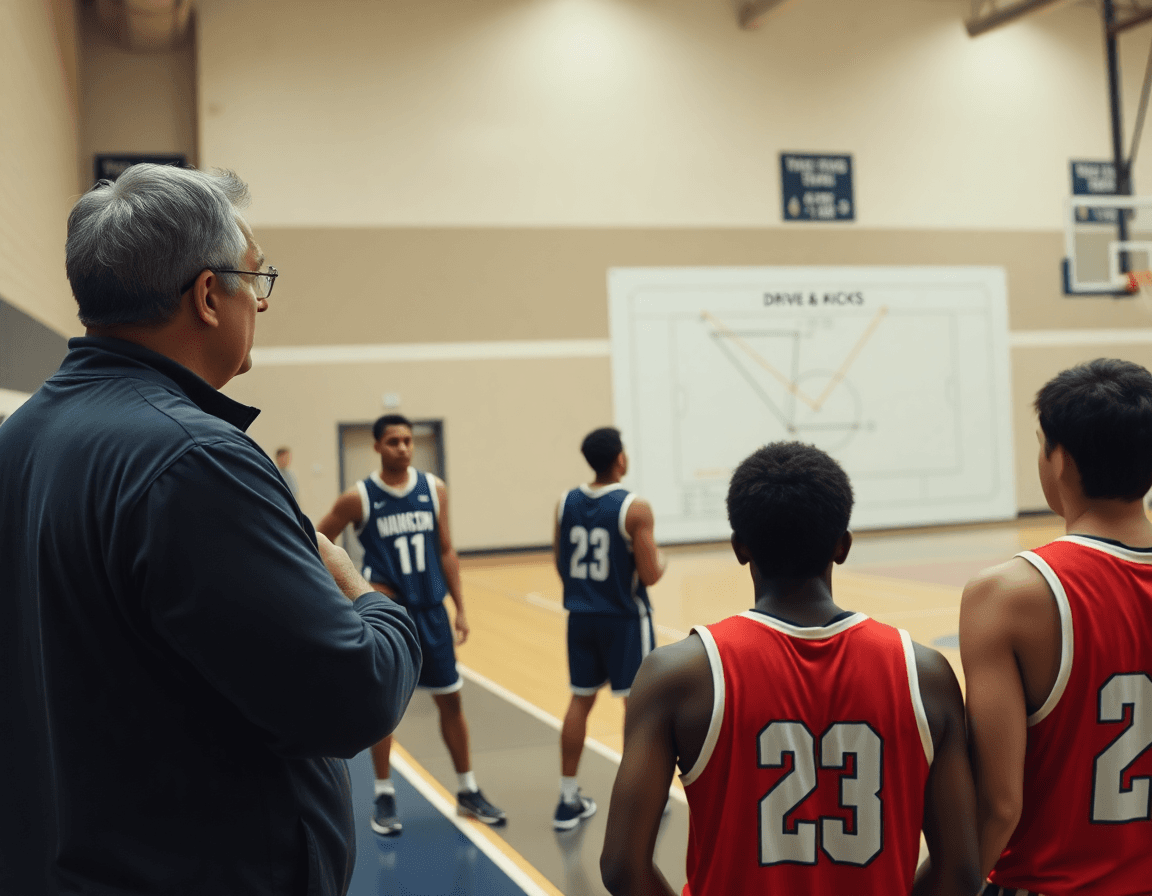
Tuesday is all about execution with intent. We run the drives with emphasis on spacing and decision points—when to kick, when to relocate, and where the second cutter fits. I task assistants to track reads and provide quick feedback, so we can adjust on the fly. On the whiteboard, I diagram the reads from the arc and the wings, reinforcing that clean ball movement plus off-ball movement creates the best kick-out opportunities.
Wednesday is video day. We capture clips from live reps and tag key sequences: drive, kick, relocate, catch-and-shoot. The quick clips become teaching tools for players who missed a read or who mis-timed their relocation. It’s a practical way to connect what happened on the floor to the concepts we’re reinforcing in practice.
Thursday we tailor scouting inputs for upcoming opponent defenses and adjust drill emphasis accordingly. I pull scouting notes and highlight defenses that compress driving lanes or overplay the kick, then adjust drills to sharpen reads against those looks.
Friday brings it home. We consolidate the plan, export it as a shareable PDF, and review with players. I build a short video playlist of the best drive-and-kick sequences so players can study the spacing in offense and the ball movement in their own time. This is where the workflow becomes a repeatable edge.
Diagramming and planning on the whiteboard
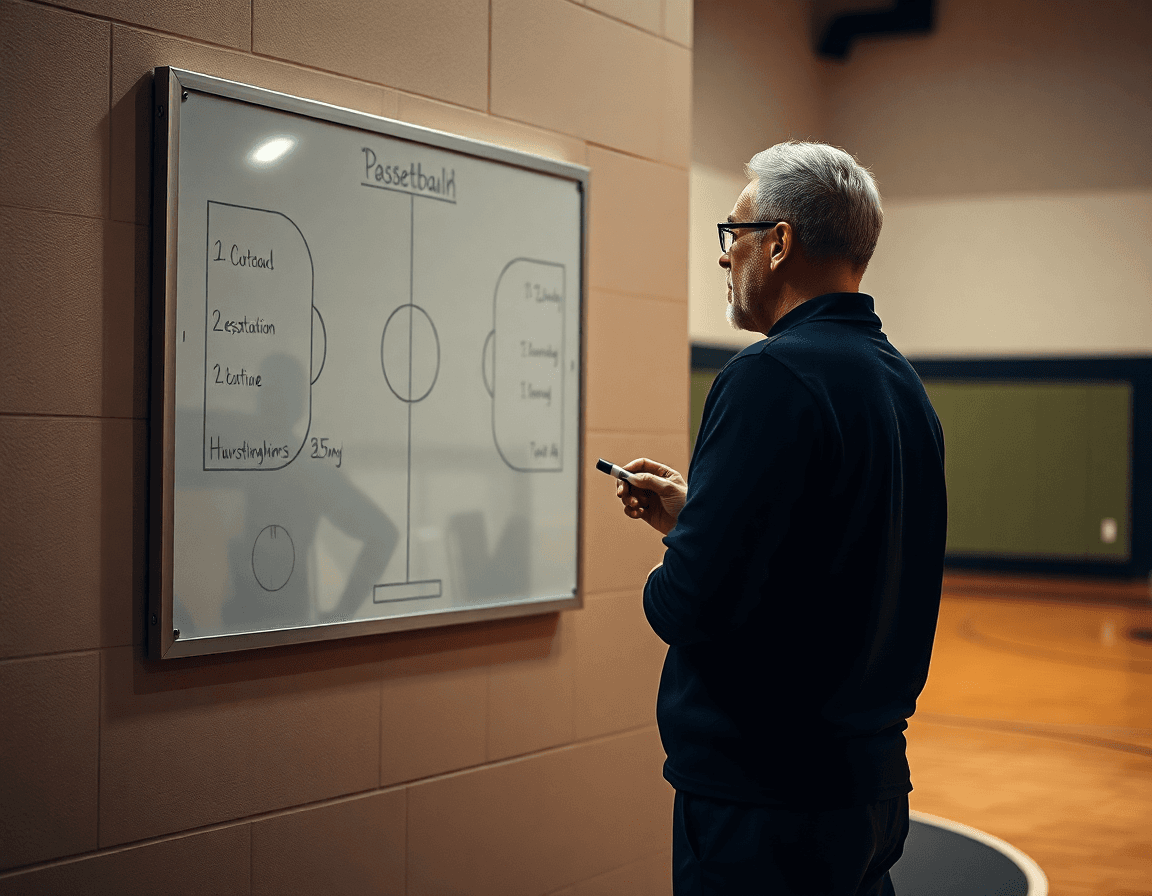
On a Monday, I start the week by diagramming the drive and kick drill on the whiteboard. I map each progression—drives from the ball handler, related passes, and relocations into open spaces—using the BLOB/SLOB/ATO/PnR language we rely on in practice. The goal is a downhill attack with clear reads, highlighting baseline drift and the dribble drive motion that unlocks a reliable kick-out option. I trace lanes for spacing in offense and how a quick kick can reach a corner shooter.
Next I annotate spaces for kick-out options and corner shooters to build clear reads. I mark the reads after the drive, showing how spacing in offense and off-ball movement create lines for a catch-and-shoot. The visuals reveal baseline drift—how players shift, read help, and relocate to keep the driving lane clean and the kick accessible. These diagrams become the guide for what to look for in live action.
From whiteboard to prep, I export diagrams to PDF and share with assistants for pre-practice prep. They can review the progression, adjust for personnel, and pre-walk the looks we want to emphasize in drills. Relating the diagrams to a ready-made practice plan library makes replication simple, so we’re not reinventing the wheel mid-week.
I tie the diagrams into the weekly toolkit, so the drive and kick sequences become a module in the practice plan library and can be run with consistent spacing and ball movement. The workflow—from plan to board to floor—keeps the offense in flow: diagram, practice, clip, and repeat, with a clear read on kick-out passes and catch-and-shoot opportunities.
Video workflow: cutting, tagging and sharing drive-and-kick reps
After a session that featured downhill drives into the paint, I trim clips to show the read before the kick and the relocation to open shooters. Clip downhill drives, then cut to the moment the decision is made to kick or relocate. The goal is to highlight how spacing relationships evolve as pressure ramps up, and how a quick read progresses into a clean kick-out or a reroute to an open shot.
Next, I build player-facing playlists: drive sequences, kick options, and shot opportunities. These playlists become quick reference guides that players can study between practices, either on the bus or in the film room. By organizing clips around a single concept—how a drive creates a shot opportunity—the team reinforces the flow of ball movement and off-ball movement without bogging down the drill with extra noise. The playlists also serve as a concrete bridge to catch and shoot opportunities in live reps.
I tag clips by decision point: drive-only, drive-and-pass, and drive-and-relocate-to-open-shot. Tagging gives us a clean map of options and the reads that led to them. When a player sees a drive end in a kick, we know exactly which branch to emphasize in the next drill and which defenders or teammates to simulate in practice. This clarity reduces guesswork and speeds up learning of the drive and kick basketball pattern.
In practice, we roll the clips into quick drills and walkthroughs that mirror game tempo. Use the clips to reinforce decision-making under pressure, focusing on ball movement, off-ball movement, and catch and shoot reads. Short clips, staged reads, and a quick review keep the flow tight and the learning concrete.
Scouting and opponent prep with drive-and-kick patterns
In my weekly plan, the drive-and-kick patterns drill becomes a lens on how we read defenses and build spacing. I sketch out patterns on the planning board, tag entry points for downhill drives, and map where kick-outs open up the floor. The goal is consistent ball movement with clean options for shooters and cutters, so our practice feeds into real-game reads.
Before practice, I pull scouting reports and annotate how opponents defend downhill drives and who tends to shade shooters. We preload notes on when to relocate to the corner or hit the kick-pass option, so the team knows when to flood the weak side or settle into baseline drift. The info travels with our video clips to keep the plan actionable.
With data in hand, we develop scout plays that hijack defenses via the drive-and-kick sequence. Against a compact close-out, we run a top-drive into a quick kick to the wing; versus a sagging perimeter, we stack spacing to force ball movement from the top to a strong-side cutter. Each scenario is diagrammed on the whiteboard and captured in a short video clip to study the reaction.
All findings get organized into a shareable plan that coaches and assistants can review during film or prep meetings. A simple export from the whiteboard, paired with a collection of playlists of clips, makes it easy to revisit decisions on defense and offense and adjust season-long prep.
Variations and progression: from Duke Drive & Kick to Corner options
On the weekly plan, we start with a Duke Drive & Kick progression to emphasize off-ball movement and catch timing. On the whiteboard, map it as wing entry, downhill drive, kick out to the weak side, then a quick secondary option as the ball reverses. The goal is crisp cuts and timing, so I pull a short video clip to review the exact moment the shooter finds space. This becomes a staple in the practice library, tied to your drive and kick drill workflow.
As confidence grows, move to Drive & Kick to Corner to train relocation and pass accuracy under pressure. On the whiteboard, diagram the two players relocating to the corner after the catch, then simulate a closeout and a touch pass to the corner shooter for a clean catch-and-shoot opportunity—your corner three target. After reps, drop a 15–20 second video clip into a player playlist so each guard can study the timing of the pass and the readiness of the shooter. Keep the tempo steady, and let the spacing force decision points rather than just actions.
Next, introduce a baseline drift variation to practice reading baseline space and shooter's placement. Start with a simple drag to the baseline and drift into a corner catch, then vary the defender's placement to challenge when to relocate to the open shooter. In your scouting notes, track how defenses close out and how adjustment options depend on where your shooter actually is relative to the baseline. A short video clip after each rep helps players see how the spacing reads in real time.
Finish with screen and relocate elements to mirror game-like decision points and spacing challenges. Use a ball-screen into relocation sequence, then loop the ball back to the wing for a kick-out or a drive-and-kick continuation. The combination forces players to read help and recover space fast, reinforcing the weekly plan, whiteboard diagrams, and video clips as a cohesive toolkit.
If you build plans like this every week, CourtSensei keeps your drill library, whiteboard, and video clips in one place — try it free.
FAQ
What is a drive and kick drill?
A drive and kick drill is an offensive pattern where the ballhandler attacks downhill to draw help, then kicks out to shooters for open looks. It's designed to improve spacing and ball movement, with passes, relocations, and reads. The sequence usually starts with a drive trigger, followed by a kick-out or relocation to an open corner. It emphasizes reading help and keeping the floor connected.
How does the drive-and-kick offense work?
Under the drive-and-kick offense, the ballhandler presses the defense with a downhill drive, then delivers a quick kick to a shooter on the perimeter. Timing and reads matter: screens, relocations, and ball movement create the next open look. The goal is to maintain flow and prevent forced shots, letting players read the defense and find the best kick-out option.
How many players do you need for a drive and kick drill?
You can run it in 5-on-5 or 3-on-3 formats. In a 5-on-5 setup you have a ballhandler, two wings, a big, and shooters in the corners. For a simpler drill, 3-on-3 with two shooters works well and keeps reads tight. You’ll still want 1–2 defenders to simulate help. The focus is on maintaining spacing and timing, not counting bodies.
What are common variations of drive and kick drills?
Variations include downhill drives with kick to a wing, drive-and-relocate to the corner, and drive with a screen to force a secondary kick. Add arc reads, give-and-go options, or different pacing. Each variation trains different angles and reads, but the core goal remains: clean ball movement and reliable kick-out opportunities.
How can drive and kick improve spacing and ball movement?
Drive and kick improves spacing and ball movement by creating driving lanes that pull defenders and then distributing quickly to shooters around the arc. The key is timing and off-ball movement so kicks arrive on rhythm, not after pressure settles in. Use video and practice clips to reinforce the pattern and keep spacing tight.
What are key coaching points for drive and kick drills?
Key coaching points include a downhill drive with a clean driving lane, an immediate kick-out decision if help arrives, and quick relocation to open spots. Reinforce reads like baseline drift and proper screen setup. Emphasize communication, tempo, and clear decision points. Short clips and scout notes help players recognize reads against different defenses.