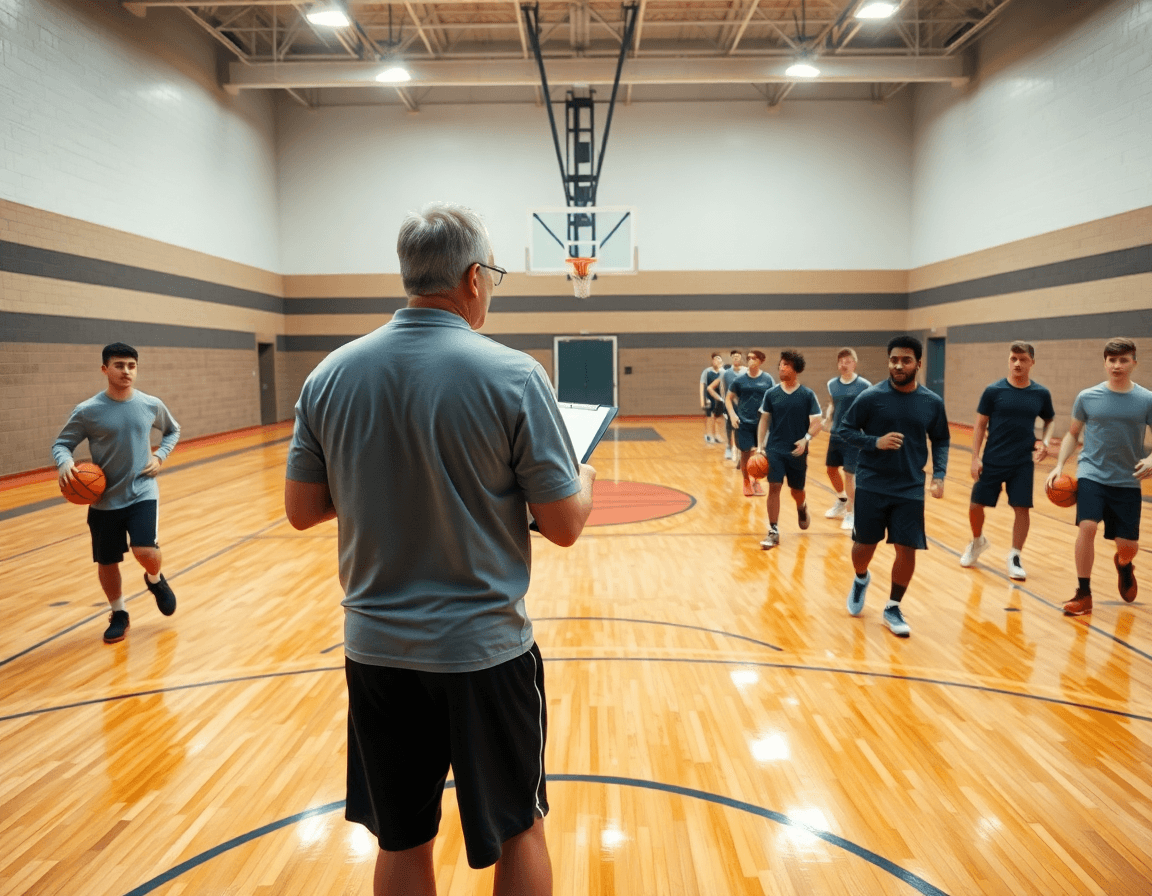
Best basketball drills for high school: weekly coach workflow
Coach-focused weekly workflow for the best basketball drills for high school, with planning, whiteboard diagrams, video clips, scouting, and player playlists.

Key takeaways
- Identify weekly drill priorities and map age-appropriate progressions for ball handling, finishing, and defense, to drive reps.
- Maintain a brisk 60-90 minute window, time-slice into four blocks, and tie drills to season phase for tempo.
- Anchor plans around five core categories: ball handling, shooting, finishing at the rim, defensive drills, and conditioning.
- Structure the session with four blocks: warm-up, skill blocks, live reps, and conditioning. Use stations or drill ladders to optimize reps.
- Midway, insert a short scrimmage to apply drills, weaving in defense and rebounding; finish with a quick video clip for feedback.
Identify weekly drill priorities for high school teams
Each week I start by identifying the weekly drill priorities that will drive practice. I map age- and skill-appropriate progressions for ball handling, shooting, finishing, and defense, selecting a core set of drills—ball handling drills for control, the Mikan drill for finishing, and shell drill for defense—that translate to game reps. The goal is cleaner technique and smarter decision-making in live action. I keep the pace brisk and the emphasis on intent, because these priorities shape every rep. These are among the best basketball drills for high school because they hit multiple game reps.
Time management matters: we target a 60-90 minute window, so I balance skill work with conditioning and mobility. I align drills to the current season phase—whether in-season, playoffs, or off-season—so our effort matches the stakes. From the list, I pick a core set that hits ball handling, shooting, and defense while also giving reps on finishing at the rim and rebounding, ensuring players see transferable actions. I track progress weekly to adjust priorities and keep the plan fresh.
On the tactical whiteboard I map the sequence—from warm-up to skill blocks to situational reps—so a flow is clear to assistants. I pair each drill progression with a short video clip and drop scouting notes for opponent tendencies. After practice, players access a shareable drill playlist with the week's core drills. That loop—plan, whiteboard, video, scouting, and playlists—keeps the high school practice structure tight and repeatable for the next week.
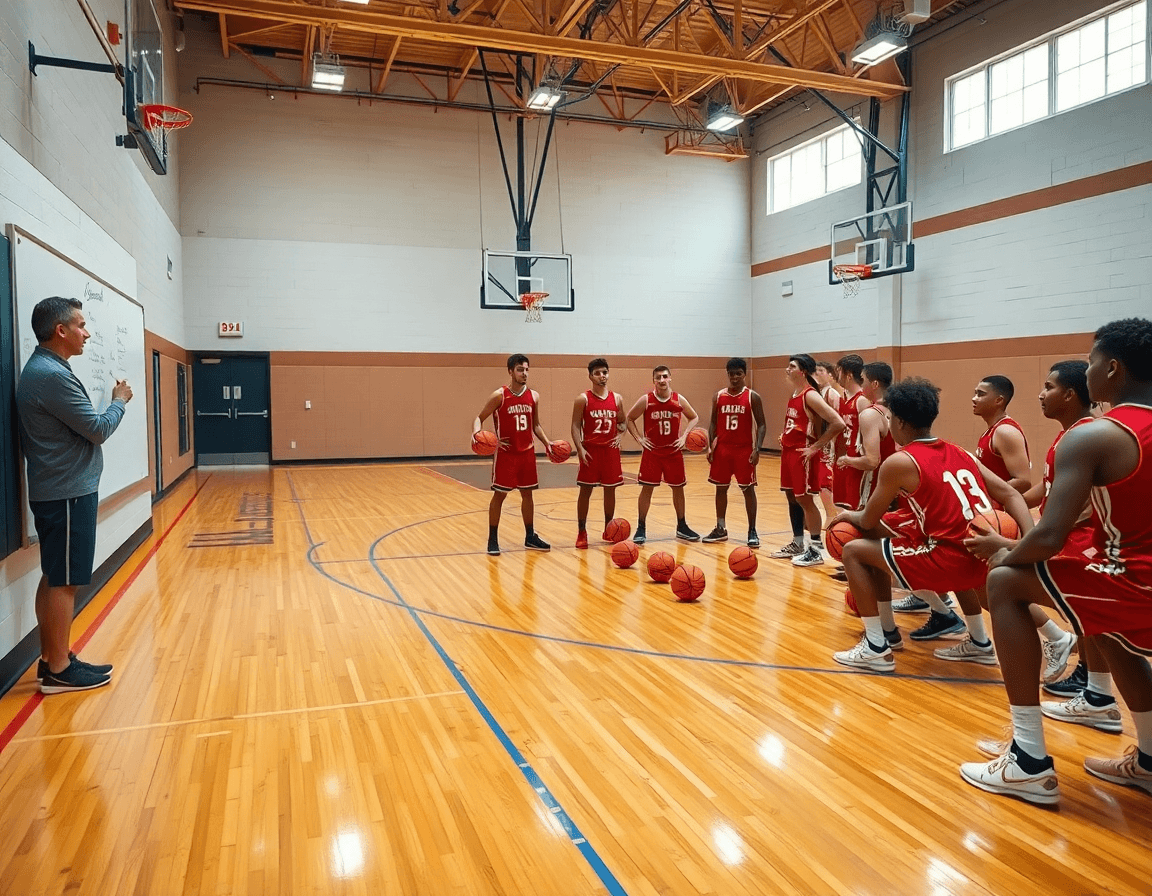
Core drill categories to include in a weekly plan
In my weekly plan, I anchor everything around five core drill categories that carry through every practice: ball handling, shooting, finishing at the rim, defensive drills, and conditioning. For the week I look for progression within each bucket to keep it fresh, while stacking them into a coherent rhythm that mirrors game tempo. This approach helps surface the best basketball drills for high school without chasing flavor-of-the-week ideas.
On the plan day, I map a logical progression for each category. For ball handling, we start with two-ball dribbles, then add change-of-pace and pressure handling to simulate a full-court press. In shooting we begin with form work, move to catch-and-release, and finish with game-speed shooting to mirror transition and pull-ups. For finishing at the rim, we layer layups from both sides, floaters, and contact finishes, using the Mikan drill to emphasize touch and timing. In defensive drills, we progress from shell drills to closeouts and then stance and footwork under a ball screen. And in conditioning, we blend basketball-specific endurance with speed work—sprints, suicides, and pull-ups—so players feel breath control during pattern reps. Finally, I build in progression so each category stays game-like: start with technique, add decision-making, then introduce tempo and fatigue to mirror late-quarter urgency. All of this lives in my plan, the tactical whiteboard diagrams for sequences, quick video clips for demos, scouting notes to tailor reads, and shareable playlists for players to rehearse reps between sessions.
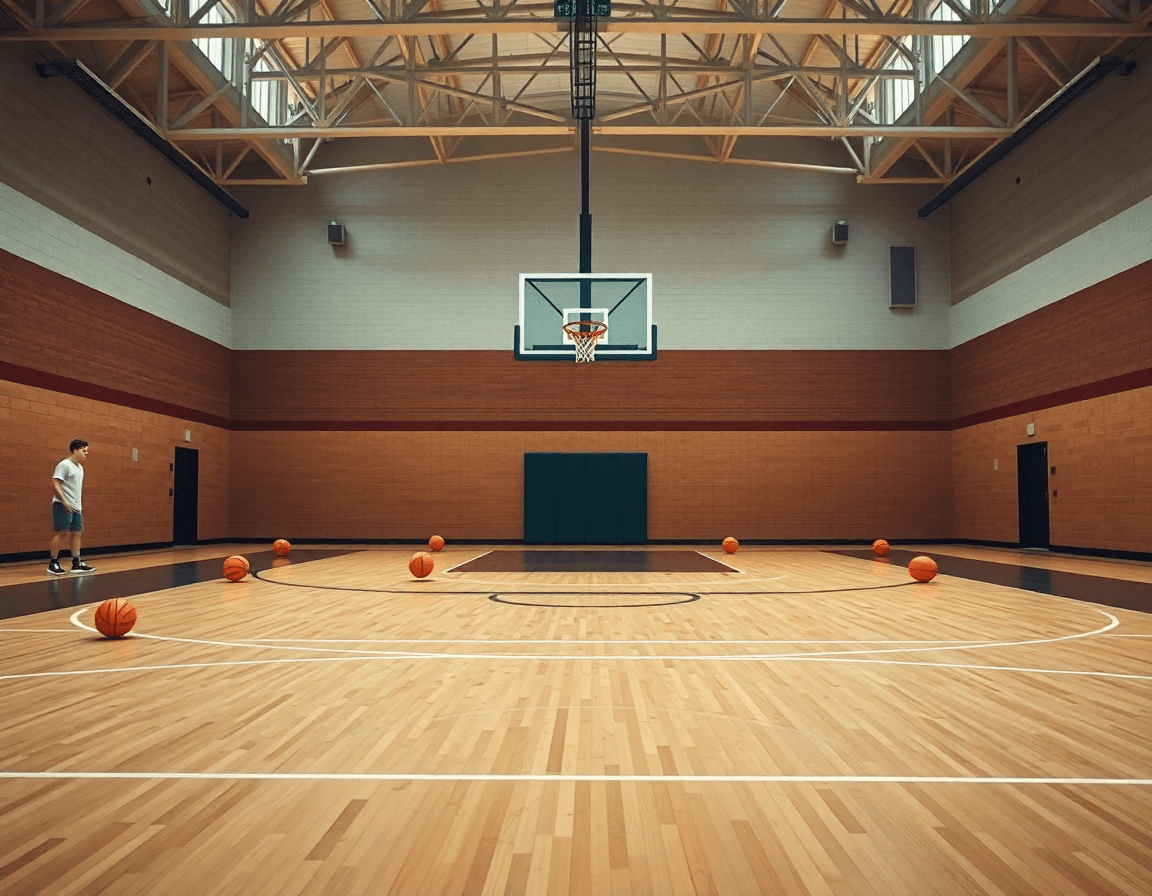
60–90 minute practice blueprint using these drills
To nail the best basketball drills for high school in a 60-90 minute practice window, I start with a clear plan. Time-slice the session into four blocks: warm-up, skill blocks, live-rep periods, and conditioning. In the warm-up, we hit dynamic movement, footwork, and light ball handling to wake up the hands. The skill blocks break into stations for ball handling drills, shooting drills, and finishing at the rim; each block runs 8–12 minutes with a quick technique check. That structure sits in my weekly drill plan, and I map the progression on the whiteboard so assistants see where we’re headed. It’s all part of the practice plan high school basketball.
To maximize reps without overload, use stations or drill ladders. Stations let players rotate through ball handling, finishing, and shooting while staying in control of pace. Drill ladders set a steady tempo—reps, reset, then move. Pair players by skill level so sessions stay challenging but doable for everyone. A few go-to drills cover the bases: Mikan drill, shell drill, and finishing at the rim under contact.
Midway, bring in a short period of scrimmage to apply the drills in a game-like context. A controlled scrimmage keeps your defense honest and lets players read conditions. Even in this block, weave in defensive drills and rebounding drills—box-out drills ensure proper positioning. A quick video clip after reps reinforces correct footwork and positioning.
Finish with a cooldown and injury-prevention routines. A brief cooldown—dynamic stretching and mobility work—supports recovery. End with a short circuit focusing on ankles, hamstrings, and hips. Note standout moments for the shareable drill playlists players can review between sessions. This 60-90 minute blueprint slots into the weekly drill plan, tying planning, the whiteboard, and video feedback together.
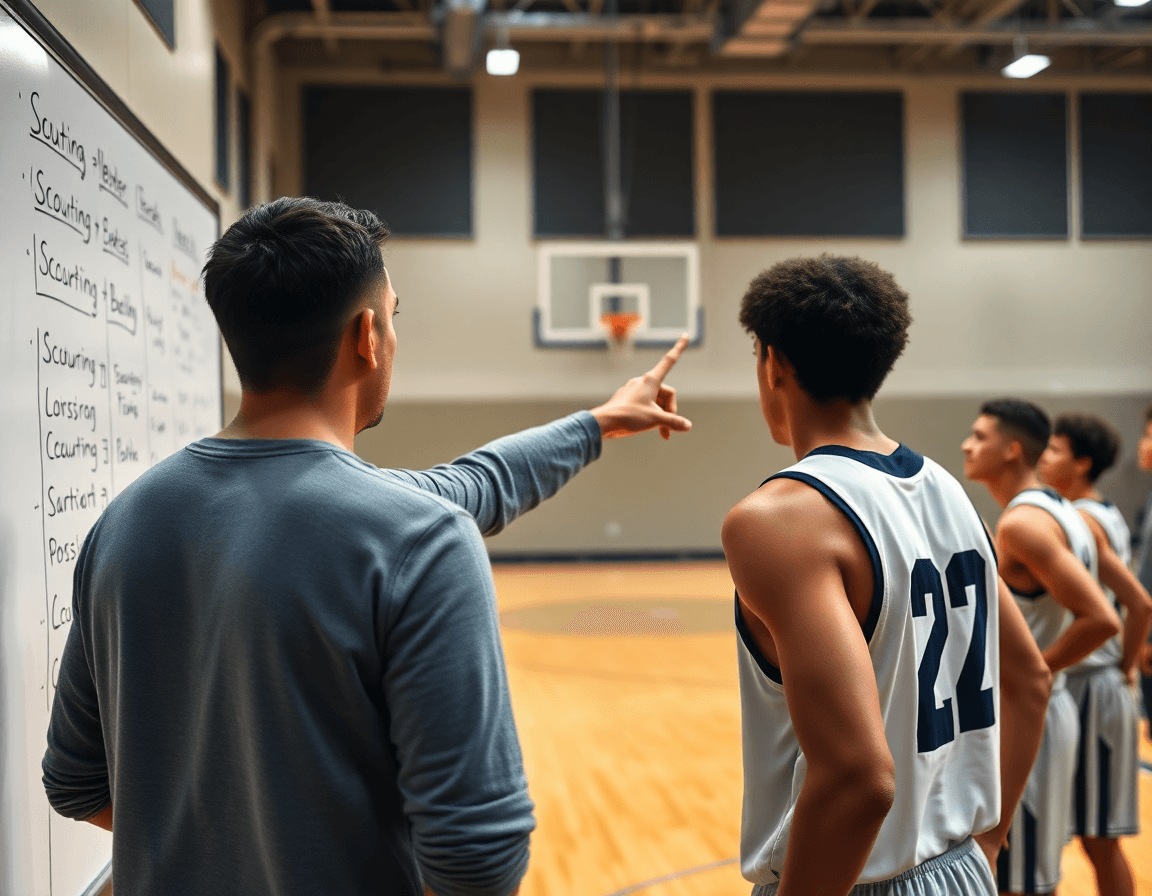
Practical weekly workflow: plan → whiteboard → video → scouting → playlists
To run a practical weekly drill cycle, I start with a plan. I pull from the drill library and map a cohesive arc that covers ball handling, shooting, defense, and finishing at the rim. We assign days around emphasis: Day 1 ball-handling and shell work, Day 2 shooting under fatigue, Day 3 defense, Day 4 finishing, Day 5 situational reps. This practice planning workflow keeps the squad aligned and scalable for juniors and seniors, weaving in staples like the Mikan drill, shell drill, and box-out drills into one week.
On the whiteboard, I diagram progressions and decision points that guide the reps. From a basic ball-screen action to BLOB/SLOB/ATO/PnR sequences, the diagrams map how players should read and react. If we attack early, we run this progression; if the defense pressures us, we pivot to a counter. The whiteboard diagrams help a new assistant follow the flow and keep the staff aligned.
For video, I run clips during and after practice: capture reps, tag key moments, clip the finish at the rim and a quick ball-handling sequence, then share with players for feedback. Short video clips on shooting drills give shooters a concrete target. We use video clips coaching to reinforce technique and decision-making.
Scouting: I tailor drills to anticipated opponents based on scouting reports. If notes point to a switch, we emphasize shell drill and early pressure on ball handlers. We adjust looks for defense and rebounding while keeping our core rhythm. Scouting notes guide the sequence, so practice feels purpose-built.
Playlists: at the end of practice, I assemble shareable video playlists for players to review drills and clips. A single link can include ball-handling drills, shooting sequences, and reads on PnR. Players study the playlists during film sessions and on their own, reinforcing what we worked on in the plan and on the floor.
Tailor drills to opponents using scouting insights
Translate scouting findings into drill emphasis as soon as the report lands. In our weekly plan, I tag key points under “scouting for drills” so the staff stays aligned on game prep. If the opponent pressures ball handlers, we boost ball handling drills with live-pressure reps, add quick-reaction footwork, and simulate full-court flows to practice resilience under pressure. When they over-rotate to help, we tighten spacing and drive-and-kick reads to mirror late-game decision-making. A couple short video clips from the scout library help players visualize the exact reads before we pull the trigger on the drill block.
Next, adjust defensive shell drills and attack concepts to exploit opposition tendencies. If scouting notes show a baseline squeeze, we tune the shell drill to mirror their coverages and rotations, and we attack with quick ball reversals and skip passes. When they hedge on ball screens, we practice decision points in attacking zones and emphasize help-and-recover timing. The aim is to convert tendencies into repeatable reps that sharpen our game prep.
From the scouting report, we design 2-3 opponent-specific scout plays to practice in controlled reps. We diagram the action on the whiteboard, load the related video clips, and test the reads in tight, controlled drills. The goal is to translate the plan into action—so players feel how a pressure read or rotation should become a pass, a cut, or a finish. Results go into the scouting notes and into the drill playlists for quick review.
Document adjustments to track what works week-to-week. I update the scouting notes with outcomes from practice and push refined versions of the drill week into the plan. This keeps opponent prep tight and game prep coherent across planning, whiteboard, video, and playlists.
Implementation tips and a printable weekly checklist
As a coach who runs a structured weekly workflow, I start with injury prevention integrated into dynamic warm-ups and mobility work. Before drills—ball handling, shooting, defensive shells, and finishing at the rim—I map the week in planning mode, then translate it to the tactical whiteboard with diagrams for BLOB/SLOB/ATO or PnR. I pull a few video clips to illustrate progressions and build shareable drill playlists for a quick async review. The goal is to progress each day while keeping players fresh and focused, and to have a clear throughline from drill to game-week execution.
On the floor, Safety considerations guide every decision. I design practice blocks with controlled spacing, prefer non-contact progressions early in the week, and require clear supervision. We rotate through ball handling, shooting, defensive drills, and finishing at the rim with visible cues. If a player is returning from an injury, we follow simple return-to-play checks and scale load accordingly.
Here’s a simple printable weekly checklist to run the plan: Plan the week, Practice with a focus on conditioning for basketball, Review video clips and scouting notes, Adjust the plan for next week.
- Plan the week using scouting reports and a primary focus for each session (e.g., ball handling drills, shooting drills, defensive drills, rebounding drills).
- Practice with thorough warm-ups and injury prevention work, incorporating box-out drills, Mikan drill, and shell drill as appropriate.
- Review with players using video clips and quick feedback, note return-to-play considerations if any athlete is dealing with an issue.
- Adjust the weekly plan based on performance, player feedback, and observed trends.
To reinforce learning, I reuse clips and plays from previous weeks by building a short playlist for each player. We cycle through a shell drill progression, then a finishing-at-the-rim sequence, and pull a few scout plays to highlight tendencies. The aim is consistency: players encounter the same concepts in varied contexts, building solid conditioning for basketball and tangible improvements in the week.
If you build plans like this every week, CourtSensei keeps your drill library, whiteboard, and video clips in one place — try it free.
FAQ
What are the best basketball drills for high school players?
To elevate a high school team, prioritize five core drill categories: ball handling, shooting, finishing at the rim, defense, and conditioning. Build age- and skill-appropriate progressions, keeping reps crisp and decision-making game-like. Core anchors like the Mikan drill for finishing and shell drill for defense translate to real action. Clean technique plus intent shape every rep.
How should a high school basketball practice be structured?
Structure around a 60- to 90-minute window split into four blocks: warm-up, skill blocks, live-reps, and conditioning. Use stations to rotate players through ball handling, shooting, and finishing at the rim, keeping pace and focus. Tie drills to a weekly plan and include whiteboard diagrams and quick video clips so assistants and players stay on the same page.
Which ball-handling drills are most effective for high school guards?
For guards, emphasize progressive ball-handling work: two-ball dribbles, tight-pace changes, and pressure-handling from half to full court. Add decision-making under fatigue and read-and-react drills to simulate in-game reads. Pair this with a quick transition-to-pull-up flow in shooting blocks. Consistent emphasis on ball handling and change-of-pace keeps guards confident with pressure and space.
How long should high school players practice basketball drills?
Most programs run 4-5 practice days per week, with each session lasting 60-90 minutes. Balance skill blocks with conditioning and enough rest between high-intensity segments. Emphasize purposeful reps rather than volume, and adjust the cadence by season phase. A weekly drill plan keeps players fresh and allows for steady, trackable progress.
What essential defensive drills should high school teams run?
Defensive work should center on shell drills, closeouts, stance and footwork, and ball-screen defense. Start with shell drills to build reaction and communications, then progress to closeouts with contest and recover, and finally practice positioning against ball screens. Add box-out and rebounding drills to finish possessions. The goal is smart, active minutes and disciplined help.
What is the Mikan drill and why is it used?
The Mikan drill is a finishing drill focused on touch and timing around the rim with a high arc and alternating hands. Use it to train touch off the backboard and to reinforce under-control finishes in tight spaces. Integrate it into finishing blocks and pair with reps that mirror contact and sequencing.