Defensive Tactics in Basketball: A Coach's Weekly Plan
A coach-focused guide to defensive tactics in basketball, outlining a weekly workflow for drills, rotations, and film review to sharpen team defense.

Key takeaways
- Set weekly defensive goals focused on defensive rotations, transition defense, and ball pressure.
- Define on-court responsibilities: who communicates, who slides, and who closes out, with accountability across players.
- In practice, align drills to game objectives: ball pressure, rotations, and transition sprinting.
- Use whiteboard diagrams and PDFs to reinforce looks; keep clips and scouting notes tight.
- Clip and label possessions by defense type to quickly pull practical teaching samples.
Define weekly defensive goals
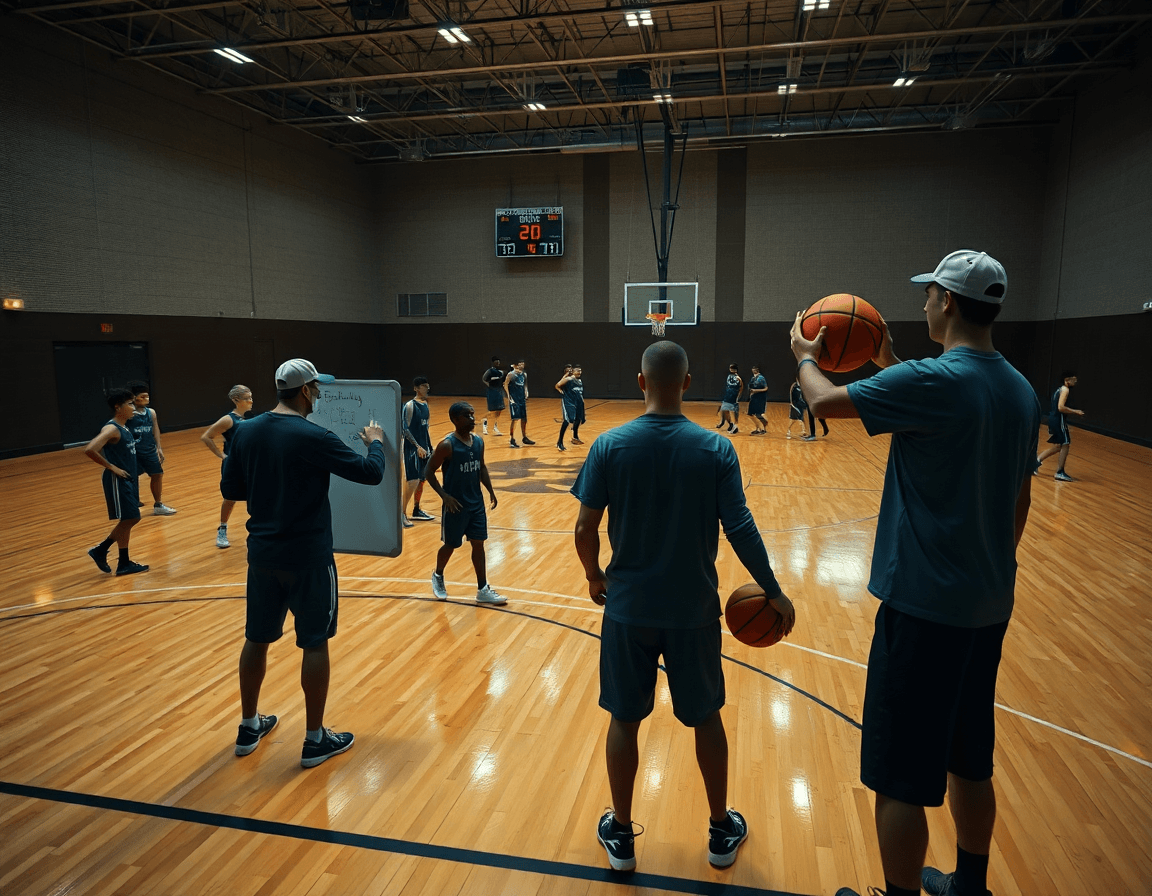
Sunday night I lock in the weekly defensive goals. My top priorities for the week revolve around three areas: defensive rotations, transition defense, and ball pressure. I map out 2–3 core concepts we want to execute in every set, then tailor them to the opponent we expect. If we’re facing a team with quick ball handlers, we dial up pressure; against a bigger, patient squad, we emphasize spacing and help defense. In the plan, I decide which look we’ll ride in the half-court and when we’ll switch to a zone or a press look. All of this goes into the Practice Plan and gets sketched on the taktička tabli with clear rotations and coverage—exported as a quick PDF for the staff.
Next, I clarify on-court responsibilities. We answer: who communicates, who slides, who closes out. In practice, the on-ball communicator sets the tempo, while the wings stabilize the help defense and the rim protector terms up when to tag cutters. On the whiteboard, I label who defends the ball screen, who rotates to the weak side, and who takes the ball-recovery path. The diagrams also pull in concepts akin to BLOB/SLOB visuals for defense, so players see exact routes and spacing. It’s not just theory; it’s a clear chain of accountability—communication, slides, and closes out become habits that carry over to scouting notes and clips.
Finally, I tie weekly goals to drills and game expectations. Each drill links directly to a game objective, whether we’re sharpening ball pressure in live-ball situations, tightening defensive rotations in drop-and-help sequences, or sprinting back to defend in transition defense. After practice, I pull a short video clip of a defensive possession and drop a quick scouting note highlighting what we’ll expect from opponents and how our rotations handle it. The result is a cohesive week where plan, board, video, and scouting reinforce what we need on the floor.
Design drills for man-to-man and zone defense
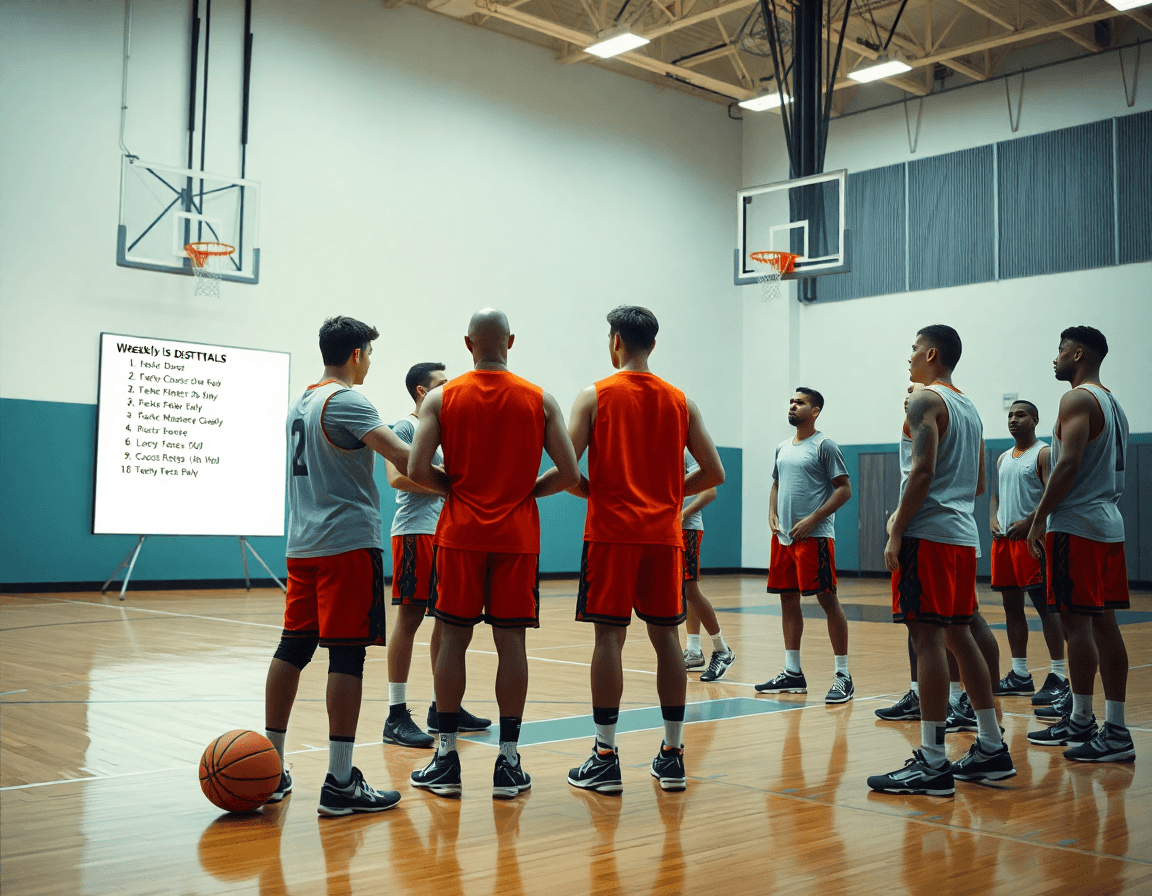
Designing drills for both man-to-man defense and zone defense isn't about choosing one path—it's about building a durable toolkit you can pull from weekly. This approach keeps your defensive tactics in basketball practical. Start with two templates: one for man-to-man that emphasizes guard-spot pressure, voice communication, and denial angles; and one for zone that emphasizes spacing, gap integrity, and ball-side overloads. In both templates, map the drills to your weekly goals and slot them into the plan. The core pieces keep coming back: conditioning, fundamentals, and decision-making.
Within each template, design blocks that build the key actions: closeouts with balance and vision; help defense that stresses timely recoveries and communication. For the zone block, run half-court and full-court drills that emphasize how the defense shifts and recovers. Then simulate common offensive sets—handoffs, reversals, and pick-and-roll actions—to practice the rotations your players must make. You want players to feel the tempo and the angles, not guess them.
To keep it practical, drop these into your weekly plan, diagram the assignments on the whiteboard, and keep a quick reel of defensive possessions in your video clips library for players to study. Emphasize rotations in your coaching cues and use clips to reinforce the right angles and timing. If you pair this with scouting notes, defenders will know how to adjust to tendencies without reinventing the wheel.
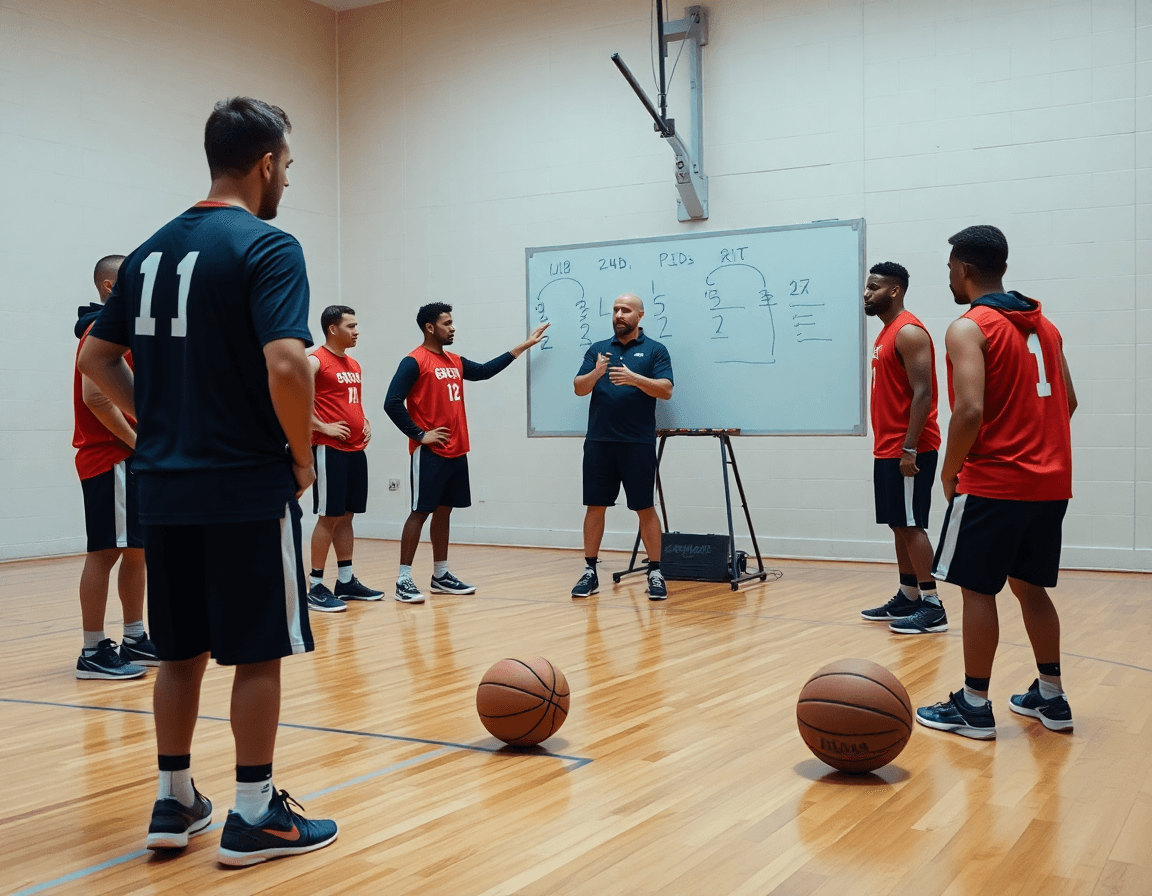
Diagram defensive schemes on the whiteboard
On Monday’s defensive install, I pull up the whiteboard and start diagramming our schemes. I map out the base looks across man-to-man and zone defenses, then layer in actions like defensive rotations, hedge schemes, trap defense setups, and switches. For pack-line defense, we show the fronting lanes and the willingness to sag into passing lanes while staying connected. When we need pressure, a pocketed full-court or press defense is sketched with the same care as half-court defense, so players see how transitions will flow. The goal is clarity: every defender knows where to shade, when to help, and who steps up to contain the drive.
Next, I annotate rotations for different ball handlers and for various ball-screen concepts. The diagram shows who fronts, who sinks into help defense, who rotates to the ball, and where we switch defense when the ball comes around on screens. For a pack-line, the rotation triggers off the point guard’s drive; for a zone look, we highlight lane responsibilities and crash points on the weak side. If we need to pressure, the diagram also maps switch defense cues and when to cue against ball reversal, so the unit stays compact under pressure.
Once the whiteboard sits, I export the diagrams as PDFs for staff and players. A clean, one-page diagram per defensive look lets assistants run walkthroughs in practice and players reference clips during pregame warmups. I also attach quick notes on the reads: where to deny, when to shade the ball, and how to recover from a miscue.
Clip and review key defensive possessions
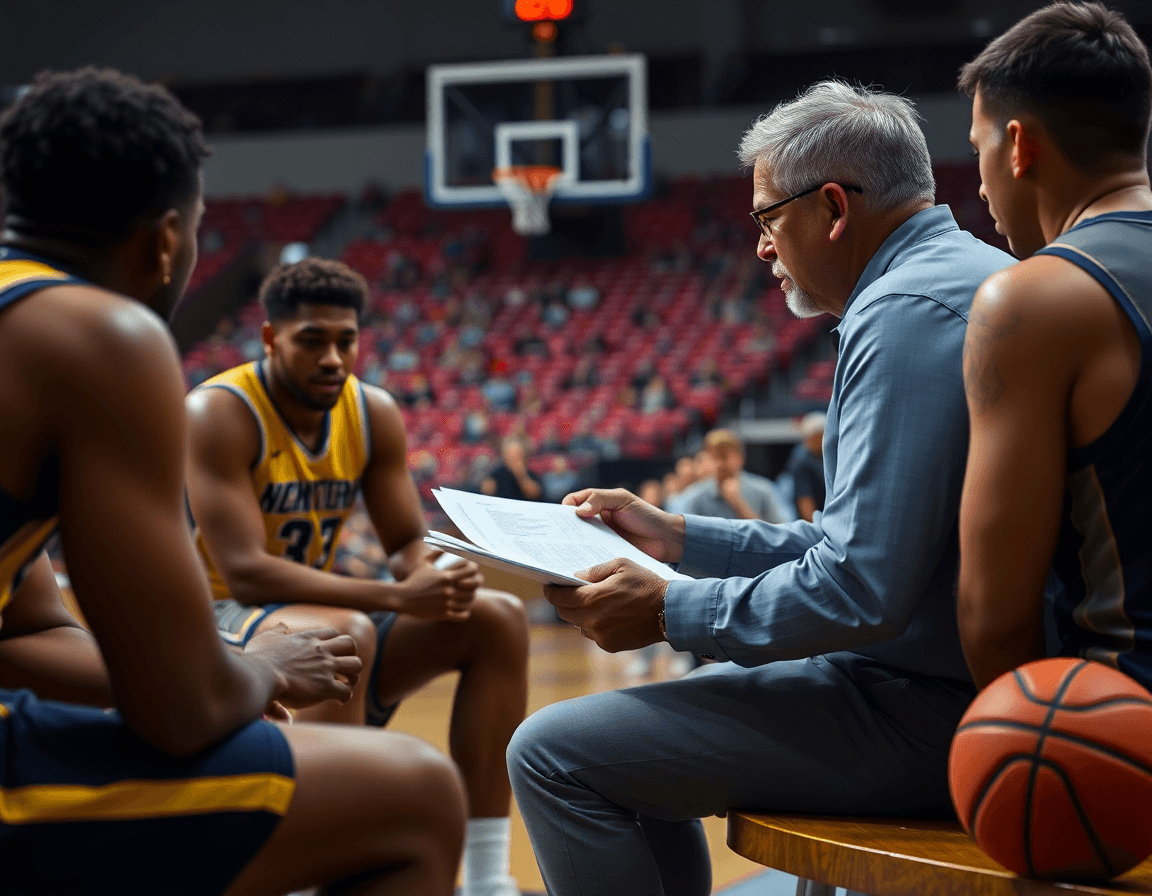
Clipping and review start with a simple objective: collect clips that show how our defense travels from ball pressure to the paint. In practice and film sessions, I pull sequences that highlight ball pressure on the ball handler, protect the paint, and the moments when help defense recovers to crowd space. I like clips that show a defender's stance, a quick closeout, and how the rim protection holds up when the drive comes. Short edits keep the material usable for players to study between drills.
Tag clips by defense type: man-to-man defense, zone defense, full-court press, half-court defense, transition defense, and the rotations that connect them. In CourtSensei I tag each clip with the corresponding scheme and the rotation involved—so I can pull a quick set for 'ball pressure against man-to-man' or 'paint protection vs zone'.
Share concise feedback with players via playlists. Each clip gets a one-liner and a quick coaching point—"stay tight on the drive" for ball pressure, or "raise your head and close out" for closeouts—plus a note on the next step in defensive rotations or transition defense. The goal is to make feedback actionable and portable, so players can review the clips on their own and come back ready to replicate the read.
Scout opponents and tailor your defense
Defensive scouting starts the week. I compile scouting reports focused on the opponent’s pick-and-roll actions and shooters. I want to know where they hurt you after a ball screen, who triggers secondary actions, and how they space the floor late in clock. We clip games and practices, annotate tendencies, and translate those notes into a concise plan for our defense. This is where defensive tactics in basketball meet a coach’s weekly routine, and I circulate the essentials to assistants via a few clear clips and notes, ready for discussion on the whiteboard.
Pre-plan counter-rotations and callouts for their typical sets. If they run a horn action into a ball screen, we map out pre-planned rotations and verbal cues for the on-ball defender and the help defender. We label rotations in the plan using language our players understand, so in the game they hear the call and react. Strong emphasis on defensive rotations and help defense ensure our shell holds while we scramble to limit shooters.
Prepare scout plays to counter with your defensive schemes (e.g., pack-line, box-and-one). Build a handful of scout plays that translate directly to practice reps and game-day adjustments. I drop the corresponding clips into a shareable playlist for players, and I generate a quick PDF on the whiteboard showing alignment vs. their top looks. If we see a guard who loves the pull-up from the corner, we’ll swap in a tailored strategy—packing the lane with pack-line defense pressure or going box-and-one when needed. The goal is a compact, repeatable plan that our players can study during video time and on the bus.
Practical workflow step: execute your weekly defensive plan
At the start of the week, I finalize the practice plan and the whiteboard diagrams, zeroing in on the core of defensive tactics in basketball. The focus is twofold: defensive rotations to keep feet in the right places, and transition defense to sprint back when the ball changes possession. I map it all on the board for the staff and drop it into the weekly plan so assistant coaches know exactly what to run in the first blocks. The kids get the message early: our identity on defense starts with the rotations and the pace we set getting back.
During practice blocks, we execute the plan: drill blocks that reinforce the rotations, from full-court press to half-court defense, then clip the key reps for quick review. I label a few quick diagrams for the defense on the whiteboard, including PnR defense visuals and ATO adjustments, so the crew can see where help defense needs to arrive and who covers the opener. We keep a short video clip of the best reps for players to study, and we assemble a playlist of those clips so defenders can study and compare performances across practice and scrimmage.
On game day, scouting notes guide our rotations and matchups. If the opponent tests our ball-screen coverage, we tweak defensive rotations and switch assignments; if they spread us out, we lean into zone defense with sturdy help and hedging. We keep a quick on-floor communication routine and pull up a few clips from our playlist to reinforce the plan during timeouts. After the game, the notes and clips go back into the system so we’re ready to refine next week’s plan.
If you build plans like this every week, CourtSensei keeps your drill library, whiteboard, and video clips in one place — try it free.
FAQ
What are the most common defensive strategies in basketball?
Basketball defenses mostly boil down to two core approaches, plus a few pressure looks. The most common are man-to-man defense and zone defense. Teams mix in pressure, traps, and smart help rotations to slow opponents. The real difference is how close you ride ball handlers and how you shade cutters. Adaptability—changing looks midgame based on matchups—pays off more than any single scheme.
How does man-to-man defense work, and what should you prioritize?
Man-to-man defense centers on staying with your matchup, pressuring the ball, and denying easy reversals. Communication and tight ball pressure set the tone, while disciplined rotations seal off lanes. Focus on on-ball pressure, smart helps, and quick recovery to your man. The result is fewer clean looks and more forced errors for the offense.
What is zone defense in basketball, and when should you use it?
Zone defense relies on positioning and gaps rather than sticking to one matchup. Players guard space, protect the interior, and guard cutters from angles. It’s effective when you want to slow a faster team or protect a shot-maker. Emphasize spacing, gap integrity, and ball-side overloads so you can recover and contest without chasing.
When is a full-court press used, and what should you watch for?
Full-court press is a high-risk, high-reward tool used to speed up opponents and create turnovers. Deploy it in favorable moments—late game, after a stop, or against teams that struggle with pressure. Plan trapping angles, recover quickly, and maintain your spacing to avoid layups if the press breaks down. The goal is to force mistakes, not fatigue your squad.
Why is transition defense important, and how can you improve it?
Transition defense matters because even good teams give up fast breaks. Get back with urgency, locate shooters, and protect the paint on the fly. Communication speeds up the sprint, and your weak-side help must shade to the drive. Practice back-pedaling and sprinting the lane so you reach balance before the opponent crosses half-court.
How can teams defend against pick-and-roll actions?
Defending pick-and-roll actions comes down to disciplined reads: hedge, drop, switch, or trap. Each call has risks—hedge slows the ball but can open kick-outs; drop protects the lane but invites deep reversals. Practice the options, align with your base schemes (man or zone), and emphasize quick rotations to keep shooters in front.