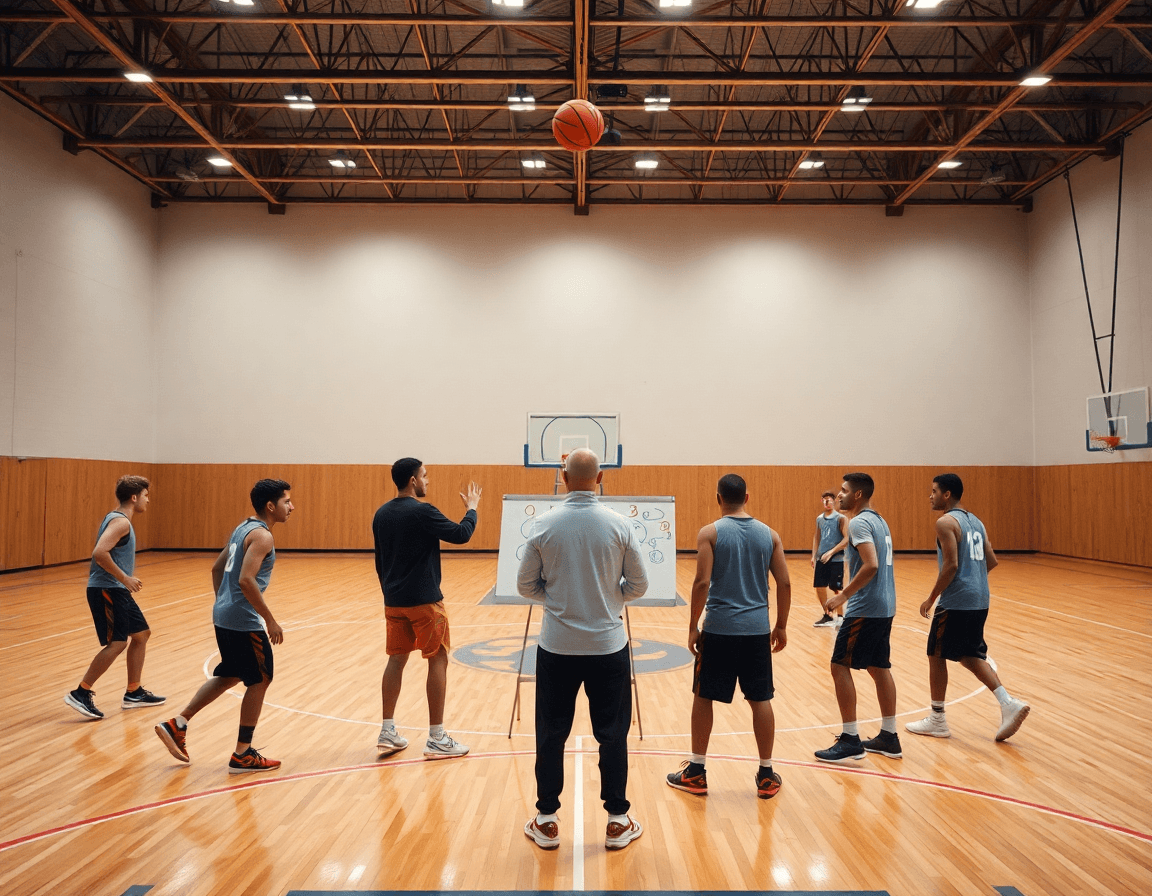
3 2 matchup zone defense: weekly coach workflow
Coaches weekly guide to installing the 3 2 matchup zone defense: planning drills, rotations, scouting reports, and video breakdown for practice efficiency.

Key takeaways
- Define a weekly rhythm: shell work, ball-top reads, and documented rotations in CourtSensei.
- Emphasize rover, wings, and posts roles with fixed language; pair PDFs and clips.
- Sequence entry denial: when high post is threatened, rovers and wings collapse to passing lanes.
- Trap options: corner and post traps; rehearse recoveries to maintain balance and avoid over-rotation.
- Live reps and situational reps Friday; tie feedback to rotation timing and skip-pass discipline.
Understanding the 3-2 matchup zone from a coach's weekly lens
From a weekly lens, the 3-2 matchup zone defense is three across the top and two near the blocks (low posts). The rover roams between the top line and the middle, the wings guard the wings, and the posts anchor the bottom line. In a typical install, the focus is denying the high post, protecting the middle, and securing the rebound. What sets this defense apart from others is that rotations aren’t fixed— they hinge on ball movement and the need to deny entry to the high post.
Rotations are driven by ball movement, not a scripted sequence. Drills emphasize the rover chasing skip passes, the wings denying on the wings, and the posts holding the blocks and rebounding. When the ball enters the high post, the top-line defenders slide to seal the area while the rover and the weak-side wing collapse into passing lanes. The aim is high-post denial and forcing contested shots, not letting ball reversals open gaps. In practice, you’ll see a trap on a risky skip pass or dribble penetration and players scrambling to recover.
Weekly metrics include defensive stops, rebounding, rotation timing, and transition gaps. In CourtSensei you map out the plan, diagram rotations on the whiteboard, clip and organize game footage, and build opponent-specific scouting notes. Then assemble shareable video playlists for players to study the week’s install and translate it to the gym floor. Keep the loop tight: after the film, rework the plan for the next week based on what you learned from the clips and scouting notes.
Practical workflow: install the 3-2 in a 5-day weekly cycle
Installing a 3-2 matchup zone in a real program starts with a concrete weekly rhythm. Day 1 centers on shell and ball-top emphasis. We rep the rover at the top, high post, low post, wings, and posts in dependable rotations, then lock the day into a solid practice plan from the library and assign tasks to assistants. Early reps stress reading the ball, sliding gaps, and handling dribble penetration so the base looks solid before we complicate it.
Day 2 adds rotations and wing traps. On the whiteboard, we diagram the flow: rover up top, wings pinching to deny the ball, posts dropping to cover skip passes. Export the flow as a PDF for staff and players so everyone’s speaking the same language. We keep the core protections—angles, house rules for when to trap, and how to rotate out of pressure—while pushing a quicker tempo to simulate real-game shifts.
Day 3 dives into trapping patterns, Day 4 into skip-pass reactions. We sketch several trap angles (strong-side wing, weak-side post) and rehearse recovery lines. Scouting notes ride alongside the plan, with a quick video clip of the opponent’s weak-hand dribble or a predictable skip-pass read. Attach clips and a short scouting summary to the day’s plan, and organize a small playlist so players can review the read-and-react cues on their own time. Terms like rover, high post, low post, wings, and posts become familiar anchors in the workflow.
Day 5 is live reps and situational reps. We fuse everything into live-ball work, then cap with quick feedback loops and a staff-wide PDF of the day’s flow. The goal is a clean, repeatable weekly cycle you can actually measure: shell discipline, rotation timing, trap effectiveness, and skip-pass discipline, all tied back to the weekly workflow.
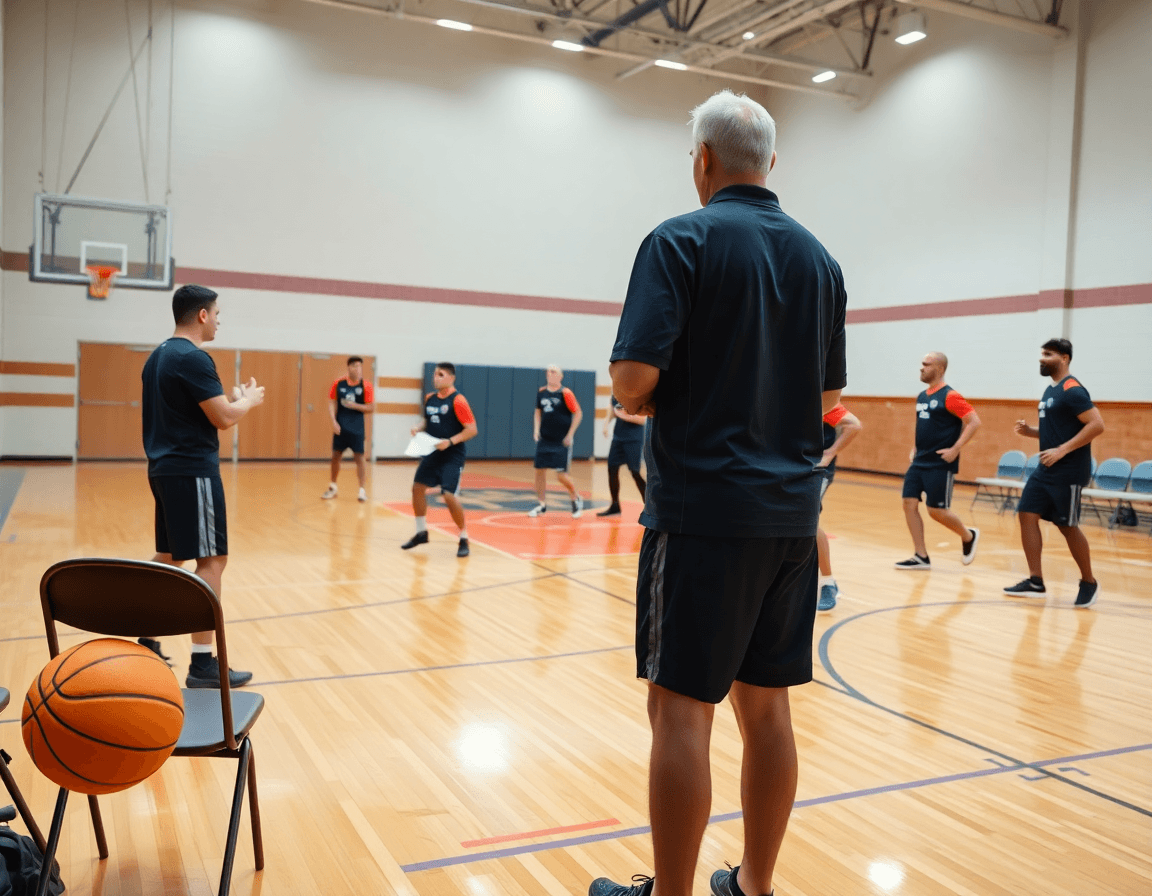
Position responsibilities: rover, wings, and posts
In a 3 2 matchup zone defense, the rover sits between the top and the wings. The rover's job is to deny the high post entry, pressure the passer at the top, and direct passes toward the wings and posts. When the offense targets the top, the rover stays connected, funnels the ball toward the wings or the posts for the next rotation, and settles into the help slot if a drive starts. In our weekly plan, we drill this sequence on the whiteboard and in shell drills so rotations click under pressure.
On the wings, players press and trap on the top half, pinch to the middle, and support ball-side rotations. The aim is to disrupt the skip pass and deter dribble penetration by sealing the lanes and forcing tough decisions for the ball handler. As the ball swings, the wings help bend the action toward the baseline and assist the defense of the low post when needed, keeping the paint crowded and the ball out of open shots.
For the posts, the job is to guard blocks, front the rim, and secure the rebounding zone. They read ball-side passes and are ready to rotate into the low post if the ball slides to the weak side. In sequence changes, the posts talk to the rover and wings, calling out when to drop or step up to challenge the skip pass. We assign roles based on personnel and emphasize crisp communication during rotations so the defense remains connected and stable through the sequence.
Rotation and trapping sequences: executing with discipline
During the weekly plan, I diagram the ball-top rotation for our 3-2 matchup zone. The top defender follows the ball, while the wings drop into the middle to clog the lane and the posts track passes to the corners. This keeps the ball from turning the corner and limits entry passes into the high post. I label this sequence as rotations in CourtSensei and attach a short clip and a whiteboard diagram so assistants can mirror it during the walkthrough.
Two trap options live in the toolbox: corner traps and post traps. A corner trap comes when the ball arrives on the strong-side corner or after a skip pass; a quick trap with the backside defender disrupts the passer and forces a tough decision. A post trap is used when the ball is on the high post or low post, with the wings collapsing to jam entry passes while the guard covers the arc. Recoveries matter—we drill how to slide into balance so we don’t over-rotate. Tag these sequences as trapping in the system, and keep the triggers clear for assistants.
After the trap, the priority is to recover to close-outs and deny dribble penetration through disciplined rotations. If the ball is kicked to the weak-side wing, our rover jumps to pressure and the posts sprint to cut off skip passes. The aim is to prevent a straight line drive; close-outs stay high and square, with hands active. We practice this with a quick drill: trap, recover, deny the skip pass, then reset to the top of the zone. The coaching cues keep players from getting disoriented and ensure balance on every possession.
Coaching cues and communication drills help maintain discipline. A few phrases go a long way: "eyes on ball, hips square, rotate," "watch the corner, then the skip," and "trust the man in the paint." We pair these with short clips from the week—so players see the rhythm of the rotations and traps. Our workflow in CourtSensei ties the diagrams and clips to an opponent-specific scouting note and a shareable video playlist for the squad to review before the next practice.

Rebounding and ball control: building the rebounding triangle
In a 3-2 matchup zone, securing second shots hinges on a clear rebounding triangle across the top and bottom blocks. On misses, the top block (wings and high post) and the bottom block (low post and posts) converge to box out, corral the board, and limit extra possessions. The rover role is to restore order if a carom leaks to the weak side and to pressure the outlet pass. I sketch this on the tactical board during weekly plan sessions, then pull a short video clip to illustrate the angles and rotations.
To execute the rebounding triangle, focus on the box-out and the stance fundamentals that protect the weak side and boost consistency. Players anchor with a low, athletic stance—hips down, chest to the opponent, feet shoulder-width apart. Front the man and seal with the hips as the rebound arcs toward the rim. The alignment shifts with the top/bottom blocks: read the high post and low post positions, keep wings ready for the skip pass, and rely on the rover to chase long caroms. We drill this in the plan with a drill clip that shows proper finishes, and we attach scouting notes about the opponent’s weak-side board pressure so a player can anticipate where the rebound will go.
Securing the defensive rebound translates directly into transition timing and increased possessions. An early outlet to the rover or wings can spark a quick break, or set up a controlled, tempo-driven sequence in the half court. If we win the rebound, we deny the opponent a fast break and gain control of the pace. I capture these outcomes in scouting notes and assemble a shareable video playlist showing rebounds leading to early looks, so players internalize the timing without overthinking rotations during the game.
Scouting and game prep against a 3-2: turning data into action
In our weekly workflow, I start with an opponent-specific scouting report that zeroes in on the 3-2 tendencies and weak points. I pull clips that show how the rover and high post interact with the backline, where the low post and wings can threaten gaps, and where the defense tends to trap or hesitate. I tag clips around key keywords—rover, high post, low post, wings, posts, trapping, skip pass, dribble penetration—so the staff can quickly pull exact examples. This is our living document of the opponent, stored under the scouting reports module and labeled as the opponent 3-2.
From there, I translate film observations into practice adjustments. On the whiteboard, I diagram how we rotate when the ball hits the high post, where the trap comes from, and how the post rotations should slide to deny skip passes. We script how to attack a 3-2 by probing the corners and wings, and we rehearse counter-rotations to keep the offense from loading the strong side. The goal is to turn what we saw on film into concrete drills—tightening rotations, sharpening traps, and refining post rotations so our players recognize angles and cues in real time.
Sharing and integration happen quickly. I circulate the findings to the staff and embed them into the weekly practice plan and game plan. Then I assemble a short video clip library and a set of shareable playlists for players. Instead of dumping notes, we hand players a concise video sequence that reinforces where to help, when to sprint the ball, and how to close out on dribble penetration. This workflow makes the scouting insights actionable the moment we step into the gym.

Video analysis and player development: clips, playlists, and feedback
As we finish the week, I pull video clips from 3-2 possessions—both live and from game film—to show how we move from the rover at the top into the wings and posts during traps and skip passes. I label each clip with rotation sequences so assistants can track who slides to the high post, who slides to the low post, and who anchors the lane. Tagging roles like rover, wings, and posts helps us map responsibilities when the ball is moved and corners are pressured.
On the planning side, I assemble focused playlists for each player: one for the rover and wings learning to trap and recover, another for the posts toggling between high post and low post options. These playlists become a compact library of roles, so a guard can study how a skip pass opens the lane and where to slot for a defendable angle. We emphasize how the defense communicates and swaps after a trap, so players know exactly what to do when pressure arrives.
Sharing is where development happens. I push clips to players via shareable links so they can review on their phones before the next meeting, and I organize clips into a searchable clip library. Players search by terms like rover, high post, low post, wings, and posts, or by actions such as trapping, skip pass, or dribble penetration. I leave quick notes on each clip to guide feedback, ensuring players can replay a sequence and internalize the rotation without guesswork.
If you build plans like this every week, CourtSensei keeps your drill library, whiteboard, and video clips in one place — try it free.
FAQ
What is a 3-2 matchup zone defense, and how is it structured?
A 3-2 matchup zone sits three across the top and two near the blocks. The rover sits between the top and wings, the wings guard the wings, and the posts anchor the bottom. Rotations depend on ball movement and denying the high post entry, not on a scripted sequence. The aim: force contested shots and protect the middle.
How does the rover-wings-post alignment operate in practice?
In practice the rover denies the high post, pressures the top passer, and funnels passes toward the wings or posts. Wings pinch to deny skip passes and deter dribble penetration. Posts front the blocks and communicate with the rover, ready to drop to the low post. When the ball moves, top defenders seal the high post and the rover collapses into passing lanes.
What are the advantages and potential drawbacks of this defense?
Advantages include disrupting entry passes, offering flexible rotations, and solid rebounding in the paint. It protects the middle and can slow ball handlers. Disadvantages: if rotations lag, gaps appear on ball reversals; it can invite baseline ball movement. It also demands crisp communication and discipline to avoid over-rotating.
How do you beat a 3-2 matchup zone effectively?
To beat it, push ball reversals and hit the high post with quick ball movement. Attack with dribble penetration to force rotations, then kick out for open shots on the weak side. Keep the tempo up when skips over-rotate and use skips to stretch the defense. The goal is to stretch gaps and exploit late rotations.
When is the 3-2 matchup zone the right choice?
Use the 3-2 matchup when the opponent relies on high-post action and ball reversals. It’s helpful to protect the middle and limit open shots from the arc. Deploy in specific matchups or late in games when scouting notes show difficulty with skip passes.
What’s a practical 5-day workflow to install the 3-2 matchup zone?
5-day plan: Day 1 shells and ball-top emphasis; Day 2 rotations and wing traps; Day 3 trapping patterns; Day 4 skip-pass reactions and scouting notes; Day 5 live reps with situational drills and quick feedback. Build diagrams, clips, and a staff PDF so everyone speaks the same language.
Can you trap out of a 3-2 zone, and what sequences work?
Yes. Use corner traps on strong-side passes and post traps on the high post, with balance recoveries. Clear triggers for when to trap, and emphasize communication. Practice both corner and post traps to keep the offense guessing and prevent easy ball reversals.