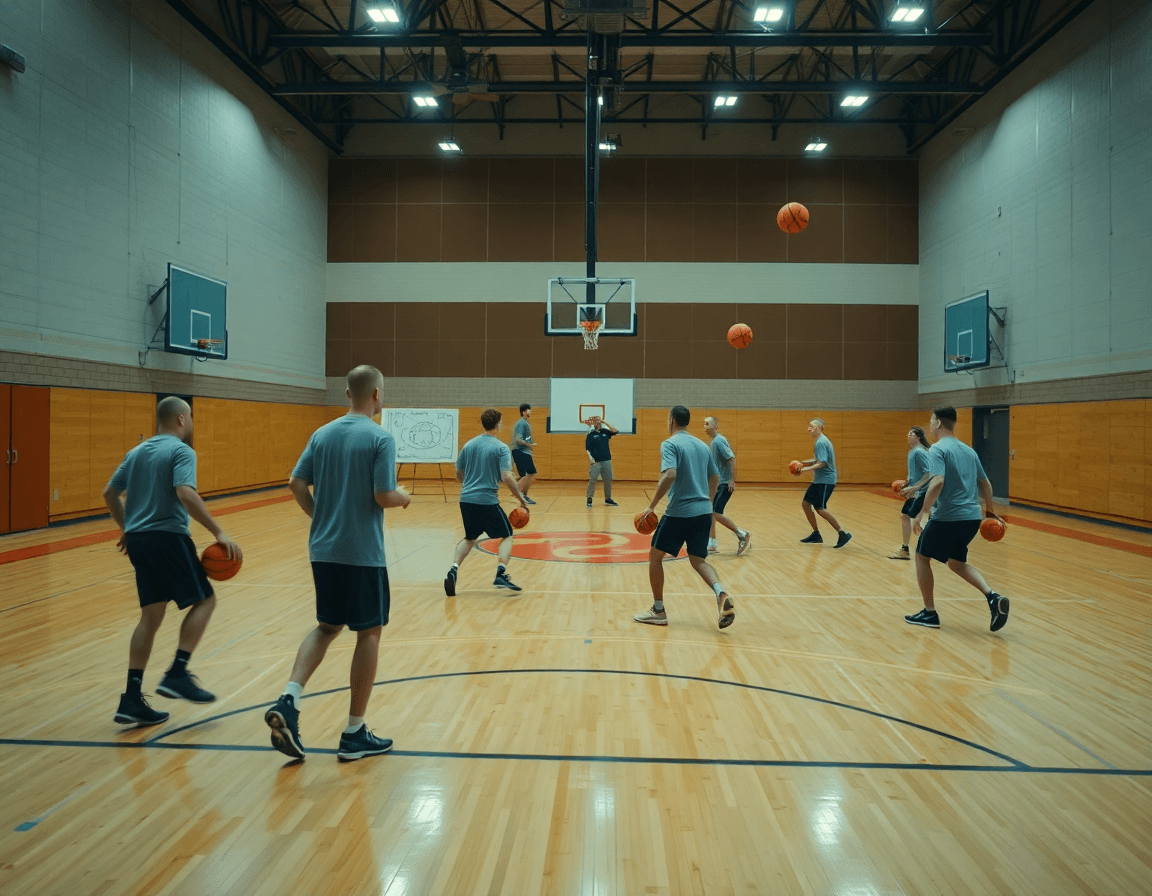
Basketball Plays Against Zone: Coach's Weekly Plan
A coach-focused guide to basketball plays against zone defenses, with a weekly workflow to plan, diagram, practice, review, and execute zone-offense concepts.

Key takeaways
- Lock in a 5- to 6-day cadence: install zone concepts, practice spacing, review film, and adjust to tendencies.
- Build a library of zone plays for 2-3, 3-2, and 1-3-1, mapped to rotation with a single system.
- Leverage Playlists to curate and assign targeted clips, tying them to the weekly plan and scouting notes.
- Maintain a clear weekly cycle: Practice Plans, Whiteboard diagrams, and a shareable PDF of the week’s zone plays.
- Develop quick hitters for common rotations, drop them into the library, and practice until reads feel second nature.
Weekly plan for basketball plays against zone
As a coach who runs a weekly workflow, I lock in a 5- to 6-day cadence for basketball plays against zone: install zone concepts, practice spacing, review film, and adjust based on opponent tendencies. I map out the sequence in a Practice Plan so assistants see the flow and can take notes. The goal is to get players comfortable reading against 2-3 zone, 3-2, and 1-3-1 without overcomplicating spacing.
Start by building a small library of zone plays targeting 2-3, 3-2, and 1-3-1, then map them to your rotation and personnel using a single system. I drop plays into that library during film review, diagram them on the Whiteboard, and export PDFs for staff who missed the session.
During practice, we layer in spacing drills and transitions so players read rotations with purpose. We install zone concepts through quick drills, then add transitions and in-game adjustments so players read and react to rotations with intention. The Whiteboard diagrams lay out paths and actions for each zone set, and we export to PDF so the staff can pull it up anytime.
Use Playlists to curate and assign targeted video clips—show sequences of successful zone attacks, misreads, and adjustments. Tie these clips to the weekly plan so players see the install-teach-rebuild cycle in action. Build and reuse a library of zone-offense sets, and tailor scouting reports for opponent zones. Our scouting notes focus on zone tendencies (where they overload, where they push the ball) and feed back into the Practice Plan.
Key zone offense concepts for common formations
As a coach, I map our weekly zone attack around the three most common looks we’ll face: the 2-3 zone, the 3-2 zone, and the 1-3-1 zone. The objective is simple: keep the floor wide, force ball reversals, and generate inside-out options. We install these ideas in our Practice Plans so assistants can coach the same cues across drills.
Against a 2-3 zone, we set the overload on one side, run skip passes to the weak side, and feed the high post to collapse the middle. The lane spacing helps shooters get clean looks and keeps driving lanes open for kick-outs. In CourtSensei, we build zone offense plays in the Practice Plans and diagram them on the Whiteboard, with counters for rotations.
Against a 3-2 zone, we pressure the top and corners, push the ball across quickly, and look for backdoor cuts when rotations overplay the wing. Ball reversals and skip passes create corner threes or drives to the middle. We rehearse these as zone offense plays and save clips for revision.
Against a 1-3-1 zone, we attack with high post action, wing spacing, and overloads on the strong side to invite drive-and-kick opportunities. We emphasize the flow from the high post to the corner with quick reversals. The concept pairs with scouting notes to tailor zone offense plays to specific teams.
Each concept links to the weekly cycle: Practice Plans, Whiteboard diagrams, and Playlists keep the team aligned; scouting notes shape our counters. If rotations shift, our counters keep players confident within a possession.
Practical workflow: plan, diagram, practice, and review
Every week starts with clear installs in Practice Plans. I map out how to beat zone defenses across the week—2-3, 3-2, and 1-3-1 looks—using a progression from basics to decision-making. The plan keeps assistants aligned and players focused on basketball plays against zone, letting us install a high-post sequence and a couple of overload options. The weekly cycle helps install concepts, track progress, and pressure-test timing under live rebounding and defensive shifts.
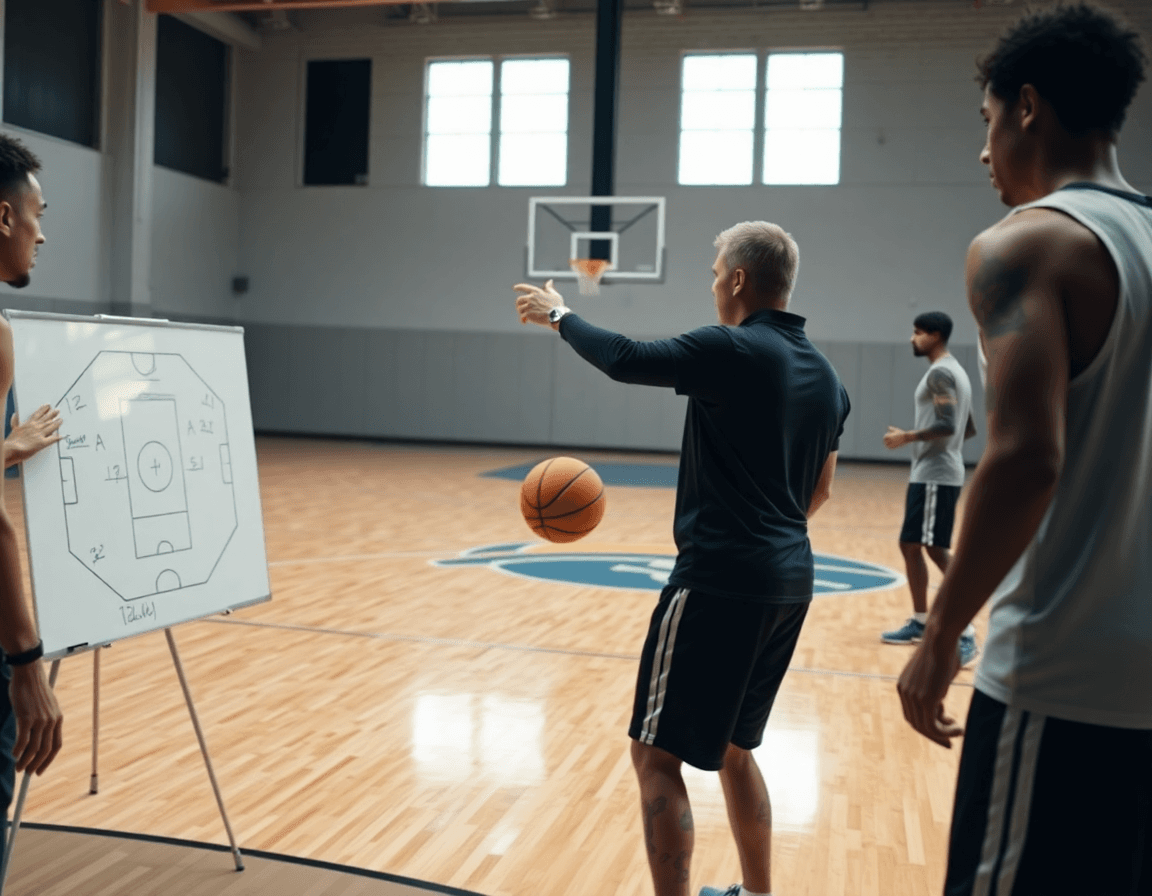
Then I diagram each play on the Whiteboard and attach coaching cues for spacing, entry passes, and reads. I want players to feel the spacing gaps and know when to swing, skip, or attack the middle. A clean diagram with timing cues gives us a reference for zone offense plays during drills, so there’s little guesswork when we rehearse on the floor.
Next, I bundle related clips into Playlists and assign to players for at-home review and in-practice reference. Short video clips show the exact movements—ball reversals, skips, and reads off the high post—so the team can study the tendencies of a given zone defense before we face it. Playlists also let coaches pair a couple of variations with specific players for targeted development.
Finally, I export and share a concise PDF of the week’s zone plays for assistants and players. A one-page PDF keeps the scouting notes, install sequences, and practice-ready cues together, so everyone’s aligned when we step into the gym. This practical workflow reinforces the plan, the board, and the clips, binding them into a steady weekly rhythm.
Build a zone offense library and quick hitters
As you build a library of zone offense plays, you start by tagging every entry by the defense you’re facing: 2-3 zone, 3-2 zone, 1-3-1 zone. Then tag by action: overload, double stack, zip/flash, and more. In CourtSensei, I curate a growing set of zone offense plays that I pull into the weekly plan. The library isn’t static—it’s a living tool that grows with feedback from assistants and game footage. I diagram each entry on the Whiteboard and attach notes on spacing, reads, and timing so installation is clear for players across the rotation.
To counter rotations and weak spots, I build quick hitters that target common adjustments. These are concise actions—think overload angles, skip-pass triggers, and high-post reactions—that sit next to the base plays in the library. Each quick hitter includes a diagram, a short video clip, and a quick coaching cue. When we face a trap or a rotation against the 2-3 zone, we drop in a quick hitter, assign it to the appropriate subgroup, and practice until the read becomes second nature. The goal is consistent execution under pressure, not guesswork in the moment.
Playlists are how we lock in the teachable moments. I create shareable playlists for each formation—2-3 zone, 3-2 zone, 1-3-1 zone—pairing scripts, clips, and diagrams so players can study the same cues outside of team time. The same playlists tie back to the plan, the timing on the Whiteboard, and the scouting notes we’ve built for zone offense strategies. By curating and revisiting these clips, we build a library of zone offense plays that feels native to our weekly cycle: install, teach, and execute as one cohesive rhythm.
Video and scouting: refine attack against zone
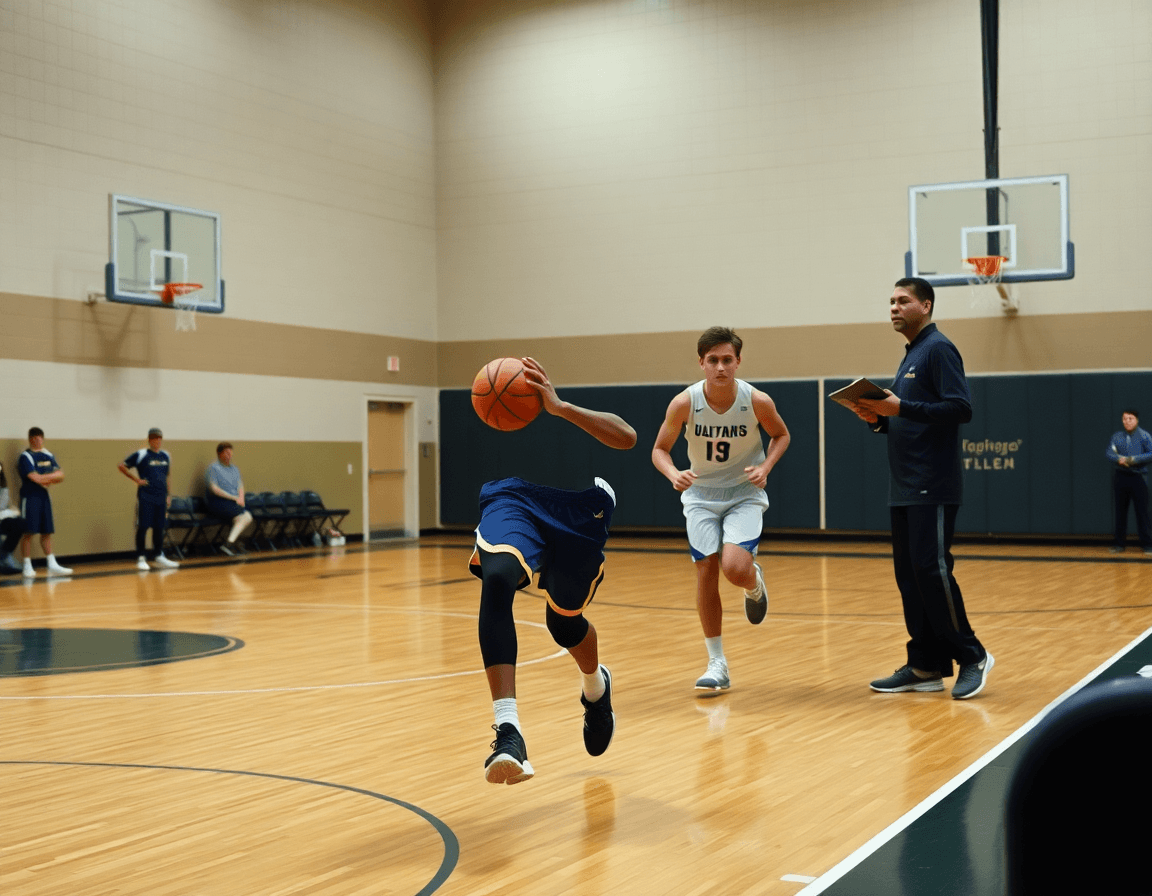
To refine our attack against zone defenses, I start with scouting reports. They identify opponent tendencies, rotations, and where reads become available after a ball reversal. Focusing on the 2-3, 3-2, and 1-3-1 looks, we chart gaps that appear when the ball moves from side to side and who needs to pressure the weak side to keep spacing intact.
Next, I tag clips showing successful strategies against specific zone rotations and assign them to players via Playlists. A clip that shows swinging the ball from strong to weak side against a 2-3, then locating the high post for a skip-pass, becomes a teachable moment. We label these as beat zone defense scenarios and keep them handy for quick reference.
In practice, we review those clips at kickoff and again during drills to reinforce reads and spacing in live reps. The video reviews become a quick reference on the sideline, letting players see where the ball should arrive and where to position themselves in cuts and screens. This approach sharpens reads and improves spacing under pressure.
All of this sits inside the Whiteboard work and our zone offense plays library. I diagram rotations and options for each look—ball reversals, overloads, high-post actions—and pull from the library to tailor a weekly plan for practice. Integrating scouting, video clips, and whiteboard diagrams keeps the install tight and improves execution against zone defenses.
Drills, spacing, and execution against zone defenses
Drills, spacing, and execution against zone defenses start with getting the ball moving and your spacing clean. Implement spacing patterns (4-out, 5-out) and ball reversal drills to improve decision speed. The idea is to stretch the paint and open lanes for kick-ahead passes and skip opportunities. In my weekly plan, I sequence a shell period, then ball-movement work, and finally a team segment that tests spacing against a couple of zone looks. CourtSensei keeps this connected: drop the drills into Practice Plans and share them with assistants for fast feedback and version control.
Inside-out actions from the high post pull the defense and create shooters. We run entry passes into the high post, then immediate kick-outs to the weak side to generate clean looks. Emphasize inside-out timing and the reads on the wings, then add skip passes to punish overmatched wings. Every drill is diagrammed on the Whiteboard, and I pull video clips from Playlists that demonstrate the reads so players can study the angles without wrestling the playbook. This is how we reinforce the action between practices.
Progress comes from partner drills to full-team reps, then game-speed runs against live zone looks such as 2-3 zone and other common looks. We anchor the week with a library of zone-offense sets that we rebuild and reuse—overloads and double stacks included—so the team installs quickly and can adjust on the fly. We tailor scouting notes to the opponent’s zone tendencies, then route the relevant clips to players through Playlists and assign zone offense plays for the next practice. All of this sits inside one cohesive weekly cycle, powering installation, teaching, and execution.

Weekly checklist: zone-attack week in 6 steps
This week’s focus is basketball plays against zone. A tight six-step checklist sharpens how you install, teach, and execute zone offense plays. With CourtSensei, you can install core zone plays in Practice Plans, diagram them on the Whiteboard, curate targeted clips into Playlists, and tailor scouting reports for opponent zones—all feeding a single weekly cycle. The goal is simple: improve installation, teach quickly, and lift on-court execution against 2-3, 3-2, and 1-3-1 looks. When you frame the week around zone schemes, you create a repeatable rhythm for spacing, ball movement, and decision-making under pressure.
Step 1: Install 1–2 core zone plays in Practice Plans and assign diagrams on the Whiteboard. Step 2: Run two practice sessions focused on spacing and ball movement to beat zone defenses. Step 3: Review 2–3 opponent zone tendencies via scouting reports.
Step 4: Add a third quick-hitter against the most common rotation, often tuned to a 2-3 zone or 3-2 zone look. Step 5: Compile a player-facing playlist of clips and deliver a brief film session. Step 6: Simulate a game-like end-of-week scenario to test execution under fatigue.
If you build plans like this every week, CourtSensei keeps your drill library, whiteboard, and video clips in one place — try it free.
FAQ
What is zone offense in basketball, and why does it matter?
Zone offense is a deliberate way to attack defenses that protect gaps rather than guard you man-to-man. The goal is to keep the floor wide, force ball reversals, and generate inside-out looks. We build a small library of plays that target 2-3 and 1-3-1 looks, then map them to our personnel with a single system. Focus on reads, spacing, and quick decisions rather than static sets.
How do you beat a 2-3 zone defense?
To beat a 2-3 zone, attack with an overload on one side, hit skip passes to the weak side, and feed a high post to collapse the middle. Proper lane spacing opens driving seams and kick-outs for open shooters. Practice the sequence in our zone-offense library, then adjust rotations on the fly so you keep ball movement and stay ahead of defenders' shifts.
How do you beat a 1-3-1 zone defense?
Against a 1-3-1 zone, look to high-post action, wide wings, and overloads on the strong side to invite drive-and-kick opportunities. Quick reversals keep rotations honest, while backdoor cuts punish overplays on the wing. Rehearse reads that ping off the high post into kick-outs so shooters get clean looks without forcing passes into congested lanes.
What is an inside-out attack against zone defenses?
An inside-out attack starts with a strong post or high-post entry that collapses the zone and creates open perimeter shots. From there, swing the ball to the corners for quick passes, then drive-and-kick to shooters as rotations tighten. The focus is timing, spacing, and reading rotations rather than forcing early threes.
What does overload mean in zone offense?
Overload means stacking players on one side of the floor to overload a defender and pressure rotations. This creates driving lanes, backcuts, and strong passing angles to the weak side. Use overloads with side-high posts or wings and follow with quick ball reversals and skip passes to maximize scoring opportunities against zone defenses.
Why is spacing important against zone defenses?
Spacing matters because it preserves driving lanes and passing angles, forcing the zone to extend and open seams for cuts and skips. A well-spaced attack keeps players readable and reduces crowded gaps, making it easier to read rotations and find clean looks. Practice precise floor balance and side-to-side movement to maintain spacing under pressure.