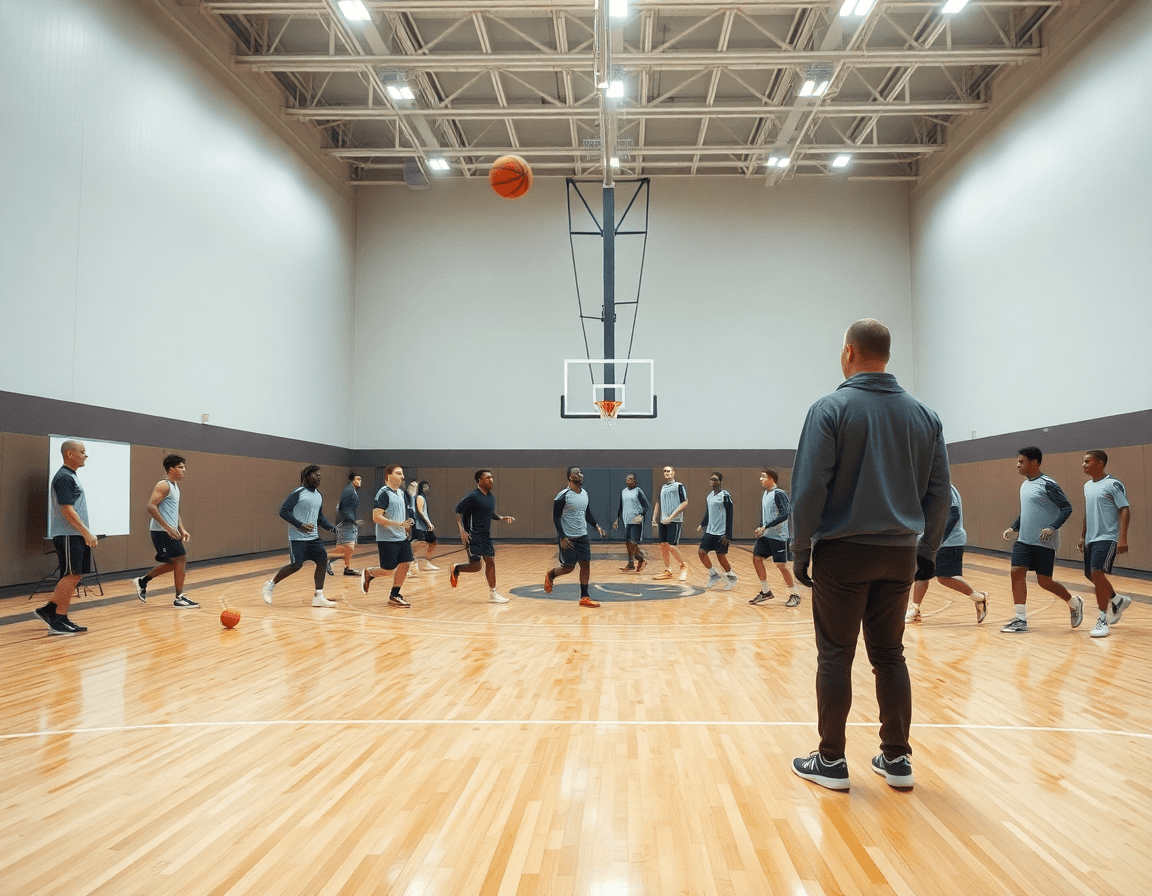
Basketball Plays Defense: Weekly Plan for Coaches
Master basketball plays defense with a coach-ready weekly workflow: defensive stance, on-ball and help defense, shell rotations, and game-like practice plans.

Key takeaways
- Frame your week by 2–3 priorities (stance, footwork) and maintain a clear, repeatable routine.
- Turn those priorities into a simple weekly calendar aligned to opponent tendencies and scout notes.
- Anchor the week with 20–30 minutes of baseline drills, then progressive shell drills and closeouts.
- Progress shell work by tightening on-ball defense, help defense, and rotations, then add basic zone looks.
- Translate practice into games with four drills and a coach-led video playlist for review.
Frame Your Weekly Defensive Focus
Frame your weekly defensive focus by defining 2-3 priorities you can reinforce every day. For example, you might center on a solid defensive stance, sharper footwork, and crisp defensive rotations. Tune these to your roster’s strengths—length and communication push you toward active shell rotations and aggressive help, while quicker feet support on-ball denial. The objective is consistency: clear cues, common language, and a repeatable routine for every drill and scout moment. Think of this as framing your basketball plays defense for the week.
Turn those priorities into a practical plan by mapping them to the opponent’s tendencies with a simple, repeatable weekly calendar. Each day aligns a scouting note with a defensive scenario you’ll rehearse on the whiteboard. If the scout notes a frequent drive-and-kick, you emphasize on-ball defense and help defense rotations to disrupt that flow. The calendar becomes your shared backbone for the week, and the language you’ll carry into every practice page and locker-room chat.
Finally, anchor the week with a baseline set of drills in the first 20–30 minutes of practice. Start with a quick rinse of the defensive approach—your general stance and footwork—and then move into a shell drill rotation that flows through defenders in sequence, and finish with closeouts and a focus on crisp help defense. Each drill is tied to a quick video clip you can surface in a shareable playlist, and a scouting note that links to the opponent’s tendencies. The result is a tight, coach-led workflow: plan, diagram on the whiteboard, show a short clip, and push out a clean playlist for your players.
Build a Shell: On-Ball and Help Defense Progression
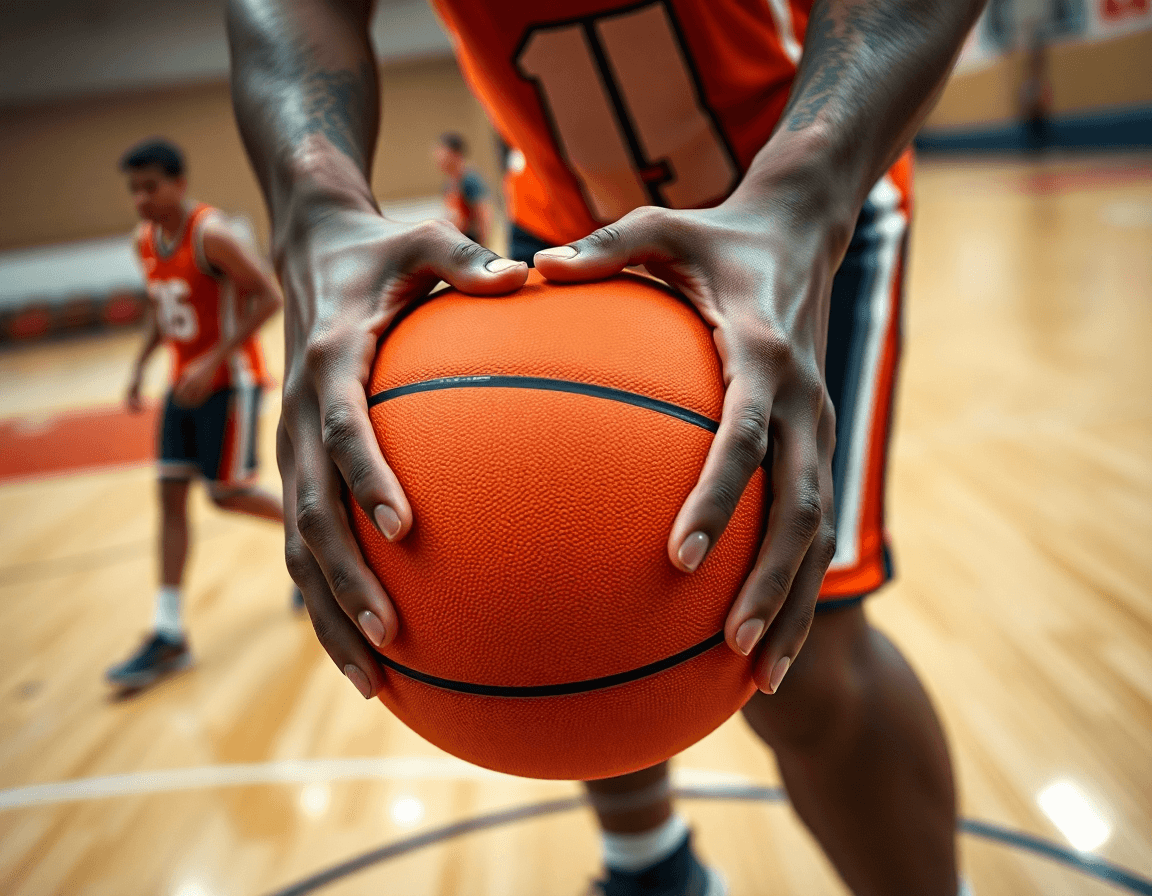
Week starts with the basics: players assume a solid defensive stance, knees bent, hips low. Then we build into on-ball defense—hands active, feet under control, eyes on the ball. From there, containment becomes the goal: deny straight-line looks, close the driving lane, and steer the action toward the help, not the dribble. I map this progression on the whiteboard and tie each step to a block in the weekly plan. After the drills, we pull a quick video clip to show how a slight stance shift or wider stance changes the driver’s angle. Small adjustments, big gains.
Next we build a shell with 2–3 drills that emphasize communication and timing. Start with a simple 2-man shell: defenders call switches, eyes stay on the ball, and feet stay active. Bring in a third defender to pressure rotations and simulate a late help call—this is the core of an defensive rotations progression. After practice we export a short clip from the drill and drop it into a shareable playlist for the team; players can click through during film review and repeat the sequence at home. A clean, repeatable shell drill process keeps everyone honest.
To keep the ladder moving, we only advance when rotations feel automatic in the shell. We layer in help defense rotations and then experiment with basic zone looks to mirror what opponents might run. We pull scouting notes for the week and tailor shell variations to tendencies—kick-outs, ball reversals, and weak-side flashes. Those tweaks feed into the plan and the video playlist, helping coaches and players stay aligned through the week without bogging down in theory.
Closeouts, Rotations, and Communication
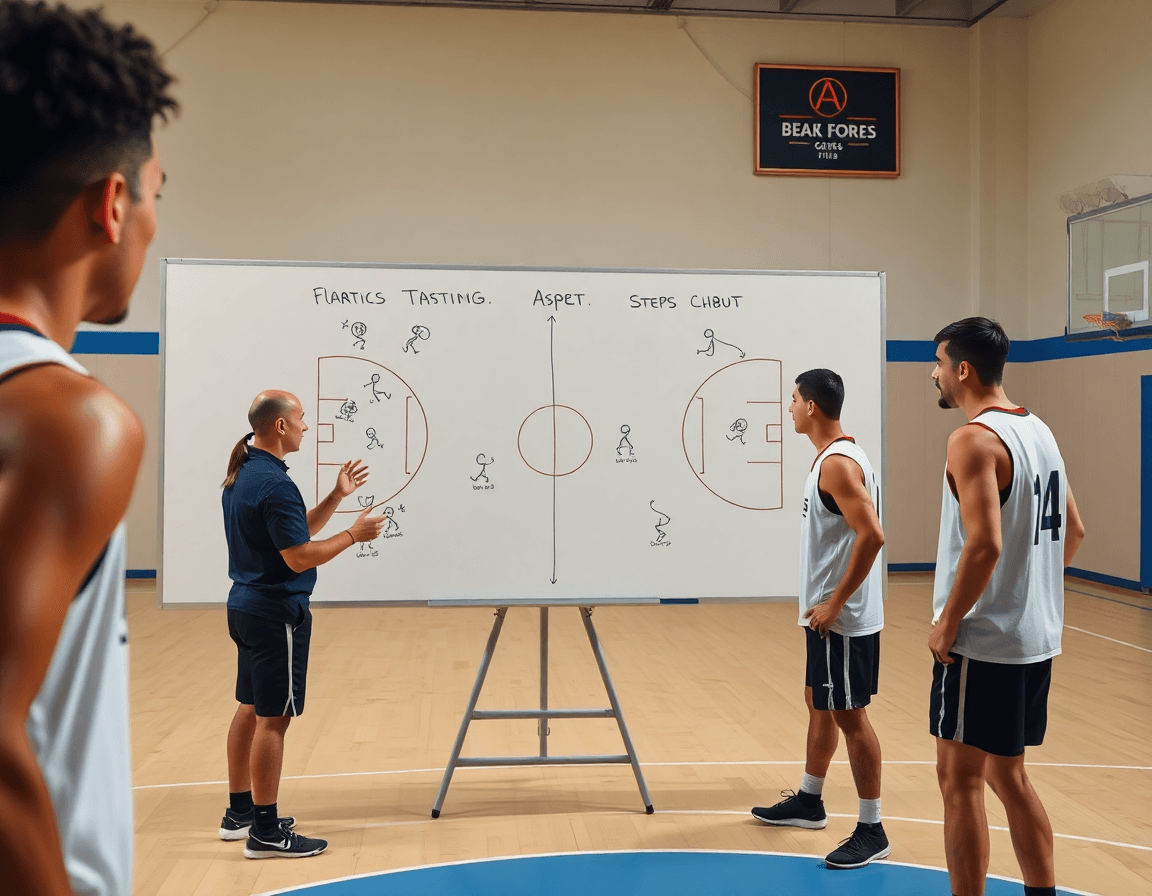
Closeouts are where great defense begins. Teach closing-out technique with balance, then layer in rotation decisions and gaps. In your weekly plan, start with a shell drill on the whiteboard: players sprint to contest shooters with a controlled closeout, then step laterally into the first rotation if the ball is kicked to the weak side. Emphasize a low defensive stance and solid footwork so you can explode to the shooter, reset, and meet the next action without fouling. Capture a few run-throughs as short video clips and assemble a playlist for the squad to review before the next practice.
Once the closeout is in place, the next layer is proper defensive rotations and smart reads on the ball. In a drive-and-kick sequence, your helper must decide whether to cheat to the lane or wall up at the shooter, then slide into the appropriate gap as the ball moves. Practice reads with the two-on-ball actions and emphasize on-ball defense and help defense as the ball progresses. Gradually scale from 4-on-4 to 5-on-5 to build tempo and ensure the rotations hold under game-like pace.
Finally, emphasize communication to keep all five on the same page during switches and overloads. In the weekly workflow, pair this with scouting notes on the opponent’s typical actions—ball screens, weak-side slips, and flare cuts—so players have a plan before the game starts. Build a short video clip library of players talking through actions, then drop a playlist of those clips to the team for quick reference during drills. When done well, the shell drill, 4-on-4, and 5-on-5 work feel like the real game: the pace climbs, and the defense responds as one.
Practice Plans That Translate to Games
Translate defensive aims into timed, game-like drills. In a typical week, I convert defensive aims—improving stance, mastering rotations, and enforcing disciplined help defense—into four drills, four minutes each. The goal is a clear, defined outcome for each block. Drill 1 focuses on the defensive stance and footwork; Drill 2 on shell drill and rotations; Drill 3 on on-ball defense with a closeout; Drill 4 on live defense with a rebounding emphasis. Completed, the group should show better communication and fewer gaps on the floor.
Split the time like a well-planned clock: 6 minutes for the defensive stance and footwork, 8 minutes for shell work and rotations, and 6–8 minutes of live defense with a rebounding emphasis. This cadence keeps players honest and coaches able to spot leaks in on-ball defense and help rotations. Use a few cues on the board to lock in technique—hips square, eyes up, quick feet—and track progress against exit criteria.
Lean on templates to keep sessions focused and scalable for different rosters. A simple drill card lists the objective, time, cues, and exit criteria. For every block, record the outcome—for example, “defender stays low, hands up, feet active”—and adjust next week. The templates support both on-ball defense and help defense, including zone defense when needed.
During the weekly workflow, these drills slot into early practice so the defensive plan is in motion by mid-session. On the whiteboard diagrams trace positions and rotations as players rep each block, and a short recap with video clips reinforces the outcomes for the next day.
Scouting-Driven Adjustments: Tailor Defense to Opponents
Your scouting reports should drive more than prep notes — they shape this week’s defensive philosophy. Extract opponent tendencies: how they initiate ball screens, where their shooters prefer to catch, and their pace. Translate that into concrete plans for matchups and shell rotations, so your players aren’t guessing when the ball moves. The goal is to have a clear path from scouting to on-court reads during shell drills and live ball situations. Use the notes to set the tone for defensive emphasis this week, especially around identifying who handles what action and where shifts in help defense will occur. key point: turn scouting insights into actionable calls for your defensive rotations.
Based on those tendencies, decide which defenders and which zones to prioritize in practice. If an opponent floods the perimeter with quick ball movement, assign your best on-ball defender to the primary ball handler and tighten the closeouts against shooters. Emphasize shell drill variations that force the correct rotations, and run zone looks when spacing or mismatches threaten balance. Highlight specific defender responsibilities within these schemes, such as who slides into the gap in a 2-1-2 zone or who fronts a strong post player in a 3-quarter shell. The aim is to protect the paint while denying easy kick outs, using targeted drills to reinforce the plan. emphasize how certain defensive stances and footwork patterns will become automatic in rotations.
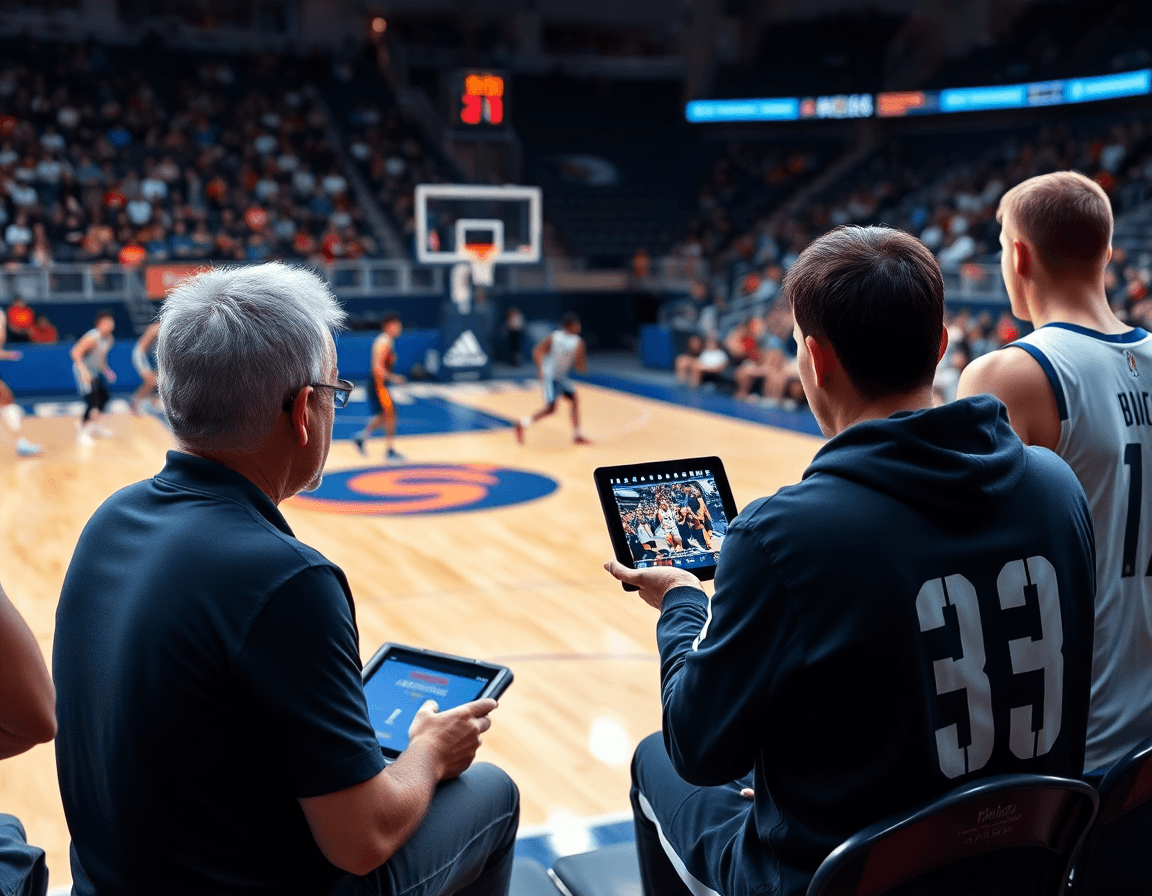
Pair scouting insights with video clips to reinforce decision-making in rotations. A short clip library lets players see how the plan plays out in real time: on-ball defenders reading screens, help defense closing out gaps, and the timing of rotations in zone defense. Tie each clip to a scouting note and a corresponding drill so players internalize when to switch, where to shade, and how to communicate. Use these clips during walkthroughs to sharpen the move from theory to action, and to reinforce the key mechanics — defensive stance, footwork, and smart closeouts — that sustain disciplined defensive rotations throughout the week.
A Practical Weekly Workflow: Plan, Practice, Clip, Review
Step 1: Build a defense-focused weekly plan in your practice system. I start with a clear block of work centered on basketball plays defense—defensive stance, footwork, and on-ball pressure—then drill into help defense and rotations. The plan folds into our week: a shell drill block, a communication segment, and a game-speed rep period. I lock in roles for assistants and export the plan as a PDF to share with staff and players, so everyone starts with the same defensive priorities. This is planning in action.
Step 2: Run drills and live reps that mirror game tempo. We run controlled 5v5 or 4v4 sessions with emphasis on quick lateral movement, proper defensive stance, and decisive closeouts. Early in practice we rehearse the shell drill, then layer in on-ball pressure and help defense at the nail, finishing with a zone look to communicate matchups. Keeping the tempo up makes every decision feel like late game pressure, from tempo reads to rotations.
Step 3: Clip defensive sets and build playlists for player review. I pull clips from practice and highlight moments that illustrate clean closeouts, solid shell progress, or missteps in defensive rotations. I tag them into playlists so players can review their own footwork and decision-making on the fly. Short clips focused on a specific scenario—like a post-rotation misread or a gap close—are much easier for players to digest.
Step 4: Share diagrams, PDFs, and videos with assistants and players for quick feedback. We push out whiteboard diagrams and annotated PDFs, plus video links, so everyone studies the same calls—whether it’s a shell progression or a pressure switch when we trap. The feedback loop is fast, and adjustments land before the next session.
Step 5: Review outcomes and adjust next week’s plan accordingly. After the week wraps, I measure defensive outcomes, study scouting reports, and refine the plan for the next cycle. I tweak drills, playlists, and rotations to sharpen defensive stance, footwork, on-ball defense, and zone reads for the coming week.
If you build plans like this every week, CourtSensei keeps your drill library, whiteboard, and video clips in one place — try it free.
FAQ
What are effective defense drills you can run this week?
Focus your week on three core drills: a solid defensive stance and footwork sequence to lock in balance, a progressive shell drill to sharpen on-ball pressure, rotations, and communication, and a closeouts routine to contest shooters without fouling. Pair each drill with a short video clip and a scout note. The goal is repeatable cues players can execute under game tempo.
What are the core elements people mean by the '5 D's' of defense?
A practical take on the '5 D's' is: defensive stance, denial of straight-line drives, disruption of passing lanes, disciplined rotations, and clear communication. Use these as daily checkpoints in shell work and closeouts. Frame it this way and players know exactly what to do—every drill, every scout rep, every film clip reinforces the same five behaviors.
How can I improve my basketball defense quickly?
Improve by tightening fundamentals first: lock in a solid on-ball defense stance, sharpen help defense rotations, and build communication into every drill. Add targeted film work to spot leaks, and practice transitions from 4-on-4 to 5-on-5 with game tempo. A simple weekly plan with shell work and a short playlist translates coaching points into game action.
What is the shell drill in basketball and why use it?
Shell drill is a controlled, team drill that simulates ball reversals and decision points. Start with a simple 2-man shell focusing on ball pressure and calls, then add a third defender to mirror late help. It strengthens defensive rotations and communication. Finish with a brief clip library so players review positioning and tempo before games.
What is the 3-second rule on defense?
The defensive 3-second rule prevents players from camping in the paint. A defender cannot stay in the lane for more than three seconds unless actively guarding an opponent. Violations reset when the ball moves or the defender leaves the area. Use this cue to reinforce paint protection and timely help during scout prep.
What is man-to-man defense and how do you coach it?
Man-to-man defense assigns each defender to an individual opponent. Key coaching points: mirror the ball, maintain a solid on-ball defense stance, and ride your hips to limit driving angles. Communicate screens and switches, and trust the help defense to cover gaps. Build these habits in shell work and live 4-on-4 to reinforce trust.
What is zone defense and when should you use it?
Zone defense uses grouped defenders to protect space (examples: 2-3, 3-2). Use it against teams with strong individual scorers or to conserve energy, then adjust as opponents attack the seams. Focus on spacing, active feet, and quick rotations when the ball moves. Pair zones with clear communication and a plan to handle ball reversals and weak-side shooters.