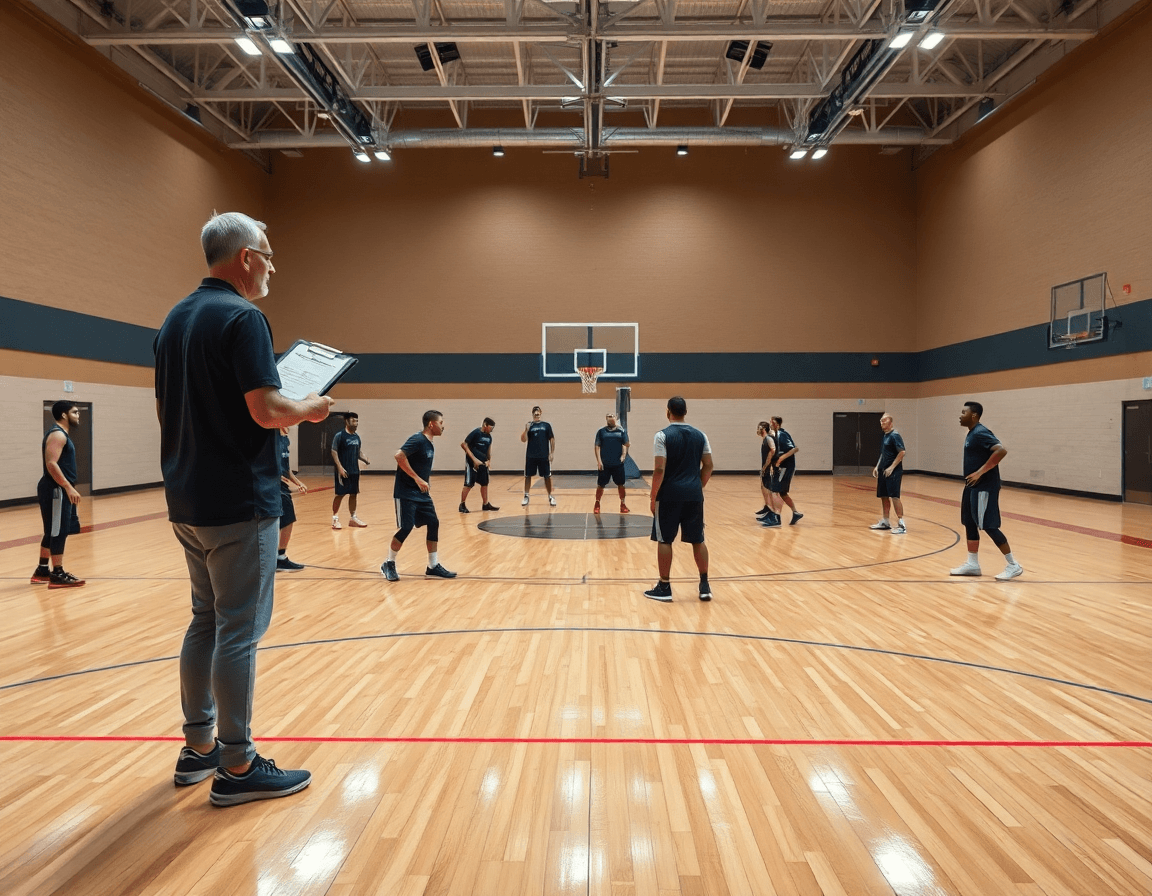
Match-Up Zone Defense in Basketball: A Coach's Weekly Plan
Master match up zone defense basketball with a coach-focused weekly plan, including formations, teaching cues, drills, and film workflow to prep for opponents.

Key takeaways
- Use match-up zone as a hybrid to disguise personnel strengths and force opponent adjustments.
- Install base looks (2-1-2, 1-3-1, 1-2-2) with clear rotations and deny passes.
- Use whiteboard, video clips, and scouting reports to align teach points and cues.
- Emphasize communication, proactive rotations, and rim protection through live drills and game-like reps.
- Structure a weekly workflow: install Monday, review Tuesday, drill Wednesday, scout Thursday, refine Friday.
What is the Match-Up Zone Defense and why use it
match-up zone defense is a hybrid defense blending man-to-man pressure with zone help principles. It gives you flexibility to mix personnel strengths without swapping schemes. The core idea is to keep the ball in front with on-ball defense applying tight pressure while the rest of the unit provides zone-style help and rotations that cover gaps and angles.
Key to its success are the rotations and the helpside angles. The defense relies on a sturdy helpside defense to deny direct feeds and to snuff passes, effectively denying passing lanes, while teammates anticipate reversals. When the ball moves, the weak-side must rotate, with the bigs pinching the lane to keep the line between help and recover. The result is a disciplined flow that makes it tough for offenses to thread the needle or reverse the ball.
Common alignments to start with are 2-1-2, 1-3-1, and 1-2-2 matchup zones. Each look creates different matchup advantages and gaps to exploit. Some teams also run a 2-3 matchup zone against bigger lineups, so you’ll want to have a plan for how you swap looks without tipping your hand.
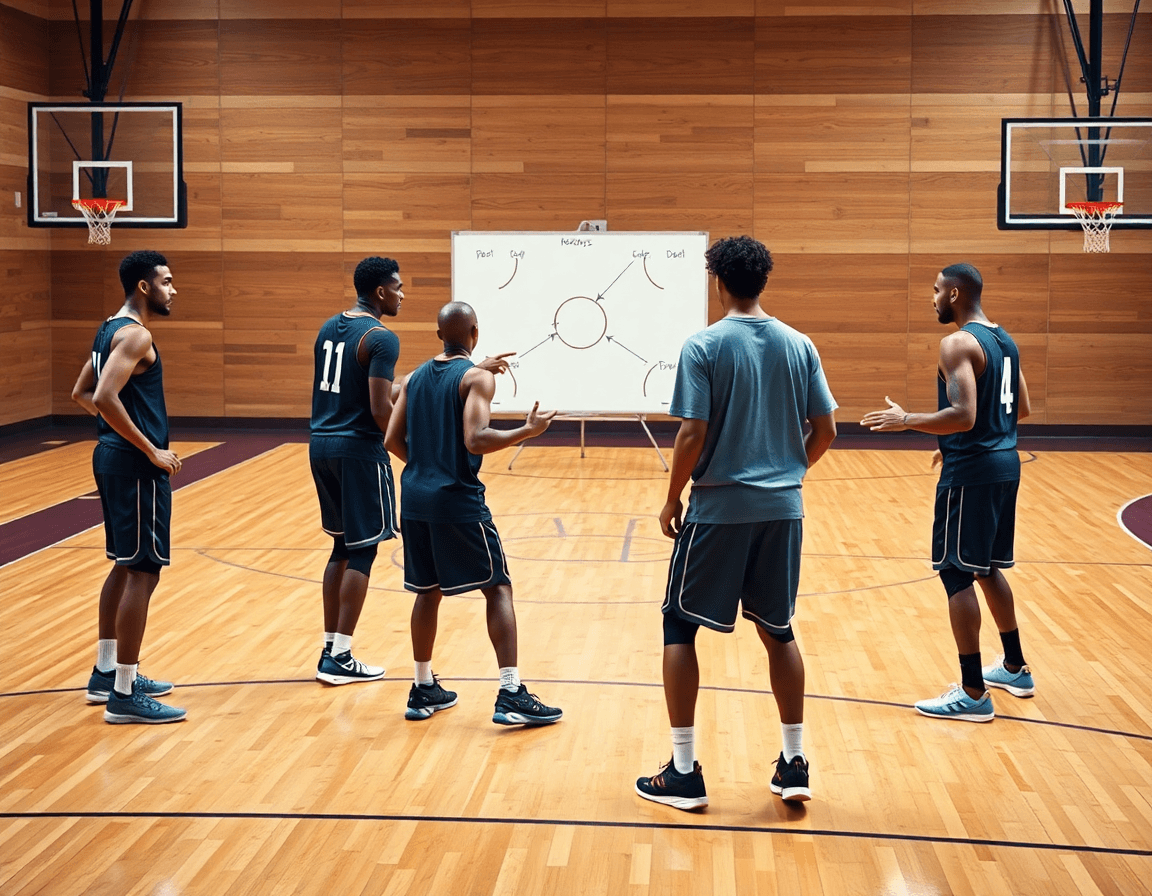
Coaching takeaway: use this to disguise personnel strengths and force offensive adjustments. In a weekly plan, I lay the base looks on the Whiteboard and sketch teaching cues for recoveries and rotations. A short Video Clip helps players see the read-and-react sequences, while Scouting Reports summarize opponent tendencies and mark their common ball-movement patterns. The workflow ties straight into Practice Plans, where we build in drill blocks to lock in the look before games.
Common formations and rotations for matchup zone
Starting with the base, I install the 2-1-2 matchup zone this week. Two defenders pressure at the top, a center plays the seam, and the wings protect the corners. The goal is to deny dribble penetration and funnel drives into the rim area. In our Practice Plans I script reps that mirror ball reversals and a quick rim-angled rotation from the weak side. On the Whiteboard I diagram the top responsibilities, then we cue a short video clip to lock in the movement.
Next, we test the 1-3-1 matchup zone when spacing invites an elongated helpside line. One defender at the top, three behind the arc, and a helper near the rim. The corners become swap targets as the ball moves, so we drill corner shifts and a few traps near the baseline. If wings attack the corners, we mix in a quick 2-3 look to blunt passes.
Then we rep the 1-2-2 matchup zone, balancing outer defense with interior help. The top two guard the ball, a middle defender patrols the elbows, and the bottom pair watch the corners; the middle shifts toward the free-throw line on drives. The emphasis is on denying passing lanes and keeping the middle lane clear for rim help. We use clips to show triggers for tightening the line and rotating off reversals.
Across formations, the Rotation rules drive execution: communicate switches, track cutters, and adjust to dribble penetration. On-ball defense is supported by helpside defense, while deny passes off the wing keeps the offense honest. We annotate reps in film and refine the plan for the next week. The goal is a clean, repeatable flow that players can rely on in any matchup sequence.
Teaching points and coaching cues for players
The weekly plan for teaching a matchup zone defense centers on clear teaching points. The teaching points start with denying passing lanes and applying ball pressure without over-committing. Our Practice Plans map exact cues for each role, then we lock them into the Whiteboard diagrams and a short Video Clips highlight so players hear the language during drills.
On the floor, we front the low post when appropriate and rely on helpside defense to fill gaps. We decide when to front versus shade by reviewing scouting notes that identify opponents’ preferred skip passes or post feeds. Drills emphasize quick, disciplined helpside rotations for each matchup (2-3, 1-3-1, or 1-2-2) and the way those rotations communicate to teammates.
Keep guards out front and bigs near the post to protect the rim. We stress on-ball defense for the guards while positioning the bigs to deny lines to the basket. The rim protection comes from solid spacing and timely help reads, so the entrance passes and drive-and-kick sequences don’t collapse the scheme.
Emphasize communication and proactive rotations to reduce confusion. We teach talk, calls, and eye contact as non-negotiables, and we drill them in live reps so players stay in sync under pressure. The weekly video clips model the right verbal cues, and the whiteboard prompts assistants to reinforce the sequence of reads and rotations in real time.
Finally, we connect the dots with the opponent-specific film workflow. We tag clip libraries by formation—2-3 matchup zone, 1-3-1 matchup zone, 1-2-2 matchup zone—so players can study the cues before the week begins. In this way, the defense becomes a living system rather than a collection of stand-alone actions.
Practical weekly workflow to install and sustain the look
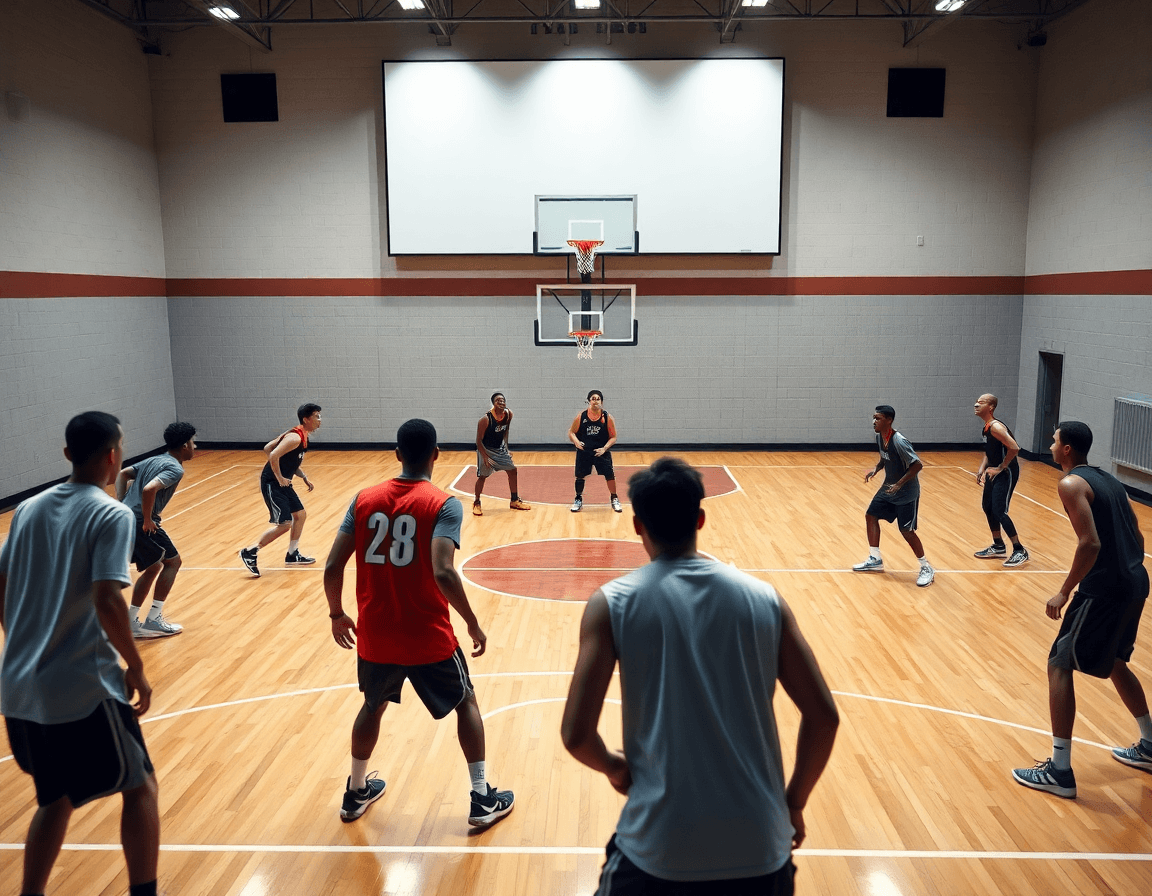
Monday kicks off with a board walkthrough to install the base concepts of the matchup zone. I call out how the 2-3 matchup zone shifts into a hybrid look when we need pressure and how we can stay in a traditional man shell when spacing tightens. A few shell drills follow to reinforce rotations, closeouts, and denying passing lanes. I lock this into the Practice Plan so assistants can run the same progressions and I save the diagrams in the Whiteboard for quick reference during the week.
Tuesday is film review. We pull Video Clips of the common offense looks we’ll face that week and pinpoint mismatches to attack with our look. I annotate where the formation creates gaps or overloads, then translate those observations into Scouting Reports. The goal is a clean, opponent-specific workflow you can share with the staff and keep handy for quick consults during practice.
Wednesday centers on execution. Practice focuses on rotations, closing out, and maintaining gaps in both the on-ball defense and helpside defense. We drill with emphasis on communication and transitions between 2-3, 1-3-1, and 1-2-2 matchup zone concepts, tailoring cues to keep our deny passing lanes crisp and our angles sharp.
Thursday brings scout-specific adjustments. I script how we’ll respond to their ball screens and transitions, adjusting alignments and rotations in real time. This keeps our defensive look adaptable, without losing core principles of the match-up zone defense.
Friday is a final walk-through with quick live reps to lock in rotations before the weekend game. A short run-through and a couple rapid live reps cement the alignment, while the Video Clips recap helps confirm the exact reads for deny, switch, or recover. This weekly workflow—anchored by a solid Practice Plan, precise film review, and targeted scouting—keeps the look coherent and responsive.
Drills and a sample practice plan to build the defense
To build a durable match-up zone, I structure a four-drill week that feeds from the Practice Plan and the Whiteboard. Each drill reinforces a core responsibility—closeouts, help rotations, and quick switches—while the video clips show the exact technique. I reference scouting notes to edge the drills toward the opponent’s tendencies, and the players get a short clip beforehand to prep.
Shell drill with emphasis on closeouts, ball pressure, and rotations sits at the start of every week. We cycle through defensive assignments that mirror a 2-3 matchup zone and a few hybrid looks, so players read the passer lanes and sprint to contests without over-committing. The cue sheet on the bench highlights stance discipline, hands active, and communication. A quick review on the Whiteboard maps the rotations, and I drop in a short video clip of a demo sequence to lock in the feel of the closeouts and recoveries.
Next up is dribble penetration situational drills to reinforce helpside defense and recoveries. Two-on-two and three-on-two reps force the defense to rotate aggressively, then recover to the appropriate gaps. We reward early help from the hedge and stress quick ball reversals to prevent kick-aheads. The emphasis is on containment, not chase-down blocks, so the defense stays in balance and gains time to recover.
We add Rotation-to-man transfers to simulate quick switches during cuts. Players practice sliding into man positions when ball-side screens pop, then snapping back to the shell on rejection or secondary action. The goal is crisp transitions with no drag on the feet.
Finally, Partner drills stress communication and frontline denial. Pairs work on deny-then-rotate sequences, calling out coverages and switches to keep the rhythm intact. The objective is loud, enforceable chatter and steady hands, so the frontline never leaks passive passes.
Sample plan: I allocate 60 minutes for the install, starting with a brief on the Whiteboard, then a 20-minute Shell drill block, 12 minutes of Dribble penetration reps, 12 minutes of Rotation-to-man transfers, and a 6-minute Partner drills wrap. I store the drills in the Practice Plan, pull a quick Video Clip for reference, and tie each segment back to scouting notes to keep the matchup zone defense sharp throughout the week.
Film, scouting, and in-game adjustments for matchup zone
Film, scouting, and in-game adjustments for matchup zone
In week-to-week planning, the backbone is how we translate scouting reports into a film-driven game plan. I pull scouting reports focused on screens, cutters, and post feeds, then grab clips that illustrate those tendencies. I tag the clips as “screens,” “cuts,” or “post feeds” and build a short library that the staff can flip through during practice planning. This is where we start forming a clear picture of how an opponent attacks a matchup zone defense, and how our rotations should respond. Use the film to support our teaching cues, and keep it simple in the huddle—boldly highlight the key read for the next wave of possessions.
From those clips, I create playlists that show rotations, switches, and small-ball looks in action. The goal is to give players a predictable rhythm for the 2-3 matchup zone, the 1-3-1, or the 1-2-2, and to demonstrate how hybrid zone and man defense can adapt to ball pressure. These playlists become the backbone of our practice plan and the teaching cues we repeat in drills. Seeing a sequence of rotations in a clip helps players synchronize how to guard deny passing lanes and how to recover when helpers overstep. It’s all about turning video into installable, repeatable actions.
In-game adjustments come next: when mismatches emerge, we shift to a stronger rotation, or we vary tempo to disrupt timing. We emphasize on-ball defense, helpside defense, and denying immediate post feeds, using quick, clear signals on the whiteboard and a couple of on-floor calls. After the game, a post-game review pinpoints what worked, and we update the practice plan for the next week, aligning drills and clips with the opponent’s recurring tendencies.
scouting reports, video clips, playlists, in-game adjustments
If you build plans like this every week, CourtSensei keeps your drill library, whiteboard, and video clips in one place — try it free.
FAQ
What is the matchup zone defense in basketball?
The matchup zone defense is a hybrid that blends matchup zone with on-ball pressure. You keep the ball handler in front while the rest of the unit provides helpside defense and zone-style rotations to cover gaps. The aim is to deny passing lanes, limit dribble penetration, and force tough reads, all without abandoning a consistent team shape.
How does a matchup zone defense work?
Two ideas drive it: aggressive on-ball defense and disciplined rotations to deny passes. As the ball moves, the weak side slips into help angles, the center pins lanes, and wings guard the corners. The team cycles between base shapes (2-1-2, 1-3-1, 1-2-2) and adjusts to reversals, keeping pressure steady.
How is it different from a regular zone?
Regular zone relies on shell rotations and gaps, while matchup adds man-to-man pressure at the point of attack. You keep zone protections but pressure the ball and guard cuts more aggressively. In short, matchup is a hybrid that combines the best of both worlds, not a pure zone.
When should you use a matchup zone defense?
Use it when you want to disrupt ball movement and pressure opponents with athletic guards. It works best against teams with fast reversals or post feeds that stall in a pure zone. It also lets you swap looks weekly to exploit opponent gaps and miscommunications.
What are the advantages and disadvantages of matchup zone?
Advantages: it blends pressure with help, lets you hide personnel strengths, and can funnel drives to rim protection. Disadvantages: it demands high communication and precise rotations; misreads create gaps offenses can attack. You’ll win with film study and repetition that build trust and timing.
Can you trap in a matchup zone defense?
Yes, you can trap from the top or wings, but use it sparingly. Make sure the rest of the defense stays intact and ready to recover to shooters. Traps should come with clear recovery lines and a plan for weak-side help.