Mastering 12 defense basketball
Weekly coach's guide to the 12 defense in basketball: when to deploy, drills, scouting notes, and how to organize video, plays, and playlists.

Key takeaways
- Establish a clearly defined 12 defense contingency in weekly plans, with explicit triggers and revert points.
- Link the contingency to scouting: deploy when a 2-2-1 or pressure look threatens rhythm, not as default.
- Build a practical workflow: create a dedicated 12 Defense folder, attach drills, clips, and annotated plans.
- Progress drills from shell to live play, then scrimmages, reinforcing clear cues and fast base re-entry.
- Tie the 12 defense to scouting notes and a one-page contingency, keeping changes linked to plays and flow.
Why a 12-Defense Contingency Belongs in Weekly Prep
In your weekly prep, having a clearly defined 12 defense contingency gives you an emergency tool to slow a hard-pounding opponent and buy time to regroup. Think of it as an emergency 2-3 zone designed to disrupt the opponent’s rhythm without abandoning your base principles. It’s a targeted adjustment, based on scouting and tendencies, not a default stance. When the scouting reports point to a team breaking your normal coverages, this plan sits ready to deploy.
Within a weekly flow, CourtSensei helps you operationalize it without clutter. Build a dedicated defense plan in your training plans, create and annotate a library of drills and playbooks, and upload game video to extract clips of sequences where the 12 defense buys you time. Organize playlists and share read-only links for staff input. Attach scouting reports and link them to specific actions, drills, and plays so the contingency stays connected to your week.
The benefits are tangible: it can help you disrupt rhythm, protect the middle, and maintain control of pace when the opponent’s ball pressure tests your coverage. By tying the adjustment to concrete clips and plays—think a short video clip of a sideline trap or a 2-2-1 press variant—you create a lean, repeatable week-by-week response rather than a one-off switch.
Watch the pitfalls, though: overuse of the contingency can telegraph intent, and misalignment between players and the adjusted gaps can stall your defense. To stay sharp, schedule the 12 defense in your weekly plan and rehearse clear revert points back to your base look. Tie it to scouting notes and a quick reset drill so the team isn’t guessing when the clock ticks.
Practical Workflow Step: Add 12-Defense to Your Weekly Plan
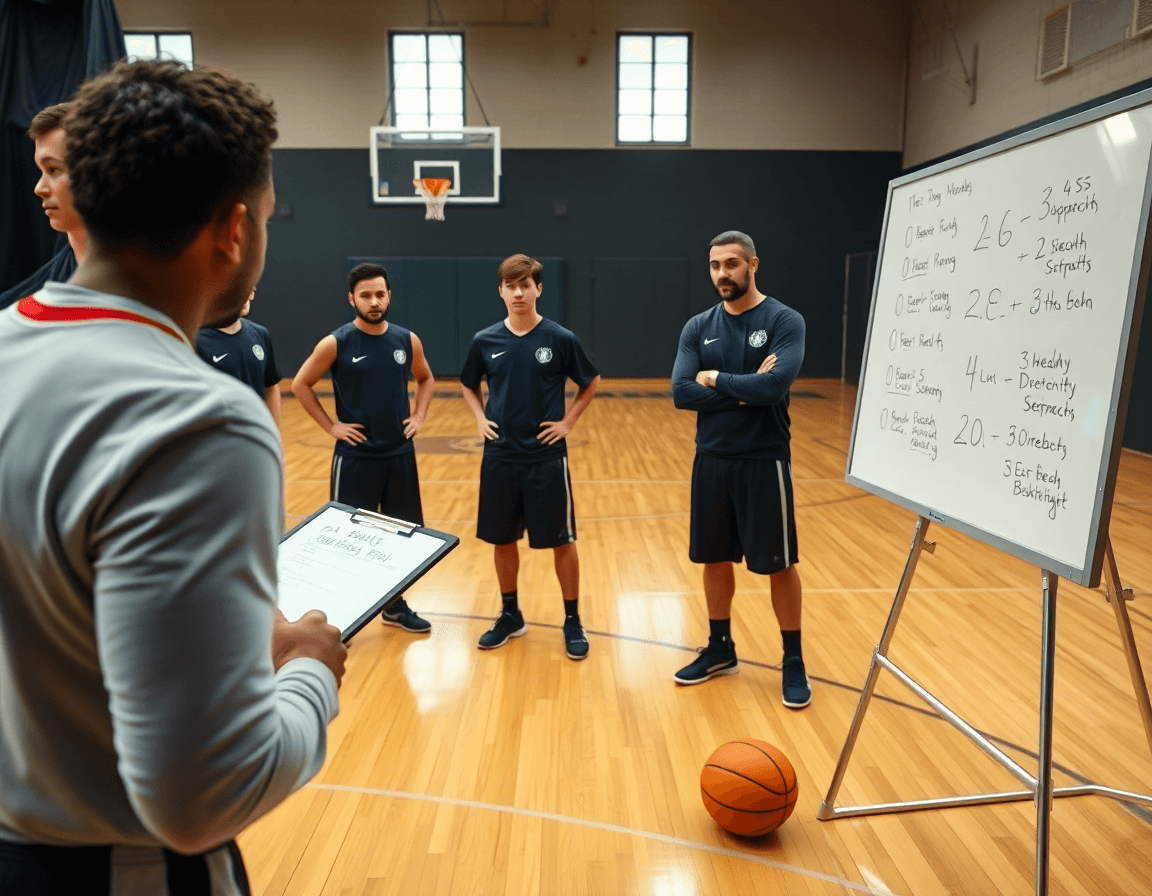
Before you step on the court, your pre-week scouting identifies when the defensive contingency is most needed and which drills to install. Create a dedicated "12 Defense" folder in your coaching workspace and attach drills, playbook pages, and scouting notes. This keeps the contingency organized alongside your other resources and ready to deploy in hand.
Build a short practice block: install, reps, and review, and link it to game scouting. Start with a quick install to surface the basic stance and rotations, then run a handful of reps—shell drills against common actions, including a 2-2-1 press and a 2-3 zone—and finish with a review of scouting notes and clips. Tie each drill to a specific game scenario.
Share the plan with staff and players using a short video clip or a PDF sheet that communicates the change without overhauling the whole plan. Upload the clip, add a concise annotation, and send a read-only link so everyone can study the adjustments at their own pace.
Finally, connect the 12 Defense actions to specific plays and scouting notes inside your weekly plan for a seamless workflow. This keeps the focus on defensive adjustments and ensures the coaching staff can navigate from install to game prep without losing sight of the big picture.

Drills and Actions to Practice the 12-Defense
12 defense drills should start with sideline traps while protecting the middle and forcing ball handlers to the weak side. Picture a controlled overload along the sideline: trap, then slide to the middle, with the guard and wing denying entry and the center sweeping to the seam. If the ball crosses, flip into a 2-3 zone. The focus is timing, spacing, and clear weak-side rotations during the drill sequence.
Rotations and communication come next. During rapid shifts between man-to-man pressure and a 2-3 zone, players must vocalize and align quickly. Use a quick cue like “wired” or “wall” to signal switches, and practice the sequence with and without the ball. Include drills for the 2-2-1 press and the 3/4 court press to widen the defender’s toolkit and keep everyone accountable with clear calls.
Progressions from shell work to live drills to decision-driven scrimmages help defend the 12 defense under real stress. Start with shell drills that isolate weak-side rotations, then advance to live 4-on-4 or 5-on-5 sessions with fixed offenses, and finally cue decision-driven scrimmages that require choosing whether to trap, deny, or recover based on ball movement. These steps build confidence in a read-and-react mindset.
Tempo remains crucial. Keep drills paced with discipline and finish each sequence with a fast transition back to base defense. A short clip can capture misreads and reinforce correct repositioning. In practice, aim for crisp re-entries into the 2-3 zone or man-to-man, depending on game flow, ensuring a steady weekly rhythm of 12 defense work.
Scouting and Game Prep: Building a 12-Defense Contingency Report
Your scouting report for 12 defense starts with turning raw notes into a concise, game-ready framework. Identify the opponent's ball handlers, presses, and pacing that stress their offense, then translate those findings into a dedicated scouting report that feeds your defensive library. In CourtSensei, this report links to training plans, drills, and plays so the contingency becomes a repeatable weekly workflow. The aim is a one-page synthesis you can rely on on the sideline and in film sessions.
Break down the looks by how they attack: which ball handlers you must deny space from, where a 2-2-1 press or other pressure look accelerates tempo, and where a 2-3 zone slows things down. Mark pacing patterns that trigger a switch, and note where to implement defensive adjustments like sideline traps or angle changes. Attach scouting notes to the corresponding actions, drills, and plays so the data informs your practice design.
Create a one-page contingency plan with triggers, rotation cues, and substitution notes. Define exactly when you switch to a pressure look, who handles each matchup, and how rotations communicate to avoid gaps. Keep the plan linked to the specific actions and plays you intend to defend (sideline traps at the arc, late-clock pressure, etc.). This blueprint sits in your weekly plan, so adjustments stay organized and trackable.
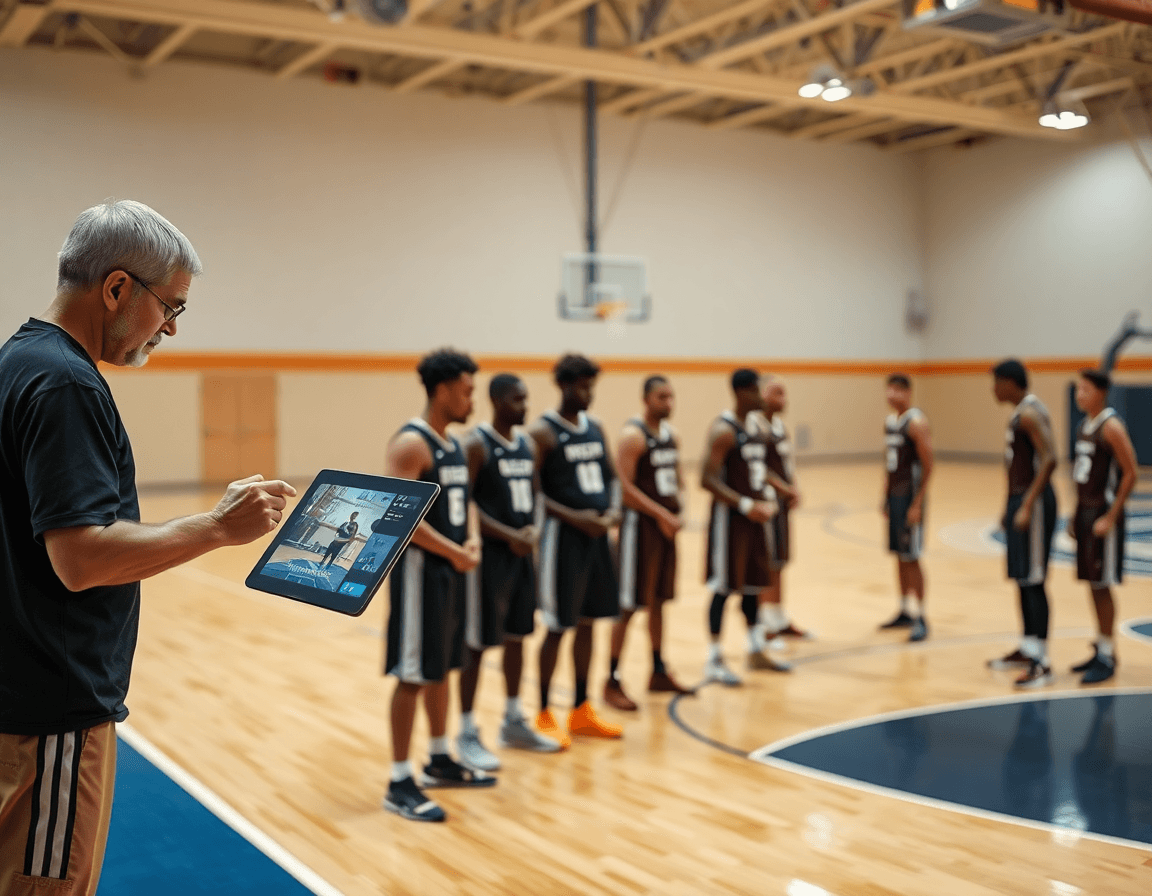
Integrate game video by uploading video clips that show when a 12-defense switch is effective and when to revert. Annotate the clips with decision points, tag them to the corresponding scouting notes, and organize them into playlists. Share read-only links for staff to review before games, keeping a concise clip library that supports quick decision-making on the sideline. With this approach, your scouting report for 12 defense becomes an actionable asset, not just a file.
Video Workflow: Tagging Clips and Building Playlists for Emergency Defense
Video footage from late-game possessions often reveals where your emergency defense needs a reset. In CourtSensei, you follow a clean video workflow: you upload clips, clip on triggers, and tag with 12-defense terms for quick retrieval. When a rotation breaks down or a sideline trap forces a turnover, you pull the exact clip, jump to the corresponding tag, and review the sequence with your assistants.
Build playlists of drills, callouts, and opponent tendencies for in-practice and in-game reference. Tagging video basketball clips with action cues helps you assemble a defensive video playlist that pairs a quick 2-2-1 press drill with a callout for 'switch back' and a clip of the opponent's 3/4 court press tendencies or 2-3 zone defense. You can link each clip to a specific action or play so when you run a drill on defense, you see the same cues the staff used during the game.
Sharing is simple: send read-only links to your staff so everyone sees the same clips, playlists, and notes. This keeps the defensive vocabulary consistent and helps you execute the weekly plan without scrambling for video on game night. If you attach scouting notes or opponent tendencies to the playlists, your crew has a clear, reusable reference for practice and adjustments.
Playbook Structure: Organizing 12-Defense Plays and Transitions
Within your coaching workspace, build a compact 12-defense playbook that anchors your weekly plan. In CourtSensei, you can assemble this dedicated section and link it to a library of drills and game clips. Tag concepts such as the 2-3 zone playbook, various pressure looks, and sideline traps, pairing each with annotated clips and drill progressions. This structure lets you run practice blocks with purpose: a drill sequence feeds into a live defensive look, all accessible from one interface. The playbook stays lean but thorough, so assistants can execute the plan without hunting through folders.
Map defensive actions to court positions and transition rules for a smooth switch. Assign each action to a defined home on the floor—guard, wing, post—and spell out the transition cues that move you from one look to another. Link these actions to the corresponding drills and clips so a coach can pull up, say, a 2-3 zone rotation and the exact coverage for each position. A cohesive mapping helps you craft a clear sequence, whether deploying a man-to-man switch or a zone shift with a sideline trap, ensuring the defensive playbook reads like guidance, not a scrapbook.
Ensure PDFs and animations are accessible to the coaching staff for quick reference. Publish PDFs and motion clips, and attach scouting notes that connect to specific plays or drills in the 12-defense playbook. Shared read-only links let assistants review strategy or prep for the next opponent without altering the master plan. The result is a seamless weekly workflow: plan, drill, clip, and reference—all connected in your coaching workspace.
FAQ
What is the 12 defense in basketball and when should you use it?
The 12 defense is a contingency designed to slow a hot offense. It blends disciplined man-to-man spacing with a quick pivot into a 2-3 zone and sideline traps. It’s not a default look—it’s triggered by scouting trends that show your base coverages getting exposed. Use it to disrupt rhythm, protect the middle, and regain control of the pace. This kind of plan is supported by a coaching workspace like CourtSensei to keep it organized.
How does the 12-defense contingency work with a 2-2-1 press and sideline traps?
Think of it as a staged sequence. Start in your base man-to-man or shell. Initiate a sideline trap as a quick cue, then slide into a 2-2-1 press variant to pressure ball handlers. If the ball advances, flip into a 2-3 zone to slow the tempo. The aim is disruption without losing your core principles, and CourtSensei helps tie these steps to drills and clips.
When should you deploy a 12-defense contingency during a game?
Deploy after scouting reveals a team that thrives on relentless ball pressure or mismatches against your primary look. Use it to slow a hot start, or late in the first or early in the second quarter when tempo dictates. Remember: it’s a tool, not a habit—revert to your base when the opponent’s rhythm quiets, and document the triggers in your weekly plan.
What drills and actions help practice the 12-defense?
Build a dedicated 12-Defense block in your weekly plan. Include shell work, sideline trap progressions, and transitions to a 2-2-1 press and a 2-3 zone. Practice clear cues and rotations, then stitch in game-speed reps and clip-based reviews. End with a quick reset to your base look; use a coaching workspace to organize drills and scouting notes.
How should scouting and game prep feed a 12-defense plan?
Start with a one-page contingency plan: identify likely ball handlers, pacing, and pressure looks the opponent uses. Link scouting notes to drills, plays, and the 12-Defense actions so everything stays connected in your weekly workflow. Use annotated clips and PDFs to share decisions with staff and players while keeping the defensive shift tightly integrated.
What are common pitfalls to avoid with a 12-defense plan?
Avoid overusing the contingency, which can telegraph intent. Prevent misalignment by locking rotations and clear revert points back to the base look. Don’t overcomplicate rotations mid-possession; practice cues and communication until they’re automatic. Keep tempo under control and tie changes to fixes in scouting notes and clips to stay sharp.