
Mastering 3 2 zone defense: Weekly Coaching Workflow
A coach-focused guide to deploying a 3 2 zone defense weekly: drills, rotations, scouting, and video workflows to install and beat it in weekly practice.

Key takeaways
- Install the base 3-2 setup in week one, progressing from shell to live reps.
- Define roles clearly: rover, wings, posts, and high post disruptor, then rehearse quick rotations.
- Emphasize ball-top denial and ball-side pressure to funnel action toward the middle.
- Progress drills to include high-post denial and corner trapping to improve reaction timing.
- Use video: select clips, annotate specific rotations, and build a Playlist for ongoing reinforcement.
- Document plans in Practice Plans and Whiteboard diagrams to ensure rapid reference and consistency.
Understanding the 3 2 zone defense for weekly planning
Understanding the 3-2 zone defense overview begins with the setup: three players across the top half of the court and two near the basket, with a rover at the high post driving rotations. This alignment invites the offense into a steady rhythm while giving you a lever to control ball movement and force resets. It’s a framework you can install in a week and test through shell work, then live reps.
Core positions: rover, wings, and posts, plus the high post area to disrupt passes and drive rotations. The rover is the connective tissue, sliding between lanes to deny skip passes and funnel action toward the top of the key. The wings and posts hold the corners and blocks, ready to sprint into gaps as the ball moves. The high post is your disruptor, breaking diagonals and setting up the next rotation.
Why coaches use it: it slows offensive tempo, supports the rebonds triangle, and can create ball-pressure rotations when aligned to the ball. When the ball sits at the top of the key, the rover eyes dribble penetration while the wings and posts collapse, forcing skip passes and quick recoveries. The language of the defense stays simple, but the movement is continuous—a test of communication and discipline.
How it fits a weekly plan: install goals early in the week, progress from shell to live reps, and review with clip-based feedback. In the plan we lock base rotations and rules; on the Whiteboard we diagram rover/wings/posts rotations; after practice, short video clips reinforce the decisions and keep players aligned. It’s a steady cadence that yields tangible improvement.
Product tie-in: store the base rotations and rules in Practice Plans and diagram them on the Whiteboard for daily reference. Scouting Reports prep against opponents, while Playlists share targeted clips with players. The weekly workflow tracks install, visualize, review, prep, and reinforce, all tied to the core tools you already use.
Key rotations and positions inside a 3 2 zone
Key rotations in a 3-2 zone start with ball-top denial and ball-side pressure to steer passes toward the middle or wings. In our weekly plan, the top two defenders pressure the ball at the ball top, while the weak-side helper shades the weak-side shooter. The aim is to funnel action into the middle and set up the next rotations in 3-2 zone.
Rover movements, when executed cleanly, keep the ball from pinging around the perimeter and prevent easy skip passes. The rover slides from the ball side into the lane to fill gaps, then slides back, always shading toward the ball without over-committing. On the whiteboard we practice the rover sequence as a read-driven cycle that sustains pressure.
Wings and posts: wings pressure the ball on the wings and stay ready to corral passes to the corners, while posts protect the corners and stabilize the rebounds triangle. At high post alignments on the ball side, the defense can trap ball handlers with a strong deny without losing the good helping geometry. This is how the rotations balance pressure and rebound opportunities.
Rebounding considerations: establish the triangle and ensure secondary defenders are ready to crash during miss shots. Watch for dribble penetration gaps and outside shooters, and be ready to adjust rotations when a skip pass pops to the weak side. Our scouting notes flag weak-side rebound opportunities and plan quick resets to keep the defensive rhythm intact.
Drill progression to install the 3 2 zone in practice
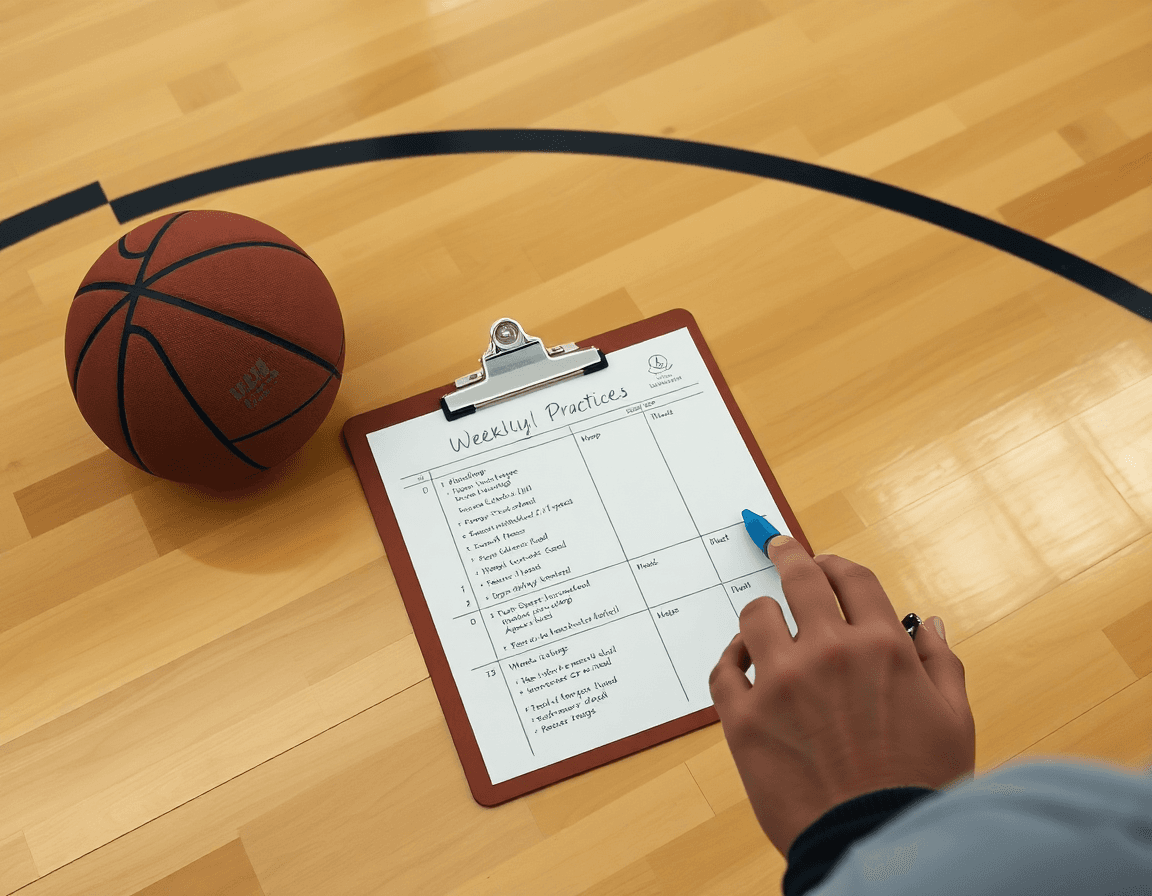
Start with the shell drill 3-2 at half court. The goal is to get the team to respect spacing, ball movement decisions, and the basic rotation. Have the rover patrol the middle passing lanes while wings and posts read the ball and react. This is where the Practice Plan earns its keep: every rep ends with a concrete rotation cue and a quick decision tree for what to do next, so you can reuse it later without reinventing it. Reps should emphasize ball reversals and quick skip passes to test how the defense fronts the action.
Progress to top-of-key denial and wing denial drills. You want pressure without overhelp, so the backline stays protected and you force offenses to beat you with timing and precision rather than brute force. Use the whiteboard to diagram exact stances and reads for each defender, and route the ball handler through a steady sequence of forced passes. The emphasis is on balance—deny the entry, then snap into the next rotation without creating a mess around the rim.
Incorporate high-post prevention and corner trapping options to develop reaction timing. Create looks where the offense tries to swing from rover to wings, and the defense responds with a high-post denial or a calculated corner trap on skip passes. That layered approach trains the team to slide across the floor in sync and protect the rebounding triangle, keeping glass opportunities in reach.
Move to 3-on-3 and 5-on-5 scenarios to stress rotations under pressure and reinforce the rebounding triangle. Live-ball reads will reveal gaps in communication, so you can adjust the call-and-response cues on the fly. Finish with anchor drills that lock in the action with clear plan-of-action notes in the Practice Plans for future reuse. Document the sequence, then drop a few short video clips into a Playlist to reinforce the install with players.
Using video to teach and refine the defense
With the 3-2 zone defense, the game is won and lost in the details. In our weekly workflow, I start with clip selection that isolates rotation breakdowns, misreads at the top of the key, and weak-side rebounding gaps. When the rover slides to deny skip passes and the wings chase the ball, you can see where the top needs to communicate and where the posts must seal angles. Those clips become the first touchstone of the week, the clear why behind every drill in the plan.
Next comes the annotation workflow. I mark timestamps that correspond to each breakdown, label rover, wings, and posts actions, and create callouts for players. A simple note like “rover overhelps” or “top of the key retreat” helps a player understand his role without needing a coach mid-drill. The goal is to build a library of annotated clips you can pull from during practice to reinforce every decision rule, from pressure on the ball to the rebound box.
Playlists for targeted learning: assemble clips by rotation scenario and share with players for review. Build a playlist for rover rotations vs. drive-and-kick, another for top-of-the-key dribble penetration, and one for the rebounding triangle between posts. These playlists for players let you hit the same defensive decision multiple times, even when you’re not on the floor, and give you a clean way to track progress.
Progress tracking: compare pre- and post-workout footage to quantify improvement in rotations and rebounding. In practice, I pull last Friday’s cut and this Tuesday’s cut into a side-by-side to see if rover recovery, top rotations, and the posts’ positioning have tightened. How this ties to your weekly plan: leverage video to reinforce every drill progression and decision rule, turning film study into a concrete coaching tool rather than a highlight reel.

Scouting and game planning vs a 3 2 zone
When I build scouting reports for the 3-2 zone, I map the opponent’s tendencies you’ll see all week. Do they overhelp in the middle and give up skips to the weak side, or do they sprint to the top and hinge into the strong-side post? I note which actions threaten them: skip passes, quick ball reversals, and deliberate dribble penetration.
From there I design scout plays to exploit the gaps. The plan is to beat a 3-2 zone with purpose: a high-post entry that floods the middle, a rover-to-wings action that collapses the baseline, then a sharp skip pass to a shooter on the weak side. I jot these options so the staff can install them quickly.
On the floor, Defensive counter-tactics matter: matchups, pressure points, and when to trap from corners. I script duties so wings pressure the top with a guard, bigs protect the gaps, and a corner trap when the pass returns to the strong side. We rehearse the rotations off ball screens using the rebounds triangle as reference.
Preparation workflow: integrate scouting notes into the Preparation workflow and Practice Plans, plus the Whiteboard diagrams for quick in-game reference. In our weekly routine, I attach the scout notes to the plan, and we map rover, wings, and posts rotations on the board. This keeps the team aligned when the offense shifts to the 3-2 look.
Player communication: share targeted clips and takeaways with players via Playlists. A short Video Clips from our scouting session or a high-post miscue becomes a teaching moment when paired with a quick note in the playlist. We’ve found that players respond to concrete, labeled clips tied to the 3-2 zone rotations and zone vs man adjustments.
Practical weekly workflow for installing and testing the 3 2 zone
Monday kicks off the weekly workflow by setting installation goals in your Practice Plans. I map the 3-2 zone aims for the week and assign players to rover, wings, and posts roles. On the Whiteboard I draw the rotation maps—rover pressure, wings gap denial, posts holding the lane—so the team can see the pattern before they move.
Tuesday is drill progression focusing on top-of-key denial and wing denial. We run shell and live-ball actions, build to 2-on-2 rotations, and pull clips from the previous install to reinforce correct rotations. We also coach for dribble penetration and skip passes, so players learn when to flip the ball and deny the drive.
Wednesday becomes a full 5-on-5 with the zone look. I’m tracking rotations, rebounding, and decision making, watching how the rebounds triangle plays in the area and how quick the wings close out. We measure live decisions and adjust on the fly, updating each player's role as needed.
Thursday is film review session. We annotate fixes, update Scouting Reports, and build a targeted Clip Playlist for players. Clips highlight correct rover-wings-posts rotations, and I add notes on where to improve before the next session. The team leaves with a clear picture of what to emphasize in game-week prep.
Friday wraps with a light walkthrough and practice refinement; finalize game-week adjustments and share the playlist with the team. This keeps the cycle intact: all assets—Plans, diagrams, clips, and scouting—live in one system for easy reuse.
If you build plans like this every week, CourtSensei keeps your drill library, whiteboard, and video clips in one place — try it free.

FAQ
What is a 3-2 zone defense in basketball?
A 3-2 zone defense is a setup with three defenders across the top and two near the baseline, plus a rover in the middle to deny skip passes. It slows tempo, creates ball-pressure rotations, and helps protect the rebounds triangle. You can install it in a week and test with shell work before live reps.
How does the 3-2 zone defense work?
At its core, the defense denies entry passes at the top and funnels action to the middle. The rover patrols lanes, slides toward the ball, and denies skip passes. Wings guard the wings, posts protect corners, and the high post disrupts diagonals. Proper rotations rely on communication and timing.
What are the advantages of using a 3-2 zone defense?
Using a tempo-based approach, the defense often slows the game and protects the rebounds triangle, while creating reliable ball-pressure rotations. It suits matchups with perimeter shooters and teams that struggle with quick ball reversal. With clear shell drills and simple cues, you can teach the system in a week and layer in live reps.
What are the disadvantages of a 3-2 zone defense?
Disadvantages include vulnerability to shooters and frequent skip passes, plus a heavy reliance on constant communication. If rotations slip, gaps open and good shooters punish you. It can tax players over long stretches and expose your rebound angles when bodies hunt the ball. Against teams that move the ball quickly, the 3-2 can lose its edge.
When should you use a 3-2 zone defense?
Use a tempo control approach when you want to slow opponents and force them into predictable passes. It fits teams with length across the top and a mobile rover. Avoid it when the opponent has sharp ball movement or strong outside shooting, or when your problem is wing isolation rather than interior pressure.
What is the difference between the 3-2 and 2-3 zone defenses?
The main difference is where pressure starts. A 3-2 stacks the top and uses a rover to collapse from the middle, while a 2-3 sinks lower and guards the paint with wings closer to the baseline. Rotations, ball movement reads, and escape routes change, so each requires different read cues.
Is the 3-2 zone good for youth basketball?
Yes, with coaching. The 3-2 can teach spacing, communication, and pursuit-angle concepts, but adjust for age and skill. Emphasize easy reads, shorter rotations, and simple ball movement. Limit heavy shell drills early, and keep practices fun to build fundamentals without overwhelming younger players.