Basketball Drills: A Coach's Weekly Game-Ready Workflow
A coach-focused weekly framework for basketball drills that builds fundamentals and game-speed reps, using planning, whiteboard diagrams, video, scouting, and playlists.

Key takeaways
- Define a 5–6 day drill plan aligned to season goals, balancing fundamentals and progression.
- Use a daily focus progression—ball handling, decision speed, shot mechanics—to maintain engagement and prevent burnout.
- Link the planning library to the whiteboard by diagramming flows and exporting PDFs for staff alignment.
- Incorporate video clips to reinforce technique, then build a player-facing playlist for quick review.
- Use scouting inputs to tailor the week and publish a short player playlist for review.
- Design game-like drill progressions from solo to team, ensuring each step transfers to live competition.
Weekly drill planning for coaches
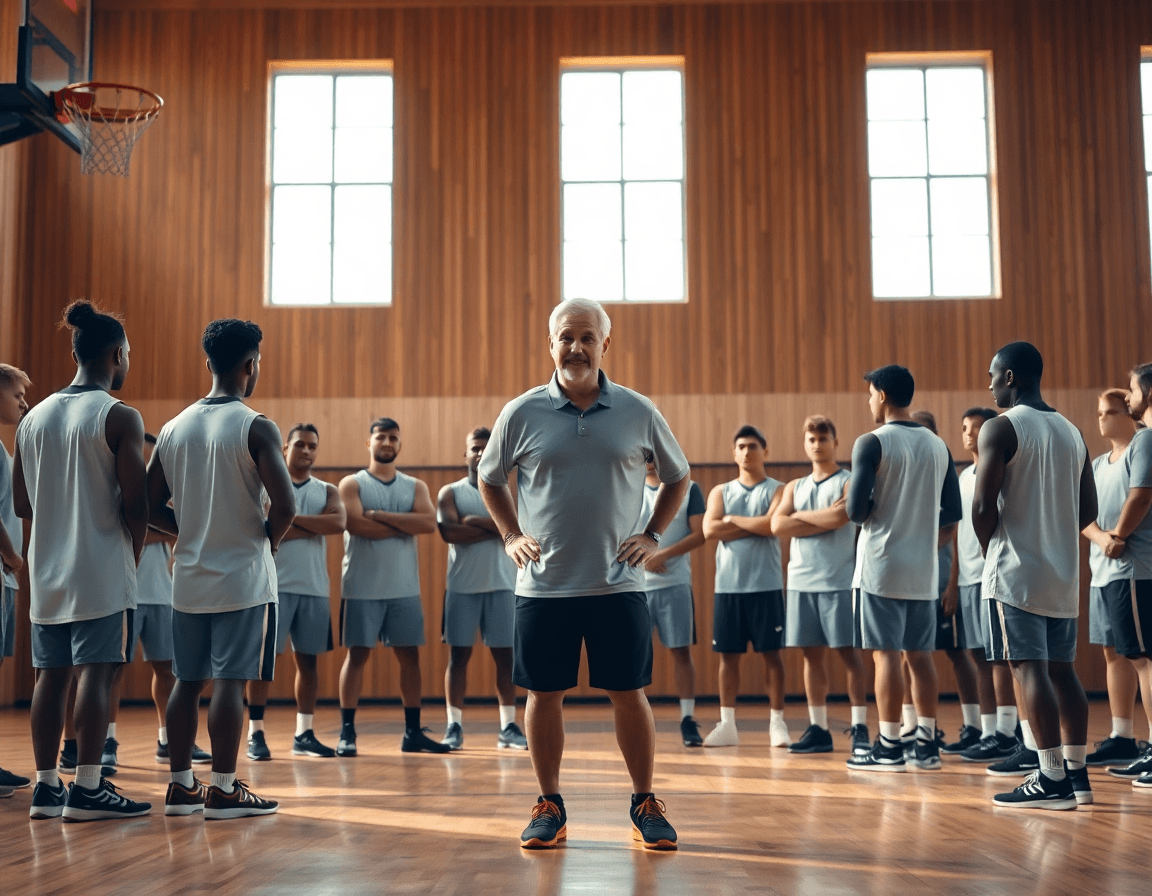
Weekly drill planning starts with season goals and translates into a 5–6 day drill plan that balances fundamentals and progression. As a coach using CourtSensei, I map our big-picture aims—protecting the ball, improving decision-making, and playing with pace—into a day-by-day focus, and I diagram the key sequences on the whiteboard. A typical cycle keeps players engaged without burning out: Day 1 emphasis on ball handling and passing, Day 2 dribbling and decision-making under pressure, Day 3 shot mechanics with form shooting and catch-and-shoot, Day 4 footwork and pivots, Day 5 defensive rotations and closeouts, Day 6 situational reps or a light scrimmage.
To fuel that plan, I curate a balanced mix of drills from the planning library that match the week's emphasis. The library makes it easy to pull ball handling and shooting drills in one click, while still threading in important drill work for footwork and defense. I might start Day 1 with a two-ball handling ladder, then drop into form shooting and catch-and-shoot reps on Day 3, and finish with a quick passing drill to stress decision speed. A short video clip from the week helps players stay aligned.
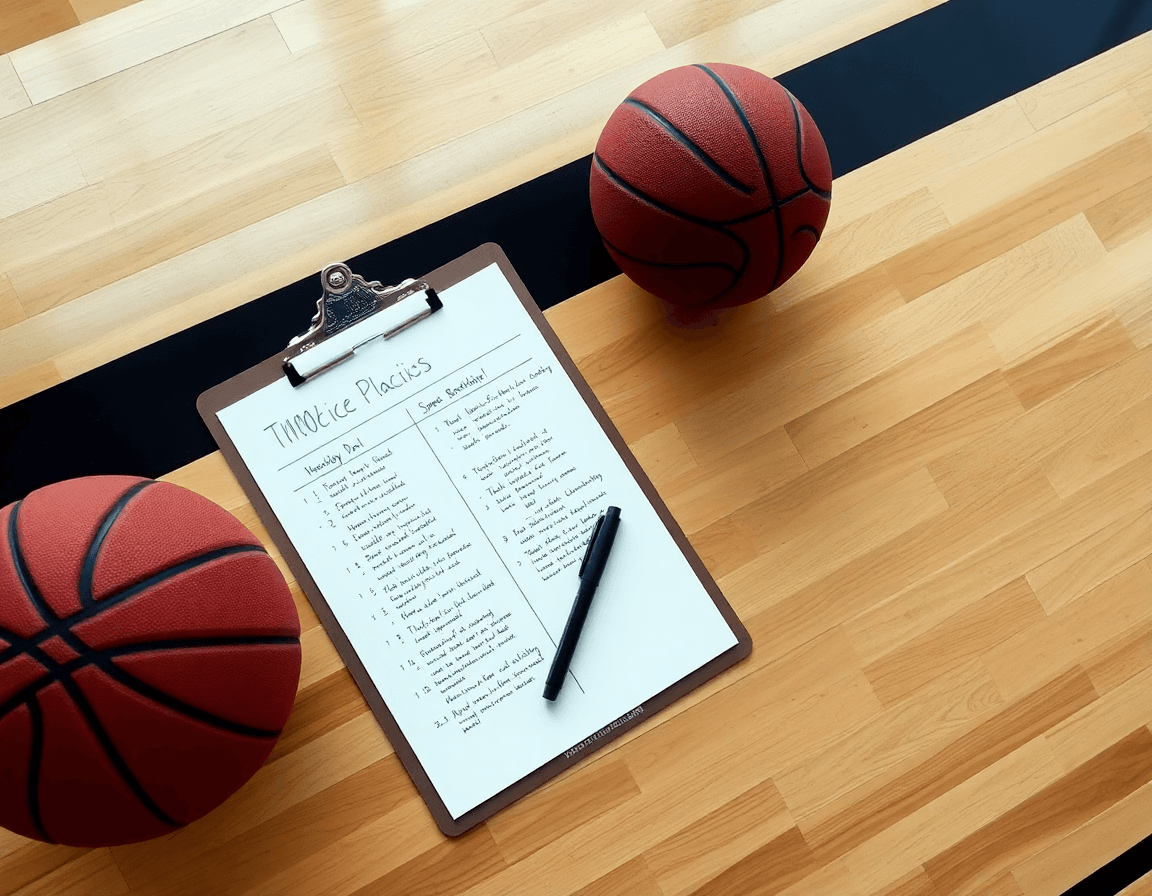
Once the drills are selected, I assign them to assistants and export a printable plan (PDF) for staff alignment. The workflow creates a clean checklist for weekly training that everyone can follow, whether on the gym floor or in film room review.
Targets vary by age and level, and I track progression across the week. I adjust volume and emphasis—more ball handling and shooting for younger groups, more defense and transition work for older teams—and log results in the system. I also use scouting inputs to tailor the week for upcoming opponents, and publish a short player-facing playlist of clips for review. The result is a cohesive cycle: plan, diagram, clip, scout, execute.
Design game-like drill progressions
Designing game-like drill progressions begins with fundamentals. I start with basic footwork, balance, and form shooting, then ramp to game speed reps so the transfer to competition feels natural. The progression runs solo, then small-group, then team, with tweaks by position and role so a guard’s ball-handling and a big’s footwork stay consistent to the plan. Time-blocking keeps reps dense and meaningful: dedicate cycles to body control, footwork drills, and shooting drills, and push the pace until each sequence can be run with purpose under pressure.
On the court, I lay out the progression in the plan: solo work first—ball handling and dribbling drills to build rhythm—then partner work with passing drills and catch-and-shoot patterns, then small-group and team reps (off the dribble finishes, screen-and-roll reads, and shooting drills under live defense). The goal is to map every step in the library so staff can follow the intent and players feel a continuous arc toward game speed. I’ll drop a quick video clip after each block to check form and timing, linking form shooting, catch-and-shoot, and footwork drills to real game scenarios.
To keep everyone aligned, I map the progressions in the library and diagram the curves on the whiteboard. As players progress, I pull short video clips showing the transfer from form shooting to off-the-dribble finishes, and drop them into a player-facing playlist for quick review. The scouting inputs feed adjustments: if a team’s pressure ramps up, we emphasize ball handling and passing drills at tempo. The workflow stays simple: plan in the planning library, diagram on the whiteboard, record a clip, share a playlist, and keep the staff rowing in the same direction.
Diagramming drills and plays with the whiteboard
On the whiteboard, I diagram each drill and play with clear labels for players. In a typical weekly flow, I map out a ball-handling sequence that slides into a footwork drill, then a ball screen action like a PnR, followed by an ATO or BLOB/SLOB. I tag roles (ball-handler, screener, spacer) and mark the decision point where the offense can attack or reset. The visual map is the hub that keeps our entire staff aligned before we touch the floor.
Annotate rotations and decision points to reduce ambiguity during practice. For example, if the ball handler drives, the screener’s partner slides to the strong side and a guard cuts to the corner. We spell out where we want players to read the defense—when to pull up for a shot, when to reverse to a skip pass, and where to crash for rebounds. This clarity matters just as much for ball handling and passing drills as it does for footwork drills, so the whole group moves with purpose instead of reacting in the moment.
Export diagrams as PDFs for sharing with assistants and cut-ups for players. After we lock a diagram in plan, I generate a PDF that travels with the practice plan to every coach and scout. The same diagram becomes a quick-cut video clip for players that highlights the exact flow of the drill library entry we’re running.
Link diagrams to the drill library so players can review the exact sequence. When a shooter watches a clip and studies the cut, they can replay the labeled sequence at their own pace—confirming the ball-handling rhythm, the footwork timing, and the pass angles. This cross-links our planning library with on-floor execution, making it easier to reinforce the drills and the decisions behind them.
Leveraging video clips to teach and reinforce
I pull clips of relevant game and practice footage to illustrate technique, timing, and decision-making. These video clips cut straight to the teaching—tight angles, clean footwork, and the exact moments to pass or shoot. In a drill focused on catch-and-shoot from the three-spot, a short clip shows proper knee bend, level shoulders, and release timing as the defender slides laterally. The players see the cues we want them to replicate, not just a scoreboard fade.
From there, I build playlists that target specific skills. A three-spot shooting playlist groups clips from our shooters’ attempts from that line, with notes on footwork and release. Another playlist centers on 2-ball dribbling, helping with ball handling under pressure and keeping the eyes up. The goal is to connect technique with decision-making in context, so a clip on a pull-up after a dribble becomes a teaching moment for both footwork and timing.
Sharing is simple: I drop a link to the playlist so players can study on mobile devices and at home. They watch during study time, on the bus, or in their dorm, and come back with questions or adjustments. Clips serve as quick references for form shooting, catch and shoot, and off the dribble moves, and you don’t need a full unit to review—just a short clip that reinforces the daily plan.
During post-practice reviews, clips become quick feedback moments. We pause on a drive-and-kick read or a misread in the rotation and discuss the timing and decision-making. The clip is used to coach the moment in real time, then saved in the library for future scouting and player playlists.
Scouting-driven drill focus
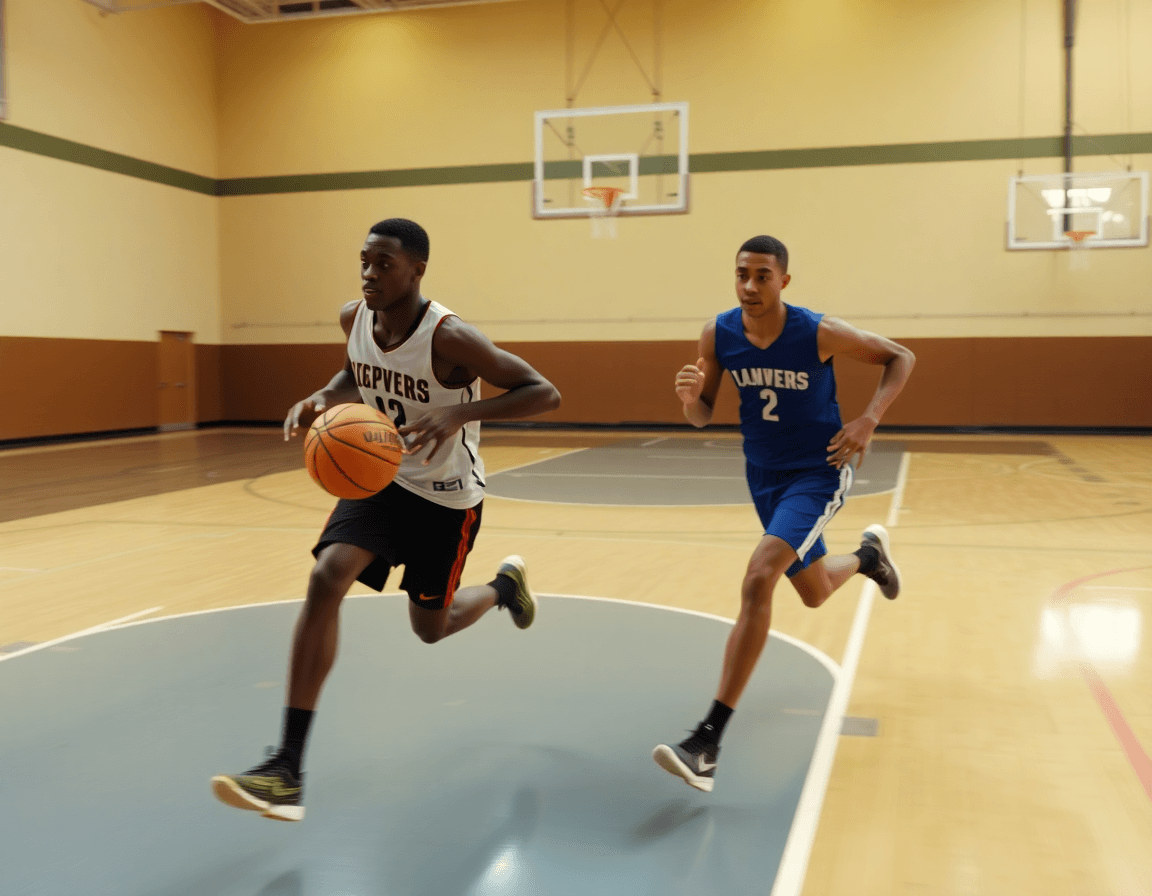
As a coach, I pull from the scouting reports in our planning library. They lay out opponent tendencies: how they defend ball screens, how rotations collapse, and where shooters find open looks. These basketball drills translate those tendencies into an actionable, week-long plan. If the scouting shows a pressure defense and aggressive gaps, we lean into defense drills that rehearse quick closeouts, pressure on the ball, and recover rotations. I pair that with ball handling drills and off-the-ball movement to mirror the counters on the floor. We jot a quick note on the plan and export a short clip from a recent game as a visual cue for the staff. The result is a crisp, repeatable path from scouting reports to on-court action.
Next comes mapping notes to drill progressions that address specific counters. Each insight—from trapped ball screens to denial on the weak side—drives situational drills drawn from those scouting insights to sharpen adjustments in game-like moments. We run short video clips in the plan and build a small playlist for players with drills that address different looks: ball handling, footwork drills for closeouts, catch and shoot, and passing drills to keep ball moving. After practice, I document outcomes and feed them back into the next week’s scouting-driven plans so the cycle stays tight: data to practice to game-day execution.
Create and share drill playlists with players
As you wrap up this week’s plan in the planning library, you start building player-friendly playlists by skill and age/level. Think of a playlists track that runs through two-ball dribbling and crossovers, a shooting track focusing on form shooting and catch-and-shoot, and a footwork block to sharpen angle work. This approach keeps drills aligned with your weekly goals and makes it easy for assistants to pull the exact routines you want for each group.
Once these playlists are created, you share them with players and staff via shareable links that work across devices—phone, tablet, laptop—so outcomes stay aligned whether you’re at the gym or on the road. A guard working on crossovers can pull up the Ball Handling playlist while you’re in a chalk-talk session, while assistants can pre-screen clips to prep demonstrations.
In terms of tracking, you can see who completed each drill, how many reps were logged, and what still needs work. If a kid struggles with a crossover, you flag that drill for extra reps or a quick in-practice demonstration; you can revisit the video clips or re-sequence drills to reinforce progress. The workflow lets you adjust on the fly in the plan, in the whiteboard, and in the video.
Finally, playlists reinforce what happened in practice and support independent work. After a session, a player can revisit the Two-ball Dribbling playlist at home to reinforce muscle memory, or a post-practice scouting note links to the drills that address the opponent’s defense. With player-facing playlists, you extend your weekly drill framework beyond the gym, making it easier to keep up with what you covered and what still needs work.
Practical weekly workflow: step-by-step from plan to play
Step 1: Define weekly team and individual goals based on opposition and development priorities. In the planning phase, I translate those goals into concrete basketball drills, always with game speed and readiness in mind. The outcome is a living checklist for weekly training that keeps everyone on the same page.
Step 2: Pull a targeted set of drills from the library; assign progressions by position and level. This is where drill planning meets reality—emphasizing ball handling, footwork, and shooting, tuned to each player. I lock these into the week’s plan, adjusting intensity by role and experience.
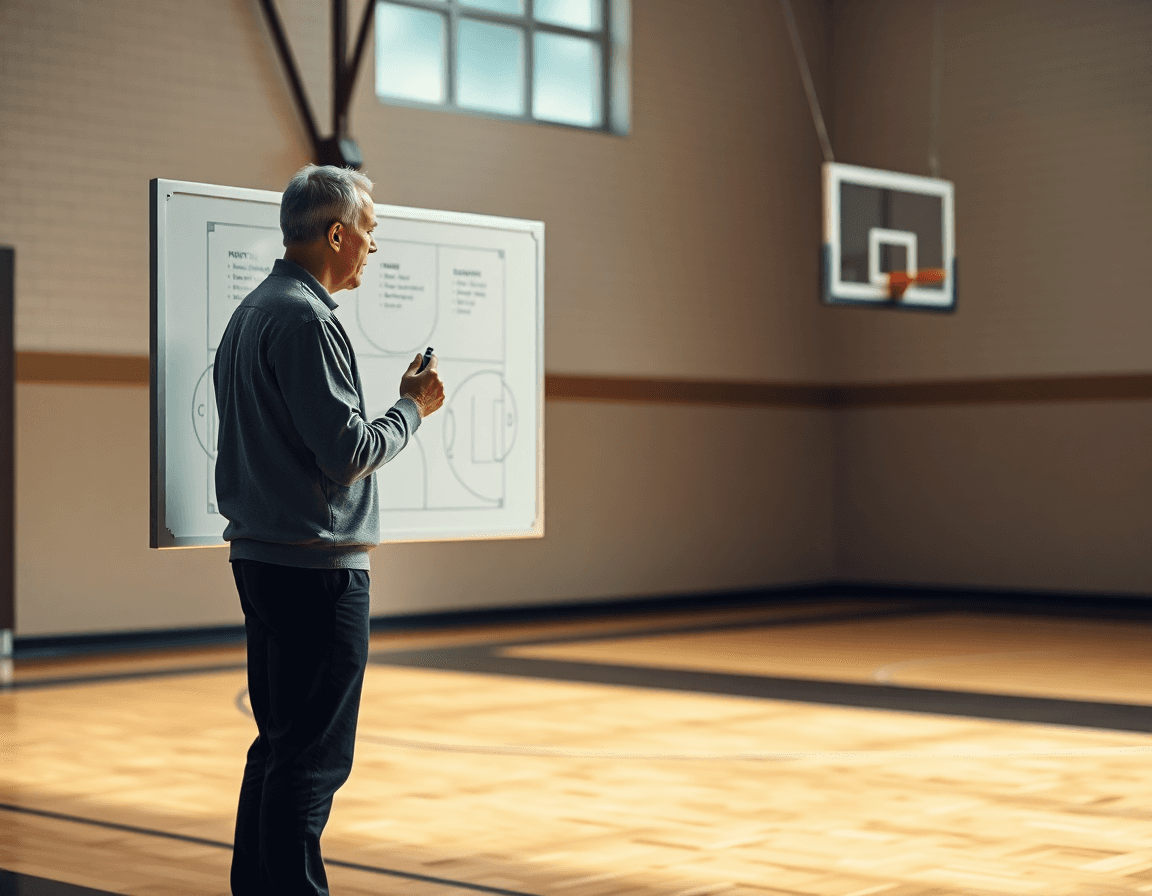
Step 3: Diagram the plan on the whiteboard with action labels and expected outcomes. Visuals help players connect drills to game situations and tempo. Step 4: Clip and flag game footage; create feedback clips for players and staff.
Step 4: Clip and flag game footage; create feedback clips for players and staff. If a route is running too slow or a defender squeeze closes out early, those moments get highlighted for quick learning.
Step 5: Convert scouting insights into drill substitutions or additions for the week. If scouting notes spotlight weak closeouts or decision-making, we swap in targeted drills. Step 6: Build and publish playlists; assign to players with clear expectations.
Step 6: Build and publish playlists; assign to players with clear expectations. Playlists become shareable links for players, reinforcing what to practice and by when.
Step 7: Review results, adjust focus, and plan ahead for the next week. In practice, we compare outcomes to the plan, tweak the weekly targets, and update the planning library. It’s a living, game-speed workflow that keeps us ready for Friday.
If you build plans like this every week, CourtSensei keeps your drill library, whiteboard, and video clips in one place — try it free.
FAQ
What are the best drills for beginners in basketball?
Start with the core triad: ball-handling, footwork, and form shooting. Build a 20–25 minute routine: 5–7 minutes on solo or two-ball dribbling, 5–7 minutes of ladder footwork, 5–7 minutes of close-range form shooting, then a short passing sequence. Keep reps clean, progress to catch-and-shoot, and add light defense as you improve. Track weekly gains.
How can I sharpen my ball-handling in basketball?
Focus on purpose-driven practice: mix moves, use both hands, and maintain tempo during reps. Start with a two-ball or cone drill to build rhythm, then add light pressure from a defender or timer. Finish with game-like sequences—dribble, pivot, pass—to transfer to live action. Review footage and log progress weekly.
What exactly is form shooting in basketball?
Form shooting centers on clean mechanics close to the hoop. Prioritize balance, hands under the ball, and a smooth release with a consistent follow-through. Repeat from the same spot, then step out gradually while preserving arc. Move to catch-and-shoot or off-the-dribble after you nail the base. Slow, deliberate reps build memory.
How do you practice at game speed?
Block practice into solo, partner, and team segments, all at tempo near game pace. Add defensive pressure, time constraints, and decision-making reps to simulate real action. Use quick video clips afterward to compare form and timing. The aim is seamless transfer to games, not merely faster drills.
What is the 4 Corner Passing drill and how does it work?
In this drill, players sit at four corners and rotate quick, crisp passes around the arc. Emphasize catching with soft hands, proper pass angles, and accurate delivery. Add a defender or a ticking clock to raise pressure as players improve. Finish with rapid sequences to keep everyone moving and communicating.
How does the Monkey in the Middle drill work?
Monkey in the Middle pairs two outside players with a middle defender. The goal is quick outlet passes, smart decision-making, and tight footwork to stay out of pressure. Rotate defenders to build reading the defense and spacing. End with a brief reset and a higher pace to keep reps sharp.