
Mastering the 2 3 zone defense: weekly coach workflow
Coach-focused guide to the 2 3 zone defense: plan rotations, diagram plays, edit video, scout opponents, and share clips for weekly practice.

Key takeaways
- Identify situational fits for deploying the 2-3 zone defense based on opponent ball movement.
- Define top guard and wing responsibilities to ensure clean zone rotations and reliable paint protection.
- Plan a weekly cycle: shell work, rotations, then bridge to man defense for late game.
- Record and tag guard-ball reversals and skip passes to build a shareable playlist for coaching staff.
- Use scouting notes to adapt 2-3 zone strategies for future games and specific opponent tendencies.
Why add a 2 3 zone this week
Situational fit: when the opponent relies on ball movement and interior pressure, a well-timed 2-3 zone defense can stabilize the paint and slow their decision-making. If their action starts with motion at the top and feeds cutters through the lane, you’ll buy time for your help rotations and keep guards out of early foul trouble. This is a practical move for when to use 2 3 zone: you’re flipping the balance in the half-court and forcing longer, less efficient possessions.
Roster alignment: a 2-3 should clarify roles for guards at the top and wings near the baseline. With the top defender patrolling the high post and the corners denying immediate passes, you get reliable top of the zone pressure without overloading your backline. Emphasize paint protection during shifts and ensure the wings slide into their baseline and corner rotations as ball movement prompts a skip pass. When executed cleanly, the zone turns transitions into controlled ball reversals rather than quick attacks.
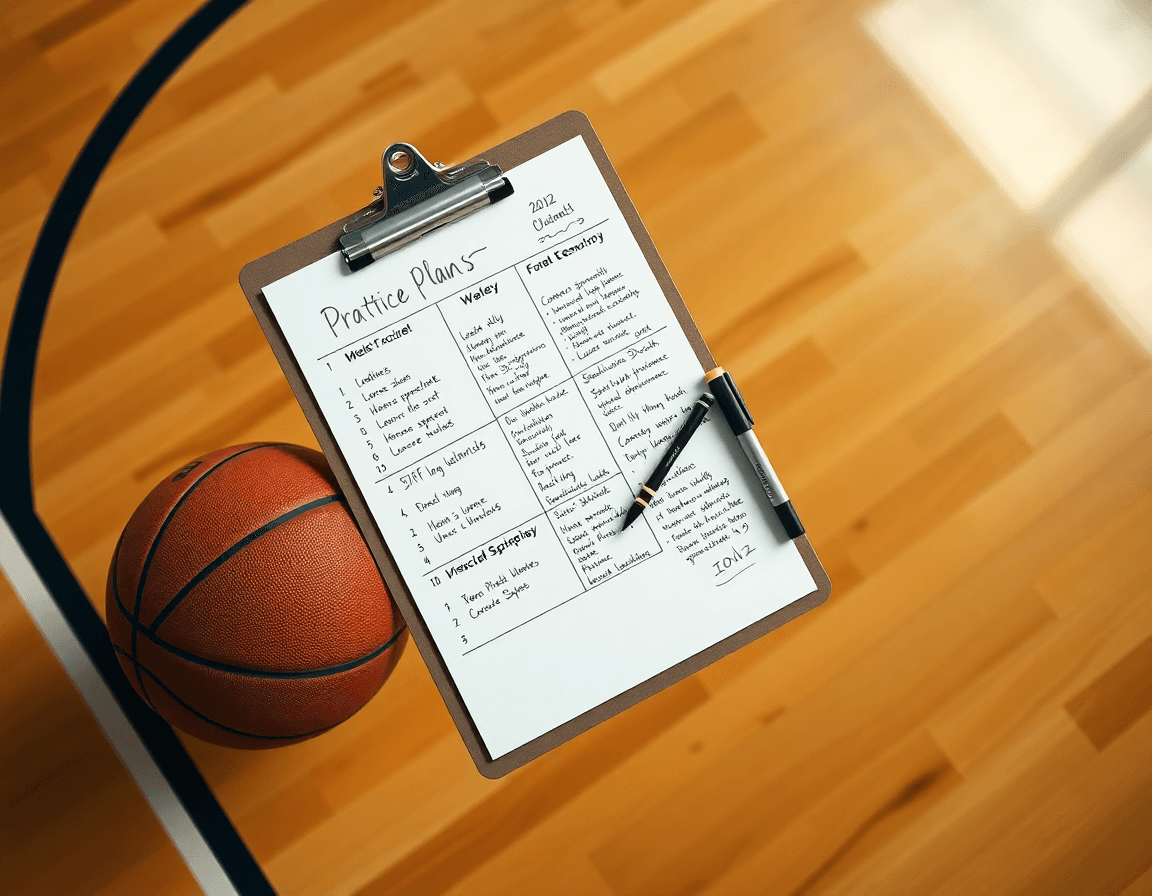
Weekly goals and workflow: in the weekly plan, slot in a focused 2-3 phase—shell work, rotations, and then a bridge to man defense for late-game situations. Balance how long you stay in the zone with how long you stay in man to preserve tempo and rebounding. On the tactical whiteboard, diagram the zone shifts and the baseline/wings rotations; after practice, clip a possession that shows your ball reversal into a contested jumper and tag it for players via a shareable clips playlist. CourtSensei ties planning, diagramming, video editing, scouting, and clips into a seamless cycle.
Key rotations and responsibilities in a 2-3 zone
Key to executing a rock-solid 2-3 zone defense is assigning clear responsibilities and matching them to the ball. On the top of the zone, your guards throttle the ball and deny direct entry, while wings pinch the lane and force kickouts. The high post patrols the middle seam, ready to shade passes to the weak side and press ball reversal. Baseline defenders cover the corner and the gap to the paint, preventing skip passes from slipping through. When the ball slides to the opposite wing, players slide into the appropriate baseline and wing and corner rotations to keep the zone compact. This is the stuff we map in the weekly plan: define who does what, then diagram the alignments on the whiteboard. In CourtSensei, those roles become shareable checklists and a living library of zone responsibilities. All of this feeds the 2 3 zone defense rotations you map for the week.
Rotation cues: ball reversals, skip passes, and post reversals should trigger the next movement. When the ball reverses, the top guard and nearest wings shift as a unit, while the high post slides to seal the middle and the opposite baseline drops to the corner. The paint protection responsibilities are clear: keep the weak side from flashing to the rim, and collapse toward the strong side where the ball is. Communication and spacing are critical: stay compact, call out “up top,” “weak side,” and ball location. The alignment is not static; the zone shifts with the offense’s movement, using a disciplined zone shift. In our weekly workflow, we film a few clips of ball reversal and skip pass sequences, tag opponent tendencies, and use the whiteboard to mark the intended rotation cues. Then we push short video clips to assistants and players via shareable playlists so everyone knows the exact timing for the 2-3 zone defense rotations.
When to deploy the 2-3 zone in a game
Understanding when to deploy the 2-3 zone defense starts with the scouting report and live cues. Against teams with strong inside scoring or a dominant paint entry, flashing the zone tightens passing lanes and compresses post feeds. It also serves as a change-of-pace if an offense uses back-to-back screens and drags you into a drive-and-kick rhythm. And late in the shot clock, stepping into the zone buys space and nudges the offense toward contested outside shots. The timing should match how often they rely on post touches versus outside threats.
Positioning matters. Start with the top of the zone—hands active, eyes on the ball to deny entry passes. If the offense uses a high post, the next rotation to the high post keeps your alignment solid. The aim is strong paint protection near the rim while you rotate, not over-extending. From there, tune with baseline, wing and corner rotations so you can clog the drive and still rebound. Read the skips and ball reversals; a crisp skip pass frequently invites a weak-side shot or a reset.
Use the 2-3 zone timing to bait passes into corners and trigger misdirection sequences. As offenses try to reverse the ball, adjust with zone shifts that deny the skip pass and keep the ball out of the high post. If they attack small-ball lineups or post-entry actions, tighten rotations and chase the ball into a quick trap. Log these reads in scouting notes to guide beat 2-3 zone strategies for the next game.
Within the weekly plan, block a zone-focused day, diagram the rotations on the whiteboard, and pull clips that illustrate what to expect. After the game, clip and tag opponent tendencies, then push tailored clips to assistants and players via shareable playlists. This loop keeps you ready for beat 2-3 zone strategies and lets your staff execute with precision.
Beating the 2-3 zone: adjustments and counters
From a coach's weekly perspective, beating a 2-3 starts in the plan. I map out a couple of core counters: attack the top of the zone with quick ball reversals and timely skip passes to swing to the weak corners. We rehearse two primary sequences in practice: a quick strike from the strong side into the short corner, and a reverse-pass drill that tests the skip to the opposite wing. On the whiteboard, I diagram these timing windows so assistants know when to flash into the gaps.
Perimeter production hinges on spacing and timing. We lean on the high post to bend the center and open lanes for the wings and corners. Our shooters work on catch-and-shoots off the skip pass, then quick follow-ups when the defense overplays. A common beat: ball reversals to the weak side, then a skip pass to a shooter in the corner for an open look.
Rebounding and paint protection matter just as much as ball movement. Offensively we attack gaps along the baseline and wings to stretch the zone, then crash the boards after every miss. Defensively, we practice zone shifts to adjust to ball movement and keep opponents from sprinting into easy inside looks. The result is a disciplined effort to secure misses with active bodies and positioning.
All this lives inside the weekly workflow. In the plan, we assign drills that train the 2-3 counters, then I sketch the actions on the whiteboard. After games or scrimmages, we clip selected sequences, tag the tendencies, and build a short set of playlists for assistants and players. The clips reinforce the plan, turning scouting notes and zone-shift reads into tangible actions.
Practical workflow: from scouting to practice
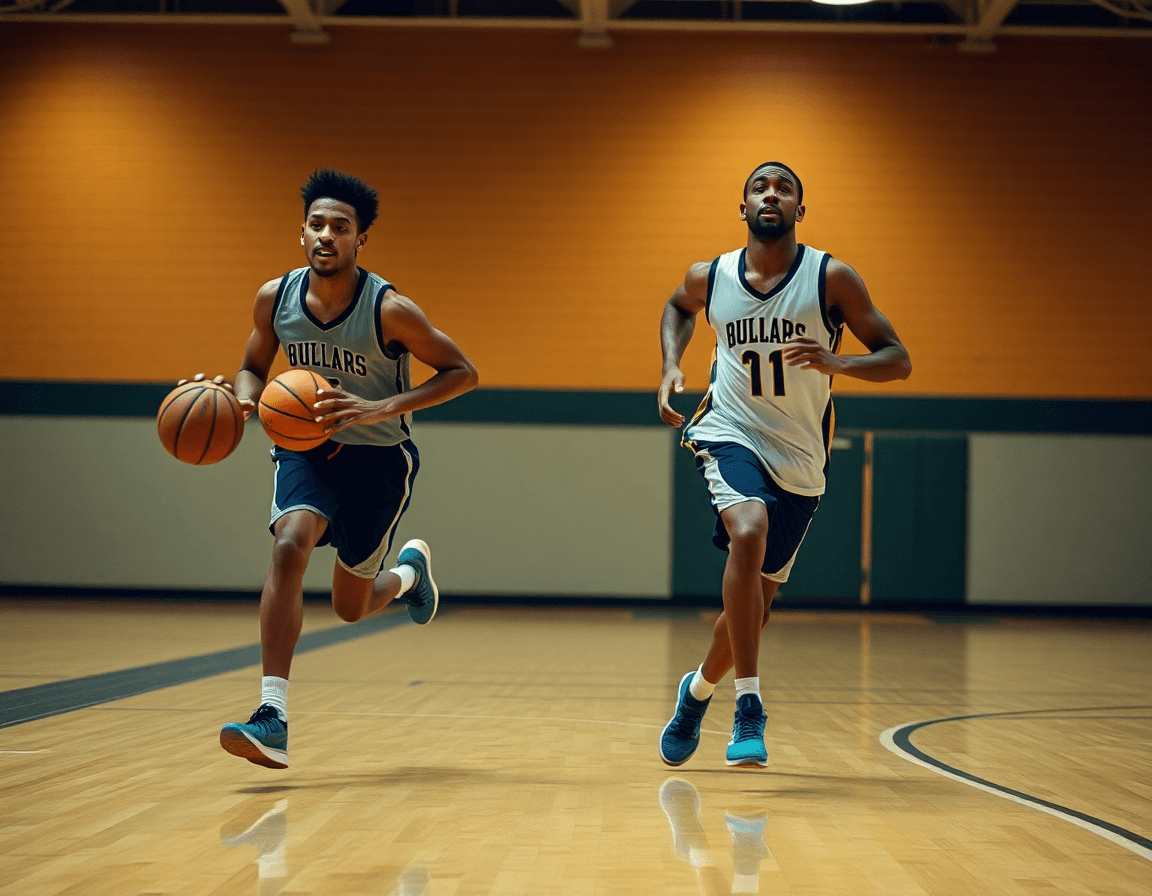
Starting point: compile opponent tendencies in the 2-3 zone defense from a concrete scouting report to practice. I pull notes from the scout and map where teams attack: top of the zone pressure, the high-post reads, and the seams behind the baseline. We track baseline spacing, wing and corner rotations, ball reversals, and skip passes that force late zone shifts. That set of tendencies becomes the anchor for the weekly workflow, guiding what we emphasize in drills and on the whiteboard.
Plan construction: translate findings into practice objectives and rotation prompts. In the plan, I convert scouting notes into actionable objectives like sealing the lane at the top of the zone, sharpening baseline and wing rotations, and cueing the high-post reads. We draft rotation prompts for defenders to stay compact and for our ball reversal sequences to create gaps. This step plugs straight into our 2-3 zone scouting workflow and anchors the weekly workflow across drills and whiteboard diagrams.
Progression: move from theory on the whiteboard to drill progressions and in-practice adjustments. We ride the flow from shell work to live reps, starting with the top of the zone containment and then evolving into wing and corner rotations after ball reversals. I film a short video clip of a skip pass to the weak side and tag it in the scouting notes so the team sees the exact cue next practice. Then I push a set of shareable playlists for assistants and players, linking the clips to the zone shifts and the language we use on the court.
Drills and practice plan to teach the 2-3 zone
Here’s how I wrap the week around the 2-3 zone defense, turning it into a tight, repeatable workflow. My plan starts with a solid practice plan that ties directly to the diagrams I sketch on the whiteboard, then feeds into video and scouting notes. In CourtSensei, I map the four-day arc in the plan and lock the details in the library: shell positions, rotation triggers, and the cues I want assistants to coach. The weekly cycle is simple: plan, diagram, clip, share — then repeat. With this rhythm, we stay disciplined about ball reversals and paint protection.
Foundational drills: I lean on shell rotations, baseline traps with limited pressure, and crisp ball reversals to stress decision making. We emphasize keeping the top of the zone tight and denying easy looks, using the high post as a safety valve. As players get comfortable, we layer in wing and corner rotations and practice the skip pass to test angles and communication. The goal here is predictable reads, not friction, so the defense can stay in balance even when the offense quickens.
For the install-to-scrimmage arc, I run a 4-day microcycle built around install, reps, and situational scrimmages. Day 1 is install: diagram rotations on the whiteboard, assign cues for top of the zone and paint protection, and review the scouting notes from the last opponent. Day 2 focuses on repping the shell with limited pressure, while Day 3 adds ball pressure and post defense rotations, keeping active hands and zone shifts in play. Day 4 is a situational scrimmage with a quick review. After each session I clip the key moments and push them into targeted shareable playlists for assistants and players to study, closing the loop on planning, diagramming, video, and scouting.
If you build plans like this every week, CourtSensei keeps your drill library, whiteboard, and video clips in one place — try it free.

FAQ
What is the 2-3 zone defense in basketball, and when should you use it?
The 2-3 zone defense is built with two guards at the top and three players across the baseline, forming a protective arc that clogs the lane. It slows interior feeds, buys time for rotations, and can neutralize fast pass-entry teams. Use it when a foe relies on ball movement or post touches, or when you need to shift tempo late in the clock.
What are the advantages of a 2-3 zone defense?
The top-of-zone pressure disrupts entry passes and speeds up decisions, while compact rotations tighten the paint and force longer possessions. It helps you control pace, protect against aggressive drives, and reduce foul risk for guards who stay disciplined. When the zone is stitched together, you generate multiple break points for rebounds and transition opportunities.
How do you beat a 2-3 zone defense effectively?
Beat it with quick ball reversals and sharp skip passes to the weak corners to reset the defense. Practice two sequences: a fast strike from the strong side into the short corner, and a reverse-pass drill that tests the skip to the opposite wing. The goal is to collapse the zone and create clean looks from the perimeter.
What are the weaknesses of the 2-3 zone defense?
Weaknesses include vulnerability to rapid perimeter ball movement, especially with shooters in the corners, plus gaps in rebounding and late rotations if timing slips. If the ball is skipped slowly or the wings hesitate, the zone stretches and allows drives, backdoor cuts, or open shooters—fixable with crisp, communicated rotations.
How do you teach the 2-3 zone to beginners?
Start with clear roles and simple shell drill to teach spacing. Define who covers the top, wings, and baseline, then diagram alignments and rotations on the whiteboard. Use beginner-friendly drills to install zone responsibilities and then add rhythm: faster reversals and skip passes as players gain confidence.
What drills train the 2-3 zone defense?
Focus on a solid shell drill to teach spacing and responsibilities, plus a drill for quick ball reversals. Add two sequences: strong-side entry to the short corner, and a reverse-pass drill to stress the skip. Film reps and share clips so players can study the 2-3 zone rotations and improve timing.